Advertisement
Advertisement
August 2026
Interview With Gloria M. Martinez Salazar, MD, FSIR, FCIRSE
Dr. Salazar discusses academic IR as a driver of innovation, peer referral for the EMBOLIZE trial, creating pathways for underrepresented groups, and the role of mentorship and sponsorship in career development.

Earlier this year, you announced a promotion to Clinical Professor of Radiology at UNC School of Medicine. How did you know academic interventional radiology (IR) was the right path for you? What do you find most fulfilling about it?
Academic IR felt like the right path early on because it brings together everything I value: innovation, patient care, education, and leadership. I was drawn to IR for its minimally invasive approach and its ability to make an immediate, tangible difference in patients’ lives. Over time, I realized that an academic environment amplified that impact by allowing me to not only care for patients but also train future physicians, conduct research, and build programs that improve care delivery.
This promotion marks an important milestone, but it also reflects a broader commitment to advancing the field. Academic IR is foundational to innovation and the evolution of health care delivery, and what I find most fulfilling is the ability to shape that progress through evidence generation, mentorship, and building multidisciplinary programs that directly improve patient outcomes.
How would you describe the current stage of your career? What are you prioritizing now, and how has this changed over the years?
I would describe this stage of my career as one focused on impact, leadership, and legacy. Earlier in my career, the emphasis was on developing clinical and technical expertise. Today, my priorities have expanded to include advancing clinical research, building sustainable programs, and mentoring the next generation of interventional radiologists.
I am particularly focused on strengthening the evidence base in women’s health and venous disease, fostering multidisciplinary collaboration, and creating pathways for trainees and early career physicians to thrive. Over time, my perspective has shifted from individual achievement to collective progress, recognizing that meaningful change in medicine is always a team effort.
With Dr. Ronald Winokur, you are co-leading the EMBOLIZE trial. What makes this trial different, and what does it say about the direction of the vascular field?
The EMBOLIZE trial represents an important step forward because it is a randomized, sham-controlled study, something that has been limited in this space historically. This design allows us to generate high-quality evidence to better understand the true impact of ovarian vein embolization in patients with chronic pelvic pain due to pelvic venous disease.
More broadly, the trial reflects a shift in the vascular field toward rigorous evaluation of interventions that have long been performed but insufficiently studied. It signals a commitment to evidence-based practice, patient-centered outcomes, and multidisciplinary collaboration.
What is your message regarding peer referral to enroll patients in this trial?
My message is simple: Collaboration is essential to advancing care. Trials like EMBOLIZE depend on timely referral and broad engagement from colleagues across specialties. By identifying appropriate patients and facilitating enrollment, we collectively contribute to building the evidence that will guide future treatment standards.
Ultimately, this is about improving outcomes for patients who have often struggled to find effective, validated therapies. Each referral goes beyond merely participation in a study; it is an investment in the future of patient care.
You were recently part of a Society of Interventional Radiology workgroup on venous-origin chronic pelvic pain (VO-CPP).1 What did the published guidance reveal about the multidisciplinary nature of intervention for VO-CPP? Where do opportunities remain to improve coordination of care?
The workgroup reinforced that VO-CPP is inherently multidisciplinary. Optimal care requires collaboration among interventional radiologists, gynecologists, pain specialists, and primary care physicians. No single specialty can address these patients’ needs in isolation.
Opportunities remain to improve awareness, streamline referral pathways, and standardize care models. Strengthening these connections will help ensure patients receive timely diagnoses and access to the full spectrum of treatment options.
Over the years, you have studied the social determinants of health in fibroid treatment. Where do you see the biggest gaps today in fibroid care, and what role can interventional radiologists play in ensuring more women have access to all of their treatment options?
Significant gaps remain in awareness, access, and equitable delivery of fibroid care. Many patients are still not informed about minimally invasive options such as uterine fibroid embolization, and disparities in access persist across different populations.
Interventional radiologists have a critical role to play—as proceduralists as well as educators and advocates. By engaging directly with patients, collaborating with referring providers, and addressing systemic barriers, we can help ensure that more women have access to comprehensive, patient-centered treatment options.
Creating pathways for underrepresented groups in medicine has been a longstanding passion of yours. What barriers do these students continue to face, and what steps can medical schools and IR fellowship programs take to create environments that allow them to thrive?
Barriers persist at multiple levels, including access to mentorship, visibility, and opportunity. As someone who trained internationally and entered a male-dominated field, I experienced firsthand the challenges of navigating cultural differences and proving oneself in new environments.
Programs can make a meaningful difference by investing in mentorship, creating inclusive training environments, and developing structured pathways to support underrepresented students. Access is important but the overarching goal should also include long-term success and leadership development.
Throughout your career, you’ve benefited from both mentors and sponsors, and you have also mentored and sponsored countless trainees yourself. How do you distinguish between the two, and why is sponsorship so important for helping the next generation of leaders?
Mentors provide guidance, feedback, and perspective, helping individuals grow professionally and personally. On the other hand, sponsors actively advocate for you, opening doors, creating opportunities, and elevating your visibility. Both roles are essential, but sponsorship is often what enables meaningful advancement.
Mentors and sponsors have shaped every major milestone throughout my career. This experience has reinforced my commitment to serving in both roles for others, ensuring the next generation receives guidance, advocacy, and opportunity.
Simulation-based education is another key interest for you. What are some of the biggest gaps in vascular training today?
One of the biggest gaps in vascular training is the variability in exposure to complex procedures and real-world decision-making. Simulation offers a powerful tool to bridge that gap by allowing trainees to practice technical skills, refine judgment, and build confidence in a controlled environment.
As IR continues to evolve, simulation will play an increasingly important role, in technical training as well as in team-based care, communication, and quality improvement.
How has your international work and involvement in global outreach influenced how you approach patient care, education, and leadership?
My international experience has been foundational. Growing up in São Paulo, Brazil, training in Boston, Massachusetts, and now practicing in North Carolina has given me a global perspective that shapes how I approach patient care and leadership.
International collaborations foster the exchange of ideas, accelerate innovation, and ultimately improve patient outcomes. I strongly believe that knowledge should travel; when we share expertise across borders, we build stronger systems and better care for patients everywhere.
If you could have dinner with the version of yourself who arrived in the United States for fellowship training, what would you tell her about the path ahead of her?
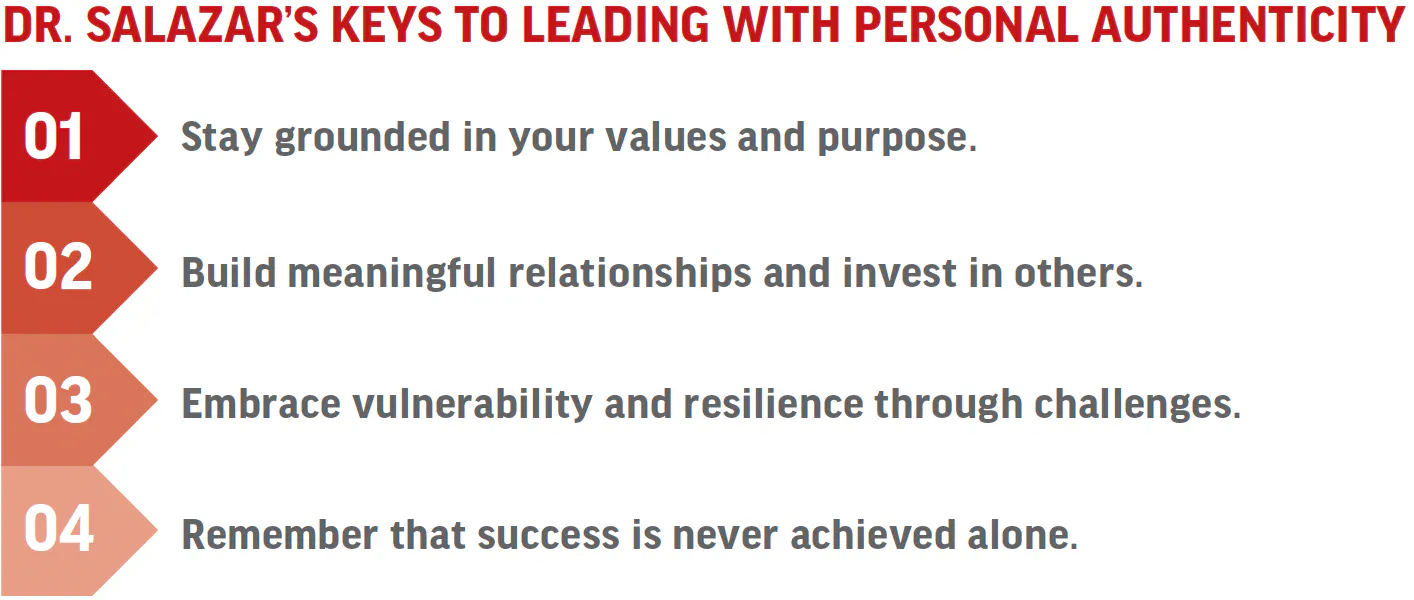
I would tell her to trust the journey. Starting over in a new country with uncertainty, cultural differences, and challenges can feel overwhelming, but resilience and perseverance will carry you forward.
I would also remind her that setbacks are part of growth, and that courage is not the absence of fear—it’s moving forward despite it. Most importantly, I would tell her that she does not have to do it alone. Success is built through community, mentorship, and support.
1. Kaufman CS, Winokur RS, Khilnani NM, et al. The Society of Interventional Radiology practice guidance document on venous-origin chronic pelvic pain in women. J Vasc Interv Radiol. 2026;37:107954. doi: 10.1016/j.jvir.2025.107954
Advertisement
Advertisement
Interested in reading more interviews?
To read more interviews with thought leaders in the vascular field, check out our Profiles & Perspectives hub.
Read More