Early Career Insights
Advertisement
Advertisement
Early Career Insights Part 3
What’s Your Advice on Getting Involved at the Society Level and in Public Health Initiatives?
Strategies for getting started, staying engaged, and shaping the future of your specialty and community.
With Sabeen Dhand, MD; Jeniann A. Yi, MD, MSCS; Hafeez Hassan, MD, FACC, FSCAI, RPVI, FESC; Poonam Velagapudi, MD, MS; and Eri Fukaya, MD, PhD, FSVM
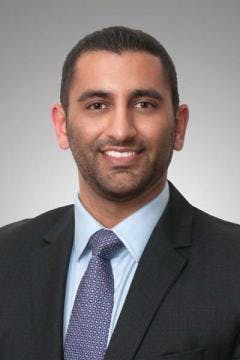
Early in my career, I was laser focused on becoming the most technically sound interventional radiologist I could be. My world revolved around techniques, outcomes, and building a high-volume private practice. But as I became more involved in societies and public health projects, I realized that true progress as a specialty (and an individual) doesn’t just happen within procedure rooms but also happens in conversations out in the community, especially in societies and public health initiatives.
Start Small
My journey with Western Angiographic & Interventional Society started the same way many great opportunities begin. I said yes to small tasks: a moderator here, a talk there. What I didn’t anticipate was how quickly those small yeses would build into a seat at the table and, with it, the chance to help shape the direction of our regional community. One of my favorite things about Western Angio is how grassroots it feels. It’s a reminder that societies are not distant institutions but rather collections of driven people often just like you who want to give back. Getting involved helped me explore the [EDS: ITAL] why behind what we do in interventional radiology and witness firsthand the ripple effects that advocacy and shared vision can have.
Step Into Public Health
Public health involvement offers a parallel but equally transformative path. So many vascular conditions we treat are deeply rooted in social determinants of access barriers and literacy gaps. When you step into public health work, you begin connecting the dots between what you do in the suite and what your patients experience. The opportunities are vast; you simply must actively look, and with a genuine attitude, your assistance to any of these initiatives is always highly desired.
Just Show Up!
My biggest piece of advice to those just starting out is to not underestimate the value of purely showing up. You don’t need a high title or decades of experience to make an impact within a society or health initiative. Be curious, be humble, and offer your skills where you can. Whether you’re speaking on a panel helping plan a community peripheral artery disease (PAD) screening or just lending a hand at the next meeting, you’re building your own story while moving the needle forward. You’ll be surprised how far genuine engagement can take you and how much bigger your world becomes once you step outside the lab. Each action builds momentum, and with persistence, those actions will form your professional identity and your legacy, one that extends far beyond just the lab.

Engagement in professional societies and public health initiatives offers clinicians, trainees, and students an opportunity to influence the broader landscape of health care. It can also provide another source of career satisfaction and enrichment beyond the strictly clinical arena. However, it can be hard to know where to begin or how to build a sustainable path. The following is some advice for how individuals at any stage of their career can navigate professional involvement with purpose and longevity.
Start Early
Early participation allows individuals to observe how societies operate and recognize where their own interests may align. Many of our societies offer channels for interested students, trainees, and early career professionals to participate. This exposure, even as a trainee, can provide valuable insight into societal activities, organizational structure, and ongoing priorities. Furthermore, it can introduce opportunities to provide your unique perspective on societal and public health initiatives regarding advocacy and policy development. Beginning early also helps build confidence through exposure and identify paths to future leadership. As always, mentorship can play a pivotal role here: Mentors can recommend committees, guide involvement decisions, and help avoid potential pitfalls, while sponsors may advocate for valuable opportunities on your behalf and are often instrumental to career advancement in multiple realms. Early societal involvement is a common way to find additional mentors and sponsors as well.
Say Yes, Then Be Selective
A common piece of advice given to early career professionals is to “say yes to everything.” Often, this is the most effective strategy to building relevant experience and establishing a broader network of colleagues. Volunteering for committees, assisting with projects, contributing to events, or joining advocacy efforts are all practical entry points. This early openness also establishes a reputation for enthusiasm and reliability, leading to more opportunities of increasing depth and importance. As this experience grows, it can be used to identify the work that is energizing and personally significant to you. Whether these interests lean toward policy, education, research, community engagement, or organizational leadership, meaningful involvement is most sustainable when it aligns with genuine enthusiasm. Although early broad exposure is beneficial, there is a point at which becoming selective becomes equally important. As professional responsibilities increase, focusing on roles that align with long-term career goals and individual strengths becomes essential. Strategic selectivity not only prevents burnout but also allows for deeper, more impactful participation.
Create Meaningful Impact
Ultimately, engagement at the society or public health level is not solely beneficial for professional growth. These efforts advance community health, shape policy, strengthen professional networks, and drive innovation. Broad early involvement gains exposure and breadth, enabling you to eventually define initiatives that are aligned with your values and interests. This personal connection facilitates long-term commitment and higher-quality contributions and fosters career growth, individual satisfaction, and meaningful impact on the communities you serve.

I am an early career interventional cardiologist focused on endovascular treatment for chronic limb-threatening ischemia (CLTI) in rural Ohio, where low health literacy contributes to late presentation. Based on that experience, here are three practical ways early career physicians can engage at the society level and in public health.
Show Up and Be Useful
Visibility begins with consistency. Join relevant societies and early career groups, such as the Society for Cardiovascular Angiography & Interventions (SCAI) Vascular Disease Council and Early Career Pathway, CLI Global Registry, American College of Cardiology (ACC) Fellows in Training and Early Career Work Groups, and the American Heart Association (AHA) Council on Peripheral Vascular Disease. Volunteer for small but reliable roles—reviewing abstracts, moderating webinars, or contributing short case pieces. Early career members who follow through become the people societies trust and elevate.
Lead a Small, Measurable Project That Can Grow
Public health impact starts with data. Choose a nationally relevant problem, such as PAD underdiagnosis, delayed CLTI referral, amputation prevention pathways, care inequities, or smoking cessation integration. Use resources like the National Cardiovascular Data Registry (NCDR) PVI registry or Vascular Quality Initiative data at your center. Aim to turn results into abstracts for SCAI/ACC/AHA and, eventually, participation in writing groups. The path is simple: Start local → generate outcomes → share → scale.
Build Your Public Health Voice Through Partnerships and Advocacy
You don’t need a national platform to begin. Collaborate with primary care, endocrinology, wound care, podiatry, hospital quality teams, and county health departments, especially in high-amputation regions. Practical starting points include PAD screening at community events, Federally Qualified Health Centers, and podiatry clinics. For advocacy, consider the ACC Legislative Conference, SCAI Voices for Cardiology, and supporting state efforts around tobacco policy, amputation prevention access, and Medicaid coverage. Understanding systems and equity is just as important as procedural skill.
Mentorship is prudent. Seeking guidance from established leaders can dramatically accelerate meaningful society and clinical involvement. One of the most important accelerators in my path has been mentorship—Dr. Fadi Saab helped shape my direction in limb salvage and opened doors to meaningful involvement.

Interventional cardiology is a rapidly advancing field with multiple subspecialties, and interventional cardiologists must be at the forefront of cutting-edge technology to improve patient care. This requires lifelong learning, which can be difficult beyond fellowship years due to the scarcity of time and mentorship. Getting involved with societies such as the ACC and SCAI early on is a great way to learn about cutting-edge procedural and technologic advancements. Societies and their annual scientific meetings provide opportunities for physicians to participate in hands-on workshops, live case demonstrations, and expert-led sessions to refine their existing skills, learn new approaches, and integrate evidence-based strategies into their practice. This helps them remain proficient in emerging technologies so they can deliver the highest quality of care to their patients.
Engage in Quality Initiatives
Participating in society-led quality programs (eg, ACC NCDR registries) is an important avenue for improving patient care. Quality initiatives focus on improving procedural outcomes, optimizing patient safety, and standardizing best practices in catheterization laboratories. By actively participating in quality improvement programs at their institutions or societal level, clinicians can gain insight into performance metrics, identify areas for improvement in their practice, and implement strategies that enhance patient outcomes. This helps interventional cardiologists both advance their interventional skills and strengthen the overall care delivered at their institutions, supporting a culture of excellence in interventional cardiology.
Networking and Mentorship
Finally, involvement in professional societies provides excellent networking opportunities with colleagues, mentors, and thought leaders. Serving on councils/committees, joining work/writing groups, and participating in collaborative projects allow one to build relationships that foster mentorship, collaboration, and career growth.
Start Early
Training years are the best time to join a society, such as the ACC and SCAI, as membership is often free for trainees. I personally joined both ACC and SCAI during my fellowship and advanced to Fellow of the ACC (FACC) and Fellow of the SCAI (FSCAI). I serve or have served several important roles within both ACC and SCAI, including Co-Chair of the SCAI Professional Well-Being Committee, member of the SCAI Ischemic Heart Disease Council and ACC Interventional Member Section, Past Chair of the ACC Early Career and Fellows in Training Sections, Past Co-Chair of the SCAI Education and Membership Committees, Social Media Editor for JACC: Cardiovascular Interventions, and member of the editorial boards of the JACC Advances and JSCAI. These roles helped me advance my personal and professional life and give back through education, advocacy, and support for the participation of women in all aspects of interventional cardiology. I strongly urge all of you to choose the society that best serves your interests and join today to take on an active role in helping yourself, your colleagues, and society as a whole!

Show Up and Say Yes
First, my advice is to start by showing up consistently and saying yes to small, concrete roles. Many clinicians assume that society leadership or public health work requires a significant up-front time commitment, but most meaningful involvement begins with volunteering for a committee, helping with a session, reviewing abstracts, or contributing to a guideline or survey. These early roles help you understand how organizations function and allow others to see your reliability and interests.
Focus on What Matters to You
Align your involvement with what you care about clinically or scientifically. Engagement is most sustainable when it connects directly to your day-to-day work—whether that’s patient advocacy, education, health equity, quality improvement, or research. Societies benefit most from individuals who bring subject matter expertise and genuine passion to advancing a shared mission.
Seek Mentors and Sponsors
Seek mentors and sponsors within professional societies. These organizations are unique spaces for cross-disciplinary mentorship and collaboration. Let leaders know what you’re interested in and where you hope to contribute—many opportunities arise simply because you’ve expressed interest and willingness.
Enjoy It!
Finally, it’s important to remember that this work can be genuinely fun and professionally fulfilling. Society and public health initiatives bring together like-minded people who care deeply about the same causes. Through this work, you can build lifelong friendships and trusted professional relationships, all while doing something meaningful that extends your impact well beyond your individual practice. Thoughtful, sustained engagement can be both personally rewarding and a powerful driver of change.
Advertisement
Advertisement
Find more Early Career Insights
Read more career reflections and practical advice for residents, fellows, and early career physicians in the Early Career Insights hub.
Read More