Advertisement
Advertisement
March 19, 2026
BARISTA 1-Year Outcomes Evaluate iVascular’s Restorer BMS in Iliac Artery Lesions
KEY TAKEAWAYS
- Real-world study of the iVascular Restorer BMS in iliac artery lesions was composed of 200 patients, 34% with TASC C and D lesions.
- 1-year results confirm safety and efficacy across TASC A to D lesions, including in complex anatomies.
- Freedom from target lesion revascularization was 96.4%
- Freedom from restenosis was 94.1%.
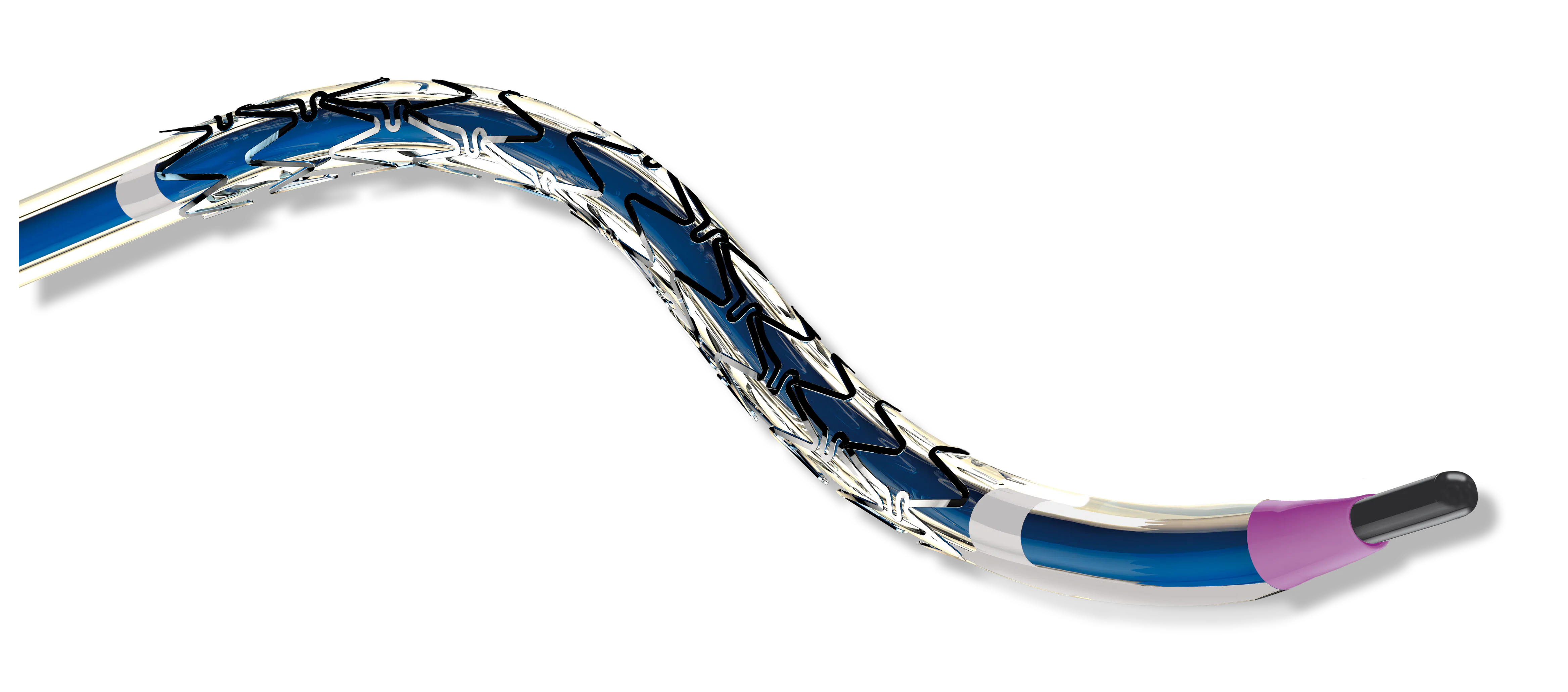 March 19, 2026—iVascular announced 1-year results from the BARISTA clinical trial, which is evaluating the safety and efficacy of the company’s Restorer bare-metal stent (BMS) in the treatment of iliac artery lesions. The company stated that the study’s evidence supports the performance of the Restorer device across a broad spectrum of lesion complexity—from TASC (TransAtlantic Inter-Society Consensus) A to TASC D.
The press release noted that the BARISTA trial enrolled 200 patients with all types of iliac lesions, including 34% with TASC C and D lesions.
According to iVascular, the 1-year follow-up results demonstrated the durability of the Restorer in maintaining vessel patency and reducing the need for interventions. There was 96.4% freedom from target lesion revascularization and 94.1% freedom from restenosis.
In subgroup analysis, there were no statistically significant differences in outcomes between patients with TASC A and B lesions and those with TASC C and D lesions—reinforcing the reliability and versatility of Restorer in real-world clinical practice, stated the company.
Finally, iVascular noted that procedural success was supported by angiographic outcomes, with 98.5% of patients achieving residual stenosis < 30% after the intervention.
The study was led by Principal Investigator Lieven Maene, MD.
“The 1-year results of the BARISTA trial confirm that the use of BMS in lesions remains a safe and effective treatment option, even in more complex lesions,” commented Dr. Maene in the company’s press release. “The consistency of outcomes across TASC subgroups is particularly encouraging and demonstrates the reliability of this treatment approach.”
Advertisement
Advertisement
