Advertisement
Advertisement
December 12, 2024
Biotronik Completes BIO-OSCAR SOC Evaluation of Complex Infrainguinal Lesion Care
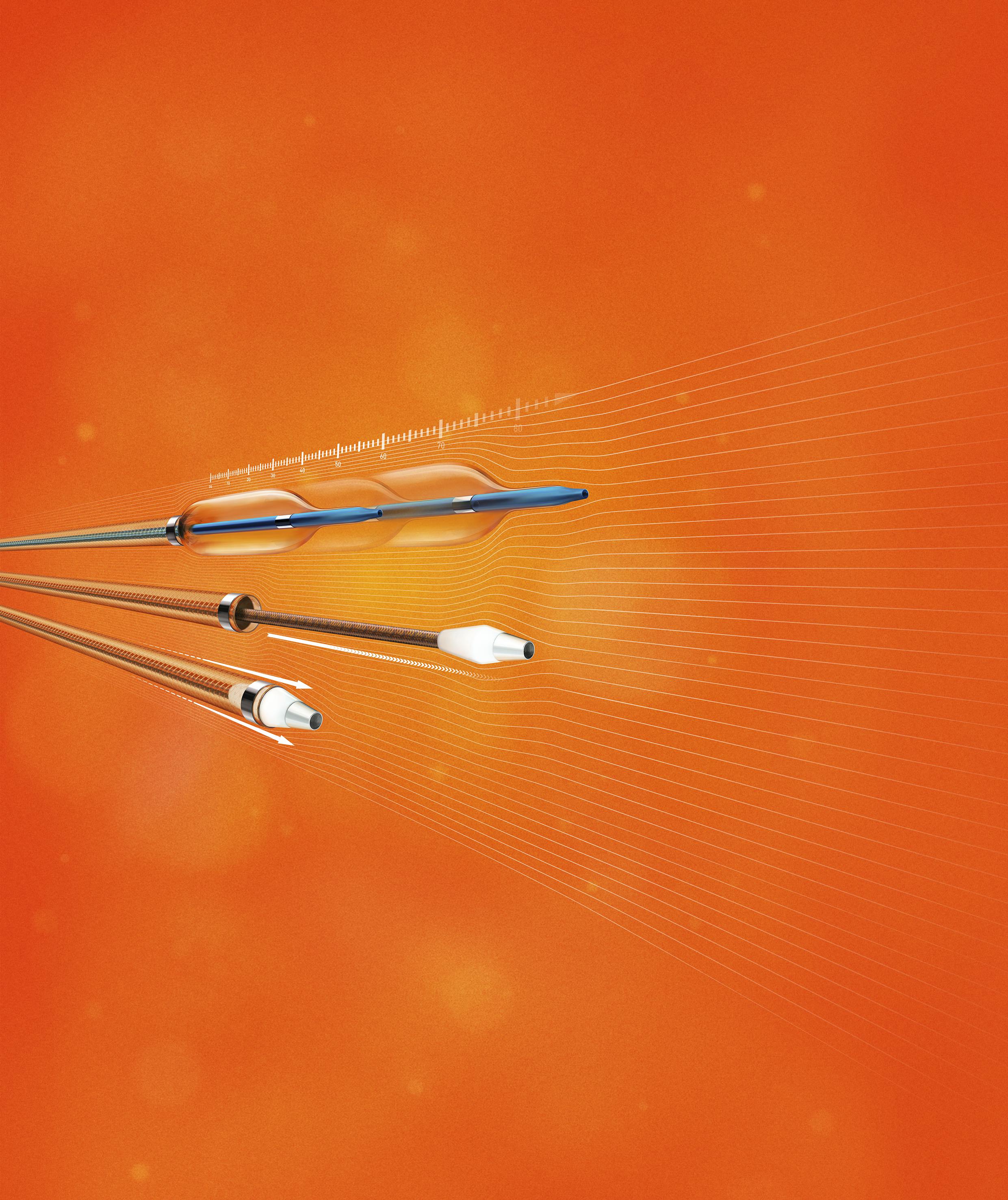 December 12, 2024—Biotronik announced it has concluded the BIO-OSCAR SOC prospective, multicenter, observational trial, which established the baseline of standard of care (SOC) that will be used to evaluate the outcomes of the BIO-OSCAR FIRST study of the effectiveness of the company’s Oscar multifunctional catheter in treating complex peripheral artery disease (PAD).
According to the company, BIO-OSCAR SOC is intended to evaluate current SOC practices, procedural outcomes, complication handling, and device use in endovascular treatments for atherosclerotic lesions both above the knee (ATK) and below the knee (BTK).
The investigators analyzed data from 247 patients across 16 European CE Mark territories to provide insights into real-world practices for managing PAD.
The BIO-OSCAR SOC findings were presented by Principal Investigator Koen Deloose, MD, as “Evaluation of Standard of Care Practices for Treatment of Infrainguinal Arteries Lesions” at the Paris Vascular Insights Course 2024 held December 12-14 in Paris, France.
“BIO-OSCAR SOC is an important step toward understanding the treatment of complex infrainguinal lesions under current SOC practices, and especially how important vessel preparation can be,” commented Dr. Deloose in the company’s press release. “With this baseline study, we aim to evaluate that the Oscar catheter can streamline procedures by minimizing the need for multiple device exchanges, reducing procedural steps, and lowering complications.” Dr. Deloose is Head of the Department of Vascular Surgery, AZ Sint Blasius Hospital in Dendermonde, Belgium.
According to Biotronik, the primary endpoint of BIO-OSCAR SOC was procedural success, defined as a combination of technical success—achieving ≤ 30% residual stenosis after vessel preparation and before the definitive treatment—and the absence of complications such as target vessel perforation, rupture, acute occlusion, or distal embolization.
As outlined in the company’s press release, the outcomes presented by Dr. Deloose included the following:
- Procedural success was 50% in ATK and 59% in BTK.
- Crossing success in chronic total occlusions was 94% in ATK and 90% in BTK.
- Bail-out stenting rate was 50% in ATK cases, highlighting that vessel preparation is often insufficient—appropriate vessel preparation may significantly improve short and long-term outcomes.
- The procedural cost related to access, crossing, and vessel preparation averaged €750; for complex cases, the cost can increase to €1100.
The company advised that the clinical evidence will be further validated by BIO-OSCAR FIRST, which is designed to confirm the safety and clinical performance of the Oscar peripheral multifunctional catheter for dilation of lesions in the femoral, popliteal, and infrapopliteal arteries, including both ATK and BTK lesions.
The Oscar multifunctional catheter is indicated for percutaneous transluminal interventions in the peripheral vasculature to provide support during access into and to dilate stenoses in femoral, popliteal, and infrapopliteal arteries. The product is also intended for injection of radiopaque contrast media for the purpose of angiography, stated Biotronik.
Advertisement
Advertisement
