Advertisement
Advertisement
January 30, 2024
Endospan’s Nexus Aortic Arch Endovascular System Evaluated in Early TRIOMPHE IDE Study Results
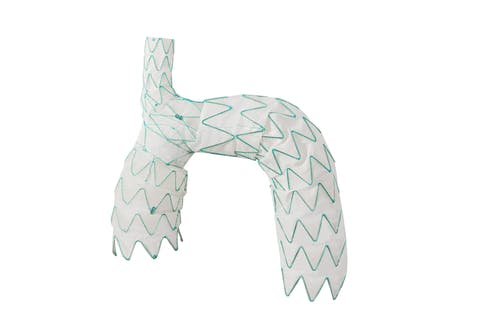 January 30, 2024—Endospan, an Israel-based company focused on off-the-shelf endovascular repair of aortic arch disease, announced the presentation of 30-day results of the first 22 patients enrolled in the TRIOMPHE investigational device exemption (IDE) study.
The TRIOMPHE IDE study data were shared in a late-breaking presentation at STS 2024, the 60th annual meeting of the Society of Thoracic Surgeons held January 27-29 in San Antonio, Texas.
According to the company, TRIOMPHE is evaluating the safety and effectiveness of the company’s off-the-shelf, endovascular Nexus device in treating thoracic aortic lesions involving the aortic arch. The multi-arm, multicenter, nonrandomized, prospective IDE clinical study will enroll 110 patients at up to 31 sites.
“We were pleased to see that in this high-risk patient population, the 30-day data for these first 22 patients showed a low mortality rate; no disabling strokes, paraplegia, or renal failure; and short intensive care unit and hospital lengths of stay,” commented Bradley Leshnower, MD, in the company’s press release. Dr. Leshnower, who is Director of Thoracic Aortic Surgery at Emory University School of Medicine in Atlanta, Georgia, advised, “1-year data are pending.”
Kevin Mayberry, CEO of Endospan, added, “Nexus is designed for total endovascular arch repair to address the specific challenges of the aortic arch anatomy. We are pleased to see that this early data aligns with the results achieved during the European Union clinical study. This data suggests that Nexus may provide surgeons with a straightforward, minimally invasive solution for aortic arch repair that allows for procedural consistency with reliable patient outcomes.”
Endospan’s Nexus aortic arch stent graft system received CE Mark approval and is available for sale in Europe. It is intended for investigational use only in the United States to treat patients diagnosed with a dilative lesion in or near the aortic arch, noted the company.
Advertisement
Advertisement
