Advertisement
Advertisement
May 13, 2026
HistoSonics Edison Histotripsy System Submitted for FDA Approval of Kidney Tumor Indication
KEY TAKEAWAYS
- HistoSonics seeks FDA de novo approval of its Edison histotripsy system for the destruction of targeted kidney tumors.
- Submission to FDA is supported by the #HOPE4KIDNEY pivotal trial, led by Principal Investigator William Huang, MD.
- Noninvasive, nonthermal histotripsy to treat solid tumors is currently approved for liver tumors.
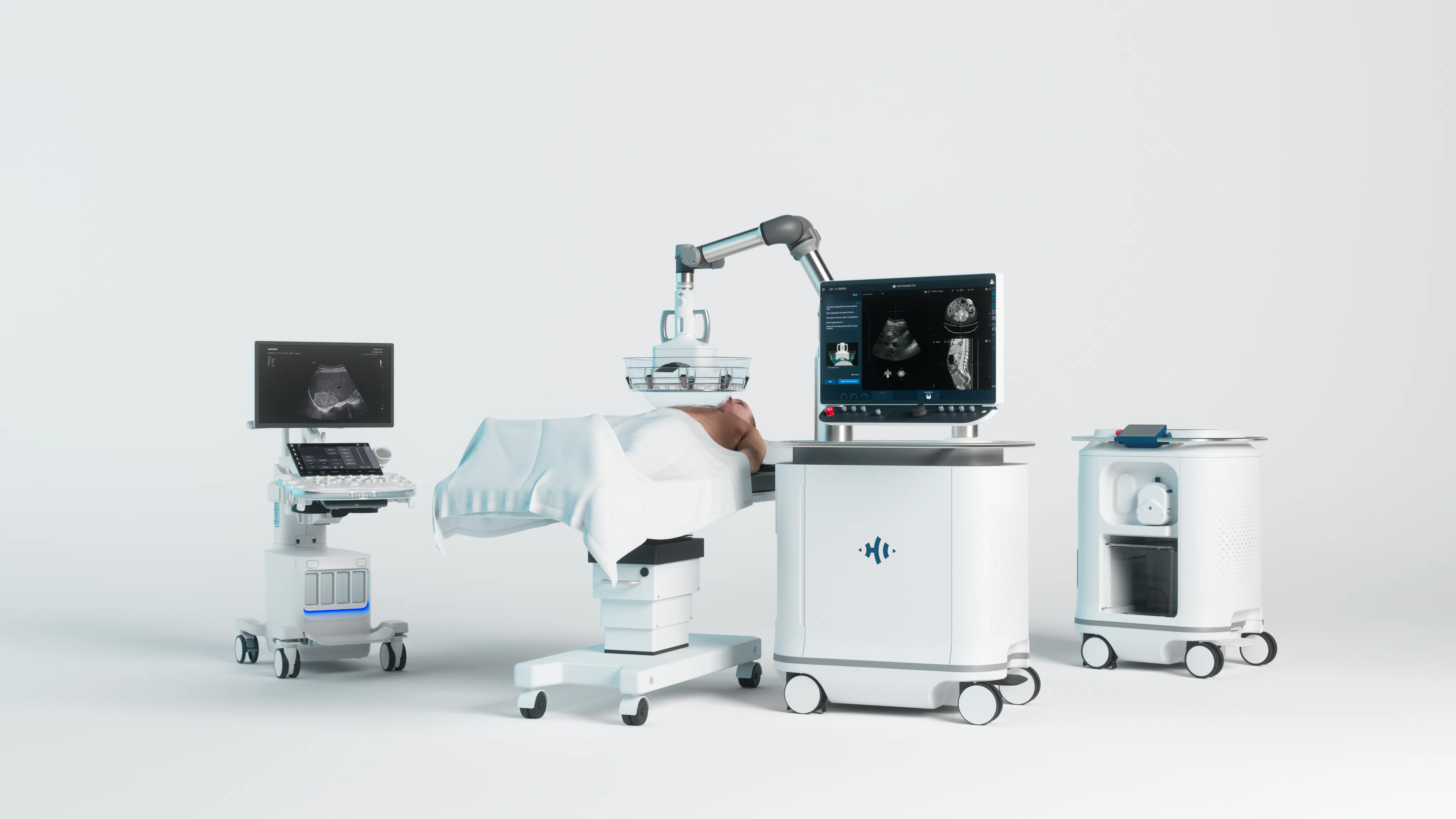 May 13, 2026—HistoSonics announced it has submitted a de novo request to the FDA seeking authorization to expand the use of its Edison histotripsy system to include the destruction of kidney tumors.
The submission is supported by clinical evidence from the ongoing #HOPE4KIDNEY pivotal trial.
HistoSonics advised that the prospective, multicenter, single-arm trial is evaluating the safety and effectiveness of the Edison system in destroying targeted kidney tumors. The trial enrolled 67 patients, and the company announced completion of enrollment in June 2025.
According to the company, histotripsy therapy is intended to treat solid tumors with a completely noninvasive, nonthermal technology that harnesses focused ultrasound to mechanically liquefy and destroy targeted tissue. The therapy seeks to reduce the risk of many complications and side effects associated with surgery, radiation, and other common therapies, noted HistoSonics.
Currently, the Edison hithotripsy system is indicated for the noninvasive destruction of liver tumors, including unresectable liver tumors.
The Principal Investigator for #HOPE4KIDNEY is William Huang, MD, urologic oncologist at NYU Langone Health in New York, New York.
“Histotripsy represents a fundamentally novel approach to treating kidney tumors,” commented Dr. Huang in the HistoSonics press release. “In the #HOPE4KIDNEY trial, we observed precise, noninvasive tumor destruction without incisions, radiation, or thermal injury. These findings highlight the potential of histotripsy to expand treatment options for patients with kidney tumors and represent an important step forward for both physicians and patients.”
Advertisement
Advertisement