Advertisement
Advertisement
April 8, 2022
I-Vasc Financing Will Support Studies and Commercialization of Velex Device for Chronic Vein Insufficiency
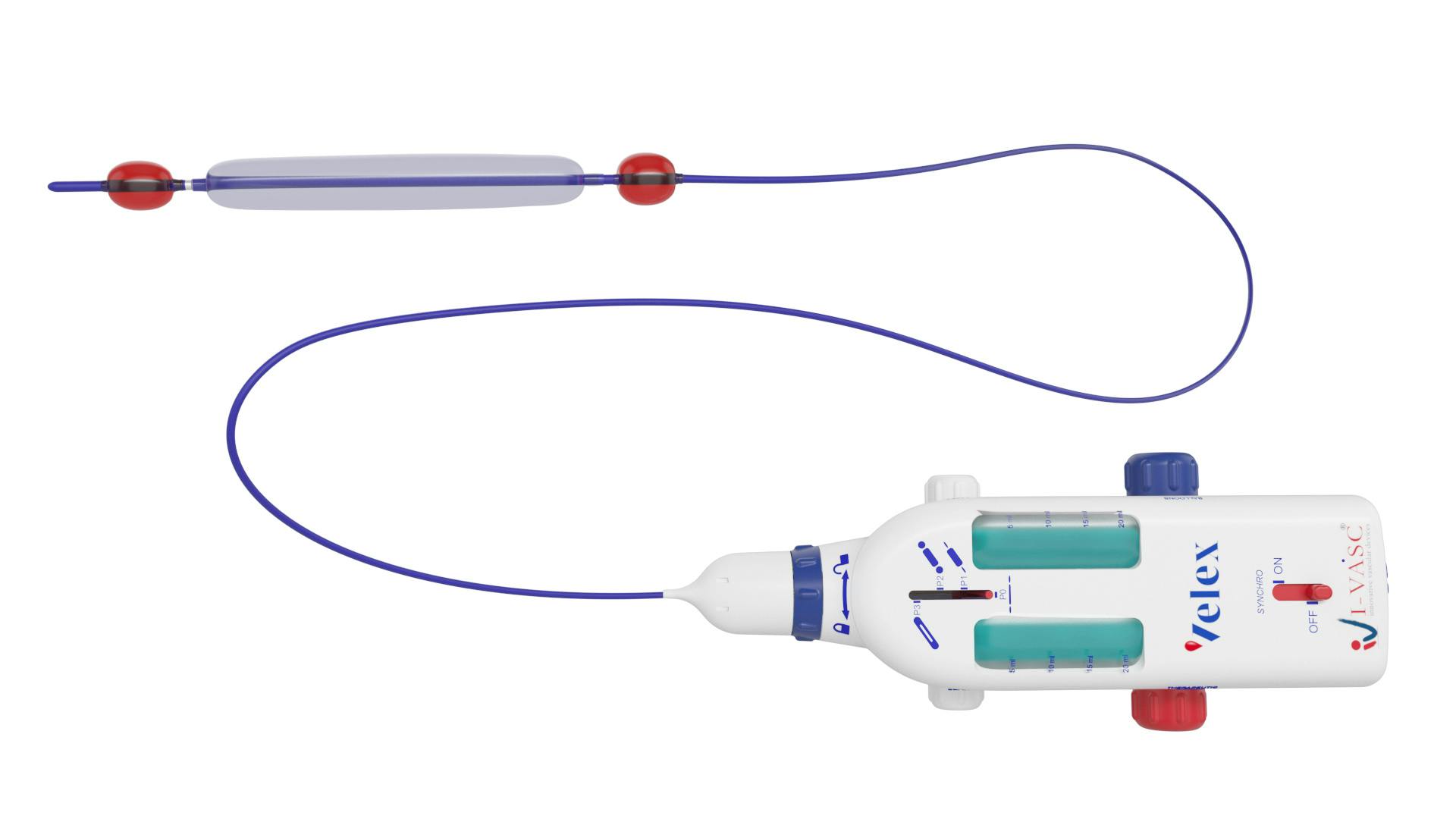 April 8, 2022—I-Vasc Srl, the Italy-based developer of the Velex device with its empty vein ablation (EVA) technology for the treatment of chronic vein insufficiency and varicose veins, announced the completion of the Series A financing round.
The company plans to use the proceeds from this round to execute postmarket clinical studies of the Velex device, to obtain FDA approval of the device in the United States market, and complete product industrialization throughout a supply chain of qualified suppliers. The Velex device received CE Mark approval for the European market in May 2021.
I-Vasc reported the financing round included the participation of former shareholders and a significant contribution of new investors. Investors include Luca Trevisan, Bootes (Rosario Bifulco), and Nalini family office, and others qualified investors.
In addition to the €750,000 tranche raised in the first half of 2021, the company raised a €1,066,000 tranche before the end of the year, for a total amount of €1,800,000 in 2021.
Also, the company announced the appointments of two new directors in its board to reinforce its management team in this phase of strategic growth; Daniele Zanotti has assumed the role of CEO, and Cristiano Fontana has undertaken responsibility for business development, marketing, and communication.
Mario Salerno, founder of I-Vasc and inventor of the EVA technology, will retain his active executive role and the functions of Chairman of the Board and President, while Emilio Roncoroni and Attilio Castelli from the previous board, will continue to exert their roles of Chief Administration and Chief Technology Officers, respectively.
The Velex device consists of a percutaneous three-balloon catheter that allows for schlerotherapy chemical ablation to be performed in the portion of the vein that is treated after having isolated it and emptied it of blood. This method offers the ability to fully control the schlerosant agent contact distribution and time, resulting in optimal ablation results. Additionally, agent segregation, limited concentration, and final retrieval may also result in superior safety, when compared to conventional schlerotherapy, reported I-Vasc in the press release.
Advertisement
Advertisement
