Advertisement
Advertisement
January 27, 2025
Imperative Care’s Zoom System Receives FDA Clearance
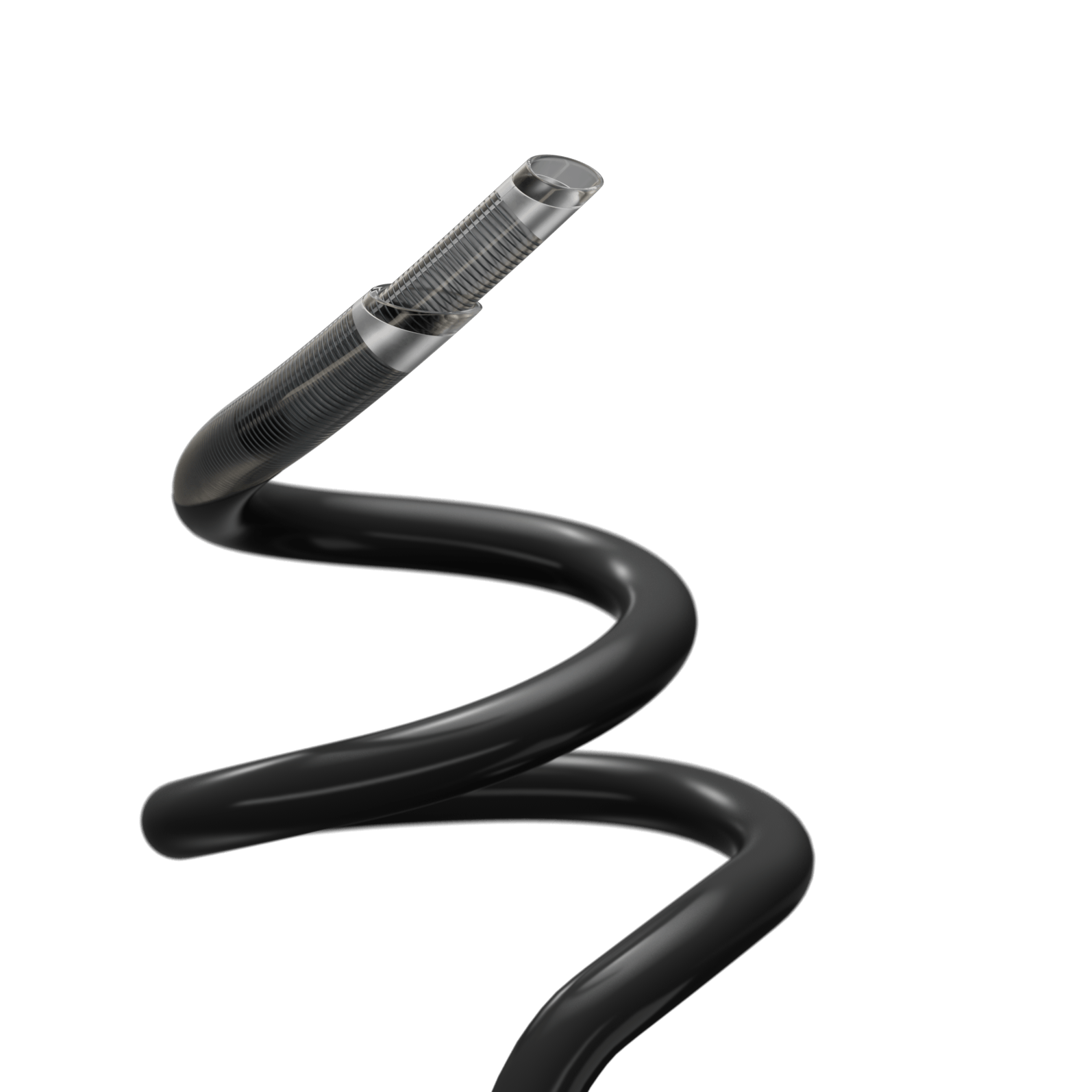 January 27, 2025—Imperative Care, Inc. announced that it has received FDA 510(k) clearance of the company’s Zoom system. The comprehensive stroke thrombectomy system includes large-bore 0.088-inch catheters indicated for both access and aspiration when used with a Zoom catheter.
According to the company, the clearance expands Imperative Care’s current portfolio of 0.035- to 0.071-inch catheters to now include the Zoom 0.088-inch catheters (Zoom 88, Zoom 88 Support, and TracStar) for aspiration as part of the Zoom system.
The company stated that the clinical evidence submitted to the FDA to support the clearance included final data from the Imperative Trial. The prospective, multicenter clinical trial evaluated the clinical benefits of the Zoom system in patients treated at 26 institutions across the United States. The analyzed cohort included 211 patients who were treated with concomitant aspiration thrombectomy using two catheters.
As summarized in the company’s press release, key results from the Imperative Trial included the following:
- Median time from groin puncture to modified treatment in cerebral infarction (mTICI) ≥ 2B reperfusion of 19 minutes, fastest among the referenced thrombectomy trials.
- A core-lab adjudicated rate of mTICI ≥ 2B reperfusion was achieved in 84% of patients within three passes or less without the use of any additional thrombectomy devices as rescue therapy, similar to previous trials (82%).
- Stent retriever rescue therapy used in only 4.7% of cases to achieve mTICI ≥ 2B reperfusion.
- A core-lab adjudicated rate of symptomatic intracranial hemorrhage of 0.9%, lower than the rate of previous trials (4.7%), and a rate of independently adjudicated dissection and vessel perforation of 0.5%, lower than previous trials (1.3%).
William Mack, MD, Professor of Neurosurgery at the Keck School of Medicine, University of Southern California in Los Angeles, California, is Coprincipal Investigator of the Imperative Trial.
“In addition to the remarkable efficacy of the Zoom system, I was impressed by the demonstrated safety profile as evidenced by a 0.5% instance of serious vessel injury reported in the study,” commented by Dr. Mack. “Even more impressive was the 0.9% rate of symptomatic intracranial hemorrhage. These data, combined with our extensive experience with the Zoom system, reinforce our confidence in the technology and its clinical benefits for our practice and the patients we treat.”
Advertisement
Advertisement