Advertisement
Advertisement
December 4, 2023
Medtronic’s Symplicity Spyral RDN System Used in First Commercial Treatment
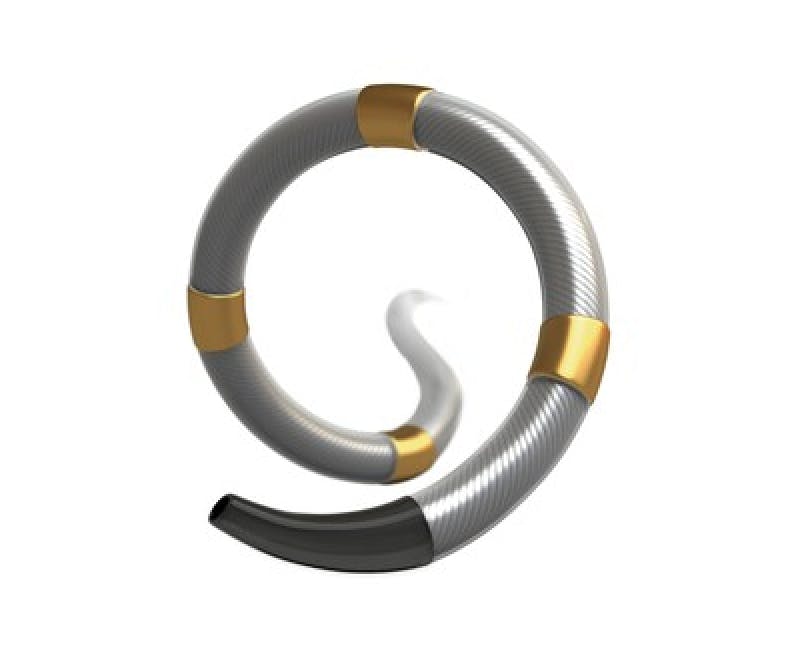 December 4, 2023—Medtronic announced that the first patient in the United States has been treated with the company’s Symplicity Spyral renal denervation (RDN) system for the treatment of hypertension after FDA approval of the device. FDA approval was announced on November 17.
The first commercial procedure was performed by David Kandzari, MD, at Piedmont Atlanta Hospital in Atlanta, Georgia. Dr. Kandzari is Chief, Piedmont Heart Institute and Cardiovascular Services, and lead Principal Investigator of the SPYRAL HTN-ON MED clinical trial.
“It’s an exciting opportunity to begin this new chapter of hypertension treatment with the first United States procedure using the Symplicity Spyral RDN system,” commented Dr. Kandzari in the Medtronic press release. “For people with hypertension, medication and/or lifestyle changes can help reduce blood pressure, but studies have shown that many people still don’t gain control over their condition. I am inspired by the potential of this complementary therapy to help treat the issue of high blood pressure for so many patients. We look forward to the future of hypertension care with this milestone.”
According to the company, the minimally invasive, catheter-based Medtronic Symplicity blood pressure procedure delivers radiofrequency energy to nerves near the kidneys that can become overactive and contribute to high blood pressure. The procedure is approved for use as an adjunctive treatment in patients with hypertension when lifestyle changes and medications do not adequately control blood pressure.
The Symplicity Spyral RDN system is now approved for commercial use in more than 70 countries around the world. It is currently limited to investigational use in Japan, China, and Canada, advised Medtronic.
Advertisement
Advertisement
