Advertisement
Advertisement
March 25, 2021
TARGET Data Presented for Boston Scientific’s TheraSphere Y-90 Glass Microspheres
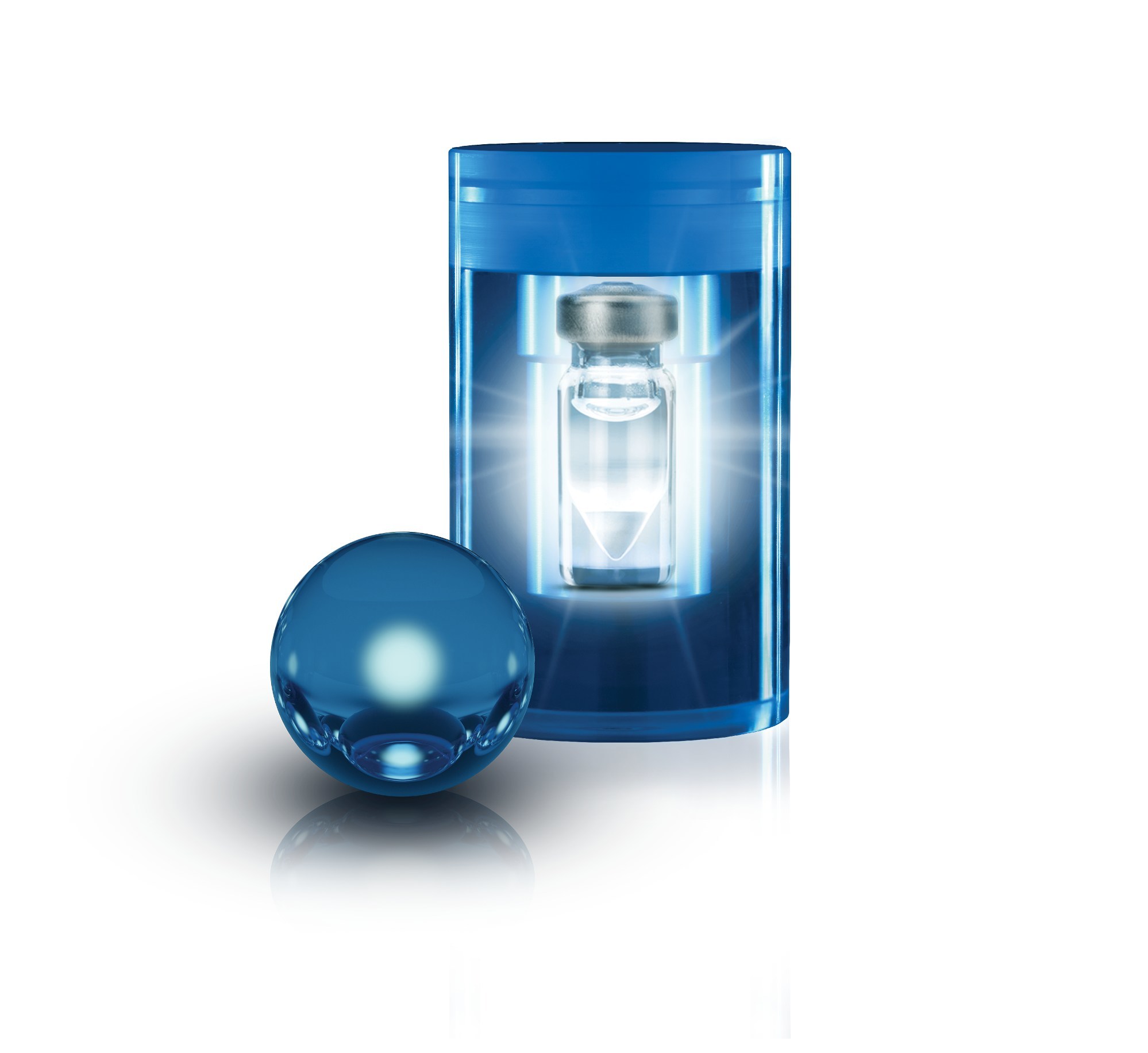 March 25, 2021—Boston Scientific Corporation announced that data from the TARGET study of the TheraSphere Y-90 glass microspheres were presented during a late-breaking clinical trial session at the Society of Interventional Radiology (SIR) annual scientific meeting held virtually on March 20-26, 2021.
On March 18, Boston Scientific announced FDA approval of the TheraSphere Y-90 glass microspheres for the treatment of patients with hepatocellular carcinoma (HCC).
According to the company, the global, retrospective TARGET study evaluated the safety and efficacy of TheraSphere therapy in patients with HCC using a dosing method known as multicompartment dosimetry, which maximizes the dose of Y-90 reaching the tumor while minimizing the radiation dose that reaches normal liver tissue.
In the study, imaging software was used retroactively to calculate the dose delivered within each patient’s liver tissue. Data confirmed treatment was safe and well-tolerated, with 4.8% of patients experiencing adverse events, defined in the primary endpoint as ≥ grade 3 hyperbilirubinemia.
Additionally, data from TARGET demonstrated a correlation between the level of radiation absorbed by the tumor and an increase in survival probability through 3 years—with a median overall survival of 20.3 months. These findings are in line with recently published results showing that higher tumor absorbed dose leads to longer survival. Also, a dose-efficacy relationship was established because the probability of tumor response was positively associated with the level of radiation absorbed by the tumor, reported Boston Scientific.
Professor Marnix G.E.H. Lam, MD, one of the principal investigators of the TARGET study, discussed the findings in the company’s press release. “The TARGET study findings create the opportunity for future TheraSphere treatment optimization and Y-90 dose escalation without compromising safety,” stated Prof. Lam, who is Professor of Nuclear Medicine, University Medical Center in Utrecht, the Netherlands. “The study results are also generalizable and easily replicated as we included a global patient population with a wide spectrum of early, intermediate, and advanced HCC.”
Advertisement
Advertisement
