Advertisement
Advertisement
March 31, 2026
WOLVERINE Feasibility Trial Begins for HistoSonics Edison Histotripsy System to Treat BPH
KEY TAKEAWAYS
- Enrollment begins in WOLVERINE feasibility trial of HistoSonic’s Edison histotripsy system for symptomatic benign prostatic hyperplasia.
- The prospective, multicenter, single-arm study includes imaging within 72 hours after the procedure plus longitudinal follow-up.
- The trial plans to enroll up to 20 patients at The Chinese University of Hong Kong’s Prince of Wales Hospital.
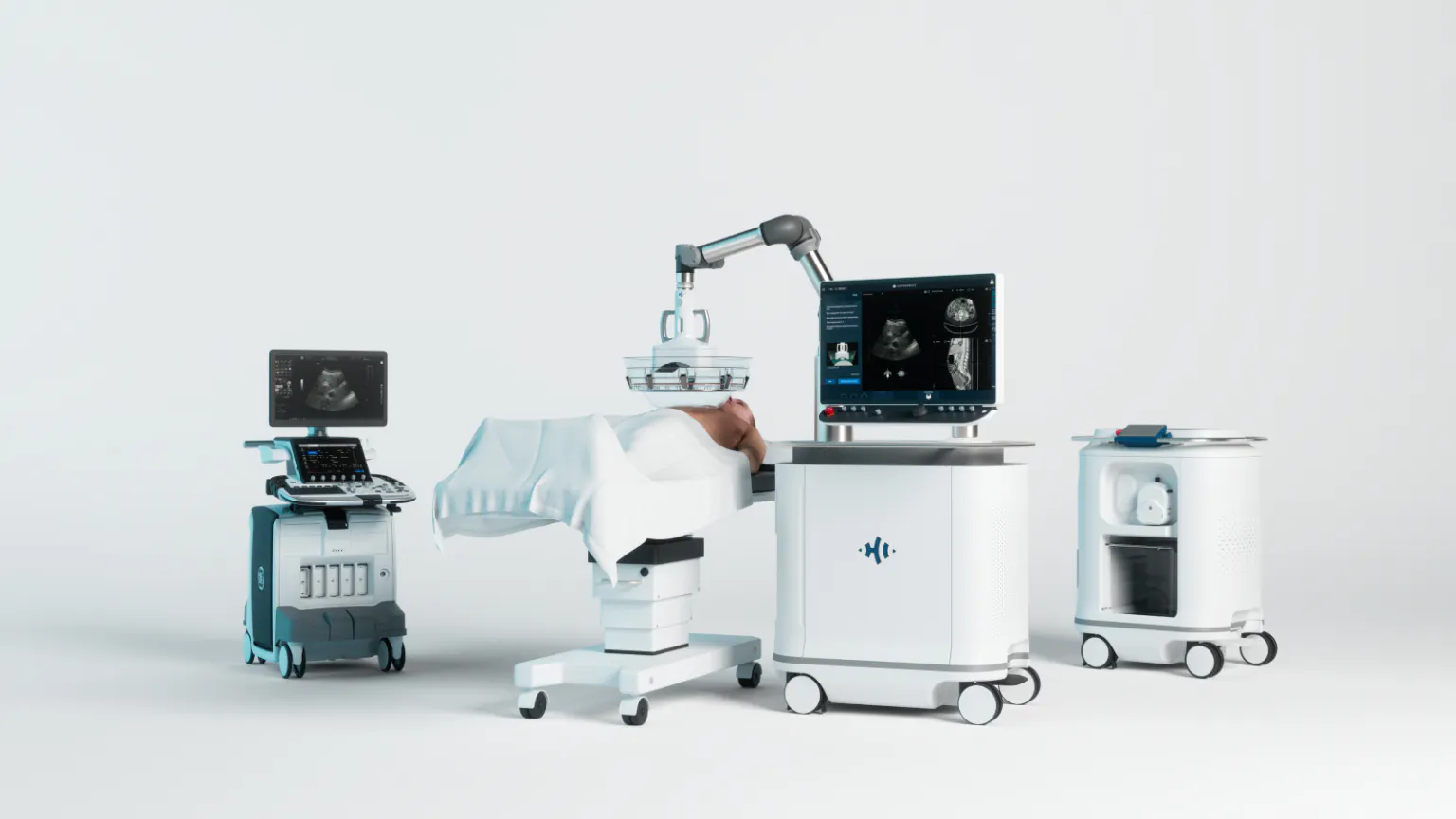 March 31, 2026—HistoSonics announced the successful treatments of the first patients in WOLVERINE, a prospective feasibility trial of the company’s Edison histotripsy system for the treatment of benign prostatic hyperplasia (BPH).
According to HistoSonics, the prospective multicenter, single-arm feasibility WOLVERINE trial is expected to enroll and treat up to 20 patients. It is being conducted at Prince of Wales Hospital in Hong Kong, a teaching hospital for The Chinese University of Hong Kong.
After treatment, study patients will undergo imaging within 72 hours of the procedure to assess the immediate treatment effect. Patients will then be followed longitudinally to further evaluate safety and procedural outcomes.
The company stated that the Edison system is a noninvasive, image-guided platform that uses histotripsy—which provides the mechanical properties of focused ultrasound—to destroy unwanted tissue without the need for invasive procedures. In the United States, the Edison system is currently cleared for the destruction of liver tumors. For the treatment of BPH, it is limited to investigational use.
WOLVERINE study investigator Peter Chiu, MD, Associate Professor of The Chinese University of Hong Kong, commented on the trial in the HistoSonics press release.
“We are excited and extremely proud that Prince of Wales Hospital is the first center in the world to offer this novel treatment approach in a clinical trial and potentially benefit patients with BPH in the future,” stated Dr. Chiu. “If shown to be safe and effective, the noninvasive nature of histotripsy has the potential to change how BPH is treated for many patients suffering from lower urinary tract symptoms around the world.”
Advertisement
Advertisement
