Advertisement
Advertisement
December 2024 Supplement
Sponsored by Surmodics, Inc.
Case Report: Removal of Thrombus in Brachial and Ulnar Arteries Via Combined Radial and Femoral Access
Patient Presentation
A male in his early 70s with a history of diabetes mellitus, hypertension, hyperlipidemia, and COVID-19 underwent orthopedic lower back surgery and developed postoperative pain and numbness of the left forearm. The patient was contraindicated for tissue plasminogen activator. On exam, the patient’s forearm was cold and without peripheral pulses.
Diagnostic Findings
Access was initially achieved through the right common femoral artery (CFA). An angiogram of the left axillary artery showed a clotted left brachial artery (Figure 1). No on-hand aspiration thrombectomy catheter was capable of reaching the left brachial artery from the right CFA; therefore, access from the left radial artery was achieved and aspiration thrombectomy was attempted from the radial approach.
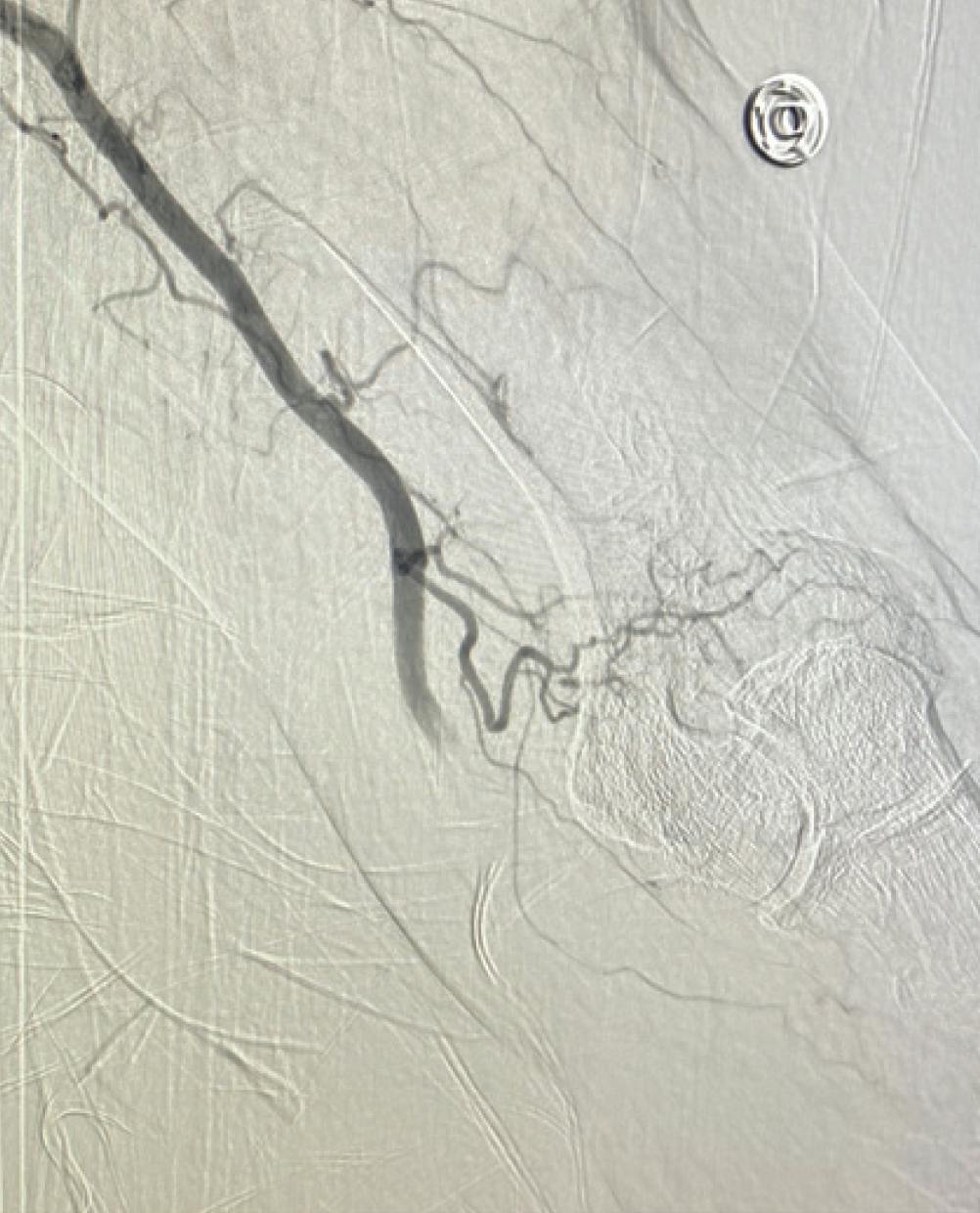
Figure 1. Diagnostic angiogram revealed clotted left brachial artery.
Treatment
Despite multiple passes, aspiration thrombectomy was unsuccessful, whereupon the interventional team elected to attempt thrombectomy with the Pounce™ Thrombectomy System (Surmodics, Inc.). (Notably, the patient’s left radial and distal brachial arteries were 4 mm and 6 mm in diameter, respectively.) The Pounce™ System was passed through the left radial artery into the left brachial artery, and the baskets were deployed in the distal brachial artery with the funnel in the mid-radial artery. The clot was removed from the brachial artery with one pass of the Pounce™ System; however, a repeat angiogram showed residual clot occluding the left ulnar artery.
Due to tortuosity from the radial artery to the location of the occlusion in the ulnar artery, the interventional team elected to use the Pounce™ System through the right CFA. With a 7 Fr sheath in the CFA, the Pounce™ System was able to reach the left ulnar artery. (Notably, the patient’s left ulnar artery diameter was 4 mm.) The Pounce™ System’s baskets were deployed in the mid-ulnar and the funnel in the brachial artery, and a large clot was removed after one pass. The final angiogram showed robust flow to the left brachial, radial, and ulnar arteries (Figure 2).
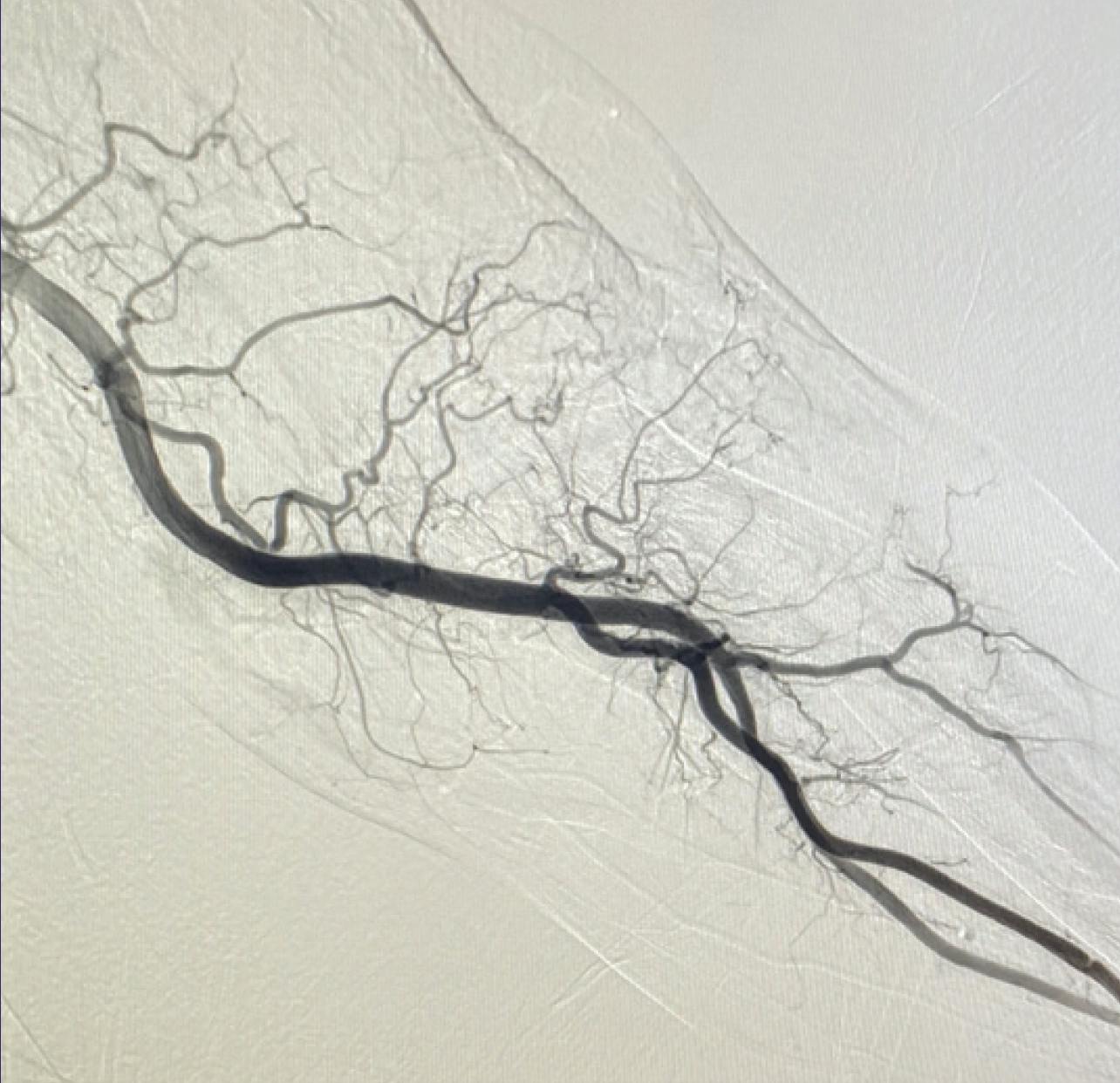
Figure 2. Final angiogram revealed robust flow to the left brachial, radial, and ulnar arteries.
Postprocedure Outcome
Due to his continued recovery from spinal surgery, the patient was discharged the day after the intervention, with instructions to take prescribed apixaban and aspirin. The Pounce™ Thrombectomy System was able to efficiently remove a large volume of thromboembolic material (Figure 3) following failure of aspiration thrombectomy.
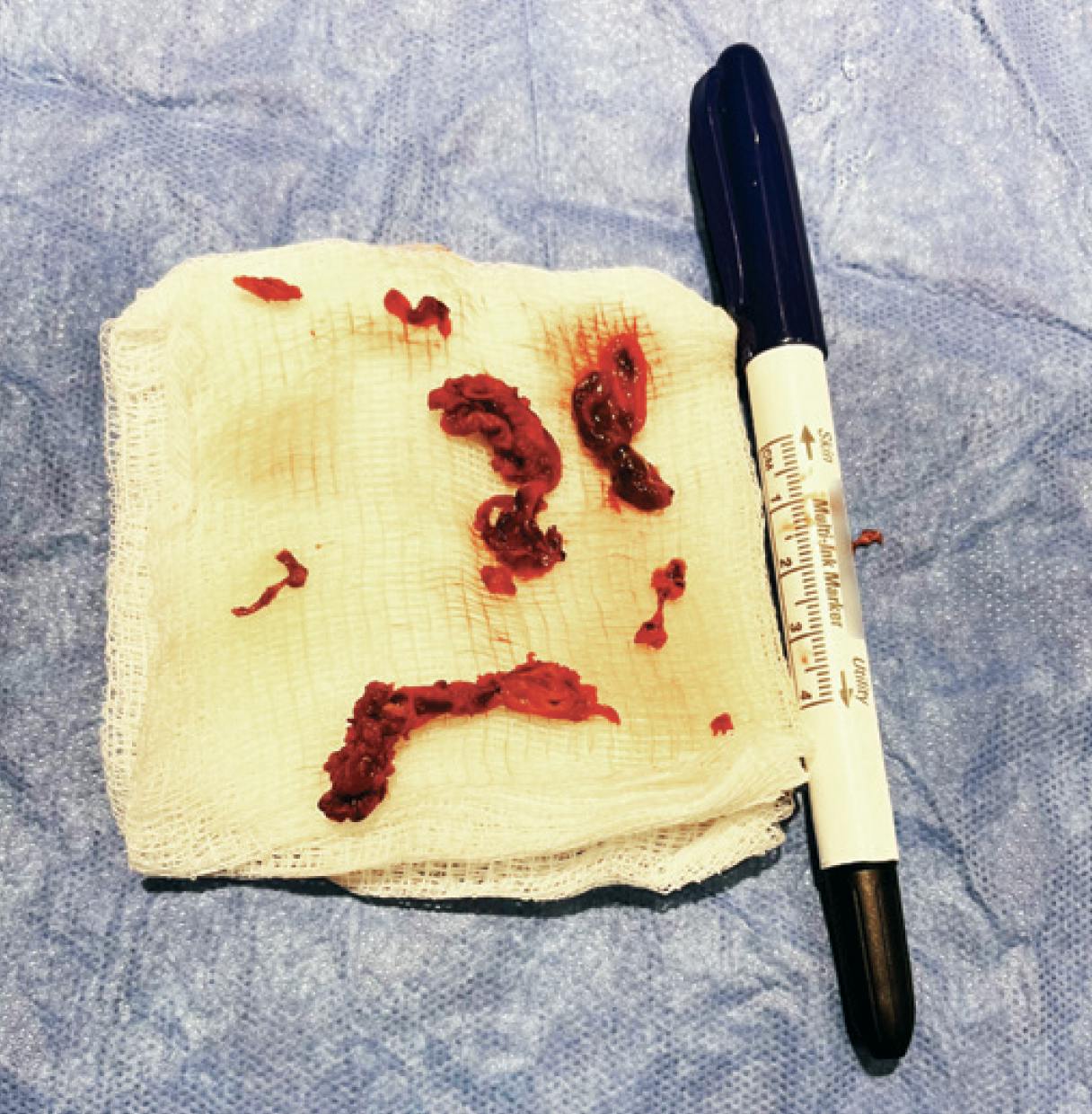
Figure 3. Clot removed from left brachial and ulnar arteries with the Pounce™ Thrombectomy System.
Caution: Federal (US) law restricts the Pounce™ Thrombectomy System to sale by or on the order of a physician. Please refer to the product’s Instructions for Use for indications, contraindications, warnings, and precautions. SURMODICS, POUNCE, and SURMODICS and POUNCE logos are trademarks of Surmodics, Inc. and/or its affiliates. Third-party trademarks are the property of their respective owners.

Advertisement
Advertisement