Early Career Insights
Advertisement
Advertisement
Early Career Insights Part 1
Exploring the Modern Mentor/Mentee Relationship
Practical advice for finding the right mentor, navigating challenges, and maximizing mentorship success.
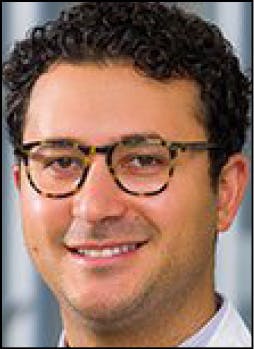
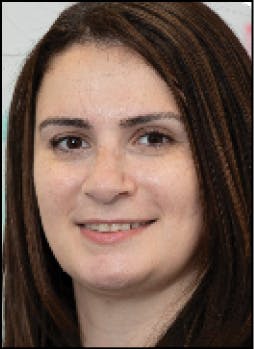
What do you think makes for a good mentor/mentee relationship? What should be prioritized when looking for a good mentor match?
Dr. Siah: I think the fundamental basis for a good mentor/mentee relationship is respect. When looking for a good mentor, I think you naturally gravitate toward individuals you respect—either personally or professionally. There is something about them that draws you to them, and I think for me, that feeling has been admiration. I’ve sought mentorship from people who simply have known more than me about surgery, life, hospital politics, handling complications, personal relationships, etc. I think the primary priority when seeking a mentor is determining who you want to help you learn and grow as a person/physician. With that comes trust, commitment, and accountability.
On the other hand, as a mentor, it’s incredibly rewarding to have your opinion sought after, and the opportunity to share advice or lessons learned from your own experiences is very special.
Dr. Daye: When it comes to mentor-mentee relationships, the importance of the right “fit” is crucial. Although an individual might make an excellent mentor for one person, this may not be the case for someone else. When looking for a mentor, it is important to look at the mentorship style of the mentor, interest and availability, the mentor’s areas of expertise, and the experience of their prior mentees. I also often advise many of my mentees to think about having a mentor “board of directors.” It is very rare that a single mentor can advise a mentee on every aspect of their career. It is the mentee’s responsibility to identify different mentors, each with different strengths. They can subsequently lean on and get advice from the different mentors, each in their specific areas of interest.
What advice would you share for keeping expectations about this partnership realistic and respectful? What are some dos and don’ts as a mentee?
Dr. Daye: I typically advise my mentees to understand expectations of the mentoring relationship early and to be mindful of the mentor’s time. During the initial meeting, it is recommended to discuss topics such as meeting frequency, preferred mode of communication, and availability. Mentors are often volunteering time out of very busy schedules to advise their mentees. Understanding those time limitations and keeping meeting requests and emails within those expectations is critical. That said, mentors are highly invested in the success of their mentees. Providing succinct updates to the mentor, whether sharing good news or seeking advice for challenges, is important. Following through on the mentor’s recommendations and advice and keeping them updated on critical issues can make the mentoring relationship more effective.
Dr. Siah: At the end of the day, mentors come in different shapes and sizes and from different locations. I have mentors who I lean on very heavily, and sometimes I worry I might be badgering them with questions or for advice. I’ve come to understand that your mentors are naturally committed to your growth and success. Sharing your goals with your mentors is critically important, as it gives both individuals a framework to work within. These types of discussions are an opportunity to give feedback, for both the mentor and the mentee. Probably the biggest “don’t” for a mentee is a failure to be receptive to feedback and an unwillingness to be thoughtful and reflect on the mentoring you receive. If you’re stubborn or close-minded, you miss the point of the whole mentorship process.
When considering the mentor/mentee relationship, what do you think each person owes the other?
Dr. Siah: That’s a tough question. These relationships are not transactional in my opinion, and I don’t think anything is “owed.” I really believe it is natural to want to help other people, and I think the mark of emotional intelligence is a willingness to seek help/advice. I think mentorship is a product of relationship building and comes very naturally, and the fundamental tenet of success in any relationship is honesty and respect. I suppose that is owed, but at the same time, that is sort of just doing the right thing and treating others the way you want to be treated.
Dr. Daye: A mentee should be respectful of the mentee’s time and appreciative of their investment in their success. Mentors should not be taken for granted. For mentors, they should provide advice and support that is selfless and in the mentee’s best interest, free of any conflict of interest or personal gain.
How do you handle disagreements in this partnership? How does a mentee know when to follow their mentor’s advice versus when to go their own way?
Dr. Daye: It is important to keep in mind that a mentor is there to provide advice and guidance. Their input into a specific situation is influenced by their personal experience. Conflicts of interest do also occasionally arise. Mentees should take the advice they receive from any single mentor as an important factor in their decision-making process but not the only factor. If a mentor is consistently giving advice that conflicts with a mentee’s value system or clearly shows conflict of interest, or if a mentoring relationship is simply not a good fit, the mentee should consider ending the mentoring relationship and going their own way.
Dr. Siah: Fortunately, I don’t think I’ve ever had an experience where I’ve disagreed with my mentors. I think this is because I frequently evaluate myself and reevaluate the goals that I set. One of the hardest things to do is to look in the mirror and identify your own personal goals—not what other people (mentors included) want, but what YOU truly want. If you can do that and revisit those goals over time, and then be able to be honest with yourself, I think that’s incredibly empowering and liberating. By communicating those goals with your mentors and also being honest with them, disagreements won’t really happen. In the rare event that they do, and the mentor gets mad at you or ends the relationship, then you were probably better off without them!
What has been the impact of mentorship in your own career?
Dr. Daye: I am where I am today because of the support of many mentors and sponsors who I have been very fortunate to have throughout my career. I consider it my responsibility to pay it forward and mentor the next generation the same way I was mentored earlier in my career. Behind every individual, there is a village of mentors and sponsors who contributed to their success.
Dr. Siah: The impact has been profound. My mentors have inspired me to pursue a career in academic vascular surgery, develop a passion for limb salvage, and motivate me to work incredibly hard to be the best surgeon I can be. I think the common traits amongst them is the fact that they are kind and thoughtful first and foremost. The majority of the advice/insights I’ve shared has been imparted at one time or another to me by one of them. I am so incredibly lucky to have the people I have in my corner; I am grateful for everything.
Disclosures
Dr. Siah: Consultant to Cagent Vascular, Reflow Medical, Shockwave Medical, Abbott, and Stryker.
Dr. Daye: Consultant to Medtronic, Boston Scientific Corporation, and Cook Medical; advisory board for TriSalus.
Advertisement
Advertisement
Find more Early Career Insights
Read more career reflections and practical advice for residents, fellows, and early career physicians in the Early Career Insights hub.
Read More