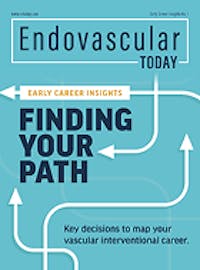
Early Career Insights
Advertisement
Advertisement
Early Career Insights Part 1
Location, Location, Location
Experts discuss the advantages and challenges of practicing in various sites of service—urban versus rural, academic versus community medical center versus office-based laboratory.
With Ezana Azene, MD, PhD; Mary Costantino, MD; Alexander Fanaroff, MD, MHS; and Leigh Ann O’Banion, MD, FACS, FSVS, RPVI
RURAL COMMUNITY MEDICAL CENTER
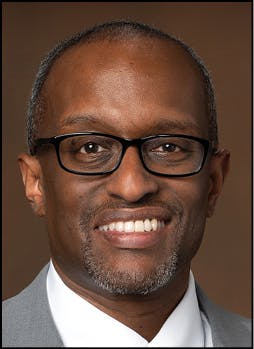
Practicing interventional radiology (IR) in a rural or small-town community medical center offers unique opportunities to deliver high-impact, advanced procedures to underserved populations. The collaborative culture of these communities fosters collegiality and mutual respect. In my experience, “turf battles” between specialties are rare, and when they do occur, they tend to be far less intense than in larger hospital settings. These environments also provide greater autonomy and meaningful input in shaping local practice models, opportunities often unavailable in urban institutions.
That said, a rural and small-town IR practice presents structural challenges. Procedural volumes may be lower in the smallest communities, staffing can be limited, and the payor mix is often less favorable. Addressing these barriers requires thoughtful solutions, including effective integration of advanced practice providers, targeted diagnostic radiologist training in minor image-guided procedures, and financial models that capture downstream value, not just RVUs (relative value units). Loan repayment programs tailored to rural service, along with coordinated policy reforms, are also critical. Without such interventions, rural populations will continue to face unacceptable disparities in access to minimally invasive care.
URBAN OFFICE-BASED LAB
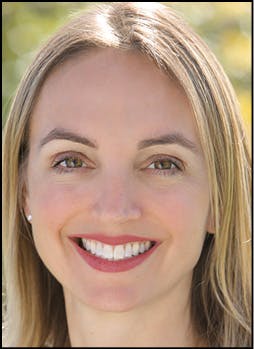
Working in an office-based lab (OBL) provides ultimate freedom of practice, independent choice in patient selection, and control of one’s schedule, case selection, and administrative obligations. As health care administrative burden has contributed toward incredible burnout, wrangling back control of one’s career by working in an independent location is one way to maintain a satisfying career and avoid a desire to retire early to escape a health care system that seems designed to demoralize physicians. You can design your own practice and therefore your own future. An interventional radiologist can focus on specific service lines and therefore become truly specialized. Recently, research has blossomed in the outpatient environment, with trial participation and principal investigator status becoming more common. With the bulk of the practice designed with efficiency, delivery of exemplary care, and often a personal touch, both staff and physicians can create an excellent work environment that is functional, efficient, and delivers exceptional, life-altering care on a regular basis.
Disadvantages include full responsibility of owning and managing the OBL. This includes an incredible amount of work around accreditation, credentialing, local and federal regulations, equipment purchasing, facility management, billing, coding, hiring, employee benefits, insurance contracts, and many more aspects of running a business that are never taught in medical school. Some may find this appealing, while others may want to focus on medicine alone. In an OBL, diversity of practice is also limited. There are no gastrointestinal bleeds, stroke, actively bleeding transjugular intrahepatic portosystemic shunt, or any of the other emergent cases that can be so satisfying. Although the complexity of cases in the OBL can match the complexity of cases in the hospital, the acuity certainly cannot.
The perfect interventional radiologist for an OBL site of service is ideally a > 5-year seasoned interventional radiologist who is a hard-working, creative-thinking problem-solver with an entrepreneurial spirit.
URBAN ACADEMIC MEDICAL CENTER
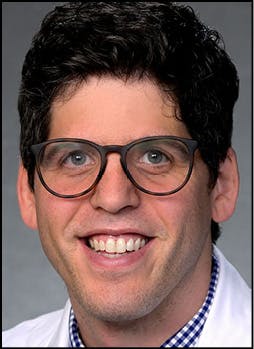
There are several key advantages and disadvantages to practicing at an urban academic medical center, both related to the urban location and the academic environment.
Related to the academic environment, there are three big advantages: First, you will be practicing on the cutting edge of biomedical science. Your colleagues are moving the field forward through basic and preclinical science, participation in multicenter clinical trials, care delivery innovations, and development of a learning health system. As a result, you have the opportunity to learn from these colleagues and take advantage of the resources they’ve developed to move your career forward. As an early career physician, you will not have adequate funding to hire a full-time clinical research coordinator or project manager, but there are many shared resources you can tap into at an academic medical center to buy one-third of a coordinator’s time, for example, which will let you act as site principal investigator in a multicenter clinical trial. There are also economies of scale related to contracting, legal protections, and other shared resources.
Second, at an academic medical center, you will work with fellows and residents. Serving as a teacher will push you to expand your knowledge, and fellows and residents may lighten your clinical workload by acting as the first point of contact for pages on call, for example.
Third, the expectations for clinical productivity are generally lower in academic medical centers than in private practice, which may help with work-life balance and allow you to spend more time with family.
The three major disadvantages of practicing in an academic environment are that you may have less opportunity to do procedures on your own and build your technical skills (since most procedures are performed with residents and fellows), you are generally paid substantially less than you would be paid in private practice, and you may be asked to cover outlying satellite clinics or procedure labs for large academic health systems.
Related to practicing in an urban environment, the primary advantage is that 80% of Americans live in urban environments, so your practice is reflective of most. This is an advantage as a researcher, because the research questions you generate from your experience are broadly relevant.
RURAL ACADEMIC MEDICAL CENTER
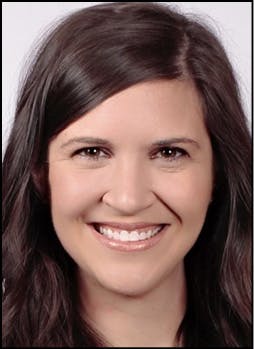
It’s important to recognize the unique opportunities and challenges found in academic medical centers serving rural and underserved regions. Practicing in these settings allows you to make a profound and immediate impact on the health of patients who often have limited access to specialty care. The breadth and acuity of cases managed in rural academic environments can accelerate your clinical development and foster adaptability early in your career. Affiliation with a university brings regular opportunities to teach medical students, residents, or interdisciplinary team members and participate in or lead research efforts addressing the specific needs of disadvantaged populations. These roles can be particularly fulfilling if you are driven by mentorship, education, and advancing care in resource-limited environments. However, practicing in a rural academic medical center is not without its challenges. Resource limitations, staffing shortages, and barriers faced by patients—such as transportation, financial constraints, and low health literacy—are ongoing realities that require dedication, creativity, and resilience. You may need to be proactive in building a supportive peer network and seeking mentorship through national societies, as geographic distance from other major centers can lead to professional isolation. The patient care demands can be substantial, and vascular providers in these environments often wear many hats, not just as clinicians but also as advocates and community educators. For trainees seeking broad clinical exposure, meaningful impact, leadership opportunities, and a strong sense of purpose, rural academic practice offers an exceptionally rewarding, if demanding, career path.
Advertisement
Advertisement
Find more Early Career Insights
Read more career reflections and practical advice for residents, fellows, and early career physicians in the Early Career Insights hub.
Read More