Advertisement
Advertisement
March 2025
Sponsored by Shockwave Medical
The Shockwave Javelin Peripheral Intravascular Lithotripsy (IVL) Catheter
The first-of-its-kind Forward IVL Platform transforms the treatment of difficult-to-cross lesions by both modifying and crossing heavily stenosed or occlusive disease in patients with calcified peripheral artery disease.
With JD Corl, MD, FACC, FSCAI, and Chris Paprzycki, MD, FACS


Drs. Corl and Paprzycki are paid consultant for Shockwave Medical. The thoughts and views expressed are of their own opinions and do not necessarily represent Shockwave Medical.
How would you describe the Shockwave Javelin Peripheral IVL Catheter?
Dr. Paprzycki: Shockwave Javelin (Shockwave Medical) is a novel 5F intravascular lithotripsy (IVL) device with a single emitter located 3 mm from the distal tip of the catheter (Figure 1). This emitter can deliver up to 120 pulses, providing calcium modification and enabling crossing as the catheter is advanced through a severe stenosis or chronic total occlusion (CTO). Instead of inflating a balloon to deliver sonic energy waves in a stagnant fashion, Shockwave Javelin uses a fluid-filled window at the tip to deliver pulses directly into the lesion as the catheter is slowly advanced forward over a 0.014-inch working wire. The 150-cm working length allows for reaching some of the most distal disease below the knee (BTK) (Table 1).
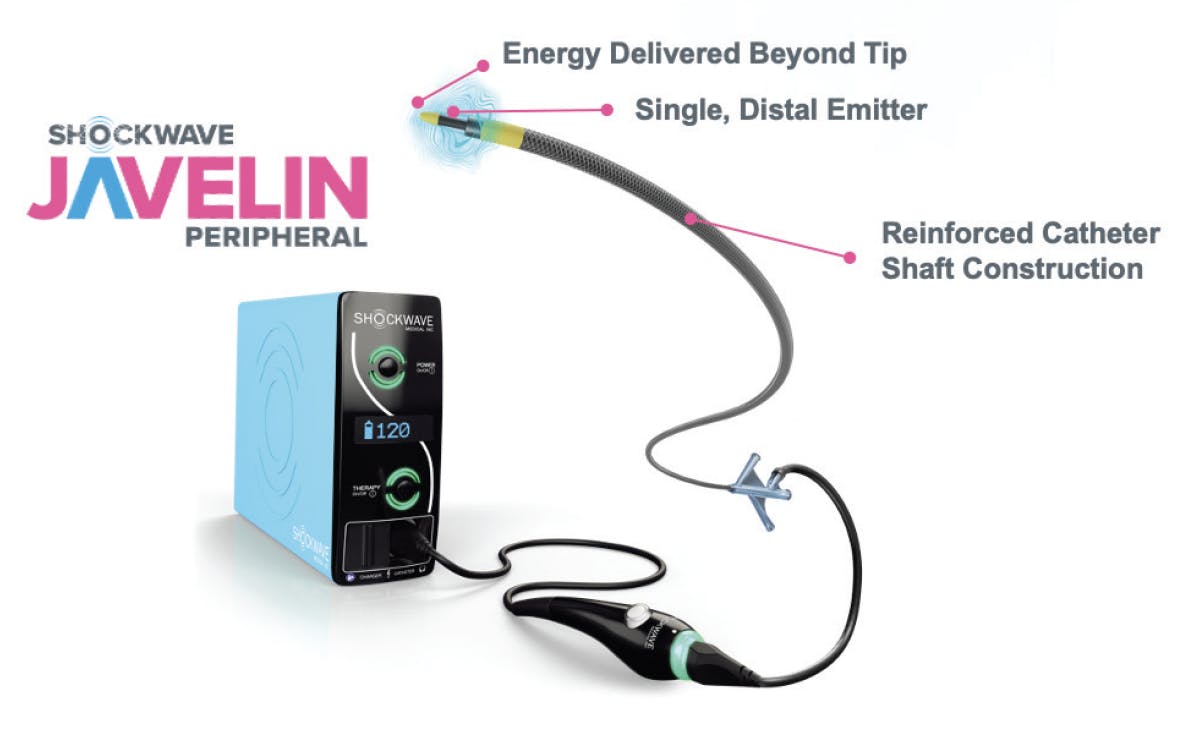
Figure 1. The Shockwave Javelin Peripheral IVL Catheter.

What clinical need does this product meet?
Dr. Corl: Shockwave Javelin offers a novel treatment solution for crossing and treating (ie, modifying) these types of calcified lesions that would otherwise be difficult or impossible to navigate, cross, and treat (Figure 2). We know that traditional balloon-based IVL is quite safe, with low rates of dissection, perforations, and embolisms; however, crossing heavily stenosed or occlusive disease can be a challenge due to the nature of the device (ie, balloon platform). Additionally, other available tools carry an embolization risk and are limited in their ability to treat both intimal and medial calcium. Safety concerns are particularly top of mind for patients with chronic limb-threatening ischemia (CLTI) who often present with multilevel disease with thick calcium extending into the medial layer of vessels.
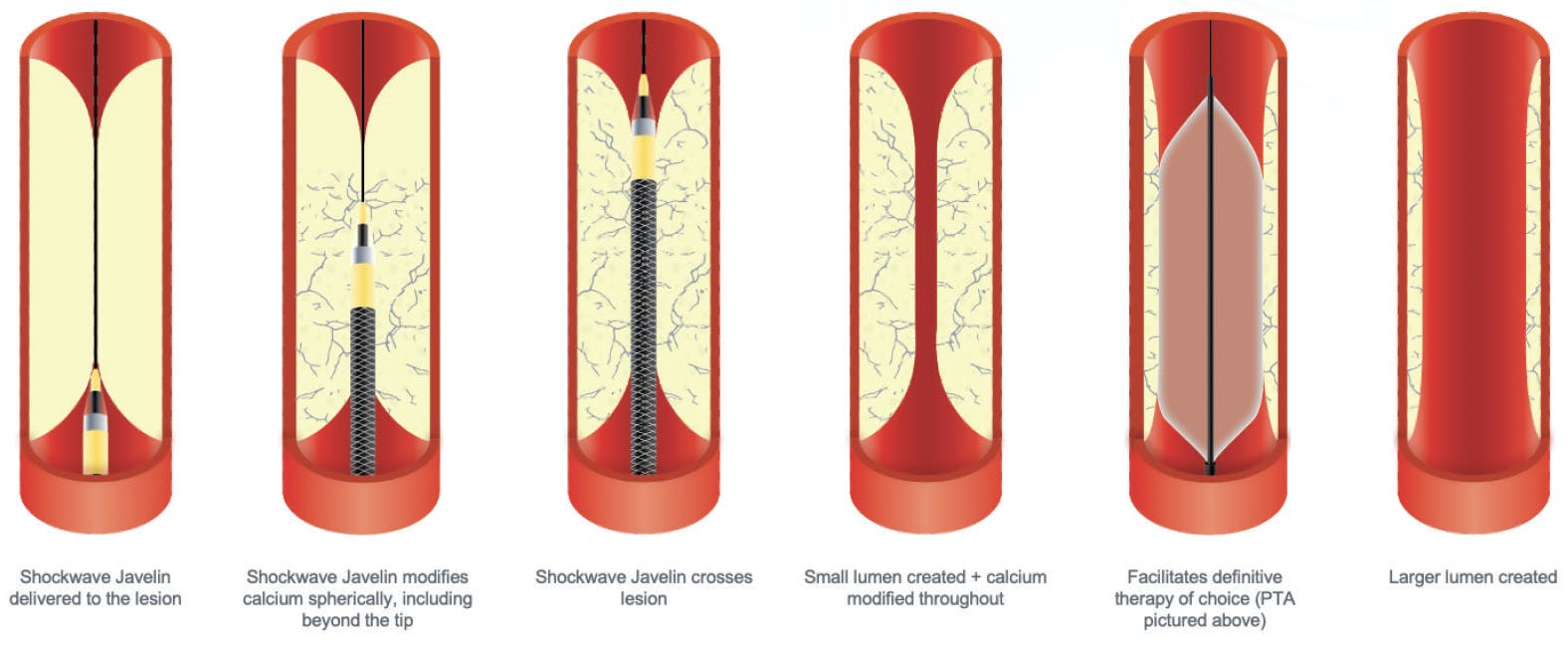
Figure 2. How it works: Shockwave Javelin modifies calcium as it crosses. (Internal testing shows a spherical sonic output from distal emitter consistent with previous Shockwave balloon-based IVL emitters, with sonic output extending beyond the tip of the catheter.)
Dr. Paprzycki: Shockwave Javelin is ideal for those extremely difficult-to-treat lesions, where the density of the calcium prohibits easy tracking of typical endovascular therapy options, whether that is standard IVL, angioplasty, or stents. We know that dense calcium can negatively impact procedural success and result in higher rates of dissection, embolization, or even perforation, all the while potentially decreasing available treatment options due to their inability to track. I use Shockwave Javelin for challenging cases, where you are forced to either use aggressive atherectomy or sequential dilation using small-diameter coronary balloons, just to reach a position where you could actually treat the lesion.
How would you describe your patient or lesion selection for Shockwave Javelin?
Dr. Corl: The Shockwave Javelin IVL Catheter is perfectly suited for addressing heavily calcified CTOs or difficult-to-cross lesions, particularly in BTK arteries.
Dr. Paprzycki: We all have those patients with extensive, bulky calcified arteries that you can visualize on simple fluoroscopy. After crossing the lesion with my wire, I routinely use intravascular ultrasound (IVUS) to assess the lesion characteristics and vessel diameter. In some cases, even IVUS can’t track over the wire due to the density of the calcium, or my initial balloon or IVL is unsuccessful in crossing. For these patients, I’ve found that using Shockwave Javelin, and its ability to crack calcium in front of the catheter, to modify the calcium and create a lumen greatly improves the vessel compliance, improves the successful delivery of therapy, avoids aggressive vessel prep with atherectomy, and minimizes complications.
What definitive therapy do you typically follow Shockwave Javelin with?
Dr. Corl: In my early experience doing cases commercially via the limited market release as well as cases in the FORWARD PAD Investigational Device Exemption trial, I have found that following Shockwave Javelin with percutaneous transluminal angioplasty (PTA) provides adequate luminal gain, particularly in smaller infrapopliteal lesions. Shockwave Javelin not only helps cross lesions but also modifies calcium as it goes, thus increasing compliance of the vessel and enabling effective postdilatation with standard angioplasty balloons.
Does this tool replace any current tools in your endovascular toolbox?
Dr. Paprzycki: Shockwave Javelin has significantly reduced my need to perform orbital or rotational atherectomy for heavily calcified lesions, particularly with the risk of embolization in high-risk surgical patients with poor runoff and no good bailout options. I also think this device may revolutionize the treatment of infrapopliteal disease, especially in diabetic and renal failure patients with multilevel disease. This over-the-wire device is quite flexible and hydrophilic, easily curving around the anterior tibial (AT) takeoff. It can be used retrograde through pedal access if needed. Shockwave Javelin also gives me another option for patients with smaller vessels where angioplasty may be the only option and recoil rates are high.
How do you think about the role of the Shockwave E8 IVL Catheter compared to the Shockwave Javelin IVL Catheter?
Dr. Corl: Both the Shockwave E8 and Shockwave Javelin Catheters are highly effective in treating heavily calcified lesions. However, the Shockwave Javelin IVL Catheter offers the added benefit of not only modifying but also facilitating crossing of densely calcified occlusions.
Dr. Paprzycki: In my experience to date, I find these two options have separate uses and indications in my practice. The Shockwave E8 is my preferred modality to treat standard calcified lesions, and it’s an excellent tool for everyday usage. However, in cases of severely calcified, difficult-to-cross lesions, tracking Shockwave E8 over the wire may be a significant challenge. In those cases, I use Shockwave Javelin’s forward calcium-cracking ability to create a small lumen, allowing delivery of any other treatment option I feel is best—one of which is commonly the Shockwave E8.
Given the new IVL platform and workflow, how would you describe your learning curve?
Dr. Paprzycki: The learning curve is short. The window of Shockwave Javelin requires a flush to remove any microbubbles after every 10 pulses. Other than this, usage of the catheter is like other forward-advancing devices, such as laser or IVUS: slow and steady with firm forward pressure.
What are some early learnings regarding…
…wire selection?
Dr. Corl: I typically begin with a 0.014-inch Mongo wire (Asahi Intecc Co Ltd.) but quickly escalate to more advanced wires when necessary to cross CTOs effectively.
Dr. Paprzycki: I’m often forced to use the same wire with which I use to cross the lesion, as catheter access distally for wire exchange in these situations is not always possible. Forward pressure of the Shockwave Javelin catheter during pulses can cause buckling, so I also make sure my sheath is as distal as possible and use a stiff 0.014-inch wire such as a Grand Slam (Asahi Intecc Co Ltd.) whenever possible.
…how hard to push?
Dr. Corl: Apply steady gentle forward pressure without “pecking.”
Dr. Paprzycki: Slow and steady, forward pressure is key to allow adequate calcium modification. I’ll maintain forward pressure on the catheter until it begins to move forward. But I trust the technology and allow the emitter to do the work.
…pulse management?
Dr. Corl: I typically aim to advance 1 mm per pulse, making slower progress in areas with denser calcium to ensure optimal treatment.
Dr. Paprzycki: I use forward pressure during each 10-pulse increment, then relax my pressure to flush the window. I’ll reapply forward pressure as I begin the next series. If I can, I’ll repeat passes through the lesion with any remaining pulses, focusing on the most severe sections of calcium.
What are your dos/don’ts for optimization?
Dr. Corl: Avoid applying too much forward pressure. Use gentle, constant forward pressure to allow the lithotripsy to work effectively.
Dr. Paprzycki: Those who already use IVL technology will integrate this new tool quite quickly into their practice. I use slow and steady forward pressure, and multiple passes can be used. Each pass is often easier than the one prior, as the compliance of calcium is successfully improved.
Severe, Calcified SFA CTO | By Chris Paprzycki, MD, FACS
CASE PRESENTATION
A woman in her late 70s with a past medical history significant for type 2 diabetes mellitus, end-stage renal disease on hemodialysis, and congestive heart failure presented with gangrene of the right fourth toe and worsening rest pain over the past several months (Figure 1). Her arterial duplex ultrasound was significant for noncompressible ankle-brachial index, occlusion of the right mid and distal superficial femoral artery (SFA) with collateral popliteal reconstitution, and two-vessel runoff with chronic occlusion of the posterior tibial (PT) artery. Given her CLTI, angiography with intervention was recommended.
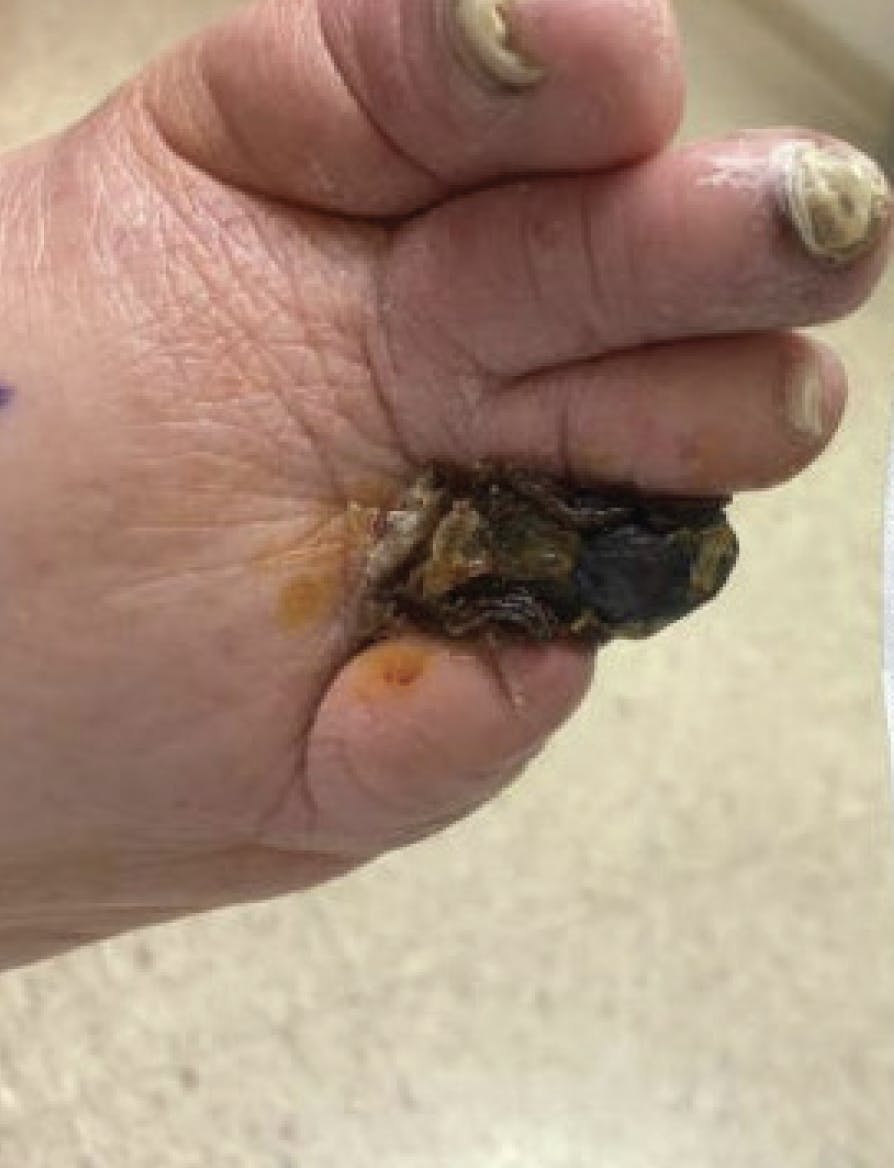
Figure 1. Right third-toe gangrene.
PROCEDURAL OVERVIEW
After conscious sedation, access was achieved in the contralateral left common femoral artery (CFA). Diagnostic aortography with runoff was performed, confirming a highly calcified right superficial femoral ostial stenosis and mid SFA CTO, with single-vessel runoff to the foot via a heavily diseased but patent AT artery to the foot (Figure 2). The initial sheath was exchanged for a 6F Pinnacle Destination sheath (Terumo Interventional Systems) placed in the right CFA. Then, the right SFA was carefully selected, which was challenging given the ostial calcifications. The mid SFA CTO proximal cap was engaged. Using a Victory wire (Boston Scientific Corporation) and a Spinr guidewire controller (Merit Medical Systems, Inc.), the heavily calcified area was crossed. The wire was then exchanged wire distally to a 0.014-inch Grand Slam placed into the BTK popliteal artery.
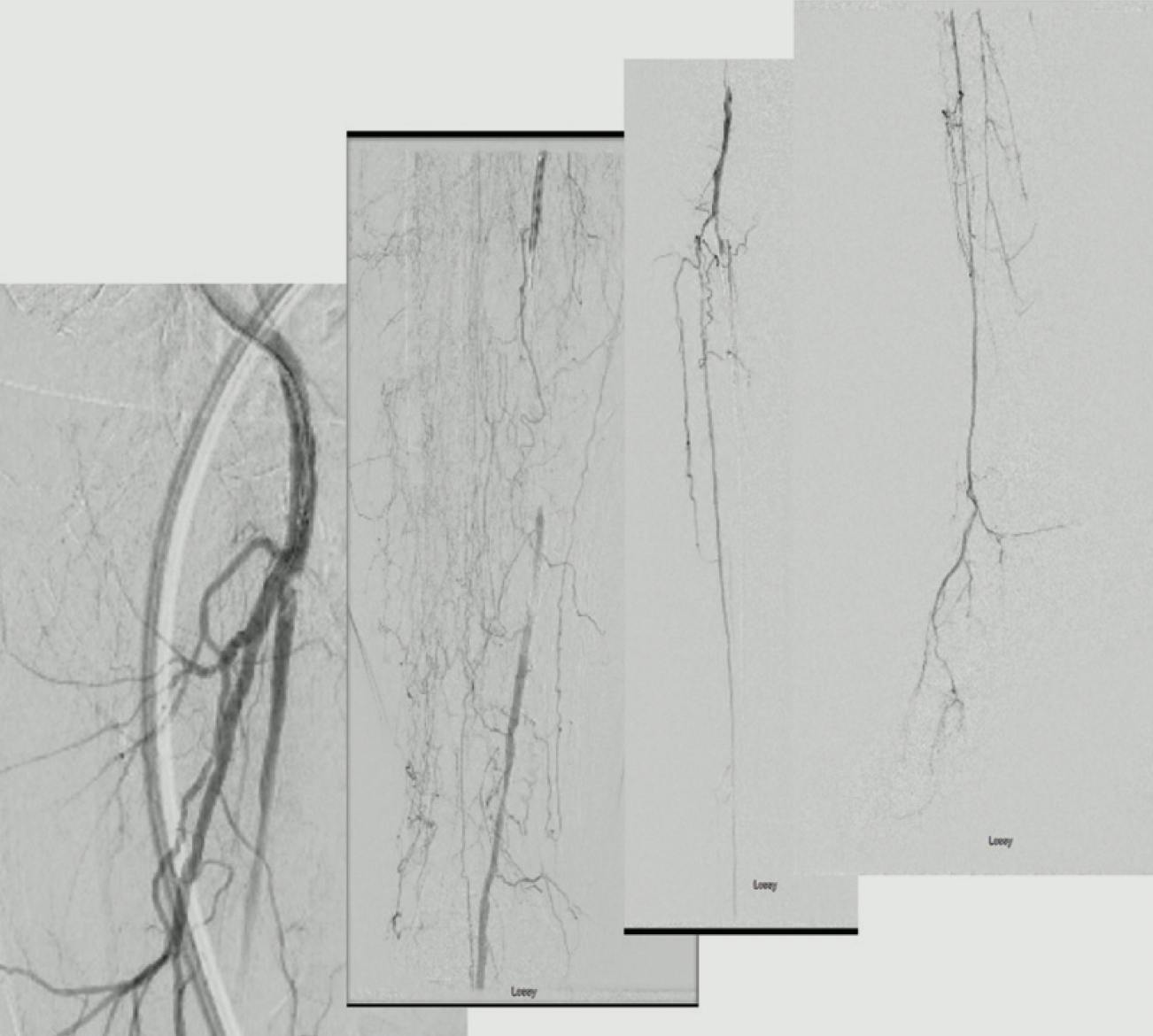
Figure 2. Initial diagnostic imaging, femoral head to foot.
IVUS was attempted but could not cross through the proximal cap due to the calcifications. At this point, Shockwave Javelin was chosen to cross the proximal cap and modify the rest of the SFA to improve compliance of the vessel for further treatment.
One hundred twenty pulses were administered, slowly advancing Shockwave Javelin through the occlusion (Figure 3). Shockwave Javelin paused at several areas of dense occlusion, and two passes total were performed. Following this, repeat angiography was performed, and now showed flow through the occlusion (Figure 4). IVUS was repeated; the SFA diameter measured between 4 to 5 mm throughout its length, and the SFA ostium was 5.2 mm. Given the severity and density of the calcifications, balloon-based IVL of the SFA was performed using a 5- X 80-mm Shockwave E8 at 2 atm, starting distally initially. As the compliance of each lesion relaxed, allowing full balloon expansion, the Shockwave E8 balloon was deflated and proximally withdrawn, repeating until the entire SFA was successfully treated (Figure 5). After IVL, balloon angioplasty of the entire SFA was performed using a 5- X 240-mm Jade noncompliant balloon (Abbott, manufactured by OrbusNeich) (Figure 6). Completion angiography showed a widely patent SFA lumen without residual stenosis, vessel recoil, or flow-limiting dissection (Figure 7).
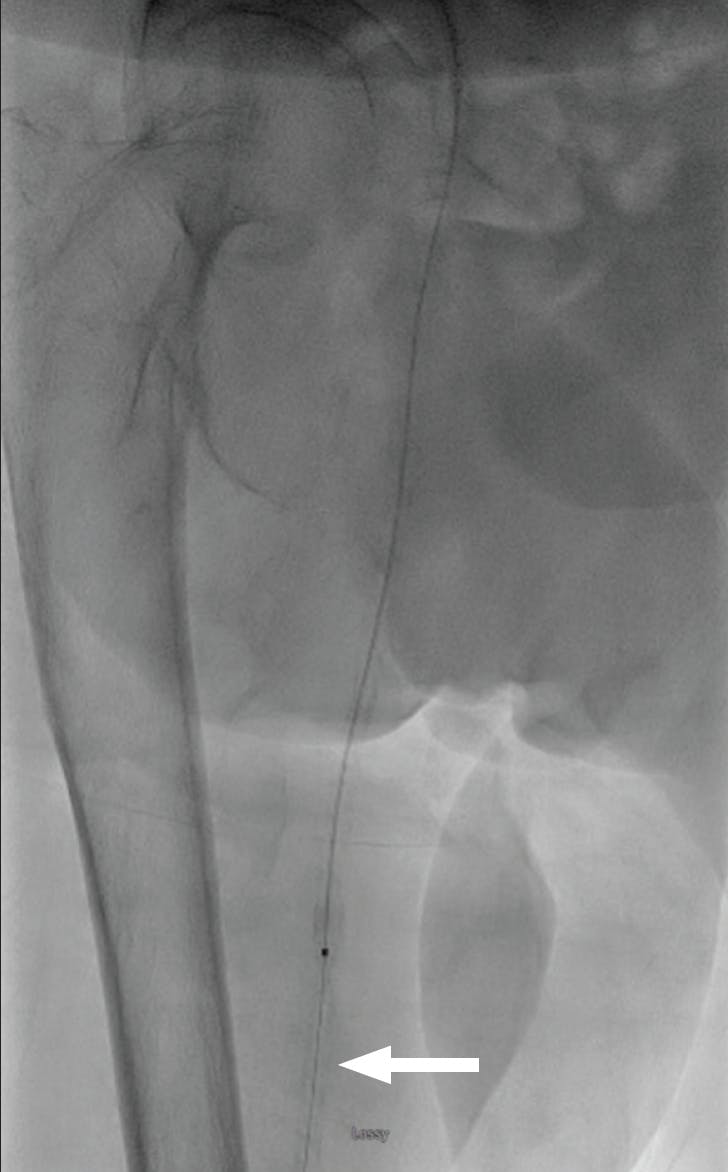
Figure 3. Shockwave Javelin (arrow) (note the area of dense calcium).
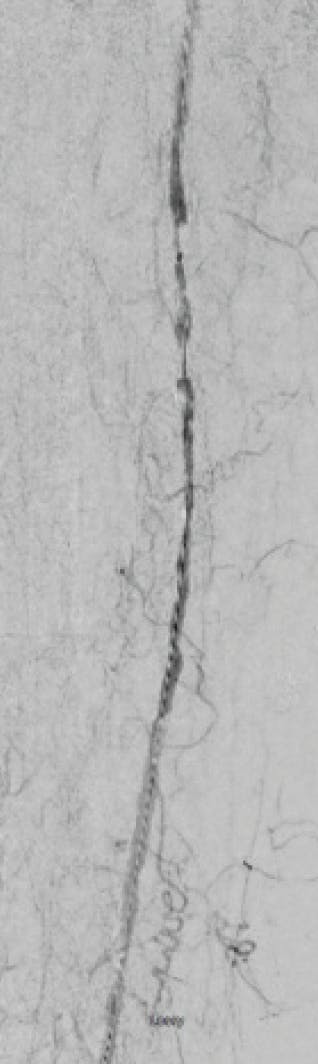
Figure 4. Post-Shockwave Javelin with identifiable flow seen.
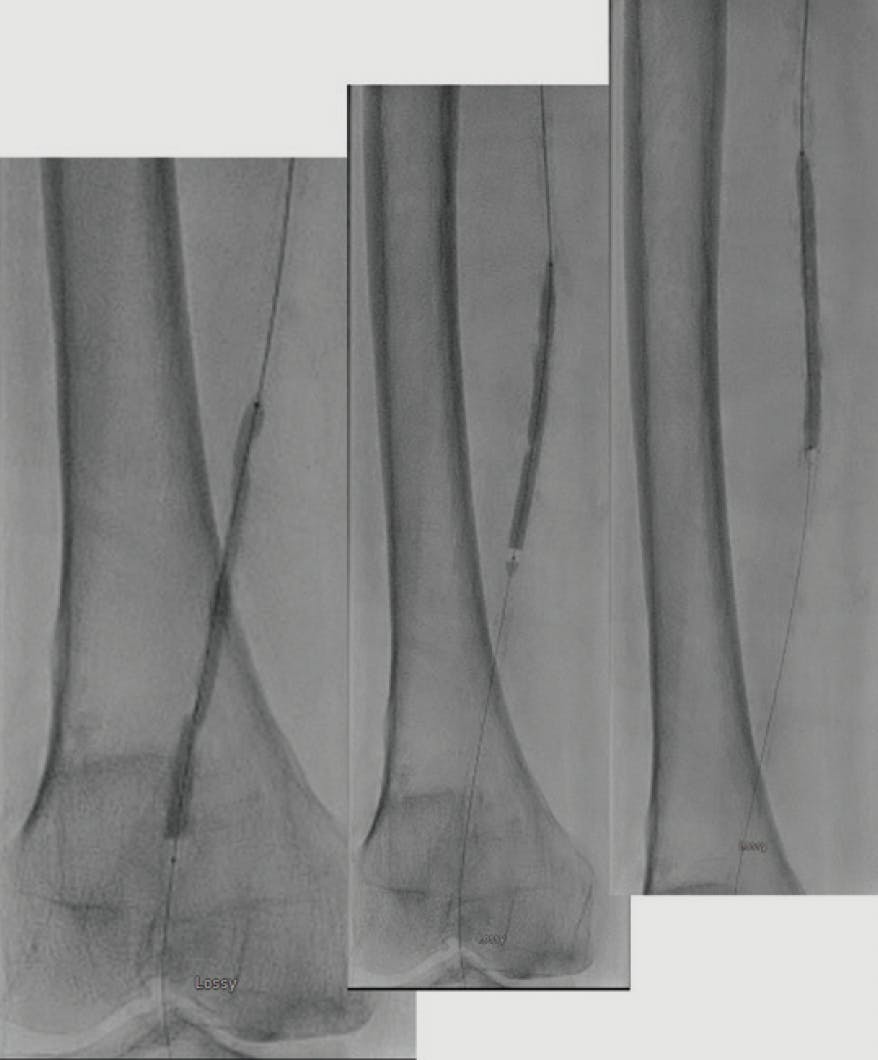
Figure 5. Shockwave E8.
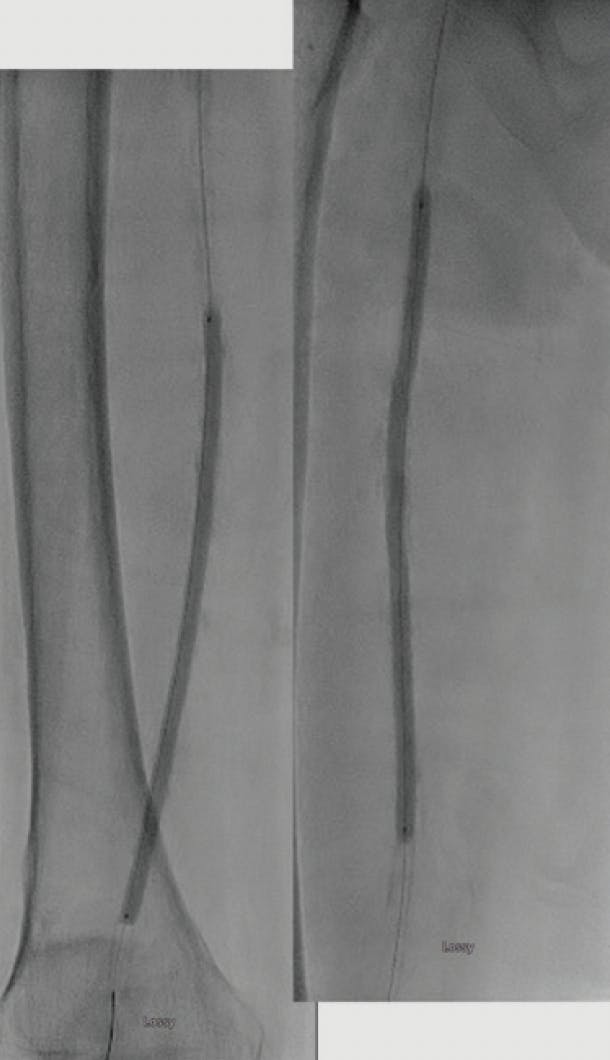
Figure 6. Balloon angioplasty with Jade.
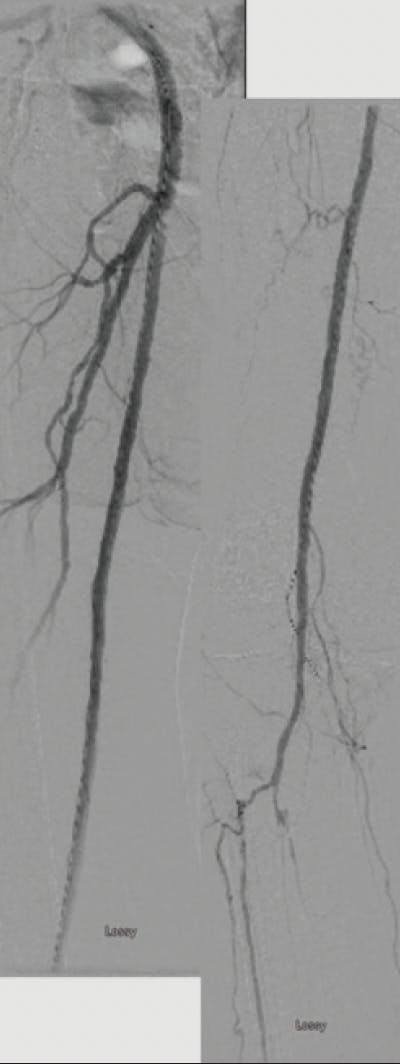
Figure 7. Final femoropopliteal imaging.
A 0.014-inch wire was placed through the AT artery stenoses, with the tip into the dorsalis pedal artery in the foot. IVUS was performed, revealing that the AT artery was only 2 mm in diameter and heavily calcified. Treatment began of the entire AT artery with a 2-mm balloon. Follow-up angiography showed a better-than-expected result, with brisk filling of the foot via the dorsalis pedis (Figure 8). The procedure was completed, with plans to return to further optimize her infrapopliteal disease, if needed.
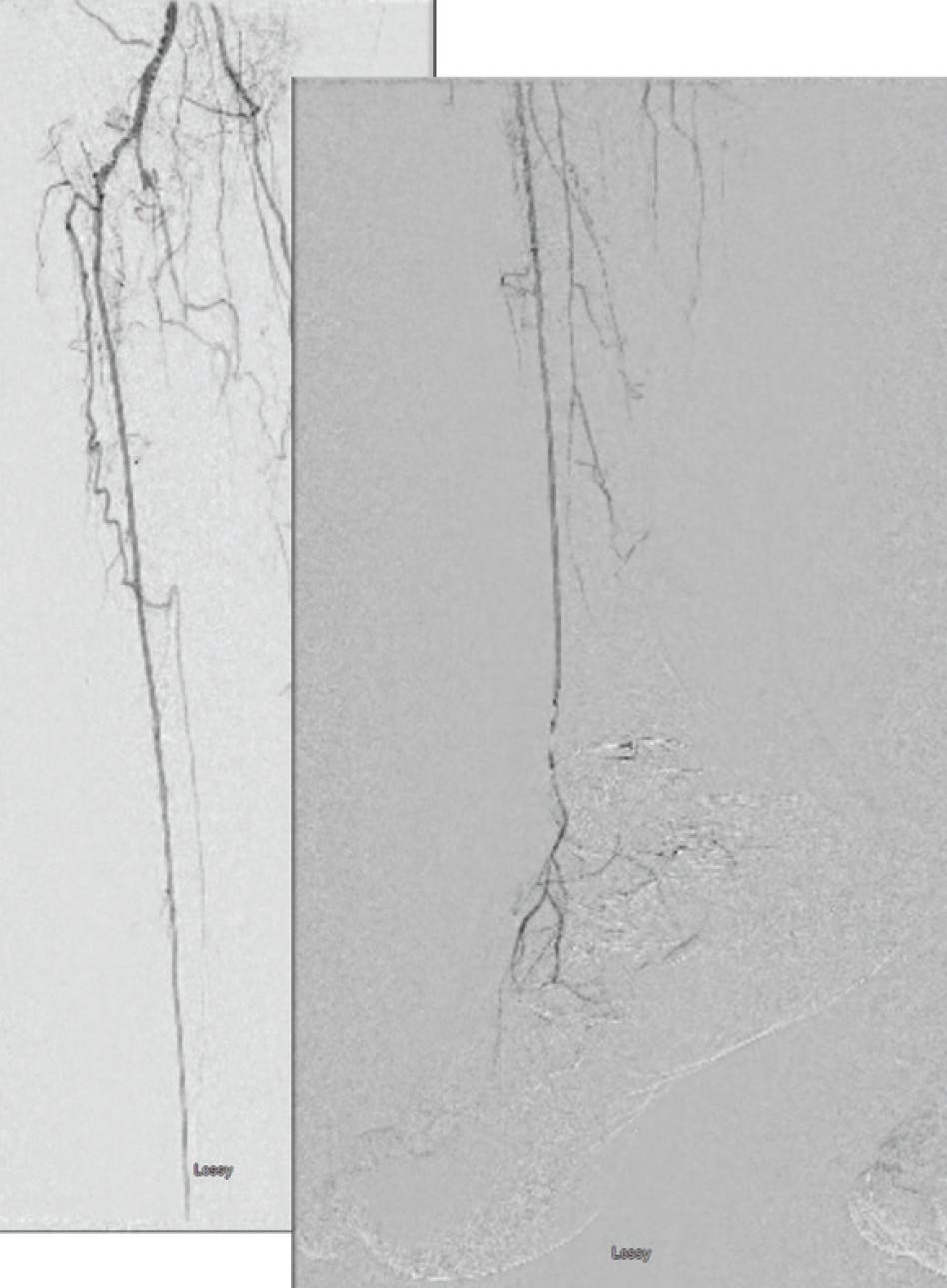
Figure 8. Final AT artery imaging (wire tip artifact on lateral imaging at the ankle).
Following the procedure, the patient’s right third toe was amputated by podiatry. Her 2-week postoperative follow-up visit showed excellent incisional healing, with complete healing by 6-week follow-up, without need for further intervention (Figure 9). She is followed with duplex surveillance and to date remains free of ulcer recurrence.
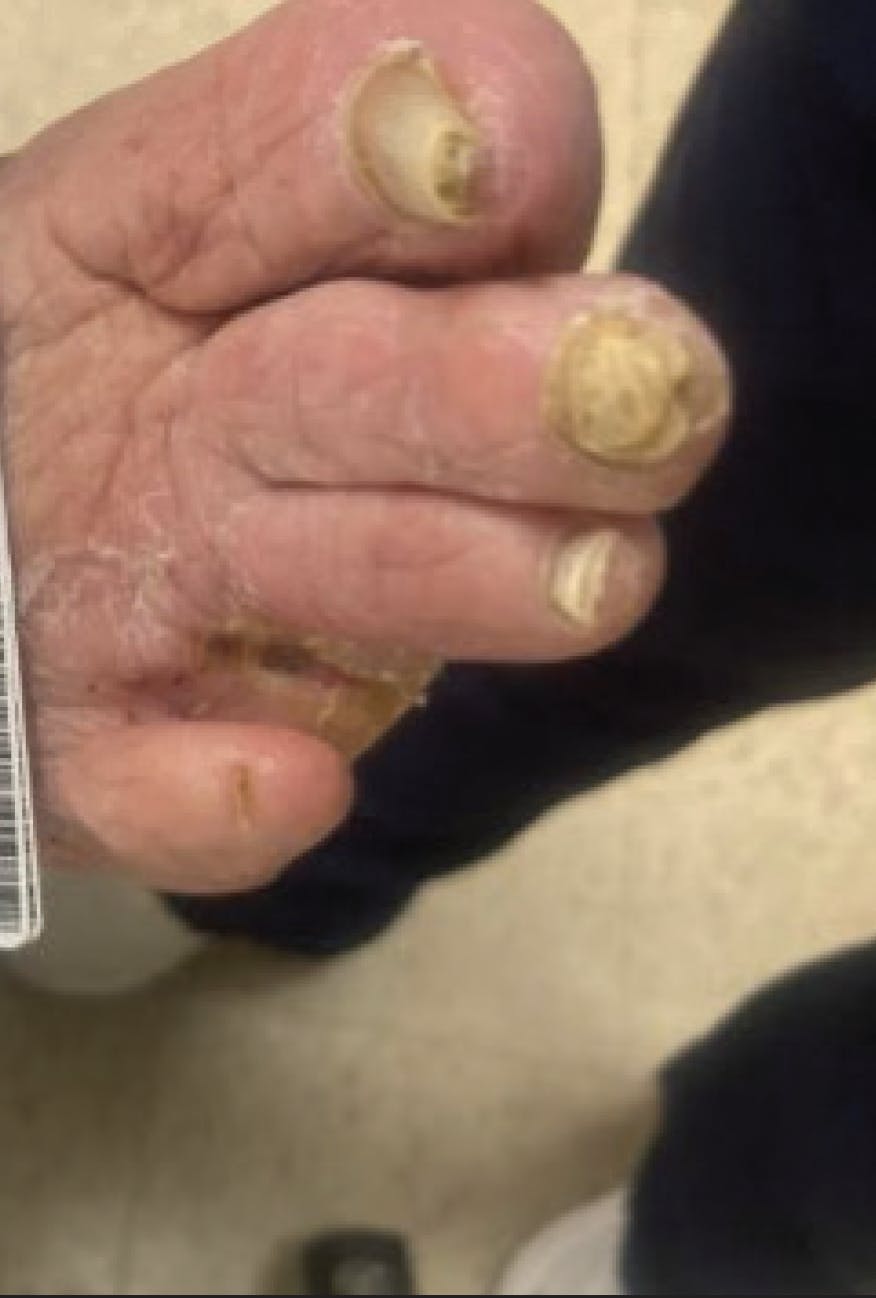
Figure 9. Healed incision postamputation.
DISCUSSION
Prior to availability of Shockwave Javelin, I would have treated this patient with orbital atherectomy, with an Emboshield Nav6 distal protection device (Abbott) placed into the BTK popliteal artery. Given the patient’s poor runoff BTK, she would have had little tolerance for any distal embolization. I also worry about extraction of the filter if significant calcified debris were to fill the basket. I believe this lesion would then still have required balloon-based IVL after orbital atherectomy for optimal results. With Shockwave Javelin, I was able to cross the initial CTO and modify calcium in several areas of dense occlusions along the SFA to perform sufficient vessel prep, demonstrated by the excellent result following Shockwave E8.
Right Popliteal Artery Stenosis | By JD Corl, MD, FACC, FSCAI
CASE PRESENTATION
A man in his early 70s presented with Rutherford 5 peripheral artery disease (PAD). A diagnostic angiogram was obtained via right radial access, showing a severe, heavily calcified stenosis in the right popliteal artery (Figure 1).
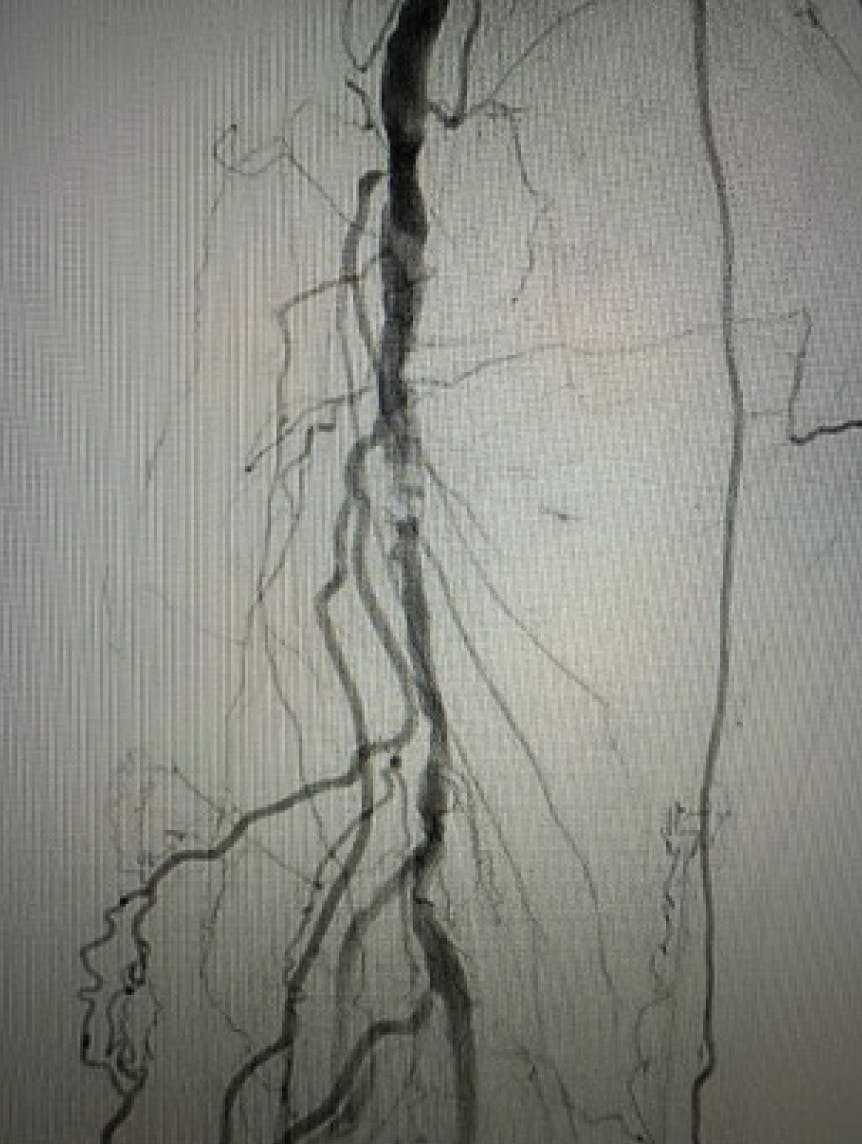
Figure 1. Initial diagnostic imaging demonstrating heavily calcified stenosis in the right popliteal artery.
PROCEDURAL OVERVIEW
After achieving right AT artery access, an attempt was made to cross with an IVUS catheter but was unsuccessful (Figure 2). Shockwave Javelin was selected after being unable to cross the stenosis with the IVUS catheter.
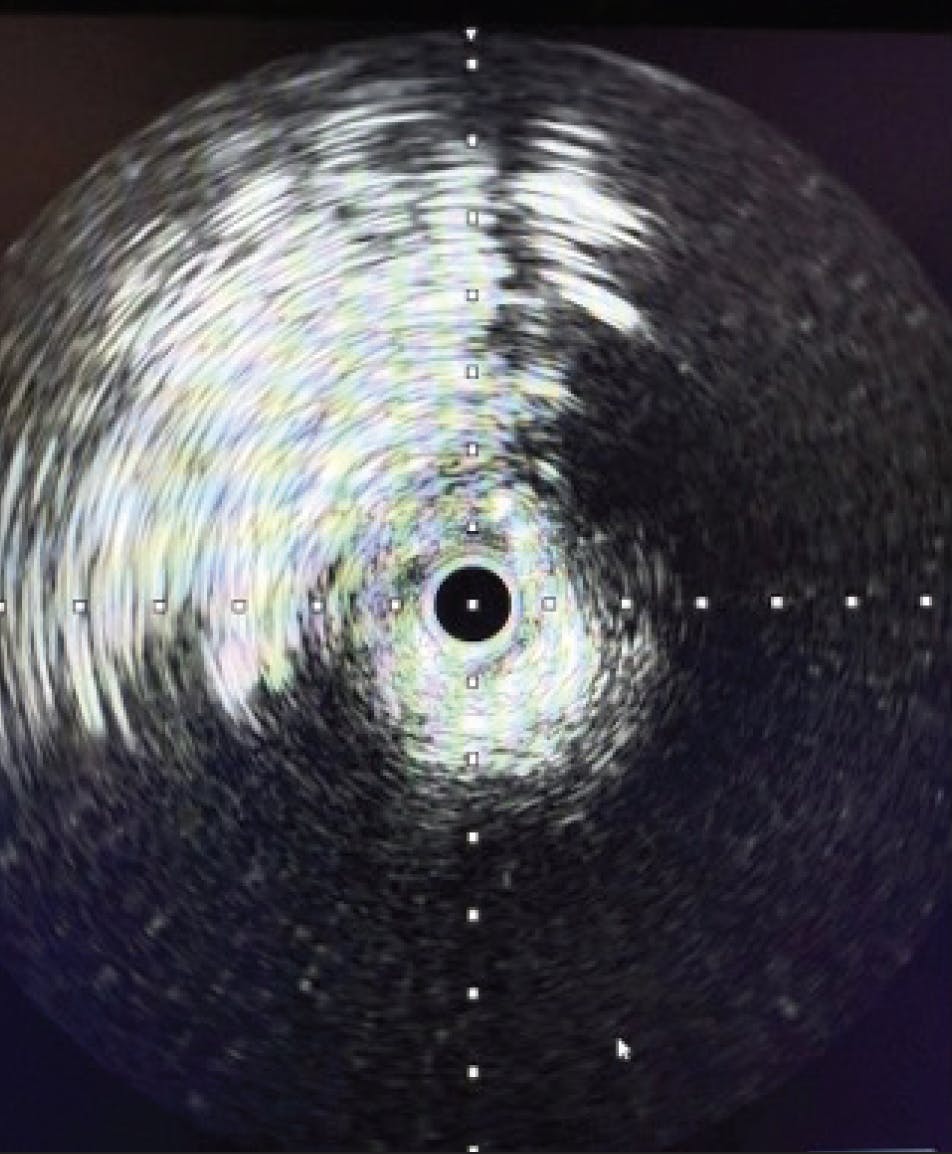
Figure 2. IVUS catheter unable to cross the stenosis.
Shockwave Javelin was delivered, and the tip of the catheter was “parked” in the cap of the stenosis, applying gentle forward pressure while delivering pulses (Figure 3). After three rounds (approximately 30 pulses), the catheter “popped” across the calcified cap. Once the cap was crossed, the remaining 90 pulses were used in the calcified area of the popliteal, ultimately using all 120 pulses.
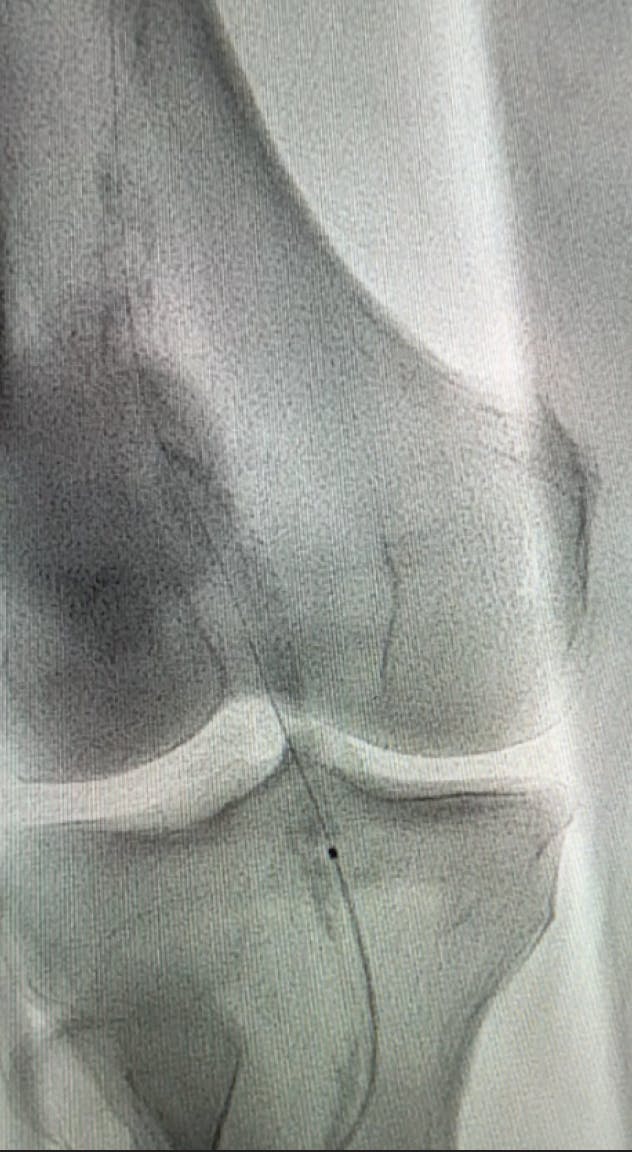
Figure 3. Shockwave Javelin.
The IVUS catheter was then successfully delivered to aid in determining next steps (Figure 4). Given the severity of calcification and size of the vessel, it was determined that additional calcium modification was needed. Therefore, the popliteal was treated with additional IVL using a 6- X 80-mm Shockwave E8 (Figure 5) followed by a 6- X 150-mm Ranger drug-coated balloon (DCB) (Boston Scientific Corporation) (Figure 6). The Shockwave E8 provided additional plaque modification to allow full expansion of the DCB. Repeat angiography showed greatly improved flow and no residual stenosis (Figure 7).
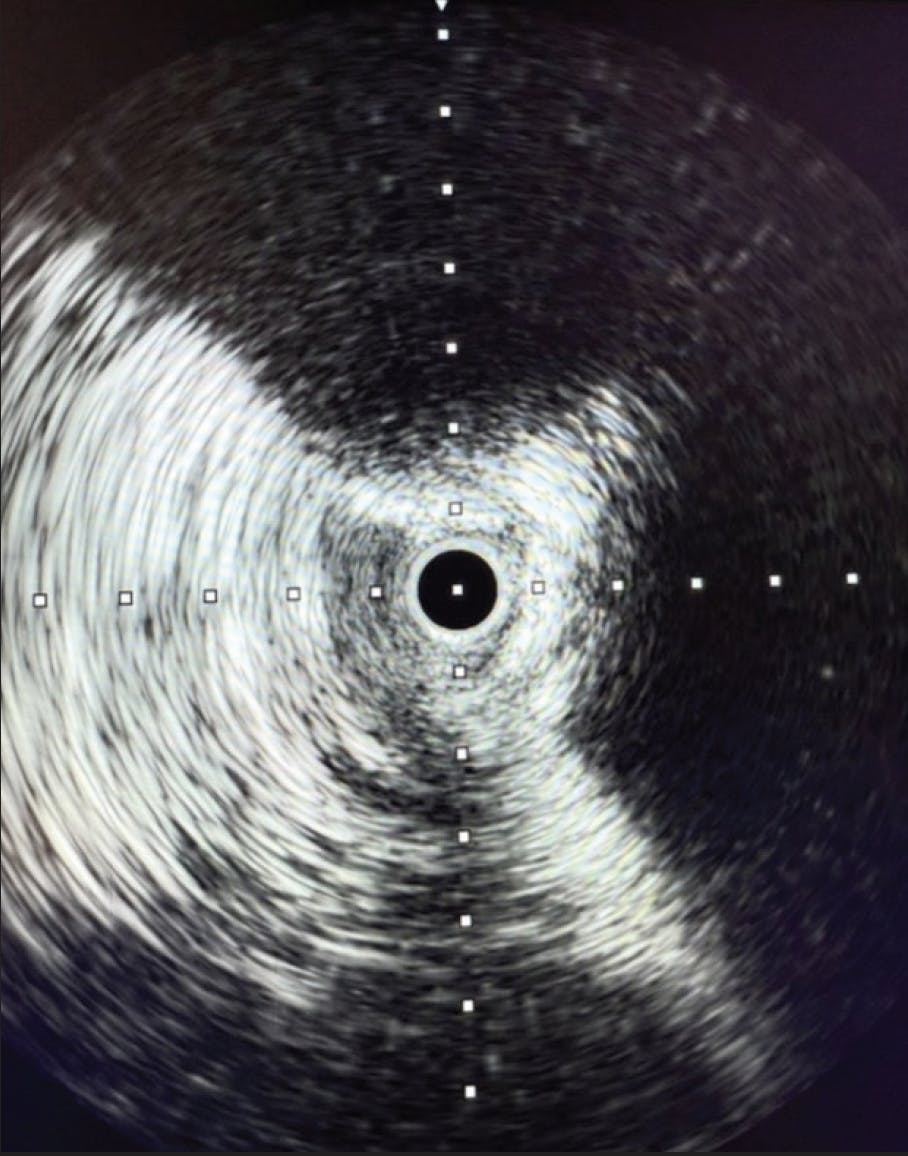
Figure 4. IVUS of the right popliteal artery.
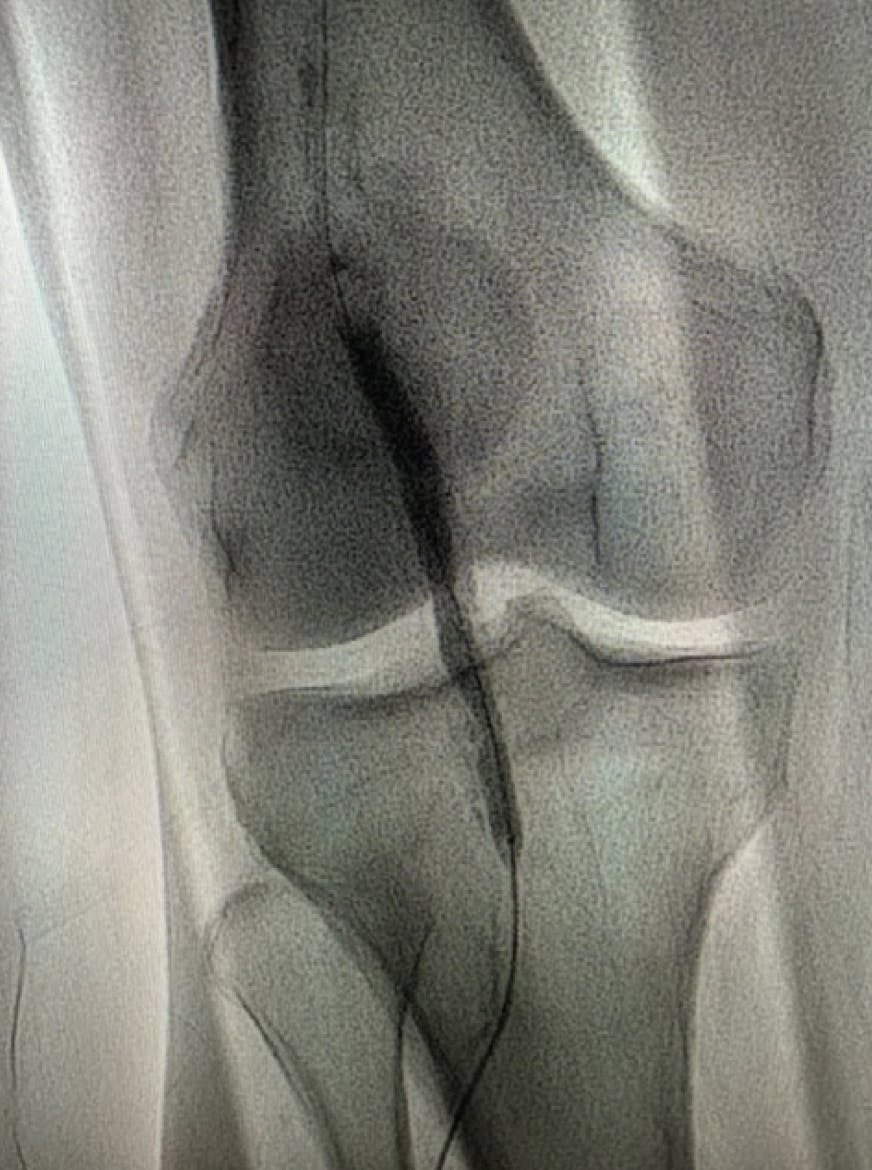
Figure 5. 6- X 80-mm Shockwave E8.
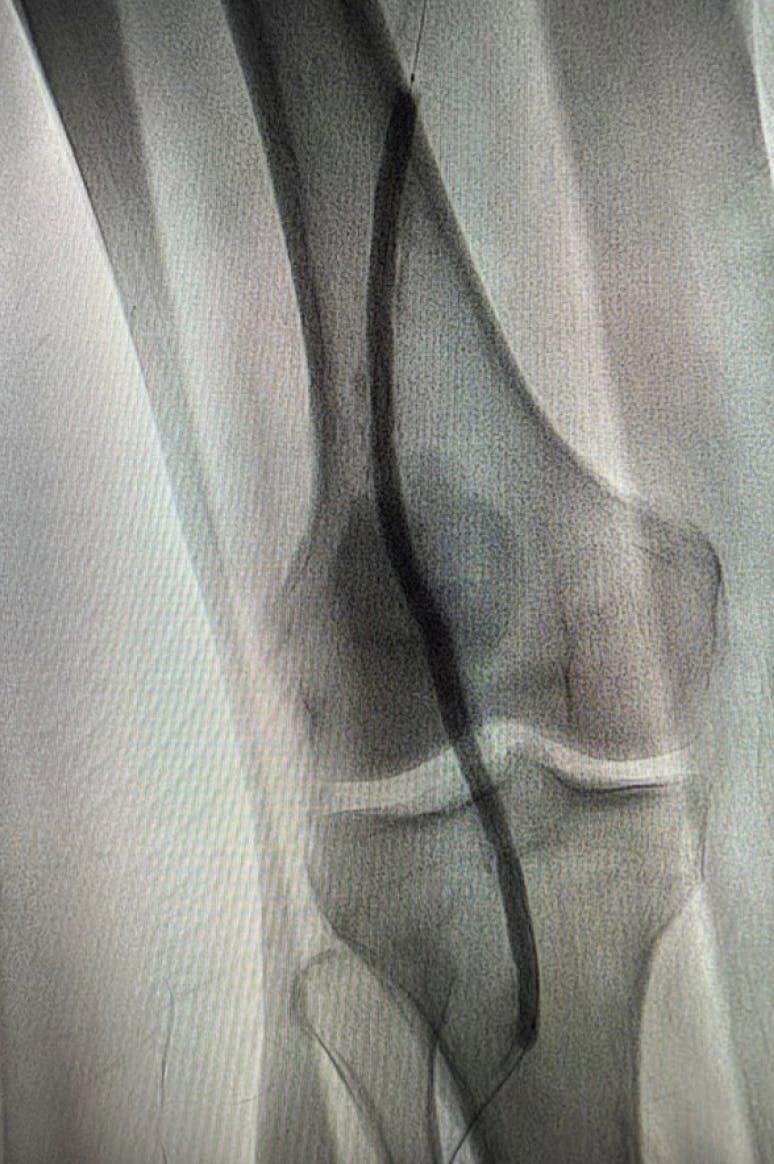
Figure 6. 6- X 150-mm Ranger DCB.
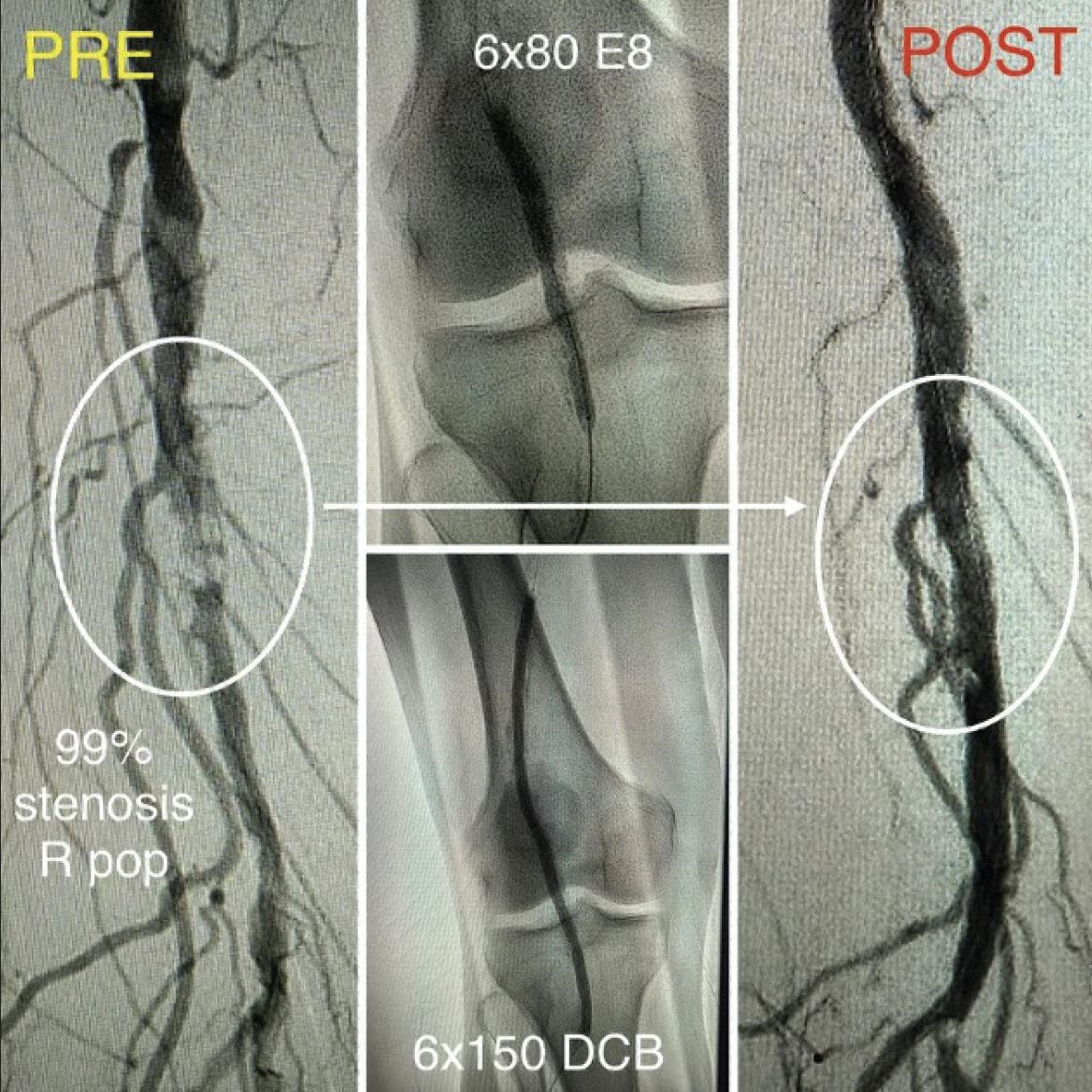
Figure 7. Pre- and postangiography.
DISCUSSION
The key to my success with Shockwave Javelin is applying gentle, constant, forward pressure while delivering pulses. It may be necessary to deliver multiple rounds to successfully cross densely calcified occlusions.
CTOs in Right AT and Right PT Arteries | By JD Corl, MD, FACC, FSCAI
CASE PRESENTATION
A man in his early 80s presented with Rutherford 5 PAD. A diagnostic angiogram was obtained via right CFA antegrade access, showing severe, heavily calcified disease in the right AT artery and PT artery (Figure 1). Shockwave Javelin was selected based on the diagnostic angiography showing severe diffuse calcification and CTOs in both the AT and PT arteries.
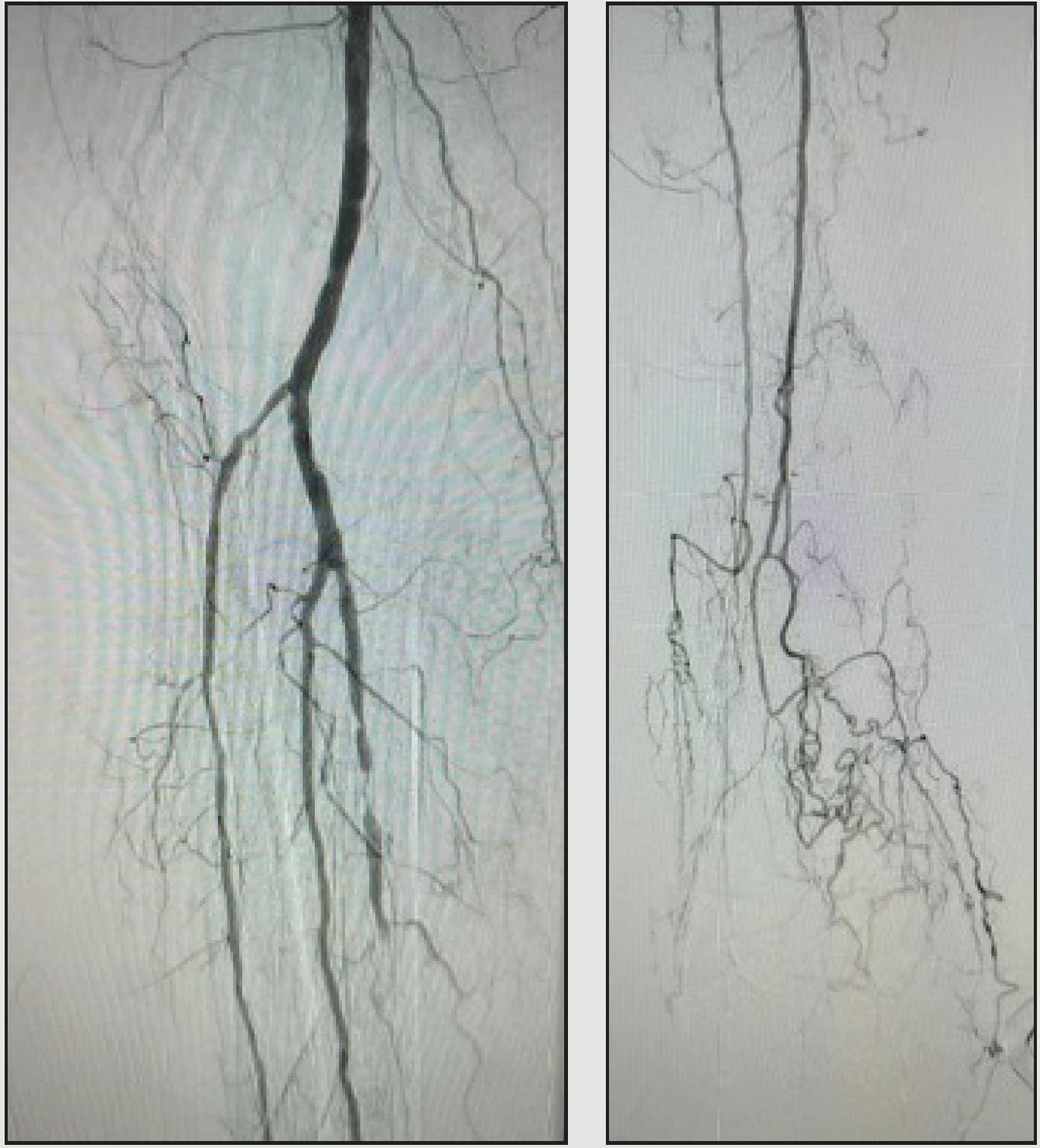
Figure 1. Severe, heavily calcified disease in the right AT and PT arteries.
PROCEDURAL OVERVIEW
The right AT artery CTO was crossed in an antegrade fashion using a 0.014-inch Mongo wire and a Spinr torque device. Shockwave Javelin was used to cross the CTO and treat the diffuse calcification from the AT artery into the right dorsalis pedis artery, using all 120 pulses (Figure 2). Balloon angioplasty was performed using three tapered balloons: 2 X 210 mm, 2.5 X 210 mm, and 3 X 210 mm. The combination of Shockwave Javelin followed by PTA provided an excellent result with normal brisk flow (Figure 3). Moving to the right PT, the CTO was crossed in an antegrade fashion with the 0.014-inch Mongo wire. Another Shockwave Javelin catheter was used to cross and treat the PT artery CTO with all 120 pulses (Figure 4). Similar to the approach in the AT artery, Shockwave Javelin was followed by balloon angioplasty with four tapered balloons: 2 X 210 mm, 2.5 X 210 mm, 3 X 210 mm, and 3.5 X 210 mm. Again, the combination of Shockwave Javelin to cross and modify the calcific disease followed by balloon angioplasty provided significant luminal gain and excellent flow (Figure 5 and Figure 6).
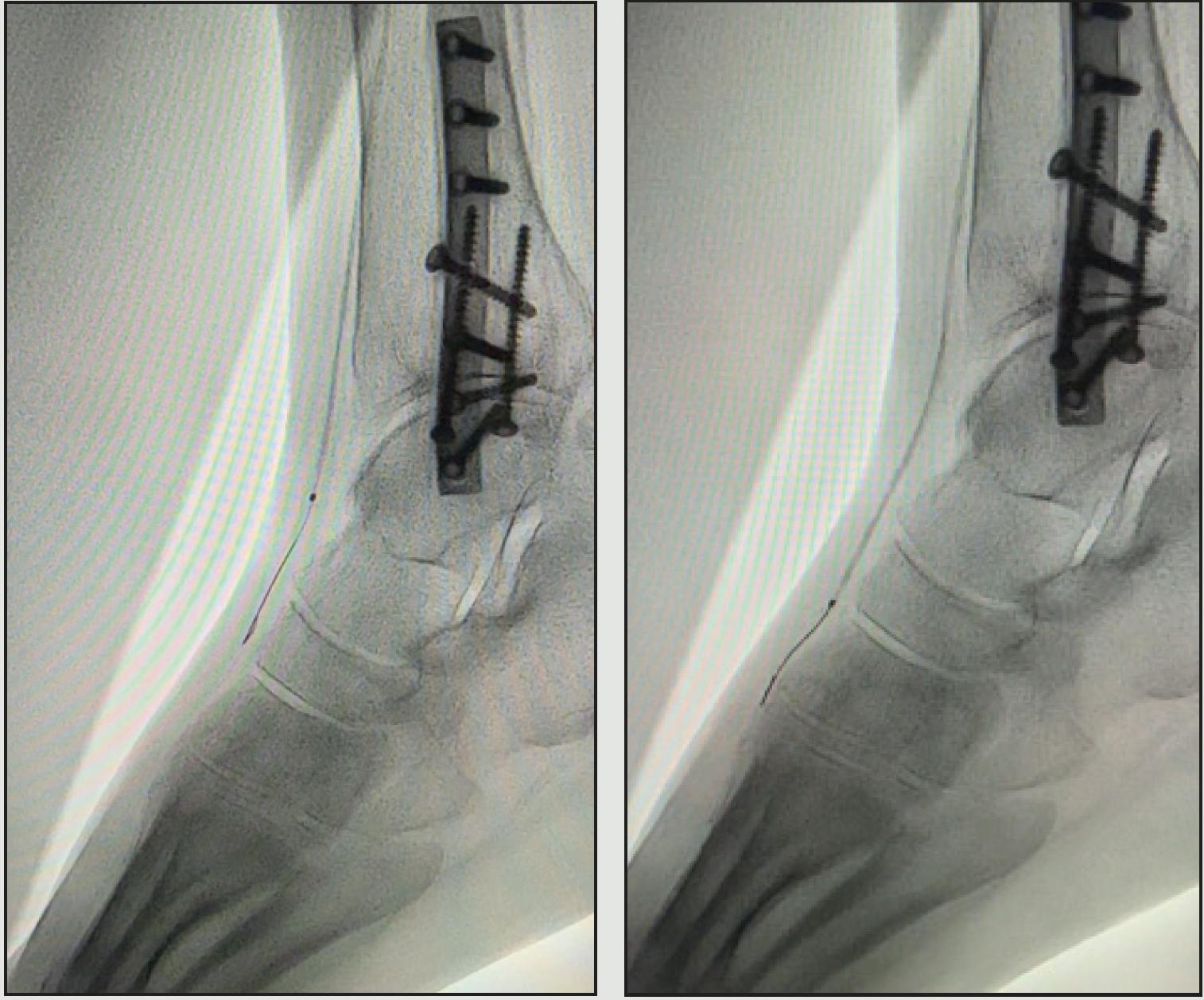
Figure 2. Shockwave Javelin in the right AT artery and dorsalis pedis artery.
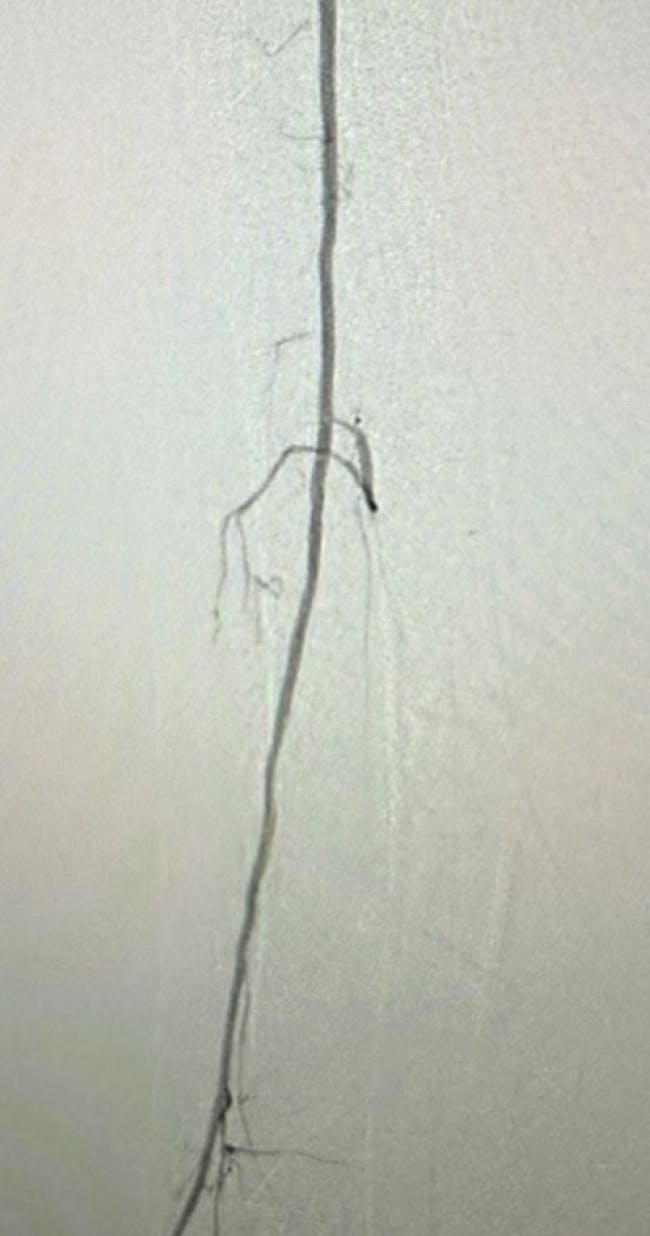
Figure 3. The right AT artery after Shockwave Javelin and PTA.
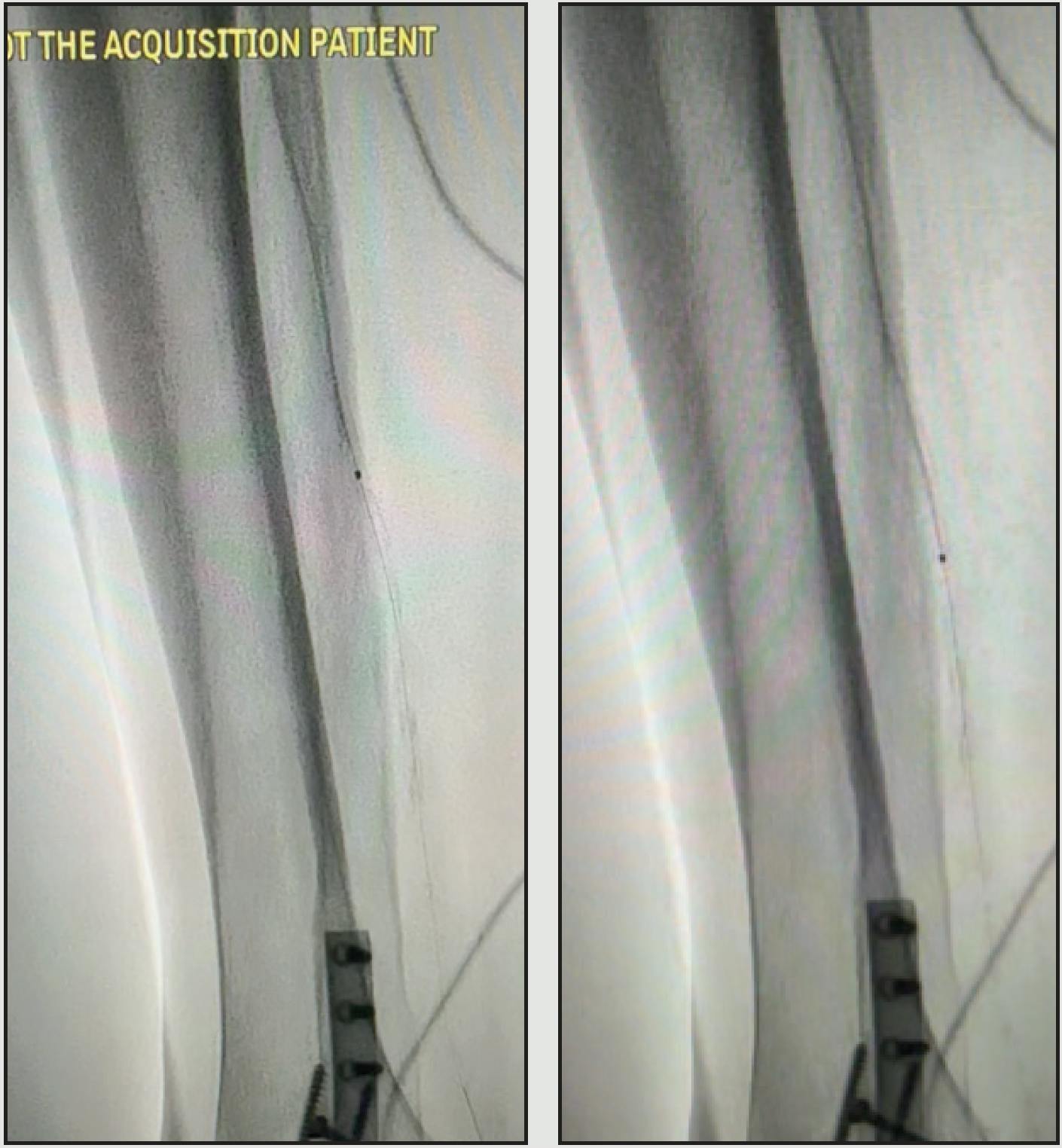
Figure 4. Crossing the CTO and treating calcified disease in the right PT with Shockwave Javelin.
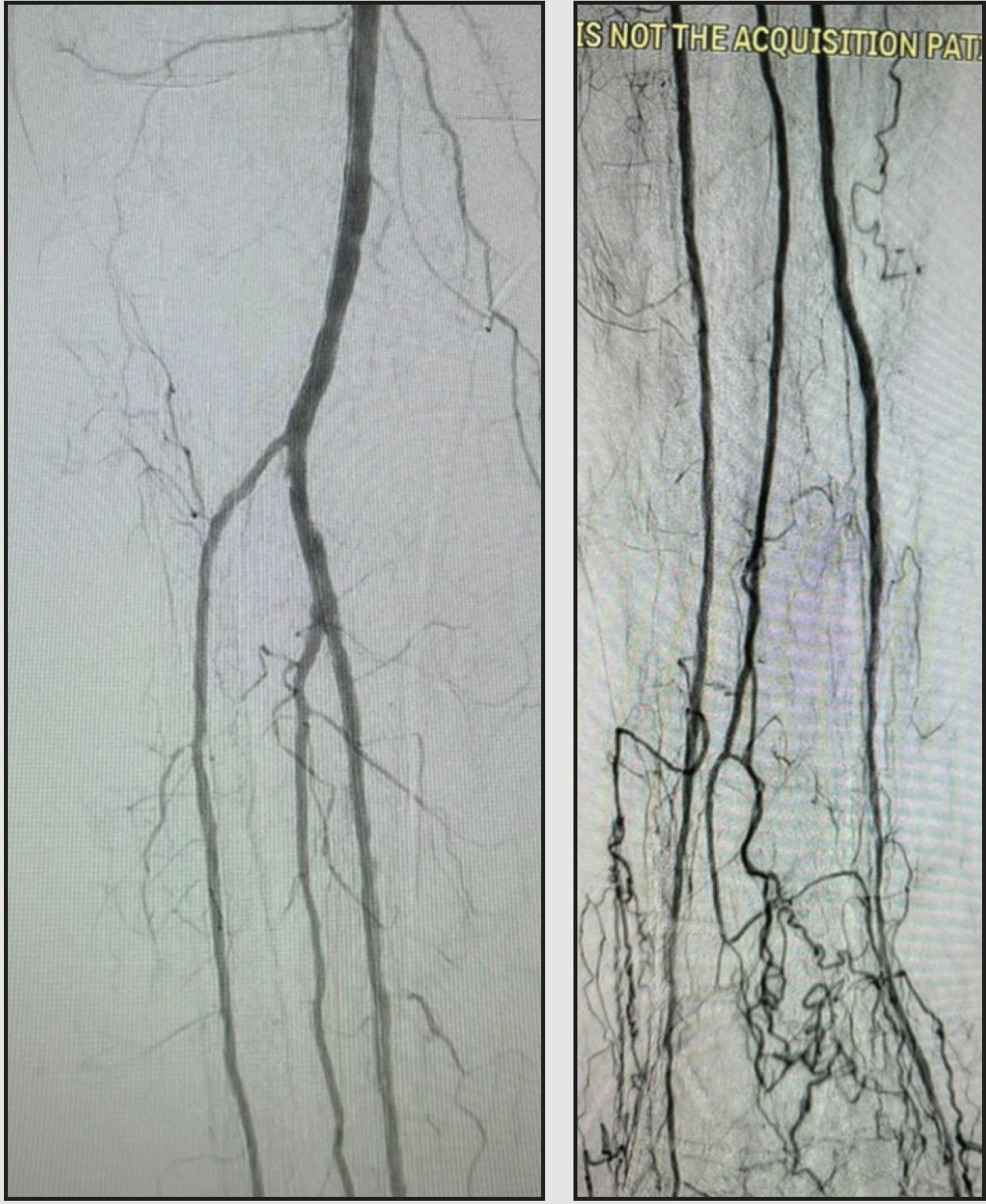
Figure 5. Final images after Shockwave Javelin and PTA in both the right AT and right PT arteries.
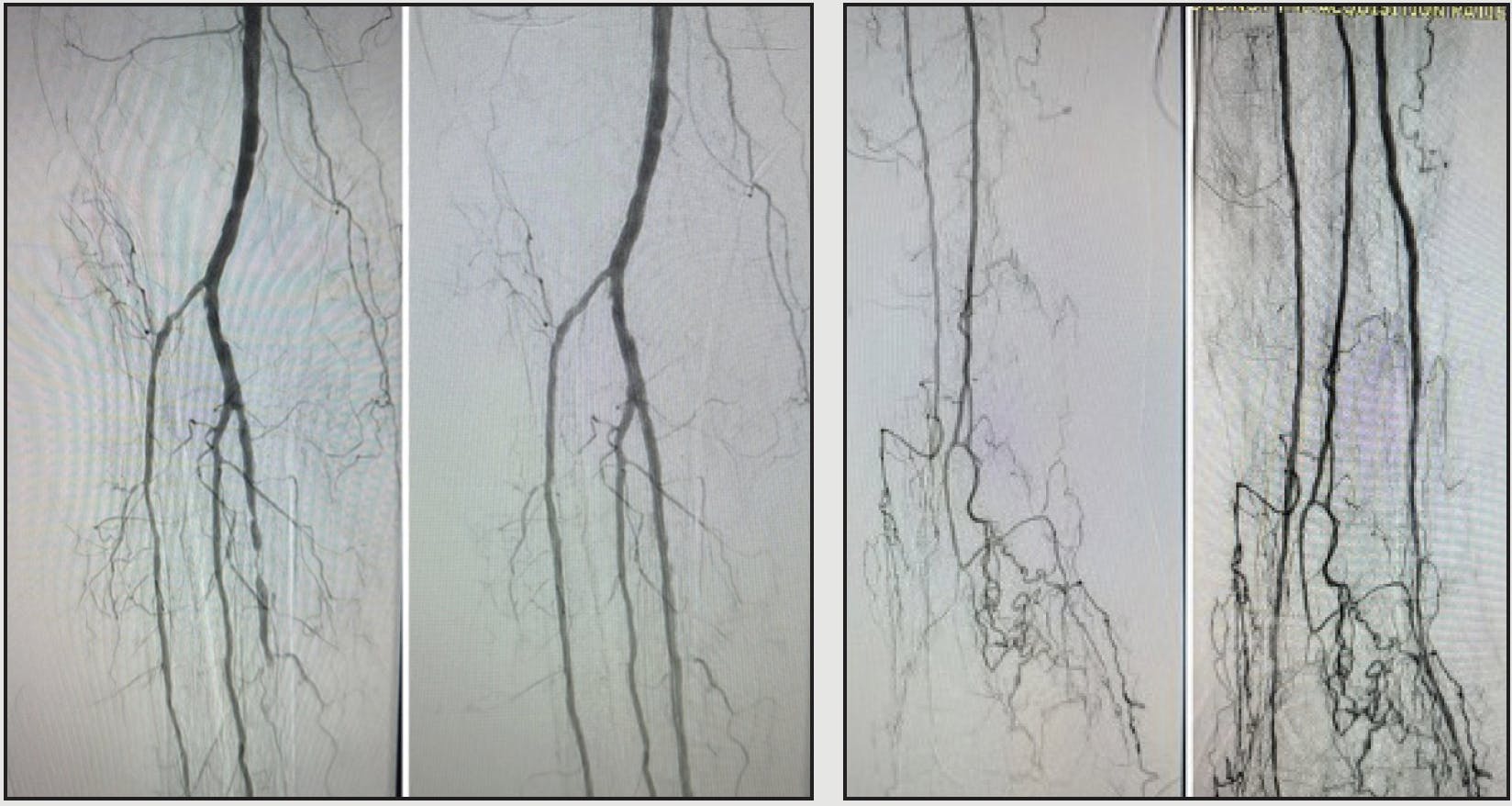
Figure 6. Before and after images.
DISCUSSION
In this case, the importance of gentle forward pressure while delivering pulses was also key. Additionally, when dealing with diffuse disease, it is important to pace your pulses to ensure appropriate IVL coverage of long segments of disease. IVUS imaging was performed in both the AT and PT arteries after Shockwave Javelin, which was also essential to guide treatment decisions.
PERIPHERAL SAFETY INFORMATION
Shockwave S4, Shockwave M5, Shockwave M5+, Shockwave E8, and Shockwave L6
In the United States: Rx only.
Indications for Use—The Shockwave Medical Intravascular Lithotripsy (IVL) System is intended for lithotripsy-enhanced balloon dilatation of lesions, including calcified lesions, in the peripheral vasculature, including the iliac, femoral, ilio-femoral, popliteal, infra-popliteal, and renal arteries. Not for use in the coronary, carotid or cerebral vasculature.
Contraindications—Do not use if unable to pass 0.014” (M5, M5+, S4, E8) or 0.018” (L6) guidewire across the lesion-Not intended for treatment of in-stent restenosis or in coronary, carotid, or cerebrovascular arteries.
Warnings—Only to be used by physicians who are familiar with interventional vascular procedures—Physicians must be trained prior to use of the device—Use the generator in accordance with recommended settings as stated in the Operator’s Manual.
Precautions—Use only the recommended balloon inflation medium—Appropriate anticoagulant therapy should be administered by the physician— Deccourtesyon regarding use of distal protection should be made based on physician assessment of treatment lesion morphology.
Adverse effects–Possible adverse effects consistent with standard angioplasty include–Access site complications –Allergy to contrast or blood thinner– Arterial bypass surgery—Bleeding complications—Death—Fracture of guidewire or device—Hypertension/Hypotension—Infection/sepsis—Placement of a stent—renal failure—Shock/pulmonary edema—target vessel stenosis or occlusion—Vascular complications. Risks unique to the device and its use—Allergy to catheter material(s)—Device malfunction or failure—Excess heat at target site.
Prior to use, please reference the Instructions for Use for more information on indications, contraindications, warnings, precautions and adverse events. www.shockwavemedical.com/IFU
Shockwave Javelin
In the United States: Rx only.
Indications for Use—The Shockwave Medical IVL System with the Javelin Peripheral IVL Catheter is intended for lithotripsy-enabled modification and crossing of calcified lesions in the peripheral vasculature, including the iliac, femoral, ilio-femoral, popliteal, and infra-popliteal arteries, prior to final treatment. Not for use in the coronary, carotid, cerebral, or pulmonary vasculature
Contraindications—Do not use if unable to pass 0.014” (0.36mm) guidewire across the treatment site-Not intended for treatment of in-stent restenosis or in coronary, carotid, cerebral or pulmonary arteries.
Warnings—Only to be used by physicians who are familiar with interventional vascular procedures—Physicians must be trained prior to use of the device— Use the generator in accordance with recommended settings as stated in the Operator’s Manual.
Precautions—Avoid applying acoustic pressure pulses while IVL window is not filled with sterile saline—Appropriate anticoagulant therapy should be administered by the physician—Deccourtesyon regarding use of distal protection should be made based on physician assessment of treatment lesion morphology.
Adverse effects–Possible adverse effects consistent with standard angioplasty include–Access site complications–Allergy to contrast or blood thinner–Arterial bypass surgery—Bleeding complications—Death—Fracture of guidewire or device—Hypertension/Hypotension—Infection/sepsis—Placement of a stent—renal failure—Shock/pulmonary edema—target vessel stenosis or occlusion—Vascular complications. Risks unique to the device and its use—Allergy to catheter material(s)— Device malfunction or failure.
Prior to use, please reference the Instructions for Use for more information on indications, contraindications, warnings, precautions and adverse events. www.shockwavemedical.com/IFU
© Shockwave Medical, Inc. All Rights Reserved. SPL 74943 Rev. A
Advertisement
Advertisement