Advertisement
Advertisement
February 2026
Sponsored by Penumbra, Inc.
Addressing Pelvic Venous Disease With a New Class of Coils
Improving recognition and outcomes in pelvic venous disease through embolization, with case examples.
With Gloria Salazar, MD, FSIR; Ronald Winokur, MD, FSIR, RPVI; Marissa Famularo, DO; Eric Hager, MD; Driss Raissi, MD, MBA, FSIR; and Brian Do, DO


A lot has been discussed around pelvic venous disease (PeVD). How do we take on and resolve vein-related pelvic pain in women?
PeVD has been associated with venous-origin chronic pelvic pain (VO-CPP), but it is often overlooked because it’s hard to diagnose, leading to significant effects on patients’ lives. In these situations, female pelvic pain must be well assessed by evaluating for pelvic, periuterine, and/or periovarian varicose veins, along with dilation and retrograde flow in the ovarian veins. Identification of venous insufficiency as well as pelvic varices in the periuterine and periovarian spaces may allow for targeted treatment and optimal patient management.
How should you consider treatment for PeVD?
Treatment should be based on predominant symptoms and anatomic abnormalities (compression and/or reflux) in the left renal and pelvic veins. In patients with VO-CPP alone (S2 disease), it is important to optimize the workup to identify pelvic venous dilation and reflux. Regarding S2 symptoms (VO-CPP), the EMBOLIZE trial (NCT06168058) is currently active in evaluating outcomes of ovarian vein embolization in patients with periuterine and/or periovarian varices resulting from ovarian vein reflux.1
How should women with suspected PeVD be assessed so they are clearly directed for treatment and symptom improvement?
Pelvic imaging utilizing CT, MRI, and ultrasound can be highly beneficial by identifying pelvic varices and connected networks with dilation and/or reflux. If other solutions have been attempted to resolve pelvic pain, imaging of the pelvis to identify varicosities and the source of pelvic venous hypertension is important to best determine treatment.
How can diagnosis be optimized to prevent misdiagnosis from guiding suboptimal patient care?
Often, patients will have many assessments by other specialists, leading to a high incidence of potential hysterectomy and/or oophorectomy. Unfortunately, this does not always help patients, as it does not always lead to pelvic varix identification, which can be treated and eliminated to improve symptoms.
How is women’s health affected by VO-CPP, and what are the broad impacts on women’s health and professional function?
At an individual level, the inability to diagnose a condition leaves patients and their physicians frustrated. Suggestions that their problems are purely psychological alienate women, who may seek advice from multiple doctors or withdraw from further evaluation despite persistent symptoms. Unnecessary or ineffective treatments, including surgery, further contribute to their frustration. In addition, VO-CPP affects women’s personal and professional lives, impairing their quality of life significantly. At a global level, it is estimated that PeVD affects at least one-third of women with CPP, but due to the lack of high-quality data—even when patients are properly diagnosed—insurance companies do not cover the procedure in many countries around the world. Because of limited data demonstrating the effectiveness of intervention, randomized controlled trials have not previously been conducted; however, results from the EMBOLIZE trial are expected to provide much-needed critical data.
Insurance coverage has strongly affected many patients. Could EMBOLIZE study outcomes help address this coverage gap?
It is extremely challenging and unfortunate that coverage is limited for ovarian venography and embolization, leading to barriers for patient access to therapeutic options. Unfortunately, this might lead to self-pay care by patients, which is not achievable for all. The outcomes of the EMBOLIZE study may provide valuable data to help address the insurance coverage gap.
Why is EMBOLIZE unique?
EMBOLIZE is a prospective randomized controlled trial of venography with bilateral ovarian vein embolization and pelvic venous embolization or venography alone (sham procedure). Patients enrolled will be blinded to the procedure performed, leading to high-quality outcome data showing the results of embolization over time in patients with true VO-CPP. In addition, the study design has very strict patient selection criteria, an appropriate comparator (venography alone), and mitigates biases by adopting blinded assessors for data collection and clinical evaluation of patients after randomization.
What outcomes and data will be collected within EMBOLIZE?
The EMBOLIZE trial is designed to evaluate the change in patient’s PeVD-related pain before and after their assigned treatment using the visual analog scale. Pain assessments are collected weekly during the baseline period and after the index procedure. Because visual analog score is not disease-specific, it has been determined to be ideal for pain score assessment in this patient population. The study will also allow for assessment of disease-specific criteria such as the PROMIS (Patient-Reported Outcomes Measurement Information System) scale, PGIC (Patient Global Impression of Change), and EQ-5D.
What’s next after EMBOLIZE? Will there be follow-up for these patients?
EMBOLIZE trial patients will be followed for 6 months after randomized intervention and/or venography as part of the research trial. At 6 months, crossover will be allowed for patients who were randomized to control with venography alone, and critically important data will continue to be released on outcomes after embolization. Long-term data in this patient population will create great understanding and guide additional treatment needs.
What can physicians do right now to help their patients get treated?
First, knowledge of VO-CPP as a potential diagnosis for noncyclic pelvic pain—particularly when it worsens with prolonged standing and improves with lying flat (postural pain) as well as postcoital pain—should raise suspicion. Second, when VO-CPP is suspected, patients should be referred to the appropriate specialists. They undergo multiple medical evaluations and workups, but they often don’t have access to vascular interventionalists. This leads to delays in care, personal frustration, increased disease burden, and reduced quality of life. Finally, before proceeding with intervention, a thorough anatomic and symptom evaluation is crucial. Understanding the patient’s full pelvic venous anatomy and the specific symptom pattern improves outcomes. Pelvic embolization alone is effective when there is no venous compression.
The EMBOLIZE trial may help determine the central importance and frequency of VO-CPP that can be eliminated in low-risk and high-success-rate pathways.
1. Winokur RS, Salazar G, Gibson K, et al. Randomized controlled, single-blinded, parallel-group trial of ovarian vein and pelvic vein embolization in women with chronic pelvic pain and pelvic varices (EMBOLIZE Trial). J Vasc Interv Radiol. Published online October 17, 2025. doi: 10.1016/j.jvir.2025.10.012
Case 1: Ovarian Vein Embolization With Penumbra Ruby® XL Coils for CPP

Why I Use Penumbra’s Embolization Platform
- Reliable: Repositioning is possible prior to mechanical detachment.
- Long coil lengths decrease the need for multiple coils, potentially saving on procedure time and cost.
- In-hoop preparation and hand-off is much easier and more comfortable for my technologist. We don’t even need a long table for these procedures anymore.
PATIENT PRESENTATION
A woman in her late 20s presented to our vascular surgery clinic after referral from the CPP service. She reported years of debilitating pelvic pain and dyspareunia that significantly affected her quality of life and relationships. Despite evaluation by multiple specialists, she had not found relief until the CPP clinic identified PeVD as the underlying etiology. Cross-sectional imaging demonstrated a dilated left ovarian vein with large downstream pelvic varicosities.
PROCEDURE
The patient underwent left ovarian vein embolization using Ruby® Coils (Penumbra, Inc.), with complete resolution of her left-sided pelvic pain. However, at follow-up, she reported persistent, moderate right-sided pain. Given dilation of the right ovarian vein on her original imaging (Figure 1), she was brought back for diagnostic venography and subsequent right ovarian vein embolization. It is important to note that the dilated right ovarian vein is less likely to show reflux on CT imaging, even when venous timed. In this case, the right ovarian vein did light up on CT (Figure 2) but much less so when compared with the left ovarian vein.
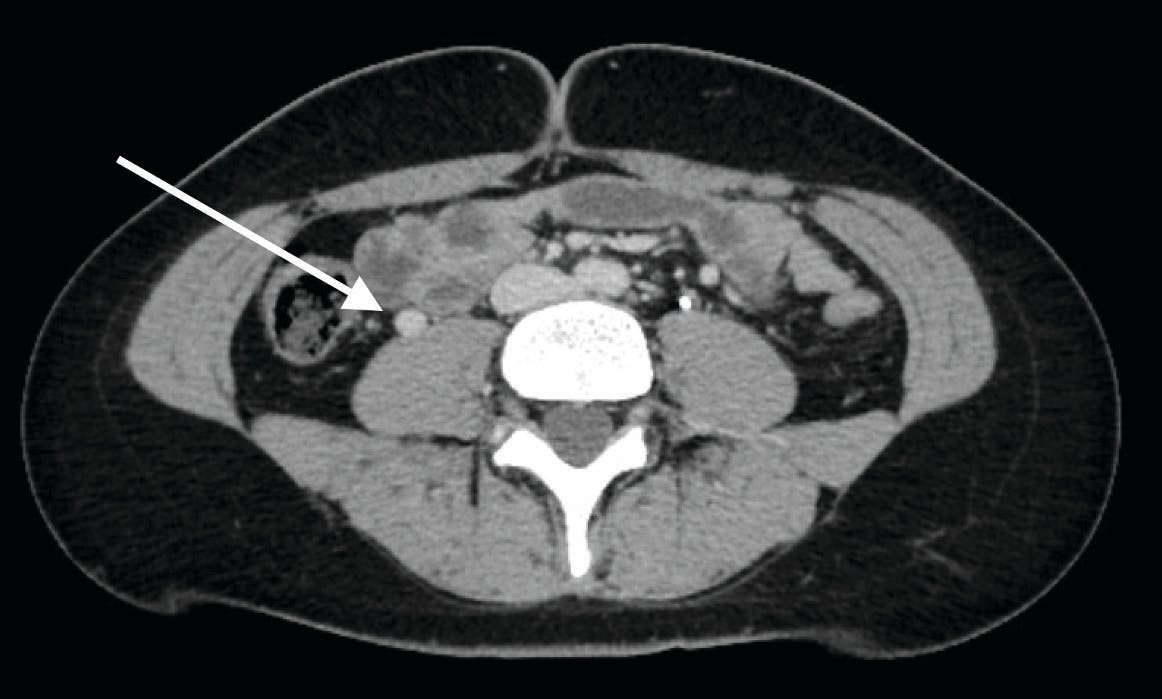
Figure 1. Preoperative image from before the second procedure showing large dilated right ovarian vein (arrow).
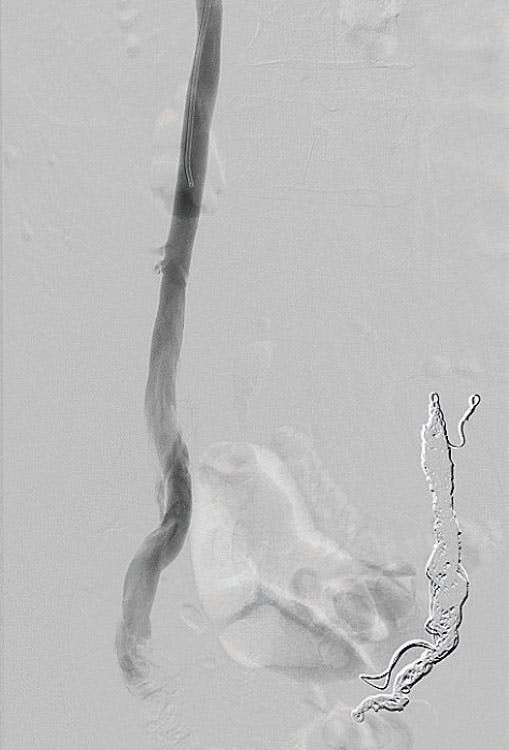
Figure 2. Initial venogram of very large, dilated right ovarian vein.
For this second procedure, Ruby XL Coils were selected. Although a similar packed volume was required, only three coils were needed compared with 10 coils on the left. This reduced both procedure time and cost without compromising effectiveness.
At follow-up, the patient reported complete resolution of all pelvic symptoms and expressed high satisfaction with her outcome (Figure 3).
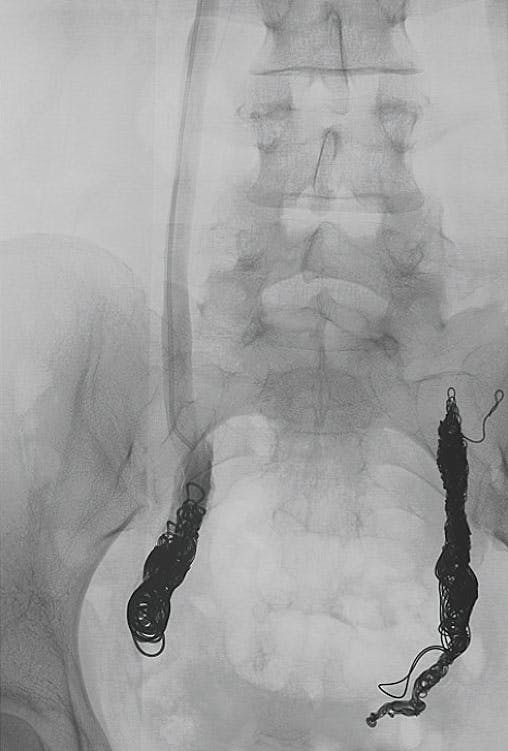
Figure 3. Postembolization venogram showing bilateral ovarian vein coil embolization with no distal reflux into the pelvic varicosities.
Case 2: Recurrent Pelvic Venous Reflux After Ovarian Vein Embolization

PATIENT PRESENTATION
A female patient in her late teens who underwent coil embolization at an outside hospital for significant pelvic pain (worse during menses) and postcoital pain presented for evaluation. She had resolution of her symptoms after the initial coil embolization for approximately 6 months. A duplex ultrasound at that time confirmed no retrograde flow in the ovarian vein. Recently, she had reported worsening pain that has been progressive, and now, approximately 1 year after the initial coil embolization, she began experiencing progressive pain that was very similar in character and quality to her original complaints prior to embolization.
A duplex ultrasound was performed, which showed the left ovarian vein proximally was now dilated with retrograde flow through several branch veins from the ovarian vein. It was also noted that the coils were placed very low in her pelvis and that the majority of the ovarian vein cephalad was patent with reflux.
INTERVENTION
After informed consent, we elected to obtain a venogram with intravascular ultrasound (IVUS) and pullback pressures, as the CT scan workup showed a nutcracker phenomenon. Standard access of the right femoral vein was performed under ultrasound guidance. The left renal vein was cannulated and IVUS was used along with pullback pressures, which did not suggest that there was significant compression of the renal vein by the superior mesenteric artery. A venogram was obtained and showed significant reflux in the ovarian vein via collaterals (Figure 1).
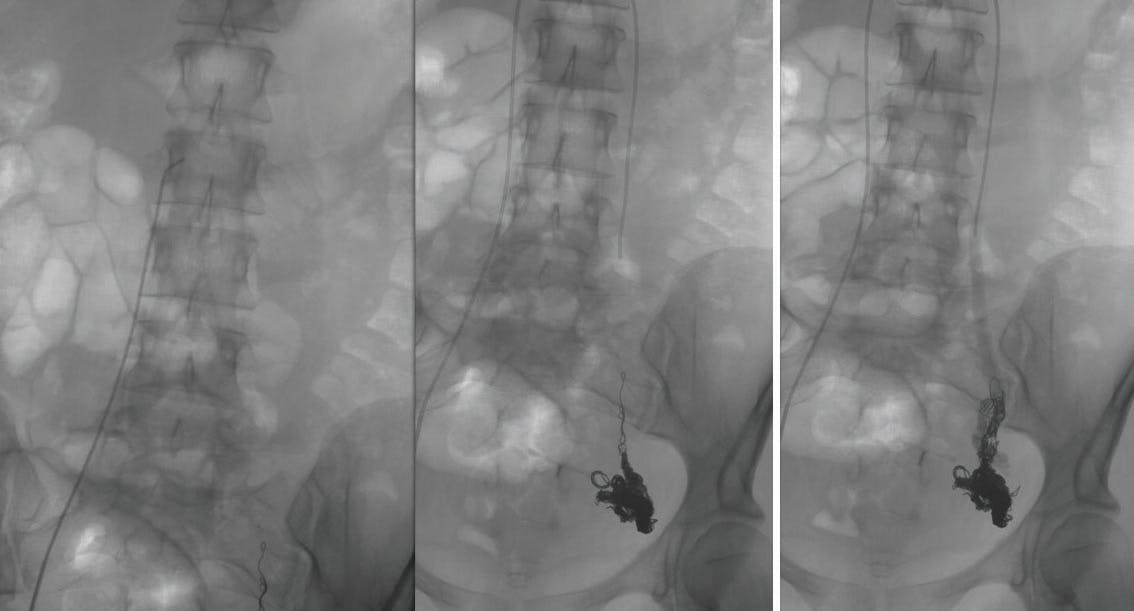
Figure 1. Pre-embolization venography demonstrating recurrent reflux in the left ovarian vein with collateral filling following prior low pelvic coil placement.
The ovarian vein was cannulated and packed with Ruby Coils (Penumbra, Inc.). We utilized several 14-mm X 60-cm Packing Coils (Penumbra, Inc.) as well as a 12-mm POD® (Penumbra, Inc.) to secure the coils in a cephalad direction. Completion venography showed occlusion of the ovarian vein with excellent packing throughout (Figure 2).
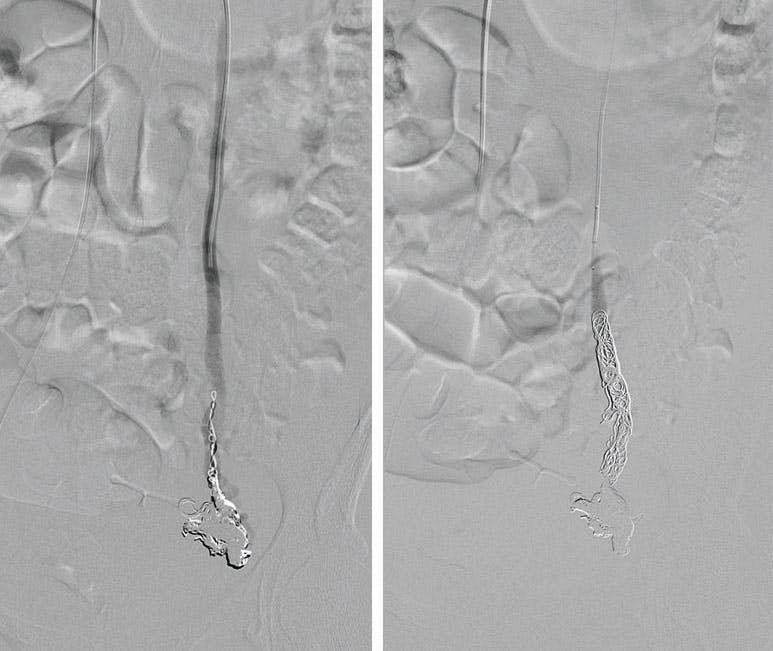
Figure 2. Postembolization venography showing dense packing and complete occlusion of the left ovarian vein using Ruby Coils and a POD.
Case 3: Targeted Gonadal Vein Embolization for PeVD

PATIENT PRESENTATION
A G3T3P0A0 woman in her late 30s presented with CPP with no obvious cause, and the pain was not responding to conservative management. She had no medical comorbidities, and endometriosis was ruled out. Contrast-enhanced pelvic MRI demonstrated an engorged left gonadal vein with dilated left parametrial veins (Figure 1). IVUS was performed and excluded left renal vein and left iliac vein compression. The patient was diagnosed with PeVD secondary to primary left gonadal vein insufficiency.
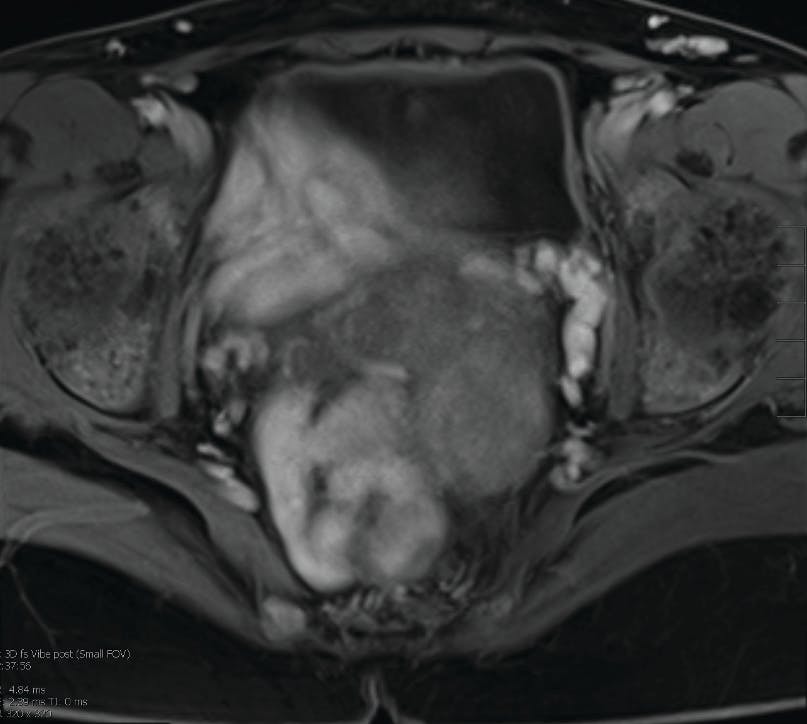
Figure 1. Preintervention MRI postcontrast T1 image showing engorged left parametrial veins.
PROCEDURE
Selective venography confirmed reflux in the left gonadal vein with filling of parametrial tributaries (Figure 2 and Figure 3). Embolization was performed using 0.018-inch Ruby Coils, requiring only four coils for the entire case (Figure 4). A single 14-mm X 60-cm Ruby Coil was deployed in the main left gonadal vein, followed by three 10-mm X 35-cm Ruby Coils in the left parametrial veins. The broad range of available diameters and lengths allowed for accurate sizing without excessive coil oversizing, facilitating efficient occlusion while potentially reducing vein wall irritation and postprocedural pain. To further reduce the risk of future collateral recanalization, the proximal left gonadal vein was capped with 1 mL of n-Butyl cyanoacrylate (NBCA) mixed with ethiodized oil in a 3:1 ratio (Figure 5).
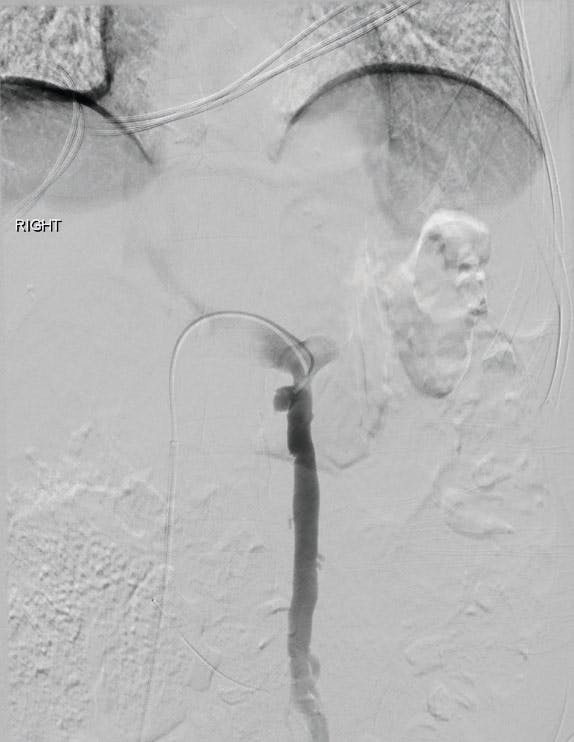
Figure 2. Venography showing reflux within an enlarged left ovarian vein.
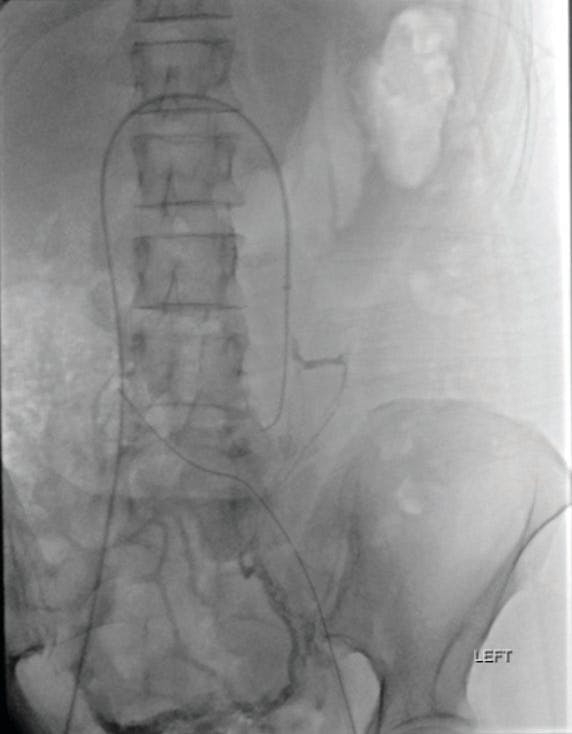
Figure 3. Venography showing cross venous reflux within the parametrial veins.
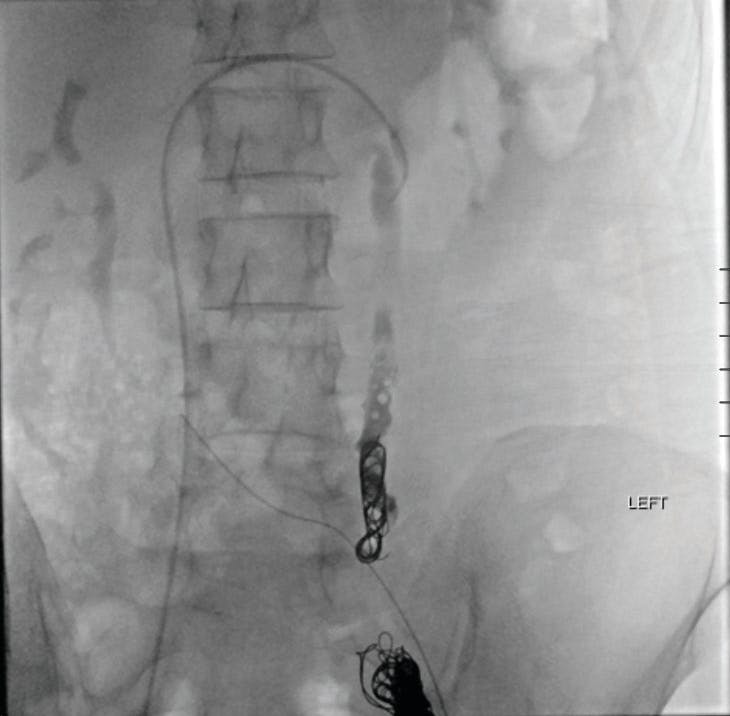
Figure 4. Successful embolization with complete stasis after 0.018 Ruby Coil deployment.
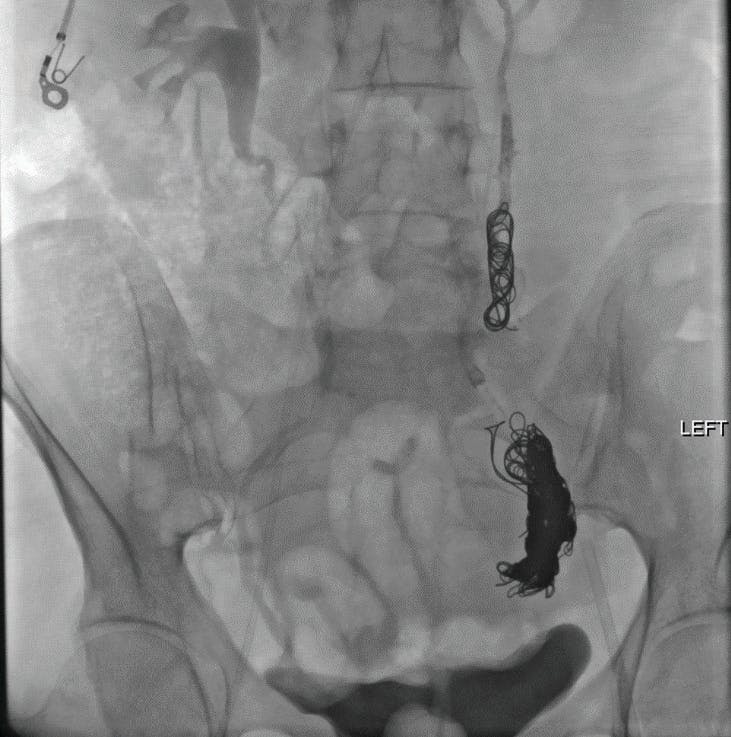
Figure 5. Final spot image after the addition of NBCA emulsion.
DISCUSSION
The versatility of the Penumbra Embolization platform, including Ruby framing, anchoring, and packing coils, functions as a comprehensive tool set for venous embolization. Excellent radiopacity allowed clear visualization during deployment, and optimized coil delivery enabled precise placement in both the main gonadal vein and smaller tributaries. This case highlights how appropriate coil selection and sizing can simplify pelvic venous embolization workflows while achieving durable venous occlusion.
Case 4: Left Gonadal Vein Embolization for Symptomatic Varicocele Using the Ruby XL Coil Platform

PATIENT PRESENTATION
A male patient in his 60s presented with a symptomatic left-sided varicocele and was referred for gonadal vein embolization (Figure 1).
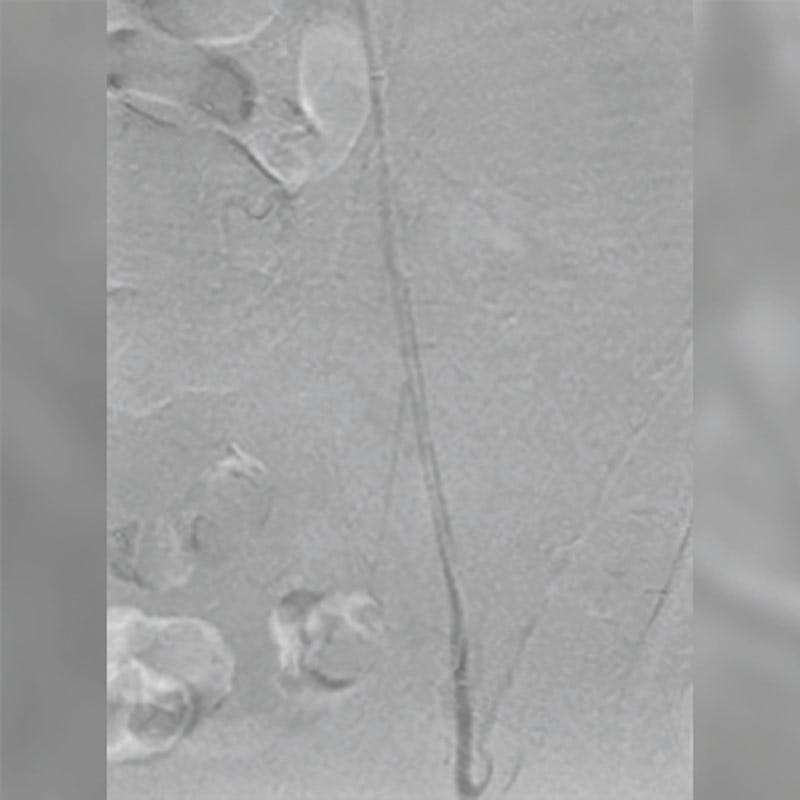
Figure 1. Angiogram showing left-sided varicocele.
PROCEDURE
Venous access was achieved via the right common femoral vein, and a 6-F, 45-cm Destination™ sheath (Terumo™ Interventional Systems) was advanced into the left renal vein. Selective catheterization of the left gonadal vein was performed using a 5-F Impress Bern™ catheter (Merit Medical™). Due to distal scrotal venous congestion, 4 mL of sodium tetradecyl sulfate was injected into the distal scrotal vascular bed prior to coil embolization.
Embolization of the left gonadal vein was performed using the Ruby XL platform. A Ruby Standard Coil was used for initial framing, followed by two Packing Coil XLs. A POD XL Coil was then deployed proximally to secure the coil mass. Completion venography demonstrated occlusion of the left gonadal vein without residual reflux (Figure 2).
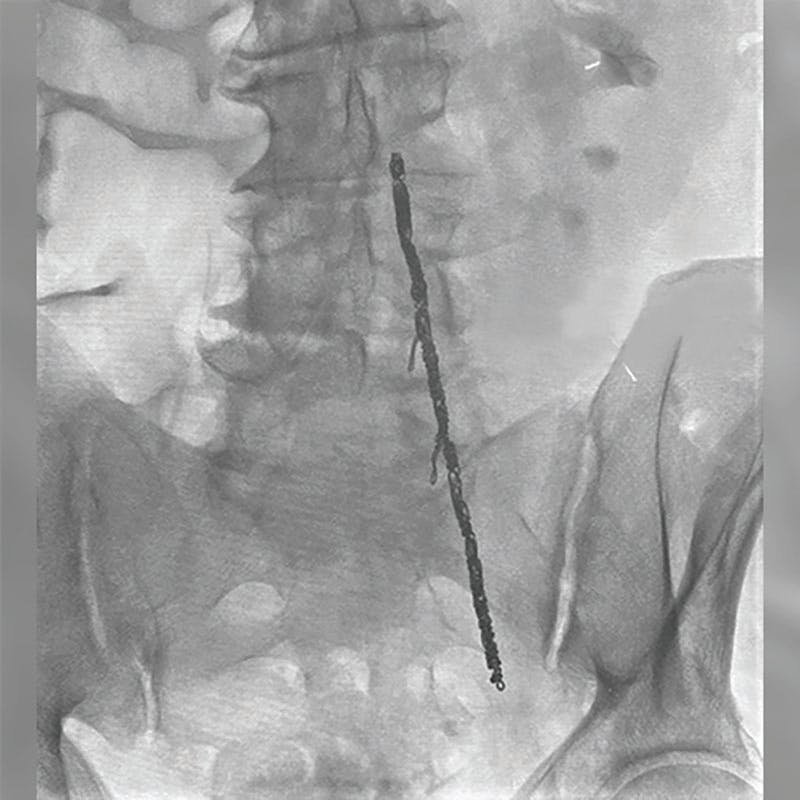
Figure 2. Completion venogram.
DISCUSSION
This case demonstrates the use of the Ruby XL platform for gonadal vein embolization, allowing controlled coil deployment and dense packing across the treated segment.
Disclaimer: The opinions and clinical experiences presented in this article are for informational purposes only. The results may not be predictive of all patients. Individual results may vary depending on a variety of patient-specific attributes.
Advertisement
Advertisement