Advertisement
Advertisement
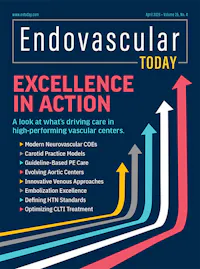
April 2026
Achieving Excellence in CLTI Patient Outcomes and Experience
Reflections on best practices for chronic limb-threatening ischemia centers of excellence, including multidisciplinary care, early referral, revascularization strategies, community engagement, and patient-centered limb salvage outcomes.
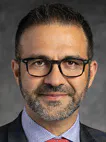
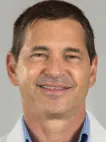
With Mehdi H. Shishehbor, DO, MPH, PhD; John H. Rundback, MD, FAHA, FSVM, FSIR; Leigh Ann O’Banion, MD, FACS; and Naseer Ahmad, BSc, MBChB, PgD, MD, FRCS


How do you define excellence in chronic limb-threatening limb ischemia (CLTI) care today?
Dr. Shishehbor: Excellence in the management of CLTI extends well beyond technically successful revascularization. Optimal outcomes require an integrated, multidisciplinary model of care that delivers individualized, patient-centered treatment. This approach must include rigorous management of modifiable and nonmodifiable comorbidities that are highly prevalent in this population, including tobacco use, diabetes mellitus, and chronic kidney disease. Furthermore, excellence in CLTI care is defined by structured care coordination, evidence-based wound management, longitudinal surveillance, and a sustained commitment to follow patients through complete wound healing and limb preservation.
Dr. Rundback: Given the ramifications of limb loss, comprehensive and “excellent” CLTI care ideally includes many diverse and increasingly sophisticated components to optimize limb preservation. CLTI providers cannot rely on primary care physicians supporting optimal medical management alone; they must be familiar with and able to assure that patients receive guideline-based medical therapy. Access to a broad range of imaging is crucial, including cross-sectional imaging (CTA or MRA), arterial duplex ultrasound, noninvasive arterial flow studies, and perfusion tests such as TcPO2 measurements. Each of these has specific utility.
A deep knowledge of contemporary clinical trial data is necessary to make informed decisions specific to each patient, recognizing that broad interpretation of trial data is often not applicable to individual patients. This is particularly true of the BEST-CLI data, which only randomized a minority of patients evaluated at study sites, suggesting a limitation in data generalizability.
Endovascular therapies are increasingly complex, and contemporary CLTI care needs to include advanced skill sets for ultrasound guidance as well as pedal and other alternative access sites; comfort with a wide range of thrombectomy and atherectomy devices, specialty balloons, intravascular lithotripsy, and temporary/bioabsorbable/permanent scaffolds; and the ability to perform percutaneous transmural arterial bypass and deep venous arterialization (DVA)/percutaneous arterialization of the deep veins (PADV) procedures. Endovascular providers not sufficiently skilled in or lacking availability to the tools needed to perform complex revascularization procedures should have access to a referral network that can guarantee the referral of challenging patients to physicians who do have these abilities. This is similar to the model whereby interventional cardiologists refer difficult percutaneous coronary intervention cases (eg, left main disease) to specific trained individuals with experience and expertise in this disease pattern.
Required open surgical capabilities include distal bypass and hybrid procedures, including hybrid DVA/PADV creation. Podiatric and wound support is an absolute must and includes the ability and willingness to provide basic wound care; perform targeted debridement, skin flaps, grafts (partial thickness or biosubstitute), minor amputations, and foot reconstruction surgery; place wound vacuum-assisted closure; and manage infection.
Finally, familiarity and access to (or an ability to provide) emerging treatments for the truly no-option patient is important, including transverse tibial osteotomy, compression therapy, and pain management, including neurostimulators. Notably, this list will continue to grow as therapies advance and does not include all the services necessary for a patient’s physical, nutritional, and emotional support as they undergo care. Excellence is not easy for this patient population!
Dr. O’Banion: Excellence in CLTI care begins with comprehensive capability. A true center of excellence must offer both open and endovascular revascularization options supported by a dedicated Intersocietal Accreditation Commission–accredited vascular laboratory capable of advanced physiologic and perfusion assessment. Patients deserve individualized treatment plans rather than a one-size-fits-all approach.
However, technical expertise alone does not define excellence. High-quality CLTI care requires intentional medical optimization and seamless multidisciplinary collaboration. Patients frequently present with advanced cardiovascular disease, diabetes, renal dysfunction, and infection. Optimizing these comorbidities is essential to procedural success, wound healing, and long-term durability. Close collaboration among vascular surgery, cardiology, internal medicine, interventional radiology, podiatry, infectious disease, endocrinology, wound care, and rehabilitation ensures that revascularization, infection control, metabolic optimization, and wound management occur in parallel rather than in isolation.
Excellence also requires teams that are committed to advancing care through thoughtful adoption of new technologies, participation in quality improvement initiatives, contribution to research, and continuous refinement of limb salvage pathways. The field continues to evolve, and centers of excellence must evolve with it.
Most importantly, excellence is not measured solely by limb salvage rates. It is defined by our ability to engage patients in meaningful shared decision-making. CLTI is a life-altering diagnosis. Patients must feel informed, heard, and empowered throughout their care journey. Preserving a limb is only truly successful when it aligns with the patient’s values, goals, and definition of quality of life.
Dr. Ahmad: Excellence in CLTI care today should not be defined by a technically successful revascularization—it is defined by a whole-system response.
First, prevention must sit at the front door. That means aggressive risk factor modification, structured cardiovascular prevention, smoking cessation, lipid optimization, blood pressure control, and better chronic disease management in primary and community care. Prevention also means preventing escalation: identifying rest pain, tissue loss, or deteriorating wounds early and acting before a minor problem becomes limb threatening.
Second, once CLTI is suspected, the pathway must be frictionless. Time is tissue, and delays in referral, imaging, or decision-making translate directly into tissue loss and higher amputation risk. Excellence means rapid assessment, immediate vascular input, prompt imaging, and timely revascularization within an organized multidisciplinary foot and limb salvage team.
Third, excellence requires equity. We have built strong, protocolized pathways for diabetes-related foot disease, and rightly so. However, nondiabetic foot ulcers and ischemic wounds often do not trigger the same urgency. A patient without diabetes but with tissue loss should receive the same speed of assessment and intervention as one with diabetes. Leveling up to the diabetes standard, without diluting diabetes care, is essential.
In short, excellent CLTI care is anticipatory, rapid, coordinated, and equitable. It treats the artery, the wound, and the risk factors, but it also treats the system that surrounds the patient.
How does the CLTI care pathway at a center of excellence differ from what a patient might experience in another care setting?
Dr. O’Banion: The most immediate difference is urgency. Time to diagnosis and time to revascularization matter: Time is tissue. Centers of excellence operationalize urgency through defined pathways that prioritize rapid vascular evaluation, expedited imaging, and streamlined intervention.
The second distinction is multidisciplinary integration. A coordinated model brings together disciplines in structured collaboration. Regular case conferences and consistent communication reduce fragmentation and support collective decision-making.
A third critical difference is closed-loop longitudinal follow-up. CLTI care does not end at discharge. A dedicated limb salvage coordinator serves as a single point of contact for patients and providers, ensuring timely scheduling, expedited diagnostics, and reliable postdischarge wound evaluation. Structured follow-up pathways reduce readmissions and prevent patients from being lost to care.
Excellence is defined not only by what occurs in the operating room but also by the reliability of the system surrounding the patient.
Dr. Ahmad: A center of excellence is distinguished less by buildings and more by pathway performance. The most important difference is time to first expert vascular assessment and time to definitive intervention. In a high-performing CLTI pathway, suspected tissue loss or ischemic rest pain triggers rapid access to a vascular specialist and urgent imaging, with revascularization delivered without avoidable delay. The system is built around the principle that time is tissue.
A center of excellence is also explicit about its front door. That front door may be a diabetic foot clinic, an emergency department, a community podiatry service, or even family practice. What defines excellence is not where the patient first presents, but rather whether there is a clearly defined, protocolized, and reliable mechanism to move that patient quickly to specialist vascular assessment.
Importantly, other care settings are not competitors to a center of excellence. They are extensions of its front door. A district general hospital, community team, or primary care practice should be viewed as an early detection platform within the wider vascular network. If a patient presents there, the responsibility of the center of excellence is to ensure seamless escalation to the right expertise at the right time.
In contrast, in less organized settings, patients often experience fragmented referrals, unclear ownership, repeated assessments, and avoidable delays before imaging or intervention. That delay, rather than technical capability, is often what determines outcome.
Excellence in CLTI care is therefore defined by speed, clarity of access, and networked responsibility across the system.
Dr. Rundback: This is a somewhat tricky question. I am not sure that I believe in the concept of a center of excellence as much as I believe in and practice as a care pathway model comprising a well-communicating team of excellent and extremely committed providers. We do a great deal of our CLTI procedures in our office-based lab/ambulatory surgical center but work closely with wound care specialists who do their part in the patient’s care in their own setting. What’s most important, in my opinion, is having a core group of individuals who you work closely with and can trust to serve as the patient care “quarterback,” coordinating communication, visits, imaging, procedures, and longitudinal care. That being said, dedicated “centers”—or perhaps more accurately, dedicated “providers”—should be able to offer patients access to clinical trials that are evaluating and evolving tomorrow’s potential treatments. We do this through our Outpatient Research Cardiovascular Alliance network. All of these elements not only ensure best outcomes but are also intensely gratifying as a provider.
Dr. Shishehbor: Excellence in CLTI management begins with the establishment of a comprehensive, programmatic model of care. No single physician or specialty can adequately address the complex and multifactorial components of CLTI. Effective management requires the coordinated involvement of podiatry and dedicated wound care services, plastic and reconstructive surgery for advanced tissue reconstruction, structured smoking cessation programs, and close collaboration between interventionalists and vascular surgeons to determine the most appropriate revascularization strategy.
In addition, high-quality CLTI care depends on an integrated team of specialized nurses, advanced practice providers, and patient navigators who ensure continuity, adherence, and longitudinal follow-up. Within our program, patients with diabetes and CLTI are systematically referred to a dedicated cardiometabolic center (CINEMA-CLTI), where they receive intensive cardiometabolic management aimed at optimizing glycemic control, cardiovascular risk reduction, and overall metabolic health.
What outcomes and metrics matter most to you when evaluating success in CLTI care? How does your program track and use outcomes data to drive continuous improvement in CLTI care?
Dr. Ahmad: The most important outcome in CLTI care is amputation—both number and prevalence, stratified by diabetic and nondiabetic cohorts. Major amputation remains the most meaningful marker of system failure. We track this at a center level and by referral geography. Variation between localities is highly informative. If one area has a higher amputation prevalence, that usually reflects delays in recognition, referral friction, or pathway weakness rather than biology. Amputation rates are therefore both an outcome and a diagnostic tool for system performance.
The second domain is pathway performance. I am interested in time to first expert vascular assessment, time to imaging, and time to revascularization. These process metrics reflect whether the principle of “time is tissue” is being operationalized. Delays are measurable and, importantly, modifiable.
Third, I look closely at the structure and maturity of the local multidisciplinary team. Who is in the room? Are vascular surgery, interventional radiology, diabetology, podiatry, tissue viability, and microbiology consistently represented? Are there defined competencies and escalation protocols? Is there a clear and rapid route into the center of excellence? Structure drives process, and process drives outcome.
Finally, language matters. A system that does not speak a common clinical language cannot audit itself effectively. We use Wound, Ischemia, and foot Infection (WIfI) staging because it provides an objective description of wound, ischemia, and infection severity. It creates a shared referral standard, allows benchmarking across sites, and enables risk-adjusted audit. Without a common classification framework, variation is hidden.
In practice, we use these outcome, structural, and process metrics in combination. Amputation prevalence tells us where to look. Time-based metrics tell us where delay occurs. Multidisciplinary team composition tells us why. WIfI provides a standardized lens through which to review individual cases and aggregate performance.
Continuous improvement comes from making these data visible across the network, not just within the center. When local teams can see their own amputation rates, referral times, and case mix in comparison to peers, improvement becomes a collective responsibility rather than a central mandate.
Dr. Shishehbor: This represents a critical component of our programmatic approach. We have developed sophisticated, data-driven dashboards to systematically monitor and evaluate clinical outcomes as well as cost metrics. Our focus extends beyond wound healing alone to include time to wound healing, optimization of cardiometabolic risk factors, timeliness and appropriateness of referrals, and the prevention of recurrent wounds.
These performance dashboards directly inform quality improvement efforts and promote accountability across the care continuum. We are committed to continuous, comprehensive quality improvement initiatives designed to enhance care delivery at every level, including procedural effectiveness, reduction of periprocedural and operative complications, and overall patient outcomes.
Dr. O’Banion: Traditional metrics remain essential, including major amputation rates, time to revascularization, wound healing, return to the operating room, and infection rates. Participation in national quality databases allows benchmarking and identification of broader trends.
However, success must extend beyond limb salvage alone. We prioritize functional limb salvage, defined as a healed limb that allows the patient to ambulate, maintain independence, and return to meaningful activities. A technically salvaged limb that does not restore function is not a true success. For that reason, patient-reported outcomes and overall satisfaction are central to how we measure impact. Additionally, early communication with primary care providers and support services also ensure that both mental and physical health are addressed alongside perfusion and wound healing, reinforcing that our goal is not simply limb preservation but also restoration of meaningful quality of life.
Continuous improvement is driven by frequent multidisciplinary review and granular case analysis. Metrics provide direction, but culture drives change. Ongoing assessment of workflow inefficiencies, imaging delays, and follow-up gaps allows refinement of the pathway in real time. Data inform us. Dialogue improves us.
Dr. Rundback: The ultimate measure of success is a happy, ambulatory, pain-free, and fully healed patient. In our practice, we can prevent limb loss in almost 90% of patients, even after they have been referred with anticipated imminent major amputation. While I agree that there are other measurable metrics that are valuable in comparing operators and programs and providing insights for quality improvement—measures such as complication rates, chronic total occlusion crossing success, repeat revascularization frequency, and unplanned minor amputation occurrence—these are challenging to reliably track in our busy practice. Registries are extremely valuable but often incomplete in only capturing procedural data. Unfortunately, since we work in a community setting without contribution from an academic medical center, the cost of participating in and providing staff to support good registry housekeeping is prohibitive. In the end, there is no substitute for extreme diligence in closely monitoring and performing appropriately timed interventions from presentation through to resolution of the clinical care episode.
What measures do you use to assess patient experience beyond procedural success and standard follow-up protocols? How do you reconcile differences between physician-defined success and patient priorities?
Dr. Rundback: Understanding patient priorities is extremely important. At the heart of this, and not sufficiently discussed, is the principle of defining expectations for patients, their families, and their referring providers at early visits. By way of example, when planning a patient for a DVA/PADV, I will tell them that this course of therapy can prevent limb loss 65% to 70% of the time, will require multiple imaging and clinical visits, involves up to six vascular interventions over a 6-month time and periods of worsening pain, and that surgical debridement and unplanned transmetatarsal amputation may be necessary. I prefer to prepare patients and their closely involved family members up front for the upper limit of treatment intensity. This dramatically facilitates compliance. Another practice we are exploring is the introduction of early pain management therapies prior to definitive vascular intervention. Patients place a high priority on pain reduction, and intolerance of pain can be a cause for amputation. For patients with extensive tibiopedal occlusive disease and stable wounds, we increasingly offer placement of a neurostimulator (after a 1-week trial) before we begin arterial procedures. Because of the need to hold anticoagulation and antiplatelet therapy, the risks need to be assessed, and neurostimulation must be performed before revascularization, but there is the added benefit of this combined therapy in reducing pain and potentially improving microcirculatory flow. Ultimately, our means of achieving optimal results is often less consequential to patients than our ends in accomplishing limb salvage in the least physically disruptive and most comfortable way possible. As a final word on this, understanding patient priorities is one rationale for staging interventions in some patients, since two or three smaller procedures are better tolerated than very lengthy procedures. We are specifically currently looking at a model of “modular” DVA creation to achieve this goal.
What systems are in place at a CLTI center of excellence to support patients through complex or unfavorable outcomes?
Dr. Shishehbor: This remains an area in which continued improvement is essential. Our program incorporates dedicated patient navigators and care coordinators who provide longitudinal support to individuals with CLTI, irrespective of clinical trajectory or outcome. This ensures continuity of care, reinforces adherence, and facilitates timely intervention across the spectrum of disease severity.
However, the development and sustainability of this comprehensive support infrastructure were made possible through a transformative $5 million philanthropic gift from Lorraine and Bill Dodero, which enabled the establishment of our Limb Preservation Center. We need these kinds of support to be available through operational and hospital funds, not just reliant on philanthropy.
Dr. O’Banion: Patients with CLTI require structured support similar to that provided in oncologic care. The limb salvage coordinator plays a central role as navigator, advocate, and liaison. This individual coordinates specialty visits, reinforces follow-up, facilitates rehabilitation when necessary, and connects patients with home health, orthotics, smoking cessation resources, and social work support.
Accessibility is equally important. Patients must feel they have a lifeline. Centers of excellence should provide reliable access, either in person or by phone, so concerns can be addressed early before complications escalate.
We also recognize the psychological toll of limb-threatening disease. Routine depression screening and proactive outreach reinforce that we are treating the whole patient, not just the limb.
What distinguishes the multidisciplinary CLTI team structure at a center of excellence from more informal collaborative models? What have you found to be most effective for successful multidisciplinary collaboration?
Dr. Shishehbor: Multidisciplinary team–based care is fundamental to limb preservation. Both our experience and published data consistently demonstrate that integrated, collaborative models significantly improve clinical outcomes in CLTI. The establishment of a center of excellence provides the necessary clinical expertise, infrastructure, and coordination required to achieve sustained success in limb salvage.
Although the implementation of fully resourced multidisciplinary programs may be challenging in certain rural or resource-limited settings, meaningful progress is still attainable. Even the collaboration of two or three dedicated and aligned clinicians can substantially improve care delivery, enhance coordination, and ultimately reduce amputation risk.
How does a CLTI center of excellence systematically engage referring providers to drive earlier identification and referral?
Dr. Shishehbor: Limb preservation requires sustained and ongoing engagement. To support this mission, we established the Extreme Limb Salvage Series, a regional, bimonthly multidisciplinary educational forum designed to foster collaboration and elevate standards of care. These case-based sessions provide comprehensive discussion across specialties, creating a platform for shared learning, clinical refinement, and community engagement.
By integrating real-world cases with evidence-based strategies, the series ensures that participants from diverse disciplines derive practical, actionable insights that can be implemented in their respective practices.
Dr. Ahmad: A CLTI center of excellence should not operate as a distant technical hub. It should function as the organizing center of a network. Systematic engagement begins with creating a shared platform where vascular surgery, diabetology, podiatry, primary care, emergency medicine, community nursing, and commissioners can meet regularly to review cases, identify delays, and codesign solutions. When teams collectively examine real patients who experienced late referral or avoidable amputation, the system learns where friction exists.
The second component is standardization. The center should define clear referral criteria, agreed-upon classification language such as WIfI, and explicit escalation pathways. Referrers should know exactly when to pick up the phone, what information to include, and what response to expect. Clarity reduces hesitation.
Education and training are equally important. A center of excellence should provide structured teaching, shared protocols, and feedback loops so that community teams recognize early tissue loss, understand the significance of rest pain, and appreciate that time is tissue. Earlier identification depends on confidence as much as knowledge.
Crucially, the relationship must feel supportive rather than supervisory. Referring teams need to know that early referral will be welcomed, not criticized. If the center consistently responds quickly, provides constructive feedback, and shares outcome data transparently, trust develops. That trust drives earlier contact.
Ultimately, engagement is relational and operational. It is about building a network that speaks a common language, minimizes referral friction, and provides feedback on itself.
Where along the CLTI care pathway do centers of excellence have the greatest impact in reducing access-related disparities?
Dr. O’Banion: The greatest opportunity lies upstream. CLTI is often the downstream consequence of undiagnosed or undertreated peripheral artery disease (PAD). By the time many patients present, disease is advanced. Meaningful reduction in disparities requires earlier intervention.
Community outreach allows us to meet patients where they are, particularly in regions with high diabetes prevalence and limited access to specialty care. Screening initiatives, culturally sensitive education, and partnerships with local clinics create earlier touchpoints for PAD detection and cardiovascular optimization. We must shift from reactive limb salvage to proactive limb preservation.
Dr. Shishehbor: The greatest impact of a limb preservation program lies in its ability to elevate standards of care across an entire region. Many patients with CLTI lack the financial means, transportation access, or clinical stability required to travel to a center of excellence. Therefore, the benefits of specialized expertise must extend beyond the walls of the institution and reach the broader community.
Outreach, structured education, and collaborative teaching initiatives are essential components of this effort. By disseminating best practices, standardizing care pathways, and fostering regional partnerships, we can reduce disparities, minimize unwarranted variability in treatment, and address the heterogeneity that persists in CLTI care delivery.
What role should a CLTI center of excellence play in community outreach, screening, and education?
Dr. Rundback: Dedicated CLTI programs and physicians have already often achieved success by at some point engaging in and participating with community outreach, screening, and education. We have for 20 years regularly spoken at many American Podiatric Medical Association local and regional chapters and grand round events to educate providers about PAD. Our program development and outreach team frequently offer screening events, set up meetings and talks for our physicians, and visit physician offices every day. As a program matures and your practice becomes more established in the community, you can increasingly rely on the astute and educated professional colleagues in your region to assess and refer appropriate patients for care. Education and outreach are the responsibility and commitment we make to our patients and referring providers, and a more informed community is the ultimate goal.
Dr. Ahmad: A CLTI center of excellence should extend well beyond the hospital footprint. If it is only reacting to established tissue loss, it is already late.
Its first role is in structured prevention. That means supporting cardiovascular risk detection, smoking cessation, lipid optimization, and blood pressure control in the community. Outreach initiatives that combine vascular assessment with broader cardiometabolic screening are particularly powerful, because CLTI rarely exists in isolation. Identifying undiagnosed diabetes, atrial fibrillation, or poorly controlled hypertension upstream reduces future limb events.
Second, it should actively address inequality. CLTI disproportionately affects socioeconomically deprived populations. A center of excellence should use local data to identify high-risk neighborhoods and codesign targeted interventions with community services. Outreach is not just about volume screening; it is about going where the risk is concentrated.
Third, it should standardize wound care and early management in community settings. Many patients with ischemic ulcers are seen repeatedly before vascular referral is considered. Providing clear pathways, agreed formularies, competency-based training, and defined escalation criteria helps prevent delay. Prevention in CLTI includes preventing deterioration of an existing wound.
Education is central to this. Community clinicians need a shared clinical language and practical tools to recognize early ischemia. Patients also need simple messaging about rest pain, nonhealing wounds, and when to seek help. A system that educates both professionals and the public shortens time to referral.
Finally, the center of excellence should support evaluation and feedback. Outreach and screening must be linked to measurable outcomes such as referral times, revascularization rates, and amputation prevalence. Continuous audit ensures that community engagement translates into tangible limb preservation.
In short, the role is to lead prevention, target inequality, standardize early care, and create a seamless bridge between community and specialist services. Excellence in CLTI requires influence upstream, not just expertise downstream.
Dr. O’Banion: It is our responsibility to lead. We cannot expect high-risk patients to navigate complex systems independently. Centers of excellence must move beyond hospital walls and establish structured outreach initiatives that provide PAD education, cardiovascular risk screening, and clearly defined referral pathways. Early identification of PAD before progression to CLTI is one of the most powerful strategies to reduce preventable amputations.
At UCSF Fresno, we have operationalized this philosophy through CHAMPIONS, a community engagement and screening initiative designed to meet patients where they are. Through CHAMPIONS, we provide early cardiovascular screening, PAD education, and risk assessment in underserved communities with disproportionately high rates of diabetes and amputation. The program also serves as a training platform, teaching medical students and trainees the value of early detection, preventive cardiovascular optimization, and longitudinal limb preservation. By embedding prevention into medical education, we are shaping a workforce that understands limb salvage begins long before tissue loss.
Primary care education is equally critical. Empowering community providers to recognize advanced PAD, initiate guideline-directed medical therapy, and refer early for vascular evaluation can alter disease trajectory. Outreach and awareness are not optional components of a CLTI program. They are foundational to excellence.
Where do you see the greatest opportunities for improvement in CLTI care, and how should centers of excellence evolve over the next decade?
Dr. Ahmad: The greatest opportunity in CLTI care is not a new device or technique. It is earlier recognition and system redesign. Too many patients still enter the pathway at the point of tissue loss rather than at the stage of progressive claudication, deteriorating wound healing, or rest pain. The biggest gain over the next decade will come from shifting left—embedding vascular risk detection, structured prevention, and clear escalation triggers in primary and community care. Earlier identification shortens ischemic time and reduces the need for major intervention.
The second opportunity is variation reduction. Amputation rates differ markedly between regions. That variation is rarely explained by case mix alone. Centers of excellence should use transparent, locality-level amputation prevalence and time-to-treatment metrics to identify unwarranted variation and target support where referral friction exists.
Third, we need to normalize a common clinical language. Universal use of staging systems such as WIfI, agreed referral criteria, and defined time standards would allow meaningful benchmarking across networks. Without standardization, improvement is anecdotal.
Over the next decade, centers of excellence must evolve from high-performing hospitals into accountable network leaders. That means:
- Owning outcomes across the whole referral geography, not just within their walls
- Building frictionless digital referral pathways with real-time data visibility
- Integrating vascular care more closely with cardiometabolic prevention
- Leading workforce development so that community teams can recognize and escalate CLTI confidently
They should function as system architects, not simply technical experts. If we reduce delay, level up pathway maturity across regions, and treat prevention as seriously as intervention, major amputation can become a rare event rather than an accepted endpoint. That is the real opportunity for the next decade.
Dr. Rundback: The greatest opportunities for improvement in CLI/CLTI care include multidisciplinary collaboration, early recognition to allow institution of medical therapy preventing cardiovascular events, and advanced education into both the technical and clinical decision-making components of vascular management. Due to financial and regulatory constraints, the field is sorely missing comparative device trials for patients with different patterns of disease. Although we have data regarding performance of many individual devices, there is a dearth of data across comparably matched patients comparing different modalities and techniques to best inform treatment strategies. Trials often restrict inclusion of patients with complex patterns of disease, and this needs to change. Currently, we extrapolate available data to guide therapy for complex patients, including those with long occlusions, nonreconstituted pedal flow, heel or large surface area wounds, or chronic kidney disease or dialysis. Finally, I cannot even fully imagine the range of devices that will evolve over the next decade, a very quick and quickly passing period of time. Ultimately, I expect we will see advanced robotics that, combined with fusion imaging, will semiautomate complex lesion crossing. I am also hoping for the emergence of novel medical and potentially gene therapy strategies that treat the underlying biologic causes of atherosclerosis and PAD; it seems inevitable that our current mechanical approaches to treating PAD will yield to more sophisticated strategies! Ultimately, the principal limitation to novel and groundbreaking advances will be affordability and regulatory hurdles imposed by our free-market health care system.
Dr. O’Banion: Standardized protocols for community engagement and early screening in high-risk populations will be transformative. Preventive cardiovascular optimization and timely referral must become routine rather than reactive if we hope to meaningfully reduce progression to CLTI. At the same time, continued advancement in perfusion assessment and imaging through dedicated vascular laboratories will refine patient selection and procedural planning, allowing interventions to be more precise and durable.
Programs that are already performing well must resist complacency. We must continue to evaluate emerging technologies thoughtfully, advance both endovascular and surgical innovation, and rigorously measure functional outcomes rather than technical endpoints alone.
Ultimately, the next evolution of excellence will be systems based. Highly reliable, patient-centered pathways with defined workflows, integrated multidisciplinary care, robust data tracking, and dedicated navigation will determine which centers truly improve both limb salvage and patient experience.
Excellence in CLTI care is not a single procedure. It is a coordinated, compassionate, and continuously improving system.
Disclosures
Dr. Shishehbor: Global advisory for Medtronic, Abbott Vascular, Philips, ANT, Inquis, and Stryker.
Dr. Rundback: Stockholder and National Principal Investigator for Aveera Medical; paid consultant to AngioDynamics, Abbott Vascular, Philips, and Gore.
Dr. O’Banion: Consultant to Abbott, Penumbra, Gore, Shockwave, Medtronic, and Huntleigh Healthcare.
Dr. Ahmad: None.
Advertisement
Advertisement