Advertisement
Advertisement
March 2026
Update on Modern Complex Abdominal Aortic Repair Options
Current endovascular solutions for complex aortic disease, highlighting design and clinical experience.
With Jason T. Lee, MD; Steven Maximus, MD, FACS; Gustavo Oderich, MD, FACS; Benjamin W. Starnes, MD, FACS; Carlos Timaran, MD; Kak Khee Yeung, MD, PhD, FEBVS; and Javairiah Fatima, MD, FACS, DFSVS
Gore Excluder Thoracoabdominal Branch Endoprosthesis (TAMBE)
By Jason T. Lee, MD
The Gore Excluder TAMBE device (Gore & Associates) is the first, and currently only, FDA-approved off-the-shelf aortic endograft designed for the treatment of extent IV thoracoabdominal and pararenal aneurysms that involve the visceral segment. The feasibility trial was completed in 2016,1 and the pivotal trial enrolled from 2019 to 2022, with 30-day and 1-year pivotal study outcomes presented at the Vascular Annual Meeting in 2024 and 2025 and simultaneously published in Journal of Vascular Surgery.2,3 The TAMBE device was approved by the FDA on January 12, 2024, with the first commercial implants across the United States starting in summer 2024. The FDA is requiring a postapproval study to capture real-world usage and clinical outcomes with the device, which is sponsored by W. L. Gore and began enrollment in December 2024.
DEVICE DESIGN AND UNIQUE FEATURES
The TAMBE device is a modular, off-the-shelf, four-branch endoprosthesis based on design features from the Gore Conformable Excluder platform (Gore & Associates). The main body component comes in two configurations differing only in proximal diameter (31 and 37 mm) and features four outer-facing, caudally directed, 10-mm-length portals that are meant for branch connection to the celiac, superior mesenteric (SMA), and both renal arteries (Figure 1). The device requires a 22-F delivery system through femoral access, and axillary access (12 F) is typically also required. The SMA and celiac portals are 8 mm in diameter and oriented along the anterior surface, with the renal portals being 6 mm in diameter and oriented toward the lateral sides 1 cm distal to the visceral portals.
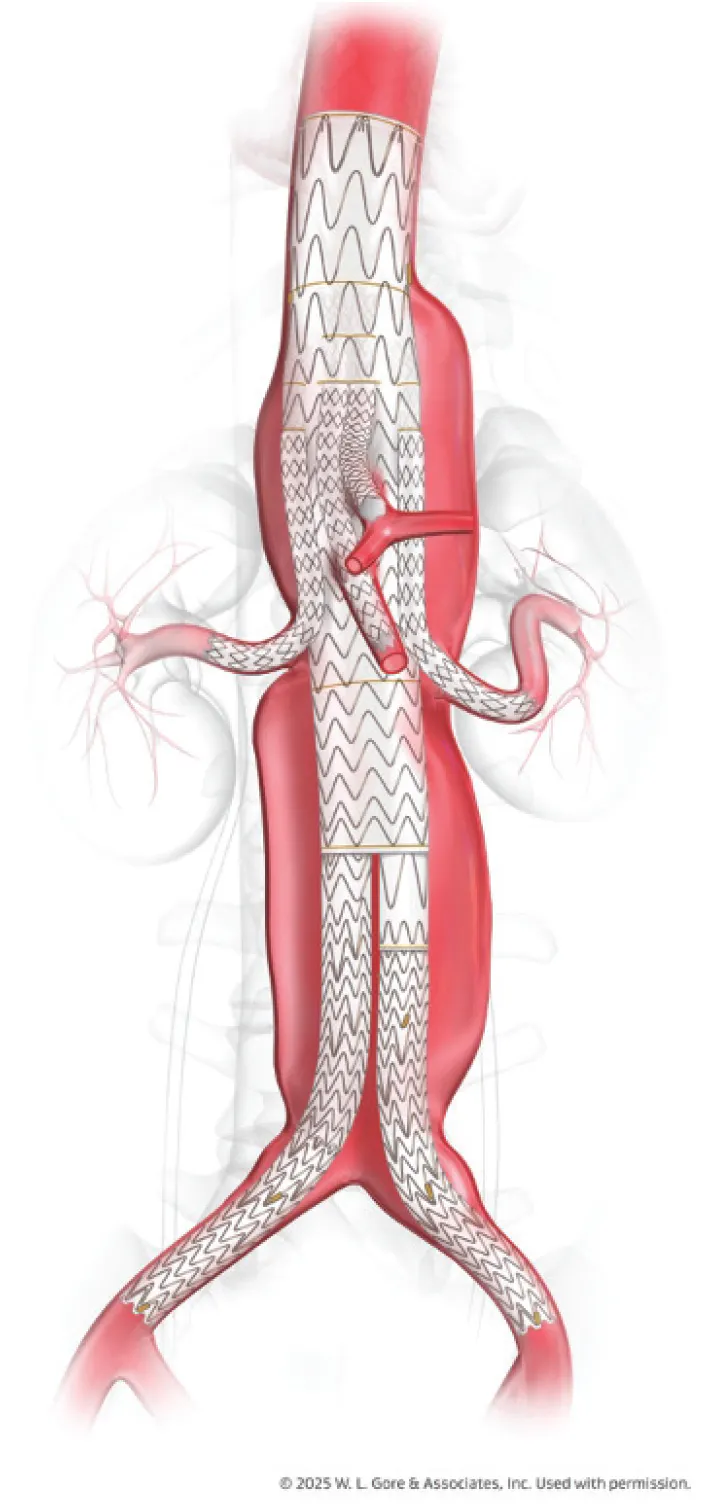
Figure 1. TAMBE device.
Courtesy of Gore & Associates.
Precannulation of separate 0.018-inch wires through the four portals allows access from above to deliver the branches and is aided by the use of a novel trilumen catheter. This step is done initially and subsequently allows the TAMBE main body to be advanced into the patient over five wires. Proximal positioning of the main body is generally within the aorta in a region approximately 6 to 8 cm above the celiac artery, which allows for sheath cannulation into the portals and then wire placement into the visceral targets. The staged deployment system and ability to reconstrain the proximal portion of the TAMBE device is a feature borrowed from the Gore Conformable Excluder and allows precise landing at a favorable part of the distal thoracic aorta as well as twisting of the device to best align portals to favorable positions to cannulate the visceral vessels. After proximal deployment, the TAMBE device is then meant to be mated with Gore Viabahn balloon-expandable stent grafts (Gore & Associates) as its branch components. Usual diameters of the Gore Viabahn stent grafts range from 5 to 9 mm and in lengths of 39, 59, and 79 mm, with the most commonly used stent being 9 X 59 mm into the celiac, 9 X 79 mm into the SMA, and 7 X 79 mm into both renal arteries. In the final stage of deployment, a 20-mm tube is extended from the distal portion of the TAMBE device into the infrarenal aorta, and the procedure is completed by placing the distal bifurcated component and subsequent iliac extension limbs to obtain seal in the aortoiliac segment. More proximal extent I to III thoracoabdominal aortic aneurysms (TAAAs) can be treated by coupling the TAMBE with either proximal Conformable Gore TAG thoracic endoprosthesis (Gore & Associates) devices or landing the TAMBE into appropriately sized thoracic components. Figure 2 shows a preoperative CTA before placement of the TAMBE device and postoperative CTA and three-dimensional (3D) reconstructions at 1-year follow-up.
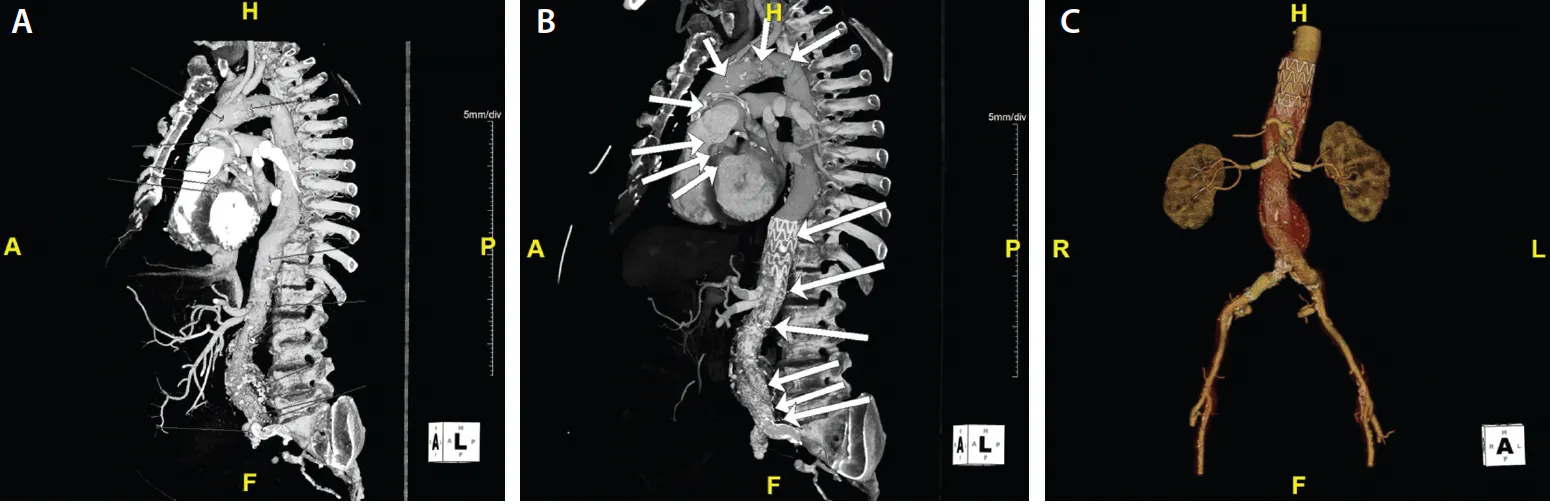
Figure 2. Pre- (A) and 1-year postoperative (B, C) CTAs after TAMBE placement.
REGULATORY STATUS AND DATA OVERVIEW
The design pathway and regulatory approvals for TAMBE were supported by clinical trial outcomes1-3 for carefully selected pararenal and extent IV TAAAs, which ultimately led to FDA approval in the United States in January 2024. The prospective, multicenter pivotal trial was led by Mark Farber, MD, as national principal investigator, and occurred from 2019 to 2022. Out of 163 screened patients, 102 met inclusion criteria and were treated with the TAMBE device across the country and United Kingdom; 58% were classified as an extent IV TAAA, and 42% were pararenal aneurysms, with mean maximal aneurysm size was 5.9 cm. Mean operative duration was 315 minutes, estimated blood loss was 300 mL, contrast usage was 154 mL, and 407 visceral branches were stented. Overall technical success was 99%, with mean hospital length of stay of 4.9 days. Overall, 1-year mortality for the pivotal cohort was 5.9%, with one device-related, one procedure-related, and four unrelated causes. Importantly, there have been no core lab–adjudicated type Ia, type Ib, type Ic, or type III endoleaks at 1-year follow-up. In terms of branch vessel patency, 16 occlusions have occurred in 14 patients (1 celiac, 1 SMA, 8 right renal, 6 left renal). Six renal reinterventions have been successful. Overall, 1-year freedom from target vessel instability (TVI) was 94.2% (99% for celiac, 97.1% for SMA, 89.8% for right renal, and 90.8% for left renal). One interesting subset analysis is that branch patency has been slightly worse in pararenal aortic aneurysms compared to extent IV TAAAs, as well as smaller renal targets with worse patency. These findings and outcomes will continue to be monitored as we await mid- and long-term follow-up.
As a condition of FDA approval was the agreement to perform a postapproval study, which started in December 2024 (National Principal Investigator, Jason T. Lee, MD). Prospective data on 300 patients with core lab adjudication and outcomes will be tracked out to 5 years, with clinical follow-up for up to 10 years. At least 10 sites and > 70 patients must be treated by “new” sites not in the original pivotal study. As of March 2026, over 230 patients have already been enrolled, with estimates that enrollment will complete in summer 2026. Expected outcomes and additional study outcomes of interest will include treatment in postdissection aneurysms, larger-extent TAAAs, rescue of prior endovascular aneurysm repair (EVAR) and thoracic endovascular aortic repair, and various combinations of branches.
CONCLUSION
The TAMBE device approved by the FDA in January 2024 is safe and effective at 30 days and 1 year in treating patients with complex aneurysms involving the visceral aorta. Published outcomes demonstrate a high technical success rate, no 30-day mortality, acceptable 1-year mortality, and a low rate of safety events in follow-up. Branch patency analysis reveals pararenal (vs extent IV TAAA) and smaller renal targets have higher complication rates. Results from the ongoing postapproval study will provide even more real-world outcomes and device utilization patterns that will be instructive to all surgeons caring for patients with complex aortic aneurysms.
1. Oderich GS, Farber MA, Silveira PG, et al. Technical aspects and 30-day outcomes of the prospective early feasibility study of the GORE EXCLUDER Thoracoabdominal Branched Endoprosthesis (TAMBE) to treat pararenal and extent IV thoracoabdominal aortic aneurysms. J Vasc Surg. 2019;70:358-368. doi: 10.1016/j.jvs.2018.10.103
2. Farber MA, Matsumura JS, Han S, et al. Early outcomes from the pivotal trial of a four-branch off-the shelf solution to treat complex abdominal and type IV thoracoabdominal aortic aneurysms. J Vasc Surg. 2024;80:1326-1335. doi: 10.1016/j.jvs.2024.05.020
3. Farber MA, Han S, Makaroun MS, et al. One-year outcomes from the pivotal trial of a four-branch off-the-shelf solution to treat pararenal and extent IV thoracoabdominal aortic aneurysms. J Vasc Surg. 2025;82:740-749. doi: 10.1016/j.jvs.2025.05.016
Zenith Fenestrated+ Endovascular Graft (ZFEN+)
By Steven Maximus, MD, FACS, and Gustavo Oderich, MD, FACS
The ZFEN+ (Cook Medical) is an investigational, next-generation, patient-specific fenestrated endograft built on the established Zenith Fenestrated AAA Endovascular Graft (ZFEN) platform from Cook Medical, with the goal of extending endovascular options to aneurysms that require a more proximal sealing zone and incorporation of one or more major visceral arteries. In 2025, Cook reported completion of recruitment for the pivotal ZFEN+ clinical study, with the device used alongside an investigational universal distal body and a balloon-expandable bridging stent platform. ZFEN+ is configured to allow up to five visceral openings (fenestrations and/or a scallop within a defined total), reflecting an intent-to-treat broader aortic pathology than ZFEN’s labeled short-neck aneurysm focus. ZFEN+ is aimed at maximizing the two determinants of durability in complex aortic endografting: seal integrity and branch patency.
This device can be considered the evolution of the commercially available ZFEN, intended to expand fenestrated EVAR to more proximal, multivisceral aneurysms by optimizing proximal seal while preserving target vessel perfusion. In the United States, ZFEN first received premarket approval in 2012 from the FDA. It is indicated for short-neck aneurysms (4-mm nonaneurysmal infrarenal neck) when standard infrarenal EVAR is unsuitable.1 Prospective multicenter experience established early safety and feasibility of fenestrated EVAR for short-neck aneurysms in experienced centers.2-4
INDICATIONS AND PATIENT SELECTION
ZFEN remains best suited for short-neck abdominal aortic aneurysms (AAAs) requiring a higher seal than standard EVAR while retaining workable infrarenal anatomy and favorable iliac access, with an indication of at least 4 mm of infrarenal neck.1 In the United States, ZFEN+ is an investigational device being evaluated under an investigational device exemption (IDE) for aneurysms involving one or more major visceral arteries—including juxtarenal, pararenal, and selected extent IV thoracoabdominal aneurysms (TAAs)—by extending the proximal margin of aneurysmal disease that can be treated endovascularly to above the celiac artery.5,6 European Union use is exclusively for clinical investigation. Patient selection should emphasize: (1) a clear need to extend sealing proximally to reduce type Ia endoleak risk; (2) target vessel anatomy consistent with safe bridging (diameter, length, angulation, calcification burden); and (3) clinical equipoise where open repair is high risk or undesirable. Contraindications are primarily anatomic/procedural, including inadequate iliofemoral access for large-bore delivery, hostile seal zones (eg, heavy thrombus/calcification that compromises apposition or increases embolic risk), and target vessels unsuitable for reliable bridging.1,5
ZFEN+ is best conceptualized as a patient-specific fenestrated platform with adjunctive techniques that make alignment and branch incorporation reproducible. The pivotal IDE program evaluates ZFEN+ used with an investigational universal distal body and a balloon-expandable covered bridging stent system, with recruitment completed in 2025.6 The ZFEN+ design allows up to five precisely located fenestrations, or a total configuration not exceeding five openings (including one scallop), to match patient-specific visceral anatomy (Figure 1A).6 Adjunctive techniques should directly target two failure modes: misalignment and branch instability. For misalignment, intraoperative 3D fusion CT during fenestrated EVAR has been associated with substantial reductions in radiation exposure, fluoroscopy time, contrast use, and procedure time—benefits that increasingly matter as vessel count and complexity rise (Figure 1B).7 For branch durability, bridging stent selection and deployment discipline (true ostial coverage, controlled flare, avoidance of excessive protrusion, completion imaging that stresses branch geometry) are central to preventing late stenosis or occlusion.8
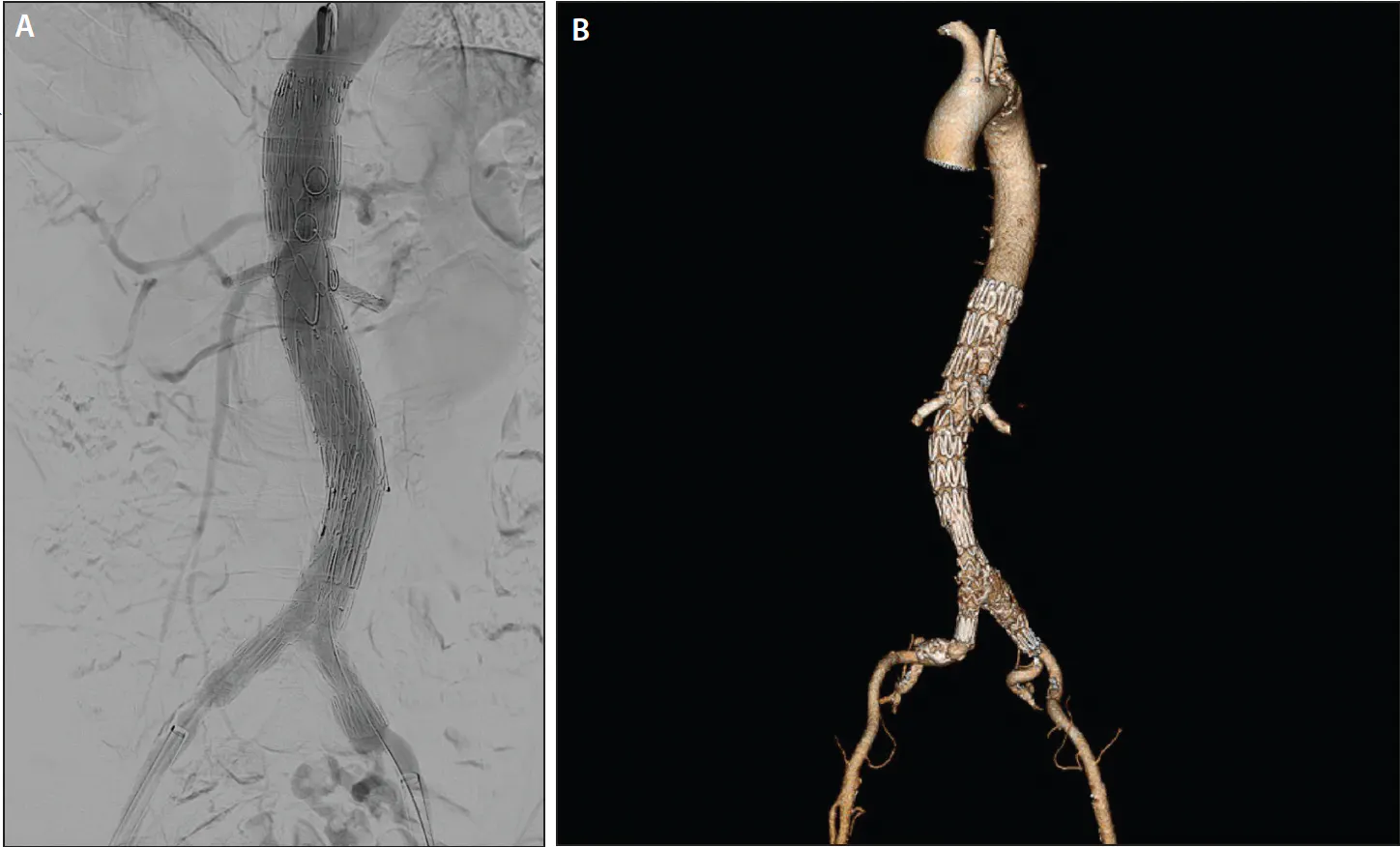
Figure 1. Completion angiogram of ZFEN+ (A). 3D reconstruction of ZFEN+ (B). (Investigational device limited by Federal [or United States] law to investigational use. EU = Exclusively for clinical investigation.)
Courtesy of Cook Medical.
OUTCOMES AND ANTICIPATED BENEFITS
For ZFEN, the durability benchmark is already high. In the final 5-year multicenter follow-up of the United States prospective study, 81% of patients demonstrated aneurysm sac shrinkage; proximal type Ia endoleak and device migration were uncommon; and secondary interventions were most frequently driven by renal in-stent stenosis/occlusion rather than loss of proximal seal.4
ZFEN+ aims to extend similar durability to more proximal anatomy while formally benchmarking outcomes in an IDE framework. Cook has defined the trial’s primary safety endpoint as a composite of primary technical success and procedural safety within 30 days, and the primary effectiveness endpoint is a composite of freedom from aneurysm-related mortality and clinically significant reintervention through 12 months.5 Because ZFEN+ remains investigational and peer-reviewed outcomes are not yet published, the highest-yield “plus” strategy today is process: maximize the seal zone without compromising branch patency, and standardize imaging and intraprocedural quality control to reduce preventable alignment and bridging errors.
CONCLUSION
ZFEN+ represents a pragmatic next step in complex AAA care: expand anatomic eligibility while increasing the reliability of alignment, cannulation, and bridging. Pending full IDE results, careful patient selection, imaging-enabled precision, branch-protective bridging strategy, and mandatory long-term surveillance focused on both seal durability and branch patency remain essential.
1. US Food and Drug Administration. Premarket approval (PMA): ZENITH FENESTRATED AAA ENDOVASCULAR GRAFT, P020018/S040. Accessed March 2, 2026. https://www.accessdata.fda.gov/scripts/cdrh/cfdocs/cfpma/pma.cfm?id=P020018S040
2. Greenberg RK, Sternbergh WC 3rd, et al; Fenestrated Investigators. Intermediate results of a United States multicenter trial of fenestrated endograft repair for juxtarenal abdominal aortic aneurysms. J Vasc Surg. 2009;50:730-737.e1. doi: 10.1016/j.jvs.2009.05.051
3. Oderich GS, Greenberg RK, Farber M, et al; Zenith Fenestrated Study Investigators. Results of the United States multicenter prospective study evaluating the Zenith fenestrated endovascular graft for treatment of juxtarenal abdominal aortic aneurysms. J Vasc Surg. 2014;60:1420-8.e1-5. doi: 10.1016/j.jvs.2014.08.061
4. Oderich GS, Farber MA, Schneider D, et al; Zenith Fenestrated Study Investigators. Final 5-year results of the United States Zenith Fenestrated prospective multicenter study for juxtarenal abdominal aortic aneurysms. J Vasc Surg. 2021;73:1128-1138.e2. doi: 10.1016/j.jvs.2020.08.128
5. Cook Medical. FDA approves clinical study of Zenith® Fenestrated+ Endovascular Graft for treatment of aortic aneurysms. June 23, 2023. Accessed March 2, 2026. https://www.cookmedical.com/newsroom/fda-clinical-study-zenith-fenestrated/
6. Cook Medical. Final patient treated in ZENITH® FENESTRATED+ Endovascular Graft clinical study. August 28, 2025. Accessed March 2, 2026. https://www.cookmedical.com/newsroom/final-patient-treated-in-zenith-fenestrated-endovascular-graft-clinical-study/
7. McNally MM, Scali ST, Feezor RJ, et al. Three-dimensional fusion computed tomography decreases radiation exposure, procedure time, and contrast use during fenestrated endovascular aortic repair. J Vasc Surg. 2015;61:309-16. Published correction appears in J Vasc Surg. 2015;61:1382. and J Vasc Surg. 2015;62:839. doi: 10.1016/j.jvs.2014.07.097
8. Clough RE, Spear R, Mougin J, et al. Midterm outcomes of BeGraft stent grafts used as bridging stents in fenestrated endovascular aortic aneurysm repair. J Endovasc Ther. 2023;30:592-599. doi: 10.1177/15266028221091894
Fenestrated TREO Stent Graft System
By Benjamin W. Starnes, MD, FACS
The fenestrated TREO stent graft system (Bolton Medical, Inc. dba Terumo Aortic) is a modular, low-profile platform engineered for the endovascular treatment of juxtarenal, pararenal, and paravisceral AAAs. The platform is based on the commercially approved TREO abdominal stent graft system (Bolton Medical, Inc. dba Terumo Aortic; Figure 1). The unique design introduces specialized features that enable incorporation of renal and visceral arteries while ensuring durability, trackability, and controlled deployment to treat from the supraceliac vasculature to the common iliac arteries. Our team implanted the very first fenestrated TREO device in the United States on October 3, 2024 (Figure 2). The entire procedure time was 68 minutes with 18 minutes of fluoroscopy time and minimal blood loss.
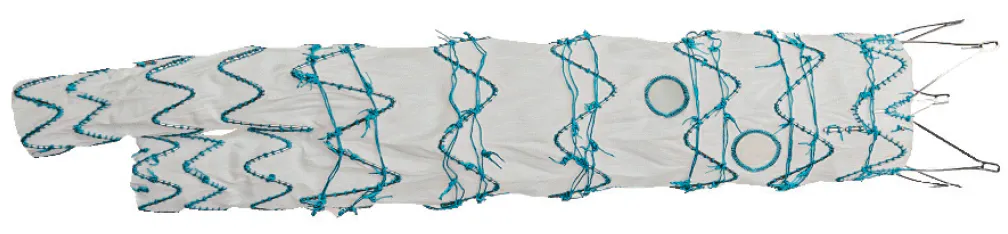
Figure 1. Fenestrated TREO stent graft showing the fenestration rings.
Courtesy of Terumo Aortic.
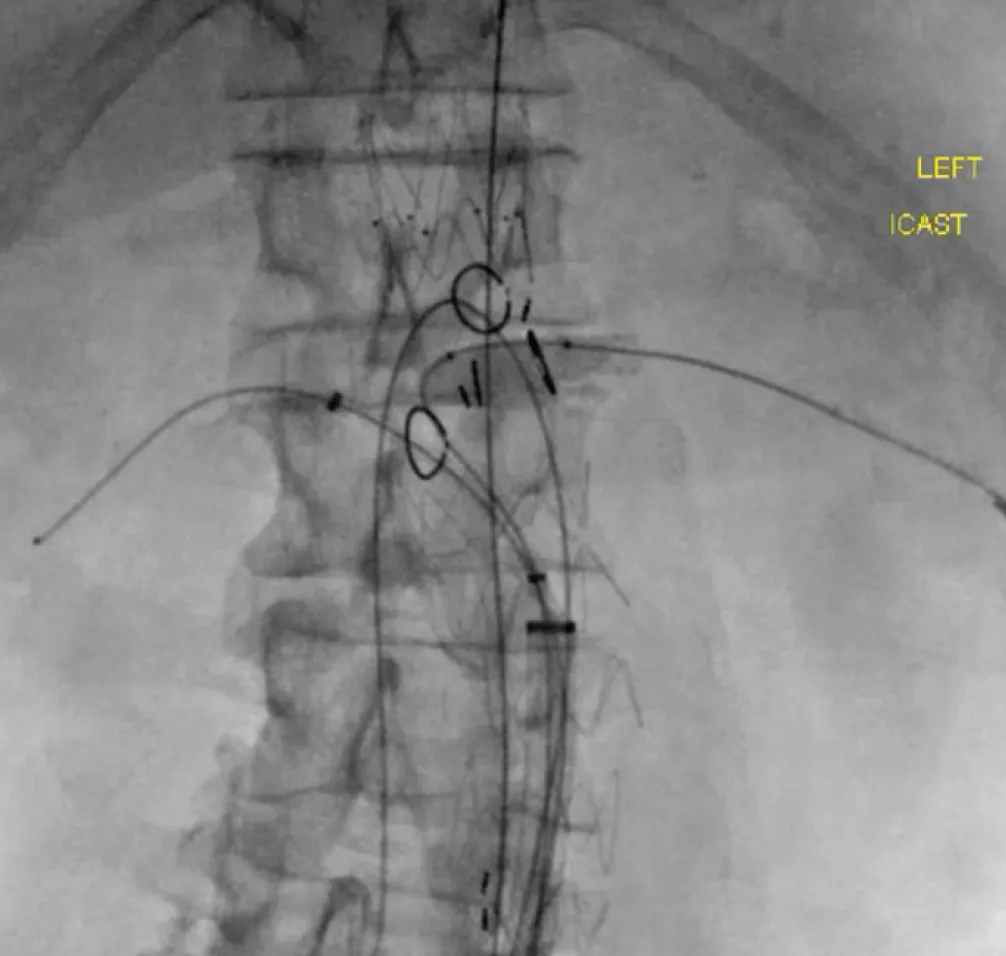
Figure 2. First fenestrated TREO implanted in the United States.
DEVICE DESIGN AND UNIQUE FEATURES
At the core of the system is the fenestrated TREO bifurcated main body, constructed from the same woven polyethylene terephthalate graft material, nitinol stent rings, and suture architecture as the standard TREO device. The key enhancement is the ability to integrate up to five patient-specific fenestrations, accommodating a wide range of visceral vessel configurations. Each fenestration is reinforced with a nitinol inner ring locked with a tantalum crimp and wrapped in a tantalum coil, providing structural support, improved handling during cannulation, and extremely enhanced radiographic visualization. The fenestrations are integrated directly into the bifurcated main body stent graft, minimizing the number of required components and modular connections. In addition to the straight main body configuration, tapered variants to better match native aortic geometry are available (Figure 3).
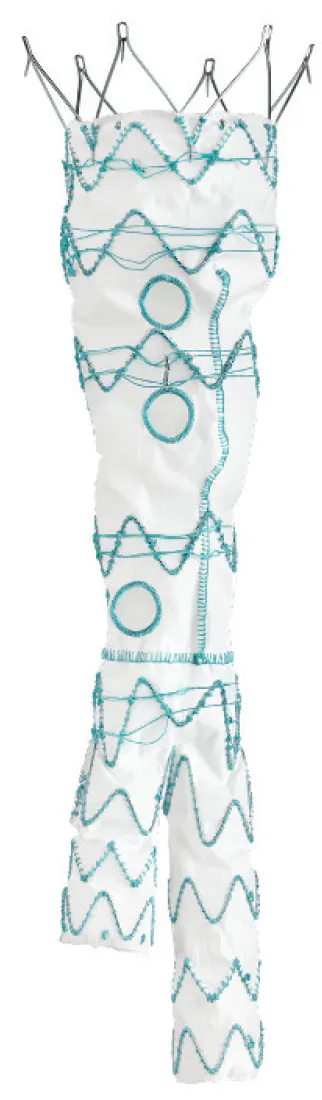
Figure 3. Doubletapered fenestrated TREO stent graft.
To aid precise orientation, the main body incorporates a dedicated radiopaque marker system, including cylindrical markers that define anterior, posterior, and lateral alignment. This facilitates rotational and axial positioning during staged deployment, critical for accurate fenestration-to-target vessel alignment.
A defining feature of the fenestrated TREO design is its circumferential constraining suture wraps, which hold the graft in a partially constrained diameter during initial deployment—typically 16 to 24 mm, depending on the nominal device size (Figure 4). This reduced profile allows physicians to rotate and reposition the graft while maintaining alignment of fenestrations with visceral artery ostia. Once alignment is confirmed and cannulation completed, a dedicated release wire disengages the circumferential sutures, allowing the graft to expand to its full intended diameter.
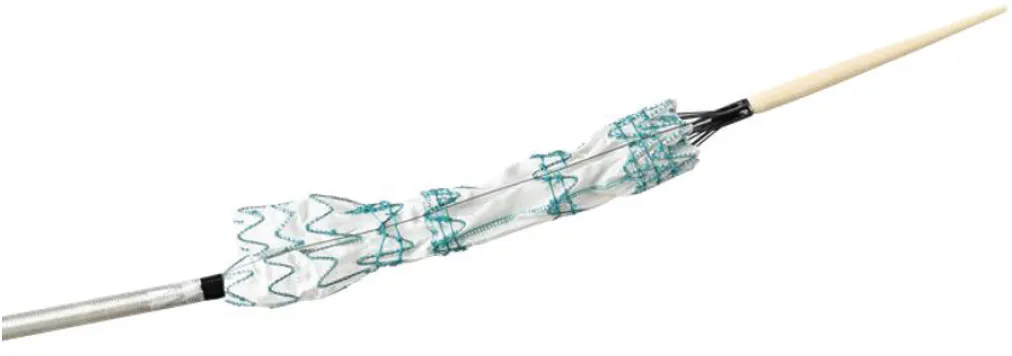
Figure 4. Constraining sutures of fenestrated TREO.
Courtesy of Terumo Aortic.
The fenestrated TREO delivery system builds on the proven TREO bifurcated delivery platform, redesigned specifically to accommodate the design requirements of fenestrated repair. It features a low-profile, 19-F outer diameter and an extended working length of 60 cm to reach more proximal anatomies (Figure 5). A hydrophilic coating on the introducer sheath enhances trackability through tortuous iliac vessels, and the handle assembly includes control mechanisms to manage staged expansion, fenestration exposure, and final graft release.
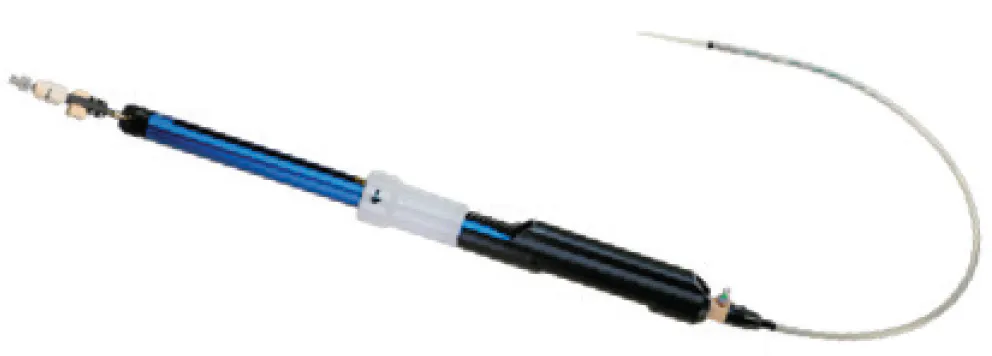
Figure 5. Fenestrated TREO delivery system.
Courtesy of Terumo Aortic.
REGULATORY STATUS AND CLINICAL EXPERIENCE
The fenestrated TREO stent graft system is currently under investigation in the United States through an FDA IDE pivotal study. Internationally, the fenestrated TREO platform has gained substantial real-world use in a custom-made configuration, with more than 1,600 implants performed in Europe since 2021. These procedures demonstrate applicability across a broad range of anatomies and provide supportive early safety data.
The TIGER registry includes 112 patients implanted with fenestrated TREO. The technical success of the procedure was strongly supported by consistently high device performance measures. Acceptable device introduction into the entry site was achieved in 100%, with successful advancement to the lesion site in 97.3% and reliable stent graft deployment in 99.1%. Deployment accuracy was also acceptable in 99.1%, and device removal from the vasculature was completed successfully in 100%. The stent graft was deployed without kinking or twisting in 97.3%, and both patency and structural integrity were maintained in 100%. Intraprocedural type Ia/Ib or type III endoleaks were observed only in a small subset of cases, corresponding to an absence of endoleaks in 92.9%, further reinforcing the overall technical robustness of the procedure.1
Eighty-four (84) patients have completed 12 months of follow-up. During that time, six (5.4%) patients died (one due to type II endoleak and the remaining unrelated to the aorta). Overall, 11 patients have had at least one site-reported device-related adverse event (9.8%; 11/112). Two (2) patients have had device-related serious adverse events (1.8%; 2/112). One patient had two device-related adverse events (12 total events in 11 subjects), with the most common event being endoleak. There were no reports of device occlusion, aortic rupture or device migration.
Collectively, regulatory review and early clinical findings support the safety foundation of the fenestrated TREO system and its readiness for broader evaluation through the ongoing pivotal IDE study.
CONCLUSION
The fenestrated TREO stent graft system represents a significant advancement in the endovascular treatment of complex AAAs involving the renal and visceral aortic segment, addressing a long-standing unmet need in the United States. Its design builds upon a proven TREO platform while introducing enhanced anatomic adaptability (including single- and double-tapered options), improved alignment mechanisms, and a more controlled, staged deployment paradigm. Together, these features offer physicians a versatile and precise tool for treating juxtarenal, pararenal, and paravisceral AAAs—anatomies historically associated with limited endovascular options.
1. Data on file, Terumo Aortic.
Zenith t-Branch Platform
By Carlos Timaran, MD
The Zenith t-Branch device (Cook Medical) is a multimodular platform with four internal/external, downward-facing branches (Figure 1 and Figure 2). It is designed for the endovascular repair of TAAAs. The device’s ability to be extended proximally and distally allows for the repair of the most extensive TAAAs, including types I to IV. The t-Branch device is the most widely used device globally for the treatment of TAAAs. Its off-the-shelf availability and immediate accessibility enable its use in urgent cases, including ruptured aneurysms, and in instances where a waiting period for a patient-specific device (CMD) is not desirable. Numerous observational studies and registries have demonstrated its safety and performance.
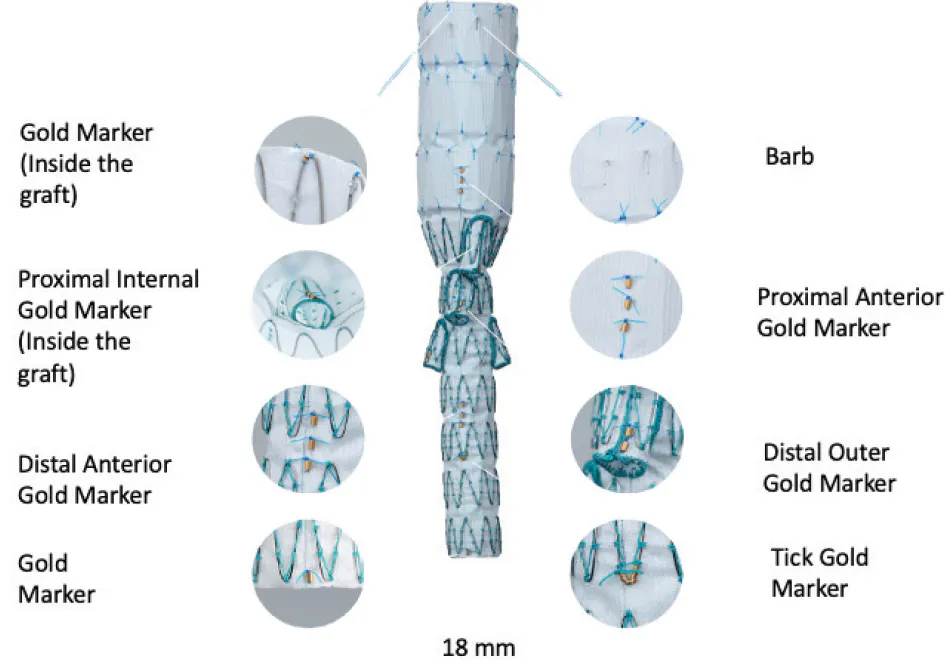
Figure 1. t-Branch device characteristics. (Investigational device limited by Federal [or United States] law to investigational use.)
Courtesy of Cook Medical.
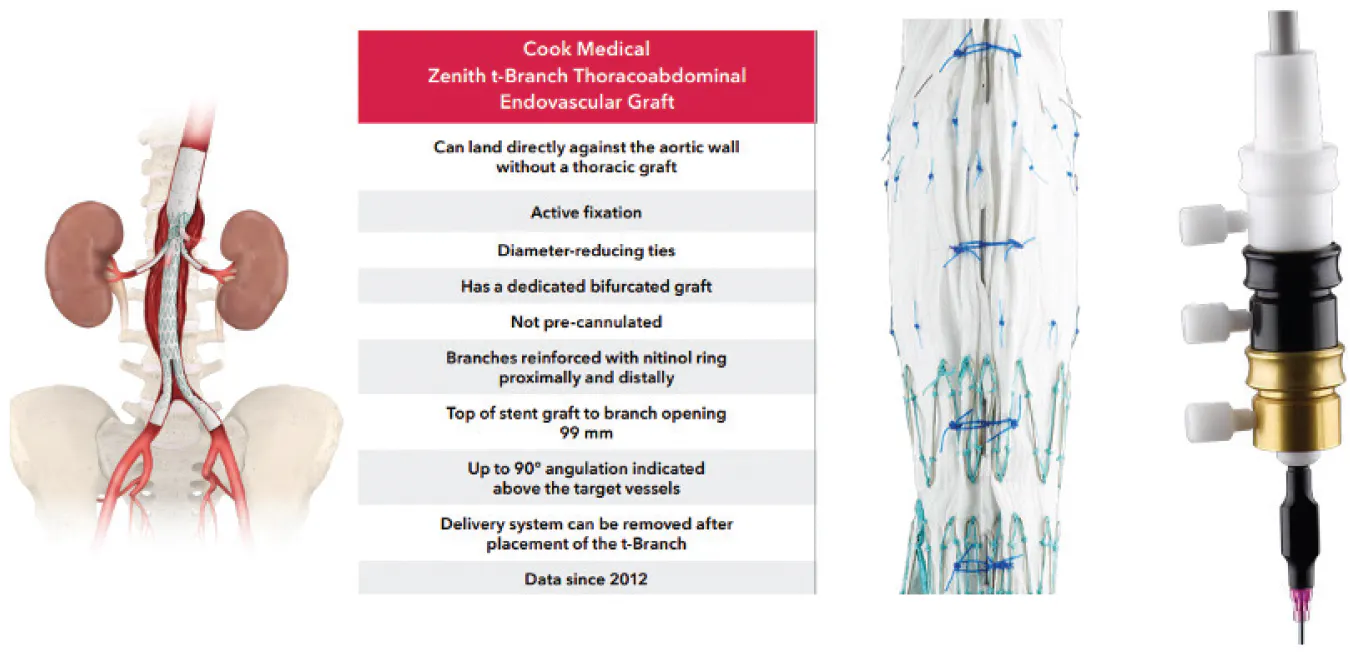
Figure 2. Main features of the t-Branch device. (Investigational device limited by Federal [or United States] law to investigational use.)
Courtesy of Cook Medical.
DEVICE DESIGN AND UNIQUE FEATURES
Several key characteristics make the t-Branch device an attractive alternative compared to other branched devices. First, the anatomic distribution of the branches enables the incorporation of the visceral and renal arteries with shorter bridging stents, which is crucial for improved patency and to prevent TVI. The proximal and distal portions of the stent allow sufficient length to overlap and accommodate proximal and distal extensions, which is essential for treating the most extensive TAAAs. The internal/external branches have a slight angulation that facilitates a more anatomic connection with the target vessels, thereby preventing angulations and kinking. The constraining wire and sutures throughout the device provide sufficient space to reach the target vessels, but more importantly, they also preserve the flow into the visceral, renal, pelvic, and lower extremity arteries. The barbs in the proximal stent facilitate active fixation and minimize the risk of migration. Finally, with the t-Branch device, the repair can be performed exclusively using transfemoral access.
As the endovascular repair of more complex aortic aneurysms has progressed, the use of upper extremity access has decreased due to its association with a higher frequency of cerebrovascular events. Steerable sheath technology facilitates easy and expeditious transfemoral access for the complete endovascular repair of TAAAs.
REGULATORY STATUS
The t-Branch device received CE Mark approval in 2012. In the United States, the device has not received approval for commercial use. Consequently, its primary application has been within the framework of IDE protocols. Approximately 400 t-Branch devices have been implanted in the United States. The collective experience gained from these IDE protocols has been documented by the data coordinating center of the United States Aortic Research Consortium (US-ARC). The majority of t-Branch devices have been used for the treatment of larger aneurysms and more critical conditions. Notably, in one-third of cases, the device has been employed to repair failed prior endovascular repairs of either thoracic aortic aneurysms or AAAs. Despite the relatively higher complexity of the aneurysms treated with the t-Branch device within the IDE studies, the early outcomes are encouraging, indicating that the device demonstrates both safety and efficacy.
The E-nside Platform
By Kak Khee Yeung, MD, PhD, FEBVS
The E-nside (Artivion Inc.) is an off-the-shelf, precannulated, inner branched endograft designed for endovascular treatment of TAAAs, with particular value in urgent or time-sensitive scenarios where CMDs are not feasible. It was the first precannulated, inner branch–based, off-the-shelf device for TAAA and received CE Mark approval in December 2019 and launched in 2020.
DEVICE DESIGN AND UNIQUE FEATURES
E-nside is a multi–inner branched stent graft built on a nitinol stent structure with polyester fabric. It incorporates four antegrade-oriented inner branches intended for the renovisceral vessels. The graft has a “dog-bone” shape, with proximal and distal cylindrical segments and a standardized central portion that carries the four inner branches. This middle segment has a 24-mm diameter. The portfolio is provided in four configurations (two proximal X two distal diameters): proximal 33 or 38 mm and distal 26 or 30 mm, with a total length of 222 mm (Figure 1).
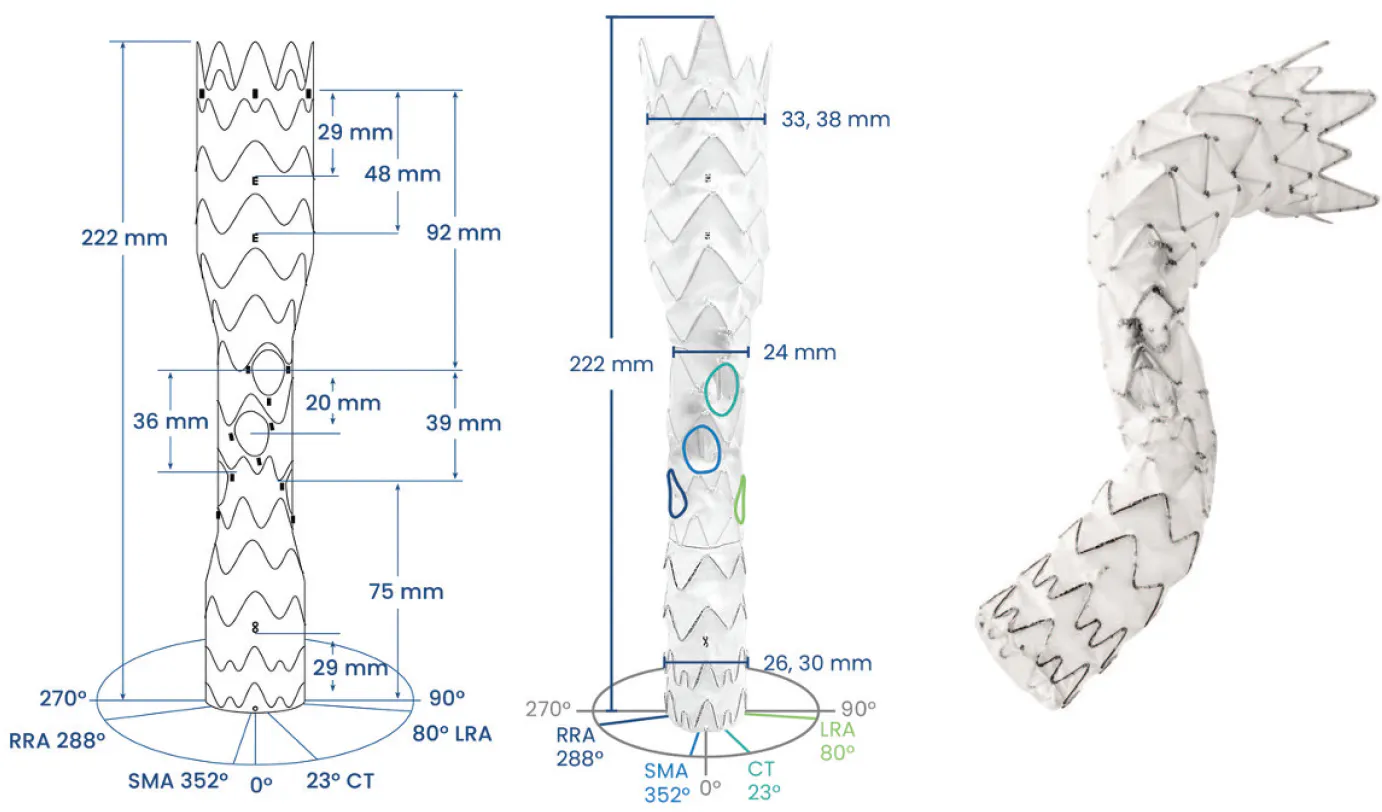
Figure 1. Schematic drawing of the E-nside (left image) multi–inner branched stent graft; middle image shows the diameters and clock positions, and the right image represents the conformability of E-nside. Used with permission.
Courtesy of Artivion.
The inner branches are 20 mm in length, with nominal diameters of 8 mm for the celiac trunk and SMA and 6 mm for the renal arteries. Branch outlets are enlarged and oval-shaped to expand the range of catheterization angles and facilitate bridging stent placement. Radiopaque markers support orientation and branch alignment; there are “E”-shaped proximal markers for rotational orientation, markers around the proximal edge, and markers at each branch inlet and outlet; an “8”-shaped marker indicates the distal overlap line with distal extensions (if needed) with another tube or bifurcated graft.
E-nside is delivered via a 24-F outer diameter system. A key differentiator is the precannulated inner branches. This architecture is intended to reduce target vessel cannulation time, operative duration, radiation exposure, and contrast load—advantages that are especially relevant in urgent cases. Precannulation can be performed from the proximal side, and a transfemoral retrograde approach for target vessel cannulation of inner branches also has been proven to be effective (Figure 2).1 In addition, the operator can choose to remove the precannulated wires and cannulate the branches from one access site.
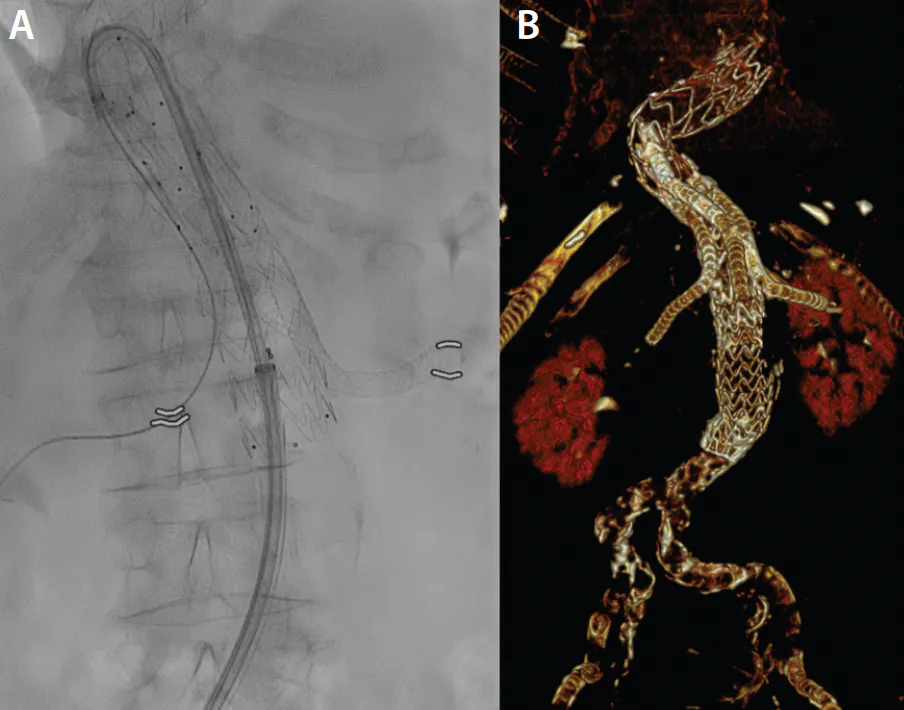
Figure 2. E-nside case. Retrograde cannulation of the right renal branch and artery with a steerable sheath (A). Postoperative 3D CTA after implantation. Note the elongation at the proximal side of the endograft (B).
CLINICAL EXPERIENCE
Early real-world experience with E-nside has been reported in the INBREED study. In the initial INBREED analysis (N = 116; 21.5% treated in an emergency setting), procedural outcomes were strong, with a technical success rate of 98.2%.2 At 90-day follow-up, reported outcomes included an all-cause mortality of 5.2% (elective, 2.1%; urgent, 16%) and rates of spinal cord ischemia (SCI) of 6.9%, stroke of 3.4%, primary branch patency of 97.5%, and freedom from type I/III endoleaks of 97.3%.
More recently, a 2-year analysis reports 206 patients enrolled across 36 centers, including both TAAA (53.9%) and complex AAA (46.1%), with a substantial proportion treated urgently (28.6%) and a meaningful representation of narrow paravisceral anatomy (26.6% with < 25 mm).3 Among the 143 patients who reached 2-year follow-up, overall survival was 90.3% (elective; 93%; urgent, 87%) and freedom from aortic-related death was 96%. Device- and branch-related durability signals were favorable, with freedom from endograft instability (type Ia endoleak) of 97.6%, freedom from TVI of 95.9% (95.9% for visceral arteries; 95.5% for renal arteries), primary branch patency of 97.5% (98.9% visceral; 96.1% renal), freedom from target vessel endoleak of 98.5% (97.7% visceral; 99.4% renal), and freedom from reintervention of 98% (98.3% visceral; 98.1% renal).
Another study compared E-nside (n = 79) with an off-the-shelf, outer branch device (Zenith t-Branch [Cook Medical]; n = 84). The E-nside had a significantly shorter length of thoracic aortic coverage and bridging length for the renal arteries and less frequent implantation of a concomitant proximal thoracic or distal abdominal bifurcated endograft. However, the rates of mortality, stroke, SCI, and freedom from TVI did not differ.4
The feasibility of E-nside was evaluated in the treatment of juxtarenal/pararenal aneurysms in an elective and acute setting. In 47 patients, 183 target vessels were incorporated through an inner branch. The mean length of aortic coverage above the celiac trunk was 116 ± 7 mm, with a high technical success of 100%. At 30 days, the mortality rate was 4% (n = 2 urgent cases). Freedom from TVI was 99% after 30 days and 97% ± 3% after 1 year.5
CONCLUSION
Overall, E-nside aims to provide a standardized off-the-shelf solution for complex TAAA repair and even juxta/pararenal AAAs, while supporting procedural efficiency through (precannulated) inner branches, combined with encouraging registry outcomes, especially in urgent cases.
1. Esposito D, Bastianon M, Simonte G, et al. Target vessel cannulation with a transfemoral retrograde approach equals antegrade approach from the upper extremity in complex aortic treatment with off the shelf inner branched endografts in the Italian Branched Registry of E-nside Endograft (INBREED). Eur J Vasc Endovasc Surg. 2025;69:812-821. doi: 10.1016/j.ejvs.2025.02.019
2. Piazza M, Squizzato F, Pratesi G, et al; INBREED investigators. Editor's choice—early outcomes of a novel off the shelf preloaded inner branch endograft for the treatment of complex aortic pathologies in the ItaliaN Branched Registry of E-nside EnDograft (INBREED). Eur J Vasc Endovasc Surg. 2023;65:811-817. doi: 10.1016/j.ejvs.2023.02.076
3. Piazza M, Squizzato F, Pratesi G, et al; INBREED investigators. Two year outcomes following off the shelf inner branch endograft implantation for the treatment of complex abdominal and thoraco-abdominal aortic aneurysm: analysis from the Multicentre ItaliaN Branched Registry of E-nside EnDograft (INBREED). Eur J Vasc Endovasc Surg. Published online August 25, 2025. doi: 10.1016/j.ejvs.2025.08.042
4. Piazza M, Squizzato F, Pratesi G, et al; B.R.I.O. (BRanched Inner–Outer) study group investigators. Editor's choice–outcomes of off the shelf outer branched versus inner branched endografts in the treatment of thoraco-abdominal aortic aneurysm in the B.R.I.O. (BRanched Inner–Outer) study group. Eur J Vasc Endovasc Surg. 2024;68:50-59. doi: 10.1016/j.ejvs.2024.04.005
5. Squizzato F, Piazza M, Isernia G, et al; INBREED investigators. Use of an off the shelf inner branch thoraco-abdominal endograft for the treatment of juxtarenal and pararenal aortic aneurysms. Eur J Vasc Endovasc Surg. 2025;69:837-845. doi: 10.1016/j.ejvs.2025.02.030
Physician-Modified Endografts (PMEGs)
By Javairiah Fatima, MD, FACS, DFSVS
PMEGs have emerged as a valuable strategy in the endovascular management of complex aortic aneurysms, particularly for patients with juxtarenal, pararenal, and thoracoabdominal pathology who are not candidates for standard commercial devices or open repair. PMEGs offer a pragmatic solution in anatomically complex or time-sensitive situations, especially when CMDs are unavailable or impractical.
DEVICE DESIGN AND UNIQUE FEATURES
The fundamental design of PMEGs involves immediate preimplant modification of an off-the-shelf aortic endograft to create fenestrations and/or branches aligned with the target visceral and renal arteries. These modifications are based on precise preoperative imaging and careful anatomic assessment, including aortic diameter, angulation, and target vessel orientation and branching patterns. Fenestrations and branches are reinforced with radiopaque markers, constrained, and carefully resheathed. PMEGs allow a high degree of anatomic customization, including multiple configurations of fenestrations and branches (inner and/or outer, short cuffs vs full branches), use of inverted limbs, preservation of large lumbar vessels for spinal cord protection, and selection from a wide range of device platforms with varying profiles and fabric characteristics—ultimately tailoring each construct to the fine anatomic details of the individual patient (Figure 1).
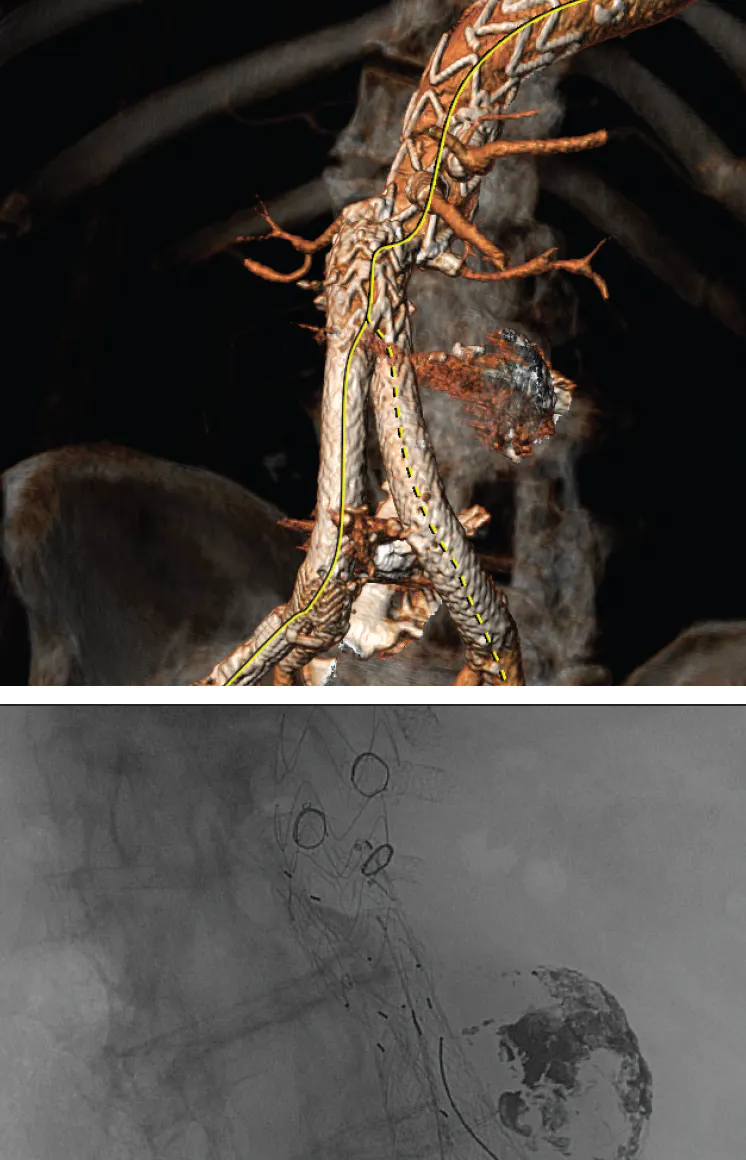
Figure 1. Rescue of failed EVAR (type la endoleak) using an Alpha PMEG (Cook Medical) for a four-vessel FEVAR.
Indications for PMEGs have expanded over time beyond native aneurysms to include failed open repair, failed EVAR, complete relining of prior endografts, postdissection TAAs, and selected aortic arch pathology, offering substantial procedural flexibility in complex scenarios.
A major advantage of PMEGs is their immediate availability, distinguishing them from CMDs that require prolonged production timelines. This makes PMEGs particularly suitable for urgent and semi-urgent settings, including symptomatic aneurysms, rapidly expanding disease, and contained rupture, where treatment delays may be life-threatening. PMEGs also provide an important option for patients whose anatomy falls outside the instructions for use of commercially available devices.
CLINICAL EXPERIENCE
Clinical experience with PMEGs has expanded substantially. Systematic reviews and multicenter series demonstrate technical success rates exceeding 90% to 95%, with favorable target vessel patency and acceptable perioperative morbidity and mortality. Long-term data from prospective IDE studies suggest that PMEGs can be performed safely with durable outcomes and low aneurysm-related mortality in experienced centers. Additional multicenter data support their effectiveness across elective, symptomatic, and ruptured presentations, reinforcing their role in complex aortic repair.1-3
GLOBAL REGULATORY LANDSCAPE
PMEGs occupy a unique and heterogeneous regulatory position worldwide. In the United States, PMEG use is considered off-label and is governed by physician judgment, institutional oversight, and structured protocols rather than formal device approval. FDA-approved IDE studies have been conducted and remain ongoing, aiming to evaluate safety, efficacy, and durability while establishing standardized approaches to device modification, patient selection, and outcome reporting.4
In Europe and other regions operating under CE Mark device frameworks, PMEG use similarly occurs outside strict manufacturer indications, with regulatory oversight varying by country and institution. Many centers incorporate PMEGs under multidisciplinary review, defined institutional governance, and rigorous informed consent, while other health care systems restrict use to research or compassionate care settings. In regions with limited access to CMDs, PMEGs may serve as a critical solution for managing complex aortic pathology when alternative technologies are unavailable or delayed.
CONCLUSION
Despite increasing global experience, the absence of uniform regulatory pathways and standardized reporting remains a challenge. Ongoing prospective studies, registries, and international collaboration are essential to define best practices, inform regulatory policy, and clarify the long-term role of PMEGs within the evolving armamentarium of complex aortic repair.
1. Oderich GS, Ribeiro M, Reis de Souza L, et al. Endovascular repair of thoracoabdominal aortic aneurysms using fenestrated and branched endografts. J Thorac Cardiovasc Surg. 2017;153:S32-S41.e7. doi: 10.1016/j.jtcvs.2016.10.008
2. Chait J, Tenorio ER, Hofer J, et al. Five-year outcomes of physician-modified endografts for complex aortic aneurysm repair. J Vasc Surg. 2023;77:374-385.e4. doi: 10.1016/j.jvs.2022.09.019
3. Schanzer A, Simons JP, Flahive J, et al. Outcomes of fenestrated and branched endovascular repair of complex abdominal and thoracoabdominal aortic aneurysms. J Vasc Surg. 2017;66:687-694. doi: 10.1016/j.jvs.2016.12.111
4. National Archives and Records; Code of Federal Regulations. 21 CFR Part 812: Investigational device exemptions. Updated February 10, 2026. Accessed February 23, 2026. https://www.ecfr.gov/current/title-21/chapter-I/subchapter-H/part-812
Advertisement
Advertisement