Advertisement
Advertisement
September 2026
Mentors and Protégés: Conversations on Career and Craft With Ripal T. Gandhi, MD, FSIR, FSVM
Isabella Garganese, BS, and Shakthi Kumaran Ramasamy, MD, Chair of the Research and Innovation Committee of the Society of Interventional Radiology Resident, Fellow, and Student Section, speak with Ripal T. Gandhi, MD, FSIR, FSVM, about his journey into interventional radiology (IR), his research across vascular surgery, IR, and interventional oncology (IO), the evolution of IO as a subspecialty, the mentorship of IR trainees, and lessons from a career in the field.
With Isabella Garganese, BS; Shakthi Kumaran Ramasamy, MD; and Ripal T. Gandhi, MD, FSIR, FSVM
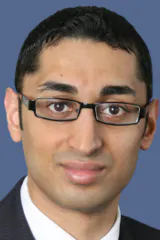
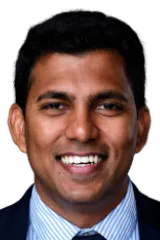
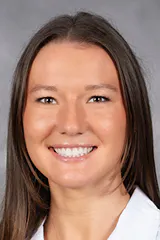
Dr. Ramasamy: Please tell us about your background and what first sparked your interest in medicine.
Dr. Gandhi: I became interested in medicine at a very young age. I believe this interest stemmed from my desire to help others, as well as growing up surrounded by many family friends who were physicians. Their dedication to caring for patients inspired me and reinforced my passion for pursuing a career in medicine.
Ms. Garganese: How did your path lead you to interventional radiology (IR)?
Dr. Gandhi: I always knew that I wanted to pursue a procedural specialty. When I was in medical school—now more than 25 years ago—IR was very different from what it is today, and my exposure to the field was limited. As a result, I initially chose to pursue surgery and began my training as a categorical surgical resident, completing my internship at Cornell.
During that internship, I gained greater exposure to IR and was struck by the transformative nature of the specialty. Many procedures that had traditionally required open surgery were being performed through minimally invasive techniques. Seeing how patients could be treated through smaller incisions, with less morbidity and a quicker recovery, fundamentally changed my perspective.
What resonated with me most was the opportunity to achieve the same therapeutic goals as surgery while offering a less invasive approach. That experience sparked my interest in the field and ultimately led me to change course, transitioning from surgery to IR. Looking back, it was a pivotal decision that shaped the trajectory of my career.
Dr. Ramasamy: Early in your career, you trained and practiced alongside interventional radiologists such as Barry Katzen and James Benenati at what is now the Miami Cardiac and Vascular Institute and Thomas McNamara at University of California, Los Angeles.1,2 What did you take from that environment that continues to shape how you practice today?
Dr. Gandhi: I had the privilege of training alongside physicians whom I deeply admire and whose influence continues to shape my practice. Drs. Barry Katzen, James Benenati, and Thomas McNamara were not only exceptional physicians and proceduralists, but also visionaries who helped define what modern IR could become.
One of the most important lessons I learned from them was the value of longitudinal patient care. At a time when many interventional radiologists functioned primarily as consultants performing procedures, these physicians championed a more comprehensive model—evaluating patients in the clinic, performing the intervention, and providing long-term follow-up. They understood that meaningful patient care extends far beyond the procedure itself. That philosophy has profoundly influenced how I think about treating and managing patients throughout my career.
Equally important was the example they set as leaders. Despite their accomplishments and national reputations, they remained remarkably humble. They approached patients, colleagues, and trainees with respect and professionalism, never allowing their expertise to overshadow their commitment to learning and collaboration.
Those two principles—taking ownership of the entire patient journey and maintaining humility regardless of success—are lessons that have stayed with me throughout my career and continue to guide how I practice medicine today.
Ms. Garganese: You've described the "three A's"—availability, affability, and ability—as indispensable to building a practice, and you've identified availability as the most important.3 Two decades in, has that ranking held up, or would you weight them differently for someone starting out today?
Dr. Gandhi: That is a great question. Over the course of my career, I have come to appreciate that all three qualities are essential and ultimately work together. However, for a young physician who is just beginning to build a practice, I would still place availability first. Early in your career, availability is often what opens the door to opportunity. If you are consistently accessible to patients and referring physicians, people begin to know who you are, trust you, and rely on you. That visibility creates the relationships that form the foundation of a successful practice.
Of course, availability alone is not enough. Affability is equally important because medicine is fundamentally a relationship-driven profession. Colleagues and patients want to work with physicians who are approachable, collaborative, and professional. Ultimately, however, ability is what sustains a career. Technical skill, sound judgment, and consistently good outcomes are what earn and maintain trust over time. If your results are poor, referrals will inevitably decline regardless of how available or personable you are.
That said, people often do not have the opportunity to appreciate your abilities until they first experience your availability and affability. For that reason, I would still rank the three in the same order—availability, affability, and ability—while recognizing that long-term success depends on possessing all three.
Dr. Ramasamy: How do you teach trainees the judgment to know when to switch tools, when to push further, and when to stop during a procedure?4,5
Dr. Gandhi: One of the first principles I teach trainees is to think carefully about the worst possible complication that could occur before they begin any procedure. Ask yourself: What is the most serious adverse event that could happen, and am I fully prepared to manage it? If you are treating an iliac artery occlusion, are you prepared to handle a rupture? If you are managing a complex deep vein thrombosis, are you ready to address a significant pulmonary embolism? Equally important, do you have the necessary equipment and resources immediately available to respond?
The second principle is preparation. Before starting a procedure, you should have a clear plan—not only a Plan A, but also a Plan B, Plan C, and even a Plan D. Procedural success often depends on anticipating challenges before they arise. By thinking through alternative strategies in advance, you are far better equipped to respond when things do not go according to plan.
One of the lessons we have learned through performing live cases at major meetings is that even the most carefully planned procedures can take unexpected turns. Every case should be approached with that reality in mind. You must remain versatile, adaptable, and willing to change course when necessary.
Perhaps most importantly, trainees need to understand that persistence and good judgment are not always the same thing. There are times when an alternative approach is the right answer, and there are times when the safest decision is to stop altogether. If you do not have the appropriate tools, if the procedure is not progressing as expected, or if fatigue begins to affect decision-making, it is often better to step back and return another day rather than push forward and risk a complication.
Ms. Garganese: Interventional oncology (IO) requires you to be both a skilled proceduralist and a multidisciplinary clinician who can hold their own at the tumor board. How do you help trainees develop the clinical decision-making side of the discipline?6
Dr. Gandhi: One of the realities of modern training is that most physicians graduating from reputable programs are technically proficient. They may not know every procedure or every device, but they have developed the foundational skills necessary to adapt and grow as new technologies emerge. In many ways, the procedural component of training is the easier part to teach.
The greater challenge is developing the clinical judgment required to function as a true interventional oncologist. Participating effectively in a multidisciplinary tumor board requires far more than technical expertise. It demands a deep understanding of patient selection, disease biology, competing treatment options, and the evidence supporting each approach.
I encourage trainees to focus on three key areas. First, they must thoroughly understand their own procedures—the indications, outcomes, limitations, and data supporting them. Second, they need to appreciate where interventional oncology fits within the broader continuum of cancer care. That means understanding the perspectives and evidence that guide medical oncology, surgical oncology, radiation oncology, hepatology, and other related disciplines. Finally, they must become intimately familiar with clinical guidelines and the literature that informs them.
The most effective contributors at tumor board are not necessarily the loudest voices in the room; they are the individuals who can thoughtfully interpret the evidence and apply it to the patient sitting in front of them. The ability to make a clear, data-driven, and guideline-based recommendation is ultimately what distinguishes a skilled clinician from a skilled technician. Developing that level of judgment takes time and experience, but it is one of the most important skills an interventional oncologist can acquire.
Dr. Ramasamy: How do you coach IR trainees to sit with imperfect outcomes and learn from them?
Dr. Gandhi: One of the best pieces of advice I ever received was, “If you have never had a complication, you have not done enough procedures.” There is a great deal of truth in that statement. No matter how skilled or experienced you become, complications and imperfect outcomes are an inevitable part of practicing medicine.
In fact, some of the most valuable lessons I have learned throughout my career have come from cases that did not go as planned—whether they involved my own patients, those of my partners, or cases presented by colleagues. Morbidity and mortality conferences, both within institutions and at national and international meetings, are often among the most educational experiences we have because they provide an opportunity to examine what happened, why it happened, and how we can improve.
One of the most important lessons I try to teach trainees is that adverse outcomes should not be viewed solely through the lens of blame. The goal is not to dwell on mistakes but to learn from them. Every physician will encounter outcomes that are disappointing or unexpected. What matters is the willingness to honestly evaluate those experiences and use them as opportunities for growth.
It is also important to recognize that not every adverse outcome is the result of an individual error. In many cases, the root cause may be systemic rather than personal. This is why quality assurance and continuous improvement processes are so important in health care. They help identify weaknesses in workflows, communication, and institutional systems, allowing us to implement meaningful changes that improve patient care and reduce the likelihood of similar issues occurring in the future. By focusing on both individual accountability and system-level improvement, health care teams can foster a culture of safety and deliver better outcomes for patients.
Ultimately, resilience in medicine comes from accepting that imperfect outcomes are part of the profession while remaining committed to continuous learning. The physicians who grow the most are often those who are willing to confront difficult cases directly, learn from them, and use those lessons to become better clinicians.
Ms. Garganese: You've guest-edited Endovascular Today's IO issues for years, watching IO evolve "from a slang term" into an established subspecialty.7-9 What has changed most in how the broader oncology community now views the field?
Dr. Gandhi: I think we have definitely evolved from being somewhat on the sidelines to being recognized as the fourth pillar of cancer care, alongside medical oncology, radiation oncology, and surgical oncology.
That evolution has largely been driven by the increasing body of data supporting the procedures we perform, as well as the incorporation of many of our treatments into National Comprehensive Cancer Network guidelines and other international guidelines. As the evidence base has grown, so too has the broader oncology community's recognition of the value that interventional oncology can provide to patients.
Today, IO is increasingly viewed as an integral part of multidisciplinary cancer care, and I believe that recognition will continue to grow as the evidence supporting our therapies continues to expand.
Dr. Ramasamy: Robotics has clearly been a long-standing interest of yours—you performed some of the first robotically assisted yttrium-90 (Y-90) radioembolization, aortic aneurysm, peripheral artery disease cases, and more recently you've worked with a robotic platform for percutaneous ablation.10,11 Where do you see robotics adding value today, and where does the enthusiasm still outpace the data?
Dr. Gandhi: I believe robotics is an incredibly exciting field. With the rapid advancements we are seeing in technology, robotics in medicine are here to stay and will continue to evolve. The potential benefits are substantial. In the robotic systems we have worked with, we have observed improvements in precision and accuracy, reductions in radiation exposure and operator fatigue, decreased contrast utilization, and more consistent procedural performance.
Robotics also has the potential to help level the playing field by enabling physicians with varying levels of experience to perform procedures more consistently and efficiently. Looking ahead, the possibilities are even more exciting, including the potential for remote procedures and even fully autonomous robotic systems, which could expand access to specialized care and transform the way health care is delivered.
At the same time, as with any new technology, there are important challenges that need to be addressed. One of the biggest is cost and the need to establish a sustainable business model. Additional challenges include training, integration into existing clinical infrastructure, overcoming workflow disruptions, and, perhaps most importantly, demonstrating practical clinical value.
Addressing those questions will require additional research and stronger data. However, despite those challenges, I am definitely a believer in the technology and its potential to transform how we practice in the future.
Ms. Garganese: You've been an early adopter and first-case operator for a number of new technologies. How do you decide which devices are worth being early on, and how do you balance enthusiasm for innovation against the available evidence?
Dr. Gandhi: I have generally been a strong proponent of new technology because innovation is one of the primary ways our field continues to advance. It allows us to push beyond current limitations and ultimately improve patient care.
When evaluating a new technology, I find it helpful to think about innovation in different categories. Some innovations improve upon existing approaches by making procedures more efficient, faster, safer, or more effective. Others are truly disruptive, enabling us to do something entirely new or treat patients who previously had no viable therapeutic options. These types of innovations often require different frameworks for evaluation because their potential impact can be fundamentally different.
At the same time, there is a delicate balance between enthusiasm for innovation and the need for rigorous evidence. While new technologies have the potential to transform patient care, they should not be adopted simply because they are novel. Before embracing a new procedure or device on a broad scale, we must ensure that there is sufficient evidence demonstrating at least its safety and, ideally, its effectiveness compared with existing standards of care.
Ultimately, advancing the field requires both optimism and discipline. We should remain excited about innovation and open to exploring new possibilities, but we must do so thoughtfully and in an evidence-based manner. By balancing innovation with careful evaluation, we can continue to move the field forward while ensuring that our decisions remain centered on what is best for our patients.
Dr. Ramasamy: As site principal investigator for trials such as TIGeR-PaC, you've pointed to the pairing of locoregional therapy with systemic and immunotherapies as interventional oncology's next frontier.11,12 What does the specialty need to get right—in trial design and in practice—for that integration to deliver?
Dr. Gandhi: One of the most important priorities for our specialty is to continue moving beyond retrospective studies and invest in high-quality prospective research. Retrospective analyses are valuable and have played an important role in advancing the field, but what we ultimately need are large randomized clinical trials, along with prospective real-world studies and registries, to better define the value our therapies provide to patients.
Historically, IO has had relatively few randomized clinical trials compared with other oncologic disciplines. Fortunately, that is beginning to change. We are seeing an increasing number of well-designed prospective studies that are generating the level of evidence needed to demonstrate the impact of our treatments on patient outcomes, particularly as they are integrated with systemic therapies and immunotherapies.
Ultimately, strong clinical evidence is what drives adoption. As we continue to produce high-quality data, we will not only improve our understanding of how best to incorporate these therapies into patient care, but also facilitate their broader inclusion in clinical guidelines and multidisciplinary treatment pathways. Robust evidence helps build confidence among referring physicians, oncologists, health care systems, and patients, ensuring that effective therapies are utilized appropriately and consistently.
The future of IO will depend on our ability to generate that evidence and clearly demonstrate the value our procedures bring within the evolving landscape of cancer care. By continuing to invest in rigorous clinical research, we can strengthen the foundation of the specialty, expand its role in multidisciplinary oncology, and ultimately improve outcomes for the patients we serve.
Ms. Garganese: At SIR 2026, you presented one of the largest clinical experiences to date with a combined aspiration and mechanical thrombectomy platform, encompassing more than 2,400 peripheral arterial cases.13 What does a dataset of that scale reveal that smaller studies cannot, particularly across the range you treated—from cardiogenic and iatrogenic emboli to chronic PAD-related thrombus?
Dr. Gandhi: The study we presented at SIR examined a real-world experience with a dual aspiration and mechanical thrombectomy platform and demonstrated very promising results in terms of both efficacy and safety for patients with acute limb ischemia.
More broadly, while smaller studies remain critically important—particularly when evaluating emerging technologies—large real-world datasets provide insights that are difficult to capture in either small studies or even large randomized clinical trials. Randomized trials often include strict enrollment criteria and may exclude substantial numbers of patients, which can limit their generalizability.
The advantage of a large real-world study involving more than 2,400 patients and minimal exclusion criteria is that it allows for evaluation of how a technology performs across a diverse patient population in routine clinical practice. It provides a clearer understanding of outcomes when procedures are performed by operators with varying levels of experience and across a wide range of practice settings.
Ultimately, these data sets help move beyond the controlled environment of clinical trials and offer a more complete picture of how a technology performs in everyday use. This information is invaluable when assessing both the effectiveness and the practical utility of new treatment approaches.
Dr. Ramasamy: You've been involved in pivotal pulmonary embolism (PE) trials including EXTRACT-PE, RESCUE, PEERLESS, STRIKE-PE, and PE-TRACT.14-18 Drawing on all of it, what are your thoughts on the current landscape of PE intervention, and where do you see it heading?
Dr. Gandhi: PE is one of my greatest professional passions and, in my view, one of the most exciting areas in endovascular medicine. It remains a field in which there is still much to learn, while the technologies available to us continue to improve at a rapid pace.
When I was a fellow, the tools we had for treating PE were relatively primitive compared with exists today. As a result, interventions were generally reserved for only the sickest patients, and the benefits were often limited. Over the past decade, however, the landscape has changed dramatically.
Recent clinical trials, including studies such as STORM-PE and HI-PEITHO, have provided increasing evidence supporting intervention in carefully selected patients with significant pulmonary embolism, including those classified as intermediate-high risk by ESC criteria and corresponding C3, D1, and D2 cohorts within the American Heart Association/American College of Cardiology framework. While we continue to await results from ongoing studies such as PEERLESS II and PE-TRACT, the available data increasingly suggest that a broader group of patients may benefit from intervention than was previously recognized.
Importantly, the potential benefits extend beyond immediate hemodynamic improvement. Emerging evidence suggests that appropriate intervention may not only help prevent cardiopulmonary compromise but also improve longer-term outcomes, including quality of life and functional capacity.
As additional randomized trials and prospective studies are completed, I expect we will continue to refine patient selection and better define the role of intervention across the full spectrum of pulmonary embolism. Looking ahead, I can envision improved risk stratification tools, more individualized decision-making, and faster diagnosis and triage supported by advances in artificial intelligence, data integration, and automation. The field is evolving rapidly, and I believe pulmonary embolism therapy will remain one of the most dynamic and impactful areas of endovascular medicine for years to come.
Ms. Garganese: You've long emphasized radiation safety and have outlined the practical measures any institution can adopt.3 With robotic and remote-control platforms now reducing exposure, how should a young interventionalist think about protecting a long career at the table?
Dr. Gandhi: I believe radiation safety is of utmost importance and has been neglected in the past. We have learned from studies that there are real occupational risks associated with cumulative radiation exposure, including cataracts, atherosclerosis, and radiation-related stochastic effects such as cancer. In addition, there are the physical demands and biomechanical stress of wearing lead protection on a daily basis over the course of a long career which can result in orthopedic injuries affecting the spine and joints. The repercussions of these occupational hazards include shortened careers, physician and staff burnout, and underrepresentation of women in fields such as IR, cardiology, and vascular surgery.
For that reason, it is incumbent upon all of us to embrace technologies and strategies that reduce exposure whenever possible. This includes newer in-room enhanced radiation-shielding systems and protection devices that can lessen the need for lead, as well as robotic platforms that may allow operators to step outside the procedure room and significantly reduce their radiation exposure. At the same time, we should never overlook the importance of fundamental radiation-safety practices, which remain essential to protecting both physicians and staff.
Looking ahead, I can envision a future in which procedures are performed in a completely lead-free environment. We are not there yet, but that is where we should aspire to be. Continued advances in robotics, shielding technologies, protective gear, and procedural workflows have the potential to make that vision a reality. In the meantime, we strive for what has been recently coined ALARA+ (as low and as light as reasonably achievable).
Young interventionalists should view radiation safety not as an afterthought, but as a critical investment in the longevity of their careers. The habits and technologies they adopt early on will have a meaningful impact over decades of practice.
Dr. Ramasamy: You've cited hard work, persistence, putting the patient above pride, and "do what you love" as the wisdom that has stayed with you.3 Which of these do you find yourself repeating most often to your own trainees, and why?
Dr. Gandhi: I would probably say the most important principle I emphasize to trainees is putting the patient above all else.
When I approach any clinical decision, I try to view each patient as if they were a member of my own family. That perspective serves as a useful guide in determining whether a proposed plan is truly in the patient’s best interest and helps cut through many of the other competing considerations, bringing the focus back to what matters most.
I often encourage trainees to ask a simple question: “Would I recommend this same procedure or treatment to a family member?” If the answer is yes, then the decision is likely appropriate. If not, it is worth pausing to reconsider the approach and ensure that the plan is justified from the patient’s perspective.
Ultimately, putting the patient first is the foundation upon which everything else is built. Technical skill, innovation, and professional achievement are all important, but they should never come at the expense of what is best for the patient. I believe this mindset is one of the most important qualities a physician can develop, and it remains the principle I return to most often when teaching trainees.
Ms. Garganese: You've trained interventional radiologists since 2009. What do you look for in someone you choose to invest in, and what do you hope they take away from working with you?
Dr. Gandhi: When selecting trainees, there are several qualities I look for. First and foremost, I value individuals who are hardworking, conscientious, and team oriented. I also look for self-motivated people who are driven to improve, take ownership of their education, and consistently strive to perform at their best.
I appreciate trainees who can be personable, lighthearted, and fun when the situation allows, while remaining focused, composed, and serious when clinical demands intensify. Being able to strike that balance—maintaining a positive team dynamic without losing situational awareness or professionalism—is an important quality in a high-functioning clinical environment.
As for what I hope trainees take away from working with me, I hope they leave with a commitment to excellence, a strong work ethic, and a patient-centered approach to care. Technical skills can be taught and refined over time, but qualities such as integrity, humility, professionalism, and dedication to patients are what ultimately define a physician’s career.
Dr. Ramasamy: If you could describe the future of interventional oncology and IR in two words, what would they be?
Dr. Gandhi: Transformative and limitless potential. Transformative because the disruptive technologies and innovative procedures we perform have completely changed how many conditions are treated and will continue to do so in the future. Limitless potential because the future of interventional medicine is constrained only by our imagination and ingenuity.
Ms. Garganese: Finally, what is the one thing you wish someone had told you when you were starting out?
Dr. Gandhi: What we do is not easy, and it does not become easier with time. That said, I think anything truly meaningful rarely is. Medicine, in particular, requires a level of commitment that is difficult to fully appreciate from the outside. Caring for very sick patients, responding to emergencies at all hours, and making high-stakes decisions under pressure are experiences that shape how we see both the profession and ourselves.
Medicine is not simply a job; it is a calling and a lifestyle. It is a privilege to be trusted with patients’ lives, but it also comes with sacrifices that are often invisible to others. Those sacrifices include missed family events and milestones, sleepless nights, and the emotional weight that can follow difficult cases long after leaving the hospital.
Despite these challenges, the work is deeply meaningful. The responsibility is significant, but so is the sense of purpose that comes from being present for patients and their families during some of their most vulnerable moments.
1. Gandhi RT, Quintana D, Schernthaner M, et al. Endovascular treatment of iliocaval DVT. Endovasc Today. 2013;12:36-43.
2. Gandhi RT, Katzen BT. Treating a type Ia endoleak using EndoAnchors. Endovasc Today. 2012;11:23-26.
3. Gandhi RT. An interview with Ripal T. Gandhi, MD, FSVM. Endovascular Today. 2017;16:104,106.
4. McWilliams J, Gandhi RT. Treating pulmonary arteriovenous malformations. Endovasc Today. 2016;15:52-54.
5. Patel PJ, Gandhi R, Moramarco LP. Embolization: what's on your coil technology wish list? Endovasc Today. 2015;14:78-79.
6. Liu DM, Gandhi R, Tam AL. Colorectal hepatic metastasis: the past, present, and future role of liver-directed therapy. Endovasc Today. 2015;14:63-74.
7. Gandhi R, Liu DM. Interventional oncology: a closer look. Endovascular Today. 2016;15:4.
8. Gandhi R, Liu DM. Interventional oncology: precision in practice. Endovasc Today. 2017;16:4.
9. Koethe Y, Gandhi R. Advancements across interventional oncology. Endovasc Today. 2023;22:4.
10. Kutsenko O, Narayanan G, Gentile N, Gandhi R. Robotics in Interventional Oncology: The Next Frontier in Image-Guided Interventions. Endovasc Today. 2023;22:59-63.
11. Abi-Jaoudeh N, Gandhi R, Sag AA, Sheth RA, Smolock A. What is the most exciting advancement in interventional oncology? Endovasc Today. 2023;22:51-54.
12. Pishvaian MJ, et al. Targeted intra-arterial gemcitabine vs. continuation of IV gemcitabine plus nab-paclitaxel following induction with sequential IV gemcitabine plus nab-paclitaxel and radiotherapy for unresectable locally advanced pancreatic cancer (TIGeR-PaC): a randomized phase 3 multicenter study. J Clin Oncol. 2023;41:TPS773. doi: 10.1200/JCO.2023.41.4_suppl.TPS773.
13. Gandhi R. Clinical outcomes with a combined aspiration and mechanical thrombectomy platform in 2,400 peripheral arterial cases. Late-breaking Abstracts 1. Presented at: Society of Interventional Radiology (SIR) 2026 annual scientific meeting; April 12, 2026; Toronto, Canada. https://www.sirmeeting.org/fsPopup.asp?PresentationID=1772891&mode=presInfo
14. Bashir R, Foster M, Iskander A, et al. Pharmacomechanical catheter-directed thrombolysis with the Bashir endovascular catheter for acute pulmonary embolism: the RESCUE study. JACC Cardiovasc Interv. 2022;15:2427-2436. doi: 10.1016/j.jcin.2022.09.011. PMID: 36121244.
15. Jaber WA, Gonsalves CF, Stortecky S, et al. Large-bore mechanical thrombectomy versus catheter-directed thrombolysis in the management of intermediate-risk pulmonary embolism: primary results of the PEERLESS randomized controlled trial. Circulation. 2025;151:260-273. doi: 10.1161/CIRCULATIONAHA.124.072364
16. Sista AK, Horowitz JM, Tapson VF, et al. Indigo aspiration system for treatment of pulmonary embolism: results of the EXTRACT-PE trial. JACC Cardiovasc Interv. 2021;14:319-329. doi: 10.1016/j.jcin.2020.09.053
17. Moriarty JM, Dohad SY, Schiro BJ, et al. Clinical, functional, and quality-of-life outcomes after computer assisted vacuum thrombectomy for pulmonary embolism: interim analysis of the STRIKE-PE study. J Vasc Interv Radiol. 2024;35:1154-1165.e6. doi: 10.1016/j.jvir.2024.04.028
18. Sista AK, Troxel AB, Tarpey T, et al. Rationale and design of the PE-TRACT trial: a multicenter randomized trial to evaluate catheter-directed therapy for the treatment of intermediate-risk pulmonary embolism. Am Heart J. 2025;281:112-122. doi: 10.1016/j.ahj.2024.11.016
Advertisement
Advertisement