Advertisement
Advertisement
January 28, 2021
12-Month Data Presented for MedAlliance’s Selution SLR in BTK Lesions
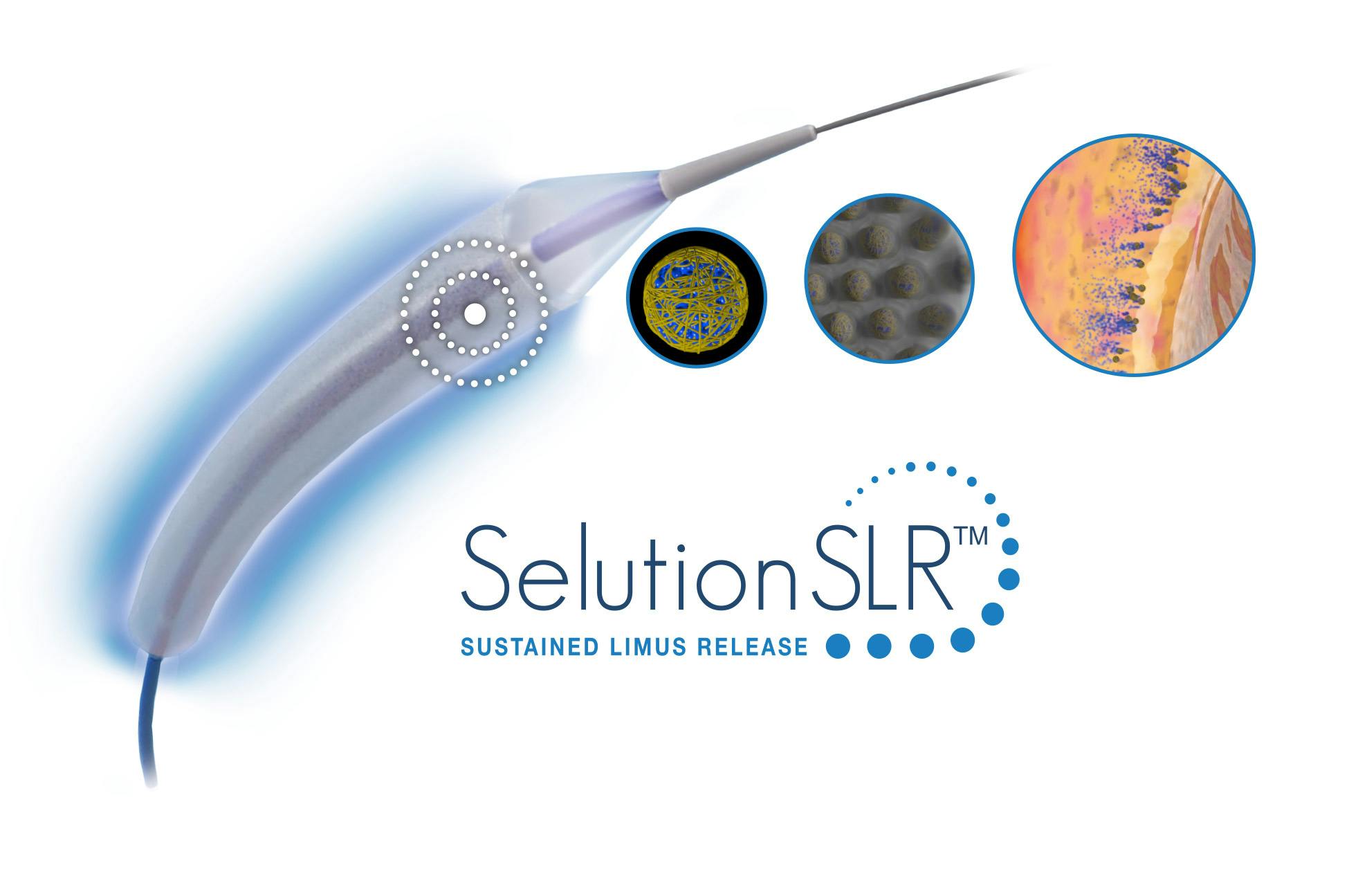 January 28, 2021—MedAlliance announced that 12-month results from the PRESTIGE below-the-knee (BTK) study were presented as a late-breaking trial at LINC 2021, the Leipzig Interventional Course held as a virtual event January 25-29. The study sought to evaluate the safety and performance of the Selution SLR, the company’s sirolimus-eluting balloon for the treatment of long tibial occlusive lesions (TASC C & D) in patients with critical limb ischemia.
According to the company, PRESTIGE is a prospective, single-center, physician-initiated clinical study conducted by Associate Professor Tze Tec Chong, MD, and Tjun Yip Tang, MD, who are Senior Consultants in the Department of Vascular Surgery at Singapore General Hospital in Singapore.
The study was composed of 25 patients with an average age of 64 years; 88% had diabetes mellitus and 44% had end-stage renal failure. No patients required bailout stenting. Clinical follow-up was at 1, 3, 6, and 12 months.
The investigators reported that the primary patency rate was 78%. The rate of wound healing was 81%. The rate of freedom from target lesion revascularization was 93% and amputation-free survival was 84%. These findings have been sustained from the 6-month data.
“We have observed minimal slow-flow phenomena and some cases of fast wound healing with Selution SLR,” commented Prof. Chong in MedAlliance’s press release. “It is also easy to track and deliver. We are looking forward to gaining further clinical experience with this device.”
In February 2020, MedAlliance announced European CE Mark approval for Selution SLR in the treatment of peripheral artery disease. In the United States, Selution SLR drug-eluting balloon has received FDA Breakthrough Device designation for the treatment of peripheral BTK lesions. The STEP Pedal Arch study and the SUCCESS PTA post-marketing clinical study in PAD will commence enrollment soon, advised MedAlliance.
Advertisement
Advertisement
