Advertisement
Advertisement
July 24, 2024
Imperative Care’s Pivotal Trial of Zoom Reperfusion System Presented
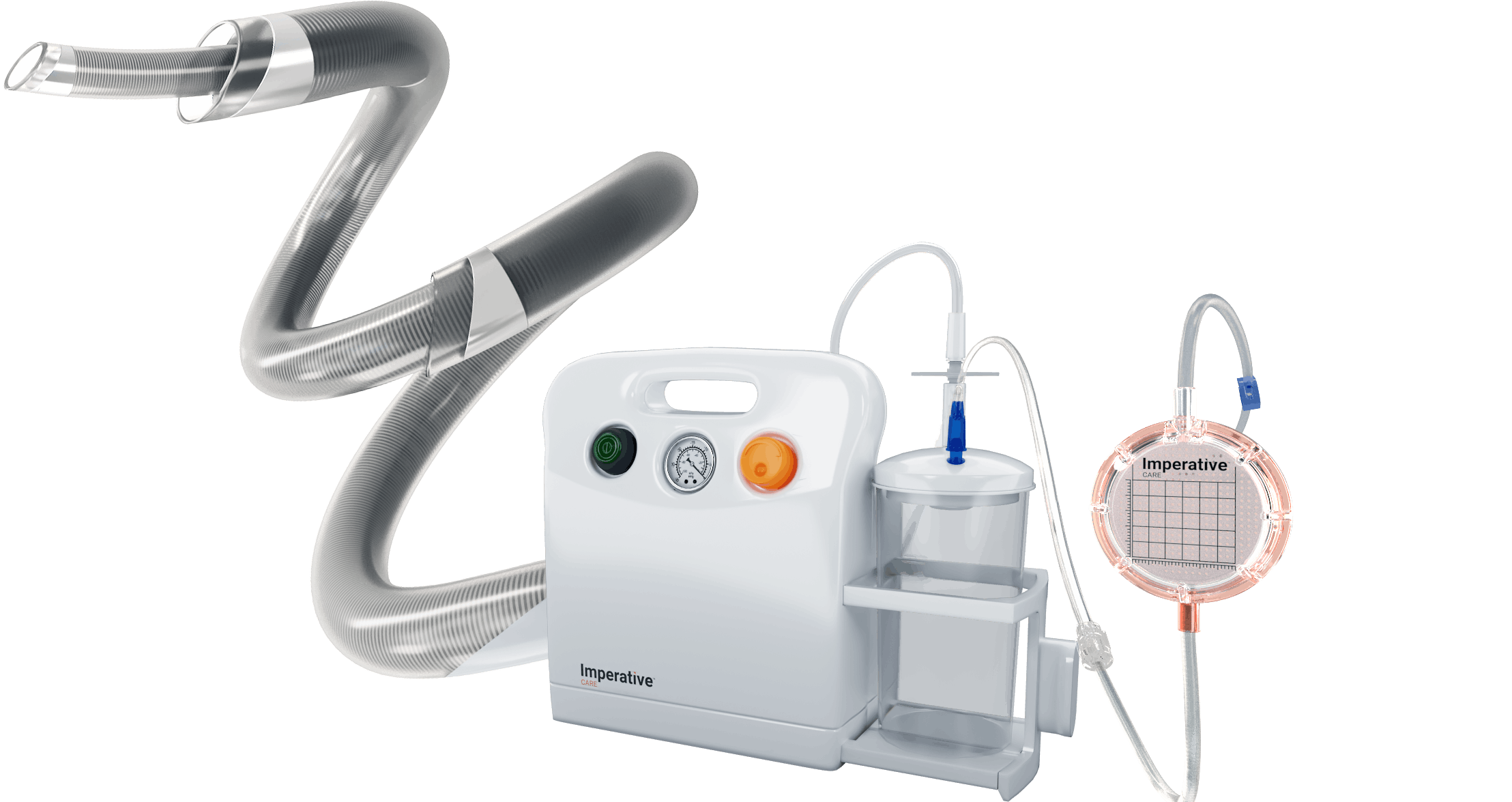 July 24, 2024—Imperative Care, Inc. announced the presentation of data from the pivotal Imperative trial. The prospective, multicenter clinical trial evaluated the clinical benefits of the company’s Zoom reperfusion system, including aspiration with 0.088-inch catheters, for the treatment of ischemic stroke.
According to the company, the study was composed of 260 patients who met inclusion and exclusion criteria and were treated at 26 centers in the United States from October 2021 to March 2024. There were 254 patients who completed follow-up at 90 days. The company noted that prespecified performance goals for the study were established in conjunction with the FDA.
William Mack, MD, coprincipal investigator of the Imperative trial, presented the findings at the Society of NeuroInterventional Surgery’s 21st annual meeting held July 22-26 in Colorado Springs, Colorado. Dr. Mack is Professor of Neurosurgery at the Keck School of Medicine, University of Southern California in Los Angeles, California.
As reported in Imperative Care’s press release, results from the trial demonstrated the core-lab–adjudicated rate of modified Treatment in Cerebral Infarction (mTICI) ≥2B reperfusion within ≤3 passes without the use of any additional thrombectomy devices as rescue therapy was achieved in 82.2% of patients (213/259).
The company noted this rate was similar to previous trials used to support 510(k) clearance for reperfusion indications—82.4% (1,832/2,246); also, stent retrieval rescue therapy achieved mTICI ≥2B reperfusion in only 5.5% of cases (13/238).
Additionally, the company summarized these findings:
- Median time from groin puncture to mTICI ≥2B reperfusion using the Zoom reperfusion system was 19 minutes.
- The core-lab adjudicated rate of symptomatic intracranial hemorrhage was 2.3% (6/260), lower than the rate of previous trials of 4.7% (116/1,777).
- The rate of independently adjudicated dissection and vessel perforation was 1.2% (3/260), similar to previous trials of 1.3% (14/933).
“The observed data showed all three prespecified performance goals were met,” commented Dr. Mack in the company’s press release. “These data suggest a lower rate of rescue therapy than prior thrombectomy trials and may demonstrate that intracranial positioning of a super-large bore catheter could influence or reduce the need for stent retrieval rescue therapy as well as decrease costs. Additionally, the very low rate of symptomatic intracranial hemorrhage coupled with high rates of reperfusion are promising. I look forward to the potential implications for my practice and the patients I treat.”
The company advised that the Zoom reperfusion system is an investigational device limited by Federal law to investigational use and that aspiration with Zoom 88 is not cleared.
Advertisement
Advertisement
