Advertisement
Advertisement
July 25, 2024
Recor Paradise uRDN System’s US GPS Postapproval Study Begins Enrollment
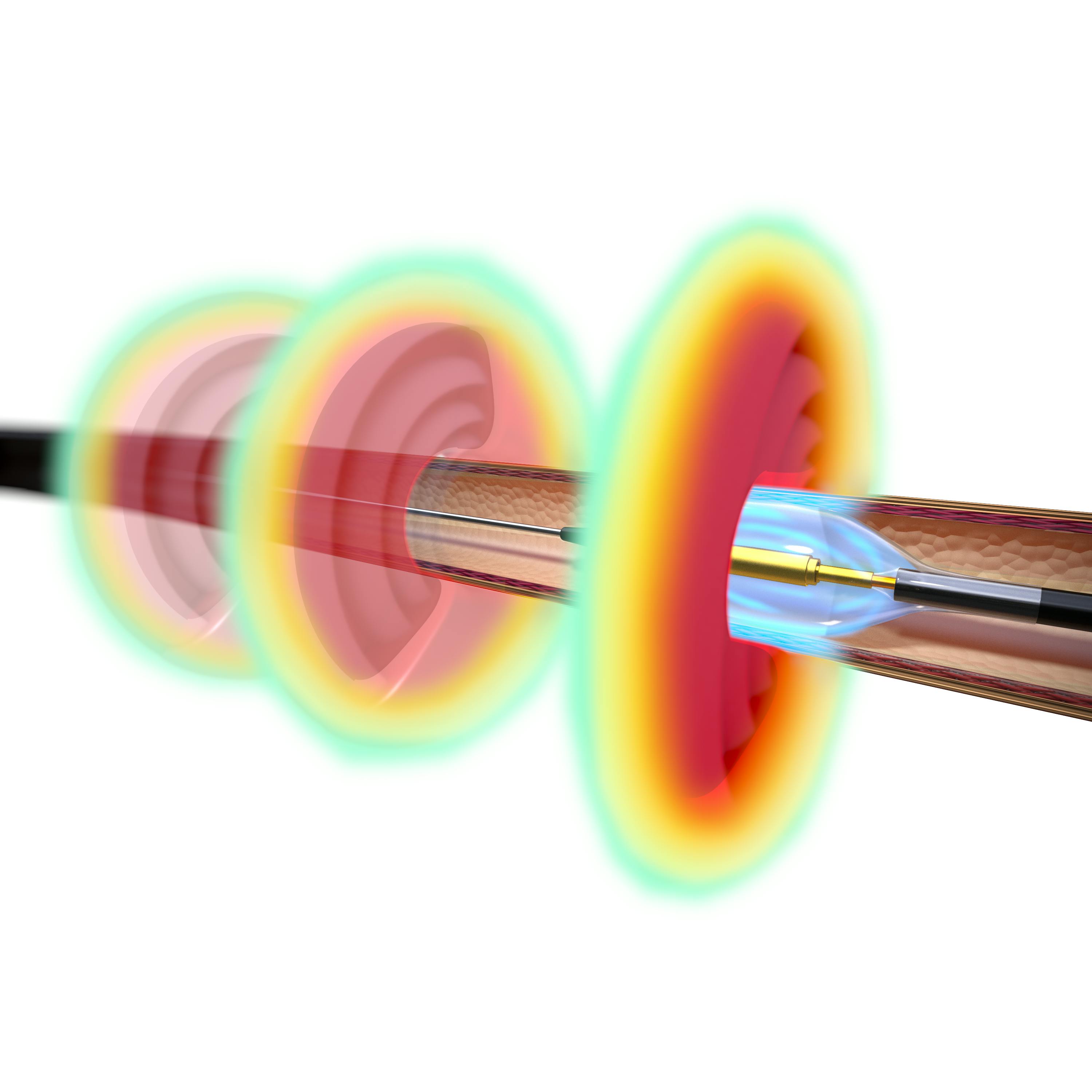 July 25, 2024—Recor Medical, Inc. and its parent company, Otsuka Medical Devices Co., Ltd. announced the first patients in the United States have been treated in Recor Medical’s US GPS study.
The US GPS study is gathering real-world data on the long-term safety and effectiveness of ultrasound renal denervation (uRDN) with the company’s Paradise system.
The study’s Principal Investigator is Naomi Fisher, MD, Associate Professor of Medicine, Harvard Medical School, and Director of Hypertension Service and Hypertension Innovation, Division of Endocrinology, Diabetes and Hypertension at Brigham and Women’s Hospital in Boston, Massachusetts.
The first site in the study to enroll and treat patients is Durham VA Medical Center in Durham, North Carolina, where Antonio “Tony” Gutierrez, MD, is the primary study investigator.
According to the company, the US GPS study will gather real-world safety and effectiveness data for 5 years from up to 1,000 patients treated with the Paradise uRDN system. The study will build upon the clinical data that led to FDA approval of Paradise, which Recor announced in November 2023.
Recor has also begun the GPS Registry in the European Union and the United Kingdom. The Paradise uRDN system has received CE Mark approval in Europe, where it was launched in 2021. It is an investigational device in Japan.
In the US GPS study, patients will be asked to measure their blood pressure throughout the study, including out of the clinic setting using a home monitoring device provided by the study. Additionally, patients will also be asked about their quality of life, health, sleep, and emotions. Additional demographic data, medical history, and socioeconomic data may also be collected.
Recor further stated that it is collaborating with the study centers to help advance diversity and health equity within clinical trials. US GPS will seek to enroll patients from historically underserved populations in clinical trials, including racially diverse groups, women, and the elderly, along with those with significant comorbidities like chronic kidney disease and diabetes.
“New therapies to lower blood pressure are desperately needed,” commented Dr. Fisher in Recor’s press release. “Following a rigorous set of randomized clinical trials, each one demonstrating that uRDN is a safe and effective treatment for hypertension, we enter the next stage with great excitement.”
Dr. Fisher continued, “These milestone treatments mark the beginning of a critical extension—using uRDN in the real world, focusing especially on patients who have been underrepresented in trials to date.”
Advertisement
Advertisement
