Advertisement
Advertisement
July 2016
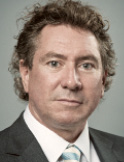
An Interview With Robert Morgan, MRCP, FRCR, EBIR
The Vice President of CIRSE discusses the upcoming conference, the Interdisciplinary Endovascular Aortic Symposium, and the European Board of Interventional Radiology qualification.
What brought you to the field of interventional radiology?
What brought me to the field was the opportunity to help patients by performing minimally invasive procedures. When I went into interventional radiology, the field was expanding in all directions, so the scope for developing and performing new procedures was immense.
Last year was the first Interdisciplinary Endovascular Aortic Symposium (IDEAS) at CIRSE, the Cardiovascular and Interventional Radiological Society of Europe annual scientific meeting. Can you share a bit about how IDEAS came to be?
The aim of IDEAS was to provide a forum for the presentation and discussion of topics with a focus on aortic disease. The thought was that this symposium would run concurrently with the remainder of the scientific program for the CIRSE congress. Thus, the symposium would be embedded in the overall CIRSE scientific program. However, IDEAS delegates would be able to focus on the aortic topics throughout the entire duration of the symposium.
The other primary aim of IDEAS was to attract physicians from other specialties such as vascular surgeons, angiologists, and cardiologists (in fact, any physician involved in the management of patients with aortic disease) to enable symposium discussions to be truly multidisciplinary. The IDEAS scientific program committee is composed of interventional radiologists, vascular surgeons, and cardiologists, and it was mandated to invite the best speakers from all specialties involved in aortic therapy.
With the second IDEAS coming up in September, what elements can the 2016 attendees look forward to? What do you anticipate being some of the most debated topics?
The IDEAS program will include a comprehensive array of special sessions, plenary sessions, roundtable discussions, and workshops featuring the hot topics of aortic endovascular therapy today. There will be a Hot Topic Symposium on the treatment of aortic emergencies, which will further explore the ramifications of the recent trials on endovascular aneurysm repair for ruptured aortic aneurysms. Expert roundtable discussion fora will focus on the management of uncomplicated acute type B dissection and the optimal treatment options for abdominal aortic aneurysms with challenging neck anatomy.
What innovation or trial results are you currently most interested to see in the aortic space?
Endovascular aortic aneurysm sealing using the Nellix device (Endologix, Inc.) is a relatively new and innovative way to treat abdominal aortic aneurysms. With accruing experience, outcomes data are emerging in a respectable number of patients. Whether this type of device will replace standard abdominal aortic endografts is a question that endovascular specialists are keen to know the answer to.
With the relatively slow uptake and limited availability of fenestrated and branched endografts to treat complex upper abdominal, thoracoabdominal, and aortic arch pathologies, interventionists have been turning increasingly to the adjunctive use of chimney grafts in combination with standard aortic endografts to treat patients with these challenging pathologies. Outcomes data in an increasing number of patients with these diverse pathologies are awaited to assess the true place of chimney endovascular aneurysm repair and chimney thoracic endovascular aneurysm repair in the armamentarium of aortic specialists.
You were a key figure in the establishment of the European Board of Interventional Radiology (EBIR). When and how was the need for this qualification identified, and what were the primary goals in its creation 5 years ago?
The drive for the creation of an examination in interventional radiology was the recognition that apart from a few countries in Europe, there was no standardized certification of knowledge or experience in interventional radiology. Therefore, the EBIR qualification was created with this aim in mind. The primary goal of the EBIR is to provide interventional radiologists with the EBIR certificate as a badge of quality, which they can use in their daily practice and can transfer from one job to another, including if they move between countries. Thus, holding the EBIR conveys to potential employers and colleagues that the EBIR holder has achieved a recognized standard of ability and knowledge in interventional radiology.
Given your involvement in IDEAS/CIRSE, lectures, publishing research, and your work at the St. George’s Vascular Institute, how do you approach balancing your varied commitments?
Juggling work commitments with research and overseas lecture commitments is an ongoing challenge. Unfortunately, time devoted to family and recreation inevitably often misses out. Working at achieving a satisfactory work/domestic life balance is the problem faced by all of us in this arena, and it is sometimes difficult to know where to strike the right balance.
What are your current research focuses?
My current research focuses are the management of complex aortic aneurysms and dissections by endovascular methods, including reinterventions for complications, the role of drug-eluting therapies for peripheral artery disease, and the investigation of new embolic agents to define their optimal role and place in embolotherapy.
Robert Morgan, MRCP, FRCR, EBIR
Vice President of CIRSE
Consultant Vascular and Interventional Radiologist
Honorary Senior Lecturer
St. George’s, University of London
Cranmer Terrace, London, UK
robert.morgan@stgeorges.nhs.uk
Disclosures: None.
Advertisement
Advertisement
Interested in reading more interviews?
To read more interviews with thought leaders in the vascular field, check out our Profiles & Perspectives hub.
Read More