Advertisement
Advertisement
July 2019
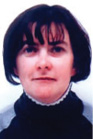
An Interview With Alison Halliday, MD
Prof. Halliday discusses the status of enrollment in the ACST-2 trial and its role in the carotid artery stenting trial landscape, guidelines for managing atherosclerotic carotid and vertebral artery disease, and more.
ACST-2 randomizes patients to either carotid artery stenting or carotid endarterectomy and follows the ACST-1 trial that compared carotid endarterectomy with medical management. How is ACST-2 proceeding, and when do you anticipate the next data update?
ACST-2 is going very well, with more than 3,350 patients currently randomized. We anticipate completing recruitment of more than 3,600 patients by early 2020 and reporting 5-year outcomes by September 2021.
How would you contextualize ACST-2 in the overall carotid artery stenting trial landscape?
ACST-2 is potentially the largest trial of carotid procedures in the world. It is noncommercial and collaborators can use their preferred choice of stents and cerebral protection devices—although all devices must have CE Mark approval. This enables us to broadly compare stenting techniques, as well as anesthetic, patching, and shunting practices used by our collaborators. Because the trial is so large, it will provide much of the evidence for planned future meta-analyses.
Outside of the trial setting, what are your own protocols for optimal medical therapy in patients with symptomatic and asymptomatic carotid stenosis both periprocedurally and during long-term follow-up?
We follow the guidelines published by the European Society for Vascular Surgery (ESVS),1 which include healthy diet, smoking cessation, physical activity, low-dose aspirin or clopidogrel (if aspirin intolerant), statin therapy, and blood pressure control as well as strict diabetes control. Additionally, in symptomatic patients, other antiplatelet regimens can be useful. If the patient is undergoing stenting, we utilize dual antiplatelet therapy.
What were the biggest changes enacted as set forth in the 2017 ESVS guidelines on the management of atherosclerotic carotid and vertebral artery disease?1 What are the most significant questions left unanswered and require further research?
A very large question! We discussed this in depth within the guidelines (see page 57), but the updates include lowering acceptable limits for perioperative complications because older trials are now outdated. Future research questions involve identifying factors for high risk in asymptomatic stroke patients and determining the contribution of carotid disease to dementia.
How would you briefly dichotomize the ideal applications of randomized controlled trials (RCTs) versus registries?
RCTs are often controlled to answer a single question, and the randomization process ensures that other patient characteristics are equal in the groups being studied. Registries, on the other hand, provide a picture of practice within a country or group of physicians. If registries are voluntary, they may well be biased; if compulsory, they can provide a fuller picture of practice. However, registries often don't have long-term follow-up unless it is mandated, such as in some device registries. Where durability of a procedure is under scrutiny, RCTs are likely to have long-term follow-up.
How has the global clinical trial landscape changed since you first began work as a trialist?
There is much more regulation! Trials are more expensive to run, so new methods of randomization can help reduce the difficulties of recruiting adequate numbers of patients. For example, in SWEDEPAD, the Swedish Vascular Registry includes all cases and offers an opportunity to randomize the use of drug-eluting versus plain angioplasty devices at the point of treatment.
What advice would you give to those entering the field of vascular surgery who wish to follow a similar career path as yours, which is split between clinical work and research investigation?
Enjoy it! It's very interesting, as well as being a great way to meet others and appreciate differences between different countries' practices. Certainly, clinical work can be enough to fill a busy life, but research provides a wonderful way to ask questions and involve others who agree that these questions are important. It can be difficult to have papers or grant applications rejected, but even more fulfilling when they eventually succeed and especially if the research question changes practice. Currently, academic career pathways are offered in the United Kingdom, but it is not essential to start so early if you find that research becomes an interest after training.
1. Naylor AR, Ricco JB, de Borst GJ, et al. Management of atherosclerotic carotid and vertebral artery disease: 2017 clinical practice guidelines of the European Society for Vascular Surgery (ESVS). Eur J Vasc Endovasc Surg. 2018;55:3-81.
Advertisement
Advertisement
Interested in reading more interviews?
To read more interviews with thought leaders in the vascular field, check out our Profiles & Perspectives hub.
Read More