Advertisement
Advertisement
October 2020
Sponsored by Adept Medical
Combating CLI: Optimizing the Interventional Suite for Procedural Ergonomics
Outlining Adept Medical’s process for identifying and solving ergonomic issues in the interventional suite.
Peripheral artery disease is on the rise, with > 200 million people worldwide affected as of 2018.1 The incidence of critical limb ischemia (CLI) is 500 to 1,000 patients per million in the Western world. The natural history of patients with CLI is poor (25% mortality and a 30% amputation rate at 1 year).2
IDENTIFYING THE NEED
The field of interventional radiology (IR) is rapidly evolving, and device development leads the way for what is possible. Observing procedures in Australia and New Zealand, it was evident that the ergonomic requirements for these procedures were not well addressed.
Interventional radiologists and their support teams performing these procedures have common complaints, including:
- Managing wires over a draped patient during an antegrade approach can be difficult when the surface is uneven and movement is unpredictable
- The alignment of the working surface with the femoral artery site is not ergonomic, which may cause wires to kink
- Leg movement during imaging causes motion artifact, especially when performing revascularization, and repeat imaging increases the radiation dose to the team and extends procedure time
- Draping over the patient can induce a claustrophobic sensation that can lead to restlessness
- Placement of procedural equipment away from the artery access site on a draped trolley leads to interruptions of workflow
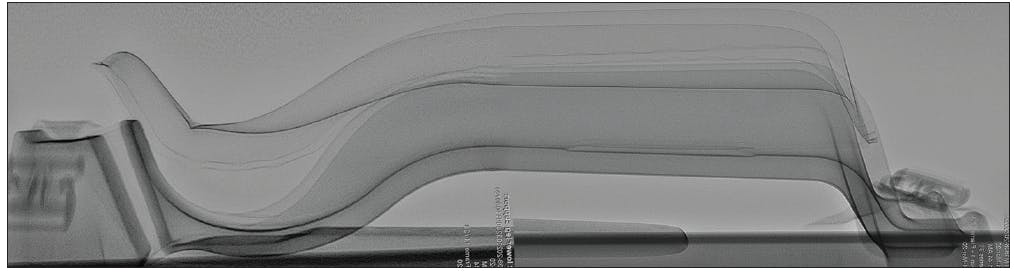
Figure 1. Lateral x-ray view of Lower Leg Support (Adept Medical).
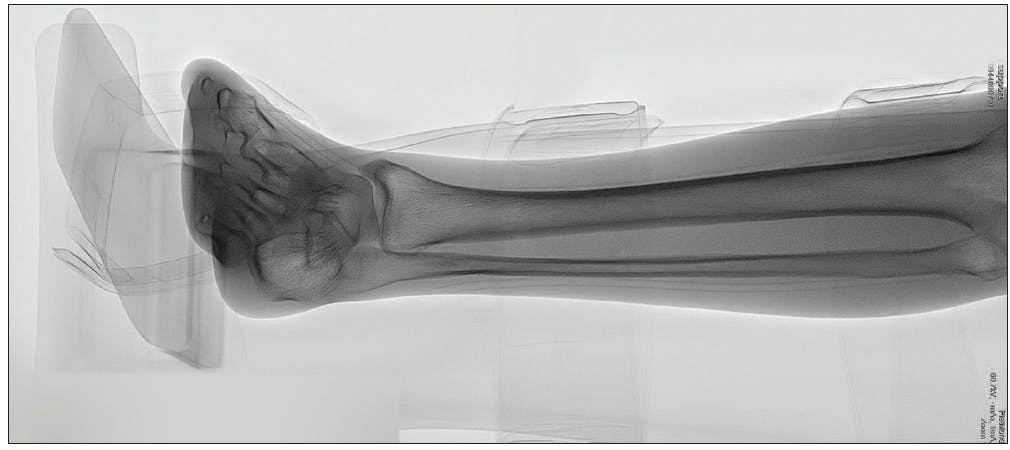
Figure 2. Anteroposterior x-ray view of Lower Leg Support and leg.
As designers of ergonomic patient supports, Adept Medical has spent the past few years learning more about these procedures and addressing the identified needs using a systemic development process.
THE PROCESS
Our process is the same for every patient and clinician support we develop:
- Perform clinical interviews
- Observe procedures firsthand
- Capture knowledge and review/refine as understanding increases
- Develop ideas using design software and three-dimensional printing, verify, then repeat
- Verify the final solution for robustness and radiolucency
- Validate the solution in a clinical setting with willing partners
- Input feedback into design, repeat verifications/validations, and perform risk management
- Transfer to production and launch the product
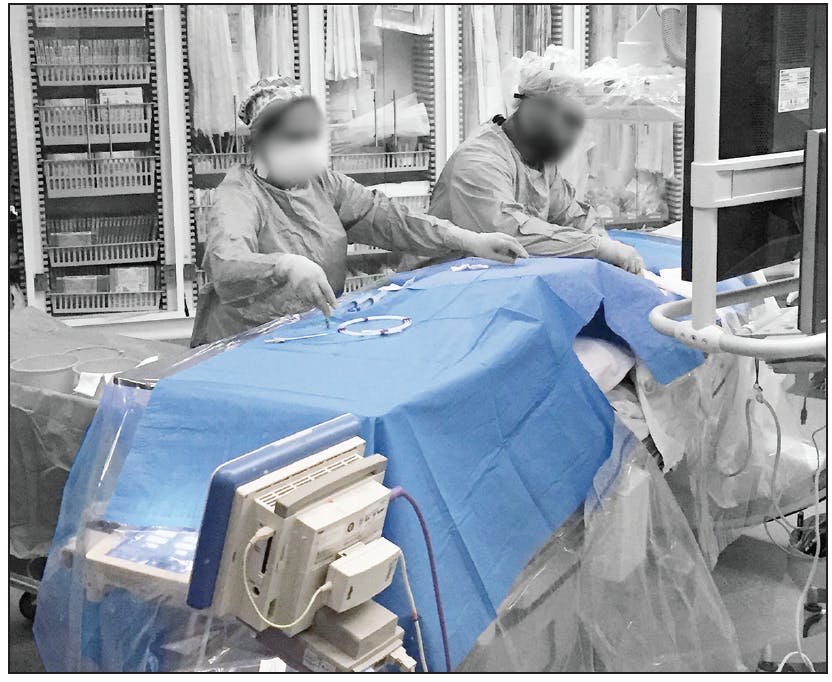
Figure 3. Antegrade IR Platform shown during a case.
With most of our products developed for the image-guided interventional field, there are key requirements that apply across the field:
- Have low aluminum equivalence to ensure radiolucency and reduced artifact
- Create the ability to immobilize safely
- Provide good operator ergonomics to reduce fatigue and repetitive strain
- Offer comfortable support to keep the patient calm and compliant
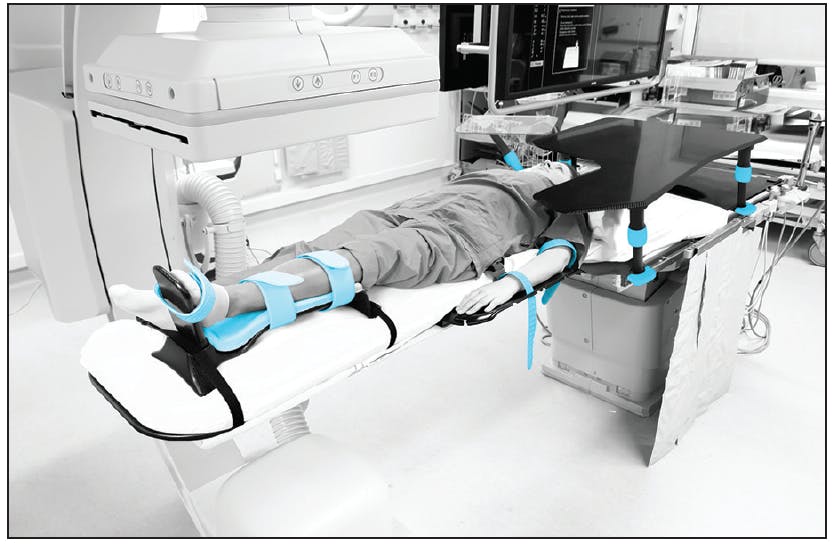
Figure 4. Antegrade approach product suite.
THE SOLUTION
Our development journey toward the ultimate suite of products for lower leg work involved an element of serendipity. We had previously released an ergonomic working platform for facilitating retrograde femoral artery access. Working with Marcus Mykytowycz, MD, Director of Medical Imaging at Western Health in Melbourne, Australia, we adapted it to his requirements for the antegrade femoral approach. His requirement for a substantial work surface above the patient’s head space that was level with the femoral artery site resonated with our learnings from the Retrograde IR Platform (Adept Medical) we had previously developed. The requirements were very similar:
- A stable flat working surface that was aligned with the femoral artery site
- A generous working area to allow the operator and support staff to work side by side
- Provide the patient with a comfortable space beneath the drape
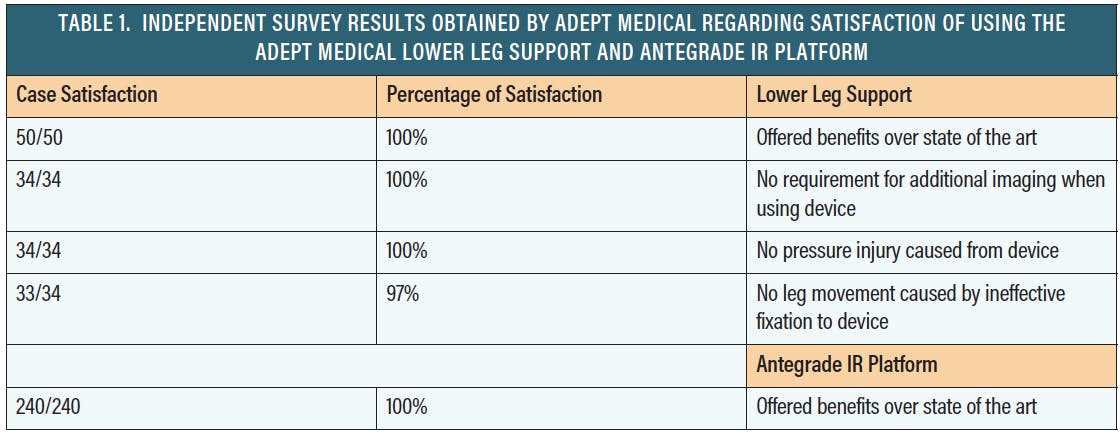
We provided Dr. Mykytowycz iterations of prototypes, each incorporating elements of the previous one, before widening our trial sites to others.
Industry collaboration with leading diagnostic imaging device suppliers led us to further evolve the requirements for a radiolucent solution for leg immobilization. This coincided aptly with upcoming perfusion software releases for measuring revascularization of the lower limb, which required a solution for immobilizing the leg comfortably and with a good level of radiolucency. Artifact from the support and limb movement inhibits the success of these procedures. There is often a sensation of pain from the release of intra-arterial iodinated contrast media, and the natural patient reaction is to move the lower limb. The Lower Leg Support is designed to address these problems by offering the following features:
- From the anteroposterior camera view through the support center, the aluminum equivalence is 0.9 mm, ensuring reduced artifact
- Pressure management of the lower limb with the viscoelastic memory foam pad and soft strapping
- Elevation of the leg and 20° of exorotation ensures reduced artifact from the opposing leg when viewed laterally
In addition to the working platform and leg support, Adept Medical already has a Drape Support available. This is used to improve the space beneath the drape over the patient’s head and ensure the operator does not contact the patient’s face during wire manipulation. This fits in perfectly on the far side of the patient table, working with the Antegrade IR Platform (Adept Medical) to manage the drape over the patient.
All our patient positioning equipment and operator supports are designed and manufactured at our site in New Zealand. Our capability for producing strong, light, radiolucent carbon fiber parts is the ideal material choice for these products.
When used together, the aforementioned products form a complete and effective ergonomic solution for treating CLI in the lower limb.
Visit www.adeptmedical.com to see our full range of products.
1. Shu J, Santulli G. Update on peripheral artery disease: epidemiology and evidence-based facts. Atherosclerosis. 2018;275:379-381. doi: 10.1016/j.atherosclerosis.2018.05.033
2. Misra S, Lookstein R, Rundback J, et al. Proceedings from the Society of Interventional Radiology research consensus panel on critical limb ischemia. J Vasc Interv Radiol. 2013;24:451-458. doi: 10.1016/j.jvir.2012.10.028
Advertisement
Advertisement