Advertisement
Advertisement
June 2021
Sponsored by Medtronic
Use of the Chameleon™ PTA Balloon Catheter in Hemodialysis Access Procedures
Experts describe their step-by-step approach to using the Chameleon™ PTA balloon catheter in four different clinical scenarios in hemodialysis access.
With Angela Kokkosis, MD; Rashid Sharaf, MD; Ari Kramer, MD; and Jeffrey Hoggard, MD
In the United States, there are approximately 750,00 prevalent cases of end-stage renal disease, approximately 63% of which require hemodialysis.1 Essential to the delivery of hemodialysis is a functioning vascular access. The Chameleon™ PTA balloon catheter (Medtronic) was uniquely designed to combine the functionality of a high-pressure percutaneous transluminal angioplasty (PTA) balloon and a diagnostic catheter, enabling proximal injection of diagnostic and therapeutic fluids (Figure 1). This article describes four scenarios in which the Chameleon™ PTA balloon catheter can be used: treatment of central venous and cephalic arch stenosis, balloon-assisted maturation, arteriovenous (AV) access thrombectomy, and fibrin sheath disruption.
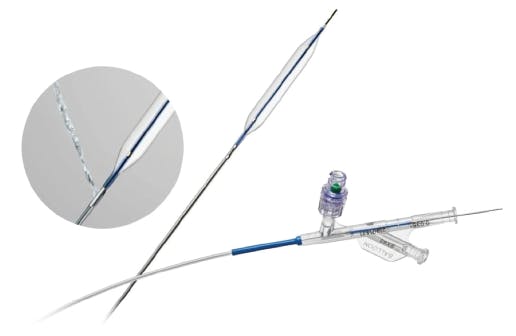
Figure 1. The Chameleon™ PTA balloon catheter.
1. United States Renal Data System. US Renal Data System 2019 Annual Data Report: Epidemiology of Kidney Disease in the United States. National Institutes of Health, National Institute of Diabetes and Digestive and Kidney Diseases; 2019. Accessed April 26, 2021. https://www.usrds.org/media/2371/2019-executive-summary.pdf
CENTRAL VEIN STENOSIS

Hemodialysis access patients can develop central venous stenosis or cephalic arch stenosis, which affects the outflow. In order to visualize these more central lesions then subsequently treat them, higher contrast volumes and multiple catheter exchanges are typically required. The Chameleon™ PTA balloon catheter allows for both angioplasty and imaging without extra contrast or catheter exchanges. Additionally, if there is no intent to place a stent, then sheathless access can be employed.1
TREATING CENTRAL VEIN STENOSIS WITH CHAMELEON™ PTA BALLOON CATHETER
First, ultrasound-guided micropuncture access is achieved. An initial fistulogram can be performed through the micropuncture sheath, which is helpful to determine the desired balloon size. After advancing the desired 0.035-inch working wire centrally, the micropuncture sheath is removed, and Chameleon™ PTA balloon catheter is advanced to the central lesion. Balloon angioplasty is performed. The device is then deflated and pulled back over the wire, from the lesion. Wire access is maintained. Completion contrast venography is performed through the injection side port of the Chameleon™ PTA balloon catheter to visualize the results. Figure 1 demonstrates the use of the Chameleon™ PTA balloon catheter to treat high-grade stenosis of the left innominate vein.
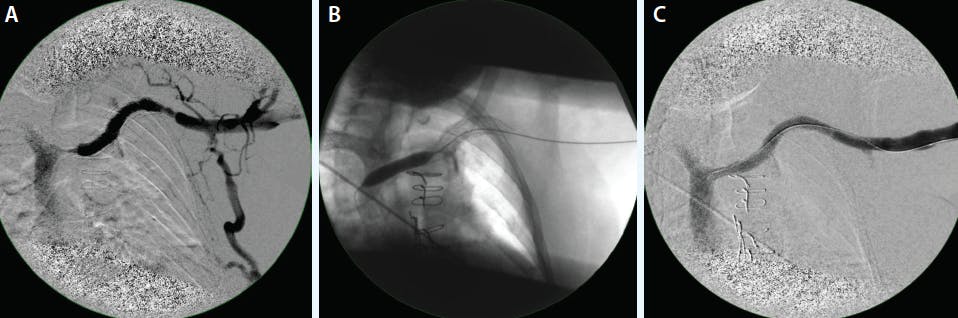
Figure 1. High-grade stenosis of the left innominate vein, with pronounced collateral vein filling (A). Balloon angioplasty of the left innominate vein with a 12- X 40-mm Chameleon™ PTA balloon catheter (B). The Chameleon™ PTA balloon catheter is pulled back to the axillary vein, and completion venography is performed to visualize the result. There is acceptable luminal gain of the left innominate vein, and filling of venous collaterals is no longer seen (C).
SUMMARY
The Chameleon™ PTA balloon catheter has been shown to decrease the necessary dose of contrast by 49.1%, reduce fluoroscopy time by 27.7%, and reduce procedural time by 34.2% in central venous and cephalic arch lesion treatment.2 If the procedure allows for sheathless access, then additional time and exchanges may be saved.1
1. Crawford J, Kokkosis A, Kim P, et al. Fistuloplasty using a radiation-and-time-saving sheathless balloon catheter. J Vasc Access. 2019;20:276-280. doi: 10.1177/1129729818804991
2. Crawford J, Gasparis A, Kim P, et al. Procedural comparison of a standard PTA balloon for fistula and graft maintenance procedures with the novel Chameleon PTA balloon catheter. J Vasc Access. Published online December 15, 2020. doi: 10.1177/1129729820979479
BALLOON-ASSISTED MATURATION

USING THE CHAMELEON™ PTA CATHETER FOR BALLOON-ASSISTED MATURATION
Percutaneous AV fistulas are created using one of two devices: Ellipsys™ (Medtronic) or the WavelinQ™ (BD Interventional). The fistulas created using these percutaneous devices require maturation procedures, which are performed by accessing either the radial or ulnar artery depending on what kind of a fistula. At the time fistula creation, the anastomosis is about 2- to 3-mm wide. When the Ellipsys™ device is used, angioplasty is performed at the time of creation with a 5-mm balloon. Patients are typically brought back in 3 to 4 weeks for balloon-assisted maturation using the radial artery as the primary access point. A wire is passed across the arterial anastomosis over which a 6-mm balloon is used to angioplasty the arterial anastomosis. Passing a 6-mm balloon from the radial artery requires placement of either 5- or 6-F sheath. In my practice, I avoid the use of a sheath, and most of my procedures are performed sheathless. I have found the Chameleon™ high-pressure PTA balloon to be extremely helpful for this particular purpose, in addition to the benefit of gaining precise imaging when and where I need it while utilizing the sheathless approach.1
PROCEDURAL APPROACH
First, the underlying stenosis or inadequate flow is addressed (Figure 1A). The radial artery is accessed under direct ultrasound guidance, and a 4-F catheter is placed. An angiogram and complete fistulogram are obtained, and a 0.035-inch hydrophilic wire is passed across the anastomosis into the fistula. Utilizing the sheathless technique, a 6- X 40-mm Chameleon™ PTA balloon catheter is placed over the wire and positioned at the proximal end across the anastomosis (Figure 1B). Then, angioplasty is performed with pressures as high as 25 atm (Figure 1C). Contrast is injected through the injection port in the balloon without having to remove the wire or move the balloon (Figure 1D), and once postangioplasty angiography has been performed, the balloon and wire are removed from the radial artery. Pressure is held at the arterial cannulation site for about 15 minutes. The patient can then be sent home with a pressure bandage that can be removed 4 hours later.
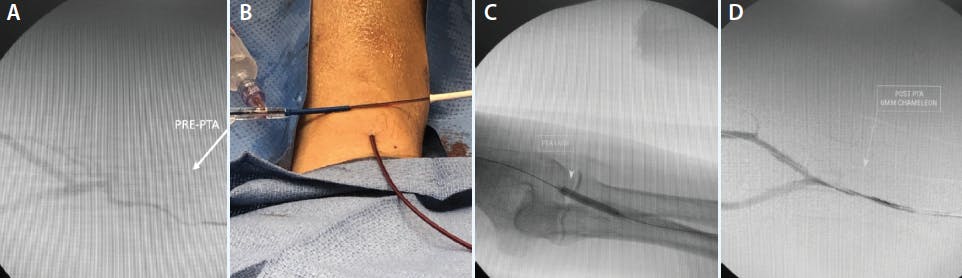
Figure 1. Angiogram to address underlying stenosis or inadequate flow (A). Access the radial artery utilizing the sheathless technique the Chameleon™ PTA balloon provides (B). Advance the 6- X 40-mm Chameleon™ PTA balloon over the wire and position the proximal end of the balloon across the anastomosis. Perform angioplasty with pressures as high as 25 atm. Any other area(s) identified that need further angioplasty can also be approached and angioplasty performed (C). Contrast is injected through the injection port of the balloon without having to remove wire or move the balloon. Adequate flow is restored, and both the balloon and wire are removed (D).
1. Crawford J, Kokkosis A, Kim P, et al. Fistuloplasty using a radiation-and-time-saving sheathless balloon catheter. J Vasc Access. 2019;20:276-280. doi: 10.1177/1129729818804991
AV ACCESS SALVAGE THROMBECTOMY

Hemodialysis access patients develop access flow disruptions related to stenosis or occlusion, which cause the circuit to function inefficiently and, when unattended, often leads to AV access circuit thrombosis. Classically, treatment is rendered with the intent to obviate thrombus and restore areas of flow-restrictive luminal narrowing while also providing restoration of adequate outflow and inflow. Standard techniques to achieve adequate thrombolysis often require more than a single device, and often a combination of devices work over proximal and distal support wires to achieve technical and clinical success. Hence, multiple catheter and device exchanges are commonplace.
USING THE CHAMELEON™ PTA CATHETER FOR AV ACCESS SALVAGE THROMBECTOMY
The Chameleon™ PTA balloon catheter allows for efficient salvage thrombectomy. With an integrated injection port and targeted exit port proximal to the working balloon, delivery of lytic solution and contrast agent allows combined pharmacologic therapy and diagnostic imaging to occur simultaneously with balloon maceration and angioplasty of relevant access stenosis with thrombectoctomy without extra contrast or catheter exchanges. Additionally, sheathless access can be employed based on operator preference, thus limiting interventional procedure and fluoroscopy time, contrast use, product use, and cannulation footprint.1,2
PROCEDURAL APPROACH
First, ultrasound-guided micropuncture access is achieved followed by a introducer sheath. An 0.035-inch support wire is advanced into the outflow venous system (a sheathless technique can also be used). After advancing the desired 0.035-inch working wire centrally, typically a 6- X 40-mm Chameleon™ PTA balloon catheter is advanced (balloon size can be adjusted based on ultrasound findings prior to balloon selection) to patent venous outflow, and contrast agent is injected to establish the level of outflow thrombosis.
Heparin (5,000 units) is administered via peripheral intravenous access. Delivery of 2.2 mg tissue plasminogen activator mixed with contrast is then injected through the side port of the balloon to initiate thrombolysis of initial clot burden. Then, a series of low-pressure balloon inflations (2-4 atm) are performed, directed toward the access outflow, and a propagating clot maceration technique is used in a central direction. Balloon angioplasty is performed for treatment of outflow or other related stenosis if encountered during treatment.
The device is deflated and pulled back over the wire, from the lesion. Wire access is maintained. Retrograde cannulation is then repeated for placement of a second sheath to address arterial inflow. The working wire is advanced into the arterial inflow, followed by 5.5-F Fogarty balloon catheter for retrieval of arterial plug. Finally, completion contrast venography is performed through the injection side port of the Chameleon™ PTA balloon catheter to visualize the results. Figure 1 illustrates these procedural steps to restore access circuit patency.
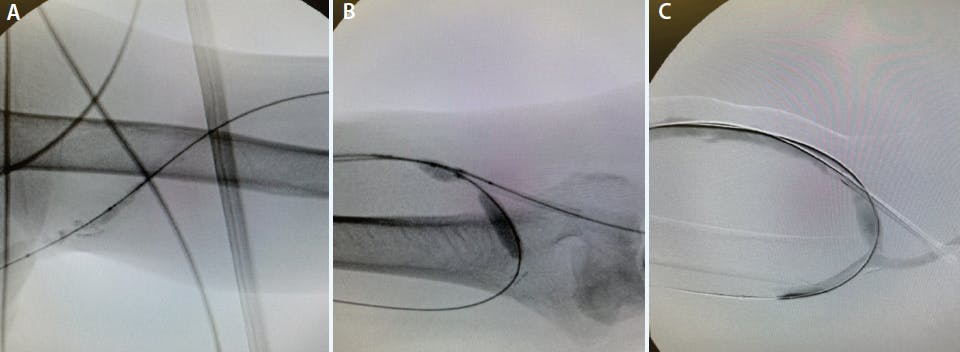
Figure 1. This patient had a thrombosed AV graft of the left brachial basilic vein. The angiogram depicts the venous anastomosis and thrombosis of the AV access circuit (A). Simultaneous treatment of cannulation zone stenosis and mechanical balloon thrombectomy using a 8- X 40-mm Chameleon™ PTA balloon (B). Contrast injection via the third port of the Chameleon™ PTA balloon demonstrates restoration of access circuit patency (C).
1. Crawford J, Kokkosis A, Kim P, et al. Fistuloplasty using a radiation-and-time-saving sheathless balloon catheter. J Vasc Access. 2019;20:276-280. doi: 10.1177/1129729818804991
2. Crawford J, Gasparis A, Kim P, et al. Procedural comparison of a standard PTA balloon for fistula and graft maintenance procedures with the novel Chameleon PTA balloon catheter. J Vasc Access. Published online December 15, 2020. doi: 10.1177/1129729820979479
FIBRIN SHEATH DISRUPTION

USE OF CHAMELEON™ PTA BALLOON CATHETER TO ASSIST WITH FIBRIN SHEATH DISRUPTION
The most common etiology of dialysis catheter dysfunction in patients referred to our access center is due to fibrin sheath. This is easily diagnosed by injecting contrast through the catheter once the catheter tip has been retracted back over a wire into the brachiocephalic vein or internal jugular vein. The outline of the fibrin sheath is readily visible. Removing this fibrin sheath is important to prevent the recurrence of catheter flow dysfunction in the new catheter. If the fibrin sheath is not disrupted, the flow in the new dialysis catheter may be impaired by the continued presence of the fibrin sheath.
My choice for fibrin sheath disruption procedures is a 12- X 40-mm Chameleon™ PTA balloon catheter.
PROCEDURAL APPROACH
First, the guidewire is inserted through one of the catheter lumens. Once the tunnel cuff is freed, the tip of the catheter is pulled back into the proximal brachiocephalic vein over the wire under fluoroscopic guidance. Contrast is injected through the other lumen to diagnose the presence of the fibrin sheath (Figure 1A).
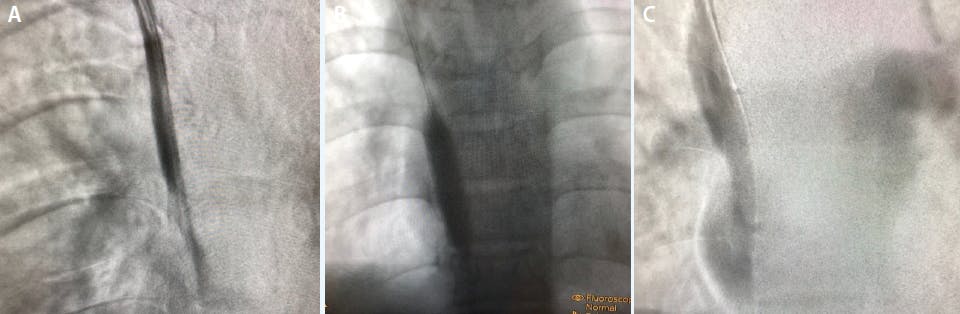
Figure 1. The fibrin sheath is identified via the lumen of the existing dialysis catheter (A). Angioplasty using a 12- X 40-mm Chameleon™ PTA balloon (B). Immediate postangioplasty imaging using the third port of the Chameleon™ PTA balloon catheter to confirm proper disruption (C).
The old catheter is then removed over the wire, and the Chameleon™ PTA balloon is inserted over the same wire. The balloon is positioned inside the fibrin sheath. Serial tangential angioplasty is performed to disrupt the length of the fibrin sheath (Figure 1B).
The proximal end of the 40-mm balloon is where the infusion port is located. The infusion port is positioned in the proximal brachiocephalic vein and contrast is injected via the unique infusion port incorporated into the Chameleon™ PTA balloon. This provides the ability to obtain postangioplasty imaging to document proper disruption/absence of the fibrin sheath (Figure 1C). Central venous stenosis that is diagnosed by this technique can also be treated in a similar fashion with the Chameleon™ PTA balloon.
The Chameleon™ PTA balloon is removed over the wire, and the new tunneled dialysis catheter is inserted over the wire, flushed, packed with heparin, and sutured in place.
SUMMARY
By eliminating the need to remove the guidewire to obtain postangioplasty imaging and not needing to replace and reposition the wire, the Chameleon™ PTA balloon reduces both procedural time and fluoroscopy dose.1
1. Crawford J, Gasparis A, Kim P, et al. Procedural comparison of a standard PTA balloon for fistula and graft maintenance procedures with the novel Chameleon PTA balloon catheter. J Vasc Access. Published online December 15, 2020. doi: 10.1177/1129729820979479
Indications for Use
The Chameleon™ PTA Catheter is indicated for use in Percutaneous Transluminal Angioplasty of the femoral, iliac, and renal arteries and for the treatment of obstructive lesions of native or synthetic arteriovenous dialysis fistulae. The Chameleon enables the infusion of diagnostic or therapeutic fluids. This catheter is not for use in coronary arteries or cerebral vasculature.
Contraindications
DO NOT use the Chameleon™ Device:
For coronary arteries nor for the delivery and/or expansion of stents.
In patients who cannot tolerate anticoagulation therapy.
Warnings
- Single patient use only. Do not re-use, re-process or re-sterilize.
- Use the recommended balloon inflation medium. DO NOT use air or any other gaseous medium (e.g. CO2) to inflate the balloon or for infusion through the catheter.
- When the catheter is exposed to the vascular system, it should be manipulated only while under high-quality fluoroscopic observation.
- DO NOT manipulate the catheter unless the balloon is fully deflated. Never advance / withdraw against any resistance. DO NOT use excessive force. If resistance is felt, determine the cause and take any necessary remedial action. Applying excessive force to the catheter may lead to tissue trauma and / or device damage.
- DO NOT exceed the RBP recommended on the product label. Balloon rupture may occur if the RBP rating is exceeded. To prevent over pressurization, use an inflation device with manometer.
Precautions
- Only physicians trained in the performance of PTA procedures should use the Chameleon™ device.
- The minimal acceptable sheath French size is printed on the product label. DO NOT attempt to pass the catheter through a sheath size smaller than that indicated on the product label.
- The recommended guide wire size is printed on the package label. DO NOT attempt to use the catheter without a guide wire or with a different size other than the one indicated on the label.
- If resistance is felt during post procedure withdrawal of the catheter, confirm that the balloon is fully deflated and only then remove the balloon catheter, the guide wire and the introducer sheath as a single unit.
Potential Adverse Reactions
- Complications from a peripheral balloon dilatation procedure may include:
- Aneurysm or pseudo-aneurysm.
- Arrhythmias.
- Embolization.
- Hematoma.
- Hemorrhage, including bleeding at the puncture site.
- Hypotension / hypertension.
- Occlusion.
- Pneumothorax or Hemothorax.
- Sepsis / infection.
- Short term hemodynamic deterioration.
- Stroke.
- Thrombosis.
- Vessel dissection, perforation, rupture or spasm.
© 2021 Medtronic. All rights reserved. Medtronic, Medtronic logo and Further, Together are trademarks of Medtronic. All other brands are trademarks of a Medtronic company. 05/2021 – US-RC-2100039
Advertisement
Advertisement