Advertisement
Advertisement
March 2021
Modern Complex Stent Graft Designs: A Closer Look
A closer look at the current status of complex stent designs for visceral incorporation.
ZFEN+ Upcoming Trial Design and Technique
By Gustavo S. Oderich, MD; Guilherme Baumgardt Barbosa Lima, MD; Andres Schanzer, MD; Cherrie Abraham, MD; Stéphan Haulon, MD, PhD; and Bijan Modarai, PhD, FRCS
Fenestrated and branched endovascular aortic repair (F/BEVAR) has become widely accepted as an alternative to open surgical repair for treatment of complex abdominal aortic aneurysms (AAAs). The latest European clinical practice guidelines recommend F/BEVAR as the first line of treatment in patients with suitable anatomy, independent of the clinical risk.1 The main advantages are decreased mortality and lower rates of complications, notably renal dysfunction and pulmonary and cardiac problems.2-9
The Zenith Fenestrated AAA Endovascular Graft (ZFEN; Cook Medical) is the only fenestrated stent graft available in the United States since its approval for commercial use in 2012. The 5-year results recently confirmed the safety and efficacy of the device for juxtarenal aortic aneurysms with minimum infrarenal sealing of 4 to 15 mm.10 The low rates of procedure-related mortality, aortic-related death, target vessel occlusion, type Ia endoleak, and dialysis through 5 years confirm the safety, efficacy, and durability of fenestrated repair utilizing the ZFEN device.10 Although this represented a major step forward, clinical application remains limited by several design constraints. The device is approved for a maximum of three fenestrations; however, large fenestrations lack nitinol ring reinforcement and may not be strut free and only single-wide scallops (10 mm wide) are available. It is estimated that two-thirds of complex AAAs are not covered by the ZFEN design (Figure 1).11,12
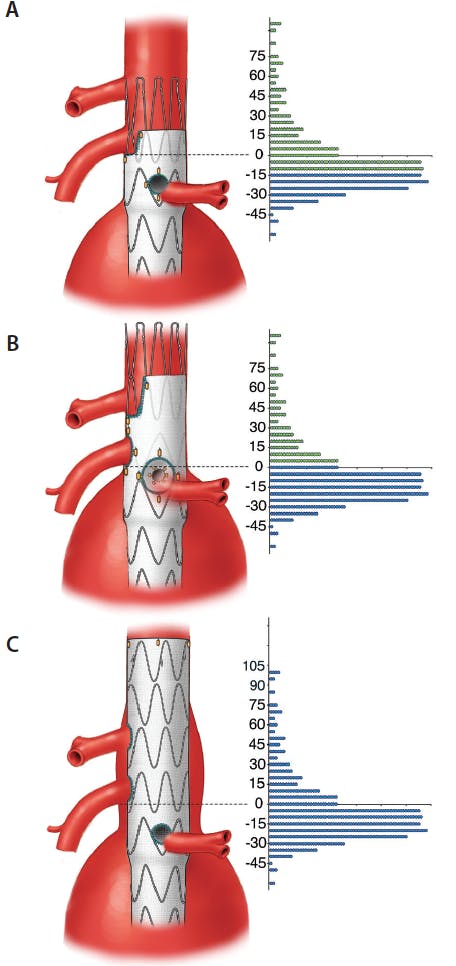
Figure 1. Estimated extent of sealing zone based on anatomic study by Mendes et al for Cook Zenith ZFEN (A), p-Branch (B) and ZFEN+ stent grafts (C). The dots indicate the start of aneurysm relative to the bottom of the SMA. The green dots indicate patients who are not suitable for the design, and the blue dots indicate those with adequate anatomy. Used with permission of McGovern Medical School at The University of Texas Health Science Center at Houston. All rights reserved.
The Zenith Fenestrated+ Endovascular Graft (ZFEN+; Cook Medical) is an investigational stent graft in preclinical phase that aims to address the clinical need for more proximal aortic coverage and seal in the supraceliac aorta (Figure 2). This new and more versatile device design concept seeks to expand the indications to pararenal and extent IV thoracoabdominal aortic aneurysms (TAAAs), which are currently not suitable to ZFEN. In addition to the expanded design including up to five small or large reinforced fenestrations, the device will utilize a lower-profile woven polyester fabric (in a 20-F introducer system) and the option for preloaded catheters to facilitate the procedure. These updates are largely based on extensive experience with patient-specific custom-made devices, which have been available in several countries and in select centers in the United States via physician-sponsored investigational device exemption (PS-IDE) protocols.13,14
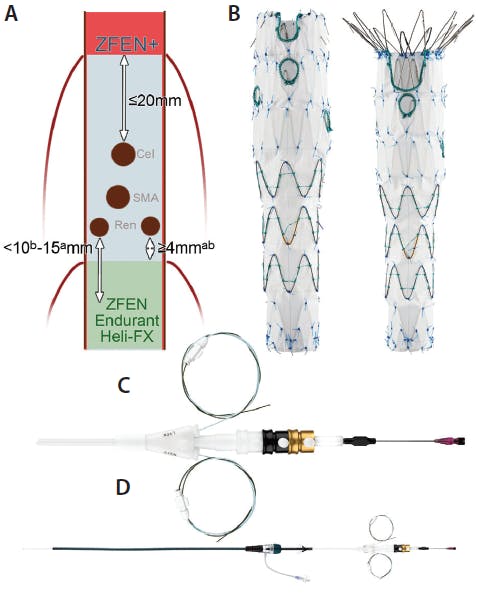
Figure 2. The Cook Zenith ZFEN+ stent graft will expand indications to aneurysms that start up to 2 cm above the CA (A). Stent designs will include up to five fenestrations or four fenestrations with double-wide scallops (B), with or without preloaded catheters (C) and 20-F delivery system (D). Used with permission of McGovern Medical School at The University of Texas Health Science Center at Houston. All rights reserved.
ANATOMIC CRITERIA AND DEVICE DESIGN
The ZFEN+ device will be investigated to expand the indications to aneurysms that extend up to 2 cm above the celiac axis (CA) (Figure 2). A maximum of up to five fenestrations or four fenestrations and one scallop will be allowed. Fenestrations will include small (6 X 6 mm) and large (8 X 8 mm) fenestrations, which will be reinforced and strut free. A maximum of one scallop with single- (10 X 10, 12 mm) or double-wide (20 X 12, 14, 16, 18, 20 mm) dimensions will also be available. The proximal fenestrated component has diameters ranging from 24 to 38 mm, with a covered or uncovered proximal fixation stent. The device allows distal tapering (if clinically indicated) to a diameter of 22 to 30 mm. Lengths from 103 to 227 mm will be available depending on diameter selection and whether the fixation stent is covered or uncovered. The device comes with the option to extend distally with a universal distal bifurcated device in combination with iliac leg grafts. Up to two optional preloaded catheters to facilitate cannulation of the renal arteries via the ipsilateral femoral approach will be available.
Target vessel stenting will be performed using the investigational BeGraft balloon-expandable FEVAR bridging stent graft system (BGUS; Bentley InnoMed). The BGUS stent is a cobalt-chromium stent covered on its abluminal side with expanded polytetrafluoroethylene. The stent is premounted on an over-the-wire balloon catheter compatible with 6- or 7-F sheaths and has diameters and lengths ranging from 5 to 10 mm and 22 to 37 mm, respectively.
PIVOTAL TRIAL
The ZFEN+ Pivotal Trial is a prospective, international, multicenter, nonrandomized clinical study in presubmission phase, pending IDE submission to and approval by the FDA. The study aims to include at least 102 patients in 30 clinical sites with follow-up of 5 years. The primary safety endpoint will be a composite of technical success and procedural safety within 30 days. The primary effectiveness endpoint will be a composite of freedom from aneurysm-related death and clinically significant secondary interventions at 12 months.
IMPLANTATION TECHNIQUE
Implantation of the ZFEN+ will be similar in principle to the technique herein described for F/BEVAR using a four-vessel patient-specific fenestrated stent graft with preloaded renal catheters during PS-IDEs. Variations in technique are operator dependent.
Patients are positioned supine with both arms tucked or raised above the head to optimize imaging from lateral and oblique views. The chest, axilla, upper arm, abdomen, and both thighs are prepared and draped in the usual sterile fashion. Percutaneous femoral access is used unless there is high bifurcation, dense calcification, or anterior plaque. The initial access is established using ultrasound guidance with micropuncture set, which is exchanged for a 0.035-inch Bentson wire (Boston Scientific Corporation) and a 6-F sheath. Each femoral puncture is preclosed with standard double Perclose ProGlide closure devices (Abbott). Once preclosure is completed, an 8-F sheath is advanced to the external iliac arteries and the patient is systemically heparinized (100 units/kg).
The choice of access site depends on vessel tortuosity and diameter. Provided there are no access issues, most right-handed operators prefer to introduce the fenestrated component with the preloaded renal catheters via the right femoral approach and use the left contralateral femoral approach for catheterization of the CA and superior mesenteric artery (SMA) fenestrations.
Initial precatheterization of one renal artery is optional and may be done using a 7-F left interior mammary artery guide catheter and 4-F Berenstein catheter (Merit Medical) to calibrate the onlay fusion CT (Figure 3A). Once the fusion is calibrated, the fenestrated stent graft is oriented extracorporeally, introduced via the right femoral approach, and deployed with optimal apposition between the fenestrations and the target vessels (Figure 3B). Proper orientation of the device using the anterior and posterior markers is important prior to deployment. The diameter-reducing wire is maintained to allow some rotational and cranial-caudal movement of the main stent graft during alignment. After deployment of the fenestrated component (Figure 3C), 0.035-inch Amplatz Super Stiff wires (Boston Scientific Corporation) are advanced via both preloaded indwelling catheters (Figure 3D), which are removed and exchanged for adequately long (eg, 90 or 110 cm) 6-F Flexor Shuttle sheaths (Cook Medical). Each sheath is advanced through the renal fenestration and secured with a 0.018-inch “buddy wire” to replace the Amplatz wire. The renal arteries are sequentially catheterized (Figure 3E) using catheter and soft-angled Glidewires (Terumo Interventional Systems), which are exchanged for 0.035-inch Rosen wires (Boston Scientific Corporation). At this stage, it is recommended to access each renal artery and advance the 6-F Shuttle sheaths and the bridging stents after removal of the buddy wires. The fenestrated component is catheterized via the contralateral femoral approach and a 16-F sheath is advanced inside the fenestrated component. The CA and SMA fenestrations are catheterized, and 6- or 7-F hydrophilic sheaths with flexible dilators are advanced into the vessels over Rosen wires. It is recommended to position the covered bridging stents for deployment.
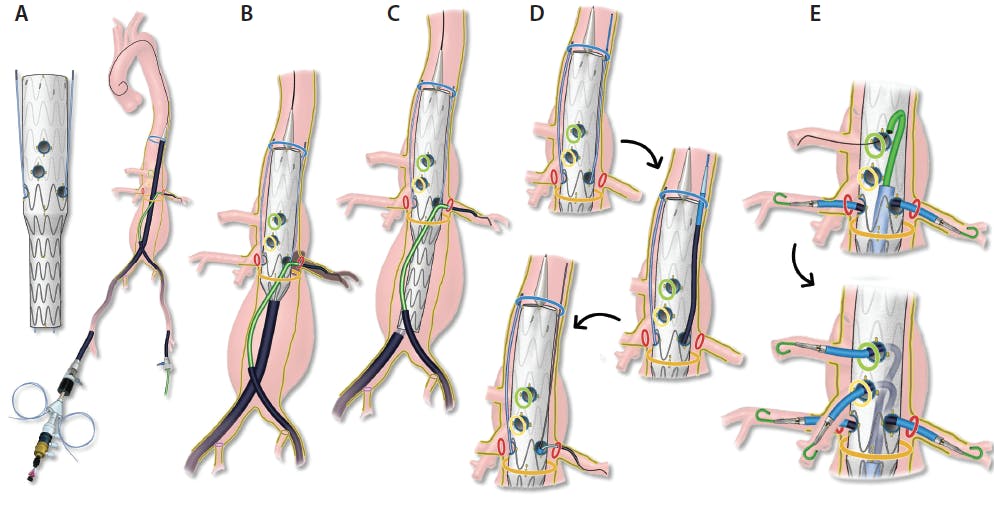
Figure 3. Technique of four-vessel fenestrated repair using a patient-specific four-vessel fenestrated stent graft with preloaded renal catheters (A-E). Used with permission of McGovern Medical School at The University of Texas Health Science Center at Houston. All rights reserved.
The diameter-reducing tie is removed (Figure 4A). The tip of the fenestrated delivery system is partially withdrawn and positioned below the renal arteries. Prior to deployment of each bridging stent, the position of the stent is confirmed by hand injection. The renal bridging stents are sequentially deployed 3 to 5 mm into the aorta and flared using an angioplasty balloon (eg, 10 mm X 2 cm). The proximal aortic sealing stents above the renal arteries may be dilated using a Coda balloon (Cook Medical), which is introduced via the right femoral approach (Figure 4B). The CA and SMA covered stents are then sequentially deployed and flared with angioplasty balloons (Figure 4C). The bifurcated universal device is introduced via the right femoral approach and deployed with a minimum of three-stent overlap with the fenestrated component (Figure 4D). The tip of the dilator of the bifurcated universal device for ZFEN+ has been shortened to minimize risk of compression of the side stents. The contralateral gate is catheterized and the repair is extended into the contralateral iliac artery using limb extension (Figure 4E). Similarly, the remaining stents on the ipsilateral side are unsheathed and the repair is extended into the ipsilateral iliac artery using limb extension. Completion two-dimensional or rotational digital subtraction angiography and cone-beam CT with and without contrast are performed.
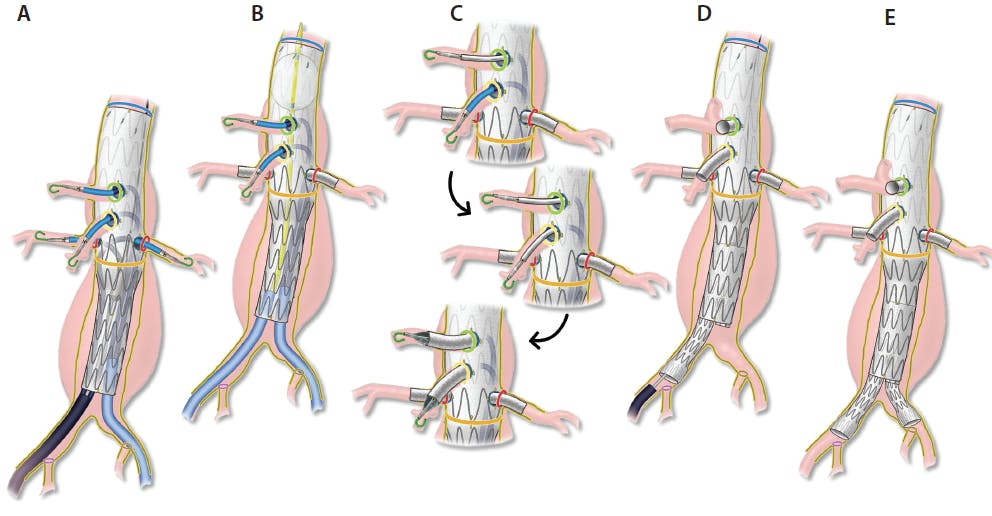
Figure 4. Technique of four-vessel fenestrated repair using a patient-specific four-vessel fenestrated stent graft with preloaded renal catheters (A-E). Used with permission of McGovern Medical School at The University of Texas Health Science Center at Houston. All rights reserved.
FUTURE PERSPECTIVES
Clinical data in large centers have shown safety with more than three-vessel fenestrated repair using supraceliac sealing zones.6,15,16 Mortality and risk of major morbidity is similar to what has been reported for one- to two-vessel fenestrated repair. The supraceliac aorta provides a more stable sealing zone and allows expansion of F/BEVAR indications to most patients with complex AAAs.
1. Wanhainen A, Verzini F, Van Herzeele I, et al. Editor’s choice - European Society for Vascular Surgery (ESVS) 2019 clinical practice guidelines on the management of abdominal aorto-iliac artery aneurysms. Eur J Vasc Endovasc Surg. 2019;57:8-93. doi: 10.1016/j.ejvs.2018.09.020
2. Rocha RV, Lindsay TF, Friedrich JO, et al. Systematic review of contemporary outcomes of endovascular and open thoracoabdominal aortic aneurysm repair. J Vasc Surg. 2020;71:1396-1412.e12. doi: 10.1016/j.jvs.2019.06.216
3. Locham S, Dakour-Aridi H, Nejim B, et al. Outcomes and cost of open versus endovascular repair of intact thoracoabdominal aortic aneurysm. J Vasc Surg. 2018;68:948-955.e1. doi: 10.1016/j.jvs.2018.01.053
4. Geisbüsch S, Kuehnl A, Salvermoser M, et al. Editor’s choice–hospital incidence, treatment, and in hospital mortality following open and endovascular surgery for thoraco-abdominal aortic aneurysms in Germany from 2005 to 2014: secondary data analysis of the nationwide German DRG microdata. Eur J Vasc Endovasc Surg. 2019;57:488-498. doi: 10.1016/j.ejvs.2018.10.030
5. Eagleton MJ, Follansbee M, Wolski K, et al. Fenestrated and branched endovascular aneurysm repair outcomes for type II and III thoracoabdominal aortic aneurysms. J Vasc Surg. 2016;63:930-942. doi: 10.1016/j.jvs.2015.10.095
6. Oderich GS, Ribeiro M, de Souza LR, et al. Endovascular repair of thoracoabdominal aortic aneurysms using fenestrated and branched endografts. J Thorac Cardiovasc Surg. 2017;153:S32-S41.e7. doi: 10.1016/j.jtcvs.2016.10.008
7. Spanos K, Kölbel T, Kubitz JC, et al. Risk of spinal cord ischemia after fenestrated or branched endovascular repair of complex aortic aneurysms. J Vasc Surg. 2019;69:357-66. doi: 10.1016/j.jvs.2018.05.216
8. Schanzer A, Beck AW, Eagleton M, et al. Results of fenestrated and branched endovascular aortic aneurysm repair after failed infrarenal endovascular aortic aneurysm repair. J Vasc Surg. 2020;72:849-858. doi: 10.1016/j.jvs.2019.11.026
9. Katsargyris A, Oikonomou K, Kouvelos G, et al. Spinal cord ischemia after endovascular repair of thoracoabdominal aortic aneurysms with fenestrated and branched stent grafts. J Vasc Surg. 2015;62:1450-1456. doi: 10.1016/j.jvs.2015.07.066
10. Oderich GS, Farber MA, Schneider D, et al. Final 5-year results of the United States Zenith Fenestrated prospective multicenter study for juxtarenal abdominal aortic aneurysms. J Vasc Surg. Published online September 3, 2020. doi: 10.1016/j.jvs.2020.08.128
11. Mendes BC, Rathore A, Ribeiro MS, Oderich GS. Off-the-shelf fenestrated and branched stent graft designs for abdominal aortic aneurysm repair. Semin Vasc Surg. 2016;29:74-83. doi: 10.1053/j.semvascsurg.2016.06.005
12. Mendes BC, Oderich GS, Macedo TA, et al. Anatomic feasibility of off-the-shelf fenestrated stent grafts to treat juxtarenal and pararenal abdominal aortic aneurysms. J Vasc Surg. 2014;60:839-848. doi: 10.1016/j.jvs.2014.04.038
13. Tenorio ER, Oderich GS, Farber MA, et al. Outcomes of endovascular repair of chronic postdissection compared with degenerative thoracoabdominal aortic aneurysms using fenestrated-branched stent grafts. J Vasc Surg. 2020;72:822-836.e9. doi: 10.1016/j.jvs.2019.10.091
14. Aucoin VJ, Eagleton MJ, Farber MA, et al. Spinal cord protection practices used during endovascular repair of complex aortic aneurysms by the U.S. aortic research consortium. J Vasc Surg. 2021;73:323-330. doi: 10.1016/j.jvs.2020.07.107
15. Katsargyris A, Oikonomou K, Kouvelos G, et al. Comparison of outcomes for double fenestrated endovascular aneurysm repair versus triple or quadruple fenestrated endovascular aneurysm repair in the treatment of complex abdominal aortic aneurysms. J Vasc Surg. 2017;66:29-36. doi: 10.1016/j.jvs.2016.11.043
16. Simons JP, Podder S, Dossabhoy SS, et al. Fenestrated/branched endovascular aortic aneurysm repair using a supraceliac aortic proximal seal zone versus an infraceliac aortic proximal seal zone. Ann Vasc Surg. 2020;62:213-222. doi: 10.1016/j.avsg.2019.04.051
The Current Role of Inner Branches During Complex Endovascular Aortic Repair
By Marcelo Ferreira, MD; Matheus Mannarino, MD; Luis Fernando Capotorto, MD; Diego Ferreira, MD; and Rodrigo Cunha, MD
During the last 2 decades, endovascular repair of complex aortic aneurysms has become widely accepted as a less invasive approach associated with lower morbidity and mortality in many centers.1-3 Increasing experience in fenestrated and branched endovascular aneurysm repair (F/BEVAR) has led to the development of new endograft designs, technologies, and novel techniques. Traditional configurations to incorporate visceral vessels include fenestrations and directional branches (DBs). As technology has evolved, inner branches (IBs) in aortic arch and thoracoabdominal aneurysm (TAAA) repair have become more frequently used, as they increase anatomic suitability in complex cases.4-6
Traditionally, fenestrations are selected for visceral vessels that originate from narrow aortic segments and are transversely or upward oriented and require less coverage of the thoracic aorta compared to an endograft based in DBs. DBs are preferentially selected when visceral vessels originate from larger and aneurysmal aortic diameters and have downward oriented target vessels, which is the usual configuration in extensive TAAA. Compared to fenestrations, they have the advantage of easier implantation, better alignment with longitudinally oriented vessels, and less critical positioning of the branch with regard to the target visceral vessel.7 Currently, for patients at good surgical risk and long life expectancy associated with a juxtarenal or pararenal aneurysm or prior failed infrarenal aortic repair, we extend the repair to a supraceliac seal zone due to the risk of long-term progression of aortic disease. One of our favorite configurations of a custom-made device (CMD) to treat these patients consists of two precatheterized inner branches for the renal arteries and two fenestrations (Figure 1) for both the celiac trunk (CT) and superior mesenteric artery (SMA). This design has the advantage of the ability to be delivered in narrow aortic segments, which is commonly the anatomy in a juxtarenal aneurysm or prior failed infrarenal device, while having greater flexibility during deployment and renal incorporation, as they do not need to be accurately delivered in front of target vessels, allowing a short coverage of the thoracic descending aorta and both the CT and SMA can be easily done by superior access. In addition, IBs allow longer overlaps with bridging stents compared to fenestrations and their diamond-shape outer opening (Figure 2) of IBs facilitates catheter and wire support, making renal artery catheterization easier, simpler, and in the majority of cases, possible at the first attempt (see video). The IBs can also be customized for incorporation of the CT and SMA, with the advantage of less proximal aortic coverage compared to DBs and greater versatility compared to fenestrations. We recommend, whenever possible, to use custom precatheterized IBs when treating the thoracoabdominal aorta to facilitate the procedure, because catheterization of IBs can sometimes be tedious and more difficult compared to DBs.
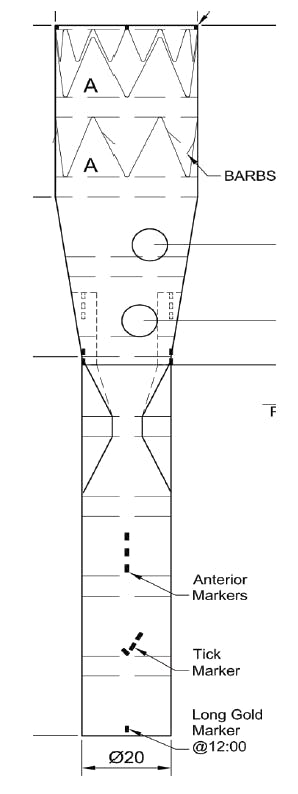
Figure 1. CMD from Cook Medical with two precatheterized IBs for the renal arteries and two fenestrations for both the SMA and CT. Currently, it is our preferred design to treat type Ia endoleaks of prior infrarenal devices and pararenal and paravisceral aortic aneurysms.
Courtesy of Cook Medical.
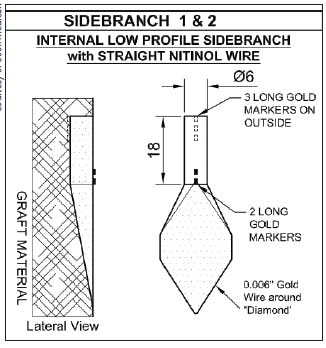
Figure 2. The external diamond shape of the IBs makes target vessel catheterization a straightforward step of the procedure.
Courtesy of Cook Medical.
Video 1. Left renal artery angiography through the inner branch. The external diamond shape of the inner branch provides easier catheterization of the target vessel. We demonstrate the instant left renal artery catheterization, even without a catheter support.
In the aortic arch segment, endovascular treatment has been used to treat arch aneurysms and dissections in patients unfit for open surgery, as this approach avoids the need for cardiopulmonary bypass with deep hypothermic circulatory arrest. Recent studies have shown that aortic arch endovascular treatment is feasible with good surgical outcomes and have an import role as they represent a less invasive alternative to treat arch pathologies.5,6
The current designs are customized with two or three IBs, depending on whether one plans to revascularize the left subclavian artery (LSA) via an endovascular approach. There is a trend toward the use of three IBs, with two anterograde IBs for the innominate artery (IA) and left carotid common artery (LCCA) and one retrograde IB (usually precatheterized) for the LSA.8,9 This avoids the need for an open surgical revascularization of the LSA, obviating another operation and the risk of injury to surrounding lymphatics and nerves that may come along with the dissection. Additionally, incorporation of the LSA with precatheterized retrograde IB is usually a straightforward step of the procedure. The LSA preloaded system can be accessed from a femoral access, and the vessel catheterization is facilitated by the outer diamond shape of the IB, resulting in instant catheterization of this target vessel.
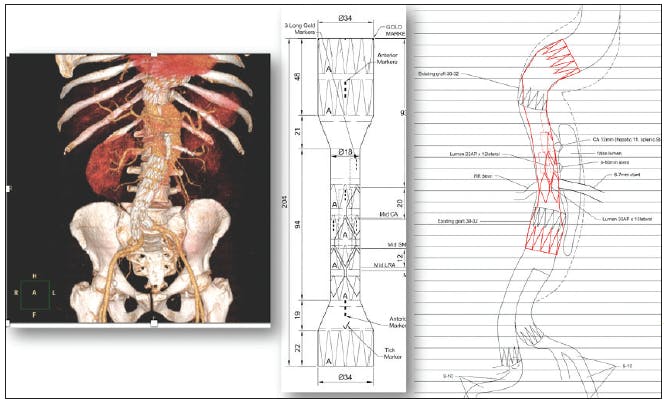
Figure 3. Patient with a complex late type B dissection with small true lumen and multiple previous procedures. The patient had a prior infrarenal and thoracic device, SMA with a covered stent and the LRA with a covered stent throughout the dissection flap connecting with the true lumen. We ordered a CMD with four precatheterized IBs (Cook Medical) for all four target vessels.
Schematics courtesy of Cook Medical.
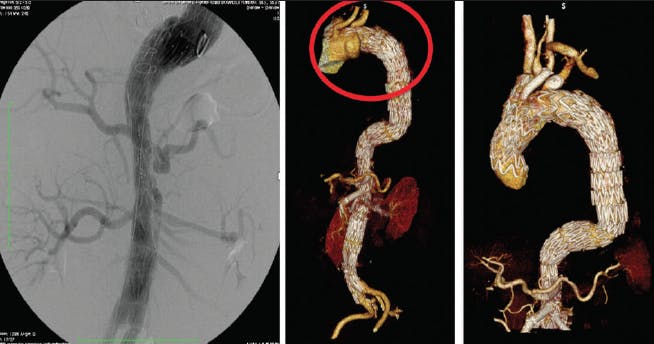
Figure 4. Final angiogram after deployment of the CMD with four IBs and visceral incorporation (A). Five-year CTA control with patency of all four visceral vessels. This patient developed an aortic arch aneurysm (red circle), which we treated with an aortic arch CMD (Cook Medical) with two IBs for both the IA and LCCA and a LCCA-LSA bypass (B). Nine-year CTA control after the thoracoabdominal repair showing patency of all six IBs, demonstrating the durability of this configuration (C).
In our practice, the incorporation of the IA and LCCA are performed via two small common carotid arteries cutdowns after clamping, and the respective anterograde IBs are catheterized from superior approach. This allows a direct and straightforward access to the IBs and simpler delivery of the bridging stents. However, one of the great concerns of this procedure is the risk of perioperative stroke. Temporary coverage of supra-aortic trunks during the procedure, along with arch manipulation and air emboli are contributing risk factors. Increasing experience may result in an overall improvement of this major adverse event. Of note, it is crucial to remember that cerebral infarction and stroke is also a major complication of open surgery.10
When treating thoracoabdominal aorta, the use of IBs provides another alternative to complement DBs and fenestrations. In the aortic arch is currently the preferred configuration and has become the basis of the development of new-generation devices. It has the advantage of greater flexibility during deployment compared to devices with fenestrations. This is a critical point because the high pressure and pulsatility at the arch creates a tendency toward endograft dislodgment and makes the accurate deployment of the fenestrations in front of supra-aortic vessel origins challenging. In patients with aneurysms involving the greater part of the arch in which the graft may not have sufficient apposition to the aortic wall, IBs are more suitable.
In our perspective, the use of IBs increases the applicability of F/BEVAR in more complex aortic anatomies, due to the devices’ specific advantages over the DBs and fenestrations as previously described, and has an important role in endovascular aortic repair. Currently, IBs are only available for CMDs, but increasing experience may lead to the development of new off-the-shelf designs with IBs and complement aortic pathologies treatment whenever current off-the-shelf devices are not anatomically suitable.
1. Oderich GS, Farber MA, Schneider D, et al. Final 5-year results of the United States Zenith Fenestrated prospective multicenter study for juxtarenal abdominal aortic aneurysms. J Vasc Surg. 2020;S0741-5214:32014-0. doi: 10.1016/j.jvs.2020.08.128
2. Mastracci TM, Eagleton MJ, Kuramochi Y, et al. Twelve-year results of fenestrated endografts for juxtarenal and group IV thoracoabdominal aneurysms. J Vasc Surg. 2015;61:355-364. doi:10.1016/j.jvs.2014.09.068
3. Jones AD, Waduud MA, Walker P, et al. Meta-analysis of fenestrated endovascular aneurysm repair versus open surgical repair of juxtarenal abdominal aortic aneurysms over the last 10 years. BJS Open. 2019;3:572-584. Published May 17, 2019. doi:10.1002/bjs5.50178
4. Katsargyris A, Marques de Marino P, Mufty H, et al. Early experience with the use of inner branches in endovascular repair of complex abdominal and thoraco-abdominal aortic aneurysms. Eur J Vasc Endovasc Surg. 2018;55:640-646. doi:10.1016/j.ejvs.2018.01.024
5. Haulon S, Greenberg RK, Spear R, et al. Global experience with an inner branched arch endograft. J Thorac Cardiovasc Surg. 2014;148:1709-1716. doi:10.1016/j.jtcvs.2014.02.072
6. Spear R, Haulon S, Ohki T, et al. Editor’s choice–subsequent results for arch aneurysm repair with inner branched endografts. Eur J Vasc Endovasc Surg. 2016;51:380-385. doi:10.1016/j.ejvs.2015.12.002
7. Oderich GS, Correa MP, Mendes BC. Technical aspects of repair of juxtarenal abdominal aortic aneurysms using the Zenith fenestrated endovascular stent graft. J Vasc Surg. 2014;59:1456-1461. doi:10.1016/j.jvs.2013.10.060
8. Spear R, Clough RE, Fabre D, et al. Total endovascular treatment of aortic arch disease using an arch endograft with 3 inner branches. J Endovasc Ther. 2017;24:534-538. doi:10.1177/1526602817714569
9. Spanos K, Haulon S, Eleshra A, et al. Anatomical suitability of the aortic arch arteries for a 3-inner-branch arch endograft. J Endovasc Ther. 2021;28:14-19. doi:10.1177/1526602820953634
10. Thomas M, Li Z, Cook DJ, et al. Contemporary results of open aortic arch surgery. J Thorac Cardiovasc Surg. 2012;144:838-844. doi:10.1016/j.jtcvs.2011.09.069
Gore TAMBE Overview
By Mark Farber, MD, FACS, and F. Ezequiel Parodi, MD, FACS
The Excluder thoracoabdominal branch endoprosthesis (TAMBE; Gore & Associates) device is an investigational device designed as an off-the-shelf four-vessel branched endograft with preloaded access for each portal for the treatment of pararenal and type IV thoracoabdominal aortic aneurysms (Figure 1A and 1B). The celiac artery (CA) and superior mesenteric artery (SMA) portals are located 4.5 cm from the top of the devices and at approximately the 11:30 and 12:30 o’clock positions. This allows either portal to be used for both the CA and the SMA. Each renal portal is 1 cm lower than the mesenteric portals at the 8:45 and 3:15 o’clock positions. Although the renal portals are typically higher than other branched stent graft designs, their position potentially increases the anatomic variability inclusion and does increase the renal branch vessel stenting length. Antegrade access is typically achieved using the operators’ preferred brachial artery. The device is manufactured in two main body proximal diameters (31 and 37 mm) with a distal diameter of 20 mm and an overall length of 160 mm. The unique aspect of this platform is the preloaded access and position of the visceral portals. All of the components are manufactured by Gore & Associates.
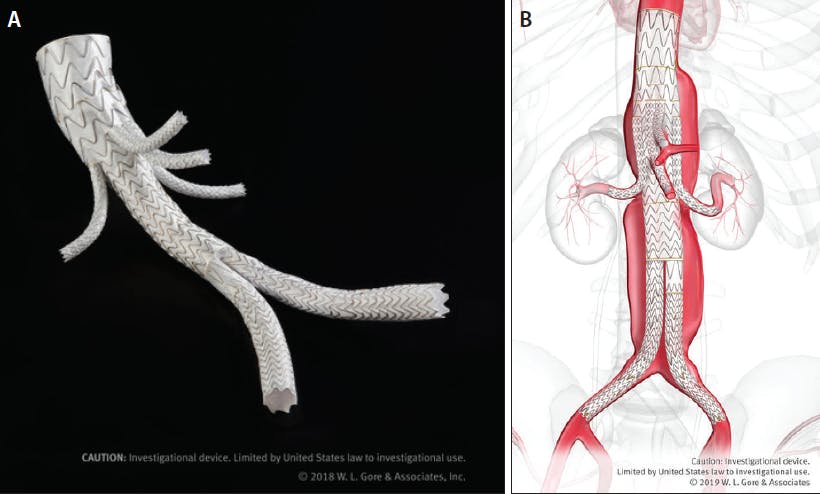
Figure 1
Courtesy of Gore & Associates.
HOW I DO IT
For the majority of implantations, left upper extremity “high” brachial access is utilized to allow for shorter delivery systems and catheter use. When necessary, the right brachial artery can be used for challenging arch anatomy. Once brachial and bilateral femoral access is achieved, a multiport catheter is utilized to provide brachial-femoral through-wire introduction. Utilizing the multiport catheter, four 0.014-inch wires are introduced through-and-through, then preloaded through the device portals prior to device insertion. The device is then introduced to the appropriate aortic position and partially deployed. Each portal and corresponding target vessel are then catheterized via the preloaded wire and exchanged for a stiff 0.035-inch wire to facilitate branched vessel stent (VBX, Gore & Associates) delivery and deployment through an appropriate 7- or 8-F sheath depending upon the stent size. Sequentially, the branched vessels are then stented with the purposefully designed VBX. Prior to the final branched vessel stent being deployed, the device is completely released to mitigate the risk of device migration. Once the final branched vessel has been deployed and evaluated, attention is focused upon completing the aortic repair utilizing an iliac branch endoprosthesis to create a new aortic bifurcation and then extension with bilateral iliac limbs to provide distal seal in the common iliac arteries.
Video 1
CLINICAL STATUS
Currently the TAMBE device has completed enrollment in its early feasibility study and is undergoing evaluation with a pivotal clinical trial. The Pivotal Study has approval for up to 45 sites in the United States and the United Kingdom. A significant number of cases have been completed and follow-up will continue through 5 years as required by the FDA. No results have yet been published related to the pivotal trial. Early feasibility 30-day data have been published by Oderich et al.1 This report includes 13 patients treated in the United States and Brazil with either a retrograde or antegrade branched vessel design. Although initial cases were performed using the retrograde renal design, future development was halted because it had limited patient applicability, and efforts moving forward were focused on the antegrade design only. The mean age of this cohort was 69 years and the mean aneurysm diameter treated was 61 mm. There were 52 visceral branches implanted with a technical success of 92%. One patient experienced a renal artery branched vessel dissection and subsequent occlusion. The 30-day results demonstrated no mortality, aneurysm rupture, conversion to open repair, spinal cord injury, or requirement for dialysis. The mean length of hospital stay was 5 days, with approximately one-third of the patients experiencing a major adverse event, all secondary to significant procedural blood loss. There was one major type Ic endoleak that was managed with a distal branched vessel stent extension during the initial index hospitalization. There were no other type I or III endoleaks seen at the 1-month CT scan evaluation.
CONCLUSION
The TAMBE device is the first manufactured branched device to include a purposefully designed branched vessel stent graft. Although the early feasibility data appear promising with respect to early technical success and outcomes, the pivotal clinical trial results will be required to assess the safety and effectiveness of the TAMBE device and to obtain FDA approval. Longer follow-up and branched vessel outcomes will be critical in determining its role in the endovascular treatment of pararenal and thoracoabdominal aortic aneurysms.
1. Oderich GS, Farber MA, Silveira PG, et al. Technical aspects and 30-day outcomes of the prospective early feasibility study of the GORE EXCLUDER Thoracoabdominal Branched Endoprosthesis (TAMBE) to treat pararenal and extent IV thoracoabdominal aortic aneurysms. J Vasc Surg. 2019;70:358-368.e6. doi:10.1016/j.jvs.2018.10.103
E-nside: E-xtra Design Engineering and Off-the-Shelf Multibranch Thoracoabdominal Graft
By Nilo J. Mosquera, MD
Continuing the ongoing development of endovascular solutions for complex aortic aneurysms, the iBevar technology (Jotec GmbH, a fully owned subsidiary of CryoLife Inc.) is designed to provide the customary benefits of a branched versus fenestrated approach, such as better seal and fixation for the bridging covered stent and increased positioning tolerance, as well as allow treatment of narrower and more kinked aortas.
Jotec’s E-xtra Design Engineering program can provide custom-made grafts on either a straight or bifurcated main body design. The inner branches can be of different diameters and lengths, as well as anterograde or retrograde. They can be positioned close to the proximal sealing zone of the stent graft to minimize unnecessary healthy aortic coverage. In addition, they can be manufactured with an enlarged outlet, which allows them to maintain their edge away from the bridging stents, avoiding potential kinking points.
Video 1
The iBevar approach has proven helpful in cases with challenging takeoffs of the visceral vessels in conjunction with a small aortic diameter. Potential advantages include lower risk of squashed branches, keeping the main graft wider, and allowing for an easier cannulation because the inner branches provide support to the seeking catheter while catheterizing the relative target vessel. Treatment of failed fenestrated endovascular aneurysm repair cases and post–type A aortic dissections are additional examples of the technology’s utility.
This approach was only possible through Jotec’s E-xtra Design Engineering custom-made device program until mid-2020, when the company received the CE Marking for E-nside, the first and only precannulated, inner branch–based thoracoabdominal aortic aneurysm (TAAA) stent graft available as an off-the-shelf device for both standard and emergency cases. Data coming from the E-xtra Design Engineering project and clinical results were critical to developing the off-the-shelf solution (Figure 1).
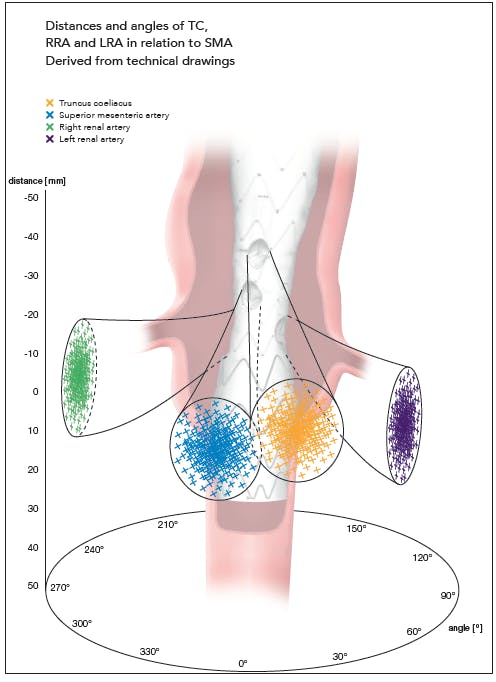
Figure 1
E-nside is a prosthesis for the endovascular repair of complex TAAAs. It is made of polyester and nitinol springs, with radiopaque markers to enhance its visibility under fluoroscopy at both the proximal and distal end and a marker band scheme for its core section (one ring marker at the inlet of all inner branches and three dot markers at their outlet). The platform comes in four configurations with variable proximal diameters of 38 and 33 mm and distal diameters of 30 and 26 mm, but it has a fixed 222-mm length and a 24-mm diameter of the middle portion. The spring configuration at its proximal and distal ends is tip-to-valley to maximize flexibility and conformability to the target landing zones. The remaining stents are arranged in a peak-to-peak manner to increase E-nside medial portion stability and bending resistance with the goal of minimizing the risk of diameter and flow reduction into the inner tunnels (Figure 2).
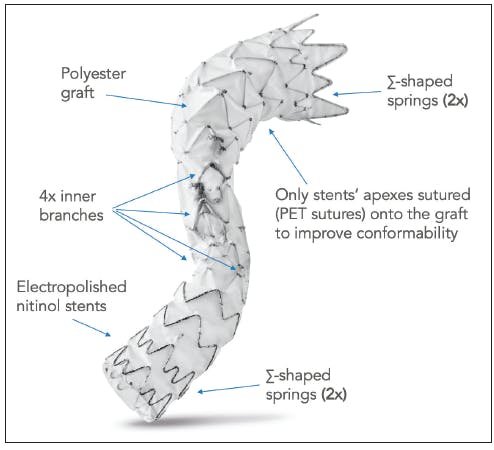
Figure 2
The stent graft core section has four inner branches meant to be bridged with their respective visceral vessels to maintain their patency while excluding the aortic pathology. The inner branches are 20 mm long with a diameter of 8 mm for the celiac trunk and the superior mesenteric artery and 6 mm for the renal arteries. To maximize the applicability of the device, all four inner tunnels also have an enlarged, oval-shaped outlet to maximize freedom and “reach” of the bridging stents, as well as a migration reduction system for the bridging stents. Due to this thin (0.1 mm) circumferential thread sutured inside each inner tunnel, a discontinuity in the flat polyester surface of the branches is created and additional friction between branch and bridging stents is generated. Furthermore, all E-nside inner branches are maintained patent by means of an asymmetric compression spring (a spring presenting with a longer apex that helps maintain the columnar support of the tunnel during catheterization phase) and kept stable in the long term by means of a fixation seam (six stitches that keep the branches inlet firmly connected to the outer surface of the stent graft) (Figure 3).
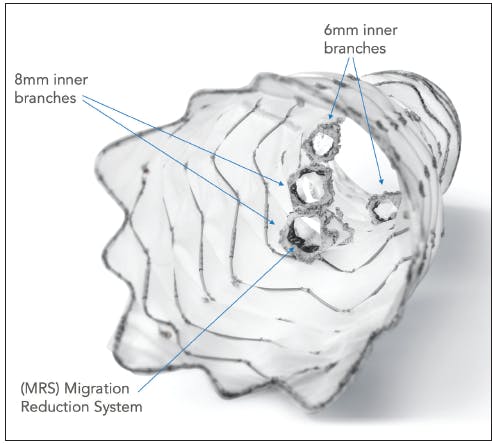
Figure 3
The delivery system has an 8-mm outer-diameter, coiled, hydrophilic shaft, a squeeze-to-release mechanism, and four thin polyimide (PI) resin tubes (one for each inner branch, compatible with 0.018-inch wires) situated outside the distal end of the stent graft and going from the delivery system handle into the graft through each inner tunnel. This creates a precannulated access to reduce procedural time, contrast, and radiation. The precannulation system can be used irrespective of the order of the target vessels to bridge and only when deemed necessary. At any time, the PI tubes can be removed, the nose cone can be brought back into the main sheath, and the delivery system can be safely removed. The remaining inner branches will then have to be accessed without the aid of an indwelling wire (Figure 4).
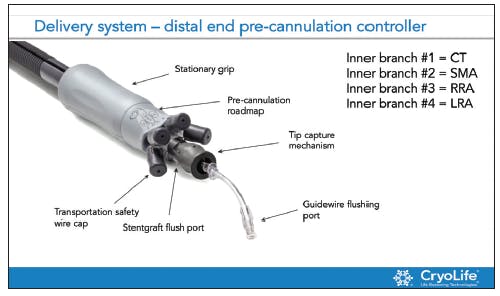
Figure 4
The E-nside System provides the features of the manufacturer’s custom-made project, with off-the-shelf capability. This can reduce time from diagnosis to intervention and the precannulation option could play an important role when used in emergencies. In addition to the CE Mark and initial release of the graft in Europe, Jotec has started a prospective multicentric clinical registry (INNER-B), which is up and running. Four patients have currently been enrolled in the INNER-B study at participating centers in Santiago de Compostela and Barcelona, Spain, Undine, Italy, and Münster, Germany.
Mobile Limb Thoracoabdominal Stent Graft System
By Patrick Kelly, MD
The mobile limb thoracoabdominal (TAAA) stent graft system is an investigational, off-the-shelf system currently being studied under physician-sponsored investigational device exemptions (PS-IDE) for the repair of Crawford type I, II, III and V thoracoabdominal aneurysms. This system utilizes a nonanatomic design that does not require precise alignment with the visceral vessel ostia. It divides aortic flow in a parallel fashion that utilizes graft-to-graft interactions for a majority of the component interactions, which allows for in situ customization at the time of surgery. The graft design is intended to provide favorable flow characteristics, handle virtually any anatomy, provide a truly off-the-shelf system, and allow for staging at any time during the procedure.
Video 1
The TAAA system is composed of four stent grafts. The system has two main body grafts that bifurcate aortic and visceral blood flow, the thoracic bifurcation and visceral manifold. The thoracic bifurcation first divides the aortic flow into two large flow lumens (Figure 1, component 1), which provide continued distal perfusion while debranching the visceral segment. The other components include the visceral bypass and the infrarenal bifurcation. Of the four investigational devices that comprise the TAAA stent graft system, the thoracic bifurcation is the only investigational device that comes in multiple diameters, and it is sized based on the diameter of the proximal seal zone. The visceral manifold is deployed within the larger (20 mm) limb of the thoracic bifurcation (Figure 1, component 2). This device has four mobile limbs that are staggered to allow for easy, binary limb selection during a procedure. Due to the continued parallel nature, it has favorable flow characteristics with well-developed laminar flows similar to bypass connections. The easy mobility of these four limbs makes it possible to extend and direct these limbs in any direction, allowing the debranching or stenting of angulated, tortuous, and distorted aneurysms. Balloon-expandable covered stents are used to bridge (or debranch) between the visceral manifold and the native visceral branches (celiac, superior mesenteric, and renal arteries).
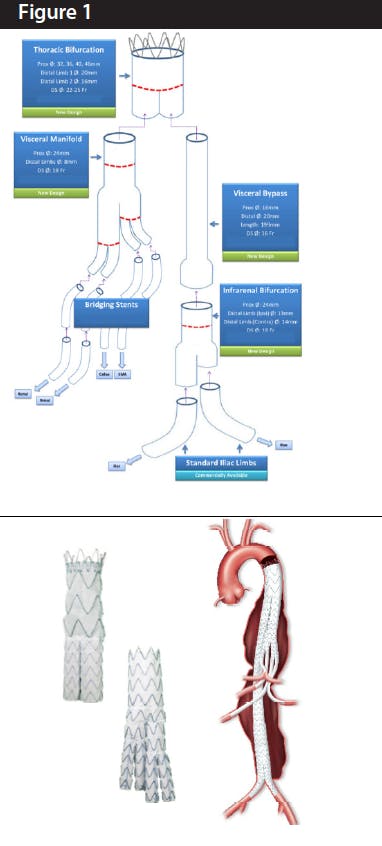
Figure 1
Copyright Sanford Health.
After the debranching of the visceral segment, the visceral bypass graft (Figure 1, component 4) is deployed within the second lumen (16 mm) of the thoracic bifurcation. This graft extends below the renal arteries, allowing, in accordance with the PS-IDE protocol, for either distal seal within the aorta or creating a new landing zone for the infrarenal bifurcation (Figure 1, component 5). At this point, the procedure becomes a standard endovascular aneurysm repair using standard iliac limbs. The goal of this off-the-shelf design is to significantly simplify case planning and the number of new additional grafts that need to be on the shelf.
The TAAA stent graft system is being studied at seven sites under individual PS-IDEs. The sites and their respective Principal Investigators include Dr. Patrick Kelly with Sanford Health in Sioux Falls, South Dakota; Dr. Geoffrey Answini with The Christ Hospital in Cincinnati, Ohio; Dr. Thomas Naslund with Vanderbilt University Medical Center in Nashville, Tennessee; Dr. Thomas Maldonado with New York University Langone Health in New York; Dr. Murray Shames with University of South Florida Morsani School of Medicine in Tampa, Florida; Dr. James Black with Johns Hopkins Hospital in Baltimore, Maryland; and Dr. Matthew Eagleton with Massachusetts General Hospital in Boston, Massachusetts. To date, a total of 73 subjects have been treated with the stent graft system under PS-IDEs among the seven sites. The PS-IDE collaboration utilizes a shared database, core lab, and performs routine data reviews and site collaborations to aid in the study of this system.
Future developments include moving to the second-generation stent graft system. The Unitary stent graft system is currently a physician-modified device built off the Medtronic Endurant platform (Figure 2, component 1). It combines the thoracic bifurcation and visceral manifold into a single, compact design that still divides aortic flow in an upstream, parallel manner allowing for in-situ customization at the time of surgery. It is a one-piece manifold system that is intended to treat Crawford type IV, pararenal, paravisceral, and short-neck infrarenal aneurysms. The remainder of the system mirrors the original system. However, the Unitary stent graft system can be extended proximally with a thoracic graft to treat any extent of aneurysm, allowing for one device to treat any thoracoabdominal aneurysms. The Unitary stent graft system has some significant advantages over the TAAA system including less aortic coverage reducing the risk of spinal cord events and change in aortic compliance. There is also a smaller delivery system, reducing the risk of access injury and further expanding patient applicability. The Unitary and TAAA stent graft systems have been successfully implanted in the current PS-IDE studies with a variety of prior repair devices including Bolton, Cook Medical, Endologix, Gore & Associates, Lombard Medical, and Medtronic. These devices have demonstrated success in treating complex thoracoabdominal aneurysms, dissection and ruptures. Currently, the Unitary stent graft system is only available at Sanford Health under a PS-IDE as a physician-modified graft with 79 patients enrolled to date.1
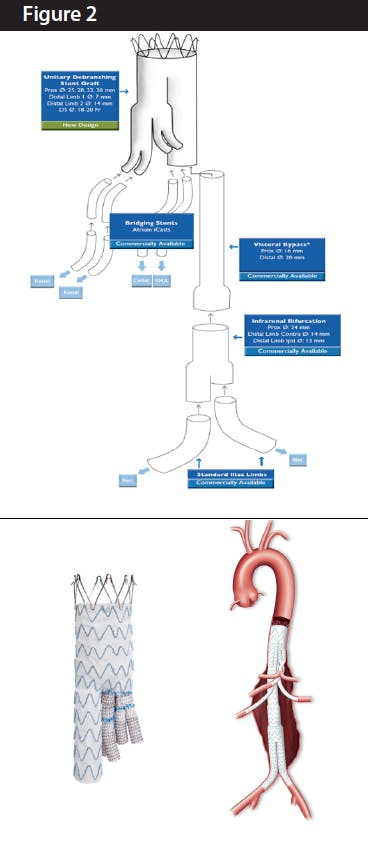
Figure 2
Copyright Sanford Health.
1. Jorgensen BD, Malek M, VandenHull A, et al. A novel physician-assembled endograft for the repair of pararenal, paravisceral, Crawford type IV thoracoabdominal aortic aneurysms, and aneurysms requiring treatment after prior repair. J Vasc Surg. 2020;72:1897-905.e2. doi: 10.1016/j.jvs.2020.03.045
Fenestrated Anaconda
By Louise Hill, Jamie McCarte, Patrick Bohan, and Scott Rush
Fenestrated Anaconda (Terumo Aortic) is a fully customizable stent graft system designed and manufactured on request to suit specific anatomy for an individual patient. Based on the technology used on the infrarenal Anaconda platform, the device can be designed to address a wide range of complex anatomies and is available as a bifurcated device, cuff, leg, and also aorto-uni-iliac configuration. It can be used for primary repair of short-necked abdominal aortic aneurysm (AAA), pararenal and juxtarenal aneurysms, as well as for thoracoabdominal aortic aneurysm, either as a longer single-piece device or as part of a modular solution with a Relay thoracic device (Terumo Aortic), which can also be customized (Figure 1).
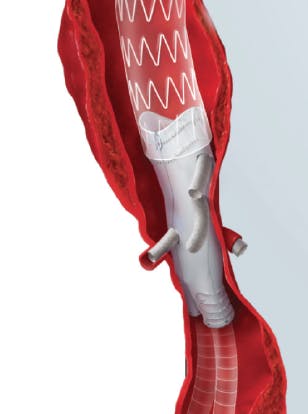
Figure 1
Courtesy of Terumo Aortic.
The platform features ring stent sealing technology, which is designed to offer a small, localized sealing zone. Two proximal nitinol sealing rings can be either parallel or convergent from dorsal to anterior creating an augmented valley to allow adequate sealing between adjacent arteries. This, coupled with a lack of support stents in the main body, is intended to allow the device to adapt well to tortuous and angulated anatomy without concern over “bird-beaking” and compromise to sealing performance. Two pairs of nitinol hooks provide fixation to the aortic wall and the anterior hook can be omitted to accommodate a fenestration or augmented valley in certain appropriate anatomic circumstances.
Video 1
The unconstrained fabric portion in the main body of the device can accommodate multiple fenestrations positioned anywhere around the circumference of the device to align with all target vessels. The fenestrations themselves are cauterized holes in the main body of the device, each reinforced with a nitinol ring stent and featuring four radiopaque markers around the circumference to allow accurate alignment and visualization. Each fenestration can also feature additional fenestration support (Figure 2) which constitutes an additional nitinol boundary sewn around the fenestration/group of fenestrations to mitigate any identified risks related to fabric folding in certain pathologies and ease cannulation. Devices with four or more fenestrations are the most commonly requested configuration, designed to seal above the celiac trunk with fenestrations for the renal arteries, superior mesenteric artery, and celiac trunk. Additional fenestrations can also be added to accommodate different visceral vessel arrangements including accessory renal arteries.
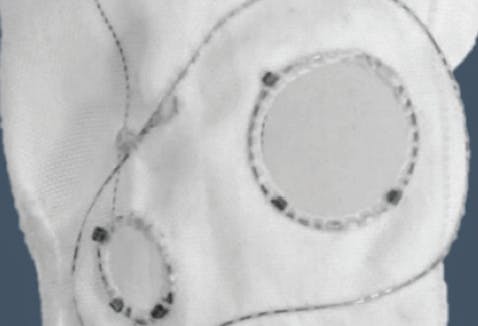
Figure 2
Courtesy of Terumo Aortic.
Once the device is deployed through the femoral artery, repositioning throughout the procedure is possible by pulling back on the delivery system control collar, which retracts the proximal sealing rings and allows for both rotational and proximal/distal movement of the device. With the device tethered distally to the delivery system, this retained alignment control allows for accurate positioning. Along with the option of upper body access using an axillary or brachial approach, this facilitates alignment and target vessel cannulation.1 Also, the ring stent design allows for treatment of more angulated and stenotic anatomies,2 and the device’s conformability has been demonstrated.3 Finally, the ability to reposition even after full unsheathing can help to avoid the adverse events associated with graft misalignment.4
These design advantages have been proven clinically in a number of large series. The largest report of 335 consecutive cases included patients treated for aneurysms that were juxtarenal (n = 191), short infrarenal neck (n = 98), suprarenal (n = 27), or Crawford extent IV thoracoabdominal (n = 19) and followed up for a median 1.2 years (interquartile range, 0.4-2.6 years): early mortality was 4.2%; all-cause mortality was 11.6%; target vessel patency at 1 and 3 years was 96.4 ± 0.7% (n = 493) and 92.7 ± 1.4% (n = 156), respectively; 54% of patients had positive aortic remodelling (significant aneurysmal sac decrease from 61.7 ± 9.6 mm to 55.9 ± 12.1 mm); and 29% had stable sac size.2
Another series of 127 patients (n = 83 juxta/pararenal, n = 13 Crawford extent IV, n = 16 after endovascular aneurysm repair, and n = 15 short-neck AAA) reported that 35% of cases used the repositioning feature and 37% of target vessels were cannulated from brachial access.5 Early mortality was 4%, and target vessel patency was 98% during a median follow-up of 21 ± 16 months.
Target vessel patency was 98.4% in a series of 101 cases from the United Kingdom.6 This cohort also showed that a relatively high incidence of early type Ia endoleaks resolved spontaneously; the authors noted that, because it is not possible to mold the proximal seal before deploying the visceral stents, the sealing rings appose fully to the aortic wall in the hours and days after implantation. Aneurysm sac size decreased in 76% of patients and was stable in 23% with a mean reduction in aneurysm diameter of 11 (71 to 60) mm, and there was no graft migration or body or limb occlusion.6 Low permeability polyester fabric favors aneurysm exclusion and generally low type I/III endoleak incidence, contributing to high percentages positive aortic remodelling—72%, for example, in a smaller cohort of 48 patients from a single-center experience.7 There have been over 4,200 fenestrated Anaconda devices implanted worldwide to date. The product’s availability is subject to local approval, and it is not approved in the United States.
1. Blankensteijn LL, Dijkstra ML, Tielliu IFJ, et al. Midterm results of the fenestrated Anaconda endograft for short-neck infrarenal and juxtarenal abdominal aortic aneurysm repair. J Vasc Surg. 2017;65:303-310. doi: 10.1016/j.jvs.2016.08.092
2. de Niet A, Zeebregts CJ, Reijnen MMPJ, et al. Outcomes after treatment of complex aortic abdominal aneurysms with the fenestrated Anaconda endograft. J Vasc Surg. 2020;72:25-35.e1. doi: 10.1016/j.jvs.2019.08.283
3. de Niet A, Donselaar EJ, Holewijn S, et al. Endograft conformability in fenestrated endovascular aneurysm repair for complex abdominal aortic aneurysms. J Endovasc Ther. 2020;27:848-856. doi: 10.1177/1526602820936185
4. Taher F, Falkensammer J, Nguyen J, et al. Assessing the institutional learning curve for pararenal aortic repair using the fenestrated Anaconda endograft. Vascular. 2019;27:46-50. doi: 10.1177/1708538118799132
5. Pini R, Gargiulo M, Giordano J, et al. The Italian multi-centre experience of fenestrated Anaconda™ endograft for juxta/para-renal aortic aneurysms. Eur J Vasc Endovasc Surg . 2019;58(suppl 2):e294-e2955. doi: 10.1016/j.ejvs.2019.06.901
6. Colgan FE, Bungay PM, Burfitt N, et al. Operative and 1-year outcomes of the custom-made fenestrated Anaconda aortic stent graft—a UK multicenter study. Ann Vasc Surg. 2018;46:257-264. doi: 10.1016/j.avsg.2017.05.027
7. Shahverdyan R, Gray D, Gawenda M, Brunkwall J. Single centre results of total endovascular repair of complex aortic aneurysms with custom made Anaconda fenestrated stent grafts. Euro J Vasc Endovasc Surg. 2016;52:500-508. doi: 10.1016/j.ejvs.2016.07.005
Advertisement
Advertisement