Advertisement
Advertisement
April 2022
Sponsored by Penumbra, Inc.
Penumbra Peripheral Embolization System: A Decade of Innovation in Embolization With Mechanical Occlusion
With Jafar Golzarian, MD; Paul J. Rochon, MD, FSIR; Eduardo Bent Robinson, MD; Sabina Amin, MD; Christopher Harnain, MD, MBA, RPVI; Christopher Barnett, MD; Kristina Giles, MD; Jordan R. Stern, MD; Carlos Bechara, MD, FACS; Laurie Armsby, MD; and Jennifer Mustard, PA-C, MSc

Since the development of the Guglielmi detachable coil (Boston Scientific Corporation) in the 1990s, advances in detachable coils have allowed physicians to accurately and safely embolize vessels and aneurysms. Soon after, fibers and hydrogel-coated technologies were also designed to enhance thrombus formation for better occlusion.1,2 Although these technologies were innovative for their time, there are still additional factors to consider in today’s environment. Procedure cost and radiation exposure should be important factors a physician must consider with patient treatment and care. Coils relying on a mechanical occlusion versus a thrombogenic occlusion may result in improved packing density to help prevent further recanalization and potentially reduce cost.3
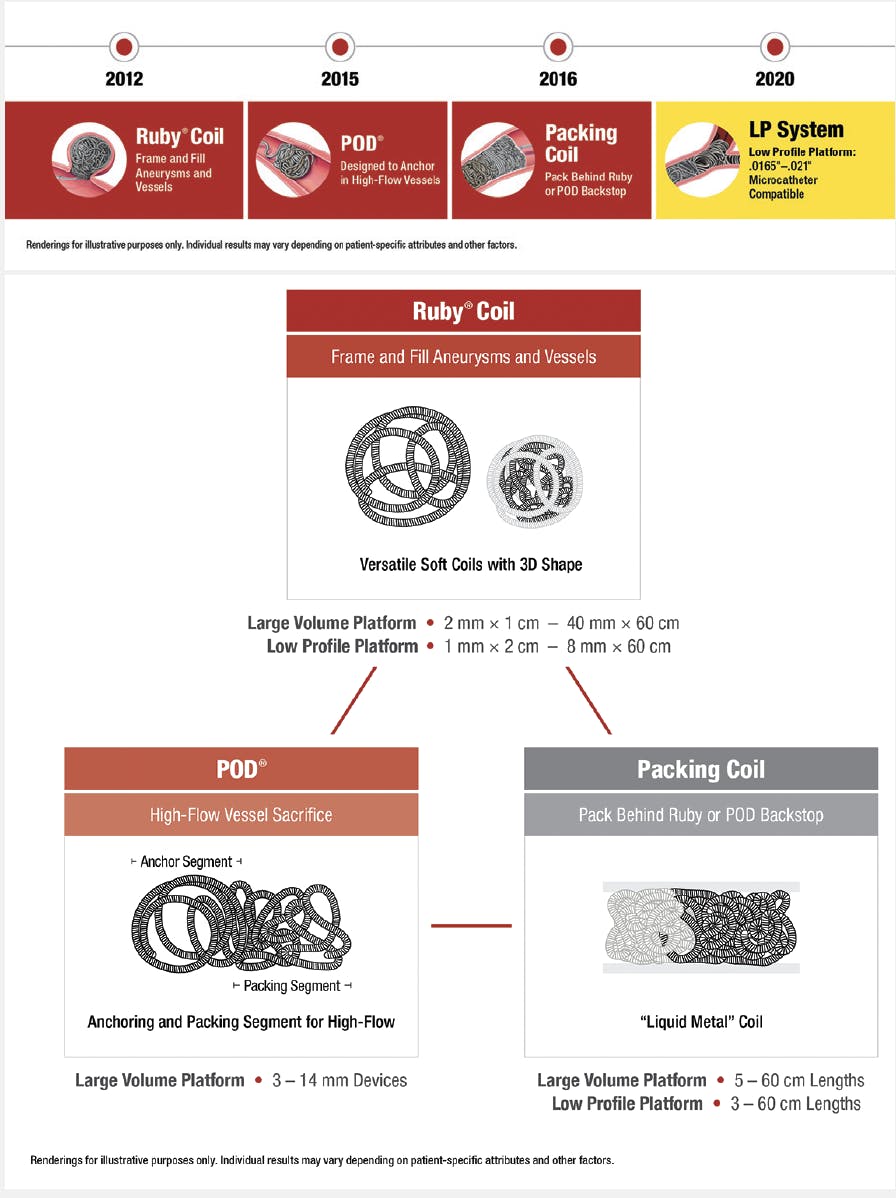
Over the last 10 years, Penumbra Inc. has brought an innovative and differentiated platform to the embolization community. In 2012, Ruby Coil® (Penumbra, Inc.) was first introduced to frame and fill aneurysms in the peripheral vasculature. In 2015, POD® (Penumbra Occlusion Device) (Penumbra, Inc.) was brought to market and designed to anchor within a vessel. In 2016, Packing Coil (also known as “liquid metal”) (Penumbra, Inc.) was made available, designed to densely pack in any vessel size. In 2020, Ruby Coil LP and Packing Coil LP (Penumbra, Inc.) were added to the embolization platform, offering longer lengths, larger volume, and softer coils deliverable through low-profile microcatheters (0.0165-0.021 inch).* Characterized by its volume and softness, Penumbra’s embolization platform has helped dramatically reduce the average number of coils needed per case, which in turn can lower overall case cost and radiation exposure. The availability of Penumbra’s embolization technology over the last decade has allowed interventionalists to manage complex anatomies ranging from large aneurysm sacs to tortuous high-flow vessels. Additionally, data have started to show low rates of recanalization with mechanical occlusion.
*As compared to other detachable coils.
1. Fohlen A, Namur J, Ghegediban H, et al. Peripheral embolization using hydrogel-coated coils versus fibered coils: short-term results in an animal model. Cardiovasc Intervent Radiol. 2018;41:305-312. doi: 10.1007/s00270-017-1834-7
2. Enriquez J, Javadi S, Murthy R, et al. Gastroduodenal artery recanalization after transcatheter fibered coil embolization for prevention of hepaticoenteric flow: incidence and predisposing technical factors in 142 patients. Acta Radiol. 2013;54:790-794. doi: 10.1177/0284185113481696
3. Vogler J 4th, Gemender M, Samoilov D. Packing density and long-term occlusion after transcatheter vessel embolization with soft, bare-platinum detachable coils. Am J Interv Radiol. 2020;4:2. doi: 10.25259/AJIR_31_2019
Rapid Occlusion of PAVM in the Setting of Hereditary Hemorrhagic Telangiectasia


WHY I USED PENUMBRA COILS FOR THIS CASE
- Practical detachable system that allows recapturing for accurate deployment
- Coils effectively packed and rapidly occluded small vessels
- Use of a high-flow, 2.6-F microcatheter
CASE PRESENTATION
A woman in her early 30s with adolescent diagnosis of hereditary hemorrhagic telangiectasia presented for interventional consultation after routine pulmonary cross-sectional imaging. Notably, upon initial diagnosis at an outside hospital, she was treated for symptomatic dyspnea caused by multiple bilateral pulmonary arteriovenous malformations (PAVMs). Cross-sectional imaging demonstrated an untreated simple type1 or Yakes type 1 PAVM2 with a single 3-mm feeding artery centered at the medial right lung base (Figure 1).
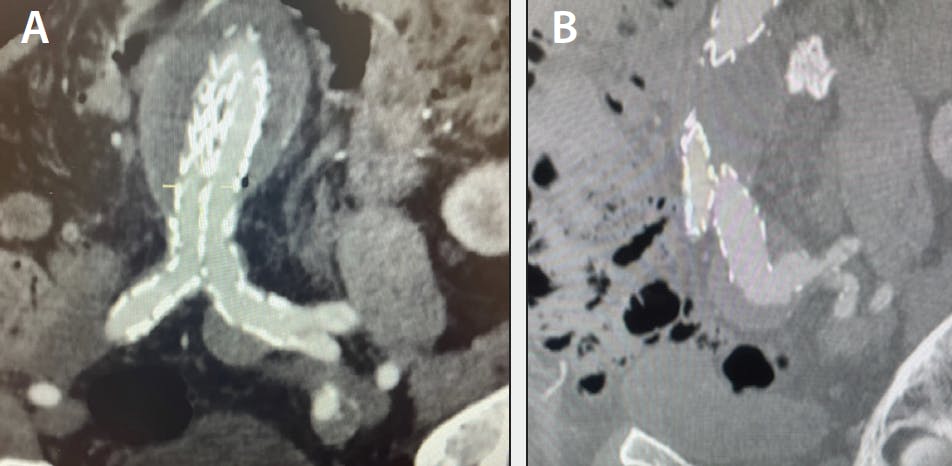
Figure 1. Superselective distal right pulmonary arteriogram demonstrated a Yakes type 1 PAVM.
PROCEDURAL OVERVIEW
An 8-F vascular sheath was placed after obtaining femoral access. Utilizing a 7-F AP2 catheter, access into the right pulmonary artery (PA) was achieved. Angiography confirmed cross-sectional imaging findings: an untreated PAVM at the medial right lung base with a single, 3-mm feeding artery. After exchanging the system for a 5-F Berenstein catheter and Glidewire® (Terumo Interventional Systems), optimal treatment position of the feeding artery was successfully accomplished. Subsequently, the PAVM was cannulated using a Fathom™-16 microwire (Boston Scientific Corporation) and a high-flow, 2.6-F LANTERN® delivery microcatheter (Penumbra, Inc.). A POD4 Coil was deployed through the microsystem, followed by a 60-cm Packing Coil (Figure 2). Both coils were deployed using a one-click mechanical detachment handle. Repeat angiography through the high-flow LANTERN microcatheter confirmed successful complete occlusion of the medial right lung base PAVM noted on preprocedural cross-sectional imaging (Figure 3). The final proximal angiogram redemonstrated excellent precision and rapid occlusion of the targeted PAVM.
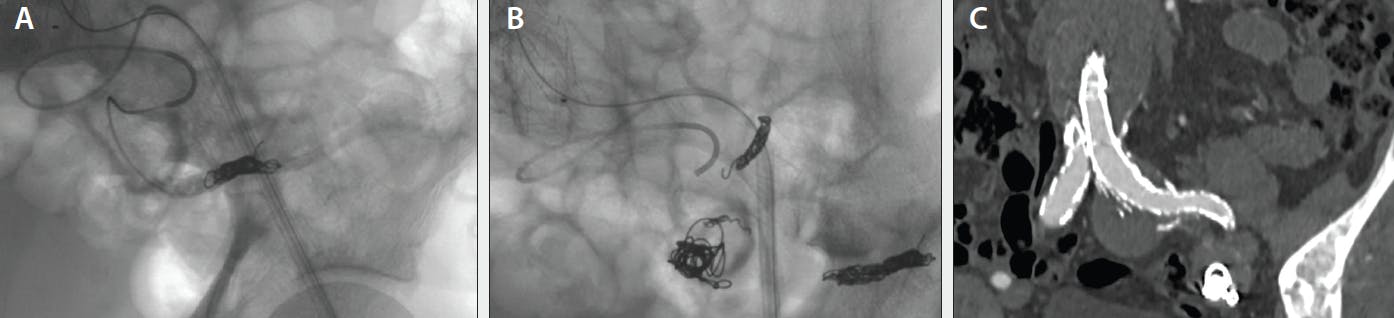
Figure 2. Completed deployment of a single POD4 (A) and 60-cm Packing Coil (B) within the medial right lung base PAVM.
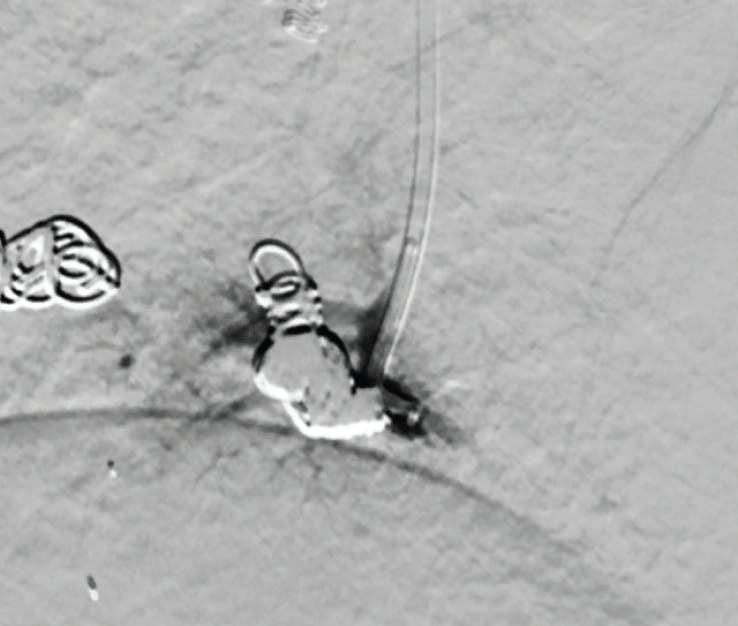
Figure 3. Superselective distal right pulmonary arteriogram via a high-flow LANTERN microcatheter demonstrated complete occlusion of the medial right lung base PAVM.
DISCUSSION
Complete occlusion of the targeted medial right lung base PAVM was achieved with a combination of a POD4 and Packing Coil through a high-flow LANTERN microcatheter. Overall, the microcatheter’s advanced trackability allowed for accurate deployment and excellent desired rapid coil occlusion while reducing procedural time.
1. White RI Jr, Pollak JS, Wirth JA. Pulmonary arteriovenous malformations: diagnosis and transcatheter embolotherapy. J Vasc Interv Radiol. 1996;7:787-804. doi: 10.1016/s1051-0443(96)70851-5
2. Yakes WF, Vogelzang RL, Ivancev K, Yakes AM. New arteriographic classification of AVM based on the yakes classification system. Kim YK, Lee BB, Yakes WF, Do YS, editors. In: Congenital Vascular Malformations: A Comprehensive Review of Current Management. Springer; 2017:63-69.
Mechanical Occlusion (Not Reliant on Coagulation Cascade) of Selective Distal GI Bleed

CASE PRESENTATION
A man in his early 70s with past medical history of hypertension, chronic obstructive pulmonary disease (COPD), epilepsy, and cryptogenic left basal ganglia cerebrovascular accident with residual right-sided hemiparesis on rivaroxaban presented to the emergency department (ED) with altered mental status and restlessness in the setting of alcohol use withdrawal. His intensive care unit course was complicated by left upper extremity deep vein thrombosis (DVT) on a heparin drip, fevers, leukocytosis, worsening acute kidney injury, lactate of 1.3 mg/dL, an elevated international normalized ratio (INR), vasopressor dependence, and multiple episodes of coffee ground emesis. CT of the abdomen and pelvis demonstrated evidence of portal venous gas and pneumatosis intestinalis; thus, the patient was taken emergently to the operating room. A 60-cm portion of the jejunum was found to be ischemic with patchy areas of necrosis. This was subsequently resected, and a primary anastomosis of small bowel was performed. Due to a concern for heparin-induced thrombocytopenia (HIT), the patient was started on argatroban for extensive DVTs. The patient then developed an episode of melena, and a CTA demonstrated an active focus of bleeding adjacent to the small bowel suture line (Figure 1).
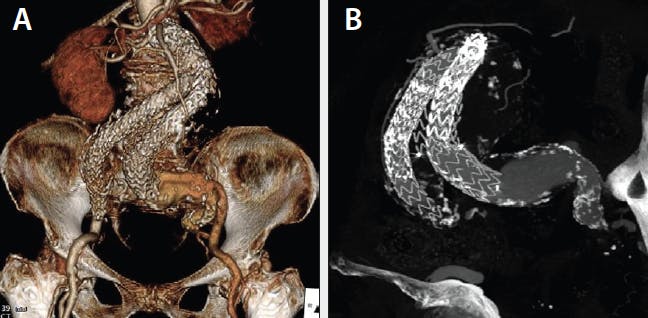
Figure 1. CTA showing a small focus of contrast extravasation within the lumen of a pelvic small bowel loop adjacent to the anastomotic staple line (arrows). This is seen as a tiny focus in the arterial phase (A) and appears slightly larger in the portal venous phase (B).
The patient presented to interventional radiology for arteriography and possible embolization. Under direct ultrasound guidance, the left common femoral artery was accessed with a 21-gauge needle. A Bentson wire was advanced through the exchange dilator into the abdominal aorta. A 5-F vascular sheath was placed over the wire. A 5-F SHK catheter was used to select the superior mesenteric artery (SMA). Digital subtraction angiography was performed in the posteroanterior projection. A 2.4-F Progreat® microcatheter (Terumo Interventional Systems) and Fathom™ guidewire (Boston Scientific Corporation) were passed coaxially through the SHK catheter and used to select the distal SMA. Digital subtraction arteriography was performed, demonstrating a tiny focus of active bleeding from a distal jejunal arterial branch artery (Figure 2). The microcatheter was then advanced over the Fathom guidewire and used to select a straight arterial jejunal branch. The microcatheter was then used to select the distal jejunal loop arterial arcade. From this position, coil embolization was performed with a single, detachable, 1-mm X 5-cm Ruby Coil LP (Figure 3). Follow-up angiography demonstrated successful coil embolization across the arterial arcade giving rise to this area of focal arterial abnormality, with maintenance of flow to the adjacent bowel.
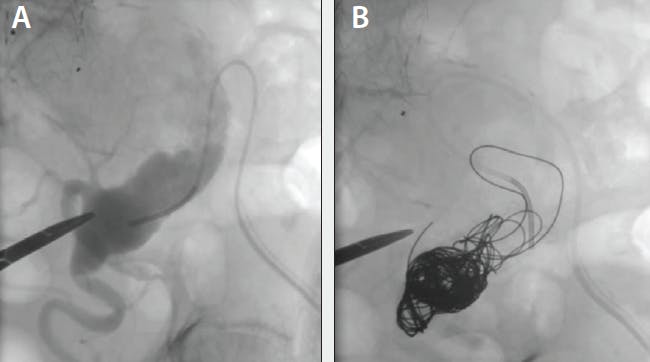
Figure 2. Area of contrast extravasation (arrow).
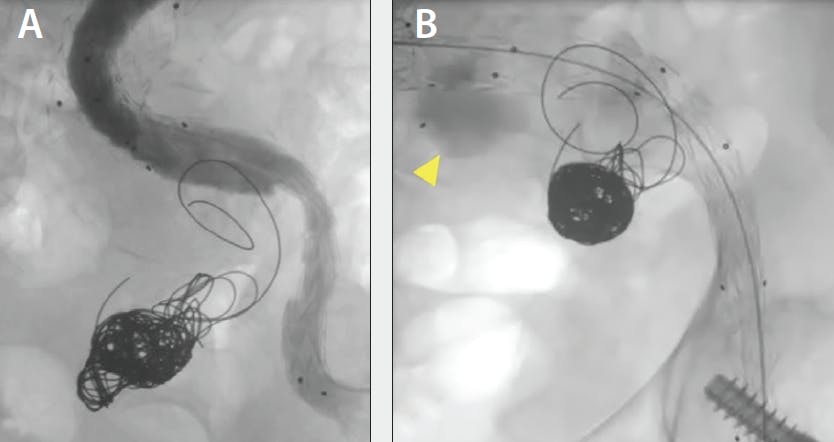
Figure 3. Completion angiogram demonstrating a single 1-mm X 5-cm Ruby Coil LP with successful occlusion.
DISCUSSION
There were three challenges related to the treatment of this patient. The area of bleeding was close to the bowel anastomosis, and the area was at high risk for ischemia following embolization. Thus, it was important to be as selective as possible. The patient was on multiple vasopressors and was bleeding from a distal jejunal branch, so low-profile coils were needed to navigate tortuosity and not dislodge the catheter. Finally, because of the patient’s elevated INR and HIT, we needed total occlusion that didn’t rely on the coagulation cascade. Coils relying on mechanical occlusion (such as liquid metal) were critical in this type of setting.
Treatment of Hemorrhoidal Bleeding With the Emborrhoid Technique


CASE PRESENTATION
A hemodynamically stable man in his mid-70s with decompensated alcohol-related cirrhosis presented to the ED with hematochezia. His initial evaluation was notable for a hemoglobin level of 6.1 g/dL. A colonoscopy and CTA of the abdomen and pelvis demonstrated bleeding of the internal hemorrhoids (Figure 1). The patient was subsequently referred for angiography and embolization.
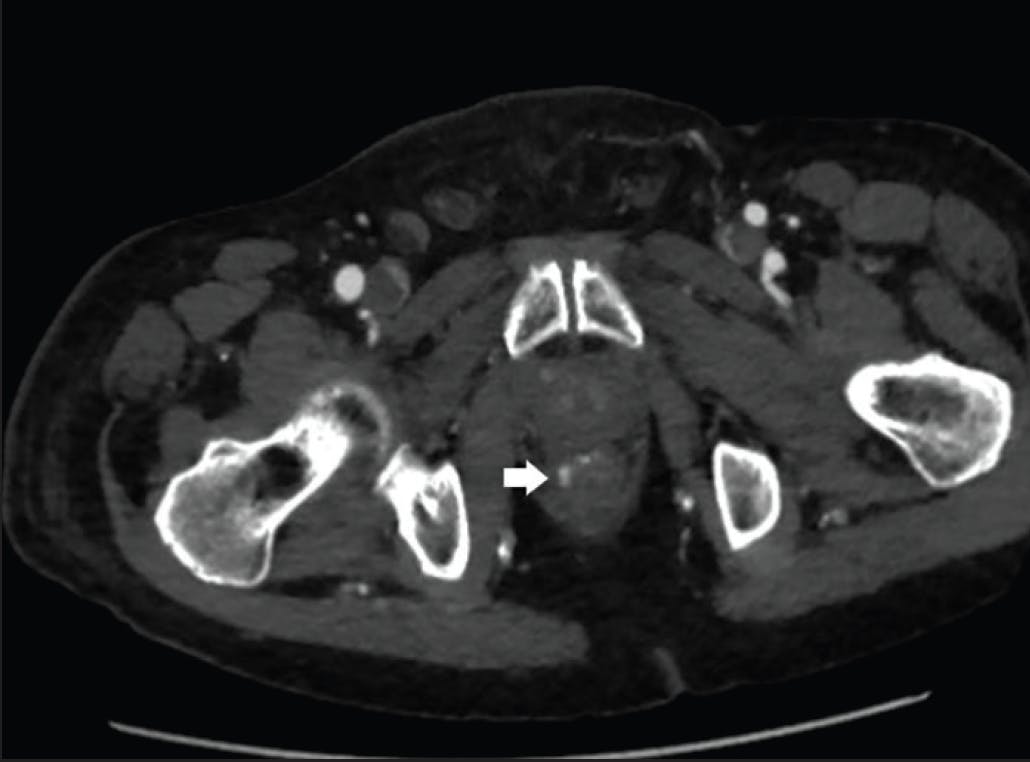
Figure 1. CTA of the abdomen and pelvis showing bleeding of the internal hemorrhoids.
Initial access was achieved via the right common femoral artery. The right internal iliac artery was catheterized using an SOS catheter and Bentson wire. The right middle rectal artery was then superselected using a 0.014-inch Fathom microwire and a 2-F TruSelect™ microcatheter (Boston Scientific Corporation). Digital subtraction angiography (DSA) demonstrated active bleeding coming from the right middle rectal artery (Figure 2). This was embolized with two 1-mm X 5-cm Ruby LP Coils and two 4-mm X 6-cm Ruby LP Coils. The left internal iliac artery was then catheterized using a combination of a C2 catheter and Benston wire. Superselection of the left middle rectal artery was achieved using a 2-F TruSelect microcatheter and 0.014-inch Fathom microwire. DSA showed active bleeding coming from the left middle rectal artery. This was also embolized with one 2-mm X 4-cm Ruby LP Coil and two 4-mm X 15-cm Ruby LP Coils. Finally, the inferior mesenteric artery (IMA) was catheterized with an SOS catheter and Benston wire. On DSA, a mild blush of contrast was noticed coming from the bilateral superior rectal arteries. Each of these was superselected and embolized with two 4-mm X 15-cm Ruby LP Coils (Figure 3).
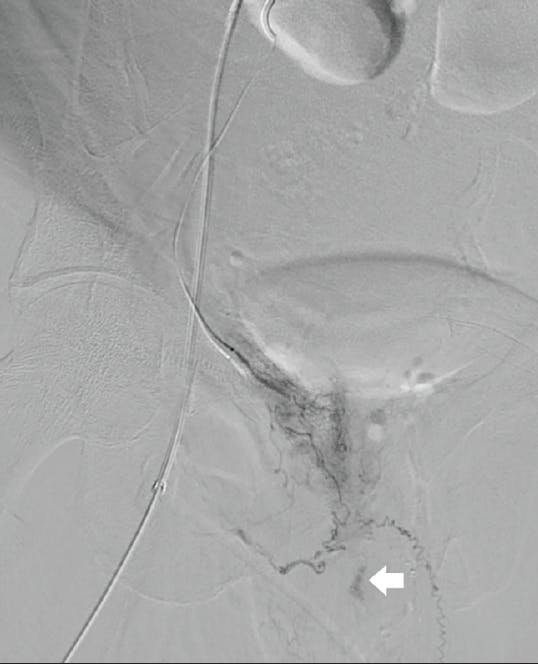
Figure 2. DSA demonstrated active bleeding coming from the right middle rectal artery.
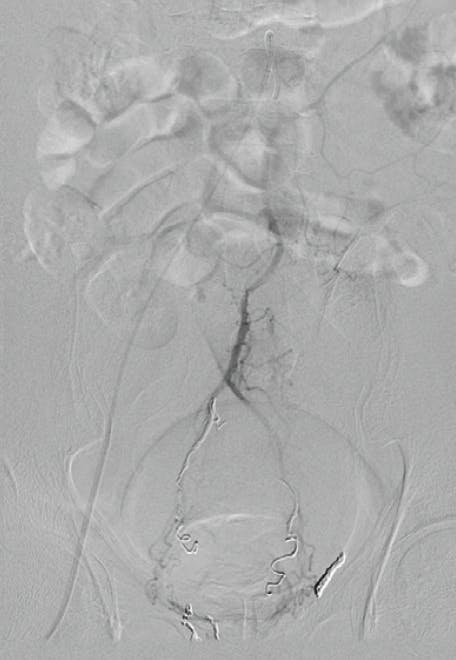
Figure 3. Two Ruby Coils were used to embolize the bleed area.
The following week, the patient developed a recurrent hematochezia and down-trending hemoglobin that required transfusion. CTA showed several engorged and patent perirectal arteries. Repeat angiography with catheterization of the IMA subsequently demonstrated persistent filling of large rectal hemorrhoids and parenchymal staining via several residual bilateral superior rectal artery branches (Figure 4). Each of these was superselected using a combination of a 2-F TruSelect microcatheter and 0.014-inch Synchro® hydrophilic guidewire (Stryker). Embolization was successfully performed using a combination of two 3-mm Ruby LP coils and a 60- and 15-cm Packing Coil LP, resulting in complete stasis of the bilateral superior rectal arteries (Figure 5).
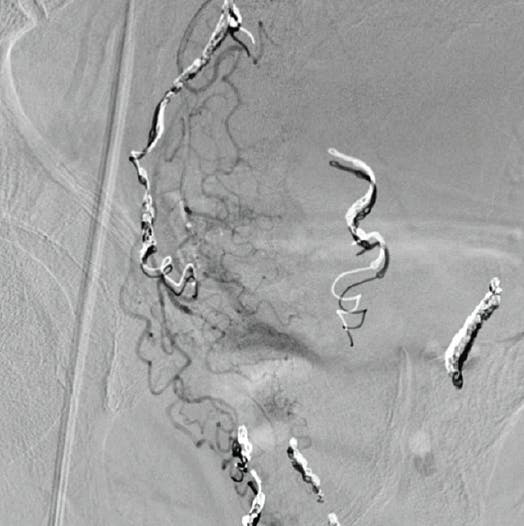
Figure 4. Repeat CTA of the IMA demonstrated persistent flow of the large rectal hemorrhoids and parenchymal staining via several residual bilateral superior rectal artery branches.
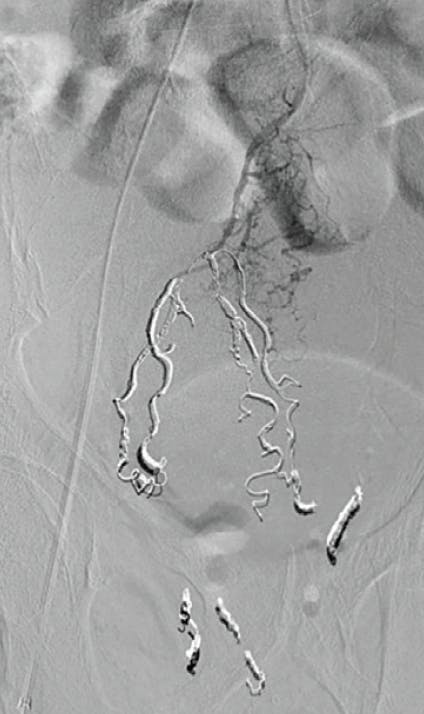
Figure 5. Successful embolization with Ruby Coil LP and Packing Coil LP.
DISCUSSION
In our experience, the Ruby LP system is well suited for the so-called emborrhoid technique. Because of the tortuosity and narrow caliber of the middle and superior rectal arteries, embolization is challenging and requires low-profile catheters and coils. I chose the Ruby LP Coils because of their compatibility with small microcatheters, their ability to pack tightly, and the minimal coils needed to achieve the desired hemostasis.
Embolization of Persistent Type II Endoleak With Ruby Coils

CASE PRESENTATION
A man in his late 70s underwent endovascular aneurysm repair (EVAR) for a 5.8-cm abdominal aortic aneurysm (AAA) 2 years ago. The patient’s history consisted of chronic congestive heart failure with ischemic cardiomyopathy, atrial flutter, coronary artery disease treated with coronary artery bypass grafting and stenting, COPD, diverticulitis, hyperlipidemia, hypertension, and a history of intraductal papillary mucinous neoplasm treated with a Whipple procedure. Surveillance imaging showed a persistent type II endoleak from the lumbar vessels in the proximal aortic sac (Figure 1). The anatomy was amenable to transcaval approach for embolization.
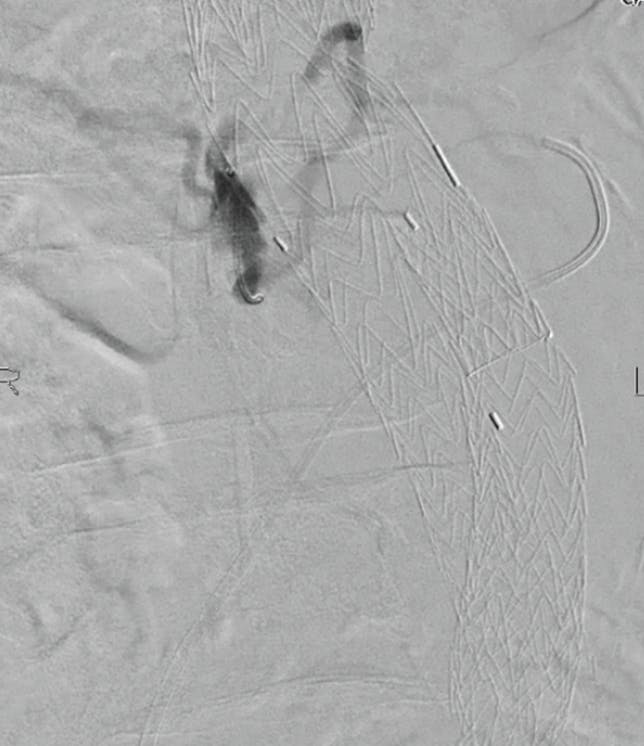
Figure 1. Preprocedural sacogram performed to confirm access into the aneurysm sac.
PROCEDURAL APPROACH
He underwent the procedure with right common femoral vein access. This was done with a Rösch-Uchida sheath (Cook Medical), and the curved transjugular intrahepatic portosystemic shunt device was advanced into the inferior vena cava near the caval bifurcation. Under tactile feedback, the device was used to puncture into the sac. A Glidewire was advanced and the catheter was exchanged for a C2-shaped catheter. A LANTERN microcatheter and 0.014-inch wire were then further used to select the area of the lumbar vessels and endoleak. Multiple Ruby Standard Coils were used to fill the nidus of the leak and Packing Coils were then advanced, with several entering the lumbar vessel origins (Figure 2).
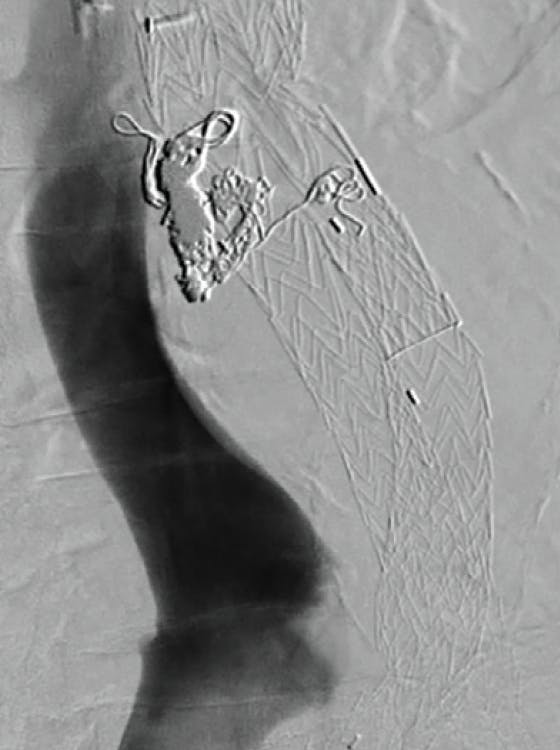
Figure 2. Completion angiogram demonstrating multiple Ruby Coils delivered with no further flow into the aneurysm sac.
Transgraft Laser Approach for Embolization of Type II Endoleak

WHY I USED PENUMBRA COILS FOR THIS CASE
- Tracked smoothly through tortuous anatomy and tenuous cannulations
- Ability to accurately deploy and reposition prior to release
- High-density packing with fewer coils
CASE PRESENTATION
A man in his mid-80s with a history of hypertension, COPD, and a 5.8-cm AAA had undergone successful EVAR with an infrarenal stent graft 3 years prior. On follow-up surveillance imaging, he was noted to have a type II endoleak from several lumbar vessels, and at 1 year post-EVAR, his aneurysm sac had grown to 6.1 cm. The graft appeared to be well sealed otherwise, with no type I or type III endoleak. At that time, he underwent embolization of one lumbar artery via a transarterial route from the internal iliac artery. However, he now had persistent sac growth with patent L4 lumbar arteries still feeding the endoleak nidus (Figure 1). There did not appear to be a clear route to the culprit lumbar arteries through the pelvic or other collateral pathways, and he was referred for consideration of alternative embolization strategies.
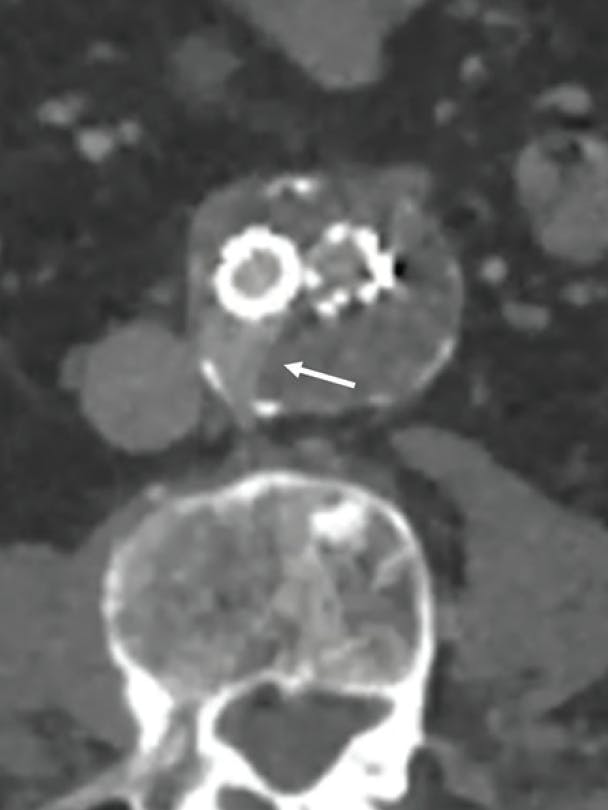
Figure 1. Type II endoleak arising from the L4 lumbar arteries.
On review of cross-sectional imaging, there was no good window for a transcaval approach due to proximity of the stent graft limbs to the right posterolateral sac wall. Therefore, we opted for a transgraft laser fenestration approach. The nidus measured approximately 16 mm in diameter, while the dominant right L4 lumbar measured 3 mm.
PROCEDURAL APPROACH
Ultrasound-guided percutaneous access to the right common femoral artery was obtained, and we upsized to a 12-F sheath. A 6.5-F Destino™ Twist steerable sheath (Oscor Inc.) was then positioned in a window below the EVAR flow divider and above the ipsilateral extension limb where there was a single layer of fabric. An 0.018-inch Turbo-Elite® laser atherectomy catheter (Philips) was used to create a 2-mm fenestration in the graft, allowing an 0.018-inch Hi-Torque Steelcore™ guidewire (Abbott) to track into the sac (Figure 2). A 4-mm angioplasty balloon was then used to dilate the fenestration, and we constructed a nested system using a 0.035-inch, 90-cm CXI® catheter (Cook Medical) and 115-cm LANTERN high-flow microcatheter. A sac angiogram demonstrated the nidus as well as the primary feeding lumbar vessel, which we were able to cannulate using the LANTERN catheter and a 0.014-inch Fathom guidewire (Figure 3). There appeared to be brisk flow through the lumbar vessel, and we therefore opted to treat this with two 3-mm X 45-cm POD. The second lumbar vessel could not be cannulated, and thus the catheter was then seated in the nidus and the vessel was embolized using two 16-mm X 60-cm Ruby Standard Coils, followed by one 8-mm X 60-cm Ruby Soft Coil, and one 60-cm Packing Coil (Figure 4). The catheters were removed, and the laser fenestration was covered with a new iliac limb extension. A completion angiogram showed excellent coil packing and no filling of the nidus or lumbar arteries on delayed imaging. Follow-up CT at 1 and 6 months showed no further endoleak, with regression of the sac back to 5.7 cm (Figure 5).
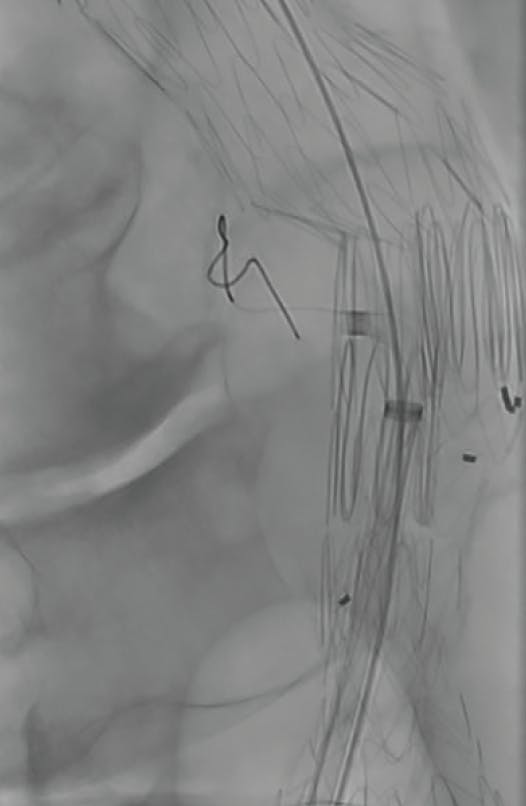
Figure 2. Access to the aneurysm sac via a transgraft laser approach.
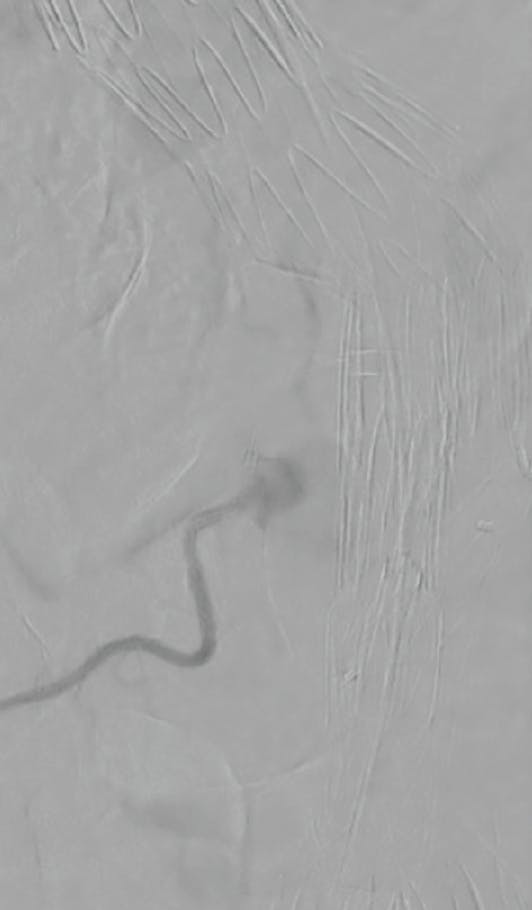
Figure 3. Selective cannulation of the dominant L4 lumbar artery through the endoleak nidus using a LANTERN microcatheter.
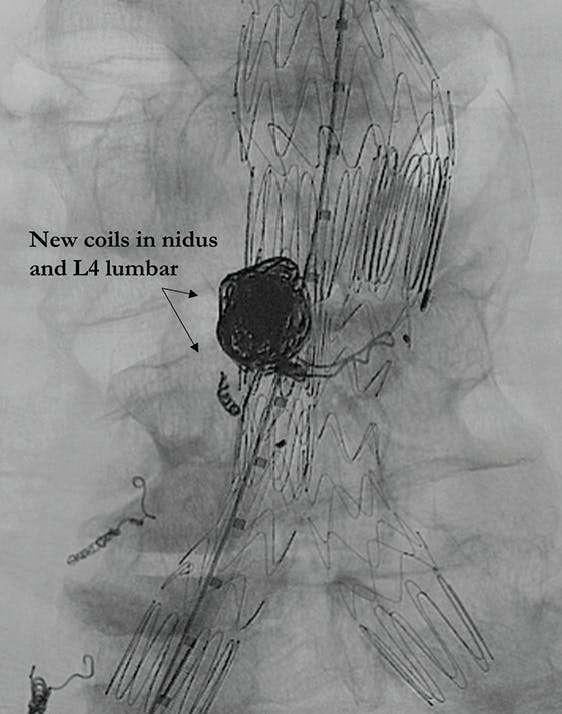
Figure 4. Dense coil packing in the endoleak nidus and L4 lumbar artery (arrows).
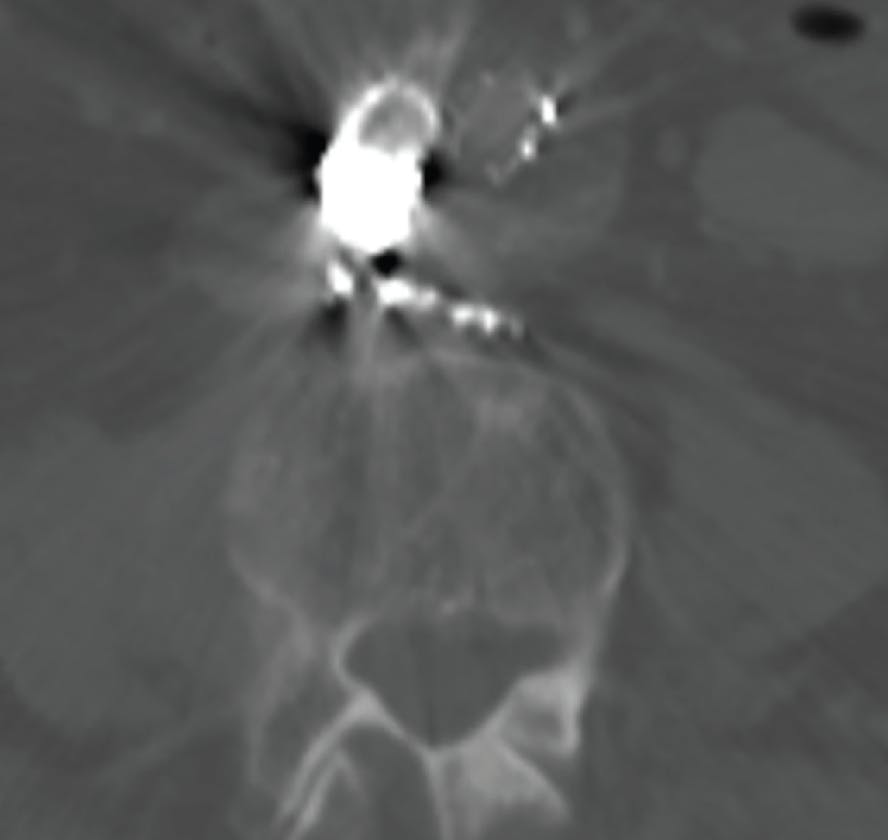
Figure 5. Follow-up CTA showing appropriate position of coil pack and resolution of the endoleak.
DISCUSSION
In this case, we chose Ruby Coils because of their trackability through an unconventional setup across a laser stent graft fenestration, accurate deployment in a small target vessel, and dense packing, which limited the number of coils needed for the nidus. For all of these reasons, and as evidenced by the result in this case, Ruby Coils can provide a reliable and effective solution for complex embolization procedures.
SMA to IMA Coiling After EVAR

WHY I USED PENUMBRA COILS FOR THIS CASE
- I can use the Ruby Coils with the LANTERN microcatheter or any other high-flow microcatheter
- I am able to keep my platform at 0.014 inches, which means I can keep my 4- to 5-F access sheath
- I can obtain similar filling with the Ruby Coils as with other larger coils
- Ability to track easily in tortuous vessels
CASE PRESENTATION
A woman in her mid-70s who underwent EVAR almost 2 years ago presented with a persistent endoleak with sac enlargement (8 cm) despite additional placement of a cuff and limb extension 10 months after the index operation.
Upon reviewing all the CT scans including the pre-EVAR CT scan, the patient had a patent IMA with possible type II endoleak (Figure 1). We elected to proceed with angiography and SMA to IMA coiling of the sac and IMA origin. Navigating through the acute SMA origin into its branches to the arc of Riolan to the IMA can be a challenge.
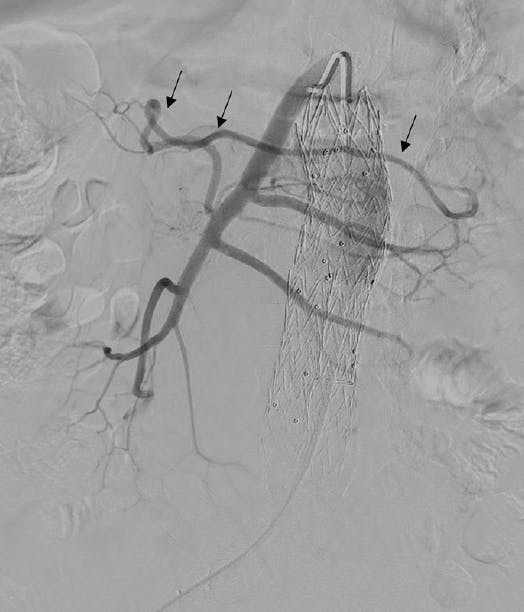
Figure 1. CT showing a patent IMA with possible type II endoleak.
PROCEDURAL OVERVIEW
The patient was taken to the operating room for IMA embolization and possible transcaval embolization if necessary. The procedure was done under sedation and local anesthesia. The right femoral artery was accessed using ultrasound guidance. We placed a 5-F, 45-cm sheath (Glidesheath®, Terumo Interventional Systems) in the aorta below the SMA. After selecting the SMA with an SOS catheter and identifying the branch feeding into the arc of Riolan, we placed a soft Glidewire into the SMA, removed the SOS, and placed an angled glide catheter for support in the SMA, as it was difficult to advance the 5-F sheath. We selected the feeding branch with the Glidecath® (Terumo Interventional Systems), then switched to a 0.014-inch system. We used the 2.6-F, 135-cm LANTERN microcatheter and a floppy 0.014-inch guidewire (Astato XS®, Asahi Intecc Co Ltd) to navigate through the tortuous arc of Riolan (Figure 2). Once the IMA was selected with the LANTERN microcatheter, an angiogram showed a blush into the sac (Figure 3). Then, we placed a 4-mm Ruby Coil from the sac into the IMA (Figure 4), followed by a 60-cm Packing Coil (Figure 5) and another 4-mm Ruby Coil, staying above the IMA branches. The final angiogram showed complete embolization of the SMA to the IMA (Figure 6). Postoperative duplex ultrasound 6 weeks later showed a stable sac with resolution of the endoleak (Figure 7).
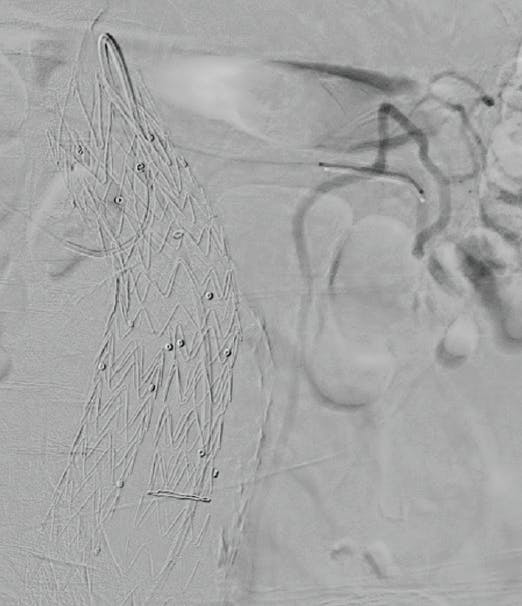
Figure 2. LANTERN microcatheter navigating the tortuous arc of Riolan.
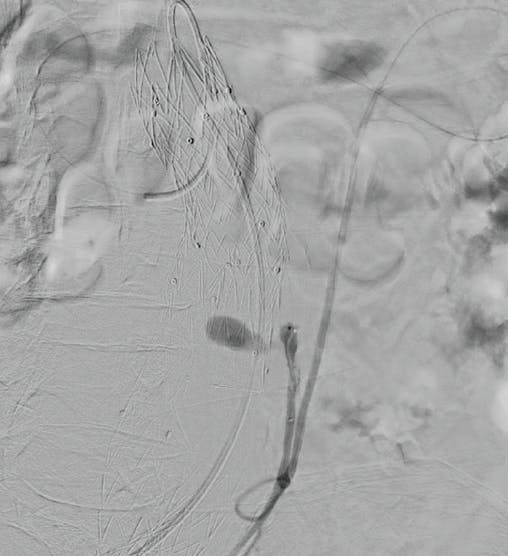
Figure 3. Angiogram showing persistent blush into the sac coming from the IMA.
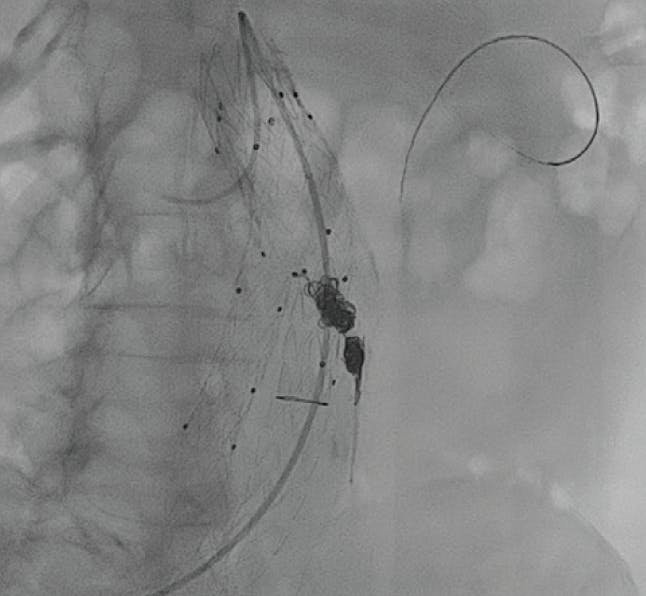
Figure 4. A 4-mm Ruby Coil filling from the sac to the IMA.
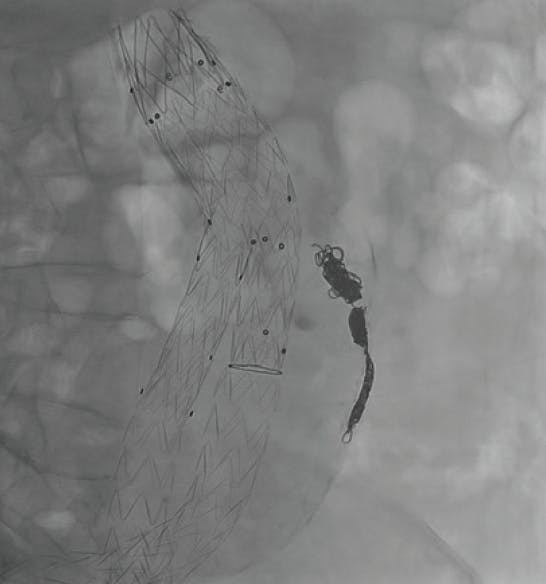
Figure 5. A 60-cm Packing Coil filling the sac.
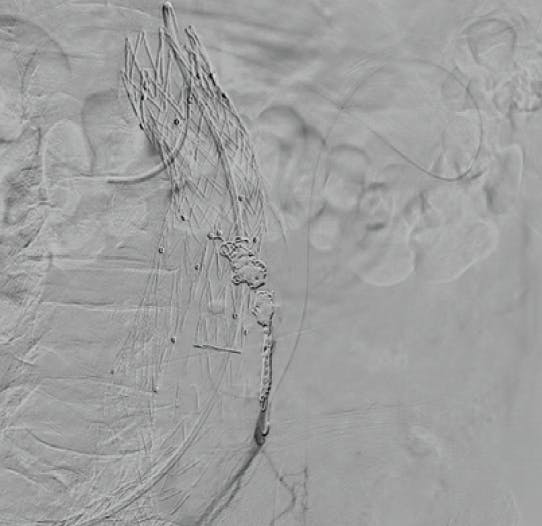
Figure 6. Final angiogram showing complete embolization of the SMA to the IMA.
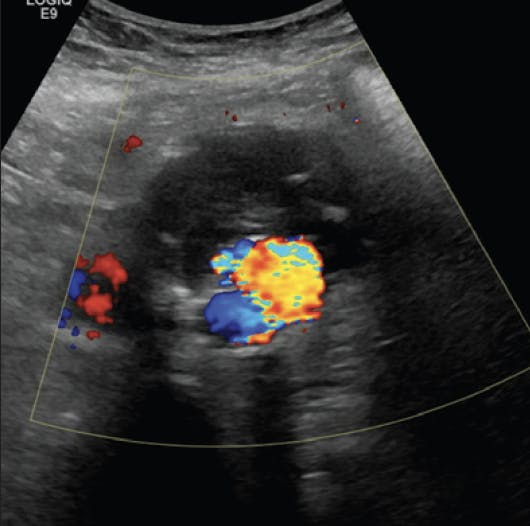
Figure 7. Postoperative duplex ultrasound at 6 weeks showed a stable sac.
Aortopulmonary Collateral Vessel Embolization


WHY I USED PENUMBRA COILS FOR THIS CASE
- Efficient and complete packing of vessels
- Ability to use different microcatheters to enter small and tortuous vessels
CASE PRESENTATION
The patient was born at 33 weeks gestational age with hypoplastic left heart syndrome (HLHS). The standard Norwood operation was deferred due to her prematurity and low birth weight. Instead, bands were surgically placed around the branch PAs to restrict pulmonary blood flow (Figure 1A). At 10 weeks of age, the patient underwent the Norwood operation with a 5-mm Sano shunt, takedown of the bands, and pulmonary arterioplasty (Figure 1B).
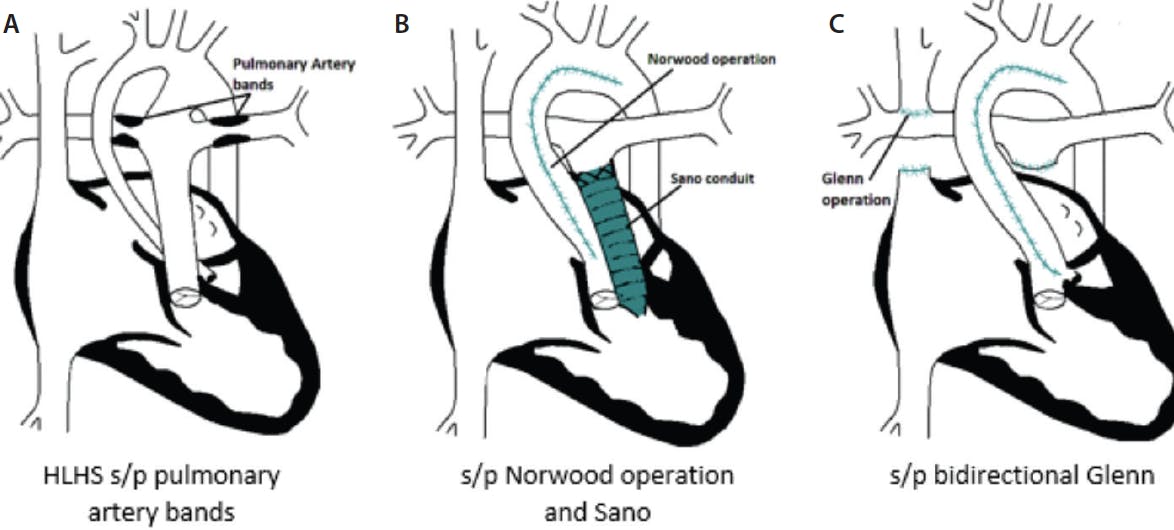
Figure 1. Illustration showing HLHS after banding of the PA to restrict pulmonary blood flow (A), the Norwood operation with Sano conduit (B), and the bidirectional Glenn procedure (C).
At 5 months of age, she was found to have severe stenosis of the Sano conduit (right ventricle-to-PA connection). Large aortopulmonary collaterals had developed as an alternative source of pulmonary blood flow, allowing her oxygen saturations to remain stable. Embolization of these collaterals was not undertaken, as this would have resulted in severe hypoxemia. The patient subsequently underwent takedown of the Sano shunt and surgical anastomosis of the superior vena cava (SVC) to the PA (Glenn operation) (Figure 1C). This procedure creates a more efficient circulation in which desaturated blood from the SVC flows passively into the PAs.
Postoperatively, she developed tachypnea, pulmonary edema, chylous pleural effusions, and cardiomegaly. It was suspected that flow through the aortopulmonary collaterals was competing with the passive flow from the SVC. This was confirmed at catheterization. The PA and right ventricular end-diastolic (RVED) pressures were elevated, consistent with pulmonary overcirculation. Angiography demonstrated numerous large aortopulmonary collaterals, as well as diminished antegrade flow into the left and right PAs from the SVC (Figure 2).
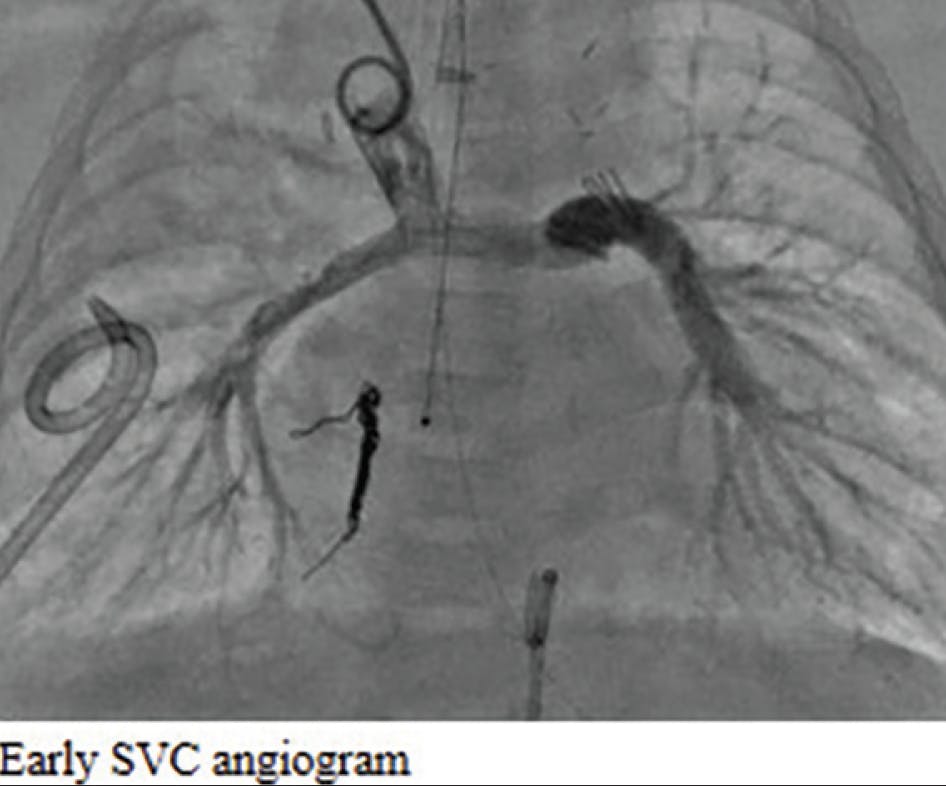
Figure 2. Contrast injection via a 4-F pigtail catheter within the SVC. There is diminished antegrade flow to the left upper and right lower PAs and an absence of flow to the right upper and middle PA. Evidence of competitive flow within both the right and left PAs was seen.
Aortopulmonary collaterals provide a competitive, high-pressure, inefficient source of pulmonary blood flow, which inhibits the passive, more efficient flow from the SVC and causes the upstream pressure to rise. To remove the competitive flow, lower the PA and RVED pressures, and augment antegrade flow into the PAs, the collateral vessels must be occluded. These vessels have a tendency to recanalize if they are not effectively occluded throughout their entirety.
PROCEDURAL OVERVIEW
Access was obtained via a 4-F sheath in the right femoral artery. A 4-F glide catheter was positioned in close proximity to the origin of the collateral. A 2.5-F Cantata® (Cook Medical) microcatheter was then advanced through the glide catheter into the various collateral vessels, and selective angiography was performed. Once it was verified that the vessel was providing significant aortopulmonary flow, the microcatheter was advanced to the distal portion of the vessel, and Packing Coil LP were deployed.
The left internal mammary artery (LIMA) was coil occluded with three Packing Coils LP and three Ruby LP Coils. The Packing Coils densely filled the vessel throughout its course, while the Ruby Coils provided a cap near the orifice of the vessel. Side branches arising in close proximity to the orifice of the LIMA required precise positioning of the coils to ensure complete cessation of flow. The coaxial system was then advanced into the right internal mammary artery, right thoracoacromial artery, right lateral thoracic artery, and the right and left phrenic arteries. Each of these vessels were filled with Packing Coils LP. Finally, the coaxial system was advanced into several right intercostal arteries, which were occluded with Packing Coil LP.
After embolization of 10 aortopulmonary collateral vessels, the final angiogram within the SVC demonstrated significant improvement in antegrade flow into the left and right PAs (Figure 3). Removal of the collateral flow also improved the measured hemodynamics, with a decrease in SVC pressure from 19 to 16 mm Hg, without a change in arterial saturations. Over the next several days, the pleural effusions, pulmonary edema, and respiratory symptoms all resolved.
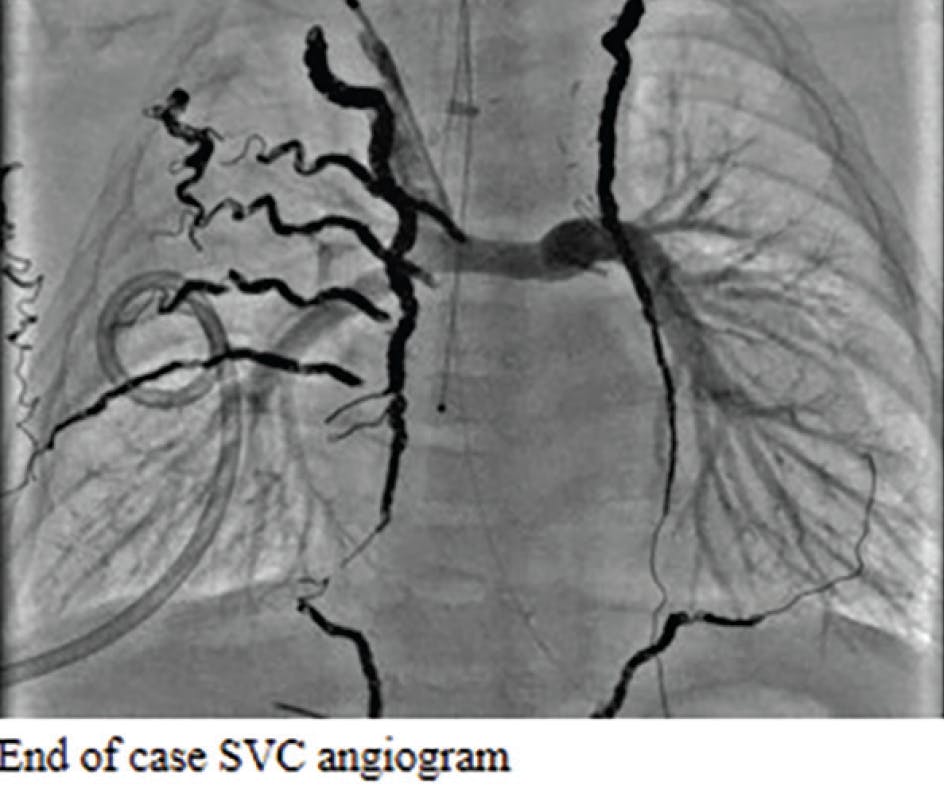
Figure 3. Contrast injection within the SVC after coil occlusion of 10 aortopulmonary collateral vessels. There is greater symmetry of flow to the right and left PAs. Antegrade flow to the right upper lobe was established after eliminating the competitive collateral flow.
Disclaimer: The opinions and clinical experiences presented herein are for informational purposes only. The results may vary depending on a variety of patient-specific attributes.
Advertisement
Advertisement