Advertisement
Advertisement
July 2022 Supplement
Sponsored by The PERT Consortium™
The PERT Consortium™ PE Registry and Research Committee: Updates and Future Directions
The development of a real-world pulmonary embolism registry and research committee to inform providers on best practices, establish a mechanism for initiating and funding investigator-led projects, and provide a platform for prospective clinical research trials.
Acute pulmonary embolism (PE) is the third-leading cause of cardiovascular mortality and is estimated to affect 100,000 patients per year.1 Despite the improved diagnostics and treatment modalities in the late 20th century, there is a paucity of resources allocated for PE research compared with the top two causes of cardiovascular death: myocardial infarction and stroke. To address this concern, the National Pulmonary Embolism Response Team (PERT) Consortium™ established a modern PE registry to help inform providers on diagnosis, management, and outcomes derived from real-world patients presenting with acute PE.
MAJOR DEVELOPMENTS IN PE REGISTRIES
The last large, multicenter, prospective registry dedicated to the study of acute PE was ICOPER, which was conducted in the mid-1990s.2 It enrolled 2,454 patients with acute PE at 52 institutions across North America and Europe, elucidating significant key aspects related to acute PE, including presenting signs and symptoms, prognostic factors, and outcomes.
Since ICOPER was conducted, there have been several important developments in the field of PE. First, a series of randomized trials investigated the effects of systemic thrombolytic administration on the outcome of acute intermediate-risk PE, with results indicating an incremental benefit to such therapy, albeit at a risk of significant bleeding.3,4 The desire to mitigate bleeding risk while harnessing the therapeutic benefits of thrombolytics led to increasing interest in the use of catheter-based therapies as a potentially safer strategy. Although the field was initially focused on catheter-based thrombolysis, newer devices that combine fragmentation and aspiration of thrombus have emerged. This rapid development of various endovascular therapies has outpaced the design and execution of appropriately sized trials to fully investigate their safety and efficacy. Additionally, new therapies have also emerged, such as direct oral anticoagulants for long-term management of PE patients and mechanical support for patients in postobstructive shock from acute PE.
The second major development since ICOPER has been the conception and promulgation of the multidisciplinary PERT model of care delivery. PERT emphasizes the rapid evaluation of acute PE patients by an expert multispecialty team that benefits from ongoing experience, education, and standardized protocol creation and dissemination.5
A third development has been the progressive shift in health care delivery toward a value-based system, with an emphasis on identifying quantifiable measures of quality, cost, and patient experience. These key developments fueled the need for a modern multicenter PE registry.
The PERT Consortium™ PE REGISTRY
The PERT Consortium™ PE Registry was conceived in 2015 in Boston, Massachusetts, at the inaugural meeting of The PERT Consortium™. The goal was to develop a modern observational database to help improve patient outcomes, catalyze funded investigator-led projects, and provide a platform for prospective clinical research trials. Currently, the registry collects prospective data on a large cohort of patients presenting with intermediate- and high-risk PE from diverse settings across many hospital systems.
There are currently > 40 medical centers nationwide voluntarily contributing prospective data on acute PE patients, with > 7,500 patients enrolled as of May 2022 (Figure 1). Data elements are secured in a REDCap database and include baseline demographic and clinical characteristics, imaging and laboratory data, therapy recommended by PERT, implemented treatments and their timing, and in-hospital adverse events and outcomes.
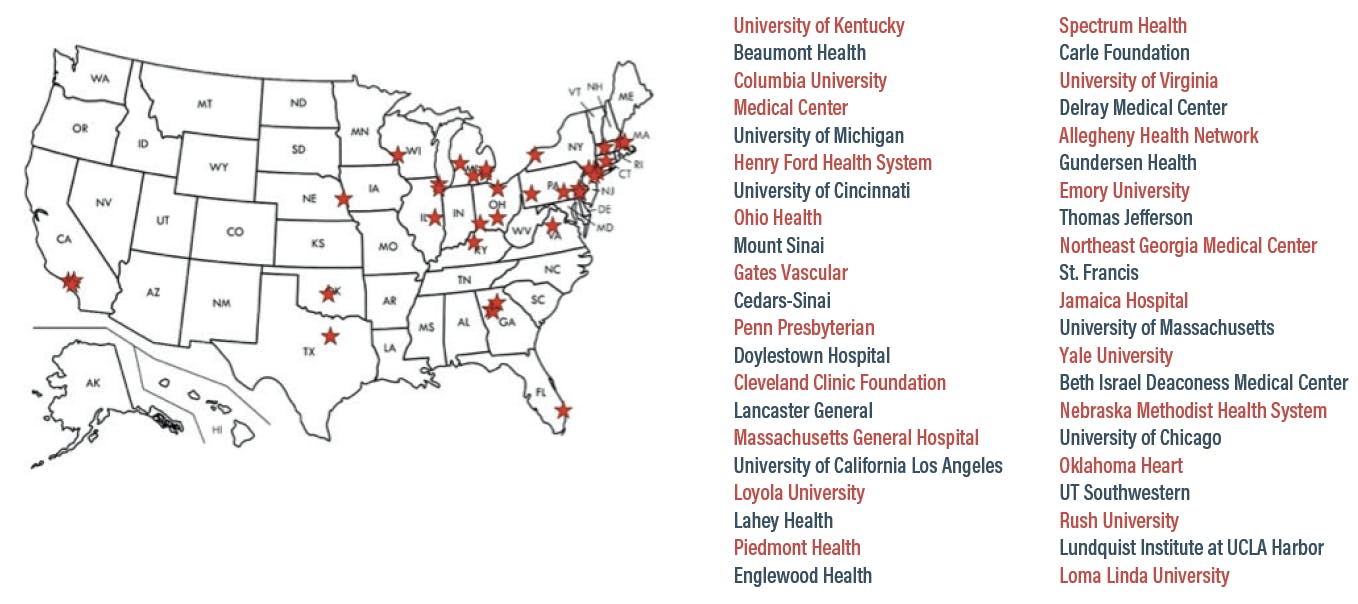
Figure 1. Participating centers in The PERT Consortium™ PE Registry.
A raw descriptive analysis of the registry revealed the following current information:
- Mean age was 61 years, 47% were female, 24% were minorities, and 50% had body mass index > 30 kg/m2.
- Of all intermediate-risk patients seen by PERT and entered in the registry, 32% received catheter-directed therapies, and 7% had an inferior vena cava (IVC) filter placed.
- For high-risk patients, 37% had catheter-directed therapies, 25% received tissue plasminogen activator, 12% had an IVC filter implanted, and 14% were placed on extracorporeal membrane oxygenation machine.
- The 30-day mortality of low-, intermediate-, and high-risk patients was 5.2%, 6.7%, and 27.7%, respectively. Figure 2 displays the 30-day and 1-year mortality rates of the registry patients according to risk categories.
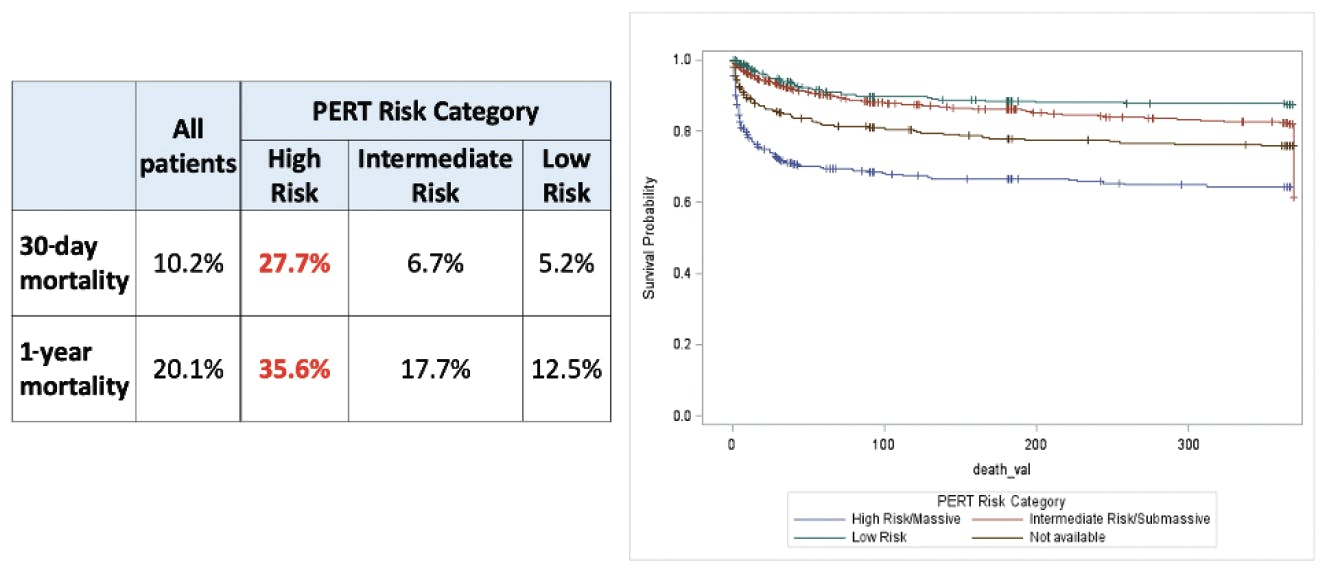
Figure 2. Mortality rates of patients in The PERT Consortium™ PE Registry.
The PERT Consortium™ PE Registry and Quality
The PERT Consortium™ PE Registry, in collaboration with the Boston Clinical Research Institute, also serves as a data repository for internal quality control by providing quarterly updates to inform member institutions of their performance benchmarked to the national data. Included in that dashboard is the total number of patients and distribution across PE risk categories, right ventricular assessment, timely anticoagulation, advanced PE therapy use within the first 24 hours, median length of stay, in-hospital bleeding and death, PE clinic visit after discharge, and readmission rates. Figure 3 shows a partial example of such a dashboard.
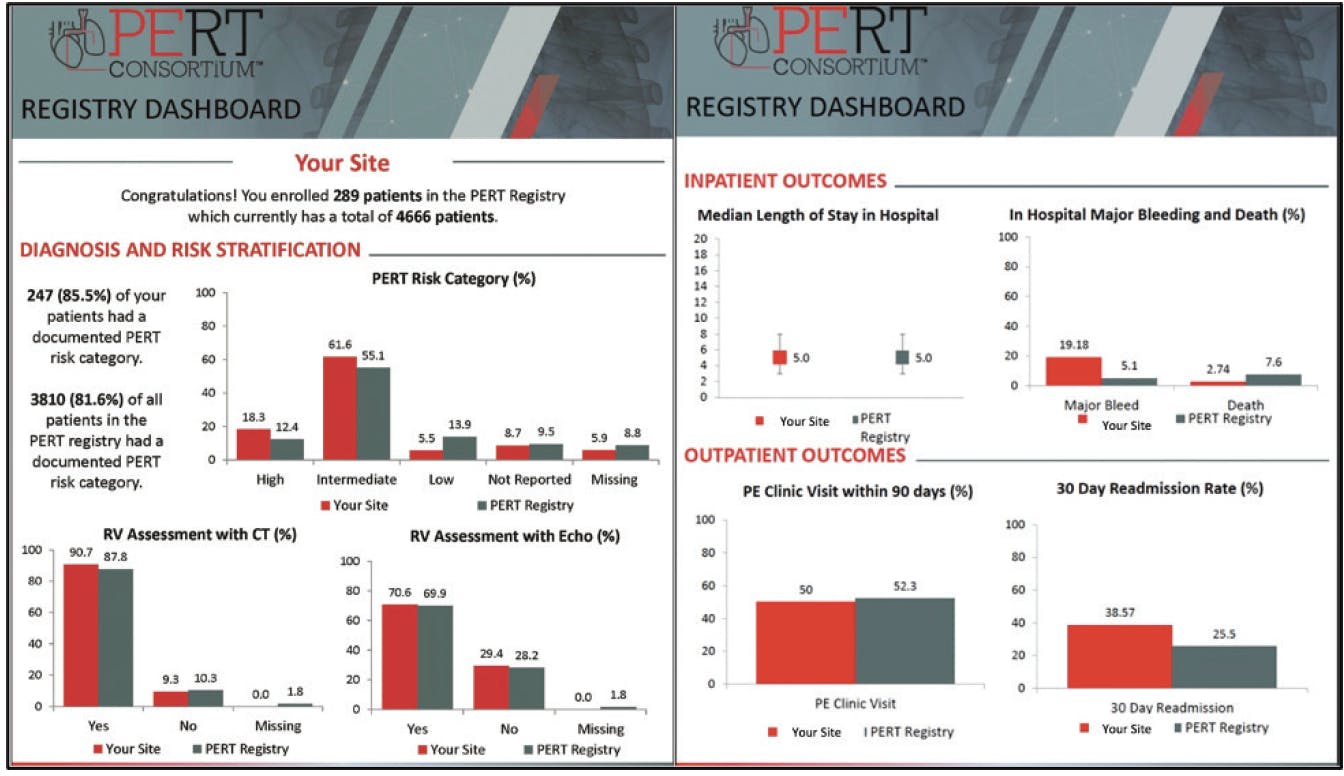
Figure 3. An example of The PERT Consortium™ PE Registry dashboard. RV, right ventricular.
The PERT Consortium™ PE Registry and Research
The PERT Consortium™ PE Registry has produced a number of early publications, including the discriminatory accuracy of common PE mortality risk scores6 and a survey of 100 PE experts on the risk stratification and management of acute submassive and massive PE.7 Another study evaluating the early PERT experience revealed wide variation in practice patterns among participating centers.8 Specifically, the implementation of advanced therapy ranged from 16% to 46% and 30-day mortality ranged from 9% to 44%. Further refinement and awareness of protocols will likely standardize care and achieve more consistent practices.
Last year, The PERT Consortium™ formally established a dedicated Research and Publication Committee composed of 12 diverse multidisciplinary members with established experience in PE and PE research. The committee meets monthly and is tasked with overseeing all research projects and publications derived from The PERT Consortium™ PE Registry. A formal mechanism for research project proposals was developed. Submitted proposals (both from centers contributing to the registry and noncontributing centers) are reviewed in detail, discussed, and ranked in order of relevance, importance, and urgency. The investigators with proposals receiving the highest scores are supplied with national data access to conduct the study. Although funding from applying investigators is welcome, The Consortium has earmarked a budget for funding highly ranked projects from member institutions. From 2021 to 2022, two proposals have been selected from a competitive field, and manuscript preparations are underway. One is focused on high-risk PE and use of mechanical support, and the other is focused on gender disparities in the management of acute PE.
Other tasks of the Research and Publication Committee are to harmonize The PERT Consortium™ PE Registry to help inform best practices, enhance the registry for regulatory decision-making, and provide a platform for prospective clinical research trials. Further direction on these tasks is expected pending results of PERC™, the inaugural Pulmonary Embolism Research Collaborative meeting, which is discussed elsewhere in this supplement.
CONCLUSION
The PERT Consortium™ PE Registry is a unique real-world registry designed to address diagnostic dilemmas and provide guidance on best practices in the management of intermediate- and high-risk PE, two subpopulations of PE that still have unacceptably high mortality and where management controversies remain. Additionally, the Research and Publication Committee arm of The Consortium was created to help oversee selected research projects and provide a vehicle for future clinical trials.
1. Goldhaber SZ, Bounameaux H. Pulmonary embolism and deep vein thrombosis. Lancet. 2012;379:1835-1846. doi: 10.1016/S0140-6736(11)61904-1
2. Goldhaber SZ, Visani L, De Rosa M. Acute pulmonary embolism: clinical outcomes in the International Cooperative Pulmonary Embolism Registry (ICOPER). Lancet. 1999;353:1386-1389. doi: 10.1016/s0140-6736(98)07534-5
3. Konstantinides S, Geibel A, Heusel G, et al. Heparin plus alteplase compared with heparin alone in patients with submassive pulmonary embolism. N Engl J Med. 2002;347:1143-1150. doi: 10.1056/NEJMoa021274
4. Meyer G, Vicaut E, Danays T, et al; PEITHO Investigators. Fibrinolysis for patients with intermediate-risk pulmonary embolism. N Engl J Med. 2014;370:1402-1411. doi: 10.1056/nejmoa1302097
5. Kabrhel C, Rosovksy R, Channick R, et al. A multidisciplinary pulmonary embolism response team: initial 30-month experience with a novel approach to delivery of care to patients with submassive and massive pulmonary embolism. Chest. 2016;150:384-393. doi: 10.1016/j.chest.2016.03.011
6. Barnes GD, Muzikansky A, Cameron S, et al. Comparison of 4 acute pulmonary embolism mortality risk scores in patients evaluated by pulmonary embolism response teams. JAMA Netw Open. 2020;3:e2010779. doi: 10.1001/jamanetworkopen.2020.10779
7. Todoran, TM, Giri J, Barnes GD, et al. Treatment of submassive and massive pulmonary embolism: a clinical practice survey from the second annual meeting of the Pulmonary Embolism Response Team Consortium. J Thromb Thrombolysis. 2018;46:39-49. doi: 10.1007/s11239-018-1659-5
8. Schultz J, Giordano N, Zheng H, et al. EXPRESS: a multidisciplinary pulmonary embolism response team (PERT)—experience from a national multicenter consortium. Pulm Circ. 2019;9:2045894018824563. doi: 10.1177/2045894018824563


Advertisement
Advertisement