Advertisement
Advertisement
May 2022
Panel Discussion: Multidisciplinary Limb Salvage Approaches
Moderator Anahita Dua, MD, MS, MBA, asks an expert panel about the makeup of their care teams for patients at risk for amputation, optimal medical and wound care management, follow-up protocols, and how to improve communication with patients to ensure outcomes that fit their needs.
With Laura Drudi, MD; Gaurav Parmar, MD, MPH; Luis Mariano Palena, MD; Elisa Piccolo, MD; Sara Rose-Sauld, DPM; and Mehdi H. Shishehbor, DO, MPH, PhD
MODERATOR






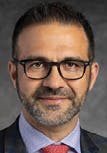
Dr. Dua: How does your center determine who is responsible for care coordination for patients at risk for amputation?
Dr. Drudi: My center does not currently have a formal multidisciplinary limb salvage team. Our approach involves patients presenting to vascular surgery or orthopedic surgery clinics. Consultations are also received from inpatient wards.
Drs. Palena and Piccolo: In our center, the care coordination for patients at risk for amputation is managed by a multidisciplinary team that collaborates directly with each other and is coordinated by the head of the diabetic foot center. Our team consists of a foot surgeon, diabetologist, interventional radiologist, vascular surgeon, cardiologist, orthopedic technician, and other health care professionals who specialize in management of this pathology.
Dr. Parmar: We have a multidisciplinary team responsible for care of patients at risk for amputation. Our team involves professionals from vascular and endovascular surgery, vascular medicine, interventional cardiology, interventional radiology, supervised exercise therapy, podiatry, comprehensive wound care, vascular laboratory imaging, a liaison nurse, infectious disease, endocrinology, and prosthetics. We are trying to have the liaison nurse help coordinate care for all patients at risk for amputation. However, the system is not perfect yet. The primary contact physician is in charge of care coordination in many instances.
Dr. Rose-Sauld: Responsibility for care coordination greatly varies by how the patient entered the hospital system. Often, the initial practitioner who identified the patient as high risk will coordinate care. This often can be podiatry, wound care, vascular, endovascular, interventional radiology, cardiology, or medicine.
Dr. Shishehbor: We created a Limb Salvage Advisory Council (LSAC) across our system of 11 hospitals that mandates a review before any nonurgent below-the-knee (BTK) or above-the-knee amputation. A coordinator manages the referrals and arranges a virtual meeting among all stakeholders (vascular surgery, interventional cardiology, vascular medicine, and podiatry). When a patient enters the LSAC evaluation, the LSAC coordinator will coordinate the care of the patient through the care continuum via collaborative discussion with all specialties involved.
Dr. Dua: What is the optimal medical management scenario for a critical limb ischemia (CLI) patient?
Drs. Palena and Piccolo: Optimal medical management requires communication between specialists to decide the best therapeutic strategy and timing for each patient. Using the multidisciplinary team approach in daily practice ensures that the different steps to healing are strongly shared and reviewed over time and that all the doctors know the patient’s medical history perfectly.
Dr. Shishehbor: Patients with CLI have many comorbidities, including diabetes mellitus and chronic kidney disease. They often are malnourished and have high frailty scores. We recently formed a comprehensive program called the Center for Integrated and Novel Approaches in Vascular-Metabolic Disease (CINEMA) to address diabetes and its complications. Patients with CLI and diabetes are referred to CINEMA for expert care that includes management of diabetes and other risk factors such as hypertension, smoking, and hyperlipidemia.
Dr. Parmar: An optimal medical management scenario for chronic limb-threatening ischemia (CLTI) includes tobacco cessation, antithrombotic therapy, adequate blood pressure (BP) control (goal BP < 140/90 mm Hg), appropriate glycemic control (goal HbA1c < 7%), adequate dyslipidemia control (goal low-density lipoprotein [LDL] < 70 mg/dL), pain control, proper wound care, podiatric care including offloading of the affected limb, and therapeutic lifestyle changes with diet and supervised or home-based exercise therapy. Antithrombotic therapy is either aspirin 75 to 100 mg/day1 or clopidogrel 75 mg/day2 prior to the revascularization procedure. The 2017 European Society of Cardiology/European Society for Vascular Surgery guidelines on management of peripheral artery disease (PAD) recommend use of clopidogrel over aspirin.3 It is also appropriate to prescribe rivaroxaban 2.5 mg twice daily with antiplatelet monotherapy for patients with evidence of polyvascular disease along with PAD prior to revascularization or if a revascularization procedure is not pursued,4 especially in younger patients with low bleeding risk. Similarly, dual antiplatelet therapy (DAPT) or the addition of rivaroxaban 2.5 mg twice daily to antiplatelet monotherapy is an appropriate strategy for patients with CLTI and stable coronary artery disease (CAD).4-6 Antihypertensive therapy should be provided, preferably either an angiotensin-converting enzyme inhibitor (ACEI) or an angiotensin receptor blocker (ARB).7,8 The 2016 American College of Cardiology/American Heart Association PAD management guidelines give a class IIA recommendation to ACEI or ARB use, even in the absence of a diagnosis of hypertension, for the improved cardiovascular outcomes.9 It is reasonable to avoid canagliflozin for diabetes in patients with CLTI, especially in those with a history of amputation.10,11 The highest-tolerated high- or moderate-intensity statin (preferably atorvastatin or rosuvastatin) should be used to achieve a target LDL < 70 mg/dL.9 It is recommended to start or continue the highest-tolerated statin even if the LDL is below target. If LDL is not at the goal with a high-intensity statin, then it is reasonable to add ezetimibe to the regimen. If LDL is still not at goal or if the patient cannot tolerate statin therapy, then a proprotein convertase subtilisin/kexin type 9 inhibitor is a reasonable alternative. A trial of cilostazol in a patient without heart failure is an appropriate addition to the medical regimen for a very symptomatic patient.
Dr. Drudi: Optimal medical management for patients with CLTI is multifold and involves lifestyle modification (tobacco cessation and nicotine replacement), nutrition evaluation and supplementation, BP control, diabetes management, antiplatelet therapy, and anticoagulation when indicated.
Dr. Dua: What new tibial interventions are most promising in the management of these patients? What are the group’s views on tibial stenting, and what role does atherectomy play in the care of these patients?
Drs. Palena and Piccolo: Endovascular revascularization represents first-line treatment in patients with symptomatic PAD affected by CLTI and ulcers in the foot. In our center, we perform all ultradistal revascularization procedures. Peripheral orbital and rotational atherectomy followed by drug-coated balloon (DCB) angioplasty appear to be a safe and effective treatment option in patients affected by small artery diseases and calcifications in BTK and below-the-ankle segments with the inability to cross the target lesion with a catheter balloon after endoluminal crossing. This provides a high success rate with high clinical success, as well as a high rate of freedom from clinically driven target lesion revascularization (CD-TLR) and reintervention, high rate of amputation-free survival, and low rate of complications. Intravascular lithoplasty is also a good tool to manage calcium and prevent reinterventions.
However, there is still a need for BTK stents. Experience with the MicroStent (Micro Medical Solutions) presented at a recent congress showed improvement in terms of patency and freedom from CD-TLR. We are also participating in and enrolling for RESOLV I, the first-in-human trial of a bioresorbable drug-eluting stent (DES) for BTK, and the local experience is very promising for future use of BTK stenting.
Dr. Shishehbor: In addition to offering comprehensive vascular and wound care, adequate angioplasty with appropriately sized balloons, using DESs in the proximal tibial arteries when there are flow-limiting dissections, and addressing distal foot outflow are important. Promising new interventions include the LimFlow system (LimFlow SA) for no-option patients, bioabsorbable stents for tibial disease, and biologic therapy to enhance wound healing.
If there are flow-limiting proximal tibial dissections, then stenting makes good sense. Data for DESs in the proximal tibial arteries are very strong and include multiple randomized clinical trials. Unfortunately, despite all data, we recently showed that when a stent is required, 50% of the patients are still receiving bare-metal stents.12
Dr. Drudi: The most promising new tibial interventions are antegrade and retrograde access to the tibial arteries. With current technologies, I only stent the tibial arteries if it does not jail my open surgical interventions. I believe ongoing studies with bioresorbable tibial stents may be promising in the management of these patients. I think atherectomy can be the most useful for vessel preparation for DCB and DES technologies.
Dr. Dua: When should wound care be initiated, and what are the keys to providing optimal wound care for this patient cohort?
Dr. Parmar: Wound care should be initiated as soon as possible. The most important factor for optimal wound care is timely referral to a team of comprehensive wound care specialists. It is never too early to refer a CLTI patient to wound care. Principles of wound care involve pressure offloading, debridement of nonviable tissue and dirt, prevention and treatment of infection, and moisture control. It is appropriate to avoid or wait for debridement of a dry noninfected wound until after revascularization. There is limited to no clear evidence of the wound healing benefit of pentoxifylline, cilostazol, prostaglandins, intermittent pneumatic compression devices, or hyperbaric oxygen therapy.
Dr. Rose-Sauld: All high-risk patients should be evaluated for preventive wound care at the initial visit, even prior to any wound formation. This includes offloading pressure points at risk for wound development and providing education. Some current research being done with pressure or temperature sensors may be helpful,13 but clinical evaluation of the skin and foot biomechanics is generally adequate. Preulcerative lesions should also be treated urgently with offloading. Certainly, if there are any breaks in the skin, they require wound care involvement.
Keys to providing optimal wound care include involving multidisciplinary teams, frequent and long-term follow-up, and considering social factors. Assessing nonmedical factors such as stairs in the patient’s home and social support can help guide treatment needs.
Dr. Drudi: Wound care should be initiated for any patients with CLTI and wounds or ulcers. The keys to providing optimal wound care include wound evaluation (wound size, type, exudate, wound edges), proper dressing, adequate follow-up, continual communication with the multidisciplinary team or primary team, and patient education and advocacy.
Dr. Shishehbor: Wound care should be initiated as soon as a wound is identified. The initial goal is to make the right diagnosis and address infection and comorbid conditions. Local factors affecting healing must also be examined, including edema, tissue viability, moisture balance, and offloading. Eventually, through enzymatic and/or sharp debridement, a wound must be debrided so that healing can occur. It is a team effort, with the vascular specialist working closely with the podiatrist and wound care specialist to heal the wound.
Drs. Palena and Piccolo: Wound care needs to be started from the onset. An accurate exam of the lesions and early recognition of infection or presence of osteomyelitis guide the choice of treatment. Restoration of optimal blood flow represents the first line of treatment, aiming to promote wound healing and limb salvage. In case of infection, adequate targeted antibiotic therapy performed in a hospital setting may be necessary. Advanced dressings are performed daily in our center and recommended at home; if correctly used, they offer advantages in terms of clinical effectiveness, patient quality of life, and cost-effectiveness.
When necessary, advanced podoplasty surgical treatments are performed, always favoring minor amputations (necrosectomy, sequestrectomy, phalanx or tip amputation) over more invasive interventions.
Dr. Dua: What is the role for casting/offloading in this population, and how do we prevent muscle atrophy/frailty in those patients with non–weight-bearing status for months?
Dr. Parmar: Pressure offloading is very important in wound healing. It is appropriate to employ immediate mechanical offloading techniques that are local, individualized, and specific to the ulcer location. Surgical offloading can be appropriate after revascularization and after the ischemic ulcer is completely healed. However, it is prudent to be extremely careful to ascertain that adequate healing of the incision is possible for any surgical procedure in the affected limb. To avoid deconditioning and muscle atrophy, patients should be encouraged to participate in any form of physical activity they can. Stretching exercises, removable cast walkers, and instant total contact casts may improve compliance and help avoid muscle atrophy.
Dr. Drudi: I recommend offloading pressure ulcers and fresh amputations (digit and transmetatarsal amputations) until healed. In my experience, despite my best efforts, these recommendations aren’t adequately followed. Therefore, I spend significant time discussing the importance of offloading with patients and caregivers.
Prevention of muscle atrophy and deconditioning is important. I recommend patients have an adequate diversified diet to encourage healing. I also encourage upper extremity exercises to help maintain muscle mass, and I encourage patients to maintain mobility by doing in-bed exercises. Our institutional physiotherapists provide our patients with a list of exercises they can continue doing at home after discharge.
Dr. Rose-Sauld: Almost every patient will require some type of offloading. This may be in the form of orthotics, shoes, adhesive pads, casting, removable offloading devices, or surgical offloading. Offloading can both prevent ulceration and promote wound healing. Often, there are alternatives to prolonged non–weight bearing, such as offloading with external fixators, total contact cast, Charcot Restraint Orthotic Walker boot, or even surgical offloading.
For example, if a patient has an ulcer under a metatarsal head, a minimal-incision metatarsal osteotomy can be performed, which intrinsically offloads the area and allows for immediate postoperative weight bearing. An external fixator with a foot plate can be used to offload a plantar midfoot ulcer in patients for whom non–weight bearing is unrealistic or presents a risk.
When non–weight-bearing or prolonged immobilization is necessary, involving physical therapy can help prevent frailty. Knee scooters are often helpful to maintain non–weight-bearing status if the patient is stable and the contralateral extremity is able to tolerate it. Unfortunately, these are generally not covered by insurance in the United States.
Drs. Palena and Piccolo: Patients are assessed at an outpatient visit, and hospitalization is planned if the patient requires diagnostic investigations; medical and surgical treatments are performed in the hospital setting. Our unit is supplied with the best hospital facilities and antidecubitus beds, and patients are provided with the latest-generation leg braces and footwear that allow them, both in the hospital and at home, to recover early mobility and prevent muscle atrophy and muscle fragility without putting wound healing at risk.
Dr. Dua: What is the ideal anticoagulation regimen, and how are these patients followed postprocedure for anticoagulation/antiplatelets?
Drs. Palena and Piccolo: After endovascular revascularization procedures, most of our patients undergo DAPT for at least 3 months. In some cases, with adequate criteria and in absence of high bleeding risk, we adopt a rivaroxaban plus aspirin protocol according to the COMPASS trial. Patients are discharged with a therapeutic plan and sent back to a coagulation center closer to home.
Dr. Drudi: The ideal anticoagulation for patients with CLTI postrevascularization with negligible bleeding risk is rivaroxaban. Unfortunately, in Quebec, rivaroxaban is only renumerated if the patient has documented CAD. Therefore, patients without documented CAD will have to pay out of pocket, resulting in a significant financial burden. This poses a barrier to optimal medical management for patients with CLTI.
Dr. Parmar: After a revascularization procedure, it is reasonable to prescribe DAPT for up to 6 months depending on the bleeding risk and patient preference.14 It is also reasonable to continue DAPT for a longer duration for a BTK prosthetic bypass.15 Low-dose direct oral anticoagulant with rivaroxaban 2.5 mg twice daily should be added to antiplatelet monotherapy after the initial phase of DAPT is completed.16 Due to the cumulative bleeding risk, triple therapy (DAPT plus anticoagulant) has been discouraged for the most part. Continuation of DAPT or the addition of an anticoagulant should always be a shared decision in partnership with the patient after discussing the risks and benefits.
Dr. Shishehbor: This has significantly changed for us. It used to be aspirin and clopidogrel for 1 to 6 months. However, we now use anticoagulants, as data from COMPASS and VOYAGER have been encouraging. Higher-risk patients with CLI are now treated with a combination of rivaroxaban plus either aspirin or clopidogrel and we tend to treat until the wound heals.
Dr. Dua: Should “centers of excellence” be the norm for ensuring optimal outcomes, as is the case in cancer care?
Dr. Drudi: I believe centers of excellence for comprehensive vascular care are essential for amputation prevention. Centers with expertise in vascular medicine, endovascular techniques, open revascularization techniques, advanced techniques for limb salvage, and podiatry are essential for patients with CLTI.
Drs. Palena and Piccolo: Absolutely, yes. Only a center of excellence that is extremely specialized in this pathology and has the ability to provide the best therapeutic strategy built on each individual patient can guarantee optimal results—minimizing risk of major amputation and improving patient quality of life.
Dr. Shishehbor: There are many rural and underserved areas of the country where resources to have a center of excellence may be limited. I believe > 50% of patients with CLI can be treated routinely with teamwork among podiatrists and vascular specialists who are dedicated to tibial and distal disease. However, I think approximately 30% to 40% of patients require more advanced care that may include complex surgical or endovascular procedures or foot reconstruction. For these patients, having dedicated center of excellence limb salvage programs may be helpful.
Dr. Parmar: Multidisciplinary centers of excellence are crucial to improving outcomes of CLTI patients. CLTI patients are not homogeneous, and their needs are multifactorial: appropriate guideline-directed medical therapy, surgical or endovascular intervention, and wound care. There is no way for a single specialty to provide all the aspects of care in an efficient and effective manner. We have learned from our experience with centers of excellence in the care of cancer, aortic disease, and, recently, with pulmonary embolism response teams. Our CLTI patients desperately need such collaborative multidisciplinary teams, and it’s time to come together on this.
Dr. Rose-Sauld: Absolutely. Many studies have shown that this increases wound closure rates, decreases recurrence, and increases limb salvage rates.17,18
Dr. Dua: How can short- and long-term communications with patients be improved and optimized to ensure enduring outcomes that fit their needs?
Drs. Palena and Piccolo: Communication with the patient is a fundamental element in the management of this pathology. Education about their disease and the importance of prevention and early recognition of signs are key elements. Our patients are regularly subjected to checks, even when they are free of symptomatic disease, and they are able to communicate directly with us at any time to promptly recognize any problems.
Dr. Rose-Sauld: In an ideal scenario, if each high-risk patient was evaluated by an entire multidisciplinary team when they entered the system, a short- and long-term plan should be decided at that time. It is estimated that diabetic foot ulcers recur in approximately 65% of patients within 5 years19; hence, they need frequent and long-term follow-up even after wound closure. Often, these patients run into complications after missing appointments or being lost to follow-up. In my practice, I have found that social factors also often play a role. For example, if patients do not have transportation or have financial limitations, this may lead to suboptimal care. A case manager would be helpful in ensuring their complex care needs are met. Unfortunately, this is often unrealistic in our overburdened, understaffed health care system.
Dr. Parmar: Communication is key for the care coordination of CLTI patients; both short-term communication to organize and arrange all aspects of care as well as long-term communication regarding the progress of their treatment plan and need for escalation of care are paramount. These systems should also be individualized per the needs of the patient.
Dr. Drudi: Communication can certainly be improved between providers and patients in the short and long term. I ensure that my patients have my direct office line and the extension of my secretary. I educate and sensitize patients and their caregivers that if clinical status deteriorates (eg, pain at rest, development of new wounds, deterioration of current wounds), they should contact me or present to the vascular surgery emergency clinic for evaluation. I also ensure patients have my professional email to send photos of wounds on a weekly basis for evaluation of progression. I believe that having access to a vascular specialist can streamline communications and ensure enduring patient-centered and clinical outcomes.
Dr. Shishehbor: CLI patients are usually underserved. There are significant disparities in amputation and vascular care in the United States. We need comprehensive interventions that address these disparities but also the social determinants of these conditions. I believe our LSAC program is, in some ways, addressing disparities in our system. In our center, major amputation cannot occur without experts getting together and discussing all options and ensuring we have done all we can to save every leg of every patient who has trusted us with their care.
Disclosures
Dr. Dua: Educational consultant for Penumbra, Boston Scientific Corporation, Abbott, and Medtronic.
Dr. Drudi: None.
Dr. Palena: None.
Dr. Piccolo: None.
Dr. Parmar: None.
Dr. Rose-Sauld: None.
Dr. Shishehbor: Advisory board for Medtronic, Boston Scientific Corporation, Abbott Vascular, Philips, and Terumo.
1. Critical Leg Ischaemia Prevention Study (CLIPS) Group, Catalano M, Born G, Peto R. Prevention of serious vascular events by aspirin amongst patients with peripheral arterial disease: randomized, double-blind trial. J Intern Med. 2007;261:276-284. doi: 10.1111/j.1365-2796.2006.01763.x
2. CAPRIE Steering Committee. A randomised, blinded, trial of clopidogrel versus aspirin in patients at risk of ischaemic events (CAPRIE). CAPRIE Steering Committee. Lancet. 1996;348:1329-1339. doi: 10.1016/s0140-6736(96)09457-3
3. Aboyans V, Ricco JB, Bartelink MEL, et al; ESC Scientific Document Group. 2017 ESC guidelines on the diagnosis and treatment of peripheral arterial diseases, in collaboration with the European Society for Vascular Surgery (ESVS): document covering atherosclerotic disease of extracranial carotid and vertebral, mesenteric, renal, upper and lower extremity arteries endorsed by: the European Stroke Organization (ESO) the task force for the diagnosis and treatment of peripheral arterial diseases of the European Society of Cardiology (ESC) and of the European Society for Vascular Surgery (ESVS). Eur Heart J. 2018;39:763-816. doi: 10.1093/eurheartj/ehx095
4. Anand SS, Bosch J, Eikelboom JW, et al; COMPASS Investigators. Rivaroxaban with or without aspirin in patients with stable peripheral or carotid artery disease: an international, randomised, double-blind, placebo-controlled trial. Lancet. 2018;391:219-229. doi: 10.1016/S0140-6736(17)32409-1
5. Bonaca MP, Bhatt DL, Storey RF, et al. Ticagrelor for prevention of ischemic events after myocardial infarction in patients with peripheral artery disease. J Am Coll Cardiol. 2016;67:2719-2728. doi: 10.1016/j.jacc.2016.03.524
6. Patel MR, Becker RC, Wojdyla DM, et al. Cardiovascular events in acute coronary syndrome patients with peripheral arterial disease treated with ticagrelor compared with clopidogrel: data from the PLATO trial. Eur J Prev Cardiol. 2015;22:734-42. doi: 10.1177/2047487314533215
7. Heart Outcomes Prevention Evaluation Study Investigators; Yusuf S, Sleight P, Pogue J, et al. Effects of an angiotensin-converting-enzyme inhibitor, ramipril, on cardiovascular events in high-risk patients. N Engl J Med. 2000;342:145-153. Published correction appears in N Engl J Med. 2000;342:748. doi: 10.1056/NEJM200001203420301
8. ONTARGET Investigators; Yusuf S, Teo KK, Pogue J, et al. Telmisartan, ramipril, or both in patients at high risk for vascular events. N Engl J Med. 2008;358:1547-1559. doi: 10.1056/NEJMoa0801317
9. Gerhard-Herman MD, Gornik HL, Barrett C, et al. 2016 AHA/ACC guideline on the management of patients with lower extremity peripheral artery disease: a report of the American College of Cardiology/American Heart Association task force on clinical practice guidelines. J Am Coll Cardiol. 2017;69:e71-e126. Published correction appears in J Am Coll Cardiol. 2017;69:1521. doi: 10.1016/j.jacc.2016.11.007
10. US Food and Drug Administration. FDA drug safety communication: FDA confirms increased risk of leg and foot amputations with the diabetes medicine canagliflozin (Invokana, Invokamet, Invokamet XR). Accessed March 21, 2022. https://www.fda.gov/drugs/drug-safety-and-availability/fda-drug-safety-communication-fda-confirms-increased-risk-leg-and-foot-amputations-diabetes-medicine
11. Neal B, Perkovic V, Mahaffey KW, et al; CANVAS Program Collaborative Group. Canagliflozin and cardiovascular and renal events in type 2 diabetes. N Engl J Med. 2017;377:644-657. doi: 10.1056/NEJMoa1611925
12. Bumpus K, Maier MA. The ABC’s of wound care. Curr Cardiol Rep. 2013;15:346. doi: 10.1007/s11886-013-0346-6
13. Frykberg RG, Gordon IL, Reyzelman AM, et al. Feasibility and efficacy of a smart mat technology to predict development of diabetic plantar ulcers. Diabetes Care. 2017;40:973-980. doi: 10.2337/dc16-2294
14. Tepe G, Bantleon R, Brechtel K, et al. Management of peripheral arterial interventions with mono or dual antiplatelet therapy--the MIRROR study: a randomised and double-blinded clinical trial. Eur Radiol. 2012;22:1998-2006. doi: 10.1007/s00330-012-2441-2
15. CASPAR Writing Committee; Belch JJ, Dormandy J, Biasi GM, et al. Results of the randomized, placebo-controlled clopidogrel and acetylsalicylic acid in bypass surgery for peripheral arterial disease (CASPAR) trial. J Vasc Surg. 2010;52:825-833, 833.e1-2. Published correction appears in J Vasc Surg. 2011;53:564. doi: 10.1016/j.jvs.2010.04.027
16. Bonaca MP, Bauersachs RM, Anand SS, et al. Rivaroxaban in peripheral artery disease after revascularization. N Engl J Med. 2020;382:1994-2004. doi: 10.1056/NEJMoa2000052
17. Dargis V, Pantelejeva O, Jonushaite A, et al. Benefits of a multidisciplinary approach in the management of recurrent diabetic foot ulceration in Lithuania: a prospective study. Diabetes Care. 1999;22:1428-1431. doi: 10.2337/diacare.22.9.1428
18. Blanchette V, Brousseau-Foley M, Cloutier L. Effect of contact with podiatry in a team approach context on diabetic foot ulcer and lower extremity amputation: systematic review and meta-analysis. J Foot Ankle Res. 2020;13:15. doi: 10.1186/s13047-020-0380-8
19. Armstrong DG, Boulton AJM, Bus SA. Diabetic foot ulcers and their recurrence. N Engl J Med. 2017;376:2367-2375. doi: 10.1056/NEJMra1615439
Advertisement
Advertisement