Advertisement
Advertisement
August 2023
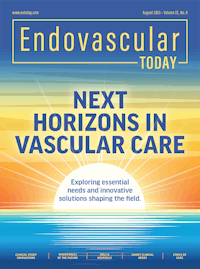
Exploring Next Horizons
By Maureen P. Kohi, MD, FSIR, FCIRSE, FAHA, and Peter A. Schneider, MD


The management of vascular disease has advanced in a dramatic and pleasing manner over the past 20 years. We can do so much more for patients and do it more safely than once was possible. We have a growing and passionate workforce, are undertaking more clinical trials, and contemporary vascular knowledge and techniques are extending into many communities that were previously devoid of these services. One of the exciting yet vexing features of this amazing field is that many unanswered questions remain. More clinical trials and innovations are needed to address the most pressing questions and better guide everyday practice. Innovation—whether iterative or paradigm-shifting—has been a regular feature of vascular practice. At times, innovations raise new questions faster than we can definitively answer them. In addition, real-world factors affect applicability, such as skills and training, device availability, and reimbursement. Nevertheless, exploring next horizons, thinking about the unmet needs, and imagining how the future might unfold makes our field dynamic and exciting.
This issue of Endovascular Today aims to explore some of today’s key questions and discuss their potential answers, which might soon be established norms. We don’t propose to answer each—not by a long shot. More so, we wish to better understand the importance of these questions and how they might be addressed.
We open our feature with a fresh perspective on applying real-world evidence (RWE), authored by an esteemed group that includes United States regulators collaborating with physicians and engineering and industry experts. The RAPID Global Regulatory Acceptance Group probes the potential of RWE to augment our data landscape, develop performance goals, and evaluate a safety signal. We look forward to learning more as this group continues its groundbreaking work.
Dovetailing with this discussion on new approaches to clinical study, we’ve assembled a panel of experts spanning various vascular backgrounds, asking each to share their perspectives on the innovations that are most needed in their respective fields.
Another key topic across modern practices—and current headlines—is the shifting site of the vascular care landscape in the United States. A multispecialty group with experience practicing in a variety of academic, hospital-based, and office-based practices fields questions on inherent advantages and disadvantages, potential research implications, staffing needs and pressures, and measures to ensure appropriate care regardless of setting.
On the topic of staffing, our next article details the trends shaping the next generation of the vascular workforce. This panel shares opinions on necessary skills, evolving education and training, and essential efforts toward ensuring diversity in the workforce.
In our “Curbside Consult” feature, we employ a new format and invite 10 globally recognized clinical experts to briefly opine on a topic that might otherwise fill an entire paper or chapter—the biggest challenge or unmet need in their field of expertise. By inviting just a few sentences or paragraphs from each, we aim to succinctly illustrate the wide variety of needs and perhaps the potential for crossover solutions spanning the spectrum of vascular care.
One element of care we all encounter and likely struggle with is how to approach therapeutic strategies and discussions when a patient is nearing the end of their life. Our concluding article in this feature addresses the ethics of care at this stage and how best to communicate options with the health care team, the patient, and their family.
In addition to the invited articles of our Next Horizons feature, this edition includes coverage of significant shifts in the regulatory and reimbursement landscape. As our technologies improve, what we “could do” for patients must be more carefully balanced with what we “should do.” In the News section, you’ll find in-depth updates on the FDA’s concluded assessment on the safety of paclitaxel-coated devices, as well as Medicare’s reconsideration of reimbursement for carotid artery stenting, among other topics currently shaping the field. Finally, the featured interview that closes each issue shares insights into modern stroke care; diversity, equity, and inclusion efforts in neurointervention; and nuanced approaches to pregnancy and parental leave.
We have endeavored to present candid discourse on a wide variety of topics shaping the present and future of vascular therapy, no doubt leaving many stones unturned for future editions to explore. We hope you enjoy the perspectives shared in this issue, and we send our deepest gratitude to each contributor.
Maureen P. Kohi, MD, FSIR, FCIRSE, FAHA
Peter A. Schneider, MD
Guest Chief Medical Editors
Advertisement
Advertisement