Advertisement
Advertisement
December 2023 Supplement
Sponsored By Surmodics, Inc.
CASE REPORT
Successful Removal of an SMA Embolus With the Pounce™ Thrombectomy System
By Nate Mohr, MD, and Dennis Fry, MD
Patient Presentation
A 71-year-old man presented to the emergency department (ED) complaining of ongoing abdominal pain. Two days prior, he had visited the ED for a CT scan complaining of acute onset of abdominal pain in the morning. The CT scan was read as diverticulitis, and the patient was sent home on antibiotics. However, his symptoms continued to worsen, marked by increased bloating, abdominal distention, chills, and diarrhea, compelling him to seek urgent medical attention again.
Diagnostic Findings
A follow-up CT scan showed a focal occlusion/thrombosis of the mid-superior mesenteric artery (SMA) with distal reconstitution as well as some thick-walled loops of small bowel without pneumatosis or free air. Right common femoral artery (CFA) access was obtained, and an initial angiography was performed. The angiogram showed that the proximal main trunk of the SMA was open, while the distal main trunk of the SMA prior to branching showed embolic debris (Figure 1).
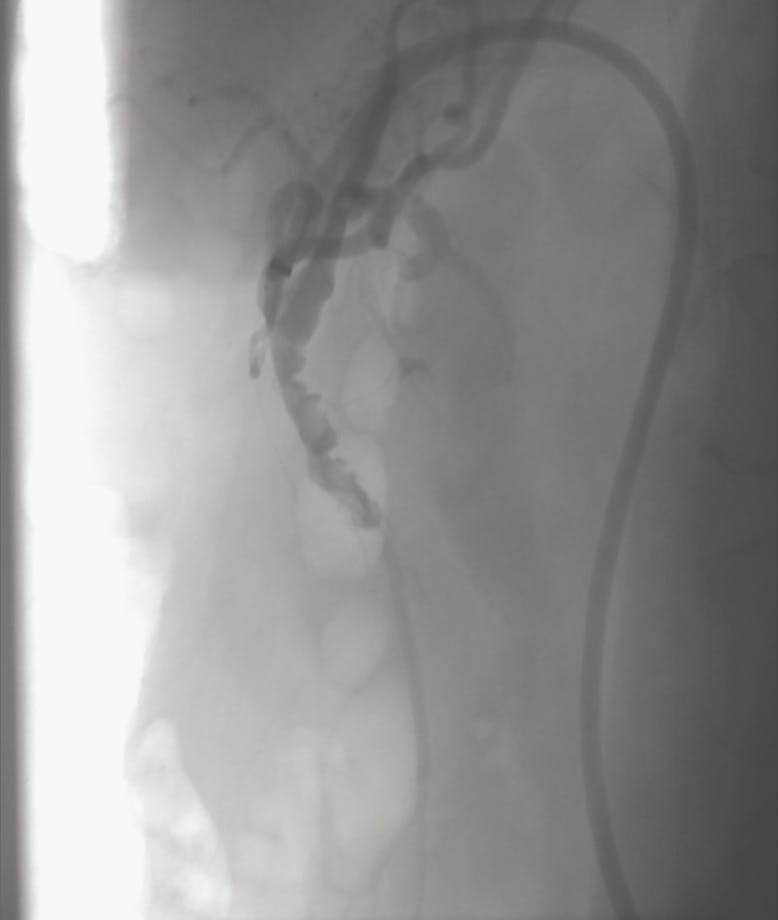
Figure 1. Initial angiography demonstrating an occlusion at the level of the mid-SMA.
Treatment
The patient was taken to the angiography suite, placed in the supine position, prepped, and draped in the normal sterile fashion. The right CFA was accessed, and a 4 Fr sheath was placed. A right diagnostic catheter was placed into the aorta and was used to cannulate the SMA. Angiography confirmed occlusion in the distal SMA. A Rosen guidewire (Cook Medical) was advanced into the SMA. The 4 Fr sheath was swapped for an 8 Fr sheath. An additional 3,000 units of heparin were given to the patient. Once the 8 Fr sheath was in the SMA, a 7 Fr aspiration catheter was advanced into the SMA and aspiration thrombectomy was performed. Following a few passes of the aspiration catheter, follow-up angiography showed a channel into some branches of the SMA; however, the embolic debris was still occluding the SMA (Figure 2). The physician withdrew the aspiration catheter and advanced the Pounce™ Thrombectomy System into the SMA. The basket wire was deployed in the distal SMA, the funnel catheter was deployed in the proximal SMA, and an initial pass of the system was performed.
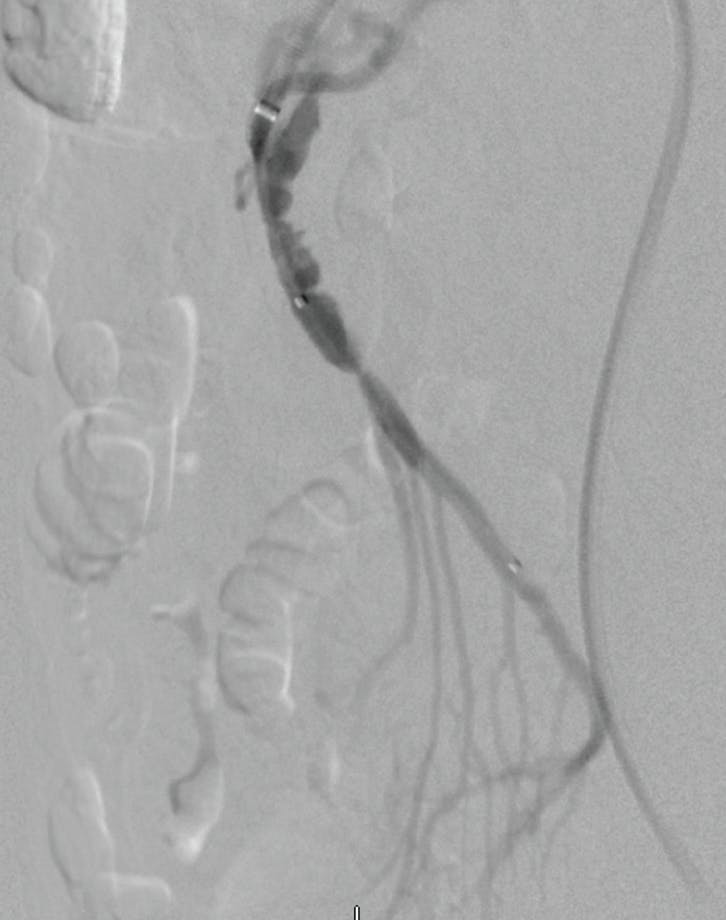
Figure 2. Angiography after aspiration catheter passes.
Repeat angiography showed flow into the mesenteric segments (Figure 3), with the patient immediately noticing relief of abdominal pain. Angiography showed flow into the mesenteric segments with minimal spasm. Additional SMA branches were accessed using suction thrombectomy to restore as much flow as possible in the small bowel mesentery. A further angiogram with nitroglycerin showed resolution of spasm as well as flow and perfusion throughout the SMA. At this point, with the patient’s pain clinically resolved and the patient becoming hemodynamically stable, the case was concluded, and the access site was closed.
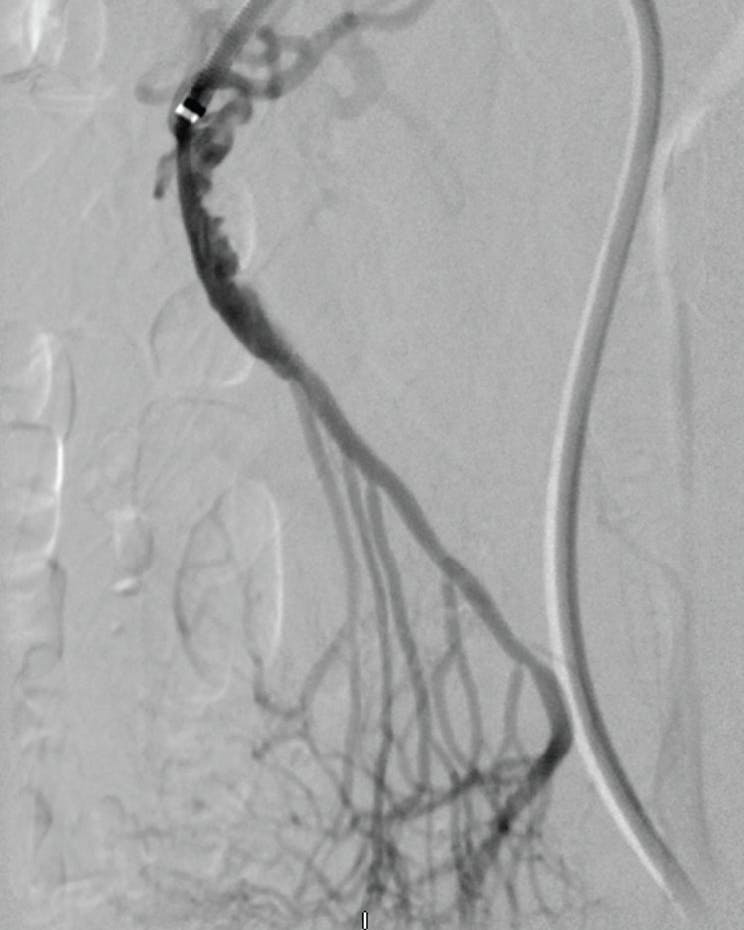
Figure 3. Angiography after Pounce™ System passes.
Post-Procedure Outcome
The patient was taken to the intensive care unit (ICU) and maintained on a heparin drip. The patient did well in the ICU and was transferred to the floor, with continued treatment for diverticulitis. The patient was able to be discharged after tolerating a diet and having regular bowel movements with no concerns for mesenteric ischemia. The physician observed that the Pounce™ Thrombectomy System helped to remove the embolic debris in the mid-SMA immediately and without recourse to thrombolytics, helping to resolve the patient’s pain.
Caution: Federal (US) law restricts the Pounce™ Thrombectomy System to sale by or on the order of a physician. Please refer to the product’s Instructions for Use for indications, contraindications, warnings, and precautions. SURMODICS, POUNCE, and SURMODICS and POUNCE logos are trademarks of Surmodics, Inc. and/or its affiliates. Third-party trademarks are the property of their respective owners.


Advertisement
Advertisement