Advertisement
Advertisement
July 2023
Directions in Venous Care
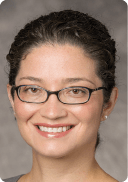
By Karem Harth, MD, MHS, RPVI, and Marie Josee van Rijn, MD, PhD

On the one hand, it can be daunting how often the phrase, “more questions than answers right now” is uttered in the venous field. There are significant clinical needs across a variety of etiologies, a rapidly evolving landscape of therapeutic options with varying degrees of data support, and barriers to equitable access. On the other hand, the field also feels energized to work toward meaningful solutions, and in the meantime, to highlight that these uncertainties exist rather than accept them as status quo.
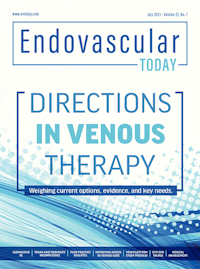
In this edition of Endovascular Today, we have asked expert authors and panels to identify where data-based answers are most needed, how they make daily decisions in these scenarios, and key next steps to ensure that each patient has access to and is offered the right therapy for their unique needs.
Our coverage begins with three panel discussions on hot topics in the venous realm. Kush R. Desai, MD; Rick de Graaf, MD; Misaki Kiguchi, MD; and Jorinde van Laanen, MD, talk deep venous occlusion, considering their thought process for preventing/predicting redo procedures, defining “threatened” venous stenting cases, gaps in the current armamentarium, and areas for future randomized trials. In our panel on submissive pulmonary embolism, Drs. Vladimir Lakhter, Gerard O’Sullivan, Mona Ranade, and Akhilesh Sista tackle data, treatment approaches, indications for extraction, and knowing when to conclude the procedure. Karem Harth, MD; Aleksandra Jaworucka-Kaczorowska, MD; and Ronald S. Winokur, MD, round out this section with a conversation about pelvic venous disorders, including research priorities, real-world challenges, and education of other providers.
Next, we asked Thomas Aherne, MD; Dejah R. Judelson, MD; and Renate R. van den Bos, MD, to each outline their algorithm for treating patients with truncal disease with associated tributary incompetence. Raghu Kolluri, MD; Aditya Sharma, MD; and Michael Jolly, MD, then provide tips for minimizing thrombotic complications in high-risk patients undergoing deep venous intervention.
We then shift the conversation to venous-related clinical trials. First, a Literature Highlights article summarizes key findings from the PRESERVE study of inferior vena cava filters in patients with venous thromboembolism and includes commentary from Principal Investigators David L. Gillespie, MD, and Matthew S. Johnson, MD. Second, Dr. Sarah Onida, Dr. Francine Heatley, and Prof. Alun H. Davies introduce us to the design of and rationale behind the VEIN platform study of venous leg ulcers.
Access to care is a crucial piece of the puzzle when discussing venous therapy trends and data. Kathleen Ozsvath, MD, and Sheila Blumberg, MD, each propose three ways we can address the barriers to venous care and ensure that all individuals, regardless of demographic or geographic background, have the opportunity to receive timely, appropriate care.
Also included in this issue is an update from Prof. Athanasios Saratzis on the PAEDIS platform trial for peripheral artery disease and an interview with Dr. Naseer Ahmad on his work with the Manchester Amputation Reduction Strategy and its role in addressing health care inequities, thoughts on unmet needs in diabetic foot ulcers, his work with the Greater Manchester Aneurysm Screening Programme, and more.
We hope this edition addresses some of the issues you face in your practice, and perhaps even more so, brings awareness to essential questions yet unanswered.
Karem Harth, MD, MHS, RPVI
Marie Josee van Rijn, MD, PhD
Guest Chief Medical Editors
Advertisement
Advertisement