Advertisement
Advertisement
July 2023
Sponsored by Penumbra, Inc.
Lightning Bolt™ 7 and Lightning Flash™: The Next Generation of CAT (Computer-Aided Thrombectomy)
With Kalyan Veerina, MD; Patricia Furey, MD; Elias Iliadis, MD; Sameh Sayfo, MD, MBA, FSCAI, FACC; Vivian Bishay, MD; Glenn Hoots, MD; Omar Chohan, MD; and Daren Repishti, MD
Lightning Bolt™ 7: Changing the Paradigm of Arterial Aspiration
Penumbra continues to build upon the next generation of Computer-Aided Thrombectomy (CAT) by segmenting algorithms for disease states. The Centers for Medicare & Medicaid Services has recognized this new tech and granted a new ICD-PCS code for computer-aided thrombectomy. Lightning Bolt™ 7 (Penumbra, Inc.) has revolutionized the way in which aspiration is used to remove thrombus in the arterial setting with the new Bolt Mode feature. This system features a 7-F, stainless steel, hypotube catheter that is extremely similar to Penumbra’s previous arterial device, Lightning® 7.
Bolt Mode is designed for rapid thrombus removal and flow restoration by modulating the aspiration sequence of the system. In the previous Lightning® generation, when clot was detected at the tip of the catheter, a singular valve would open. This opening would expose the thrombus to continuous vacuum. Now, with Lightning Bolt 7, when the tip of the catheter encounters thrombus, the system will initiate Bolt Mode. When engaged, the system will modulate between nearly pure vacuum (–29 in Hg provided by the Penumbra ENGINE) and ambient air pressure (+29 in Hg at sea level). This rapid modulation works to break any static friction at the tip of the catheter to maintain dynamic flow throughout the system. This modulation occurs up to 12 times per second to fatigue and rapidly remove thrombus.
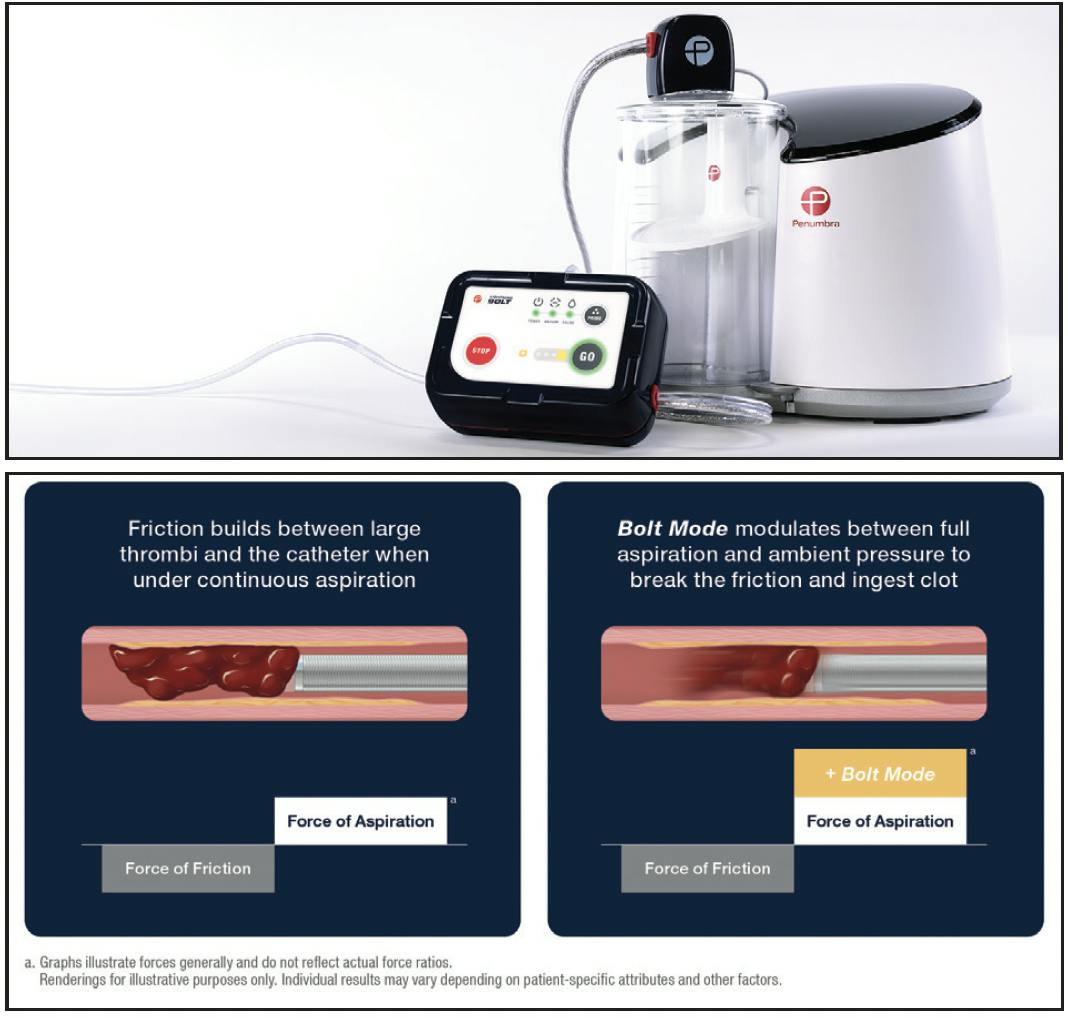
Figure 1. Lightning Bolt 7 with Bolt Mode.
Lightning Bolt 7 received FDA clearance and became available in March 2023. It is part of Penumbra’s Indigo® System with Lightning portfolio, which are the only computer-aided thrombectomy systems currently available in the United States. Prior to the availability of Lightning Bolt 7, data with the Indigo System have shown excellent 30-day limb salvage rates in more than 98% of patients, short procedure times with an average of 22 minutes, and low 30-day mortality at 3%.1
1. Lyden S. A study of patients with lower extremity acute limb ischemia to remove thrombus with the Indigo aspiration system (STRIDE). Presented at: CX 2023, the Charing Cross International Symposium. April 25-27, 2023; London, United Kingdom.
Arterial Thrombectomy With Lightning Bolt
Lower Extremity Arterial Occlusion

PATIENT PRESENTATION
A 60-year-old woman presented to the hospital with a lower extremity arterial occlusion. The patient was an avid smoker with a history of vascular disease and a previously placed stent in the popliteal artery. Initial angiography revealed extensive clot running through the popliteal artery and no distal flow (Figure 1).
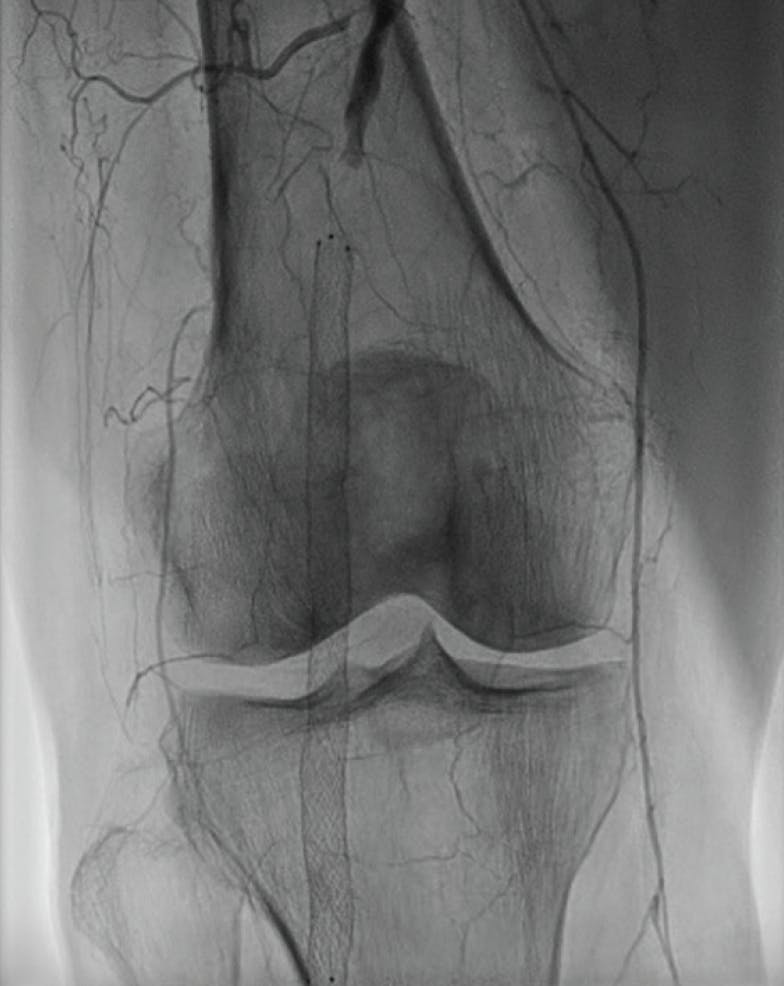
Figure 1. Initial angiogram.
INTERVENTION
Initially, attempts other than thrombectomy were made in an effort to treat the thrombus. The next morning it was found that no progress had been made on the thrombus burden. With the severity of the patient’s symptoms, open surgery to prevent amputation seemed like a viable last resort. Having newly gained access to Lightning Bolt 7, it was decided instead to move forward with an endovascular approach frontline. With a sheath in place in the femoral artery, Lightning Bolt 7 was advanced into the vasculature. Aspiration was initiated with the catheter proximal to the clot in the popliteal artery and the catheter was advanced until at the bottom of the previously placed stent. With aspiration remaining on, the catheter was retracted back until at the top side of the stent. After this first pass, contrast was injected showing > 90% clot resolution. A second pass was made just past the stent and back to aspirate any residual thrombus (Figure 2 and Figure 3).
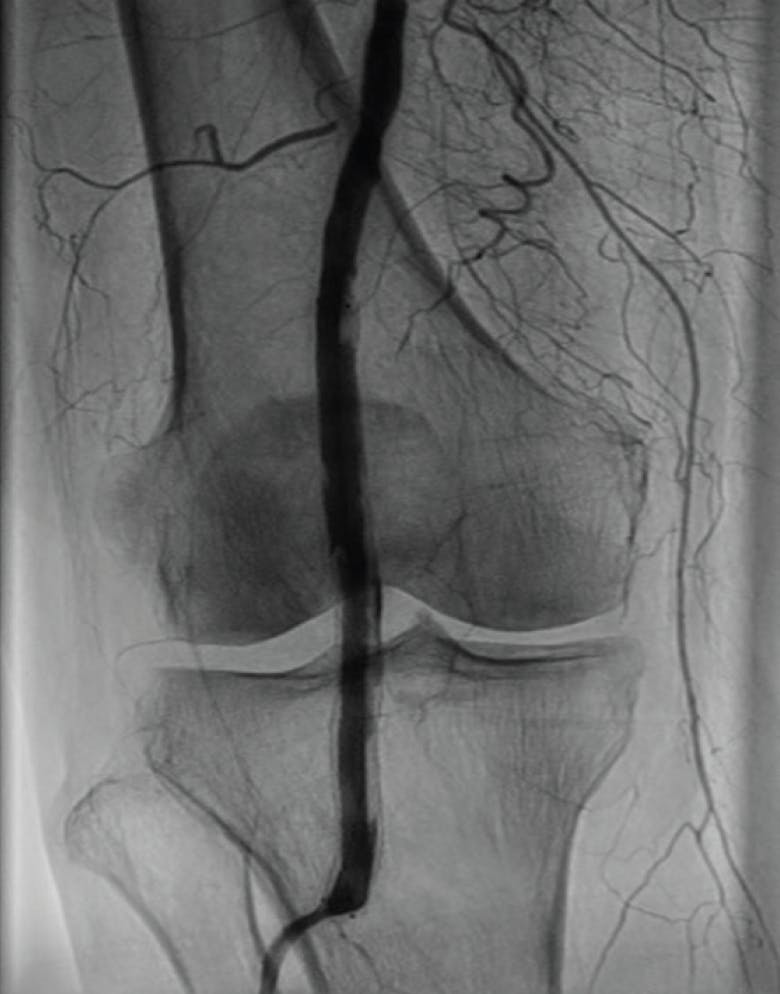
Figure 2. Postthrombectomy angiogram of popliteal artery.
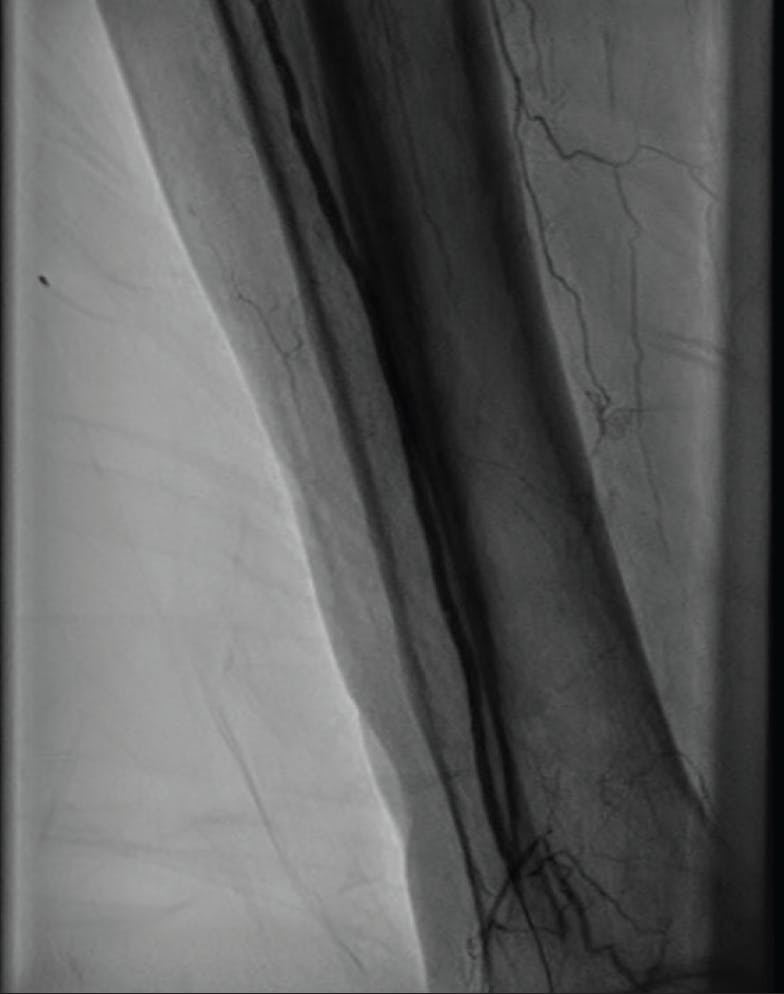
Figure 3. Postprocedural angiogram below-the-knee.
CONCLUSION
In two passes and 5 minutes of total device time, Lightning Bolt 7, with the initiation of Bolt Mode, was able to fully remove the thrombus burden (Figure 4) and restore flow after other options failed. Only 150 mL of blood loss was accrued during aspiration. Prior to intervention with Lightning Bolt 7, amputation appeared to be the most likely outcome for the patient. Lightning Bolt 7 was able to save the patient’s leg in both a timely and efficacious manner.
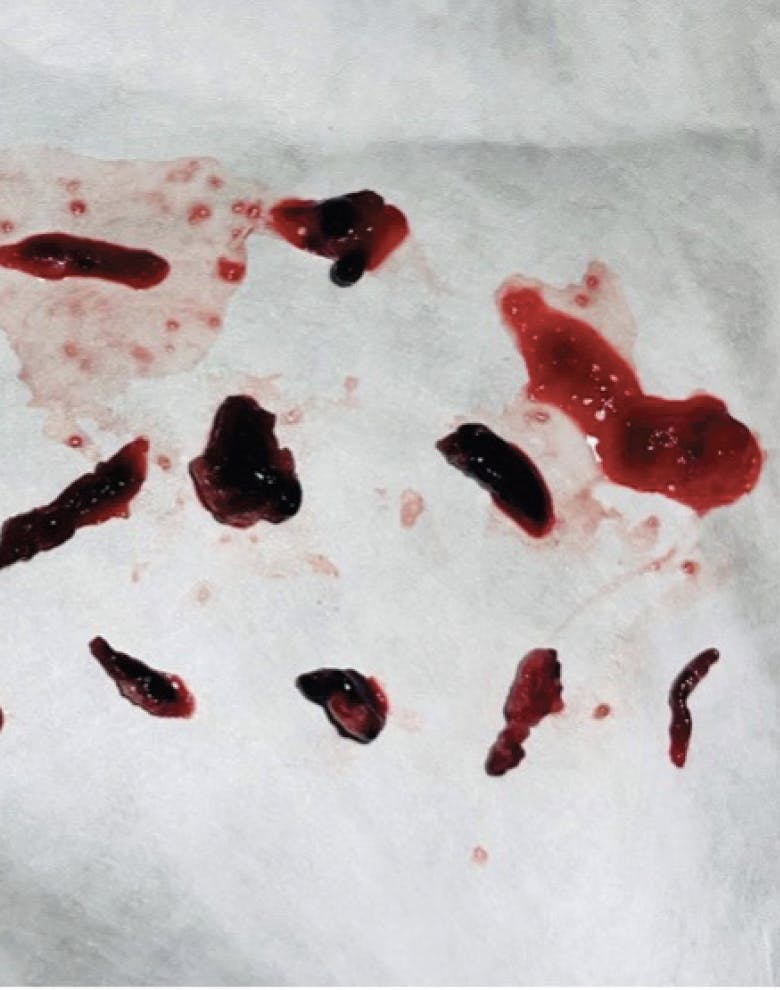
Figure 4. Clot removed.
Popliteal Artery Occlusion

Why I Use Penumbra’s Lightning Bolt 7 Computer-Aided Aspiration System
- Remarkably fast at removing thrombus
- Extremely easy to use with the added audible and visual features
- The updated dual clot detection technology reduces potential blood loss
PATIENT PRESENTATION
A man in his 50s presented with arterial ischemia of his left lower leg from a cardioembolic event. Due to limited weekend resources and because he came in late in the evening, the patient was lysed. The likelihood of needing thrombectomy the following day was high. The patient did not respond to lytic therapy, as the foot remained cold after multiple hours of lysis. Further intervention was required indefinitely. I elected to use Penumbra Lightning Bolt 7 aspiration thrombectomy to remove the thrombus.
INTERVENTION
Access was gained with a 7-F, 45-cm Terumo Destination sheath and was advanced up and over (Terumo Interventional Systems). Imaging was then taken with a 5-F Kumpe access catheter (Cook Medical), revealing a popliteal-to-tibioperoneal trunk occlusion with reconstitution of the peroneal artery and anterior tibial artery through collateral channels (Figure 1). Lightning Bolt 7 was delivered proximal to the clot in the popliteal artery, turned on, and slowly advanced through the thrombus. By using modulated aspiration and audible feedback from the device, flow was reestablished within minutes. Brisk perfusion was seen going through the foot via the peroneal artery. A second pass into the anterior tibial artery was performed and clot was readily removed from that vessel (Figure 2, Figure 3, and Figure 4). Total aspiration time of both vessels was < 10 minutes, and estimated blood loss was < 200 mL.
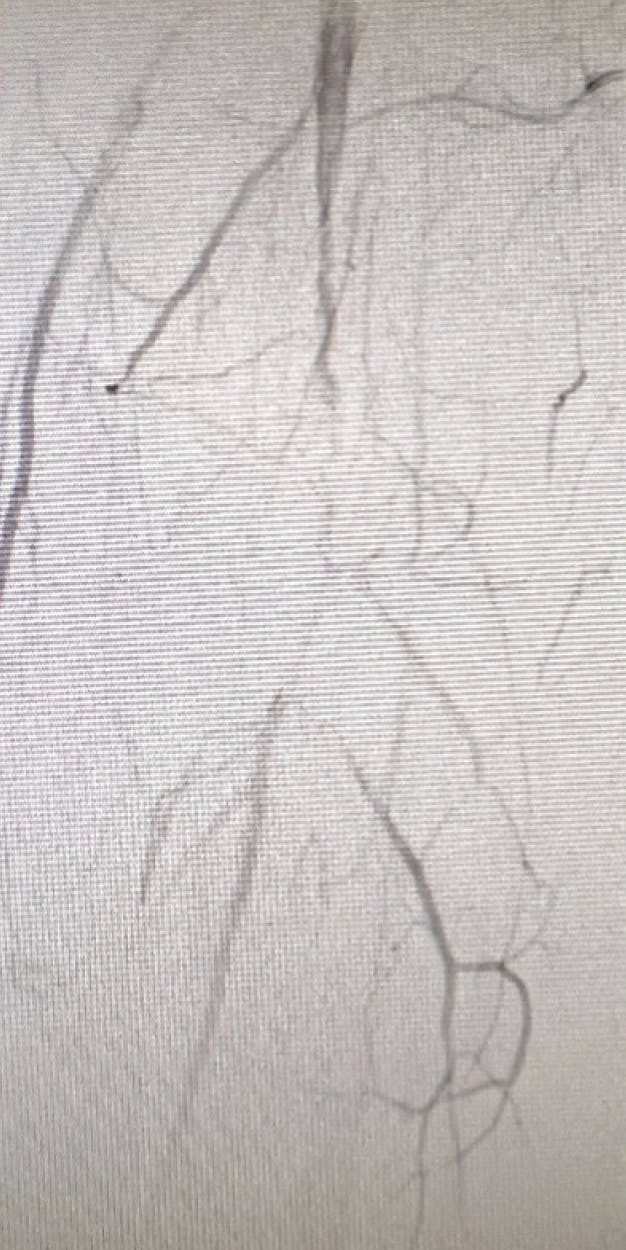
Figure 1. Prethrombectomy arteriogram.
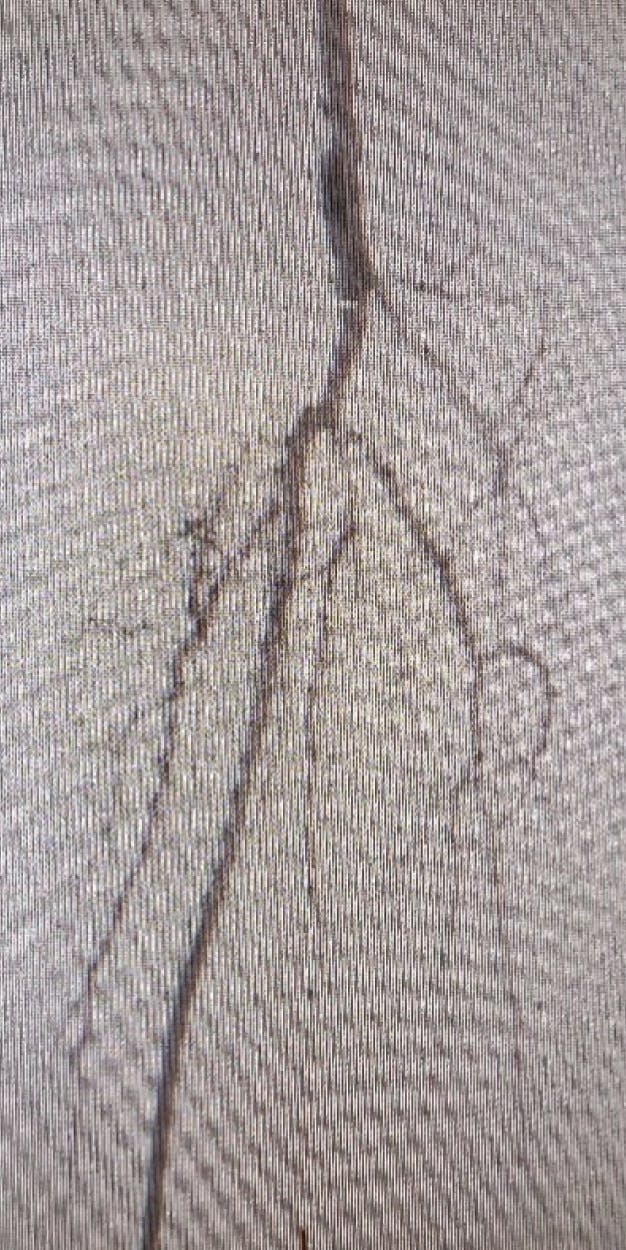
Figure 2. Postthrombectomy arteriogram.
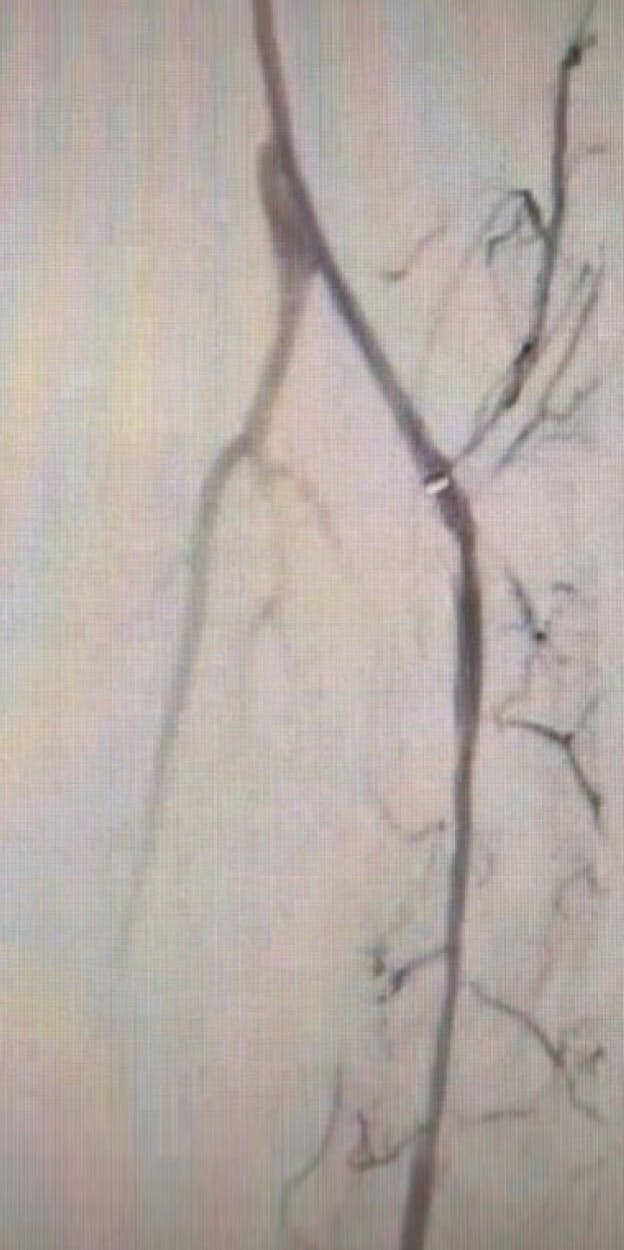
Figure 3. Postthrombectomy arteriogram.
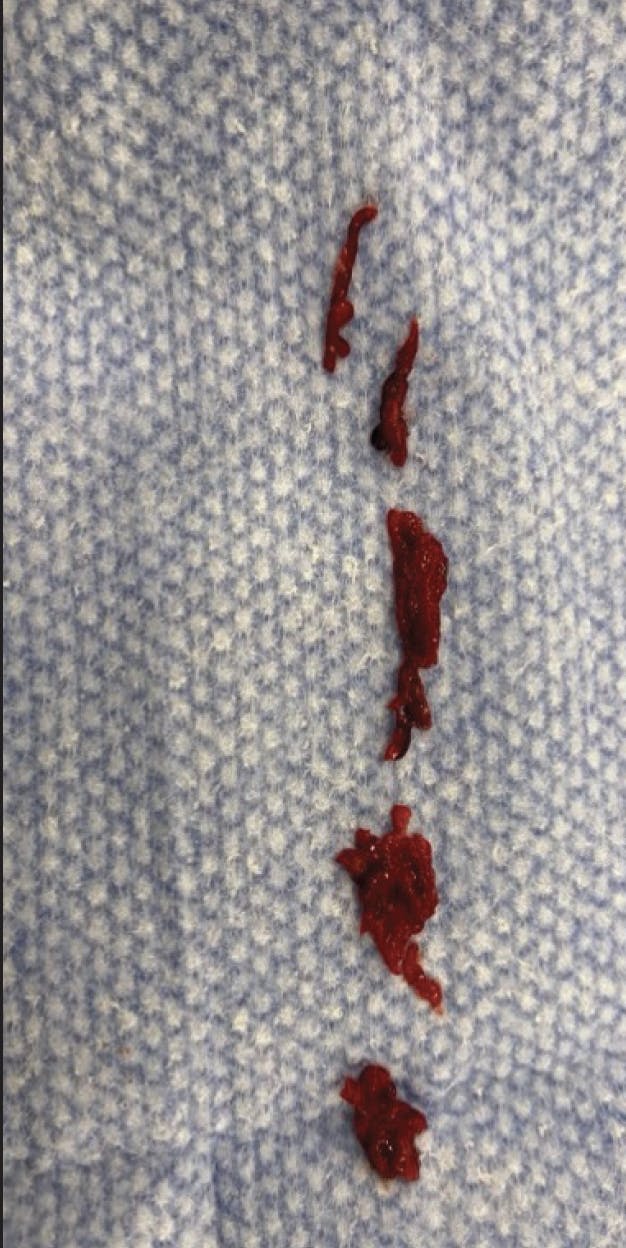
Figure 4. Clot removal.
CONCLUSION
Lightning Bolt 7, along with Bolt Mode, was the fastest way to revascularize this patient. The audible feedback from the device indicated where the thrombus was located and enabled targeted aspiration rather than blindly searching for thrombus. The total procedure time was < 1 hour.
Lightning Flash: The Most Powerful and Advanced Mechanical Thrombectomy System for PE and Venous Thrombus
Lightning Flash is designed to accelerate clot removal to levels not previously seen and potentially mitigate blood loss to a better extent than Penumbra’s previous thrombectomy technology. This efficiency-focused design is accomplished due to the new dual clot detection algorithms, specially designed for pulmonary embolism and venous thrombus. When aspiration is turned on, the Lightning Flash system will actively sample the vasculature to determine whether the tip of the catheter is engaging with clot or if it is in patent flow. The dual clot detection algorithms, embedded in the system’s microprocessor, are so efficient that only a small sample of blood is needed to determine what the tip of the catheter is interacting with.
When the Lightning Flash catheter moves into the face of thrombus, the microprocessor will quickly recognize the change and transition from sampling mode to clot detection mode. This shift in modes is easily distinguishable by the audible queues emitted by the system. The operator will also be signaled of the shift in modes by the LED lights at the end of the tubing. When in sampling mode, the LED lights will be green, and when clot is detected, they will turn to a blinking yellow.
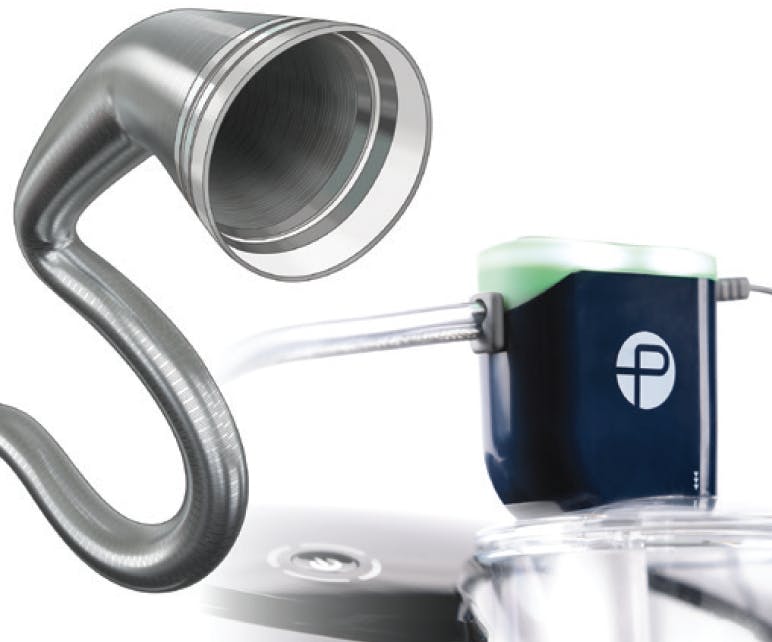
Figure 1. Lightning Flash.
From a catheter standpoint, Lightning Flash is also a cut above. The Lightning Flash thrombectomy catheter is 16-F sheath compatible, which makes it appropriately sized to remove thrombus in large vessel beds such as the pulmonary arteries (PAs) and venous system. This catheter is composed of a singular stainless steel, laser-cut hypotube. The stainless steel composition of the catheter enables 1:1 torqueability for the operator on the back table, resulting in the potential for nimble tracking and navigation through tortuous anatomy. The Lightning Flash catheter also features MaxID technology. The inner diameter of this catheter has been maximized to provide a lumen size comparable to that of a larger-bore catheter, while maintaining a lower-profile outer diameter.
COOPER HEALTH LIGHTNING FLASH EXPERIENCE

Given your extensive experience with Lightning 12, what are the most noticeable differences in the new Lightning Flash technology?
The Lightning Flash system has two notable features that are clear advancements over the Lightning 12 catheter. Those features are the increased catheter size and the upgraded dual clot detection algorithms. Lightning Flash’s right sized catheter is optimized for the removal of all clot morphologies, vessel sizes, and clot locations. The dual clot detection algorithms are also a major upgrade in computer-aided aspiration. The system’s updated algorithms are designed for increased sensitivity to patent flow and thrombus, reducing blood loss while more vigorously removing clot. In my experience, utilization of the Lightning Flash catheter has increased aspiration opportunity while decreasing procedure time with comparable blood loss.
Lightning Flash can assess pressure and take angiograms without opening the system via the one-way side port included on the redesigned rotating hemostatic valve (RHV) tuohy. Lightning Flash is also packaged with a 6-F Select catheter (Penumbra, Inc.) allowing for smooth catheter navigation into the lung fields. Overall, Lightning Flash is a substantial upgrade in form and function.
From a clinical standpoint, what are some results you’ve seen in your Lightning Flash pulmonary embolism (PE) cases?
Lightning Flash is our dominant aspiration system for PE treatment at present. Since January 2023, our team has performed 16 procedures with Lightning Flash thrombus aspiration without clinical complication (14 submassive and two massive PEs). Outcome measures include an average 27% reduction in mean PA pressure (from mean 38 to 26 mm Hg) and immediate clinical improvement as evident from postprocedure PE Severity Index (PESI) assessment. With Lightning Flash compared to Lightning 12, average extraction time decreased from 18 to 12 minutes and average estimated blood loss of 140 mL per case. This data is not yet published. We look forward to enrolling more Lightning Flash patients in the future as Cooper Health is a center for the STORM-PE randomized controlled trial. STORM-PE is evaluating Indigo mechanical aspiration plus anticoagulation versus anticoagulation alone.
How is your PE patient pathway set up at Cooper University Health, and how does Lightning Flash fit into that pathway?
We convened a team of clinical experts from pulmonology, critical care, pharmacy, hospital medicine, emergency room, interventional cardiology, interventional radiology, and cardiothoracic surgery to design the following risk assessment pathway:
- PESI score III to V
- Symptomatic for < 14 days
- Proximal clot present per CT scan
- Echocardiogram with right ventricular (RV) dilation resulting in RV/left ventricular ratio > 1
- Duplex ultrasound of lower extremities
Lab tests are also run to determine the patient’s levels of:
- Lactate
- Troponin
- BNP (B-type natriuretic peptide BNP)
- Cr (Creatinine)
- Hgb (Hemoglobin)
If the patient is determined to be unstable, the PE response team (PERT) is activated to determine how best to manage the case. If catheter-directed therapy is recommended, the team determines if adjunctive therapy with lytics, and/or venoarterial extracorporeal membrane oxygenation is necessary. If the patient is not hemodynamically compromised and fulfills the previous criteria, they are immediately scheduled for the cardiac cath lab, where thrombectomy is performed.
Following all catheter-directed therapy cases, patients are enrolled in a quality assurance registry in-house and echo and outpatient clinic visits are arranged for follow-up.
What pieces of advice you would give to a physician using Lightning Flash for the first time?
The Lightning Flash system offers technologic advancements that must be understood and incorporated into your technique. Monitoring the tubing for flow and no flow is essential.
If you see continuous flow in the tubing, advance the catheter until you are past the treatment zone and consider taking an image after. If there is no flow going through the tubing, as you engage thrombus, consider torquing the catheter and retracting into patent vessel until flow is restored.
I also recommend using the 6-F Select catheter to select and navigate the pulmonary arteries. Give yourself time to understand and master the system to become proficient with the device for a more efficient workflow and the best patient outcomes.
New Innovation in PE Management

PATIENT PRESENTATION
A man in his late 40s with a history of hypertension and a viral upper respiratory infection presented with a 4-day history of worsening dyspnea that continued to worsen on the morning of admission. The patient was initially hypoxic with oxygen saturation levels in the mid-80% range. Additionally, he was tachycardic with a heart rate at 110 bpm. CTA showed a bilateral PE with RV strain (Figure 1A and 1B). The patient was started on heparin, and the PERT was activated. After evaluation by the PERT, the decision was made to take the patient to the cath lab for thrombectomy.
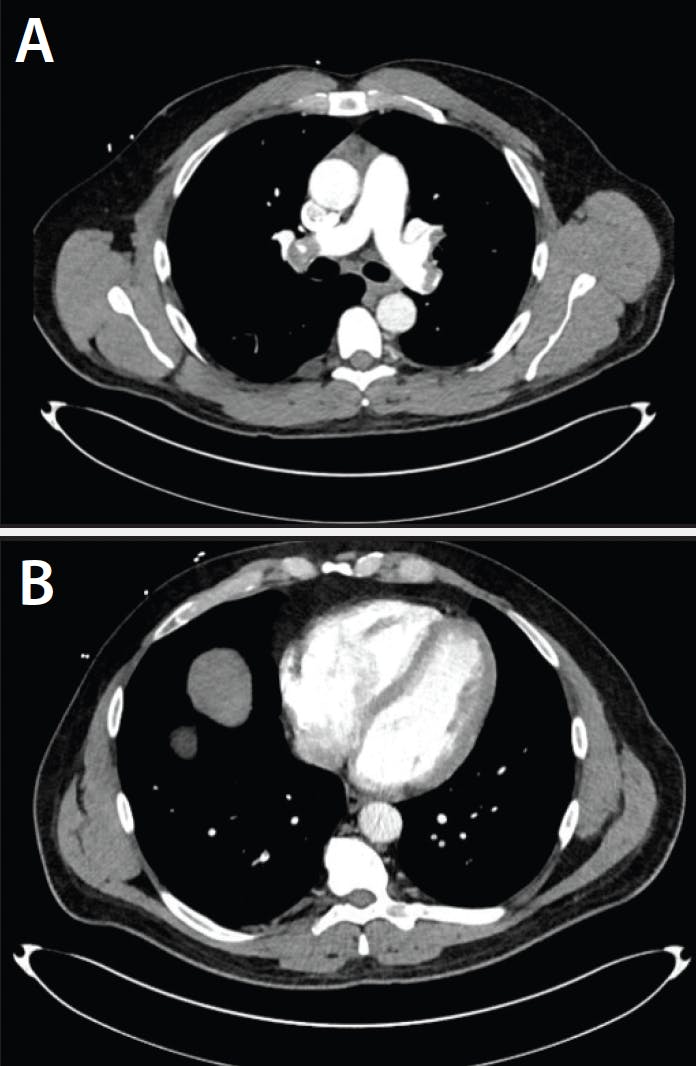
Figure 1. CTA showing bilateral PE (A) and RV strain (B).
INTERVENTION
Access was gained in the right common femoral vein, and an 18- X 65-mm DrySeal sheath (Gore & Associates) was placed in the main PA. We advanced the Lightning Flash thrombectomy device over a wire to the left lower lobe. The wire was then taken out and aspiration was initiated. We held position for 20 to 30 seconds and slowly retracted the thrombectomy catheter with counterclockwise torquing movements.
The torquing allowed us to seamlessly redirect the thrombectomy catheter to the left upper lobe. Aspiration successfully evacuated thrombus burden in both segments. A follow-up angiogram confirmed resolution of clot (Figure 2A and 2B). Focus was then shifted to the right PA. In continuous succession, using the same counterclockwise torquing technique, we aspirated both the right upper lobe and right lower lobe. A postthrombectomy angiogram showed significant resolution of clot burden (Figure 3).
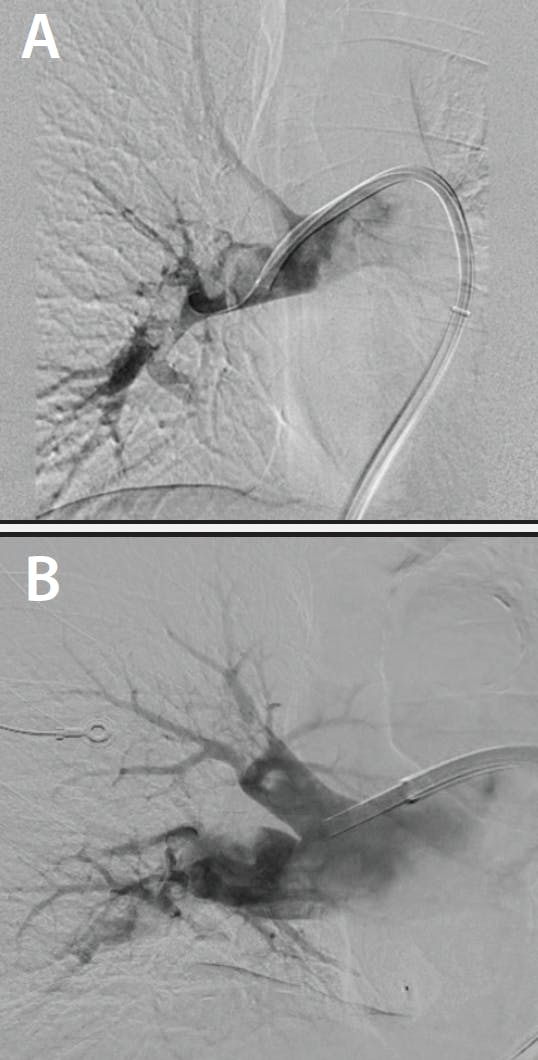
Figure 2. Preprocedural venogram (A) and postprocedural venogram (B).
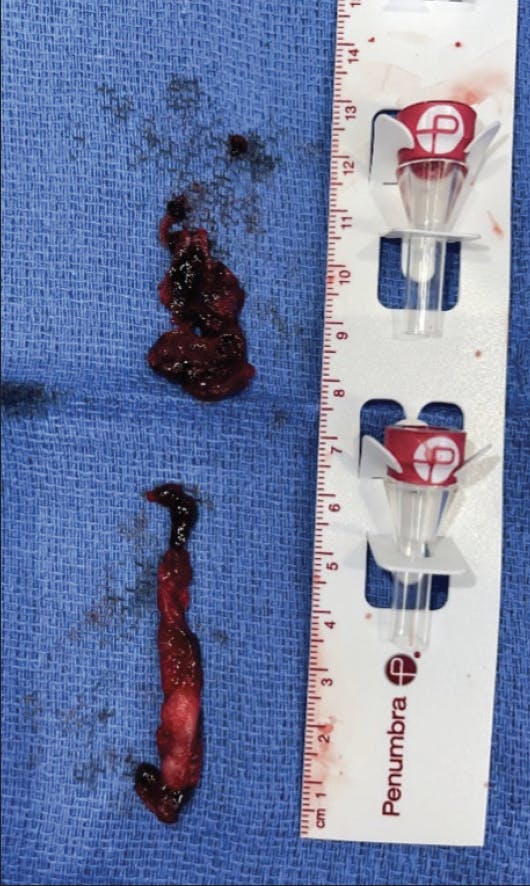
Figure 3. Thrombus removal.
CONCLUSION
The patient’s main PA pressure dropped by 28% immediately postthrombectomy. The ease of use and the ability to aspirate the various lobes of the pulmonary system in continuous succession sets the Lightning Flash system apart. Aspiration thrombectomy with Lightning Flash shows promise in being a safe and successful treatment option for patients with submassive PE. The right sized profile of the Lightning Flash catheter with continuous mechanical aspiration enables optimal thrombus removal while maintaining trackability.
Intermediate High-Risk PE Treated with Lightning Flash

PATIENT PRESENTATION
A man in his early 50s with a history of diabetes and hypertension presented with acute-onset shortness of breath, left-sided chest pain, and a few days of left calf pain. He was found to be hypoxic with an oxygen saturation level of 88% on room air and dyspneic with minimal movement. He was tachycardic with a heart rate of 112 bpm. The patient was experiencing significant dyspnea with ambulation to the bathroom. His lab tests showed high-sensitivity troponin of 114 ng/L and BNP of 346.24 pg/mL. Transthoracic echocardiography showed severe RV dilation and severely decreased RV function with McConnell sign, and a D-shaped left ventricle. CTA confirmed bilateral distal main emboli extending into subsegmental branches and an RV/LV ratio of 1.84 (Figure 1). Given the severity of presentation, the PERT agreed to proceed with aspiration thrombectomy with Lightning Flash.
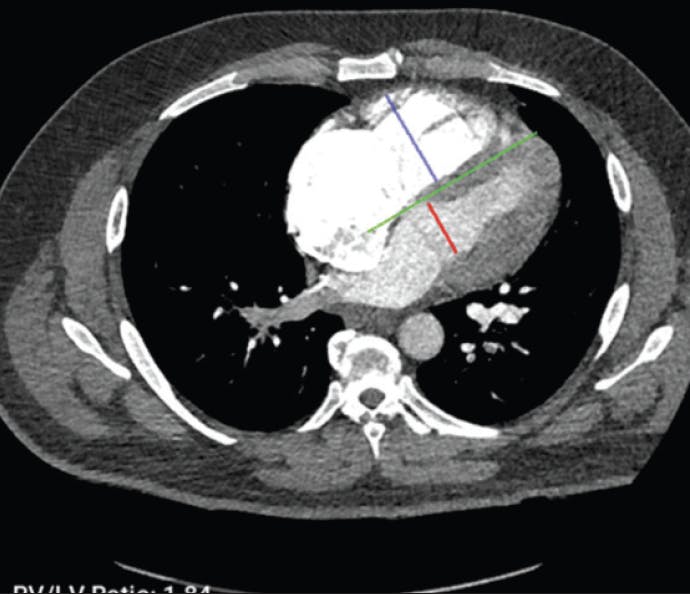
Figure 1. CTA chest with RV/LV measurement of 1.84. The CTA also demonstrated bilateral distal main PA emboli with extension to the subsegmental branches.
PROCEDURE
Access was obtained via the right common femoral vein. The Lightning Flash catheter was then advanced into the left PA where the majority of clot was seen on pulmonary angiography. A 6-F Berenstein Select Catheter was advanced through the lumen of the Lightning Flash catheter to aid in selecting the left upper lobe followed by the left interlobar artery. Aspiration successfully debulked both segments (Figure 2). The catheter then transitioned to the right PA where more thrombus was evacuated. The segmental branches were selected and aspirated in a similar technique used in the left PA (Figure 3). The patient reported on-table improvement in dyspnea at the completion of thrombectomy.
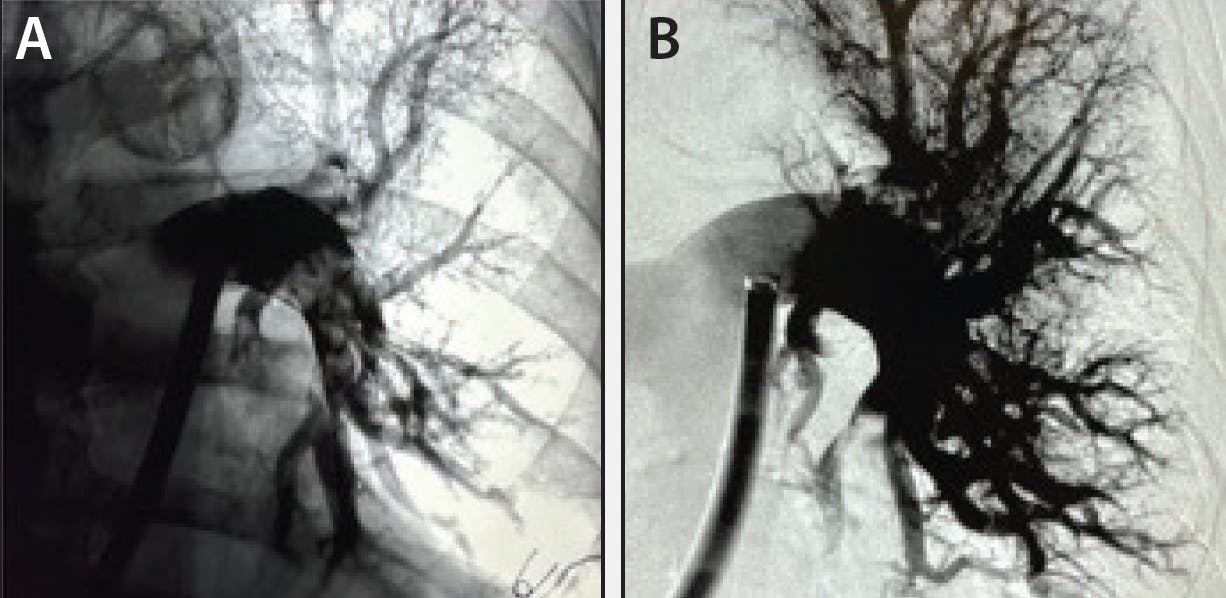
Figure 2. Left PA angiogram prior to thrombectomy (A) and postthrombectomy (B).
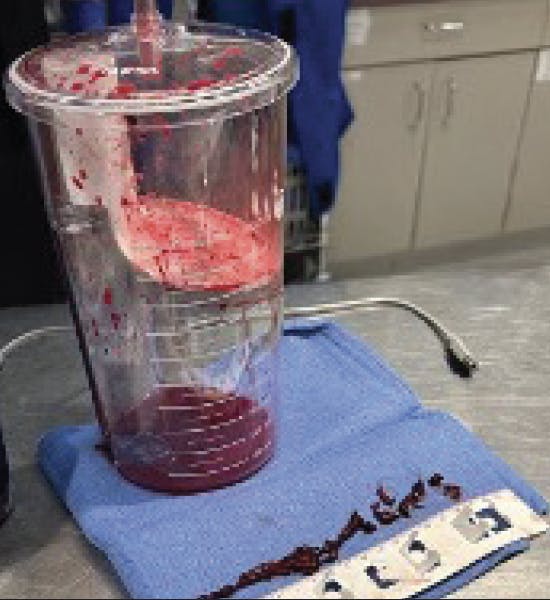
Figure 3. Clot extracted from the PA.
CONCLUSION
This case was effective and efficient with < 1 hour of total on-table time. The patient’s systolic PA pressure dropped 11 points in the left PA and 9 points in the right PA postprocedure. The soft, highly torqueable Lightning Flash catheter eases vessel selection in the pulmonary arterial tree. The Lightning Flash aspiration system has the power for excellent thrombus extraction while maintaining a highly trackable and atraumatic composition. Additionally, the new dual clot detection algorithm improves the extent and speed of thrombus extraction. The patient was seen 2 months postprocedure. Normal RV size and function was noted on echocardiography, and he exhibited significant improvements in breathing. In summation, acute intermediate–high-risk PE in this patient with significant symptoms was treated quickly and safely with the Lightning Flash thrombectomy system.
Thrombectomy After Surgical Transplant

PATIENT PRESENTATION
A woman in her 70s presented with left lower extremity edema after having recently undergone a left lower quadrant renal transplant. She was found to have a high volume of thrombus running from her left external iliac vein down to her popliteal vein (Figure 1). Avoiding injury to the fresh transplant anastomosis was also paramount. Given these details, it was decided to pursue thrombectomy with Lightning Flash.
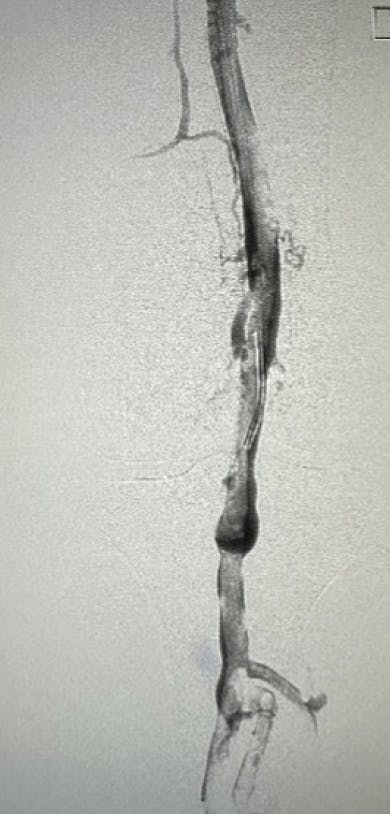
Figure 1. Prethrombectomy venogram.
PROCEDURE
Once access was achieved in the internal jugular vein, the thrombectomy catheter traversed down to the thrombosed segments. In a few passes, Lightning Flash was able to quickly aspirate a significant amount of thrombus (Figure 2). Venography revealed considerable improvement when compared to initial imaging and demonstrated restoration of flow (Figure 3).
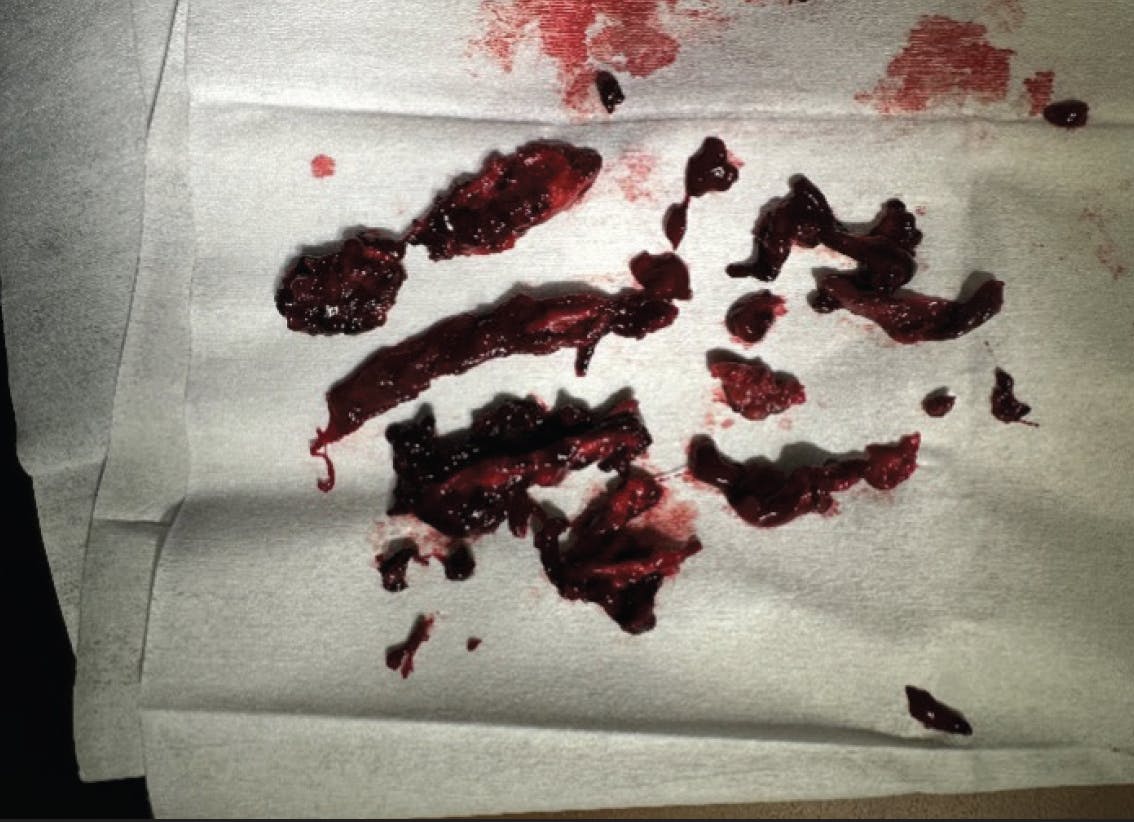
Figure 2. Thrombus extracted.
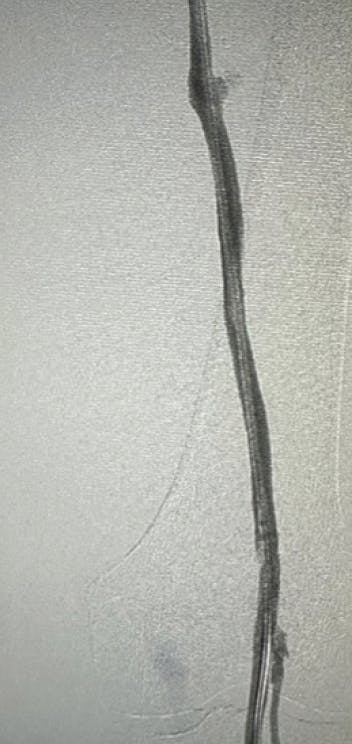
Figure 3. Postthrombectomy popliteal venogram.
CONCLUSION
Due to the systems powerful design, Lightning Flash was able to evacuate the thrombus in a fast and efficient manner. The navigability of catheter also made for smooth tracking down to the leg from the internal jugular. The patient was discharged the following day with resolution of her leg swelling. Two weeks later, she was seen for follow-up and reported having no issues.
Aspiration of Venous Thrombus in the Setting of Tumor Invasion and Compression

PATIENT PRESENTATION
A patient in their late 60s with metastatic stage 4 squamous cell carcinoma presented to the hospital with progressively worsening bilateral lower extremity pain. She was unable to ambulate due to the pain and swelling. It was found that the patient had large bilateral groin lymph nodes that were compressing the right and left common femoral veins. An ultrasound of the lower extremities was done and showed a bilateral occlusion of the common femoral veins with no phasic waveforms. Due to the severity of the patient’s symptoms, thrombectomy was performed in an effort to provide immediate improvement in comfort.
PROCEDURE
Bilateral popliteal access was gained for optimal treatment of both the left and right common femoral veins. The Lightning Flash catheter was placed proximal to the thrombus in the left common femoral. Aspiration was turned on, and the catheter was advanced into the thrombus. The Lightning Flash system immediately recognized the catheter tip was interacting with clot and kicked into clot detection mode, extirpating the thrombus in a matter of seconds (Figure 1 and Figure 2). The right side presented a greater challenge, as the clot appeared to be much older and organized, with hypercollateralization visible on angiography. On the first right-sided pass, aspiration was initiated, and Lightning Flash was advanced forward using a coring motion (Figure 3). This was followed by angioplasty and one more pass with Lightning Flash. The thrombus extracted on the final pass appeared very organized in morphology (Figure 4). Additionally, tumor thrombus was aspirated from the vein, which was later confirmed by pathology.
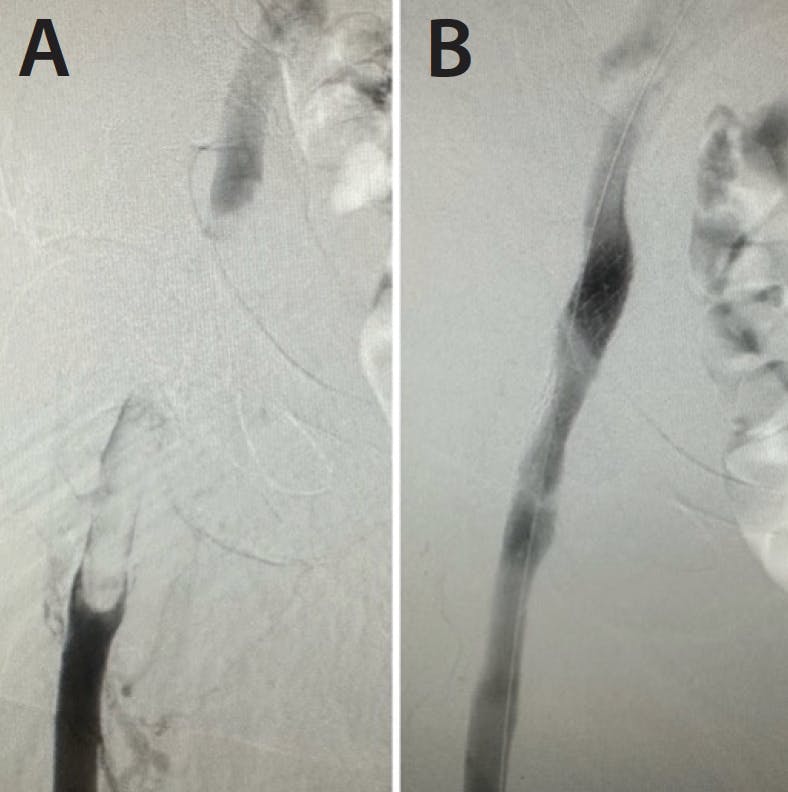
Figure 1. Prethrombectomy (A) and postthrombectomy (B) venograms of the left femoral segment.
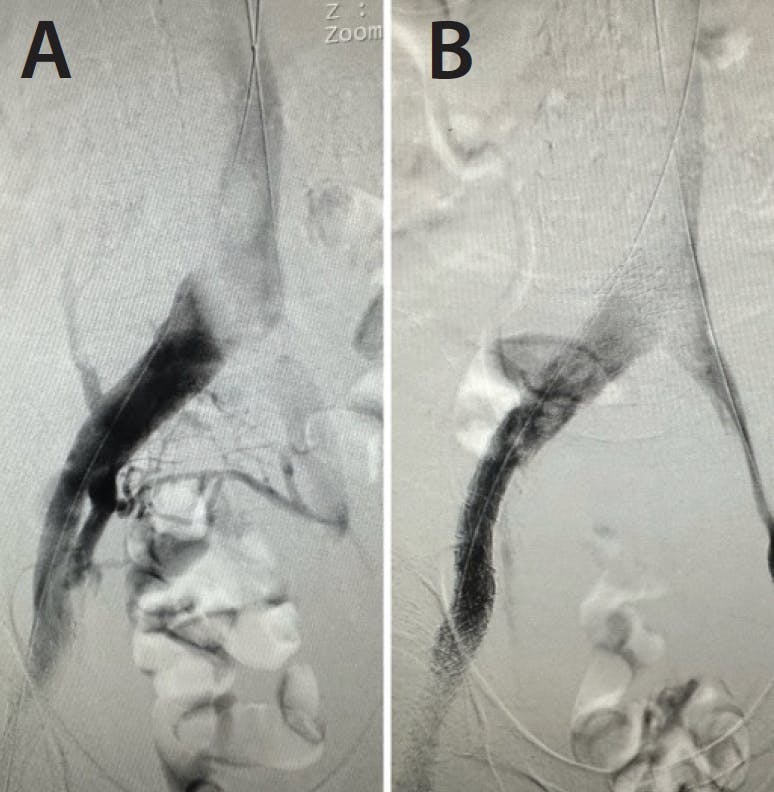
Figure 2. Prethrombectomy (A) and postthrombectomy (B) venograms of the left iliac segment.
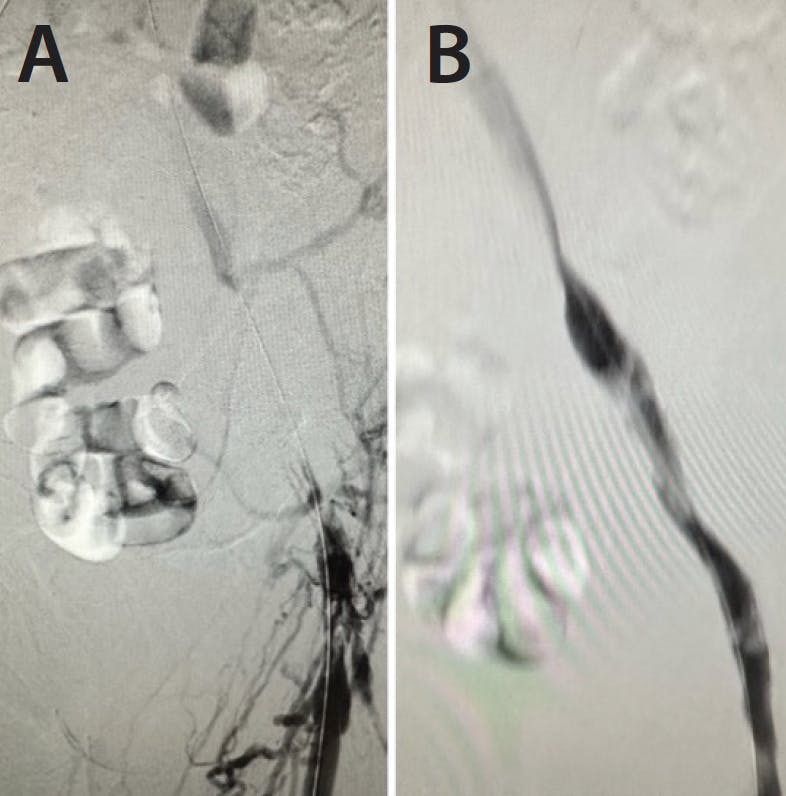
Figure 3. Pre- (A) and postthrombectomy (B) venogram of the right common femoral vein.
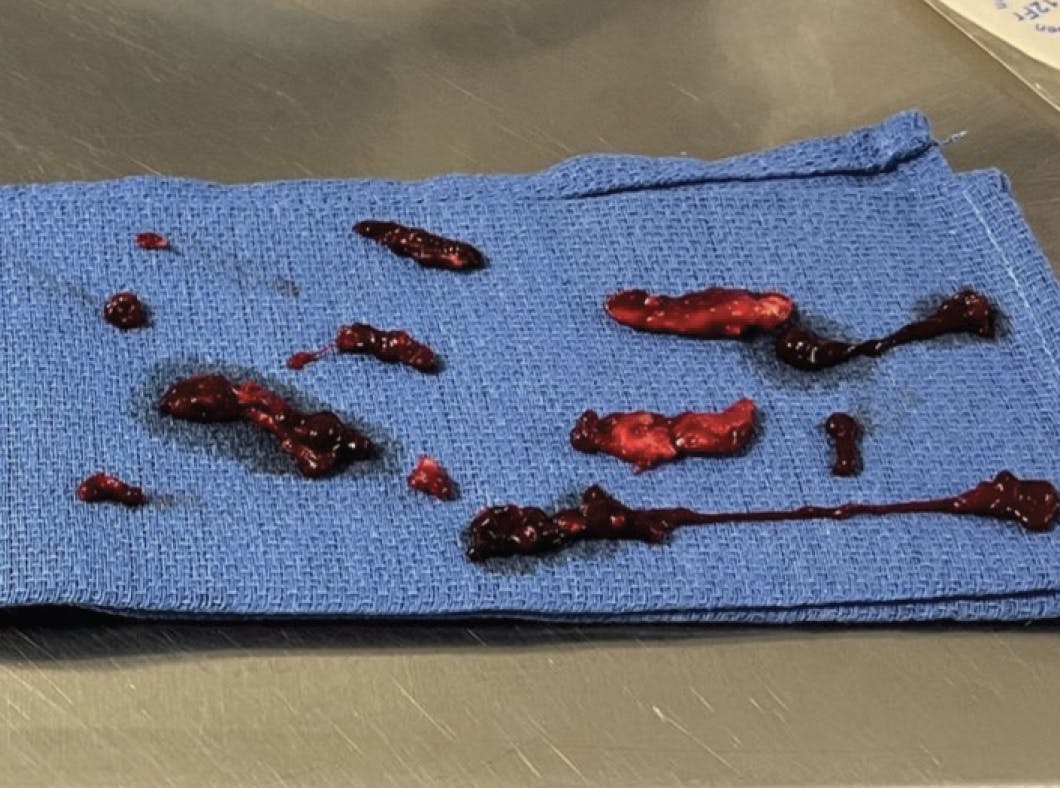
Figure 4. Clot removed.
CONCLUSION
Lightning Flash proved effective in aspirating organized thrombus in the setting of tumor invasion and compression. The device is fast and easy to set up with minimal backtable work needed. It also eliminates the need for an extra wire purchase or additional declotting devices. The speed and power of the system allows for quick case times, lessening radiation exposure for the patient. The thrombectomy catheter itself has an atraumatic design and tracks well, offering 1:1 torque response for the operator on the back table.
Stent Recanalization With Lightning Flash

Having a device that can effectively restore patency to thrombosed stents is essential in the venous space, particularly given the prevalence of venous stents. Lightning Flash is an excellent option in this scenario.
PATIENT PRESENTATION
An elderly female presented to the hospital with a right leg venous occlusion. Duplex ultrasound and venography demonstrated acute occlusive thrombus extending from the right common femoral vein to the common iliac vein with associated stent occlusion (Figure 1). Lightning Flash was chosen to recanalize the vessel.
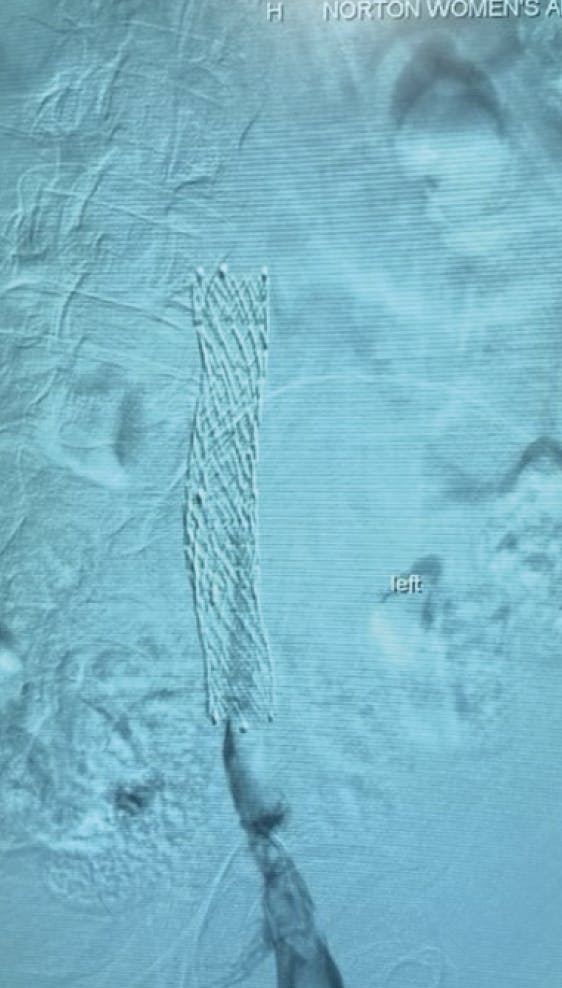
Figure 1. Initial venogram.
INTERVENTION
A 16-F X 13-cm sheath was placed in the popliteal vein. In short succession, a 100-cm-length Lightning Flash thrombectomy catheter was advanced into the vasculature until proximal to the thrombus burden. The flow switch was turned on to initiate aspiration, and the catheter was advanced into the thrombus. Immediately on advancement, Lightning Flash transitioned to clot detection mode, and thrombus began to move through the aspiration tubing. On the first pass, the catheter was taken through the stent and back down with aspiration on. A torquing movement was used for the entirety of the pass, effectively evacuating the majority of the thrombus. It was elected to do a second pass to clean up the stented segment. By again using a thorough torquing technique, the Lightning Flash system restored patency.
Conclusion
Postprocedural angiography demonstrated complete resolution of thrombus with wide patency of the iliac venous stent (Figure 2). A considerable amount of thrombus was removed throughout the procedure (Figure 3). The patient’s pain and swelling improved immediately. On 1-month follow-up, the patient was entirely asymptomatic with complete resolution of symptoms.
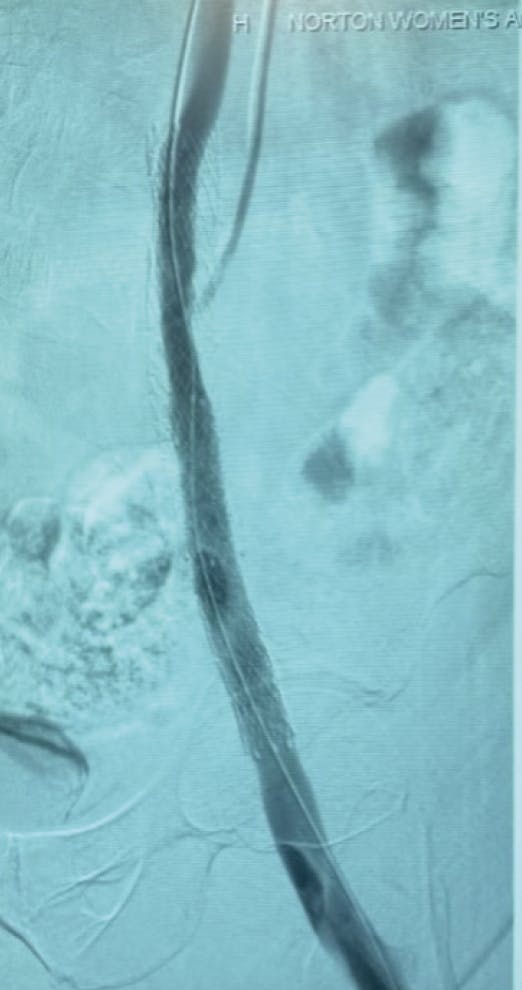
Figure 2. Postprocedure venogram.
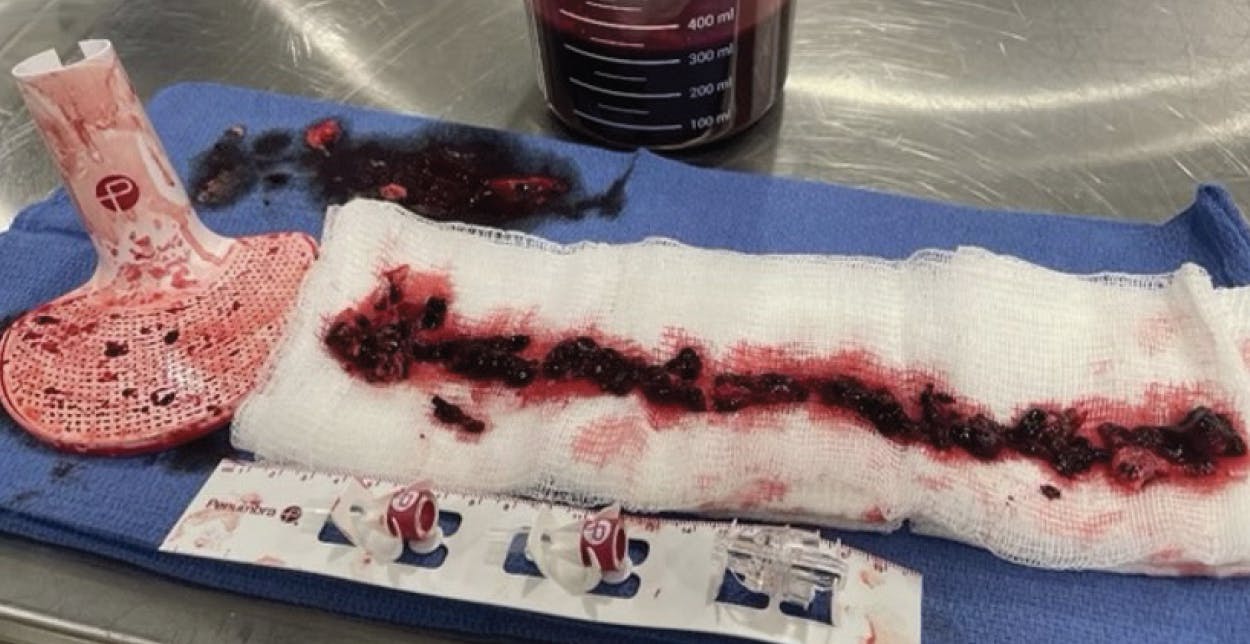
Figure 3. Clot removed.
Disclaimer: The opinions and clinical experiences presented herein are for informational purposes only. The results may not be predictive of all patients. Individual results may vary depending on a variety of patient-specific attributes.
Advertisement
Advertisement