Advertisement
Advertisement
October 2023
Sponsored by CVRx, Inc.
Baroreflex Activation Therapy: A Novel Extravascular Procedure for Heart Failure Patients
By Manuel Perez-Izquierdo, MD; Fred A. Weaver, MD, MMM; and Johanna Paola Contreras, MD, MSc, FACC, FAHA, FASE, FHFSA


What is the role of baroreceptors in patients with heart failure with reduced ejection fraction (HFrEF)?
Dr. Weaver: The arterial baroreceptors are one of the chief curators of cardiovascular homeostasis. The baroreceptors at the carotid sinus bifurcation are a critical component of this cardiovascular homeostasis. In patients with HF and hypertension, baroreceptor function is altered. The mechanism of baroreceptor dysfunction is poorly understood, but it is known that their signaling is significantly reduced.
Video 1. Barostim mechanism of action.
Video 2. Training video on implantation of Barostim.
With altered signaling from the carotid sinus baroreceptors to the brain, an imbalance in the autonomic nervous system can result with adverse consequences on cardiac function. This imbalance also has deleterious effects on renal and overall cardiovascular homeostasis.
What is Baroreflex Activation Therapy (BAT)?
Dr. Weaver: BAT, delivered via the Barostim™ system (CVRx, Inc.), is a device-based therapy designed to improve the symptoms of HF. The device electrode is surgically implanted on the surface of the carotid sinus (usually the right carotid), which delivers energy from a pulse generator placed in a subcutaneous chest pocket to electrically stimulate the carotid baroreceptors. This stimulation increases signaling to the brain, which downregulates sympathetic tone and upregulates parasympathetic tone to improve HF symptoms (Figure 1).
Dr. Perez-Izquierdo: Barostim is a novel technology that is geared toward “resynchronizing” the autonomic nervous system by stimulating the baroreflex to decrease sympathetic tone and increase parasympathetic tone. It is an early intervention that can be offered to the HF patient before they are too sick, when more invasive interventions such as a left ventricular assist device (LVAD) or orthotopic heart transplant (OHT) will be considered.
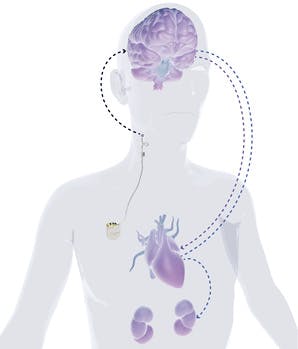
Figure 1. Mechanism of action of Barostim. The system works through continuous electrical stimulation of the carotid baroreceptors, modulating the baroreflex, which decreases sympathetic activity while also increasing parasympathetic activity to the cardiovascular system. This therapy has been associated with improvement in exercise capacity (measured by 6-minute walk test), QOL (measured by the Minnesota Living with Heart Failure Questionnaire), and NT-proBNP in patients with HF. Image courtesy of CVRx.
What patients are candidates for this procedure?
Dr. Weaver: In general, patients with New York Heart Association (NYHA) class II or III HF, an ejection fraction below 35%, and who have refractory HF symptoms despite guideline-directed medical therapy (GDMT) are candidates. Any patient considered for Barostim should not be a candidate for cardiac resynchronization therapy (CRT). Patients with a carotid bifurcation with minimal atherosclerotic burden, no significant carotid stenosis (< 50%), and located below the level of the mandible are surgically appropriate candidates for Barostim. The patient should not have had a previous stent or endarterectomy of the carotid artery selected for placement.
How is the procedure performed?
Dr. Perez-Izquierdo: In most cases, the implantable pulse generator (IPG) is placed in the ipsilateral chest, and the lead and electrode are tunneled into the neck, deep to the sternocleidomastoid. This is all placed extravascularly with no leads in the heart. Most patients go home the same day of surgery. There is a subgroup of acutely decompensated patients who are admitted prior to the procedure, optimized by our cardiology colleagues, and implanted on that same admission prior to discharge.
Dr. Weaver: The system consists of a 2-mm carotid electrode, an IPG, and a lead that connects the two (Figure 2). The carotid electrode is placed through a small transverse cervical skin crease incision directly over the carotid bifurcation, which is localized intraoperatively by ultrasound. The anterior surface of the carotid bifurcation and proximal internal carotid artery where the carotid sinus resides is exposed. Dissection should be minimized so as not to injure the carotid sinus nerve, which lies just medial to the carotid sinus. Following a mapping procedure, which locates the optimal site of carotid sinus stimulation for electrode placement, six 6-0 Prolene sutures (Ethicon, a Johnson & Johnson company) are used to secure the electrode. The electrode lead is then tunneled subcutaneously over the clavicle and connected to a pulse generator that is implanted in a subcutaneous pocket on the anterior wall of the chest. The pulse generator is about the size of a small implantable cardioverter defibrillator (ICD). Generally, Barostim placement is an outpatient procedure and well tolerated even in the HF population. Safety data from the pivotal trial demonstrated an excellent safety profile with minimal short- and long-term complications.
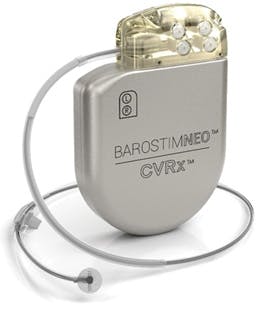
Figure 2. Barostim System. See Barostim Indications for Use sidebar.
You were involved in the BeAT-HF study; what was your experience during the trial, and how has your experience with Barostim evolved post–FDA approval?
Dr. Perez-Izquierdo: During BeAT-HF, the patients were mostly followed by the study cardiologist, but the success of implantation and the low complication rate made the procedure minimally invasive even on this very sick patient population. Post–FDA approval, it has been amazing to see the immediate improvement some of our super-responders have, and we continue to learn how to accelerate the improvements of the other patients via monthly therapy titration.
Dr. Weaver: Patients who were potential candidates for Barostim were first evaluated by a HF specialist to assess if they satisfied the pre-prescribed inclusion and exclusion criteria of the trial. If the patient was a suitable candidate from a medical perspective, then a vascular surgery consultation and carotid duplex ultrasound were performed. Assuming no significant anatomic contraindication was present, a discussion with the patient about the Barostim surgical procedure, expected recovery, and potential complications ensued.
Since Barostim was approved, there has been significant uptick in interest from our HF cardiologists. This has resulted in an increase in referrals from our own institution as well as outside HF specialists. Management of the patient is a collaborative affair with the HF cardiologist. As the surgeon, we are responsible for the surgical evaluation and placement of Barostim. Our cardiologists manage the medical care, which includes the activation of the Barostim system and titration of energy delivered to the carotid sinus to optimize therapy.
What are the clinical data for this technology?
Dr. Weaver: In the BeAT-HF study of 264 patients with NYHA class III or functional class II, an ejection fraction ≤ 35%, and a N-terminal pro-B-type natriuretic peptide (NT-proBNP) < 1,600 pg/mL were enrolled. Patients were required to be on stable GDMT for ≥ 4 weeks and have no class I indication for CRT. Patients were randomized to GDMT alone or GMDT plus Barostim therapy. Study findings demonstrated that patients treated with Barostim and GDMT had significantly improved symptoms as measured by exercise capacity, quality of life (QOL), and NYHA class improvement at 6 months versus patients on GDMT alone (Figure 3).1
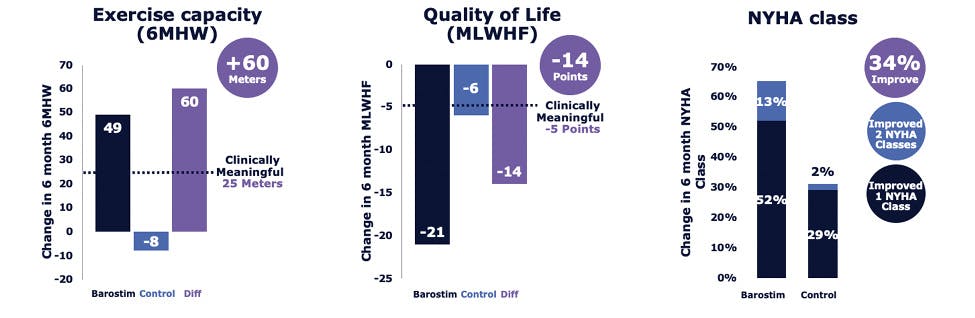
Figure 3. BeAT-HF study results at 6 months.1
How have you incorporated this technology into your practice? How do you present this therapy to potential patients?
Dr. Perez-Izquierdo: This is a technology that has strengthened the bonds between myself and the referring cardiologists. It has added another level of involvement for the HF team, and it puts the vascular surgeon at the epicenter of the therapy.
I like to compare this technology to the HVAC system in my patient’s house. I explain how the thermostat controls the air handler and the compressor, and when the thermostat is broken, nothing really works. I explain that we are taking over control of the thermostat that sends signals to the brain for the brain to send signals to the heart, vasculature, kidneys, and lungs. This has made the discussion with the patients very easy, and they leave my office with an excellent grasp of the way this works.
Dr. Weaver: We receive referrals for surgical evaluation for placement from the patient’s cardiologist. The initial evaluation is an office visit with a carotid duplex ultrasound to determine the patient’s suitability for Barostim. During the visit, we explain the procedure in detail, including the risks and potential benefits. These patients are quite debilitated by their HF and are on GMDT when seen. Despite GMDT, their QOL is poor, and they have limited exercise capacity. Barostim offers the potential for improvement in both of these areas. Patients are quite eager to proceed once fully informed of Barostim and the possible benefits.
How have your patients responded to the therapy?
Dr. Perez-Izquierdo: This patient population is extremely complex. They often have difficulty walking from the parking lot into the office. On the first follow-up visit, it is not unusual for patients to note that they did not have to stop on the way in. In my experience, I am also often able to wean them off diuretics as the therapy is increased. Their QOL appears to improve, similar to that seen with CRT and GDMT.
Dr. Weaver: It has been impressive to see the changes in overall QOL and exercise tolerance, which patients have enjoyed after Barostim was placed. In addition, late device- or procedure-related issues have been rare.
In your institutions, when do you start to think about offering Barostim to patients, and what is the patient pathway? What do you see as the “window of opportunity” for offering this to HFrEF patients?
Dr. Weaver: The decision to offer Barostim is made by the cardiologist in consultation with the patient. Patients referred for Barostim have maximized medical therapy but still have significant HF symptoms.
Dr. Perez-Izquierdo: Our HF team considers Barostim when patients remain symptomatic despite GDMT or are unable to tolerate the target dose. Patients should also be identified before they are so decompensated that their natural physiologic mechanisms can no longer overcome their heart dysfunction and they require LVAD or heart transplant. I especially like the fact that Barostim therapy does not require patient compliance or adherence—once it’s titrated, the therapy is constantly delivered, and it is less burdensome than the more advanced therapies. Currently, our cardiologists identify the patients who would benefit from this technology, and then refer to my office for evaluation. I perform a carotid duplex ultrasound to make sure they meet the anatomic criteria and then meet with the patient to tell them more about the technology and the procedure itself.
Has this collaboration with your cardiology and HF colleagues affected patient volumes/referral patterns?
Dr. Perez-Izquierdo: The strengthening of the collaboration with cardiology has positively impacted the referrals for “bread-and-butter” vascular surgery procedures.
Dr. Weaver: There certainly has been an increase in referrals as I mentioned previously. It is also a unique opportunity to work closely with our cardiologists who manage HF, something we have not had the opportunity to do in the past.
What are the CPT codes for this procedure?
Dr. Weaver: The Barostim procedure CPT code is 0266T (implantation or replacement of carotid sinus baroreflex activation device; total system). Until the procedure receives a CPT category I code, I typically “cross-walk” the code to the carotid endarterectomy CPT 35301, which is the most similar vascular procedure to the implantation of Barostim.
Why should vascular surgeons learn about this procedure and therapy?
Dr. Perez-Izquierdo: Over the last several decades, we have seen surgical specialties give way to medical specialties to perform procedures such as coronary and peripheral interventions. As a vascular surgeon, we have all the tools necessary to implant this device. We have the anatomical and physiological understanding to serve this patient population. Performing this procedure also increases our value with another service line, and within our hospital systems overall. In short, we have the right skills and tools, and it increases our value.
Dr. Weaver: Due to their expertise in CEA, vascular surgeons have in-depth knowledge of carotid artery and cranial nerve anatomy. In addition, vascular surgeons routinely use ultrasound imaging in their practices, which comes in handy when locating the carotid bifurcation at time of the procedure, as well as assessing any carotid artery disease that may be present. This unique skill set allows for expert evaluation and safe placement of the Barostim device.
1. Zile MR, Lindenfeld J, Weaver FA, et al. Baroreflex activation therapy in patients with heart failure with reduced ejection fraction. J Am Coll Cardiol. 2020;76:1-13. doi: 10.1016/j.jacc.2020.05.015
Case Study: Barostim Implantation in a Symptomatic Patient Despite Optimized GDMT

PATIENT PRESENTATION
A 78-year-old man with ischemic cardiomyopathy with a prior left ventricular ejection fraction (LVEF) of 20% and NYHA functional class III was referred for Barostim. Other comorbidities included hypertension, coronary artery disease, well-controlled type 2 diabetes mellitus, hyperlipidemia, benign prostatic hyperplasia, and remote history of nephrolithiasis.
The patient was admitted to the hospital with a progressive dry cough and worsening shortness of breath and found to have acute hypoxic respiratory failure in the setting of new HF. The initial BNP was 778.09 pg/mL and an electrocardiogram demonstrated normal sinus rhythm with a narrow QRS complex with occasional nonsustained ventricular tachycardia. A transthoracic echocardiogram showed an LVEF of 25% with severe LV dilatation and diffuse hypokinesis with localized akinesis of the basal inferior septum. Myocardial perfusion imaging showed a fixed inferior and apical wall defect consistent with a prior myocardial infarction. Coronary angiography demonstrated mild-moderate disease of the coronary arteries, with subtotal occlusion of the distal left circumflex artery and < 50% occlusion of all remaining coronary vasculature; the left anterior descending artery was noted to have severe calcification. No interventions were deemed necessary. He was started on spironolactone 25 mg daily, sacubitril-valsartan 24 to 26 mg twice daily, furosemide 40 mg daily, and carvedilol 6.25 mg twice daily and was discharged from the hospital.
COURSE OF TREATMENT
The patient was monitored closely posthospitalization, and while able to tolerate medications, he was frustrated by symptomatic hypotension and remained very limited. An ICD was placed 6 months after initial presentation for primary prevention due to lack of improvement in cardiac function despite optimal medical therapy.
Six months after ICD placement, the patient was hospitalized with a HF exacerbation. He was sent to the emergency department by his outpatient cardiologist in the setting of acute worsening of his shortness of breath, new orthopnea, and mild midsternal chest pain; he underwent intravenous diuretic therapy and was discharged in stable condition. A few weeks prior to admission, his spironolactone and sacubitril-valsartan were discontinued due to symptomatic hypotension. He continued to follow closely in the outpatient setting and remained adherent to his medical regimen.
The patient presented to his clinic for further evaluation 2.5 years after initial presentation; at that time, he was experiencing dyspnea on exertion after two flights of stairs, one street block with incline, and less than two blocks walking capacity with 1+ pillow orthopnea. Although his symptoms remained fairly stable, remote monitoring through his ICD (thoracic impedance, activity, breathing pattern, and heart rate; HeartLogic Heart Failure Diagnostic, Boston Scientific Corporation) continued to show elevated readings suggestive of elevated filling pressures.
Given persistent symptoms and decreased QOL despite maximally tolerated medical therapy, device therapy was offered 30 months after diagnosis. His medications at the time were carvedilol 6.25 mg twice daily (eventually switched to metoprolol 12.5 mg twice daily due to symptomatic hypotension), torsemide 20 mg daily, and sacubitril-valsartan 24-26 mg daily. The patient was intolerant to target doses of β-blockade. Before Barostim implantation, ultrasound Doppler showed that the carotid artery bifurcation was below the mandible, and significant atherosclerotic plaque (> 50%) both in the internal and common carotid was ruled out. His BNP at implantation was 1,400 pg/mL.
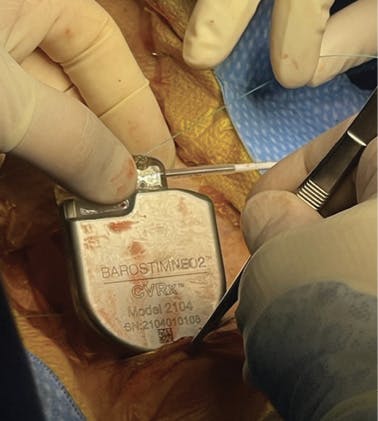
Figure 4. Placement of IPG in right chest wall pocket similar to the one performed for a pacemaker.
BAROSTIM IMPLANTATION AND FOLLOW-UP
Barostim implantation was subsequently performed. The pulse generator was implanted in the right chest by making a subcutaneous wall pocket, similar to the one made for a pacemaker (Figure 4). The implantation of the electrode began by exposing the carotid sinus through a transverse cervical incision over the carotid bifurcation. The sinus region was mapped by temporarily placing the electrode in various locations and applying electrical stimulation to assess the baroreflex response to stimulation (Figure 5). This was measured by observing changes associated with baroreflex activation such as heart rate and blood pressure.
Overall, device implantation was without complication, and on follow-up, incisions were intact without evidence of infection or dehiscence. The device was activated 3 weeks after placement. Other than mild numbness at the incision site and mild neck pain, the patient tolerated the procedure and activation well.
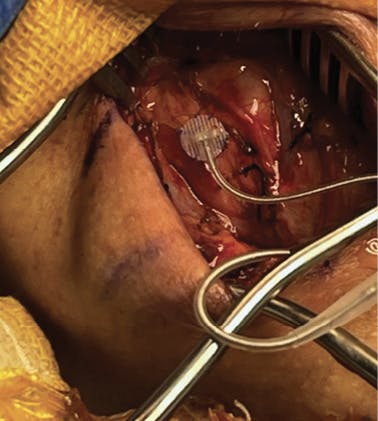
Figure 5. Placement of the carotid electrode during Barostim implantation.
On follow-up 8 weeks after the procedure and 5 weeks after activation, the patient reported feeling well enough to go back to work 6 days per week, with symptomatic and functional improvement. Graduated titration of the device proved helpful in assessing device tolerance and symptom management. At his last outpatient visit, he was able to ambulate three street blocks without stopping, regardless of the incline. He endorsed significant improvement in his orthopnea.
Barostim Indications for Use
- NYHA III or NYHA II with recent history of NYHA III on GDMT*
- LVEF ≤ 35%
- NT-proBNP < 1,600 pg/mL
- Not indicated for CRT†
*GDMT according to 2022 American Heart Association/American College of Cardiology/European Society of Cardiology guidelines.
†Or not receiving adequate response from existing CRT device.
CONCLUSION
Barostim is an FDA-approved therapy for patients with HFrEF (< 35%) on maximally tolerated medical therapy who remain symptomatic and who are not candidates for CRT. Other candidates that could potentially benefit are those who are intolerant to β-blocker therapy. The procedure has been shown to be safe, well tolerated, and allows for dose titration to achieve the appropriate hemodynamic effects.
This case study was developed and authorized for use by Dr. Johanna Contreras, Mount Sinai Hospital, Icahn School of Medicine at Mount Sinai, New York, New York, with permission from the patient. Although patients may have benefited from Barostim, results may vary. Alejandro Folch, MD, and Michelle Nanni, MD, were collaborators in preparing this case.
CAUTION: Federal law restricts this device to sale by or on the order of a physician. See Instructions for Use 900133-001 for a complete instruction for use and a description of indications, contraindications, warnings, precautions and adverse events.
Barostim™ Brief Summary for Physicians
The Barostim System is indicated for the improvement of symptoms of heart failure—quality of life, six-minute hall walk and functional status—for patients who remain symptomatic despite treatment with guideline-directed medical therapy, are NYHA Class III or Class II (who had a recent history of Class III), have a left ventricular ejection fraction ≤ 35%, a NT-proBNP < 1600 pg/ml and excluding patients indicated for Cardiac Resynchronization Therapy (CRT) according to AHA/ACC/ESC guidelines.
Patients are contraindicated if they have been assessed to have bilateral carotid bifurcations located above the level of the mandible, baroreflex failure or autonomic neuropathy, uncontrolled symptomatic cardiac bradyarrhythmias, carotid atherosclerosis that is determined by ultrasound or angiographic evaluation greater than 50%, ulcerative plaques in the carotid artery as determined by ultrasound or angiographic evaluation, known allergy to silicone or titanium.
Warnings include: only trained physicians may use this system, prescribing physicians should be experienced in the diagnosis and treatment of heart failure and should be familiar with the use of this system, monitor blood pressure and heart rate during Carotid Sinus Lead placement and when adjusting stimulation parameters intra-operatively, post-implantation, program the system to avoid the following: heart rate falls below 50 beats per minute (BPM), or systolic pressure falls below 90 mmHg, or diastolic blood pressure falls below 50 mmHg, or problematic adjacent tissue stimulation is noted, or undesirable interaction indicated by monitoring of any other implanted electrical device (see “Device Interaction Testing” in Section 10), or any other potentially hazardous patient responses are observed. Improper system implantation could result in serious injury or death. Do not use diathermy therapy including shortwave, microwave, or therapeutic ultrasound diathermy on patients implanted with the system. Patients should be counseled to stay at least 15 cm (6 inches) away from devices with strong electrical or magnetic fields such as strong magnets, loudspeaker magnets, Electronic Article Surveillance (EAS) system tag deactivators, arc welders, induction furnaces, and other similar electrical or electromechanical devices. This would include not placing items such as earphones in close proximity to the implanted pulse generator. The IPG may affect the operation of other implanted devices such as cardiac defibrillators, pacemakers, or neurological stimulation systems. For patients who currently have an implanted electrical medical device, physicians must verify compatibility with the implanted device during implantation of the system. Contralateral implant of the Barostim NEO IPG may help to reduce potential interactions. Interactions are more likely in devices that contain a sensing function, such as an implantable cardiac defibrillator or pacemaker. If an interaction is observed, the Barostim NEO IPG should be programmed to reduced therapy output settings in order to eliminate the interaction. If necessary, change settings in the other implant only if the changes are not expected to negatively impact its ability to perform its prescribed therapy. During the implant procedure, if device interactions cannot be eliminated the Barostim NEO System should not be implanted.
Precautions include: the system should be implanted and programmed carefully to avoid stimulation of tissues near the electrode or in the area of the IPG pocket. Such extraneous stimulation could involve the following: the regional nerves, causing laryngeal irritation, difficulty swallowing, or dyspnea, the cervical musculature, causing intermittent contraction, skeletal muscles, causing intermittent contraction around the IPG pocket. Proper sterile technique during implantation should be practiced and aggressive pre-operative antibiotics are recommended. Infections related to any implanted device are difficult to treat and may necessitate device explanation.
It is anticipated that subjects will be exposed to operative and post-operative risks similar to related surgical procedures involving the neck and/or a pacemaker implant. These risks and potential risks of chronic device based baroreflex activation may include, but are not limited to: stroke, transient ischemic attack (TIA), systemic embolization, surgical or anesthetic complications, infection, wound complications, arterial damage, pain, nerve damage/stimulation, hypotension, hypertensive crisis, respiratory, exacerbation of heart failure, cardiac arrhythmias, tissue erosion/IPG migration, injury to baroreceptors, fibrosis, allergic reaction, general injury to user or patient, need for reoperation, secondary operative procedure, and death. Patients implanted with the system may receive Magnetic Resonance Imaging (MRI) only when all MR Conditional safety parameters are met as listed in the instructions for use.
CVRx, Barostim, BAT, Barostim NEO, Barostim NEO2, BATwire, and Outsmart the heart are all trademarks of CVRx, Inc. © 2023 CVRx, Inc. All rights reserved. All other trademarks are property of their respective owners.
For a list of all potential benefits and risks go to www.cvrx.com/benefit-risk-analysis/
For a list of all applicable patents, see www.cvrx.com/patent-marking.
Advertisement
Advertisement