Advertisement
Advertisement
April 2024 Supplement
Sponsored by Terumo Interventional Systems
Why the R2P Portfolio Is a Game Changer

We are on the cusp of a new era in endovascular treatment, with the inception of devices being brought to the market that can treat peripheral artery disease from the radial approach. I would venture to say that this is a period of evolution in endovascular treatment.
The endpoints for intervention in the endovascular space are clear. For patients with claudication, the treatment goal is improvement in functional capacity and quality of life. For those with chronic limb-threatening ischemia (CLTI), the goal is limb salvage. However, how we approach this disease state can significantly affect patient outcomes.
Contemporary literature is clear regarding the impact of access site complications. The glycoprotein IIb/IIIa trials were the first to demonstrate that significant access site bleeding correlates with mortality. This was further demonstrated by ACUITY and HORIZONS-AMI.1,2 The moral of the story remains that hemorrhagic complications have a direct relationship with patient death. In the coronary space, this led to the advent of the approach to achieve outcomes equivalent to femoral access but with less risk of bleeding. RIVAL and RIFLE-STEACS were key in providing sound evidence that reduction in bleeding for interventional procedures correlates with reduced morbidity and mortality.3,4
The most common access site for endovascular interventions has historically been common femoral access. This allows for a variety of introducer sheath diameters and subsequently allows for the most complete treatment scope, as bailout options such as covered stents are generally compatible with 7-F delivery systems. The inherent risks of retroperitoneal bleed, difficult-to-control access site bleeding for diseased accessed arteries, and pseudoaneurysm are well established.
However, the question remained: Is there a way to achieve equivalent procedural outcomes with less access site–related complications? This ultimately led to the advent of alternative access sites to explore this possibility.
As in coronary intervention, radial access for endovascular interventions was developed to circumvent some of these issues. Innovation has resulted in longer, fully hydrophilic sheaths to avoid radial entrapment and facilitate equipment delivery. Longer wires, balloons, and stents with long shaft lengths and longer transit catheters followed in suit. Atherectomy and plaque modification devices were developed to improve outcomes. We now have a nearly complete treatment portfolio to achieve the goal of outcomes equivalent to transfemoral access with less bleeding site complications. This was further demonstrated in an article by Castro-Dominguez et al in Journal of the Society for Cardiovascular Angiography & Interventions (JSCAI).5
There are certainly theoretical barriers to the early adoption of radial access for endovascular procedures. There is a perception of increased procedural times, increased radiation exposure, need for significantly more equipment, and increased stroke risk, as well as a lack of appreciation for the true incidence of femoral access site complications. These issues were addressed and shown to be insignificant based on the data presented in the JSCAI article.
Having performed the first radial-to-peripheral procedure in the world with the current generation of R2P (Terumo Interventional Systems) technology and having seen the evolution of endovascular radial products in the past decade, I can certainly say that R2P is an exciting innovation that is here to stay. Radial operators are becoming the norm rather than the exception as training programs are focusing on radial access. As will be seen later in this supplement, an interdisciplinary approach is being taken with interventional cardiologists, interventional radiologists, and vascular surgeons who are adopting radial access for their procedures. As my esteemed coauthors will also demonstrate, not only can the lower extremities be treated via radial access but mesenteric, renal, upper extremity, and carotid interventions can be effectively and safely performed as well.
CASE EXAMPLE
A man in his early 90s presented with prior medical history significant for coronary artery bypass graft, an ejection fraction of 25% to 30%, and CLTI of the left leg. We selected the radial approach to ensure he could sit up immediately postprocedure. The patient experienced same-day discharge with no access site complications or procedure site complications.
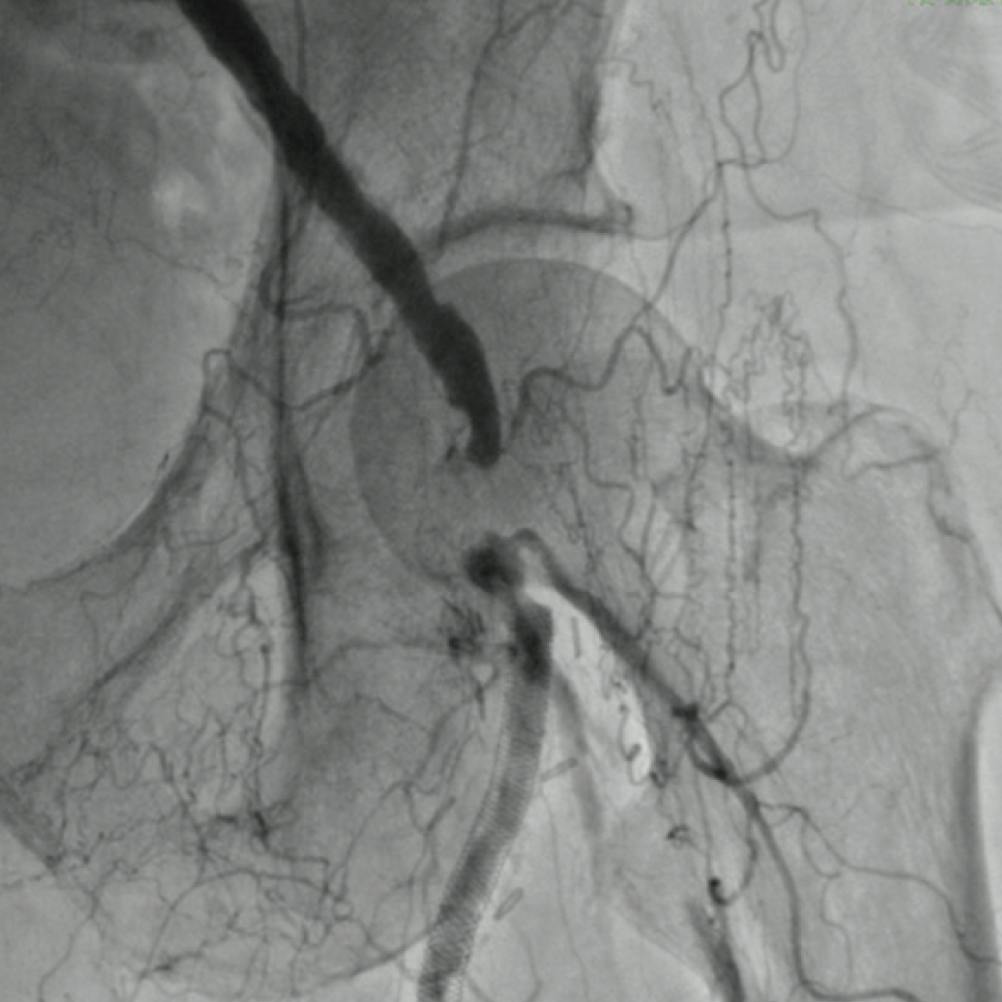
Figure 1. Preprocedure angiogram of the left common femoral artery (CFA).
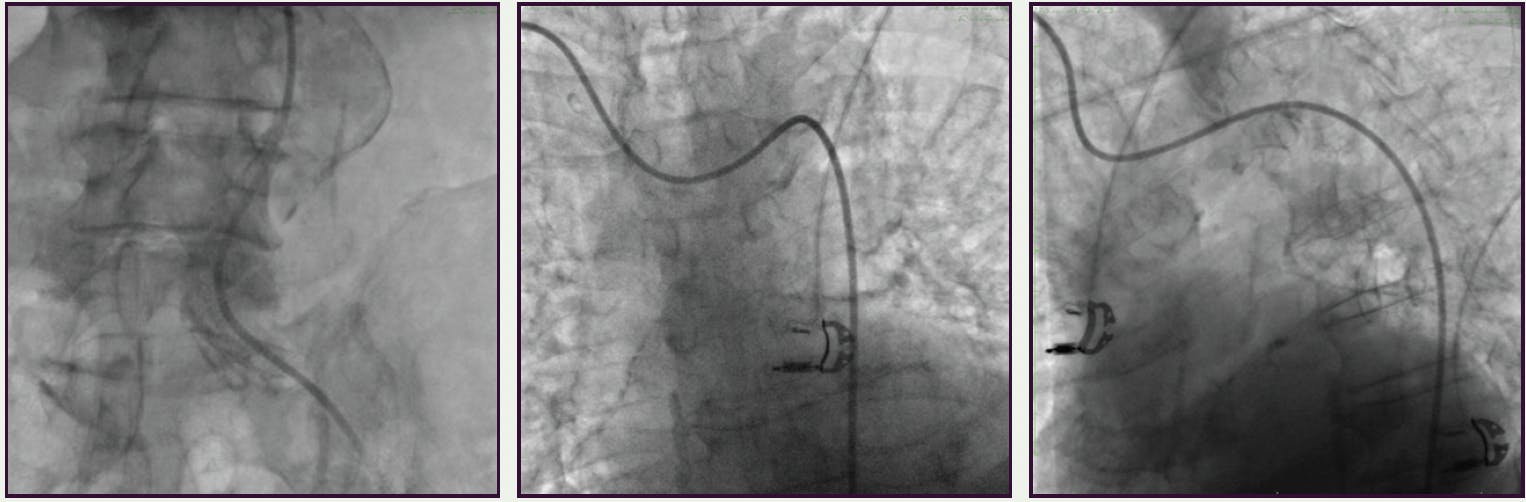
Figure 2. Angiograms showing the tortuosity of the abdominal aorta.
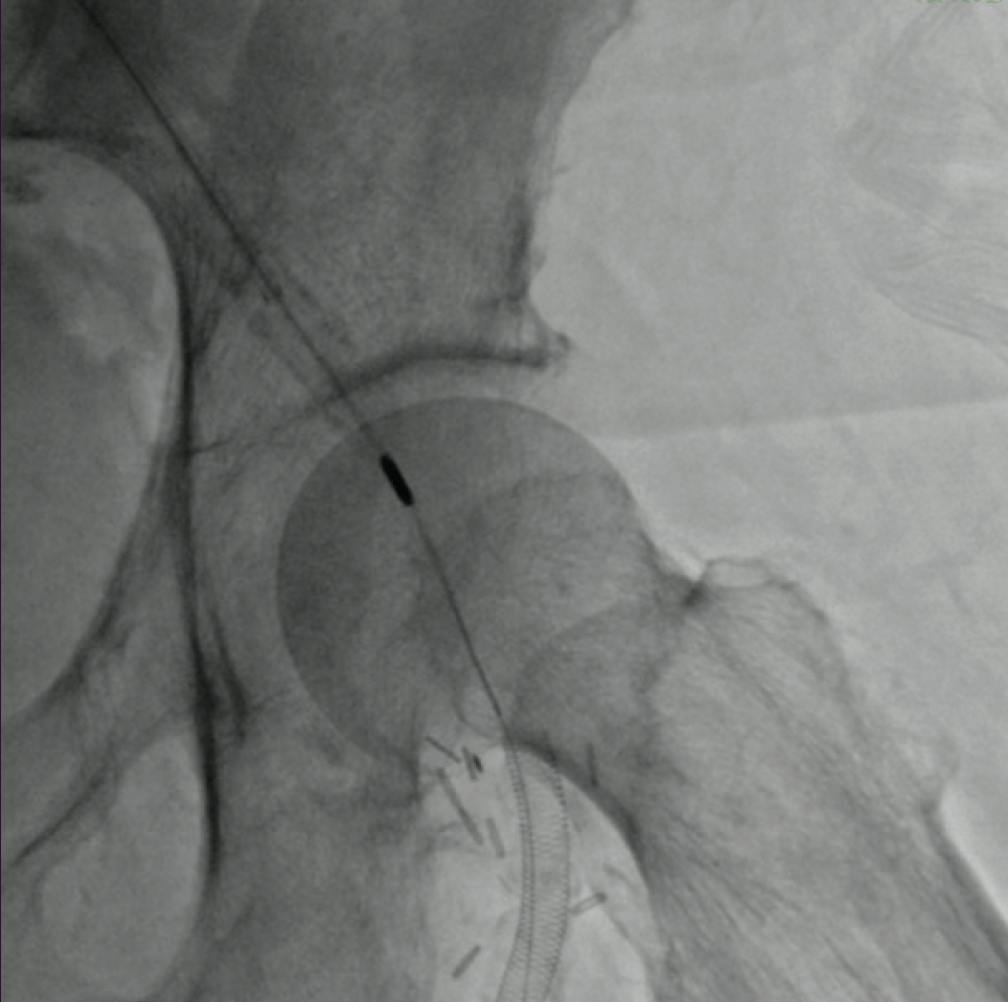
Figure 3. Angiogram of the left CFA showing the Diamondback atherectomy device (Abbott).
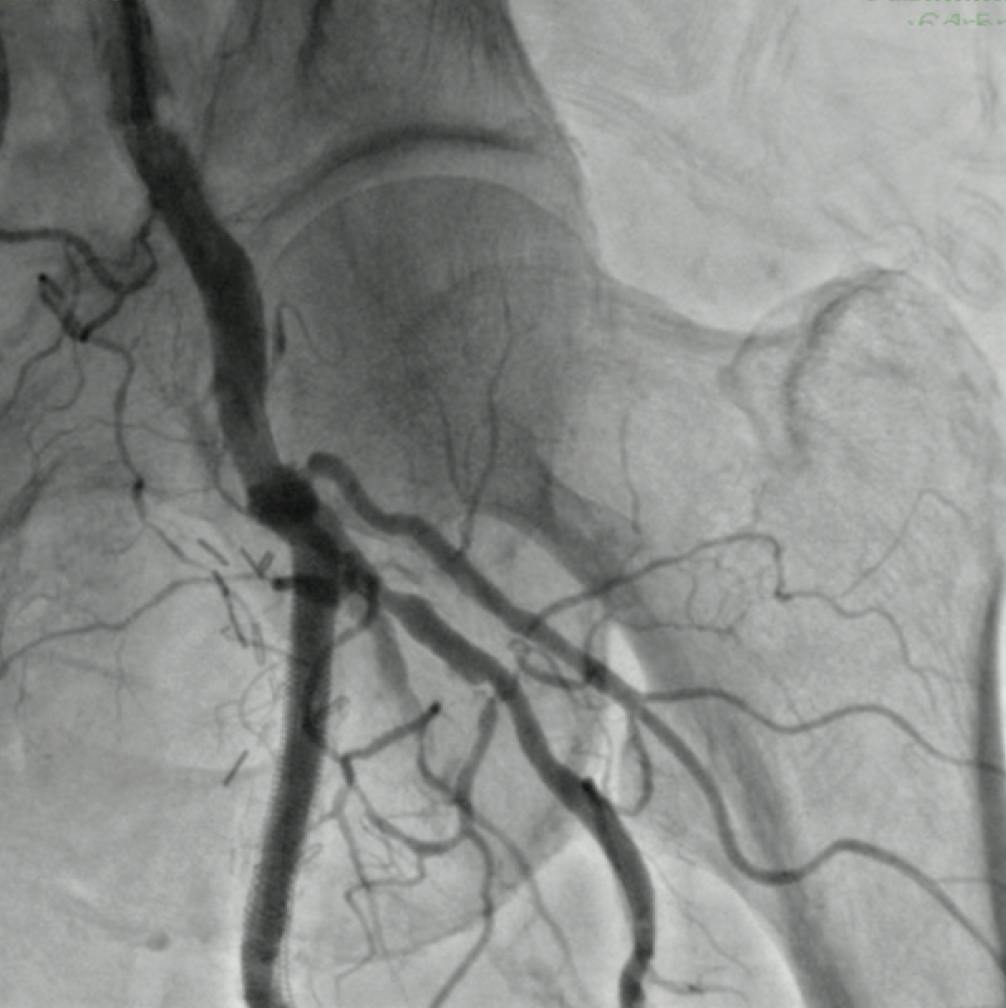
Figure 4. Postprocedure angiogram of the left CFA.
In addition to the safety benefits, radial endovascular procedures also achieve significant financial endpoints. Procedures performed transradially involve less intense nursing care postprocedure. Rather than having patients in individual beds for recovery, radial lounges allow for more patients to recover with fewer nursing resources, which translates into less expense for periprocedural care. Additionally, patient satisfaction scores are higher with radial procedures, thus improving metrics that affect reimbursement. There is no need for expensive closure devices with radial procedures, making procedures more cost-effective. Same-day discharge is the norm rather than the exception with these procedures. This translates into overall improved cost-effectiveness, which patients, payers, and hospital systems appreciate.
We have certainly learned some lessons during the trek of radial evolution. It is important to realize that these procedures are team based, not operator based. Although the operator learns the nuances of treating transradially, the techs involved need to be facile in managing the longer equipment on the back end of the table. Nursing should be aware of the need for sedation and anticoagulation and helping manage radial artery spasm. From a procedural standpoint, sedation is key to minimizing radial artery spasm, as is the administration of a radial cocktail that includes a longer-acting vasodilator such as verapamil. As with any procedure, operators should also know the contraindications for radial procedures: radial arteries < 2 mm in diameter, prior significant vasospasm, radial artery loops that are painful when straightened, and advanced renal disease where radial access may limit hemodialysis options in the future. The learning curve is short. Radial operators quickly become comfortable treating more advanced lesions, and prepping alternative access sites for crossing chronic total occlusions and complication management soon becomes the norm.
Industry has provided an excellent opportunity for those seasoned in practice, as well as those new to practice, to hone their skills and expand their radial education. The Terumo Learning Edge training programs are excellent because they are tailored to the educational needs of the attendees. Both the basics of radial procedures and advanced techniques are taught. Other alternative access site procedures are also addressed, such as tibial/pedal access. Most importantly, they help create professional relationships that strengthen our endovascular community.
Intervention with Terumo’s R2P Portfolio is an excellent tool in our endovascular treatment toolbox. The future looks bright as more products come to market to refine this process further and efforts are made to achieve better patient outcomes.
1. Stone GW, McLaurin BT, Cox DA, et al; ACUITY Investigators. Bivalirudin for patients with acute coronary syndromes. N Engl J Med. 2006;355:2203-2216. doi: 10.1056/NEJMoa0624372
2. Stone GW, Witzenbichler B, Guagliumi G, et al; HORIZONS-AMI Trial Investigators. Bivalirudin during primary PCI in acute myocardial infarction. N Engl J Med. 2008;358:2218-2230. doi: 10.1056/NEJMoa0708191
3. Hussain A, Kaul U. Radial vs femoral (RIVAL) trial for coronary angiography and intervention in patients with acute coronary syndromes. Indian Heart J. 2012;64:114-115. doi: 10.1016/S0019-4832(12)60036-4
4. Romagnoli E, Biondi-Zoccai G, Sciahbasi A, et al. Radial versus femoral randomized investigation in ST-segment elevation acute coronary syndrome: the RIFLE-STEACS (radial versus femoral randomized investigation in ST-elevation acute coronary syndrome) study. J Am Coll Cardiol. 2012;60:2481-2489. doi: 10.1016/j.jacc.2012.06.017
5. Castro-Dominguez Y, Li J, Lodha A, et al. Prospective, multicenter registry to assess safety and efficacy of radial access for peripheral artery interventions. J Soc Cardiovasc Angiogr Interv. 2023;2:101107. doi: 10.1016/j.jscai.2023.101107
©2024. Terumo Medical Corporation. All rights reserved. All brand names are trademarks or registered trademarks of Terumo. PM-07751
Advertisement
Advertisement