Advertisement
Advertisement
April 2024
Acute Pulmonary Embolism Presenting as Hypotension and Hypoxic Respiratory Failure
A discussion of percutaneous pulmonary embolism management.
By Bryan Kindya, MD, and Wissam A. Jaber, MD
Pulmonary embolism (PE) is a commonly encountered inpatient hospital diagnosis with a severity that covers a wide spectrum—from small, distal thrombus of low hemodynamic consequence to central, life-threatening massive PE. With a reported incidence of about 112 per 100,000 cases, it accounts for approximately 100,000 deaths annually; however, the true number is likely higher given that PE is a potential cause of sudden cardiac death.1 Thirty-day and 1-year mortality have been reported to be approximately 4% and 13%,1 respectively, although the true risk varies with the size of the thrombus and patient comorbidities. In the past several years, there have been both technologic and procedural advancements as well as newly published data, allowing endovascular-based interventional techniques for patients at risk for deterioration. This article describes a patient who presented with hypotension and hypcoxic respiratory failure due to a large PE.
CASE PRESENTATION
A woman in her late 60s with a history of hypertension, chronic kidney disease, and Graves disease presented to the emergency department from the ophthalmology clinic after she was noted to be hypotensive and hypoxemic at her clinic appointment. On further questioning, she endorsed a 3-day history of fatigue and shortness of breath without chest pain. She denied any lower extremity swelling. For the 24 hours prior to presentation, she was feeling dizzy and having blurry vision. In clinic, her blood pressure (BP) was 79/50 mm Hg, and her oxygen saturation was 82% on room air.
On arrival to the emergency department, her BP improved to 100/85 mm Hg with intravenous fluids, her heart rate was 110 bpm, and oxygen saturation was 83% and improved to 96% on oxygen 6 L/min via nasal cannula. Her cardiopulmonary exam was unremarkable, and there was no peripheral edema in the lower extremities.
Results of initial laboratory tests were notable for creatinine of 2.9 mg/dL (glomerular filtration rate, 17 mL/min/1.73 m2; baseline creatinine, 2.5 mg/dL), lactate of 2.5 mmol/L (mildly elevated), D-dimer of 10,261 ng/mL, troponin of 0.20 ng/mL (normal, < 0.04 ng/ml), and pro–B-type natriuretic peptide of 1,150 pg/mL. A chest x-ray was unremarkable.
Given the above, acute PE was highest on the differential diagnosis list. A pulmonary CT was deferred given her poor renal function, and she underwent urgent bilateral lower extremity venous imaging, which revealed an acute deep vein thrombosis (DVT) in the distal right common femoral vein, as well as a transthoracic echocardiogram, which was notable for a McConnell’s sign with a severely enlarged and severely dysfunctional right ventricle (Figure 1).
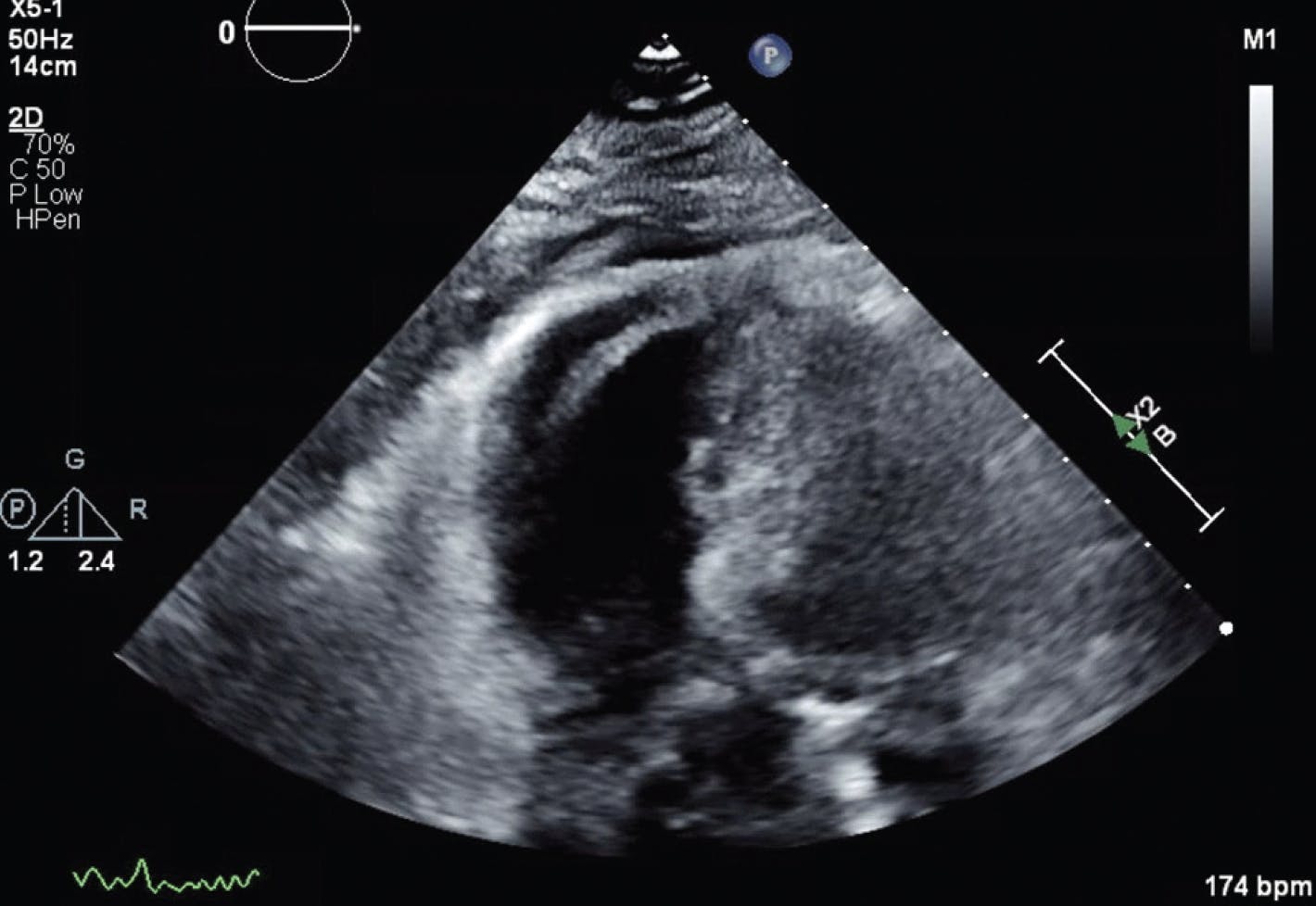
Figure 1. Transthoracic echocardiogram with a severely enlarged right ventricle with severe systolic dysfunction and a McConnell’s sign. McConnell’s sign is an echocardiographic finding consistent of akinesis of the RV free wall with sparing and hyperdynamic contractility of the RV apex. Although not a sensitive finding in PE, its presence should raise the suspicion for a larger, more central PE.
1. Highlight Point
Although CT remains the most common modality of diagnosis, in patients who cannot undergo CT or when contrast needs to be deferred due to renal disease, ventilation/perfusion scanning is a good alternative that does not require contrast. However, in the appropriate clinical setting like in this case, the presence of acute right ventricular (RV) strain on echocardiography and acute DVT on ultrasound virtually establish the diagnosis of acute PE.
CASE CONTINUED
With the above history and workup, the pretest probability of PE was felt to be very high. The patient was thus started on a heparin infusion. Furthermore, with a presentation of hypotension and hypoxic respiratory failure and a McConnell’s sign on imaging with elevated cardiac biomarkers, it was felt likely that the suspected thrombus would warrant intervention, and the patient was taken to the cardiac catheterization laboratory for direct pulmonary angiography and mechanical thrombectomy if warranted.
2. Highlight Point
The patient could have been treated with anticoagulation alone given that her BP and oxygen saturation stabilized. Intervention such as systemic thrombolysis can then be administered in case of deterioration. This would be most consistent with the current guidelines.2 However, the presence of each of the following findings is associated with increased PE-related mortality: tachycardia, hypoxemia, elevated cardiac biomarkers, elevated lactic acid, and RV dysfunction. These factors predict the presence of cardiogenic shock on invasive testing despite the presence of a “normal” BP.3 Thus, it is frequently argued that such patients are best served by the addition of a thrombus reduction procedure on top of the anticoagulation.4 Systemic thrombolytic are associated with an elevated risk of severe bleeding including up to 5% risk of intracranial hemorrhage, especially in patients aged > 65 years.5 Given the availability of a potentially safer lytic-free intervention in the catheterization laboratory, and as the patient was stable enough to make the trip to a different suite, a percutaneous intervention was chosen in this case.
CASE CONTINUED
Right heart catheterization revealed the following findings:
- Right atrium: 15 mm Hg
- Right ventricle: 53/17 mm Hg
- Pulmonary artery (PA): 52/27 (mean, 31) mm Hg
- Pulmonary capillary wedge pressure: 12 mm Hg
- PA saturation: 48%
- Fick cardiac index: 1.9 L/min/m2 (consistent with cardiogenic shock)
Selective left and right pulmonary angiography was performed, which revealed bilateral central thrombus in the lungs (Figure 2). Digital subtraction angiography was performed with manual injection of contrast in each PA, utilizing < 20 mL of contrast in total. In patients with low cardiac output from acute PE, manual injection of < 10 mL of contrast in the branch PA is usually enough to establish the diagnosis. In patients with smaller PE and no hemodynamic derangement, power injection of at least 25 to 30 mL of contrast in each lung is usually needed to rule out acute PE. The case patient and most patients in need of intervention fall in the former category.
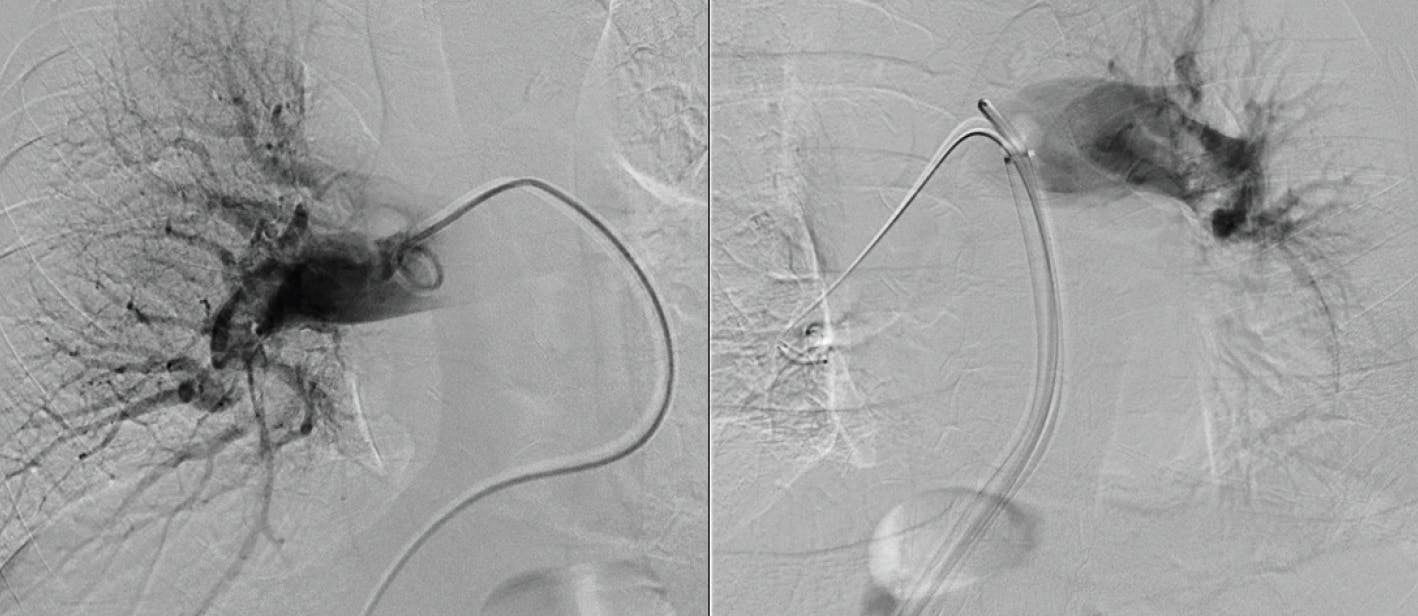
Figure 2. Angiograms of the lungs showing bilateral central thrombus burden.
3. Highlight Point
Options for interventional treatment include either mechanical thrombectomy or catheter-directed thrombolysis (lower dose and likely less risk of bleeding compared to systemic thrombolysis). The FDA-indicated devices for mechanical thrombectomy are the FlowTriever (Inari Medical), Indigo system (Penumbra, Inc.), and AlphaVac F1885 system (AngioDynamics), and the FDA-indicated devices for catheter-directed thrombolysis include the Ekos endovascular system (Boston Scientific Corporation) and the Bashir endovascular catheter (Thrombolex, Inc.). All have shown safety and effectiveness in interventional treatment of acute PE, but no comparative trials have yet been published.
CASE CONTINUED
We performed mechanical thrombectomy of the bilateral PAs using the FlowTriever device. After crossing the right heart with a balloon-tipped catheter, a 24-F FlowTriever catheter was advanced over an Amplatz Super Stiff guidewire (Boston Scientific Corporation) to the right PA, and thrombectomy was successful with aspiration of a large thrombus burden; however, the left-sided thrombus was large and relatively organized. On further interrogation, no blood or other substance was able to be aspirated from the device after several left-sided passes, leading to suspicion of either thrombus entrapped in the aspiration catheter or thrombus too large to enter the catheter and stuck on the tip of the device. We drew the catheter back to the infrarenal inferior vena cava (IVC) and stopped before the catheter entered the femoral venous sheath. We gained contralateral venous access above the level of the right femoral DVT, which was clearly visible on ultrasound, and performed venography, which showed the thrombus stuck to the tip of the catheter (Figure 3).
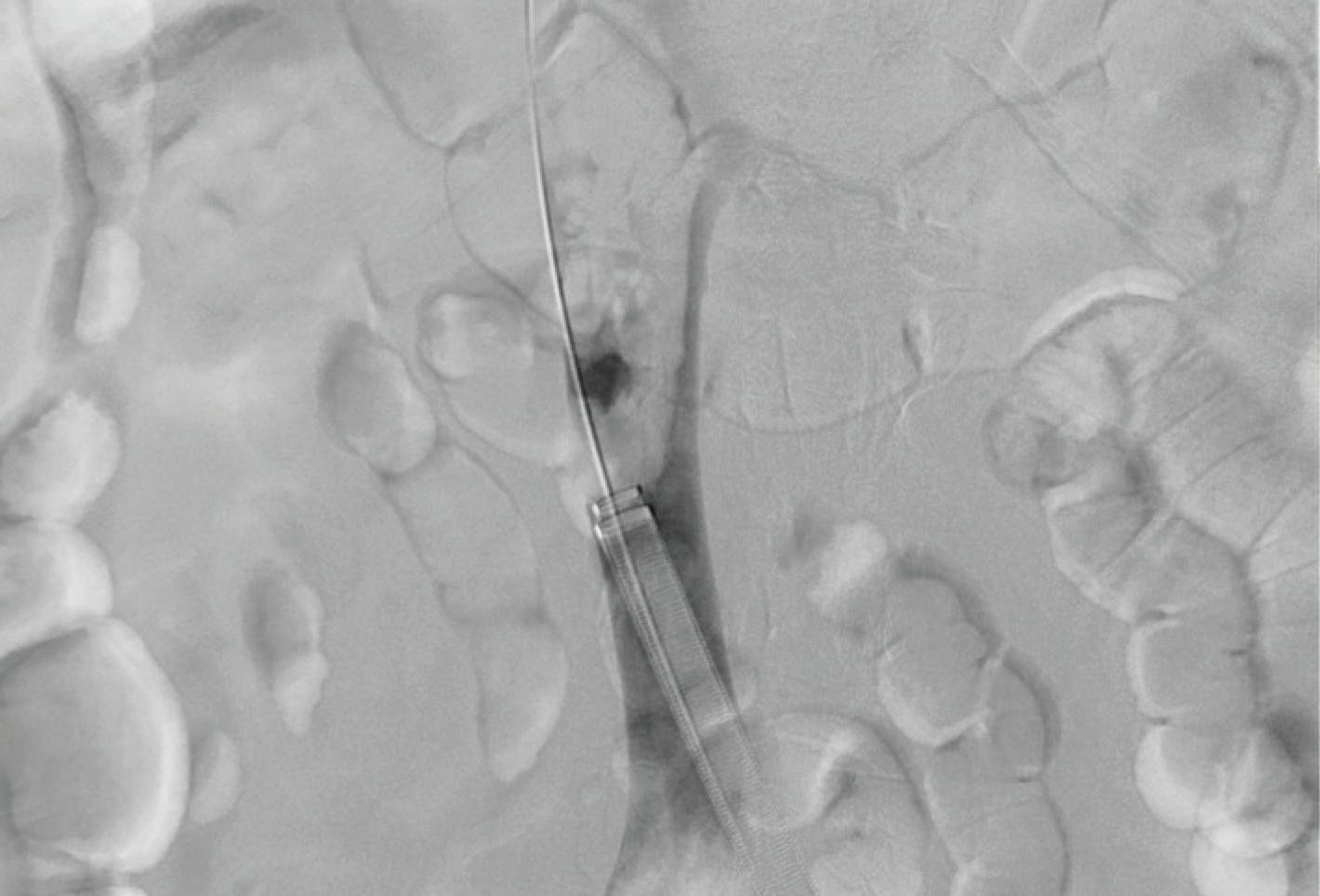
Figure 3. Aspiration catheter in the IVC with large thrombus stuck to the tip.
If the catheter is pulled into the sheath, the thrombus will shear off and embolize. The sheath and catheter can alternatively be pulled as one unit over the wire and through the femoral venotomy site. With such a large thrombus, this will also likely result in embolization of part of the protruding thrombus. The ideal solution in this case is to intercept any embolus in the IVC above the visualized clot. This can be achieved by placing temporary filter-like material, such as the large FlowTriever disks or a retrievable IVC filter, in the suprarenal IVC. We elected to place a retrievable IVC filter. Through the contralateral venous access, we advanced a retrievable filter to the infrarenal IVC after dragging the clot further down to the iliac bifurcation. Removal of the sheath over the wire removed part of the thrombus, and as expected, a big part embolized and was found lodged in the IVC filter (Figure 4). The same 24-F FlowTriever catheter was then used to aspirate the rest of the thrombus lodged in the filter. Figure 5 shows both parts of the extracted thrombus. Repeat PA catheterization showed an improvement in the mean PA pressure to 23 mm Hg and PA oxygen saturation to 55%.
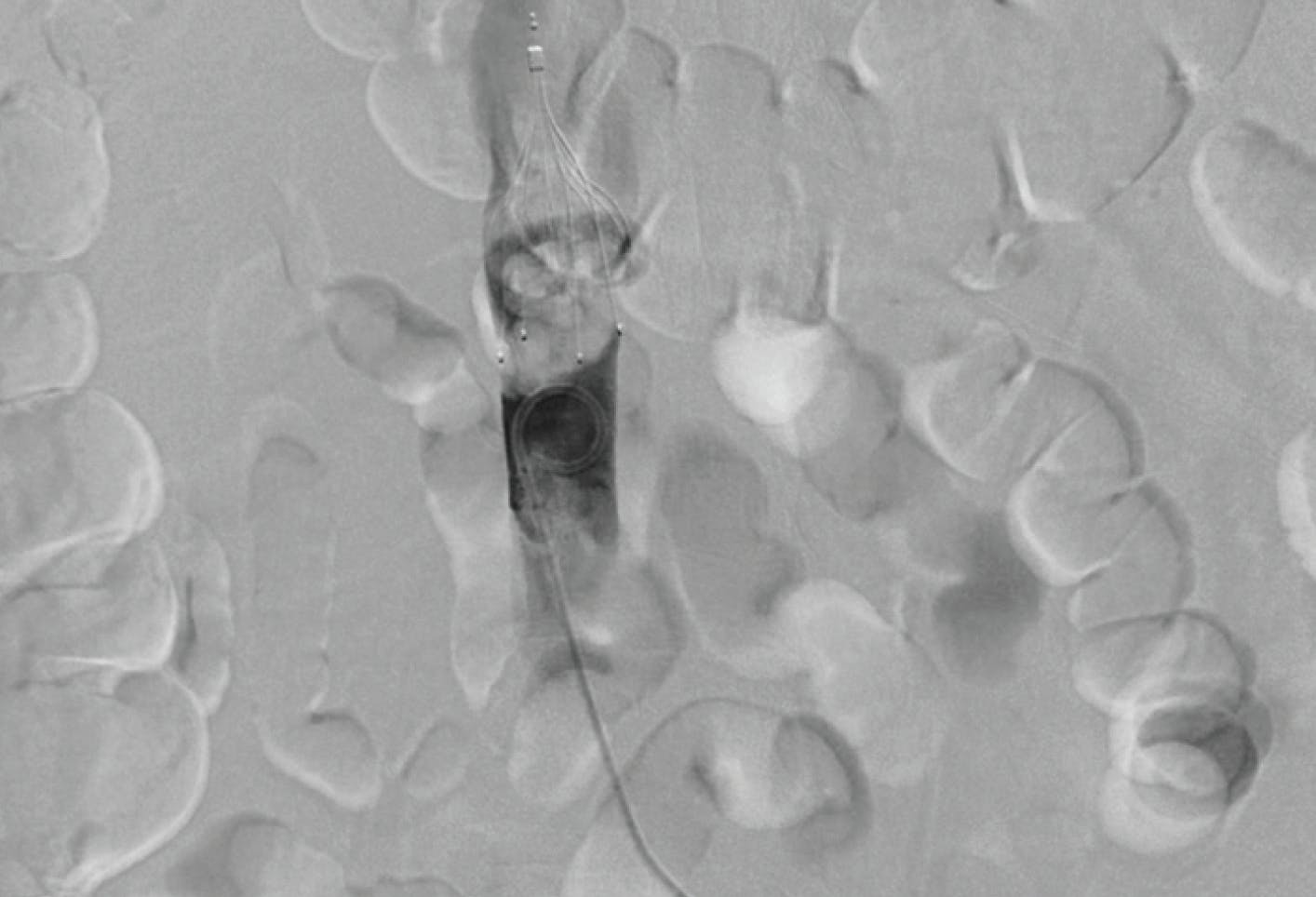
Figure 4. Deployed IVC filter with captured thrombus.
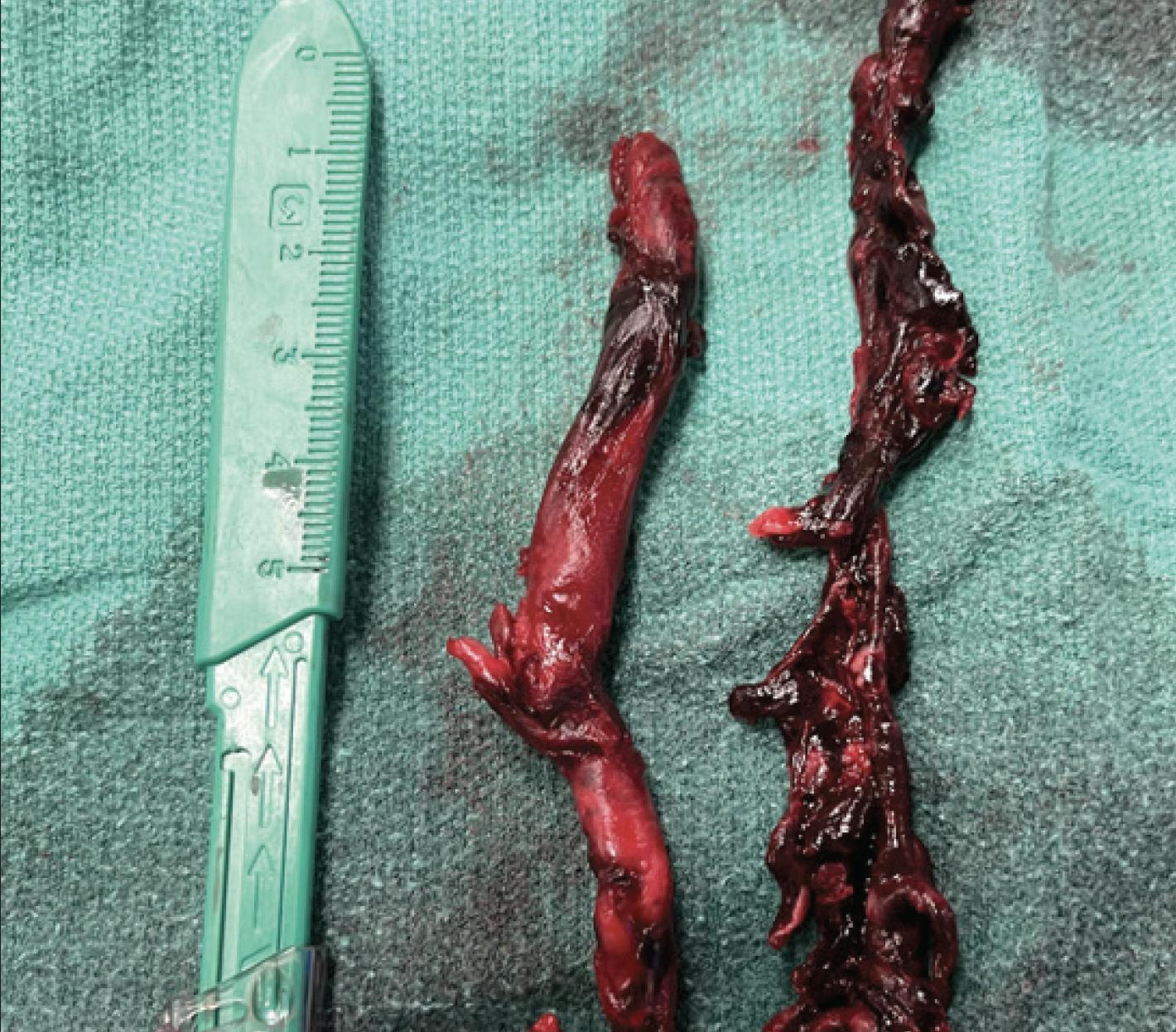
Figure 5. Both parts of the thrombus dragged down to the IVC: One was removed in the initial externalization of the sheath (left side), and the rest of the thrombus was captured in the IVC filter (right side).
CASE CONCLUSION
Over the next 24 hours, the patient remained hemodynamically stable and felt much better. Her oxygen requirement was weaned, and she was transitioned to room air. Her heparin drip was transitioned the next day to a direct oral anticoagulant for continued anticoagulation. She was discharged on hospital day 3 to home. In follow-up, her RV size and function had significantly improved. She underwent IVC filter retrieval 2 months later, with a small amount of organized thrombus found in the filter.
DISCUSSION
Intermediate- and high-risk PE remain commonly encountered hospital diagnoses with high rates of in-hospital mortality.6,7 Historically, management options included heparin infusion and systemic thrombolytics alone.
With advancements in technology, there now exist multiple endovascular treatment options for this patient population as an option between systemic anticoagulation, which may not be enough in these cases, and systemic thrombolysis, which carries increased inherent risk and patient candidacy concerns due to prohibitive comorbidities.
The case presented herein could have been treated with either catheter-based thrombectomy or catheter-directed thrombolysis. The choice of catheter is largely dependent on local practices and expertise.
Numerous studies and an increasing number of randomized trials are exploring the roles of these options in both intermediate- and high-risk PE. However, despite growing clinical experience and several single-arm studies and randomized trials showing good safety and efficacy of intervention in acute PE, level 1 data are still lacking overall. The results of currently enrolling trials are eagerly awaited.
1. Jaff MR, McMurtry MS, Archer SL, et al. Management of massive and submassive pulmonary embolism, iliofemoral deep vein thrombosis, and chronic thromboembolic pulmonary hypertension: a scientific statement from the American Heart Association. Circulation. 2011;123:1788-1830. doi: 10.1161/CIR.0b013e318214914f
2. Konstantinides SV, Meyer G, Becattini C, et al. ESC guidelines for the diagnosis and management of acute pulmonary embolism developed in collaboration with the European Respiratory Society (ERS): the task force for the diagnosis and management of acute pulmonary embolism of the European Society of Cardiology (ESC). Eur Respir J. 2019;54:1901647. doi: 10.1183/13993003.01647-2019
3. Bangalore S, Horowitz JM, Beam D, et al. Prevalence and predictors of cardiogenic shock in intermediate-risk pulmonary embolism: insights from the FLASH registry. JACC Cardiovasc Interv. 2023;16:958-972. doi: 10.1016/j.jcin.2023.02.004
4. Jaber WA, Fong PP, Weisz G, et al. Acute pulmonary embolism: with an emphasis on an interventional approach. J Am Coll Cardiol. 2016;67:991-1002. doi: 10.1016/j.jacc.2015.12.024
5. Chatterjee S, Chakraborty A, Weinberg I, et al. Thrombolysis for pulmonary embolism and risk of all-cause mortality, major bleeding, and intracranial hemorrhage: a meta-analysis. JAMA. 2014;311:2414-21. doi: 10.1001/jama.2014.5990
6. Secemsky E, Chang Y, Jain CC, et al. Contemporary management and outcomes of patients with massive and submassive pulmonary embolism. Am J Med. 2018;131:1506-1514.e0. doi: 10.1016/j.amjmed.2018.07.035
7. Sedhom R, Megaly M, Elbadawi A, et al. Contemporary national trends and outcomes of pulmonary embolism in the United States. Am J Cardiol. 2022;176:132-138. doi: 10.1016/j.amjcard.2022.03.060
8. Meyer G, Vicaut E, Danays T, et al. Fibrinolysis for patients with intermediate-risk pulmonary embolism. N Engl J Med. 2014;370:1402-1411. doi: 10.1056/NEJMoa1302097
Advertisement
Advertisement