Advertisement
Advertisement
April 2024
Sponsored by Shape Memory Medical
Pelvic Venous Disorder: A Mystery in Missed Diagnosis and Treatment
Thekla Bacharach, MD, discusses this often-misdiagnosed condition and treatment with a new smart polymer embolization technology.
Globally, chronic pelvic pain (CPP) affects up to 24% of women and up to 16% of men, and it has a huge health care cost burden estimated at $30,000 per patient.1,2 These patients may spend many months or years attempting to get a correct diagnosis and subsequent treatment.3 Among patients with CPP, up to 40% have pain due to pelvic venous disorder (PVD), often referred to in the literature as pelvic congestion syndrome (PCS).4-6
The classification of PVD has been historically ambiguous. Although there have been recent improvements in this area, namely the SVP (Symptoms-Varices-Pathophysiology) classification released by the American Vein and Lymphatic Society International Working Group in 2021,7 acceptance of this standardized classification is still lagging. Correct identification of PVD is challenging due to the long list of differential diagnoses and variability in presenting symptoms. Often, patients present with pain for > 6 months, which is associated with pelvic heaviness, worsening with prolonged standing or by the end of the day, dyspareunia/prolonged postcoital ache, and is usually noncyclical but can worsen with menstrual cycle.8 Most patients go through a battery of tests due to the lack of evidence-based guidelines before PVD is correctly diagnosed.
Despite these challenges, in recent years, more women with once unexplained CPP are now being diagnosed with PVD. This increase may be attributable to efforts among medical specialists to standardize diagnostic criteria, evaluate PVD in randomized trials, and increase awareness of this disorder.9,10
TRANSCATHETER EMBOLIZATION TREATMENT
The standard treatment algorithm for optimal treatment of PVD is not delineated due to the lack of level 1 evidence. However, medical management with analgesics and hormone-based pharmacologic treatments remains a first-line treatment based on small randomized controlled trials (RCTs). Patients reported decreases in pain and venography scores when treated with hormone-based therapy but had a high incidence of symptom recurrence with medication cessation.11 Improvements in symptoms with medical therapy are often accompanied by medication side effects and diminished fertility.
Surgery, including hysterectomy with oophorectomy, surgical ovarian vein ligation, and laparoscopic ligation, has provided improvement in symptoms.12-14 Although these techniques can treat symptoms, they come with inherent risks and fertility issues. Transcatheter embolization of ovarian veins presents an attractive, low-risk alternative with promising success in treating this pathology while maintaining fertility and avoiding surgical complications.13
Transcatheter embolization has been shown to be a safe and effective method of treating PVD, with 47% to 100% of patients reported to have significant relief from their symptoms for 18 to 60 months posttreatment.7,10,15-17 Embolization has been achieved with a variety of embolic agents, including liquid, particulate agents, gelfoam slurries, and mechanical occlusion devices like coils and plugs; however, recanalization resulting in recurrence or incomplete resolution of symptoms remains to be a challenge.18 In this report, we discuss newer mechanical occlusion devices that employ smart polymers in the treatment of PVD, devices that are another means of achieving embolization of these vessels. Smart polymers are constructed of porous, biocompatible, ultra-low-density polyurethane foam with an open scaffold structure, which enables stable clot formation. The polymer is delivered in a crimped state and expands once it is exposed to the aqueous venous environment. Once deployed, the polymer encourages the growth of uniform, cellular, and extracellular collagenous tissue throughout the embolized vessel without chronic inflammation (Figure 1). The first use of smart polymers for PCS has been described19 and preclinical studies have demonstrated thrombus remodeling with gradual bioabsorption of the polymers.20-22
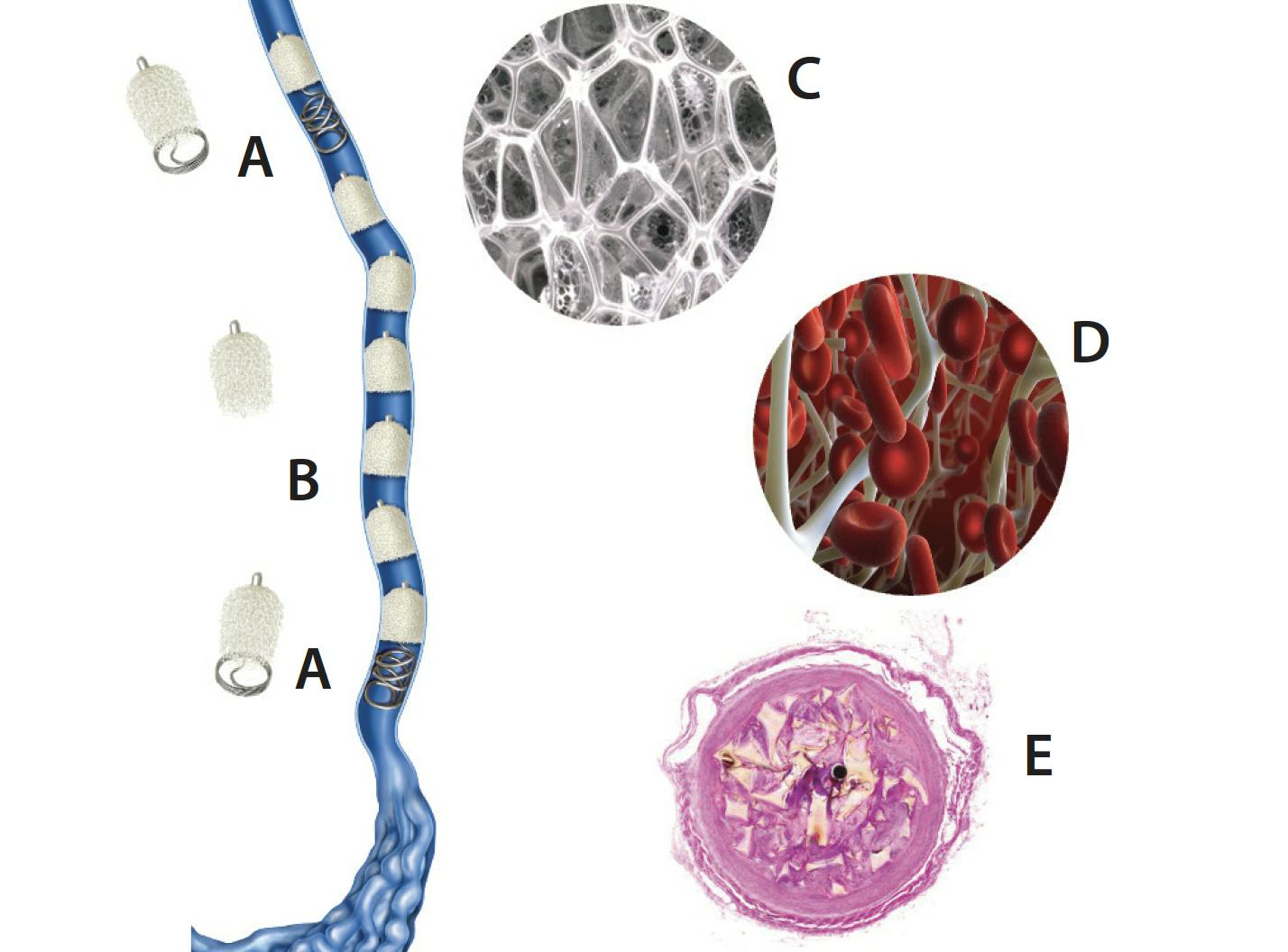
Figure 1. Smart polymer devices have a porous structure when expanded in a vessel, which allows thrombus formation throughout its structure. The IMPEDE Embolization Plug (A) includes an anchor coil and the IMPEDE-FX Embolization Plug (B) fills additional vessel space. The expanded smart polymer is a porous scaffold (C) with low radial force that supports thrombus formation throughout its structure (D) and then converts to collagen as the polymer bioabsorbs over time, without chronic inflammation (E).
The IMPEDE and IMPEDE-FX Embolization Plugs (Shape Memory Medical, Inc.) are smart polymer devices that include radiolucent material with radiopaque location markers, improving visibility of surrounding tissues and devices during and after the procedure (Figure 1A and 1B). In contrast, metal coils and plugs add substantially more permanent metal into the vasculature than do smart polymer devices, which may cause CT artifact.18, 23-25
The IMPEDE Embolization Plug includes a smart polymer plug with an anchor coil that stabilizes the device within the vessel to prevent migration (Figure 1A). The IMPEDE-FX Embolization Plug incorporates smart polymer without an anchor coil that is designed for additional vessel space filling (Figure 1B). Both devices offer predictable space filling and, with low radial force, conform to the surrounding vessel anatomy.26 Early experience of safety and feasibility of smart polymer for multiple endovascular applications has been reported in early prospective studies.27,28
CASE 1
In this first case, a woman in her mid 40s was referred to our practice from her OB/Gyn provider with a 2-year history of worsening CPP that increased throughout the day and bilateral varicose veins in the groins. This patient provides a good example of an isolated gonadal/ovarian vein embolization as imaging demonstrated a 1-cm-diameter left ovarian vein (Figure 2) and bilateral ovarian vein reflux (Figure 3).
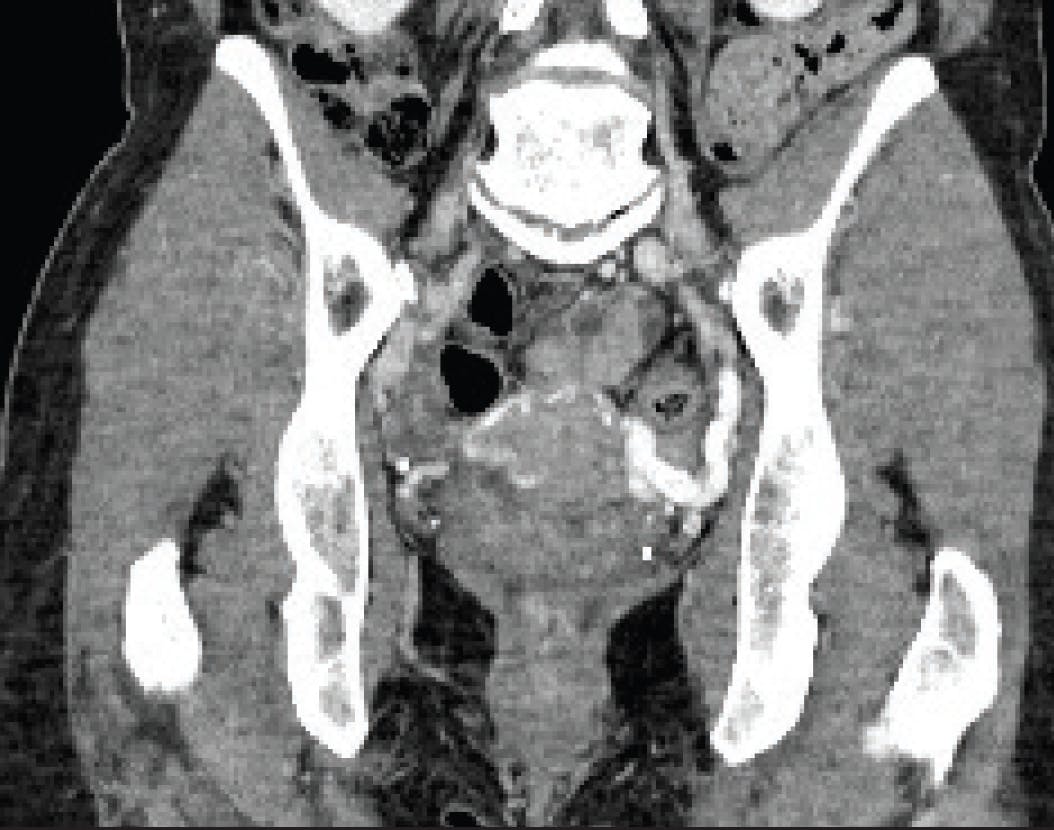
Figure 2. Case 1 CT scan of the left ovarian vein prior to treatment.
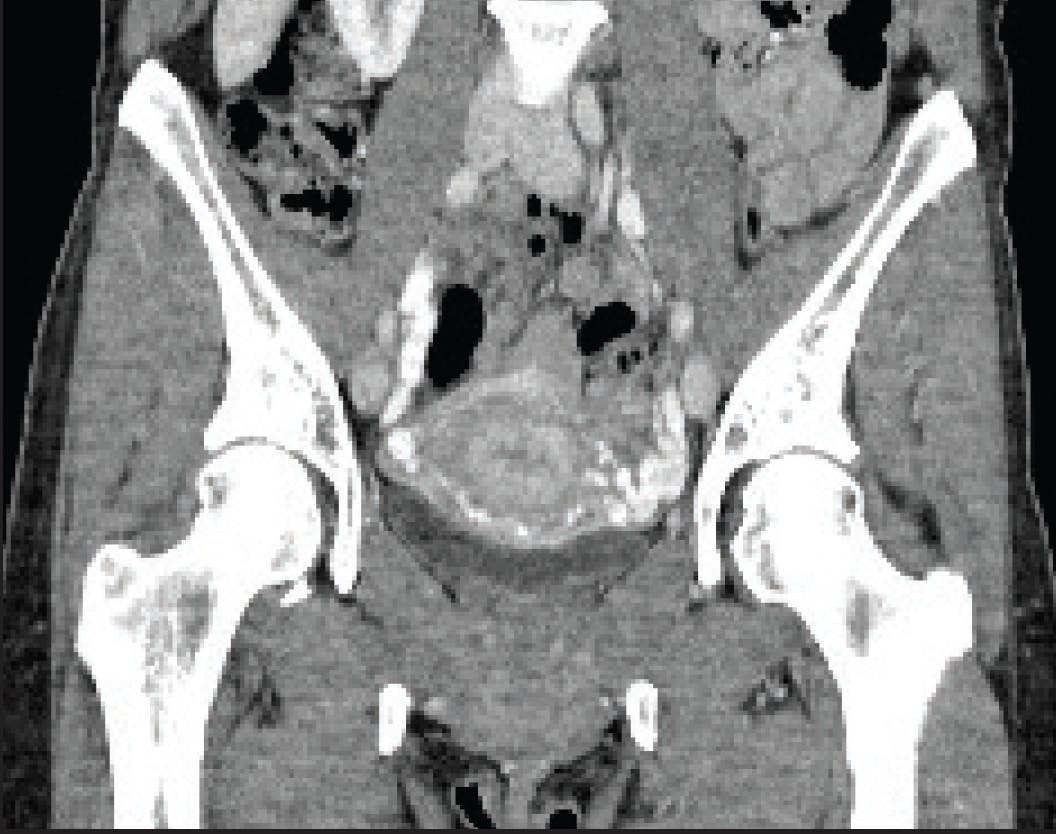
Figure 3. Case 1 CT scan of the right ovarian vein reflux prior to treatment.
Because of the nature of the intraoperative vascular finding, we did not use sclerosant and proceeded directly to embolization of the veins with IMPEDE and IMPEDE-FX Embolization Plugs. The patient was prepped for the procedure using right internal jugular vein access with a 5-F, 45-cm guide sheath. An IMPEDE Embolization Plug (IMP-10) was placed in the inferior aspect of the left ovarian vein (Figure 4). Two IMPEDE-FX Embolization Plug (IMP-FX-12) devices were placed in the same vicinity, and an IMP-10 was placed distally. IMPEDE Embolization Plugs were placed proximally and distally in the right ovarian vein (Figure 5).
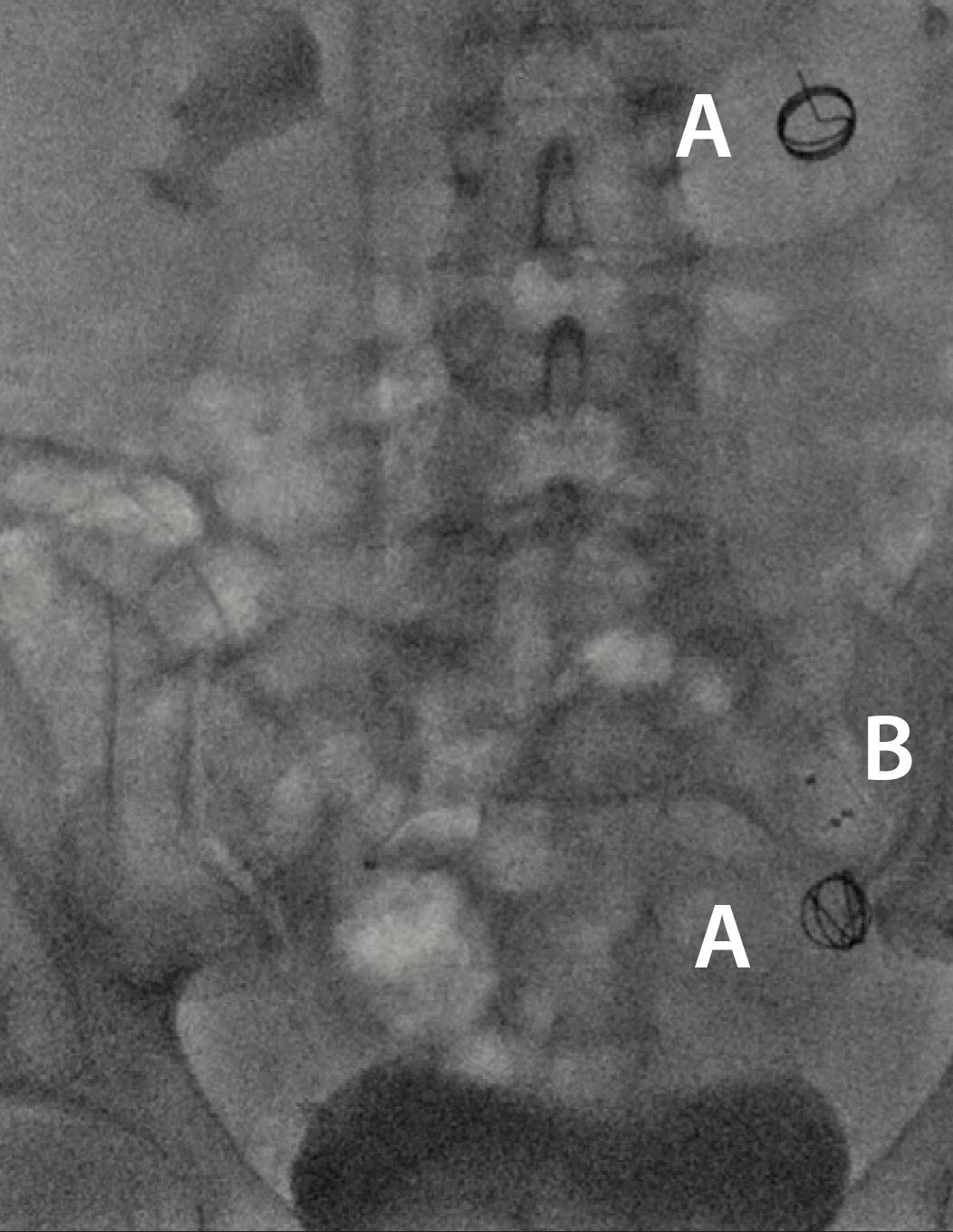
Figure 4. Case 1 after deployment of smart polymer devices in the left ovarian vein. The IMPEDE Embolization Plug has been inserted proximally and distally in the vein (A), and the IMPEDE-FX Embolization Plugs can be identified by the radiopaque markers (B).
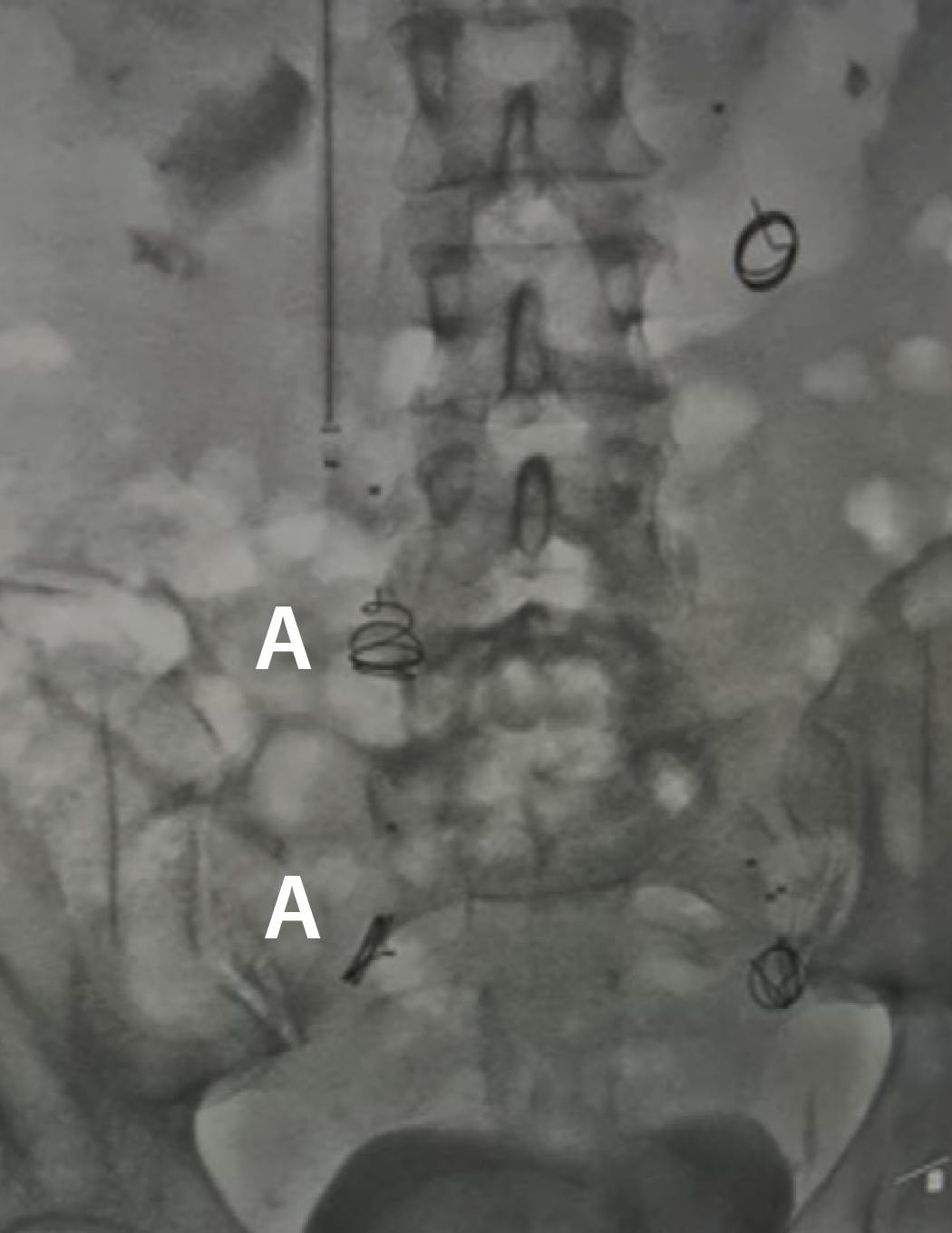
Figure 5. Case 1 after deployment of smart polymer devices proximally and distally to the reflux area in right ovarian vein. The two IMPEDE Embolization Plugs are denoted (A). Note that the proximal markers of the embolization plugs inserted in the left ovarian vein can still be seen.
The patient did not experience any adverse events during or after the procedure, and she was discharged home the same day. At her 1-month follow-up, symptoms had resolved, and a CT scan showed no filling of pelvic varicosities (Figure 6).
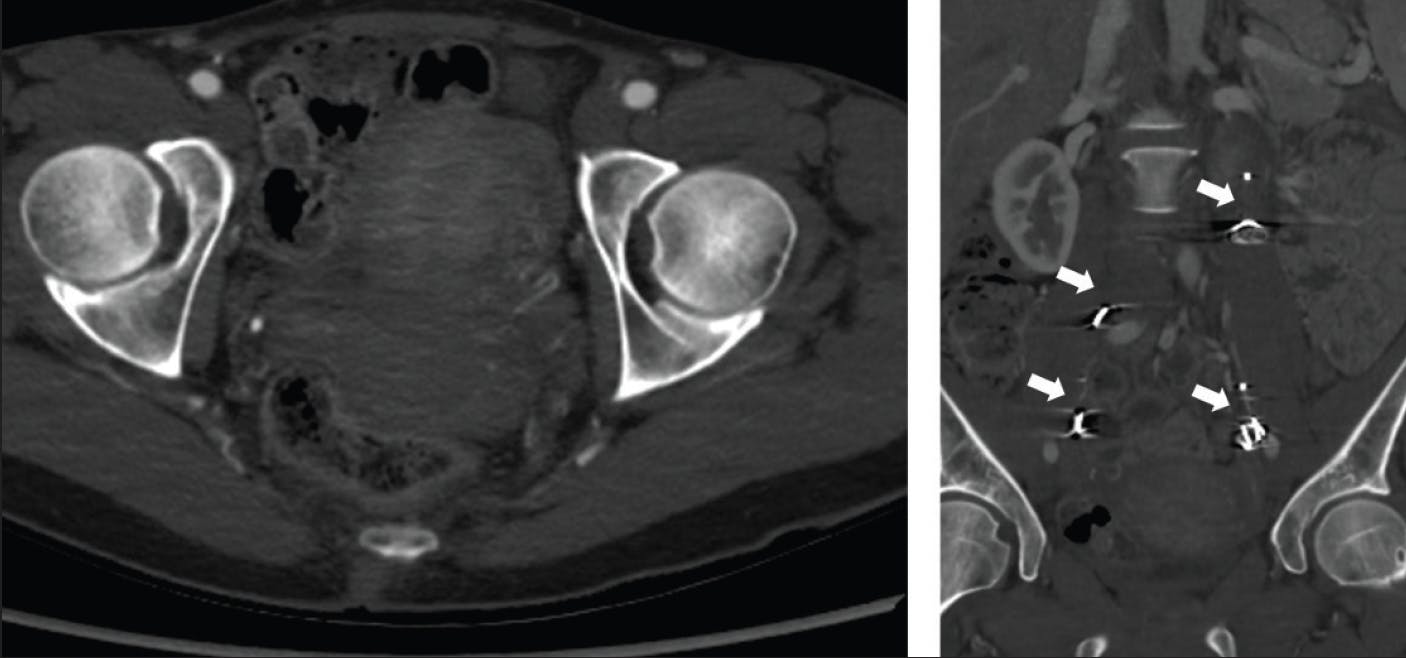
Figure 6. CT scan at 1-month follow-up for case 1 showing thrombosed ovarian veins bilaterally and no filling of pelvic varicosities. IMPEDE Embolization Plugs are denoted by arrows.
CASE 2
For case 2, a woman in her mid 40s was referred to our practice from her primary care physician following an emergency room visit for severe pelvic pain. She had a history of CPP, heaviness, postcoital ache, and current use of an intrauterine device, with a remote history of an ectopic pregnancy requiring surgery. The patient reported that she had experienced chronic pain for 5 years.
CT scans prior to treatment indicated a large (9-mm diameter) left ovarian vein and substantial varicose veins in the left side of the pelvis producing significant regurgitation (Figure 7).
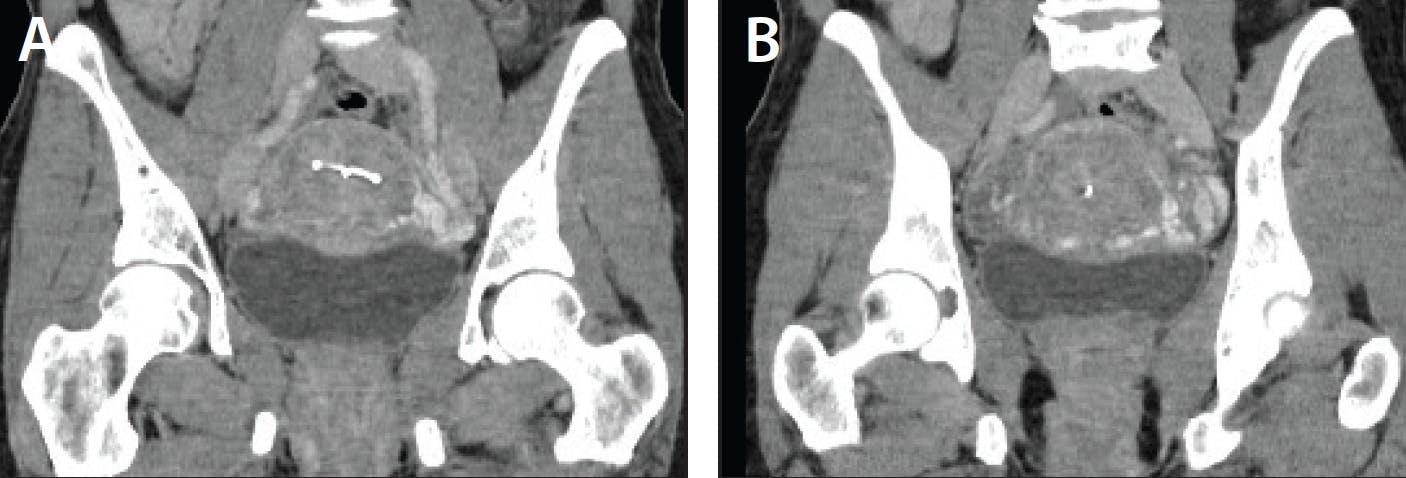
Figure 7. Case 2 preoperative CT scan showing 9-mm-diameter left ovarian vein (A) and large left-side pelvic varicosity (B).
We prepped the patient for planned embolization treatment of the left ovarian vein using right jugular vein access; we used an angled guide catheter for vena cava and then left renal vein access. After ruling out both renal compression and iliac vein compression (nutcracker and May-Thurner syndromes) using venography and intravascular ultrasound, the sheath was exchanged for a 5-F guide sheath. Once in the distal aspect of the ovarian vein, an IMP-10 was deployed. Two IMP-FX-12s were deployed, and a final IMP-10 was deployed distal to the left renal vein. After 13 minutes, the final angiogram showed full embolization of the vessel, and we finished the case (Figure 8). The patient did not experience any adverse events during or after the procedure, and she was discharged home the same day. At 1-month postprocedure follow-up, the patient’s symptoms had improved. Symptoms were further resolved at 6-month follow-up (Figure 9).
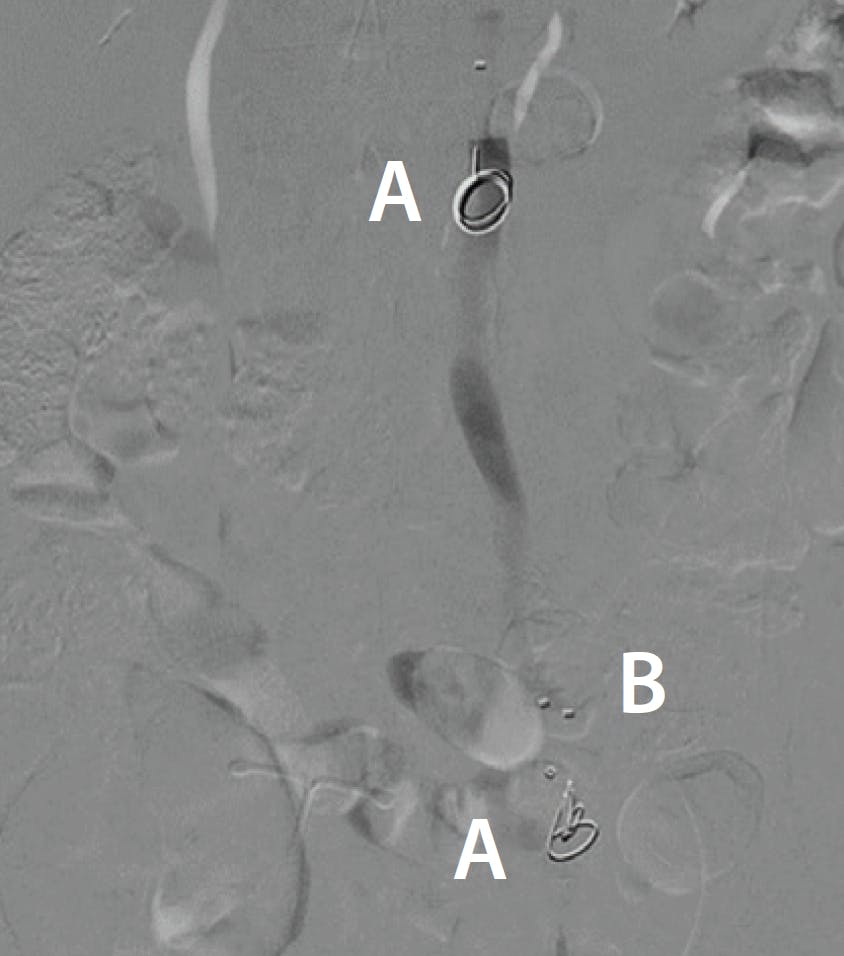
Figure 8. Case 2 final angiogram of the left ovarian vein following deployment of the IMPEDE 10 (A) and IMPEDE-FX 12 (B) Embolization Plugs.
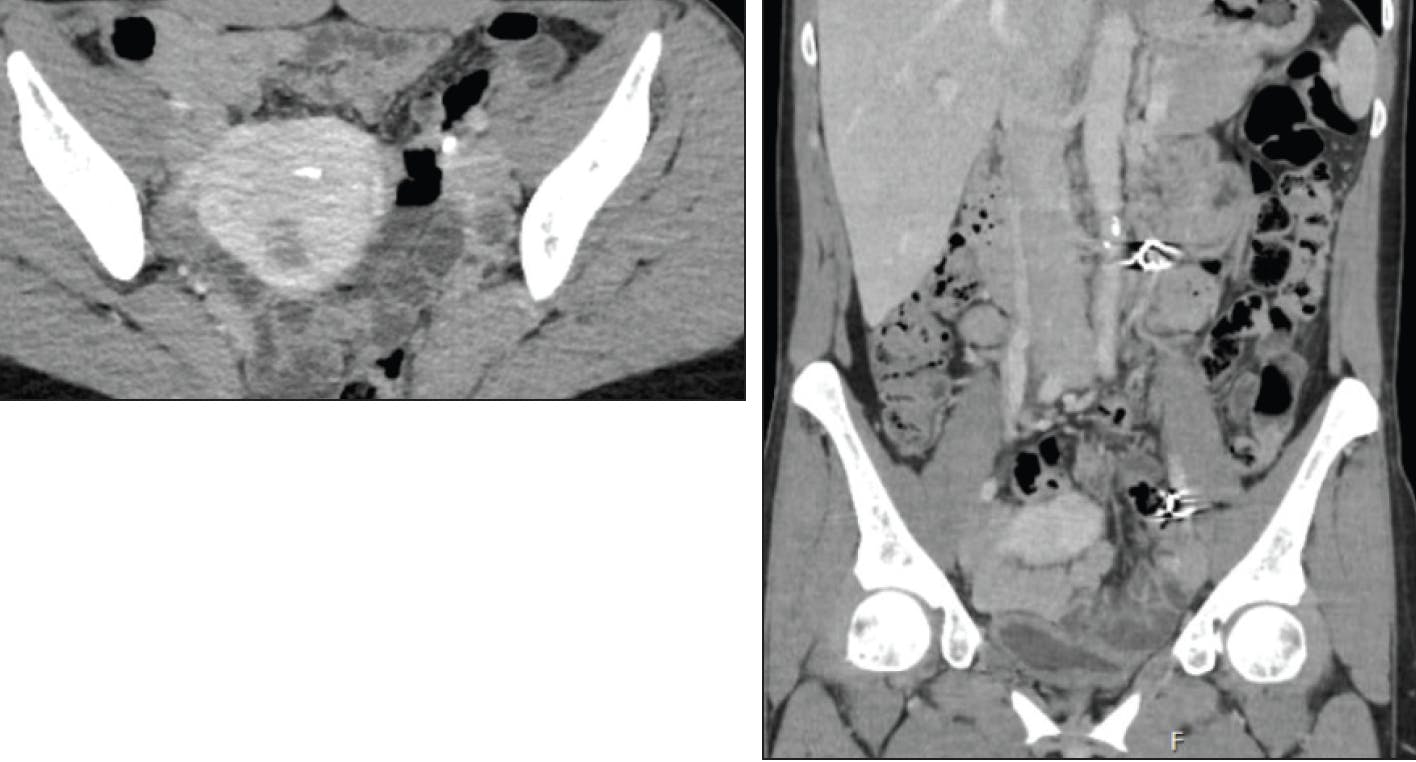
Figure 9. CT venograms at 6-month follow-up showing successful embolization of the left ovarian vein and no filling of the previously seen large left pelvic varicosities. Symptoms resolved and the patient reported that she “felt great.”
CONCLUSION
Due to their composition of compliant and low-density material, smart polymers are a novel method of treating PVD via transcatheter embolization. They improve visibility of surrounding anatomies and minimize CT artifact compared to conventional metal coils or plugs that can obscure visibility during future procedures. In a first-in-human study on the IMPEDE Embolization Plug, no evidence of postprocedure recanalization was seen through a mean of 2-year follow-up.28
Each of the two cases we presented had vascular pathologies that were treatable during a single intervention, which resulted in complete resolution of their symptoms. Cases involving higher complexity may require staged procedures to fully resolve symptoms. However, smart polymer devices are becoming another valuable tool in our kit for treating PVD. We anticipate the potential of using them in both women and men with venous congestive disorders of the pelvis.
In most of the cases of PVD we have treated, patients have experienced chronic pain and the diagnoses have often been delayed for months and even years. Many have undergone several prior diagnostic and treatment protocols without resolution of their pain. Patients came to us via various referral pathways, which contributes to the difficulty of diagnosis because there is no clear path from which this disorder is identified. However, as many patients see their OB/GYN in the search for a diagnosis of CPP, there is a need to expand OB/GYN practice guidelines to include PVD treatment recommendations. Earlier vascular referrals leading to faster diagnosis and treatment will improve quality of life for PVD patients and will save substantial health care dollars.1 As awareness of this disorder grows and definitions for best practices in diagnosis and treatment become more globally refined and accepted, chronic pain and morbidity for these patients can be mitigated more quickly than has been currently observed.9,10
Needed are additional clinical data, including data from case reports to RCTs, with the publication of these data to increase awareness of these vascular disorders across the medical community at large.29
Indications:
In the United States, the IMPEDE Embolization Plug is indicated to obstruct or reduce the rate of blood flow in the peripheral vasculature and the IMPEDE-FX Embolization Plug is indicated for use with the IMPEDE Embolization Plug to obstruct or reduce the rate of blood flow in the peripheral vasculature.
In countries recognizing CE Marking, the IMPEDE Embolization Plug and the IMPEDE-FX Embolization Plug are indicated to obstruct or reduce the rate of blood flow in the peripheral vasculature.
1. Hutton D, Mustafa A, Patil S, et al. The burden of chronic pelvic pain (CPP): costs and quality of life of women and men with CPP treated in outpatient referral centers. PLoS ONE. 2023;18:e0269828. doi: 10.1371/journal.pone.0269828
2. Latthe P, Latthe M, Say L, et al. WHO systematic review of prevalence of chronic pelvic pain: a neglected reproductive health morbidity. BMC Public Health. 2006;6:177. doi: 10.1186/1471-2458-6-177
3. Zondervan KT, Yudkin PL, Vessey MP, et al. Patterns of diagnosis and referral in women consulting for chronic pelvic pain in UK primary care. Br J Obstet Gynaecol. 1999;106:1156-1161. doi: 10.1111/j.1471-0528.1999.tb08141.x
4. Gavrilov SG, Mishakina NY, Efremova OI, Kirsanov KV. Complications and adverse events of gonadal vein embolization with coils. J Pers Med. 2022;12:1933. doi: 10.3390/jpm1211193
5. Jurga-Karwacka A, Karwacki GM, Schoetzau A, et al. A forgotten disease: pelvic congestion syndrome as a cause of chronic lower abdominal pain. PLoS One. 2019;14:e0213834. doi: 10.1371/journal.pone.0213834
6. Duncan CH, Taylor HC Jr. A psychosomatic study of pelvic congestion. Am J Obstet Gynecol. 1952;64:1-12. doi: 10.1016/s0002-9378(16)38730-0
7. Meissner MH, Khilnani NM, Labropoulos N, et al. The symptoms-varices-pathophysiology classification of pelvic venous disorders: a report of the American Vein & Lymphatic Society International Working Group on Pelvic Venous Disorders. J Vasc Surg Venous Lymphat Disord. 2021;9:568-584. doi: 10.1016/j.jvsv.2020.12.084
8. Antignani PL, Geroulakos G, Bokuchava M. Clinical aspects of pelvic congestion syndrome. Phlebolymphology. 2016;23:127-129.
9. Antignani PL, Lazarashvili Z, Monedero JL, et al. Diagnosis and treatment of pelvic congestion syndrome: UIP consensus document. Int Angiol. 2019;38:265-283. doi: 10.23736/S0392-9590.19.04237-8.
10. Greuner DA, DeMarco D. Current clinical management of pelvic congestion syndrome. Vasc Dis Manag. 2020;17:E23-E28.
11. Soysal ME, Soysal S, Vicdan K, Ozer S. A randomized controlled trial of goserelin and medroxyprogesterone acetate in the treatment of pelvic congestion. Hum Reprod. 2001;16:931-939. doi: 10.1093/humrep/16.5.931
12. Emad El Din M, Soliman M, El Kiran Y, et al. Ovarian vein surgical ablation versus endovascular technique for treatment of pelvic vein incompetence. J Vasc Surg Venous Lymphat Disord. 2023;11:801-808. doi: 10.1016/j.jvsv.2022.10.018
13. Chung MH, Huh CY. Comparison of treatments for pelvic congestion syndrome. Tohoku J Exp Med. 2003;201:131-138. doi: 10.1620/tjem.201.131
14. Gargiulo T, Mais V, Brokaj L, et al. Bilateral laparoscopic transperitoneal ligation of ovarian veins for treatment of pelvic congestion syndrome. J Am Assoc Gynecol Laparosc. 2003;10:501-504. doi: 10.1016/s1074-3804(05)60156-9
15. Abdelsalam H. Clinical outcome of ovarian vein embolization in pelvic congestion syndrome. Alex J Med. 2017;53:15-20. doi: 10.1016/j.ajme.2016.01.006
16. Nasser F, Cavalcante RN, Affonso BB, et al. Safety, efficacy, and prognostic factors in endovascular treatment of pelvic congestion syndrome. Int J Gynaecol Obstet. 2014;125:65-68. doi: 10.1016/j.ijgo.2013.10.008
17. O’Brien MT, Gillespie DL. Diagnosis and treatment of the pelvic congestion syndrome. J Vasc Surg Venous Lymphat Disord. 2015;3:96-106. doi: 10.1016/j.jvsv.2014.05.007
18. Crobeddu E, Lanzino G, Kallmes DF, Cloft HJ. Review of 2 decades of aneurysm-recurrence literature, part 1: reducing recurrence after endovascular coiling. AJNR Am J Neuroradiol. 2013;34:266-270. doi: 10.3174/ajnr.A3032
19. Castellano D, Boghi A, Di Maggio L, et al. Shape memory polymer ovarian vein embolisation in a patient with nickel allergy. CVIR Endovasc. 2021;4:25. doi: 10.1186/s42155-021-00212-y
20. Jessen SL, Friedemann MC, Ginn-Hedman AM, et al. Microscopic assessment of healing and effectiveness of a foam-based peripheral occlusion device. ACS Biomater Sci Eng. 2020;6:2588-2599. doi: 10.1021/acsbiomaterials.9b00895
21. Landsman TL, Bush RL, Glowczwski A, et al. Design and verification of a shape memory polymer peripheral occlusion device. J Mech Behav Biomed Mater. 2016;63:195-206. doi: 10.1016/j.jmbbm.2016.06.019
22. Chau SM, Herting SM, Noltensmeyer DA, et al. Macrophage activation in response to shape memory polymer foam-coated aneurysm occlusion devices. J Biomed Mater Res B Appl Biomater. Published online January 28, 2022. doi: 10.1002/jbm.b.35015
23. Bałabuszek K, Toborek M, Pietura R. Comprehensive overview of the venous disorder known as pelvic congestion syndrome. Ann Med. 2022;54:22-36. doi: 10.1080/07853890.2021.2014556
24. Kashef E, Evans E, Patel N, et al. Pelvic venous congestion syndrome: female venous congestive syndromes and endovascular treatment options. CVIR Endovasc. 2023;6:25. doi: 10.1186/s42155-023-00365-y
25. Park JJ, Park JM. Reduced metal artifacts on CT utilizing the Medtronic MVP microvascular plug system. Endovasc Today. 2017;16:34-36.
26. Milner R. New technology focus: smart polymer in vascular surgery. Vasc Endovasc Rev. 2022;5:1-8. https://doi.org/10.15420/ver.2022.5.S1
27. Morgan RA, Loftus I, Ratnam L, et al. Clinical experience with a shape memory polymer peripheral vascular embolisation plug: a case series. CVIR Endovasc. 2021;4:29. doi: 10.1186/s42155-021-00214-w
28. Holden A, Hill AA, Buckley BT. Shape memory polymer technology in peripheral vascular embolization. Vascular. Published online May 22, 2023. doi: 10.1177/17085381231177851
29. Bendek B, Afuape N, Banks E, Desai NA. Comprehensive review of pelvic congestion syndrome: causes, symptoms, treatment options. Curr Opin Obstet Gynecol. 2020;32:237-242. doi: 10.1097/GCO.0000000000000637

Advertisement
Advertisement