Advertisement
Advertisement
February 2024
Sponsored by Penumbra, Inc.
Penumbra Embolization Platform: A Coil for Every Case
With Sabina Amin, MD; Russ M. Guidry Jr, MD; Andrew J. Gunn, MD; Husameddin El Khudari, MD; Gustavo S. Oderich, MD; and Ezra Y. Koh, MD
The first detachable coils introduced in the 1990s provided physicians with the ability to deploy and retract a coil during embolization procedures. Since then, detachable coil technology has advanced significantly, enabling physicians to embolize vessels and aneurysms with precision and safety. Early innovations such as fibers and hydrogel-coated technologies relied on thrombus formation for occlusion. However, this reliance on thrombus was prone to higher rates of recanalization.1,2

Courtesy of Dr. Thomas Aquisto, Evanston Hospital, Illinois.
Penumbra, Inc. introduced an embolization platform that facilitates simple and efficient embolization procedures. Penumbra coils are large-volume bare-metal coils that rely on mechanical occlusion rather than thrombus formation. Recent data looking at embolization in the gastroduodenal artery suggest that mechanical occlusion with large-volume bare-metal coils may offer more benefits like improved packing density, potentially reducing recanalization rate (2.2%).3 Additionally, by having dedicated devices for different applications and situations, physicians can now choose the right coil for the appropriate case.

The Penumbra embolization platform consists of Ruby Coil®, POD® (Penumbra Occlusion Device), and Packing Coil, with newer iterations like Ruby Coil LP and Packing Coil LP offering extended lengths (up to 70 cm) and soft deliverability through low-profile microcatheters. These technologies have allowed interventionalists to manage complex anatomies effectively, from large aneurysm sacs to tortuous high-flow vessels, while demonstrating low rates of recanalization2,3 with mechanical occlusion.

PRODUCT OVERVIEW
The Ruby Coil is a versatile, three-dimensional coil designed to frame aneurysms or vessels. POD is a unique coil designed for addressing high-flow vessels. It consists of a distal anchoring segment that allows for vessel wall adherence and a proximal packing segment. Finally, Packing Coil, available only in lengths, is designed to pack into any size vessel densely and efficiently. This retractable “liquid metal” allows an operator to densely pack either behind a Ruby Coil or POD backstop. In 2020, Penumbra further expanded its embolization platform with the addition of its LP technology: Ruby Coil LP and Packing Coil LP. These coils, which are deliverable through low-profile microcatheters (0.0165-0.021 inch), have similar characteristics of softness and long lengths. Most recently, Penumbra has improved upon its LP platform, with the addition of LP Gen 2. This latest addition has an expanded size offering up to 70 cm.

1. Fohlen A, Namur J, Ghegediban H, et al. Peripheral embolization using hydrogel-coated coils versus fibered coils: short-term results in an animal model. Cardiovasc Intervent Radiol. 2018;41:305-312. doi: 10.1007/s00270-017-1834-7
2. Enriquez J, Javadi S, Murthy R, et al. Gastroduodenal artery recanalization after transcatheter fibered coil embolization for prevention of hepaticoenteric flow: incidence and predisposing technical factors in 142 patients. Acta Radiol. 2013;54:790-794. doi: 10.1177/0284185113481696
3. Vogler J IV, Gemender M, Samoilov D. Packing density and long-term occlusion after transcatheter vessel embolization with soft, bare-platinum detachable coils. Am J Interv Radiol. 2020;4:2. doi: 10.25259/AJIR_31_2019
Trauma-Associated Bleed Embolization

Why I Use Penumbra’s Embolization Platform
- Versatility: Designed as “liquid metal” coils, my experience with Penumbra’s LP Coils has been that they efficiently occlude tortuous vessels and branch vessels and that they offer immediate occlusion and adaptable packing in small, tortuous vessels.
- Precision: I find that the LP Coils facilitate easy loading and deployment, precise positioning, and reliable detachment, ensuring smooth transitions through catheters, with minimal to no catheter kickback.
CASE PRESENTATION
An 81-year-old woman with a history of hypertension and atrial fibrillation suffered from a fall down a flight of stairs, which resulted in osteoporotic, pathologic fracture of the distal femur. The patient was on Eliquis (Bristol Myers Squibb). CT imaging demonstrated an acute traumatic fracture of the distal right femur, with comminution and posterior lateral displacement (Figure 1). There was an associated subcutaneous, heterogeneous fluid collection that measured 8.4 X 4.0 X 10.6 cm, consistent with hematoma. A blush of contrast within the hematoma was noted, consistent with active extravasation.

Figure 1. CT demonstrating active hemorrhage.
PROCEDURAL OVERVIEW
Selective right common femoral angiography was performed and demonstrated an active extravasation from a branch of the right profunda femoral artery (Figure 2). A 2.4-F microcatheter and microwire were then used to select the right profunda femoral artery and an angiogram was obtained, demonstrating active hemorrhage from a distal branch of a perforating artery. The microcatheter and microwire were then used to select a greater-than-third-order perforating branch artery, and angiography demonstrated active hemorrhage. Coil embolization was performed utilizing 2-mm X 10-cm Ruby LP Coils. Completion angiography of the right profunda femoris demonstrated no further evidence of active extravasation and patency of the remainder of the vessels (Figure 3). The patient tolerated the procedure well, without evidence of immediate complication (Figure 4).

Figure 2. Angiogram demonstrating foci of active extravasation.

Figure 3. Angiogram demonstrating no further evidence of active extravasation status after coil placement.

Figure 4. X-ray showing coil placement.
Proximal Splenic Artery Embolization in High-Grade Splenic Trauma



Why I Use Penumbra’s Embolization Platform
- High-flow vessels: The anchoring segment of the coil does a good job of adhering to the vessel wall and creating a backstop. The softer packing segment provides a dense occlusion to slow down flow.
Endovascular therapies have rapidly become a cornerstone in the management of splenic injury, which is the most common sequelae of abdominal trauma. For hemodynamically stable patients, splenic artery embolization (SAE) is now the preferred alternative to immediate splenectomy. Embolization offers the best opportunity to conserve splenic function and avoid splenectomy-associated complications such as thrombocytosis and sepsis.1 In our practice, proximal SAE (PSAE) has become the standard technique for traumatic splenic injuries. The aims of PSAE are twofold: (1) Deploying the embolic device in the main splenic artery reduces the arterial pressure, and (2) proximal placement of the embolic material maintains the patency of a major splenic collateral pathway via the dorsal pancreatic, pancreatica magna, and short gastric arteries.2 This way, reduced arterial pressure encourages hemostasis, and preserved splenic flow decreases the risk of splenic infarction.
Overall, PSAE is associated with high rates of technical and clinical success, with fewer complications and shorter procedural times when compared to selective catheterization and distal splenic embolization.3-5 For these reasons, PSAE is our chosen treatment for high-grade splenic injuries, regardless of direct signs of vascular injury such as extravasation or pseudoaneurysms.
PSAE is not without technical challenges. The high inherent flow of the splenic artery can increase the risk of coil migration when using conventional coils. This malpositioning could then result in continued hemorrhage or splenic infarction. Additionally, celiac origin narrowing and splenic artery tortuosity could preclude the use of endovascular plugs, which may require a larger delivery system. POD addresses both of these challenges. The distal aspect of the coil assists with anchoring, while the softer proximal aspect allows for dense coil packing. Additionally, the coil can be delivered through a standard high-flow microcatheter.
In 2021, our group published the results of a single-center, prospective, randomized trial comparing the use of POD versus endovascular plugs in PSAE in patients with high-grade splenic trauma. As a pilot trial, its primary outcome was feasibility as defined by patient enrollment, but we also evaluated relevant technical and clinical outcomes of the procedure. The trial met its primary endpoint, enrolling 46 (92%) of 50 eligible patients. Overall, splenic salvage was achieved with PSAE in 45 (98%) of 46 patients. Primary technical success, defined as “the ability to deploy the assigned embolic with occlusion of the splenic artery within 15 minutes of deployment,” was observed in 22 (96%) of 23 patients treated with coils but in only 20 (87%) of 23 patients treated with endovascular plugs. One major adverse event occurred in each group. These results suggest that primary technical success of PSAE is higher when using coils instead of plugs.6 As such, we have begun a follow-along efficacy trial—ELSA-2 is a multicenter, prospective, randomized trial powered to evaluate differences in primary technical success for PSAE between POD and endovascular plugs. As of writing, we have enrolled 124 patients with grade 3 or higher splenic injury across five level 1 trauma centers. Of those patients, 62 have been randomized to the coil group. We look forward to the results and the impact on managing splenic trauma this study may have.
CASE PRESENTATION
A male in his mid 50s was brought to the emergency department after a motor vehicle collision. Initial CT of the abdomen and pelvis with contrast demonstrated a grade 5 splenic laceration with focus of extravasation (Figure 1). As is the standard at our institution, he was referred for proximal SAE in the setting of high-grade splenic trauma.
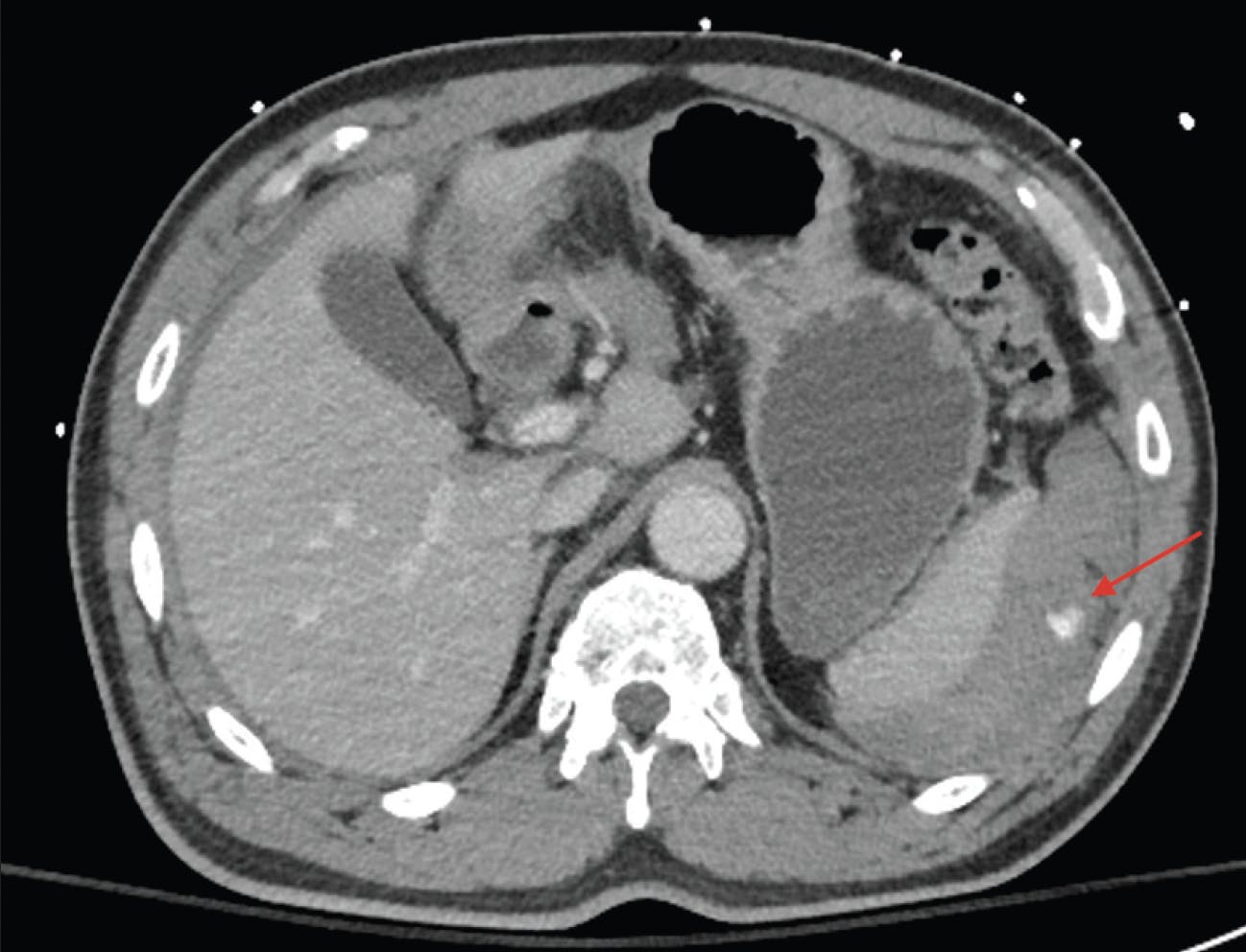
Figure 1. Single-phase CT with intravenous contrast demonstrating grade 5 splenic injury with active extravasation (arrow).
PROCEDURAL OVERVIEW
Digital subtraction angiography of the celiac artery was performed using a 5-F diagnostic catheter (Soft-Vu RC-2, AngioDynamics) (Figure 2). The midsplenic artery was selected using a microwire (Glidewire GT wire, Terumo Interventional Systems) and high-flow microcatheter (Progreat, Terumo Interventional Systems). Splenic angiography was performed, and the midsplenic artery measured 3.4 mm (Figure 3). Once in a satisfactory position, proximal SAE was performed using a 6-mm POD anchoring coil followed by a 30-cm Packing Coil. Hemostasis was obtained in the midsplenic artery in 2 minutes after coil deployment, with preservation of collateral flow (Figure 4). The patient was discharged 3 days post procedure.
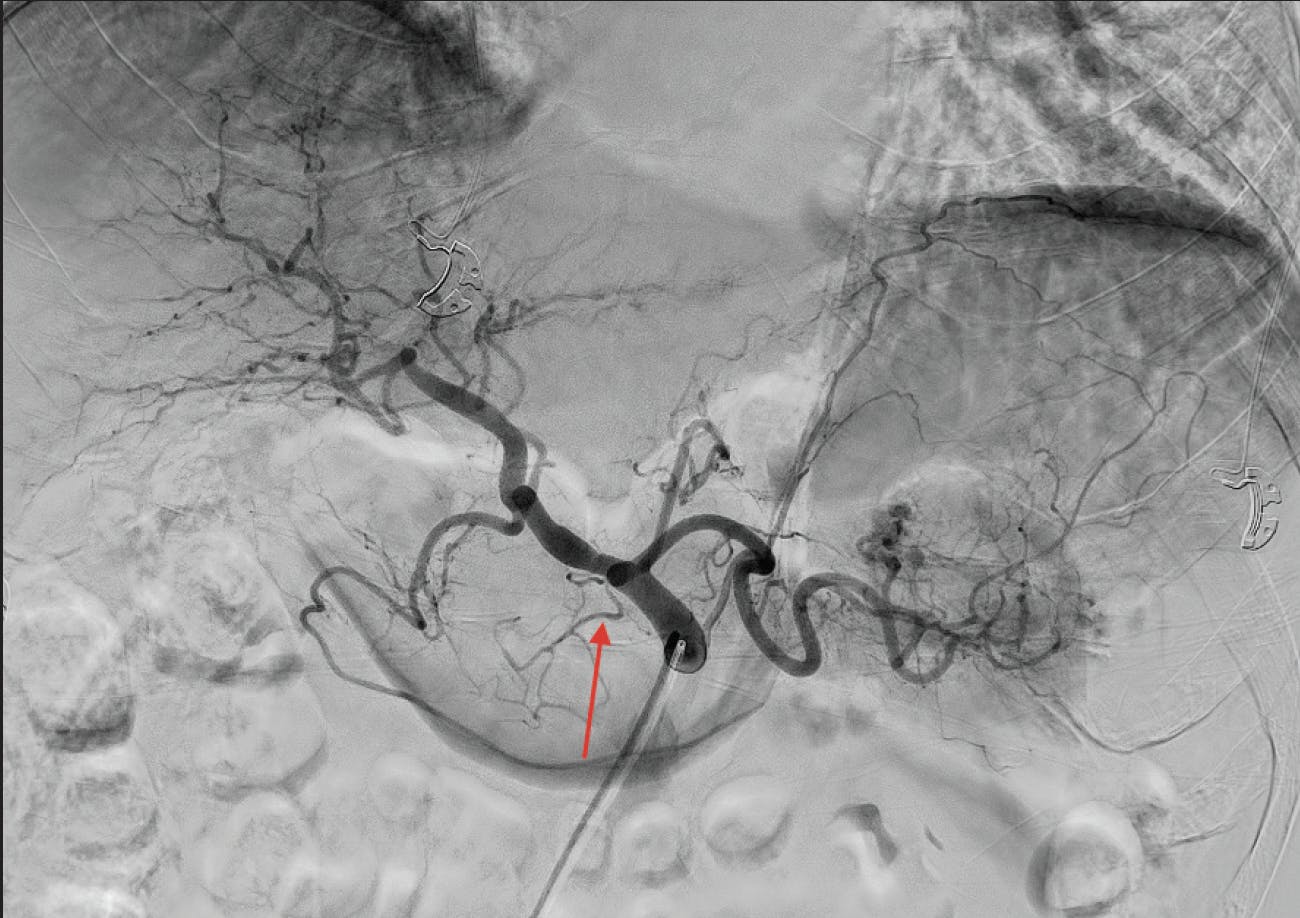
Figure 2. Celiac angiogram showing heterogeneous splenic enhancement and small multifocal pseudoaneurysms. The dorsal pancreatic artery is clearly visualized (arrow).
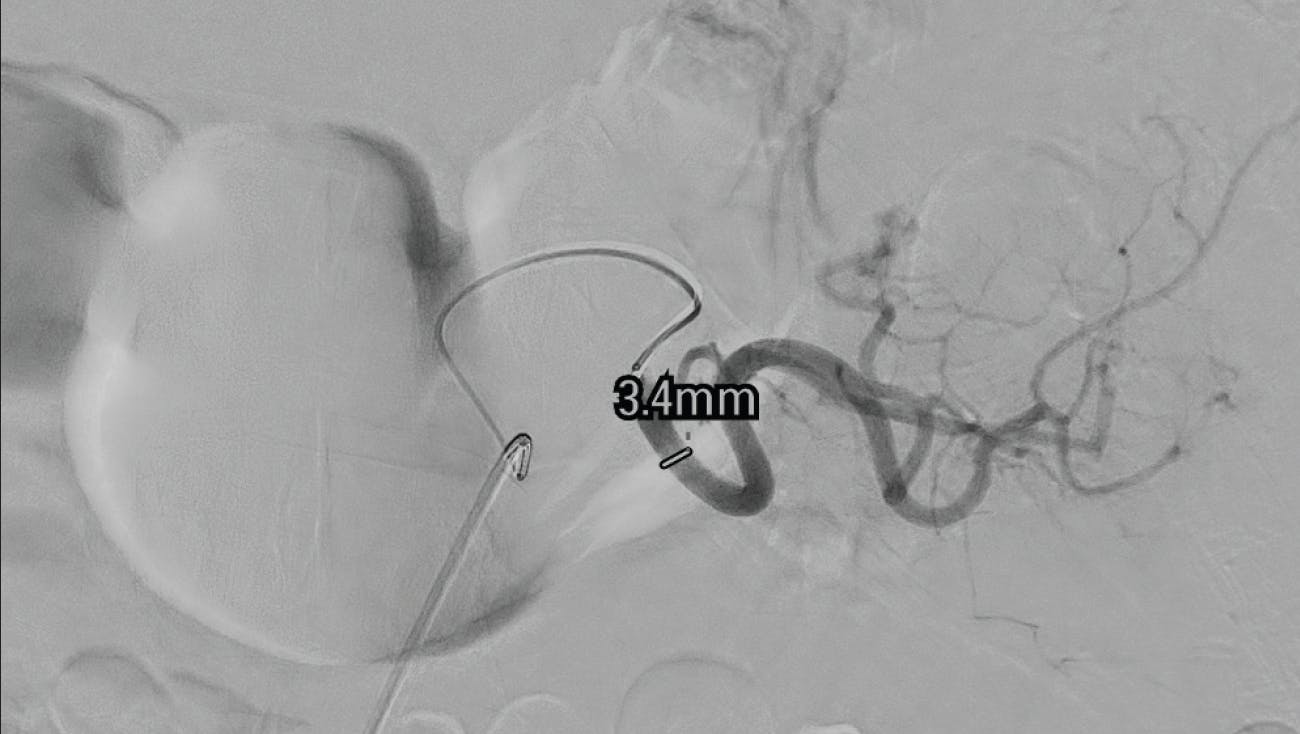
Figure 3. Splenic angiogram with coil deployment site indicated by measurement. Site is clearly distal to the previously seen dorsal pancreatic artery.
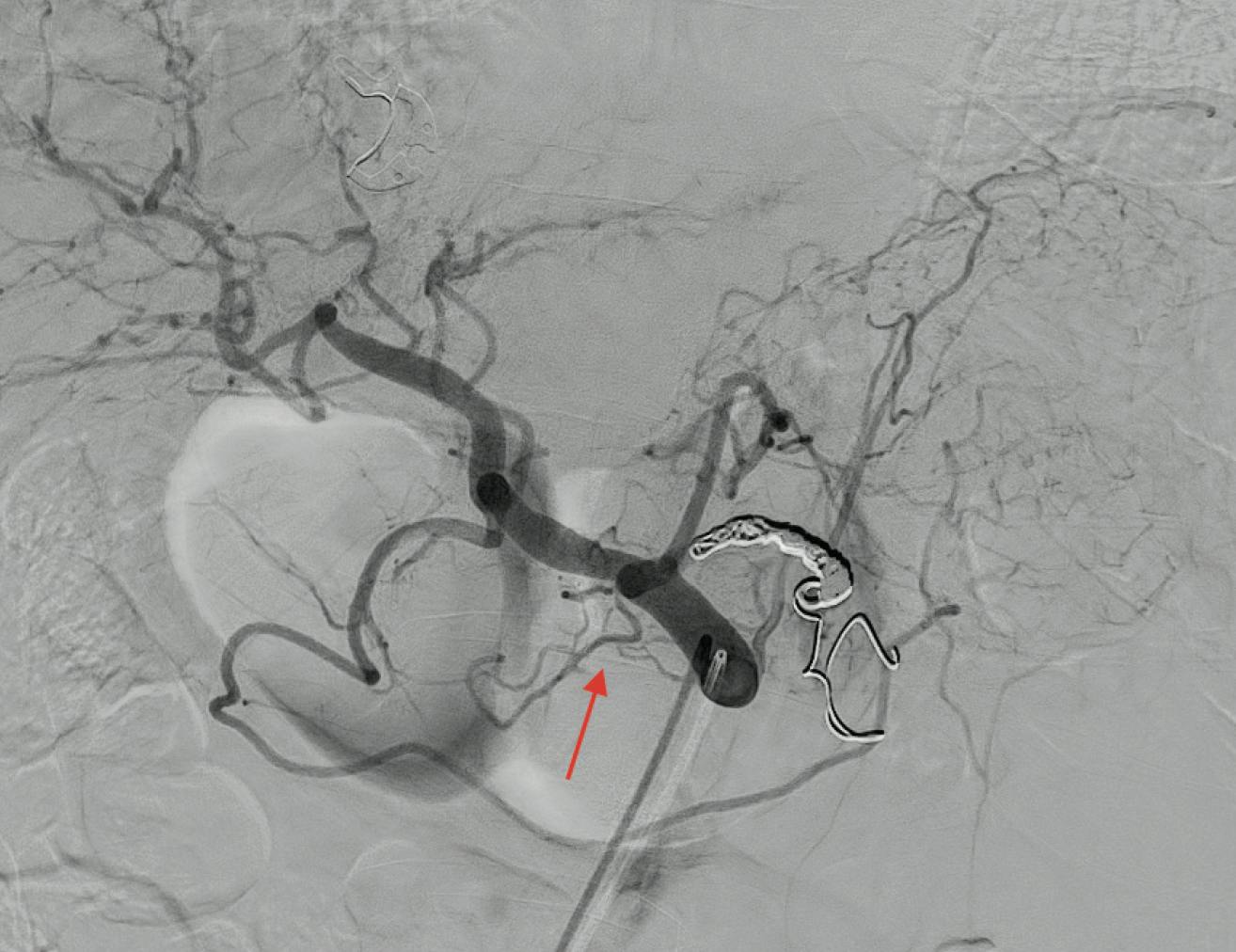
Figure 4. Final celiac angiogram showing successful coil placement with preservation of collateral flow.
1. Patil MS, Goodin SZ, Findeiss LK. Update: splenic artery embolization in blunt abdominal trauma. Semin Intervent Radiol. 2020;37:97-102. doi: 10.1055/s-0039-3401845
2. Quencer KB, Smith TA. Review of proximal splenic artery embolization in blunt abdominal trauma. CVIR Endovasc. 2019;2:11. doi: 10.1186/s42155-019-0055-3
3. Banerjee A, Duane TM, Wilson SP, et al. Trauma center variation in splenic artery embolization and spleen salvage: a multicenter analysis. J Trauma Acute Care Surg. 2013;75:69-74; discussion 74-5. doi: 10.1097/TA.0b013e3182988b3b
4. Crichton JCI, Naidoo K, Yet B, et al. The role of splenic angioembolization as an adjunct to nonoperative management of blunt splenic injuries: a systematic review and meta-analysis. J Trauma Acute Care Surg. 2017;83:934-943. doi: 10.1097/TA.0000000000001649
5. Schnüriger B, Inaba K, Konstantinidis A, et al. Outcomes of proximal versus distal splenic artery embolization after trauma: a systematic review and meta-analysis. J Trauma. 2011;70:252-260. doi: 10.1097/TA.0b013e3181f2a92e.
6. Gunn AJ, Raborn JR, Griffin R, et al. A pilot randomized controlled trial of endovascular coils and vascular plugs for proximal splenic artery embolization in high-grade splenic trauma. Abdom Radiol (NY). 2021;46:2823-2832. doi: 10.1007/s00261-020-02904-w
Jejunal Artery Aneurysm Embolization


Why I Use Penumbra’s Embolization Platform
- Compatibility with a microcatheter system allows for highly selective catheterization of the jejunal artery.
- Detachable system offers precise deployment in saccular visceral aneurysm while maintaining primary vessel patency.
- Having the right coil for the right clinical situation.
CASE PRESENTATION
A female in her mid 60s was recently diagnosed with a cystic mass of the spleen (splenomegaly). She was referred for evaluation of the splenic mass, at which point a jejunal artery aneurysm was incidentally found. Her CTA showed a chronic celiac artery occlusion with significant superior mesenteric artery (SMA) collateralization, as well as a saccular jejunal artery branch aneurysm measuring 16 mm (Figure 1). The patient was asymptomatic at the time of evaluation. Given the high risk of rupture, surgical intervention was recommended, and a decision was made to attempt coil embolization to exclude the aneurysm.
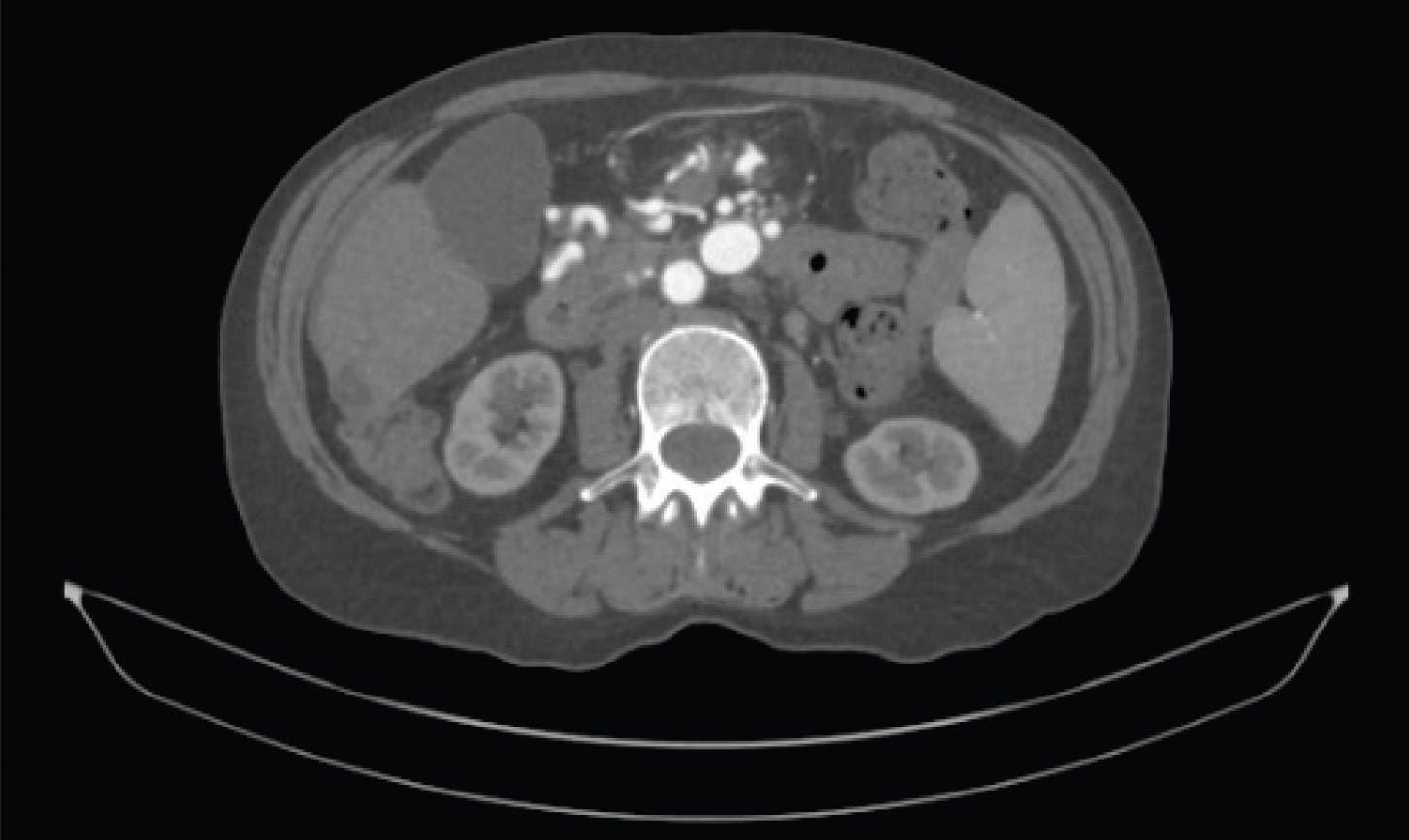
Figure 1. Preoperative CTA showing the 16-mm jejunal artery aneurysm.
PROCEDURAL OVERVIEW
The procedure was performed under general anesthesia with endotracheal intubation. The patient was positioned supine, and both groins were prepped and draped in standard fashion. Using ultrasound guidance, right common femoral artery access was achieved. Systemic heparin was administered. A 7-F LIMA guide catheter was advanced to the SMA orifice, and the vessel was selectively catheterized using a 5-F Kumpe diagnostic catheter (Cook Medical). Diagnostic angiography was performed, and a high-flow microcatheter was then advanced into the jejunal artery as a coaxial system. The microcatheter was subsequently advanced into the saccular aneurysm (Figure 2). A 16-mm Ruby Standard was deployed into the aneurysm to frame the aneurysmal wall. This was followed by multiple Ruby Standard and Soft Coils to exclude the aneurysm. Completion angiography (Figure 3) and cone-beam CT demonstrated successful exclusion of the aneurysm and patency of the jejunal artery. The patient tolerated the procedure well and was discharged on post operative day 1.
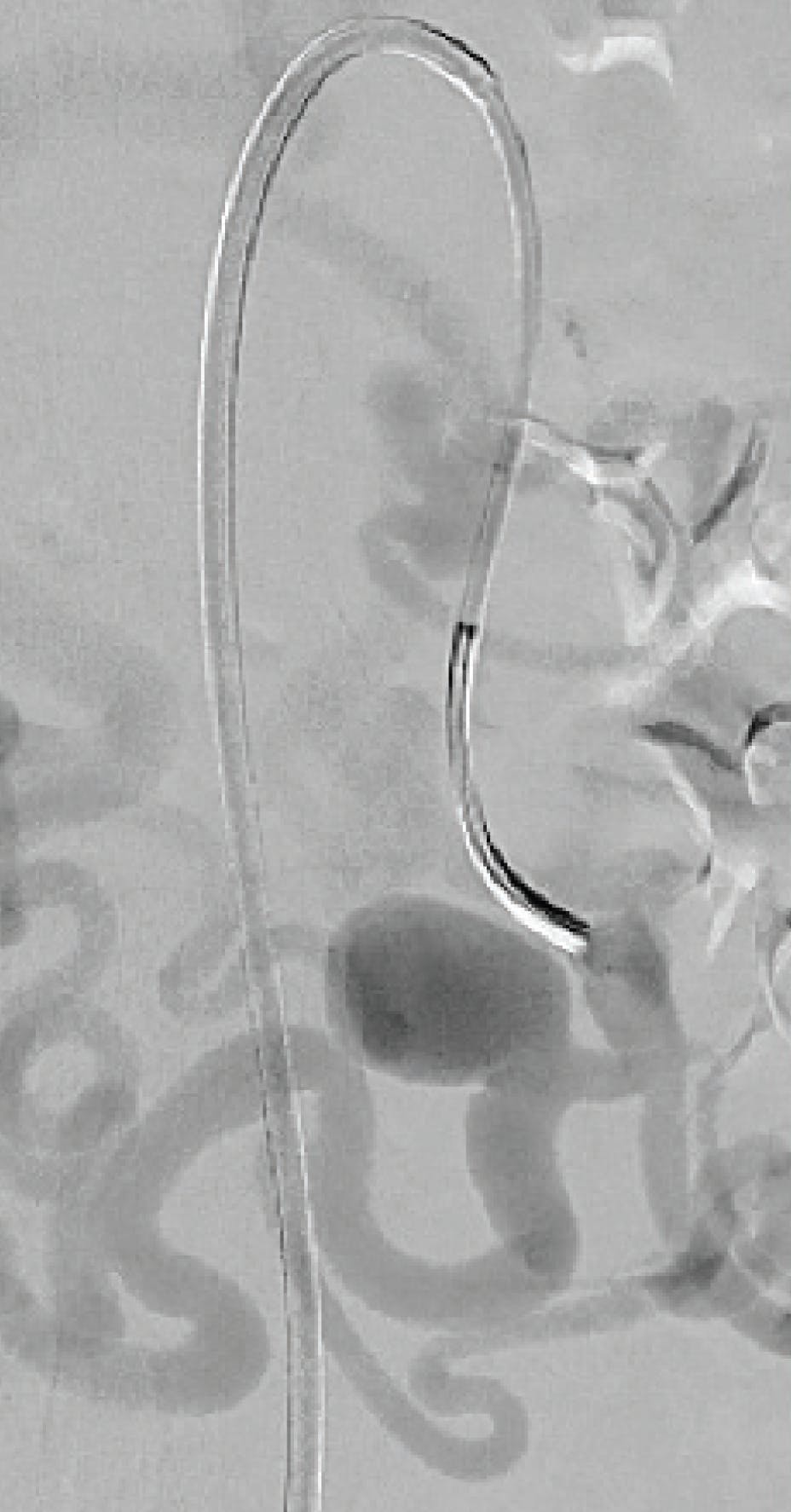
Figure 2. Intraoperative angiogram demonstrating the origin of the saccular jejunal artery aneurysm.
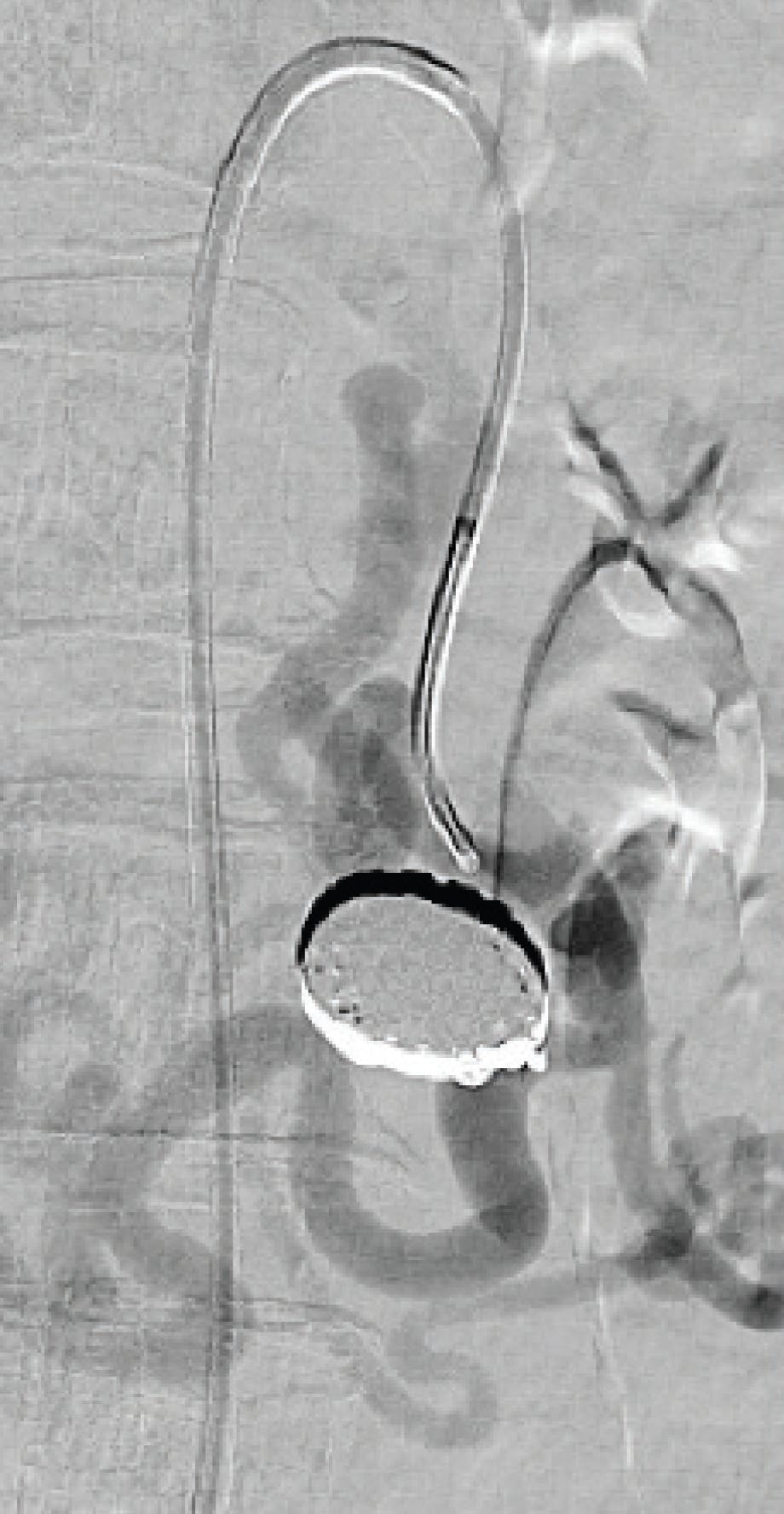
Figure 3. Completion angiogram with deployed Ruby Coils and exclusion of the aneurysm.
The opinions and clinical experiences presented herein are for informational purposes only. The results may not be predictive of all patients. Individual results may vary depending on a variety of patient-specific attributes.
Advertisement
Advertisement