Advertisement
Advertisement
March 2024
Sponsored by Inari Medical
Safety. Effectiveness. Evidence. SEE Why Inari Is the Preferred Choice for VTE Intervention
Case reports and discussions with experts highlight the utility of the FlowTriever and ClotTriever Systems for your venous thromboembolism practice.
The Role of the FlowTriever System for PE Treatment

How many pulmonary embolism (PE) patients has your team treated using large-bore mechanical thrombectomy with the FlowTriever System (Inari Medical)? What has driven these practice patterns?
We’ve been doing PE interventions for well over a decade at our institution. Our team has performed nearly 700 PE thrombectomy cases with FlowTriever to date, and I have treated close to 400 PE patients with large-bore thrombectomy in the past 6 years. Our PE program is centered on a team approach and comprises pulmonary critical care, emergency medicine, and interventional radiology. This has allowed us to be very successful. We gained the confidence of our pulmonary critical care physicians that we could offer a treatment pathway without dependence on thrombolytics. The patients were rapidly improving with FlowTriever, making their postprocedure care much easier.
What makes a patient a good candidate for large-bore mechanical thrombectomy, and are there patients who are particularly well-suited for this intervention?
Symptomatic patients with a large, central embolic burden, right ventricular (RV) strain, and elevated cardiac biomarkers are often well-suited for PE intervention. However, I have found that the more cases I do, the more I realize that just about any patient in need of rapid clot removal is a good candidate for large-bore suction thrombectomy. Looking at our data, a typical procedure time is 45 minutes for a complex PE patient. I can be finished with the procedure faster than it takes to get extracorporeal membrane oxygenation (ECMO) initiated. Analysis of our data suggests that FlowTriever is safe in octogenarians and massive PE patients. Even if thrombolytics have been administered or vasoconstrictors have been initiated, this procedure can be performed and can be quite impactful.
What benefits does large-bore mechanical thrombectomy offer over other interventional treatment strategies for PE?
The FlowTriever System allows for immediate removal of large amounts of embolic debris, and it provides immediate improvement in the physiology for the right heart. In these patients, there has been an anatomic change that creates havoc with the patient’s physiology, and I can quickly reverse this by using FlowTriever.
Longer-term, FLASH registry outcomes showed multiple clinical and functional improvements at 6 months, suggesting that rapid thrombus removal may prevent long-term sequelae in PE patients.1
How has the FlowSaver Blood Return System (Inari Medical) benefited your PE practice?
Less blood loss is always better. FlowSaver has allowed me to remove large clot burdens with very little blood loss, as well as to persist in cases when multiple aspirations are needed. This makes the device more desirable for me than the continuous aspiration vacuum thrombectomy devices on the market. The added benefit of blood return on top of the greater aspiration force of FlowTriever is a real differentiator for my practice.
Do your patients typically go to the intensive care unit (ICU) postthrombectomy? About how long is their average ICU stay?
About 25% of our patients go to the ICU after a FlowTriever intervention. This is not due to a complication or poor device performance. Rather, these are patients who had syncopal episodes, hypotension, or a vasoconstrictor requirement or who just did not improve how one would expect despite a technically successful procedure. Those patients might spend 2 or 3 days in the ICU. I think the fact that the majority of patients do not need ICU care speaks to just how effective this treatment is.
What do you think the future of PE intervention will look like?
We now have devices that are truly engineered for venous thromboembolism. Many devices in the past failed because we used repurposed arterial devices. Having purpose-built venous devices provides us the opportunity to better understand their safety and efficacy. Not all patients are going to fall into a thrombolytic or anticoagulation treatment approach outlined by the guidelines. There are many patients deserving of an intervention, and we can make a significant difference in their lives. Additionally, we can have a significant impact on the economic side with the decrease in hospital resource utilization offered by this procedure.
1. Khandhar S, Jaber W, Bunte MC, et al. Longer-term outcomes following mechanical thrombectomy for intermediate- and high-risk pulmonary embolism: 6-month FLASH registry results. J Soc Cardiovasc Angiogr Interv. 2023;2:10100. https://doi.org/10.1016/j.jscai.2023.101000
Successful Large-Bore Aspiration in a Massive PE Patient With Hemodynamic Decompensation
By Sabah D. Butty, MD
PATIENT PRESENTATION
A man in his late 60s was found unresponsive in his automobile. He suffered pulseless electrical activity arrest twice prior to arrival to the emergency department (ED), where he was then intubated. The patient was unresponsive, on 50 µg/min of norepinephrine, and was subsequently cardioverted for wide, complex tachycardia. His blood pressure was 75/59 mm Hg, with a heart rate of 125 bpm and SpO2 at 88% on FiO2 of 100%.
Lactate was 9.8 mmol/L and troponin was 5,441 ng/L. Imaging completed after cardioversion demonstrated a large, central, bulky foci of embolic debris occupying much of the right and left pulmonary artery (PA) (Figure 1). Due to the patient’s hemodynamic decompensation and ECMO unavailability, he was transferred from the ICU to the interventional radiology suite for emergency suction embolectomy.
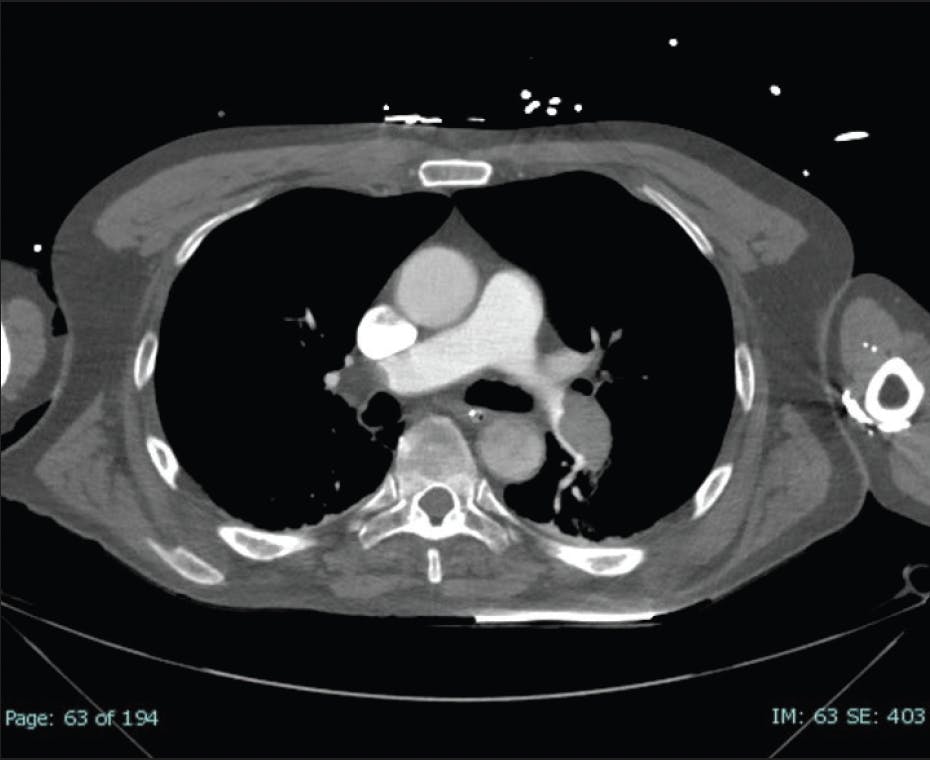
Figure 1. CTA showed occlusive thrombus burden in left and right PAs.
PROCEDURAL OVERVIEW
The patient was anticoagulated with heparin using a hospital protocol. A target activated clotting time of 300 seconds was reached and adjusted accordingly throughout the procedure.
Ultrasound guidance and a modified Seldinger technique were used to access the right common femoral vein (CFV). Contrast material was injected for diagnostic venography of the ipsilateral common and external iliac veins to exclude the presence of thrombus material. The right CFV was preclosed with two 6-F Perclose ProGlide devices (Abbott). The access was dilated to accept the 24-F Intri sheath (Inari Medical).
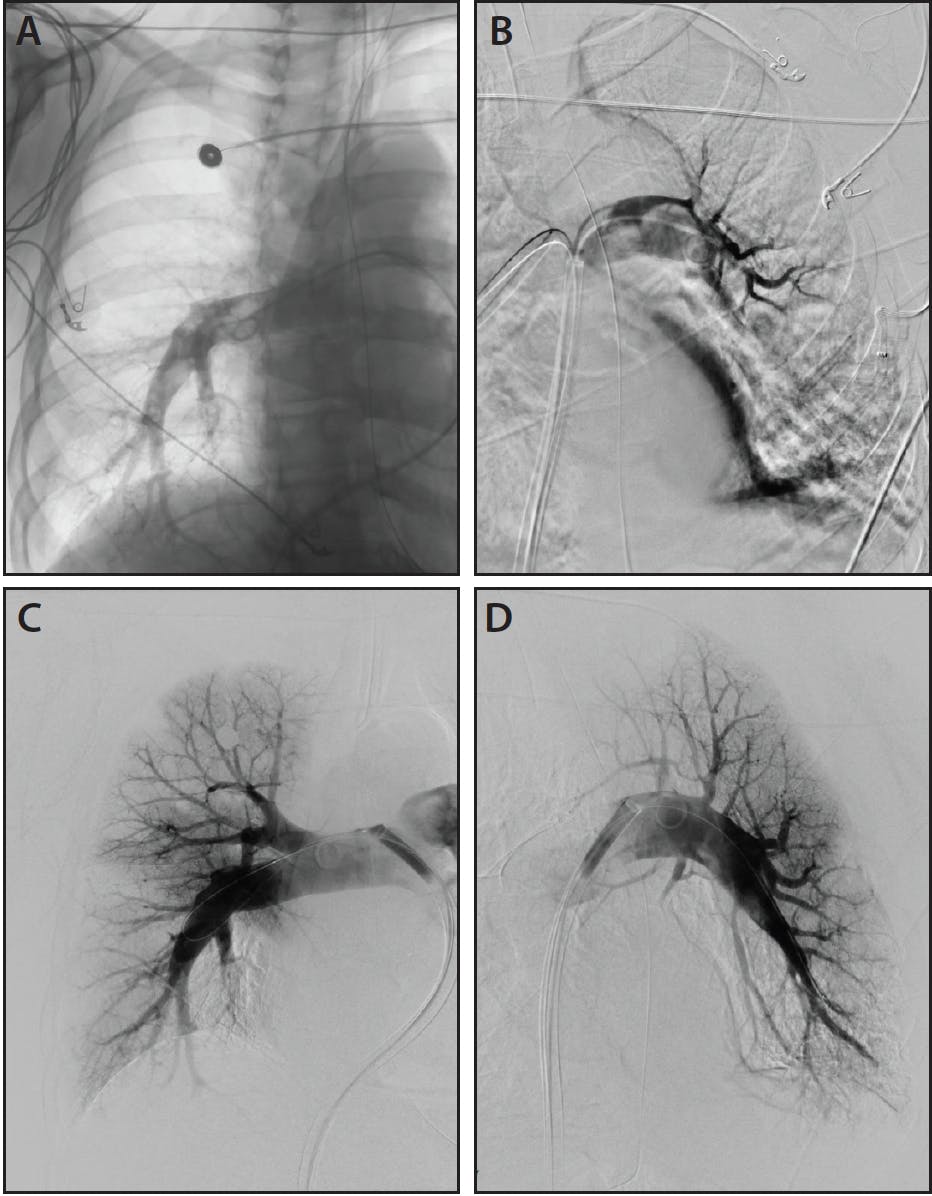
Figure 2. Pre (A, B) and postprocedure (C, D) imaging.
Next, a 5.5-F Fogarty over-the-wire balloon catheter (Edwards Lifesciences) was advanced into the right atrium over a 0.035-inch Bentson guidewire (Cook Medical). The balloon tip catheter was then inflated and advanced into the PA under constant cardiorespiratory and fluoroscopic monitoring. Initial manometry of the PA was not performed given the profound clinical decompensation.
The balloon tip catheter was then exchanged for a 6-F Impulse pigtail catheter (Boston Scientific Corporation), which was positioned within the main right and subsequently within the main left PA in a 30° ipsilateral anterior oblique view for diagnostic angiography. The catheter was then exchanged over a 0.035-inch Hi-Torque Supra Core guidewire (Abbott) for the Triever24 catheter (Inari Medical). This catheter was positioned within the main right PA to allow for suction thrombectomy. Three aspirations were performed in the right PA.
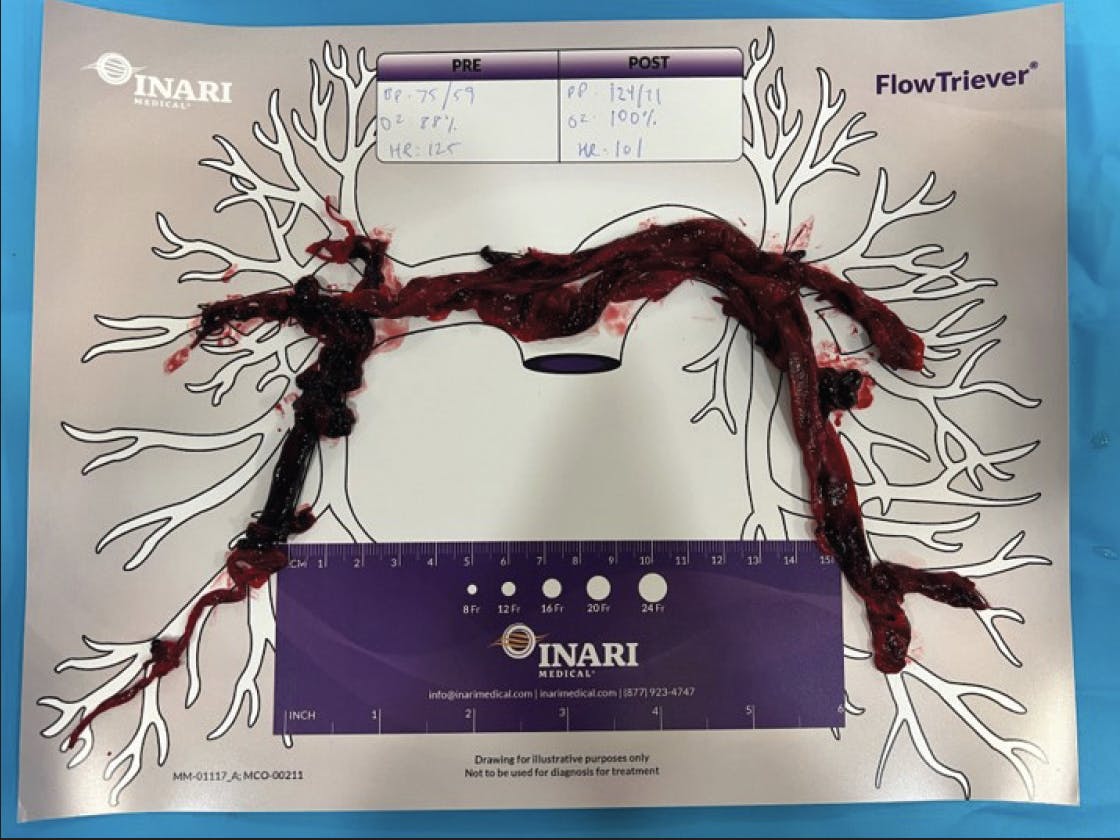
Figure 3. Clot extracted.
Satisfied with the results, the process was repeated in the left PA. A 0.035-inch Rosen guidewire was positioned within a lower lobe segmental artery to achieve satisfactory distal wire purchase. Then, the Triever24 catheter was advanced into the left PA, and two aspirations were performed.
A FlowSaver device was used, limiting the total procedure blood loss to 75 mL. Hemostasis at the puncture site was achieved after successful completion deployment of the two Perclose devices. The skin incision was closed using a 3-0 Vicryl suture (Ethicon, a Johnson & Johnson company) in a subcuticular fashion.
CONCLUSION
The procedure was completed in 35 minutes, with a significant improvement in the patient’s hemodynamics. Immediate postprocedure hemodynamics included systemic blood pressure of 124/71 mm Hg, heart rate of 101 bpm, and SpO2 of 100% on FiO2 of 100%. Postthrombectomy systolic, diastolic, and mean PA pressures were 41, 19, and 27 mm Hg, respectively. Postthrombectomy systolic, diastolic, and mean RV pressures were 41, 10, and 20 mm Hg, respectively.
The patient was weaned off norepinephrine by the end of the procedure. After 2 days in the ICU and 8 days on the medical ward, the patient was discharged to a subacute rehabilitation facility mentally intact and oxygenating well on room air.
Short- and Long-Term Benefits of ClotTriever as Front-Line DVT Treatment

How has ClotTriever (Inari Medical) changed your deep vein thrombosis (DVT) practice?
Until about 4 or 5 years ago, our approach to treating DVT patients with iliofemoral and femoropopliteal clot burden involved the use of thrombolytics (tissue plasminogen activator [tPA]). Patients were typically admitted to the ICU for monitoring and underwent additional procedures along with venography, balloon angioplasty, and stent placement to address residual clotting post-tPA treatment.
My experience with ClotTriever has transformed our DVT treatment protocols. We can now rapidly remove large clot burdens to restore vessel patency quickly. As a result, our hospital’s resource utilization has significantly decreased, allowing for same- or next-day discharge of these patients. With ClotTriever, I’ve been able to manage 20% to 30% of my DVT cases on an outpatient basis, eliminating the need for hospital admission altogether.
How many ClotTriever procedures have you completed?
Our group comprises 13 interventional radiologists spread across four hospitals. Collectively, over the past 4 years, we have successfully completed nearly 500 ClotTriever cases. Individually within that time, I have performed approximately 150 ClotTriever procedures.
How do your patients fare after treatment with ClotTriever?
Patients usually present with a combination of symptoms that significantly impair their mobility, including pain, lower extremity swelling, and edema. After the ClotTriever procedure, patients typically experience immediate relief from these symptoms. We conduct a follow-up clinic or virtual appointment with all our patients 1 week after the procedure, and we’ve observed that a considerable percentage return to their pre-DVT condition.
Patients undergo ultrasound evaluations at 1, 3, 6, and 12 months postprocedure, using measurable parameters such as CEAP (clinical, etiologic, anatomic, pathophysiologic) and Villalta scoring to assess their outcomes. We’ve observed improvements in both scores over time.
Can you speak more to the inpatient versus outpatient treatment decision?
When we initially launched our venous program, outpatient DVT procedures weren’t part of our practice. However, the safety and effectiveness of ClotTriever now enables us to discharge patients after the procedure without complications.
As EDs face increasing demands, DVTs may not always receive immediate priority for hospital admissions. Consequently, we foresee a sustained increase in outpatient DVT procedures with ClotTriever. Through ongoing education and collaboration with our emergency medicine colleagues, our group has become a prominent referral center for DVT cases.
What is your take on blood loss during DVT interventions?
The blood loss associated with ClotTriever is minimal, typically < 10 to 20 mL on average. Given that we often treat patients with significant comorbidities, including cancer, I’m particularly cautious regarding blood loss. My threshold for acceptable blood loss is very low, and anything exceeding 100 mL is deemed unacceptable in these patients.
What has been your experience with rethrombosis after ClotTriever?
Out of the nearly 500 ClotTriever cases we’ve performed, the incidence of complications including rethrombosis is < 1%. As we know, rethrombosis can have many causes, including suboptimal stenting, inflow, residual thrombus, or anticoagulation adherence, and these are all things we carefully manage. We have a rigorous patient follow-up protocol after each procedure. My recommendation is to use intravascular ultrasound (IVUS) during cases. Following the procedure, ensure that the hematology team is consulting, and stress the importance of adherence to prescribed anticoagulation regimens. Additionally, it’s crucial to establish an ultrasound protocol for follow-up of patients with DVT.
What has been your experience with complications after ClotTriever?
We haven’t observed any instances of this phenomenon. My patients demonstrate positive progress: their CEAP scores improve, their quality of life enhances, and symptoms associated with DVT don’t resurface given our strict protocols. I’ve heard other companies trying to suggest that ClotTriever might be unsafe, but it’s just not something we see. On the contrary, my ClotTriever patients are doing great, both short term and long term. Inari also recently reported 2-year follow-up from their CLOUT registry showing only 7% moderate-severe postthrombotic syndrome, which is significantly lower than the rate reported in historical DVT trials.1 The fact that these patients continue to do well is a good indicator of both safety and the importance of removing as much thrombus as possible. You could even argue that using ClotTriever to treat DVT is the safest thing you could do because it’s the thrombus itself that damages veins and valves. I’d be more worried about leaving thrombus behind.
1. Dexter D. Interim two-year outcomes following mechanical thrombectomy for deep vein thrombosis from the real-world CLOUT registry. Presented at: VENOUS 2024; March 5, 2024; Tampa, Florida.
Patient With Lower Extremity Thrombus Treated Successfully With ClotTriever System
By Raja Ramaswamy, MD
PATIENT PRESENTATION
A woman in her early 70s presented to the ED with history of left lower extremity swelling for 2 days. Her past medical history was significant for hypertension, hyperlipidemia, and chronic obstructive pulmonary disease. Physical exam revealed extensive left lower extremity swelling with erythematous changes and pitting edema. An ultrasound demonstrated thrombus extending from the left calf veins to the left CFV. Due to the patient’s extensive clinical symptoms, the decision was made to perform mechanical thrombectomy with the ClotTriever System. Preprocedural Villalta score and CEAP were 14 and C4, respectively.
PROCEDURAL OVERVIEW
The patient was taken to the angio suite and placed in a prone position. Her left lower extremity was prepped and draped. Moderate sedation was administered with midazolam and fentanyl. The left popliteal vein was accessed with a micropuncture needle and wire under ultrasound guidance and then exchanged for a microsheath, ultimately upsizing to a short 10-F sheath over a Glidewire Advantage (Terumo Interventional Systems).
A venogram demonstrated significant thrombus within the femoropopliteal segment and CFV, extending into external iliac vein (Figure 1 and Figure 2). Using a 5-F MPA catheter (Cook Medical) and a Glidewire Advantage wire, the lesion was crossed into the inferior vena cava (IVC). Next, pullback IVUS from the IVC to the access site was performed to identify and quantify the extent of thrombus.
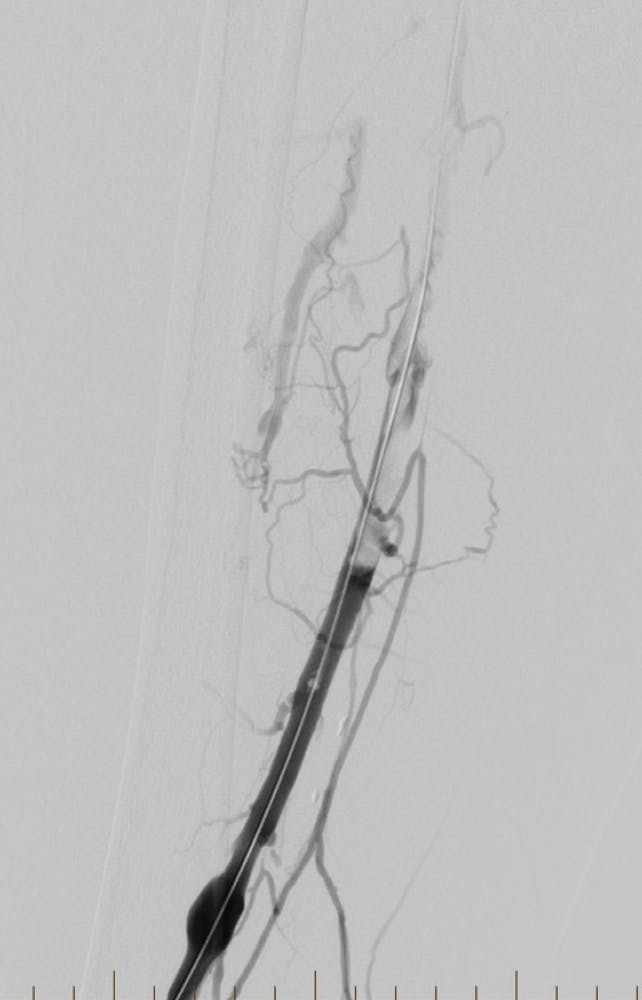
Figure 1. Preprocedure venogram of the left femoropopliteal segment.
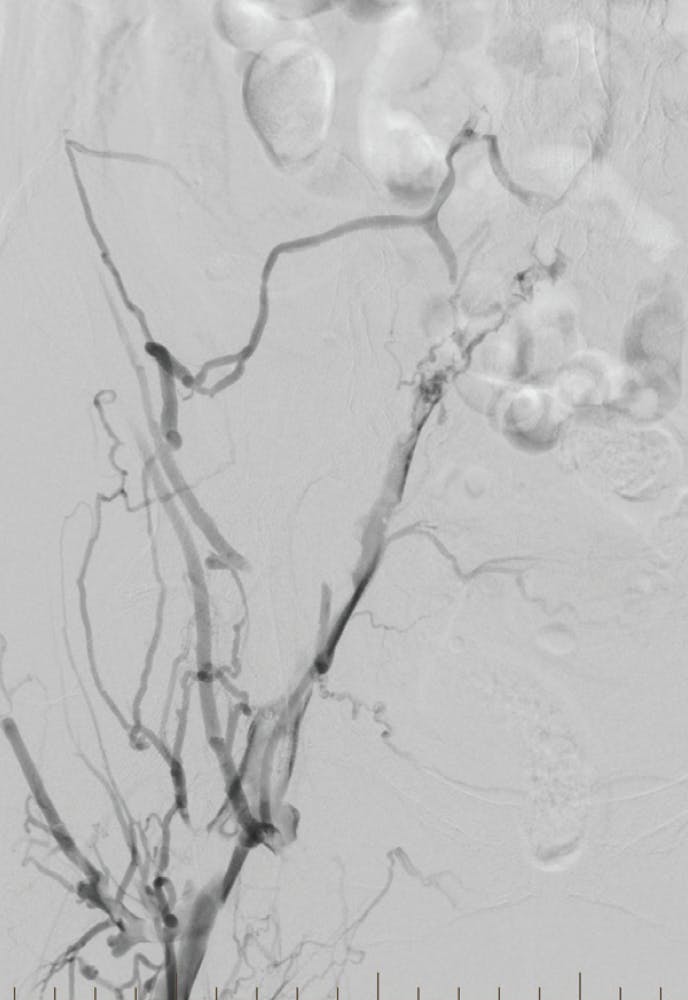
Figure 2. Preprocedure venogram of the left iliofemoral vein.
The Glidewire Advantage was advanced up into the right subclavian vein, and a vertebral catheter was advanced over it. Next, the Glidewire Advantage was exchanged for an Amplatz wire with a 7-cm tip. A 16-F dilator was used, and the ClotTriever sheath was inserted. The funnel was deployed under fluoroscopic guidance, and the ClotTriever catheter was brought to the field and advanced into the popliteal vein, cranially to the distal IVC and the thrombus. The nitinol coring element and mesh collection bag were then deployed at the iliac vein. The ClotTriever catheter was retracted, capturing and removing significant acute and chronic thrombus (Figure 3). In total, four ClotTriever passes were completed in four quadrants.
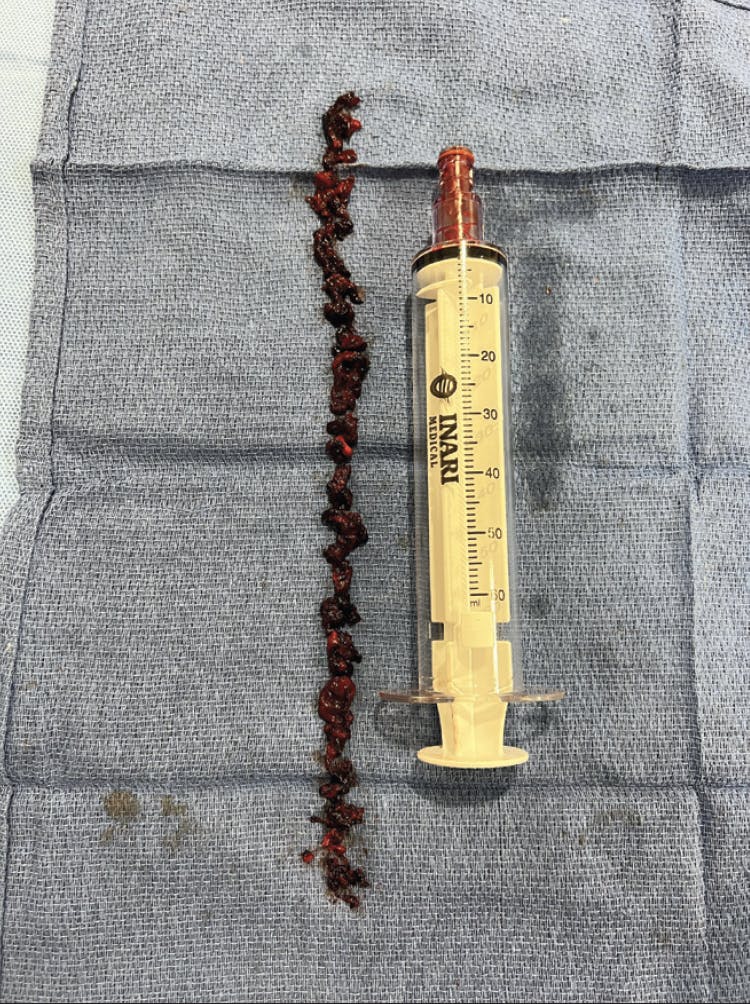
Figure 3. Extracted acute and chronic thrombus.
CONCLUSION
Completion IVUS showed complete thrombus removal, and completion venography demonstrated brisk cephalad flow (Figure 4 and Figure 5). All wires and catheters were removed, and hemostasis was achieved, holding pressure on the access site. The total procedure time was 35 minutes, and the total device time was 10 minutes. All thrombus was removed, with an estimated total blood loss of 20 mL. The patient tolerated the procedure well and was taken to the recovery room in stable condition.
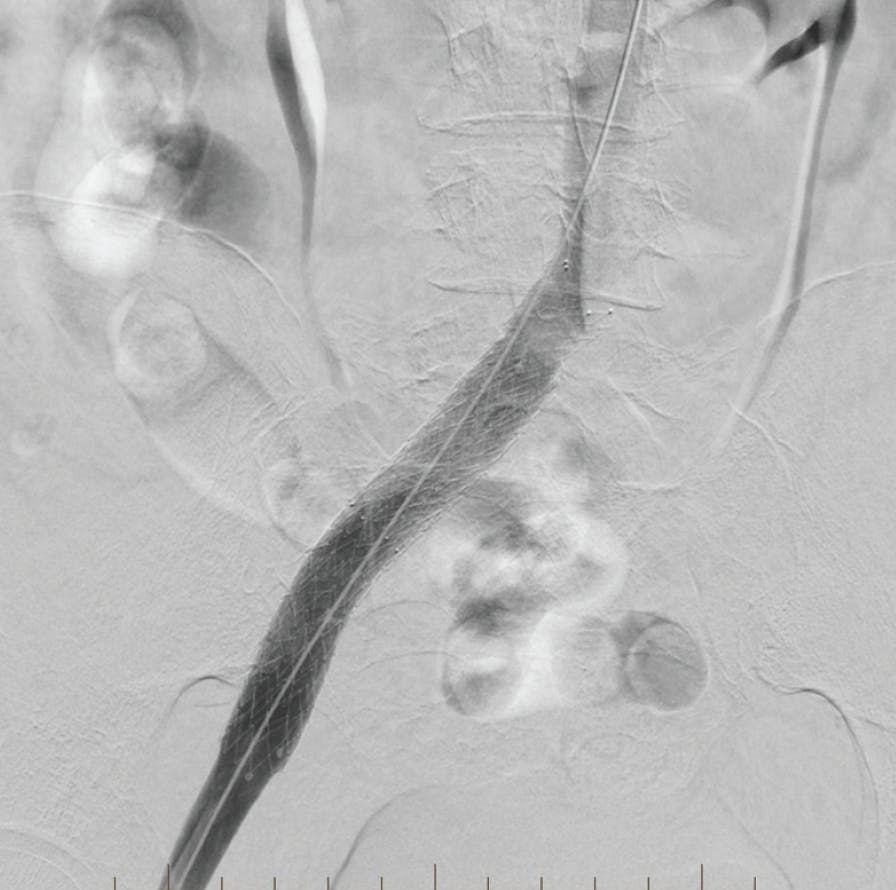
Figure 4. Postprocedure venogram of the left femoropopliteal segment.
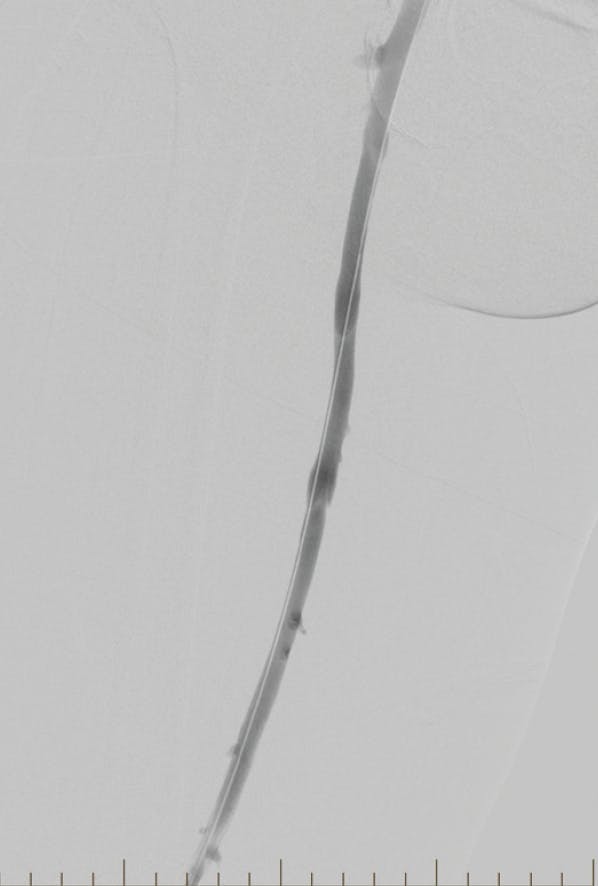
Figure 5. Postprocedure venogram of the left iliofemoral vein.
Indications For Use:
The FlowTriever Retrieval/ Aspiration system is indicated for (1) the non-surgical removal of emboli and thrombi from blood vessels and (2) injection, infusion and/or aspiration of contrast media and other fluids into or from a blood vessel. The FlowTriever Retrieval/Aspiration system is intended for use in the peripheral vasculature and for the treatment of pulmonary embolism. The FlowSaver blood return system is used with Triever catheters for autologous blood transfusion. The Intri24 introducer sheath is indicated to provide a conduit for the insertion of endovascular devices into the vasculature while minimizing blood loss associated with such insertions.
Refer to IFU for complete indications for use, contraindications, warning, and precautions.
Caution: Federal (USA) law restricts this device to sale by or on the order of a physician
All trademarks are property of their respective owners.
Indications For Use:
The ClotTriever thrombectomy system is indicated for (1) the non-surgical removal of thrombi and emboli from blood vessels; and (2) injection, infusion and/or
aspiration of contrast media and other fluids into or from a blood vessel. The ClotTriever thrombectomy system is intended for use in the peripheral vasculature,
including deep vein thrombosis (DVT).
Refer to IFU for complete indications for use, contraindications, warnings, and precautions.
Caution: Federal (USA) law restricts this device to sale by or on the order of a physician.
All trademarks are property of their respective owners.
Advertisement
Advertisement