Advertisement
Advertisement
May 2024
Sponsored by Cagent Vascular
Innovation With Serration: Advances in BTK Care With the Serranator® PTA Balloon Catheter
A series of case studies illustrate the varied use and outcomes physicians have achieved using the Serranator® PTA Serration Balloon Catheter.
With Bradley Trinidad, MD; M. Haris U. Usman, MD, MS, FACC; Eric Peterson, MD; and Sahil Banka, MD, FACC, FSCAI
Chronic limb-threatening ischemia (CLTI) poses significant challenges to patients and operators. This complex disease necessitates a comprehensive approach paired with appropriate tools. Endovascular specialists have increasingly focused on effectively addressing arterial disease below the knee (BTK) due to its critical role in supporting patient outcomes such as optimal wound healing, limb preservation, and enhanced quality of life. Serration angioplasty was introduced as an innovative tool in the arsenal, delivering consistent and improved technical results in these complex cases.
The Serranator® percutaneous transluminal angioplasty (PTA) Serration Balloon Catheter (Cagent Vascular) represents a breakthrough in endovascular treatment. This semicompliant balloon features three longitudinal, serrated, stainless-steel strips designed to provide optimal lumen gain, regardless of lesion morphology. Leveraging serration technology, the device exerts significantly higher point force—up to 1,000 times greater than plain old balloon angioplasty (POBA)—along the linear planes of the serration points. Consequently, it delivers more controlled and predictable vessel dilation using comparatively lower inflation pressures. The Serranator was launched with three BTK diameters (2.5, 3, 3.5 mm) and three lengths (40, 80, 120 mm). Recently, 4- and 5-mm diameters were also introduced.
Clinical studies have demonstrated the superiority of Serranator when compared with POBA in CLTI patients. Notably, Serranator achieved a 2.4-fold increase in luminal gain compared to POBA.1 Serranator also demonstrated 89% less average recoil when compared to POBA, substantially reducing a clinical phenomenon that can impact procedure durability.2 Importantly, the use of Serranator also minimized complications such as dissections, thereby reducing the need for bailout stent placement in the critical BTK no-stent zone.3 With more than 10,000 procedures (and counting), Serranator has demonstrated itself as an essential tool for CLTI fighters everywhere.
1. Guetl K, Muster V, Schweiger L, et al. Standard balloon angioplasty versus Serranator serration balloon angioplasty for treatment of below-the-knee artery occlusive disease: a single-center subanalysis from the PRELUDE-BTK prospective study. J Endovasc Ther. Published online November 20, 2022. doi: 10.1177/15266028221134891
2. Fereydooni A, Chandra V, Schneider PA, et al. Serration angioplasty is associated with less recoil in infrapopliteal arteries compared with plain balloon angioplasty. J Endovasc Ther. Published online December 7, 2023. doi: 10.1177/15266028231215284
3. Holden A, Lichtenberg M, Nowakowski P, et al. Prospective study of serration angioplasty in the infrapopliteal arteries using the Serranator device: PRELUDE BTK study. J Endovasc Ther. 2022;29:586-593. doi: 10.1177/15266028211059917
CASE 1: BTK REVASCULARIZATION IN PATIENT WITH GANGRENOUS WOUNDS

PATIENT PRESENTATION
A man in his mid-50s with coronary artery disease, diabetes, hypertension, peripheral vascular disease, and a history of smoking presented for evaluation of gangrenous changes to a right fifth toe amputation site performed by a podiatrist (Figure 1). He had a previous left BTK amputation at a neighboring hospital secondary to diabetic foot gangrene.
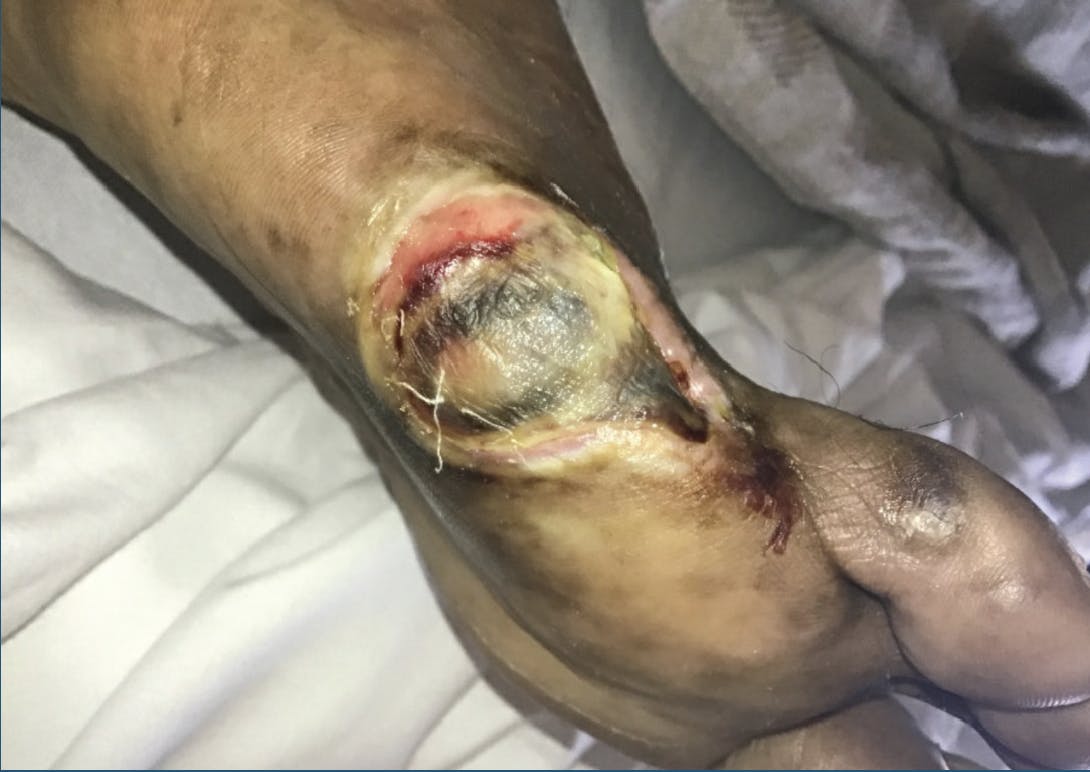
Figure 1. Gangrene of right fifth toe amputation site.
Noninvasive studies were performed, revealing falsely elevated ankle-brachial index (ABI) secondary to medial calcinosis and toe pressure consistent with inadequate perfusion for wound healing. An arterial duplex ultrasound (DUS) indicated blunted monophasic waveforms of all three tibial vessels.
PROCEDURE DETAILS
After sterile draping, the right common femoral artery (CFA) was percutaneously accessed using ultrasound guidance and the micropuncture technique. After exchanging for a 5-F short sheath over a Glidewire Advantage guidewire (Terumo Interventional Systems), diagnostic angiography was performed. This revealed diffuse tibial vessel disease, with heavily calcified subtotal occlusions of the posterior tibial (PT) artery, anterior tibial (AT) artery, and tibioperoneal trunk (TPT). There was a notable midsegment occlusion of the AT artery, as well as occlusion of the dorsalis pedis artery (DPA; Figure 2). A 6-F, 45-cm Destination guiding sheath (Terumo Interventional Systems) was exchanged over the Glidewire Advantage into the distal popliteal artery. The patient was heparinized.
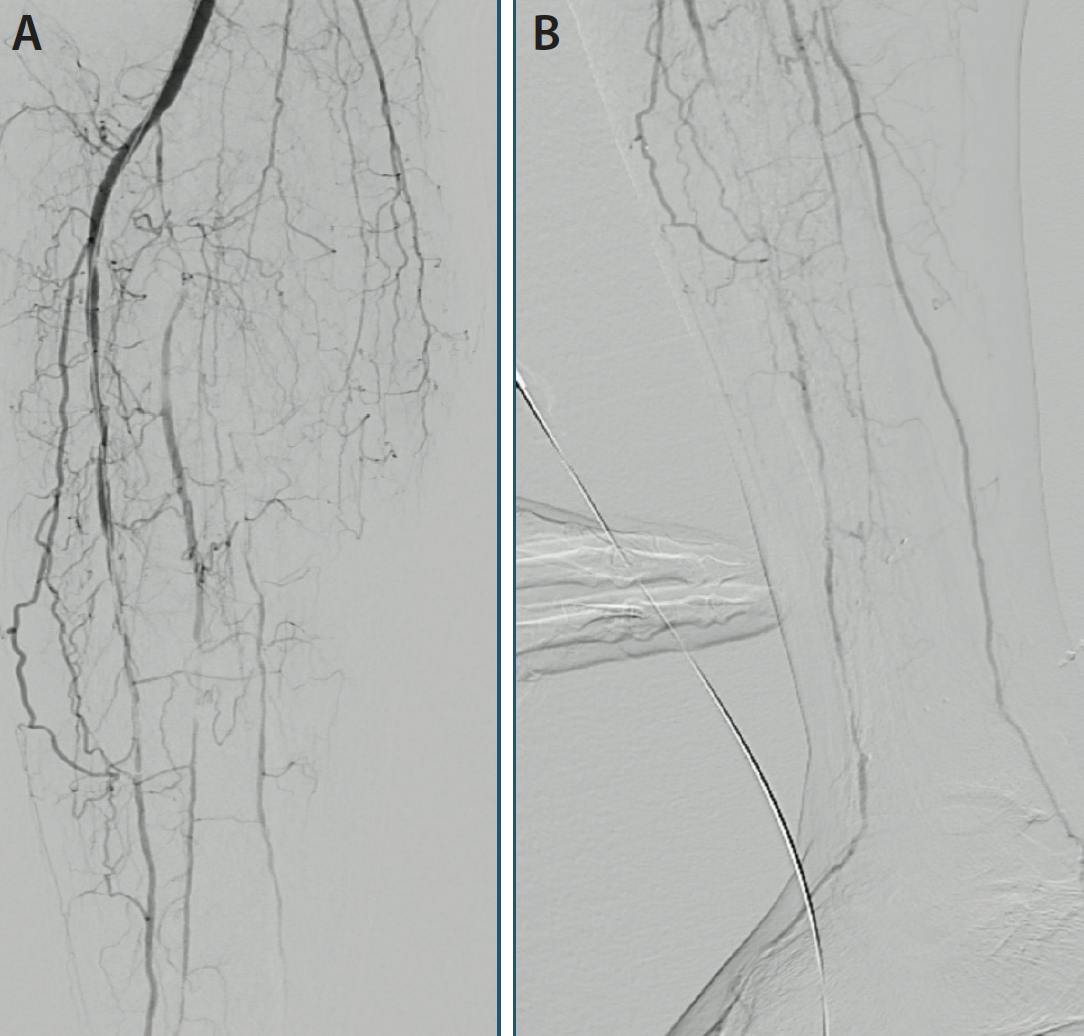
Figure 2. Preintervention mid-AT artery occlusion (A) and DPA occlusion (B).
Next, the AT artery was cannulated with a combination of an 0.018-inch, 150-cm NaviCross support catheter (Terumo Interventional Systems) and a 0.014-inch Fielder XT wire (Asahi Intecc USA, Inc.). The occlusions of the AT artery and DPA were crossed, and the true lumen was confirmed distally. Next, a 2- X 220-mm Advance Serenity PTA balloon (Cook Medical) was exchanged and prolonged inflation angioplasty performed, starting from the most distal DPA in the foot into the AT artery (Figure 3). Significant recoil remained, with severe calcified stenosis predominately at the distal AT artery near the bend of the ankle into the proximal DPA. A 2.5- X 80-mm Serranator was advanced, with overlapping 2-minute inflations to a maximum of 6 atm with full expansion (Figure 3). This same balloon was used to perform prolonged inflation angioplasty to the previously occluded mid segment of the AT artery.
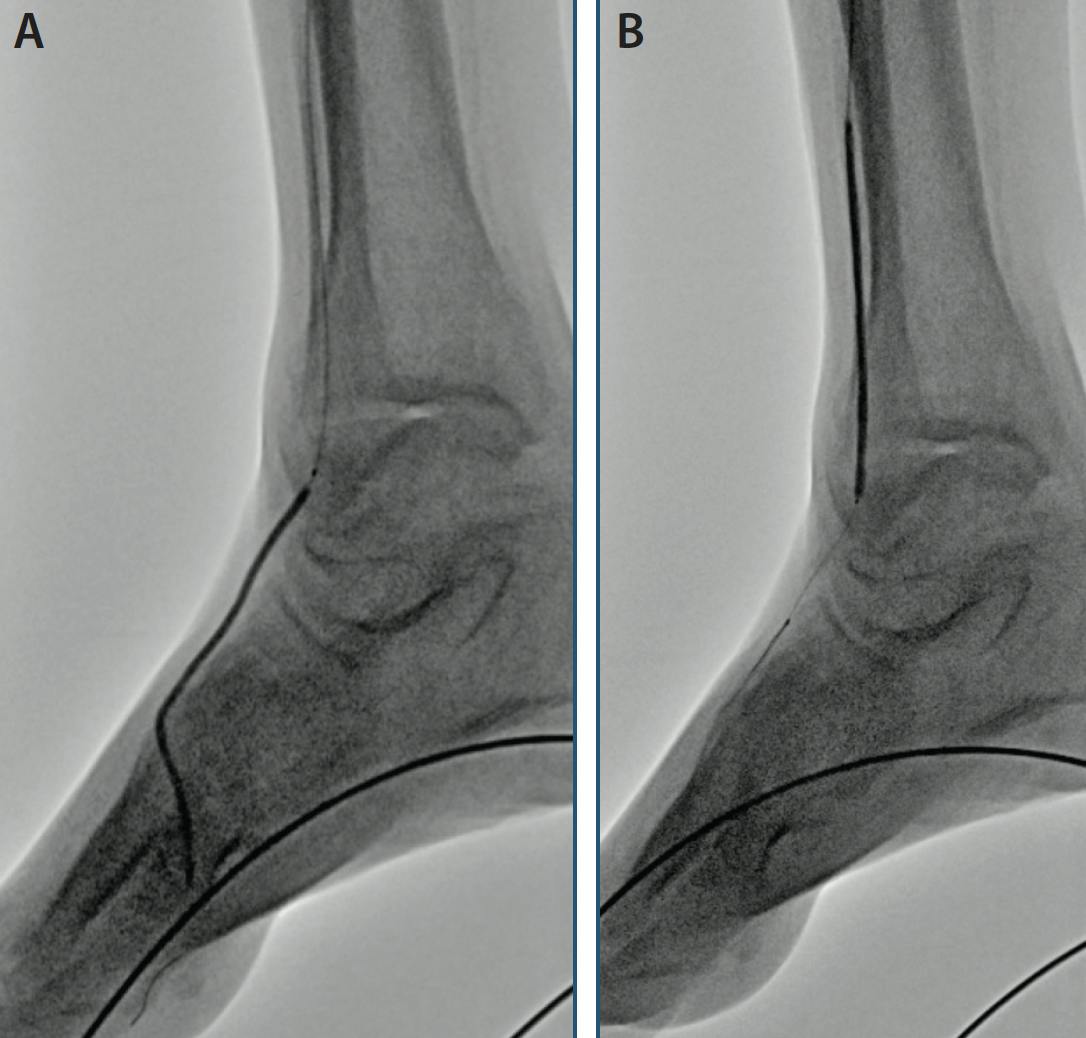
Figure 3. Inflation of a 2.5- X 80-mm Serranator in the DPA (A) and distal AT artery (B).
Attention turned to the PT artery and TPT. Using the 0.018-inch NaviCross catheter and 0.014-inch Fielder XT wire, the heavily diseased TPT and PT artery were subsequently cannulated. To achieve improved luminal gain prior to angioplasty, the decision was made to perform directional atherectomy of the TPT and proximal PT artery using the Pantheris device (Avinger, Inc.). After multiple passes, good luminal gain was achieved. Optical coherence tomography (OCT) was used to size the vessels, followed by a 3.5- X 40-mm Serranator for angioplasty up to a maximum of 6 atm with full expansion for 2 minutes (Figure 4). Finally, the previous 2.5- X 120-mm Serranator was used for inflation angioplasty to the PT artery down to the level of the takeoff of the plantar vessels. Completion angiogram revealed brisk two-vessel runoff with wound blush identified (Figure 5).
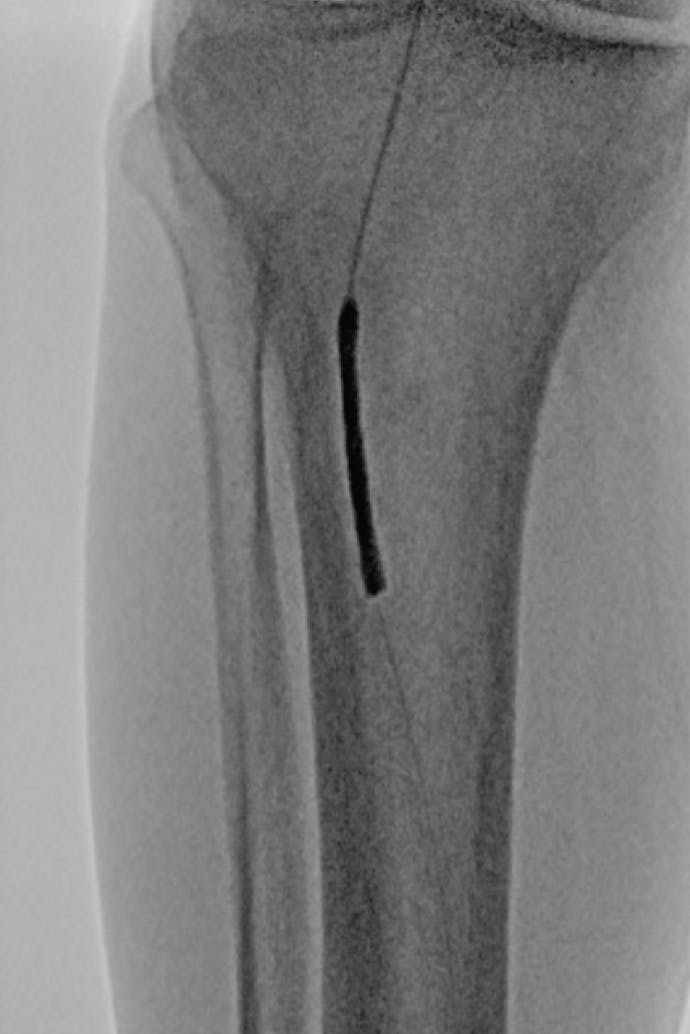
Figure 4. Inflation of a 3.5- X 40-mm Serranator in proximal AT artery (A) prior to multiple Serranator inflations throughout the PT artery (not shown).
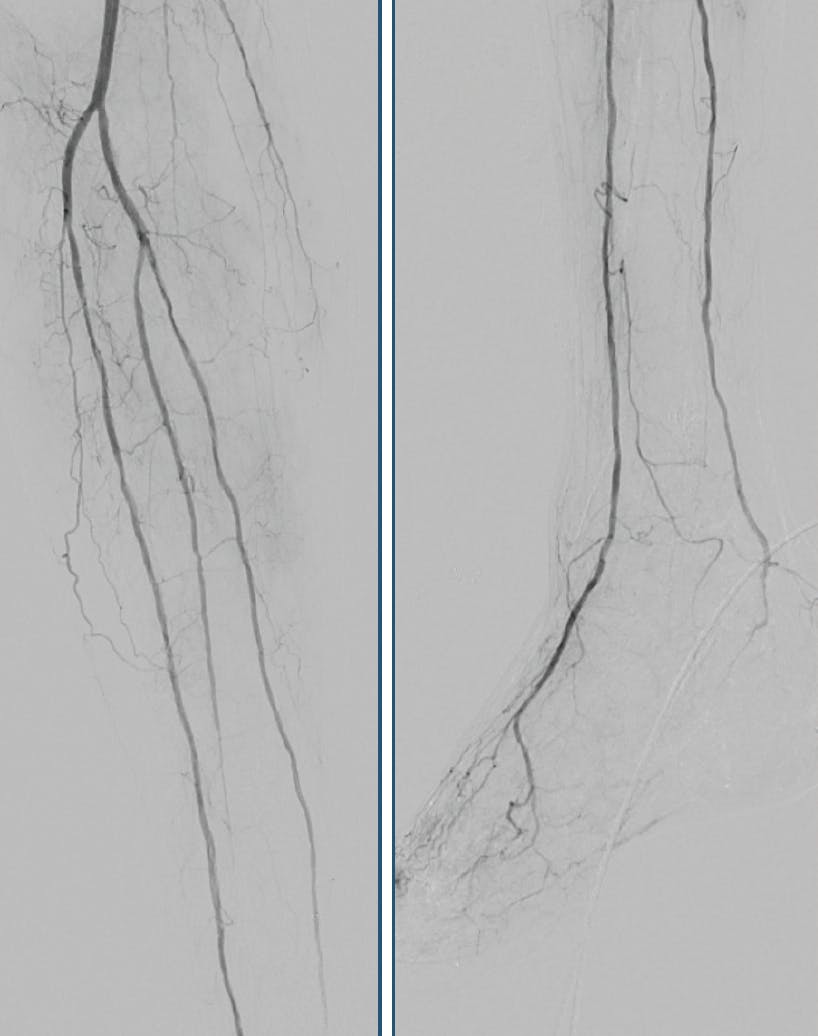
Figure 5. Postintervention: brisk two-vessel runoff throughout the AT artery treated with Serranator through the DPA and PT artery.
POSTINTERVENTION
The next day, a revision of his fifth toe amputation site was performed down to the level of the metatarsal, completing a full fifth-toe ray amputation. The wound was irrigated, and the overlying tissue layer was closed. Sterile compressive dressings were applied. The patient presented 1 month later with a healed amputation site after strict nonweight-bearing protocol to his right foot and 6 weeks of intravenous antibiotic therapy (Figure 6).

Figure 6. One-month postprocedure shows a healed amputation site.
DISCUSSION
Why have you added Serranator to your BTK algorithm?
We’ve historically not had great treatment options for BTK and limited bailout options when complications arise. I feel the Serranator allows the safest and most effective way to improve luminal gain and distal perfusion in these fragile vessels. It also decreases the need for post–balloon scaffold placement BTK, which I believe is the best outcome for the patient.
How often do you experience recoil with a plain balloon versus Serranator?
This is where I believe you see the true benefit of serration technology. In complex CLTI patients, you can expect restenosis and recoil and sometimes multiple interventions. Recoil and restenosis following POBA remain unfortunately common. Since starting use of Serranator balloons, the amount of recoil and restenosis I have seen has significantly declined. This was shown in the recent RECOIL study, which compared measured recoil in Serranator- and POBA-treated lesions.
What type of results do you typically see when using the Serranator?
As mentioned, the amount of recoil and restenosis in the BTK vessels has reduced significantly. The results have been excellent in terms of prolonging patency, and more importantly, healing of wounds.
CASE 2: LUMINAL GAIN AND BRISK OUTFLOW AFTER SERRANATOR TREATMENT IN PATIENT WITH STENOSED SFA AND PT ARTERY

PATIENT PRESENTATION
A woman in her mid-70s with a 30 pack-year history of smoking, insulin-dependent diabetes mellitus, hypertension, and dyslipidemia presented for evaluation of a nonhealing ulcer across the base of her fifth toe. The patient complained of 8/10 resting pain for 1 week prior to presentation. She had undergone revascularization of the right superficial femoral artery (SFA) with balloon angioplasty at a different center 3 months prior to presentation. An ABI of 0.29 on the right and 0.84 on the left was observed. Lower extremity arterial DUS confirmed critical stenosis of the mid right SFA and 99% stenosis of the proximal PT artery. The right AT artery and peroneal artery were patent (Figure 1).
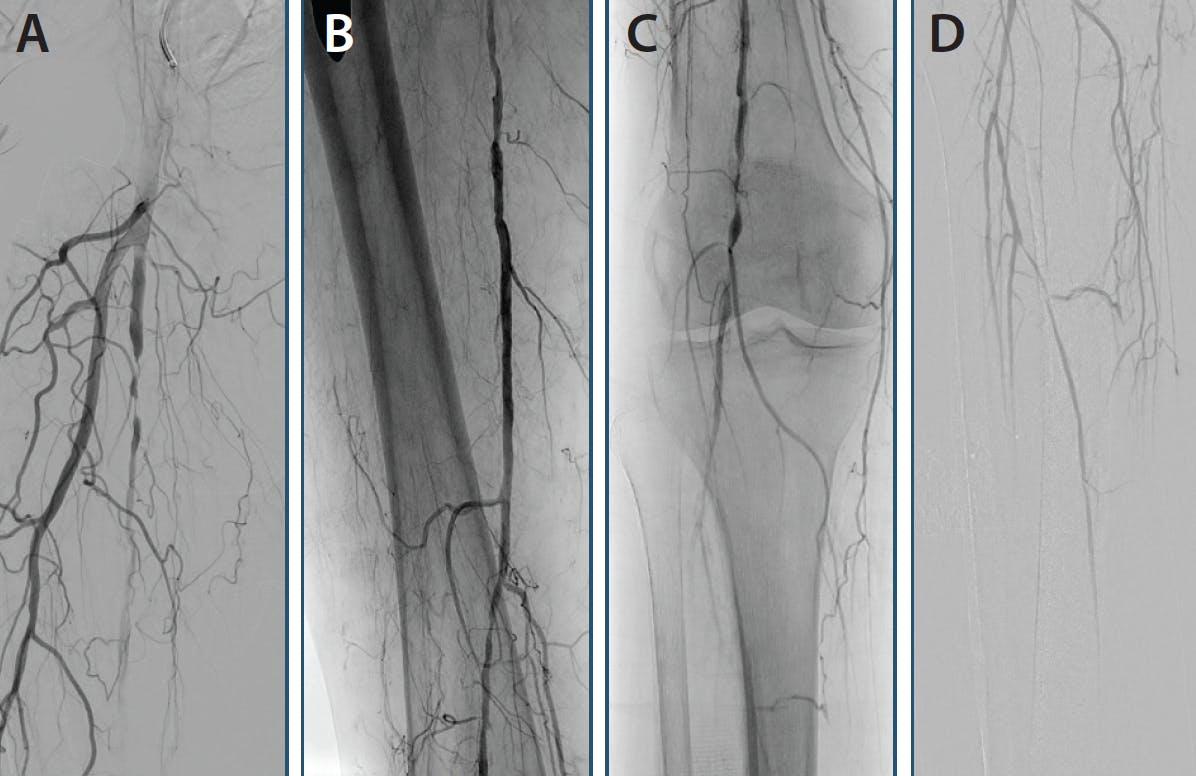
Figure 1. Preintervention angiograms showing critical stenosis of the right SFA (A, B) and PT artery (C, D).
PROCEDURE DETAILS
Arterial access was obtained in the left CFA, and after crossover and exchange of the short 6-F sheath to a 45-cm, 6-F Destination sheath, angiography showed two segments of critical stenosis (one in the proximal and one in the distal SFA) with reconstitution at the level of the adductor canal. There was a short segment of occlusion noted in the right PT artery with reconstitution at the level of the mid leg. The reconstitution displayed via peroneal collaterals.
After optimal heparinization, the SFA occlusion was crossed using a 0.035-inch Glidewire Advantage and a 0.035-inch, 135-cm Quick-Cross support catheter (Philips). Directional atherectomy was performed using OCT-guided imaging via the Pantheris SV catheter. After debulking, a 5- X 120-mm Serranator balloon was utilized multiple times throughout the stenotic segment at 4 atm for 1 minute and 6 atm for 1 minute, totaling 2 minutes for each inflation and resulting in excellent lumen gain with no dissection or recoil (Figure 2A-2D).
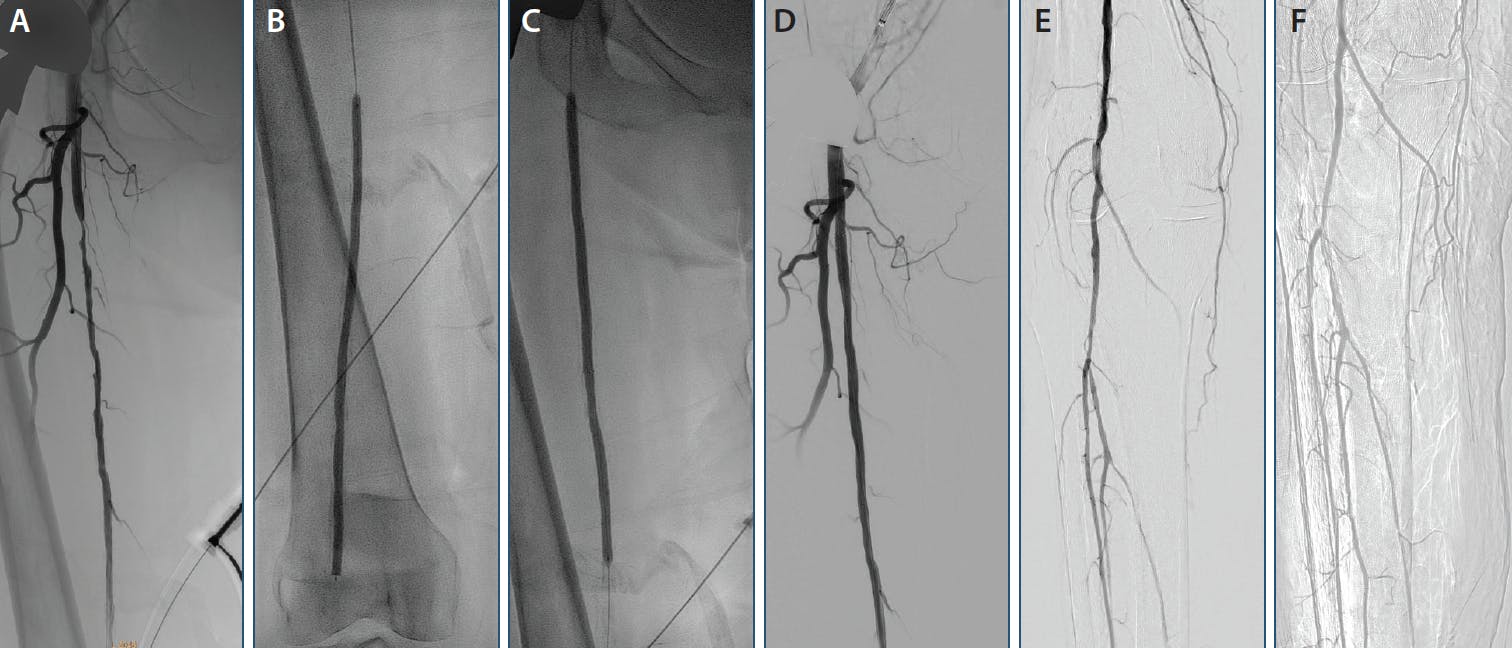
Figure 2. Postatherectomy angiography (A) followed by 5- X 120-mm Serranator inflations throughout the SFA (B, C). Resolution of the critical stenosis of the right SFA (D). Preangioplasty of the right PT artery (E) and post-Serranator with optimal lumen gain throughout the PT artery (F).
Due to patient history and severity of the disease, stenting of the proximal SFA was done with a 5- X 200-mm Eluvia drug-eluting stent (DES; Boston Scientific Corporation.). Treatment of the PT artery required a 2.5- X 120-mm Serranator balloon inflated several times. The Serranator balloon provided optimal luminal gain throughout the PT artery, and no additional therapy was needed (Figure 2E and 2F).
CONCLUSION
Following intervention with the Serranator balloon and DES, there was optimal luminal gain and ideal angiographic outcome with brisk flow. The PT artery showed resolution of the occlusion and brisk flow to the pedal arch forming the dominant source of blood to the pedal arch. The AT artery and peroneal artery remained patent. The patient had significant pain resolution in 48 hours with resumption of limited weight bearing. Repeat ABIs showed an ABI of 1.1 on the right side. Wound care at the 30-day follow-up showed significant healing and granulation tissue formation.
CASE 3: PAD WITH MULTILEVEL CTO TREATED WITH SERRANATOR PTA BALLOON CATHETER


PATIENT PRESENTATION
A man in his early 70s with a history of peripheral artery disease (PAD) and previous intervention utilizing atherectomy, POBA, and stenting of a left SFA chronic total occlusion (CTO) presented to our clinic with left lower extremity weakness. He was found to have discoloration of the forefoot and toes with mild skin breakdown. His foot and lower leg were hairless, cool to the touch with poor capillary refill, and no palpable pulses; only his PT pulse was detected by Doppler ultrasound. He was previously referred for lower extremity ultrasound but did not follow through. Given that these findings are consistent with Rutherford class 4 CLTI, the patient was subsequently referred for lower extremity angiography.
Angiography revealed the distal aorta, bilateral common iliac, and femoral arteries were without significant disease. Selective angiography of the left lower extremity revealed a mid-to-distal SFA CTO proximal to a previously placed SFA stent. Additionally, the left popliteal artery was occluded with distal reconstitution, and the TPT was filled via collaterals with occlusion of the AT and peroneal arteries. The left PT artery was totally occluded proximally and reconstituted in the mid segment, and the PT artery was the sole supply to the pedal arch, with no inline runoff to the foot.
PROCEDURE DETAILS
A 6-F, 22-cm Brite Tip sheath (Cordis) was brought to the left SFA via left femoral antegrade access. The proximal cap of the SFA CTO was crossed with a 0.035-inch, 135-cm NaviCross catheter and a 0.035-inch stiff, angled Glidewire, and then advanced across the occlusion within the previous stent. The wire was directed through the popliteal and across the PT artery CTO down to the ankle. Catheter tip injection in the popliteal and then in the PT artery proved intraluminal position. Next, a 3-mm X 190-cm SpiderFX filter (Medtronic) was placed in the PT artery to protect the runoff. Following this, angioplasty of the SFA and popliteal was performed with a 4- X 120-mm Serranator balloon at 6 atm for 2 minutes (Figure 1). OCT-guided directional atherectomy was employed with a 6-F scalloped Pantheris SV catheter for three passes, and significant white plaque was removed. The angiographic appearance of the lesion significantly improved.
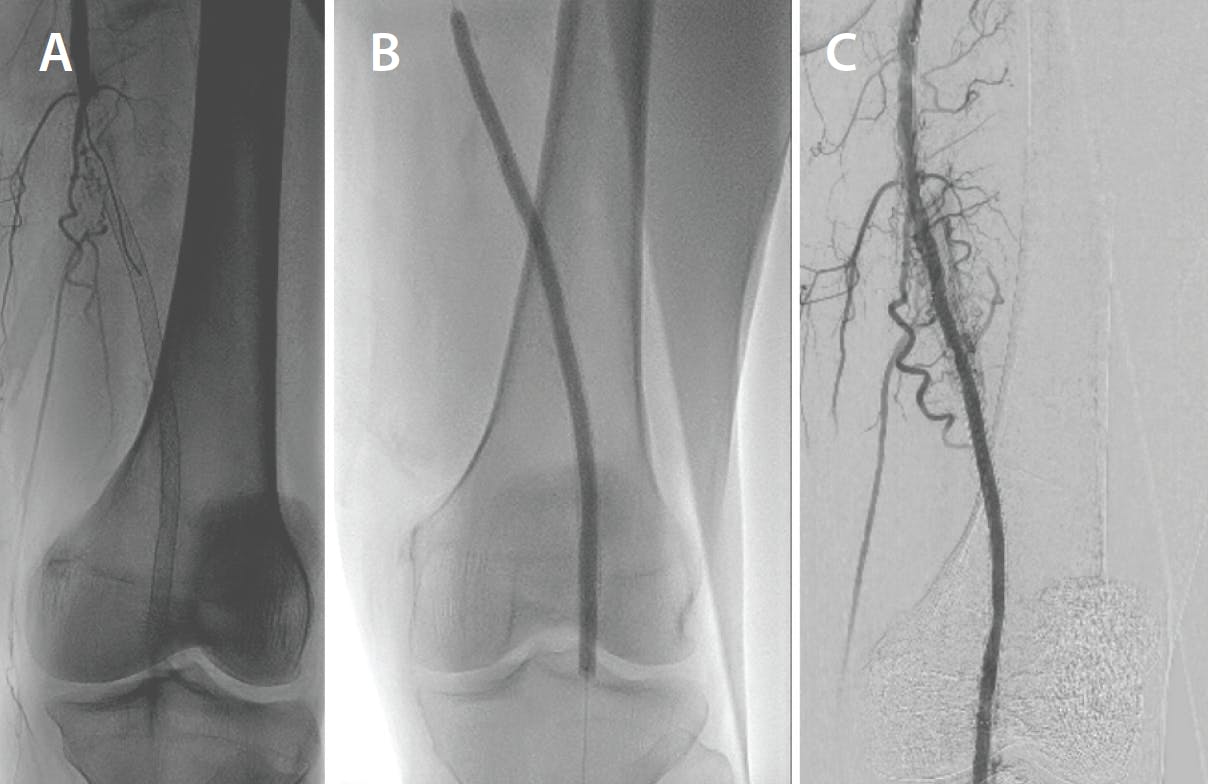
Figure 1. Occlusion of left SFA (A). A 4- X 120-mm Serranator inflation (B). Postprocedure angiogram (C).
Next, attention was turned to the proximal PT and peroneal arteries, which were treated with a 3- X 120-mm Serranator balloon at 6 atm for 2 minutes and 30 seconds (Figure 2). The SFA occlusion was treated with a 6- X 200-mm Sterling balloon catheter (Boston Scientific Corporation) followed by a 6- X 150-mm Ranger drug-coated balloon (Boston Scientific Corporation). The upper part of the occlusion proximal to the old stent had areas of dissection that were stented with a 7- X 100-mm Eluvia DES, positioned to overlap proximally with the prior stent.
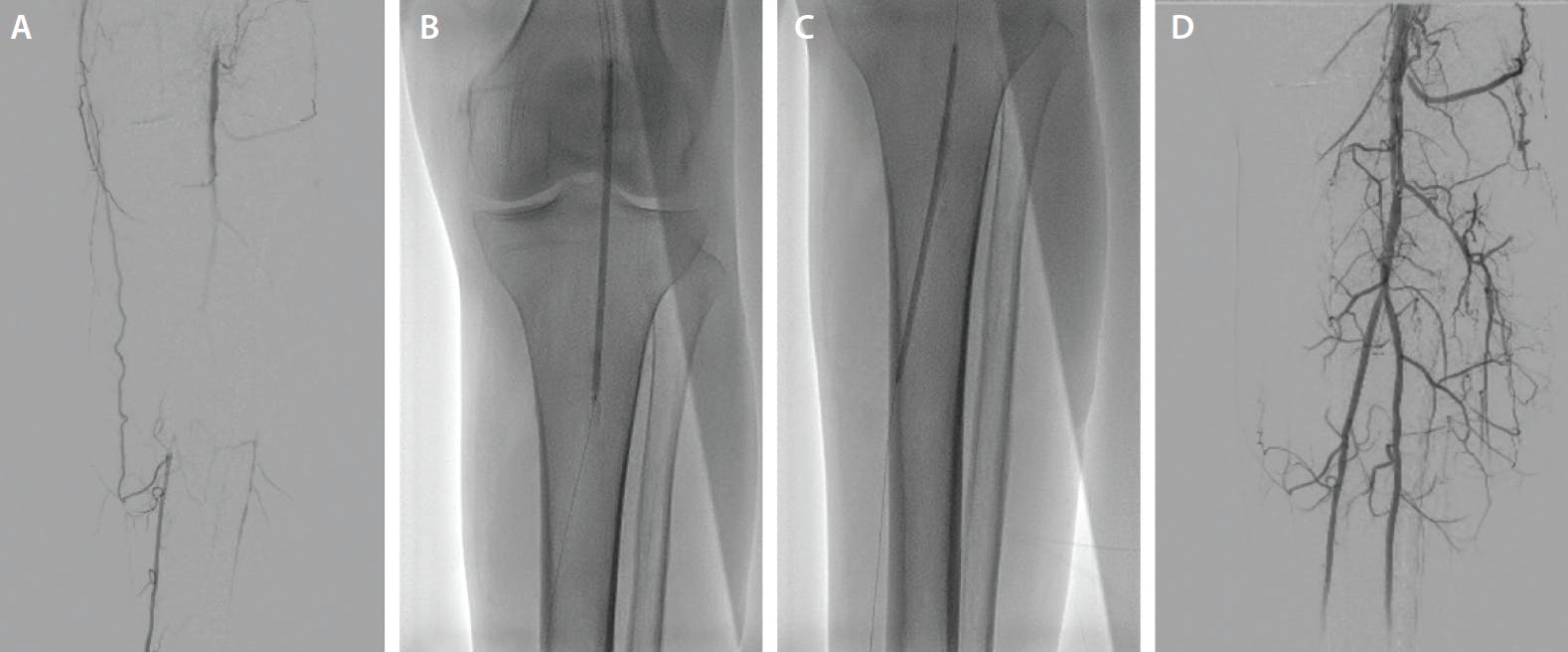
Figure 2. Preprocedure angiography of PT and peroneal arteries (A). A 3- X 120-mm Serranator inflation throughout the peroneal and proximal PT arteries (B, C). Post-Serranator angiography revealed brisk runoff without dissection (D).
CONCLUSION
Final angiography revealed brisk two-vessel runoff without distal complication such as thrombosis or dissection. Angioplasty using the Serranator balloon in the SFA, PT artery, and peroneal artery resulted in substantial luminal gain with successful distal runoff of the lower extremity. At the conclusion of the case, the PT pulse was palpable, and the patient reported relief of symptoms. The patient completes follow-ups with a multidisciplinary PAD management team.
DISCUSSION
Why did you choose the Serranator for this complex case?
In PAD cases with multilevel disease, and in particular CTO cases, establishing the infrapopliteal runoff is essential for relief of foot ischemia, wound healing, and improving patency of SFA interventions. We chose the Serranator balloon as a highly effective treatment for the tibial vessels in this case, which resulted in minimal recoil and no dissections. This avoids BTK stenting, increased procedure time, and risks associated with BTK atherectomy devices.
Advertisement
Advertisement