Advertisement
Advertisement
November 2024
Radial Access in Neurointervention: Innovations, Challenges, and Future Horizons
An update on the adoption of radial access in neuroendovascular procedures, including advantages in safety and patient comfort, managing complications, and where we’re going next.
In the context of neurointervention, Matsumoto and colleagues introduced radial access in 2000, with subsequent large studies confirming the safety and practicality of transradial cerebral angiography.1-5 Despite the use of devices originally designed for femoral access, radial access has been successfully employed in complex procedures for both ischemic and hemorrhagic conditions in the posterior and anterior circulation.6-12 Although the adoption of radial access in neuroendovascular procedures has been gradual, interest has been steadily growing in recent years.
The shift from femoral to radial access is not just a matter of procedural preference but one that is supported by strong clinical evidence.13 Radial access has been associated with a significant reduction in vascular complications, particularly in patients with complex vascular anatomies or those at high risk of bleeding.13 Furthermore, the technique is linked with improved patient satisfaction, as it generally requires less postprocedural immobilization, which is a critical factor in patient-centric care.13
ADVANTAGES, SAFETY, AND CURRENT INNOVATIONS
Safety
Radial access in neurovascular procedures has gained attention due to its favorable safety profile, particularly regarding access site complications, major bleeding, and other adverse outcomes.13 Although randomized control trials in the neurovascular field are lacking, there is a growing body of evidence from single-center studies that demonstrate positive outcomes using radial access for both diagnostic and interventional neurovascular procedures (Figure 1 and Figure 2).1,4,14-21 There is plenty of cardiology literature establishing safety and a better morbidity and mortality profile, to the point that three of the largest societies for interventional cardiology in Europe issued a joint guideline formally recommending radial access as the first choice for cardiac procedures.13,22 Despite concerns from some femoral operators about the risk of hand ischemia due to the radial artery’s smaller size, the forearm’s extensive collateral circulation through the radial, ulnar, and interosseous arteries generally mitigates this risk.13 Hand ischemia resulting from procedure-related compromise of the radial artery is exceedingly rare and usually limited to case reports.13 Most distal complications tend to be embolic in nature, often secondary to inadvertent injection of air or particles through the sheath.13
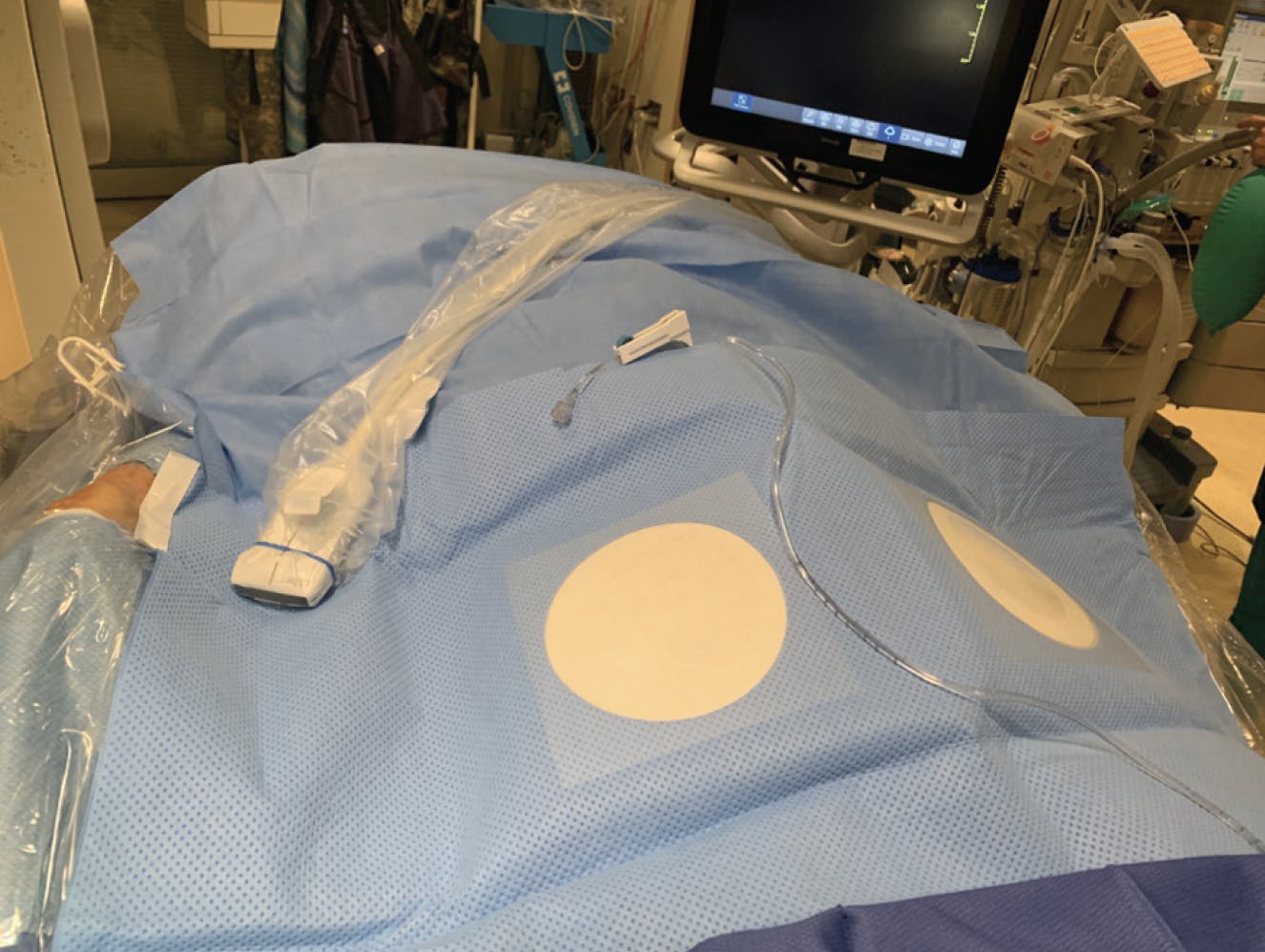
Figure 1. All procedures are performed with ultrasound-guided arterial puncture.
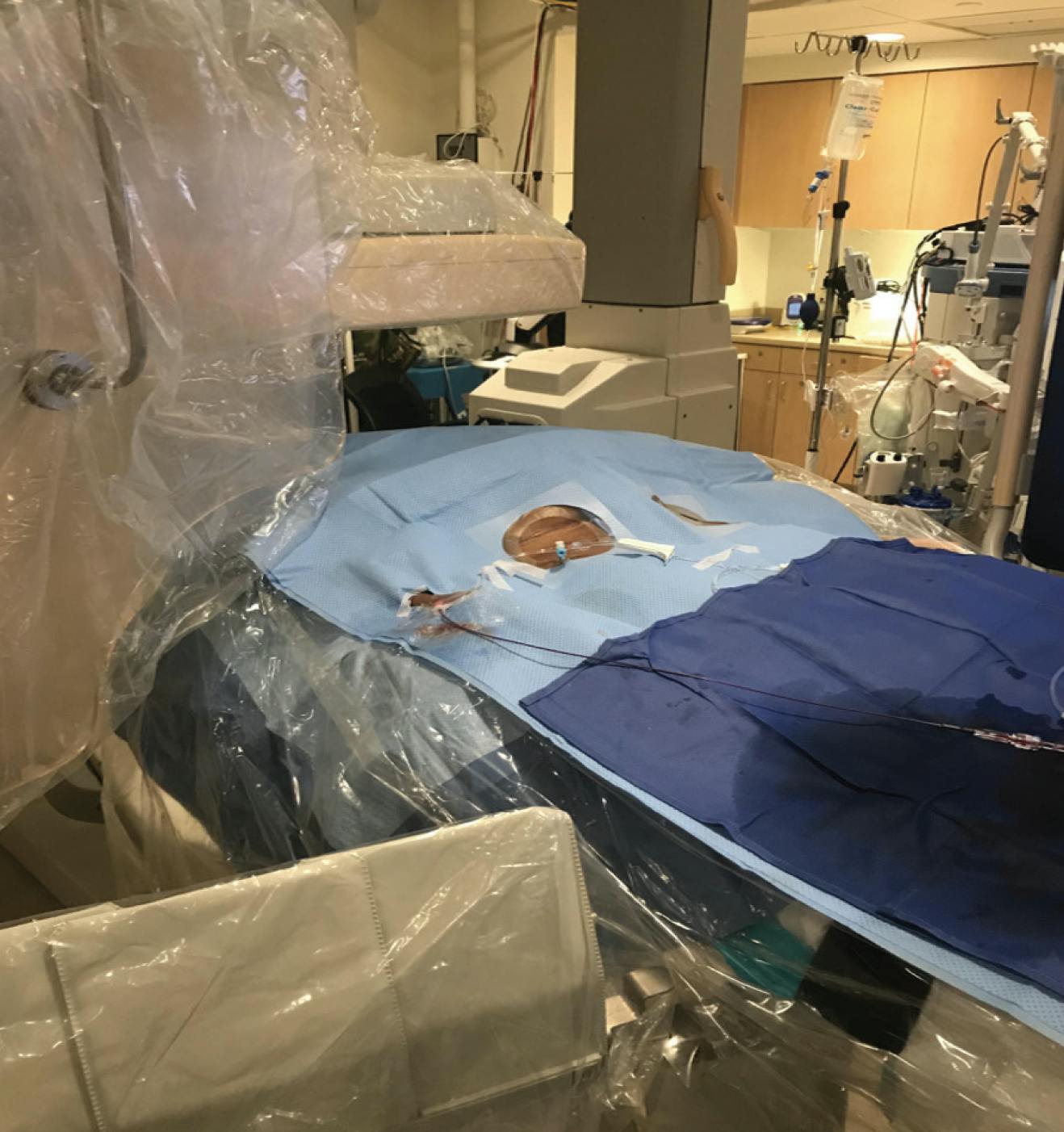
Figure 2. Setup for a radial access approach, with the wrist positioned at the same level as the groin. A custom-built platform elevates the wrist, ensuring it remains aligned with the groin area to be able to comfortably manipulate microcatheters and wires.
Patient and Operator Benefits
Patients benefit from radial access in several ways, including shorter preprocedural preparation times, reduced procedure room times, less postprocedural discomfort, and earlier mobilization and discharge.13,23 Patients report less stress and embarrassment due to the nonexposure of the groin and generally prefer radial access over femoral access.13
The advantages of radial access extend beyond patient comfort to cost savings as well.24 Radial access for outpatient cerebral angiography is associated with shorter preparation times, shorter room times due to rapid hemostasis with radial closure devices, and quicker recovery and discharge, ultimately reducing the length of hospital stay.13,24 Although the cost difference between uncomplicated radial and femoral diagnostic procedures is minimal, the financial benefits of radial access become more evident in interventional procedures and when access site complications arise.24
High-risk patient populations, such as the elderly, patients on blood thinners, pregnant patients, those with high body mass index, and patients with iliofemoral atherosclerotic disease, may also benefit from radial access due to reduced radiation exposure and fewer access site complications.25,26 Importantly, anticoagulants do not need to be withdrawn when using radial access in patients already receiving these medications.13
Innovation and Refinement
The left radial access and distal radial access techniques represent additional refinements that expand the armamentarium for overcoming unique anatomic limitations (Figure 3).27,28 The left vertebral artery is dominant in most patients, and subclavian tortuosity is more common on the right side, making the left radial approach more advantageous in these cases.29-31 Distal radial access has been associated with lower rates of radial artery occlusion (RAO) and hand ischemia, and because hand supination is not required, left-sided access becomes more comfortable with the hand draped across the body in a neutral position.5,32-34 These refinements further enhance the safety, feasibility, and patient satisfaction associated with radial access in neurovascular procedures.
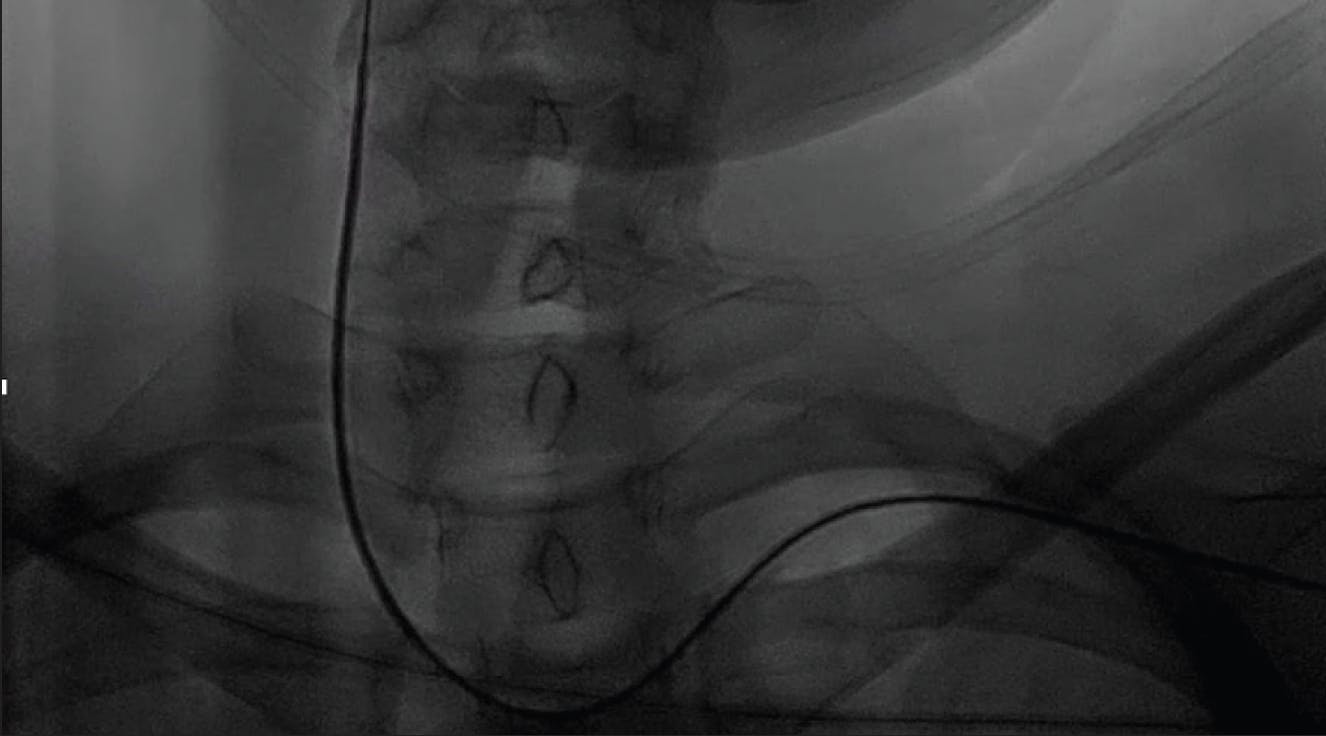
Figure 3. Left radial approach with catheterization of the right internal carotid artery.
In addition, radial access has shown its efficacy not only for elective procedures but also for acute and complex treatments such as aneurysm treatments in both anterior and posterior circulations, arteriovenous malformations, arteriovenous fistulas, stroke treatment, and carotid stenting.13
DISADVANTAGES AND PERSISTENT CHALLENGES
Radial Artery Spasm
Radial access in neurovascular procedures offers numerous advantages, but it is crucial to anticipate and manage potential complications effectively. Radial artery spasm (RAS) is the most common complication, occurring in 15% to 30% of cases. However, this can be reduced to 6% to 10% with intra-arterial administration of vasodilators such as nitroglycerin and calcium channel blockers.35,36 RAS is often triggered by factors such as anxiety, small radial artery diameter, guidewire manipulation, and increase in size of the sheath/catheter.13 To mitigate RAS, adequate sedation, warmth to the forearm, and regular administration of a radial cocktail are essential.13 In the event of a spasm, the operator should avoid forceful catheter maneuvers and consider additional doses of vasodilators, including subcutaneous nitroglycerin, which has been shown to reduce spasm without significant systemic effects.13 Inflating a blood pressure cuff at the arm to compress the brachial artery and cause reflex vasodilation in response to the ischemia resolves the spasm in the majority of cases. In severe cases, monitored anesthesia care may be employed to fully relax the patient and relieve the spasm.13
Operators must be familiar with anatomic variants of the radial artery, such as radial loops and high radial origin from the brachial or axillary arteries. These variants can usually be navigated safely if recognized early (Figure 4 and Figure 5).13 If wire perforation of the radial artery is suspected, immediate radial angiography should be performed. Advancing a catheter across the perforation or applying temporary balloon tamponade can control bleeding.13,20 In cases of expanding forearm hematoma, applying and inflating a blood pressure cuff 20 mm Hg above the systolic pressure for 10 minutes, combined with anticoagulation reversal, may be effective.13,20 If these measures fail, there is risk of compartment syndrome, indicated by loss of strength, sensation, and pulse in the distal digits and necessitating urgent vascular surgery consultation for potential fasciotomy.37
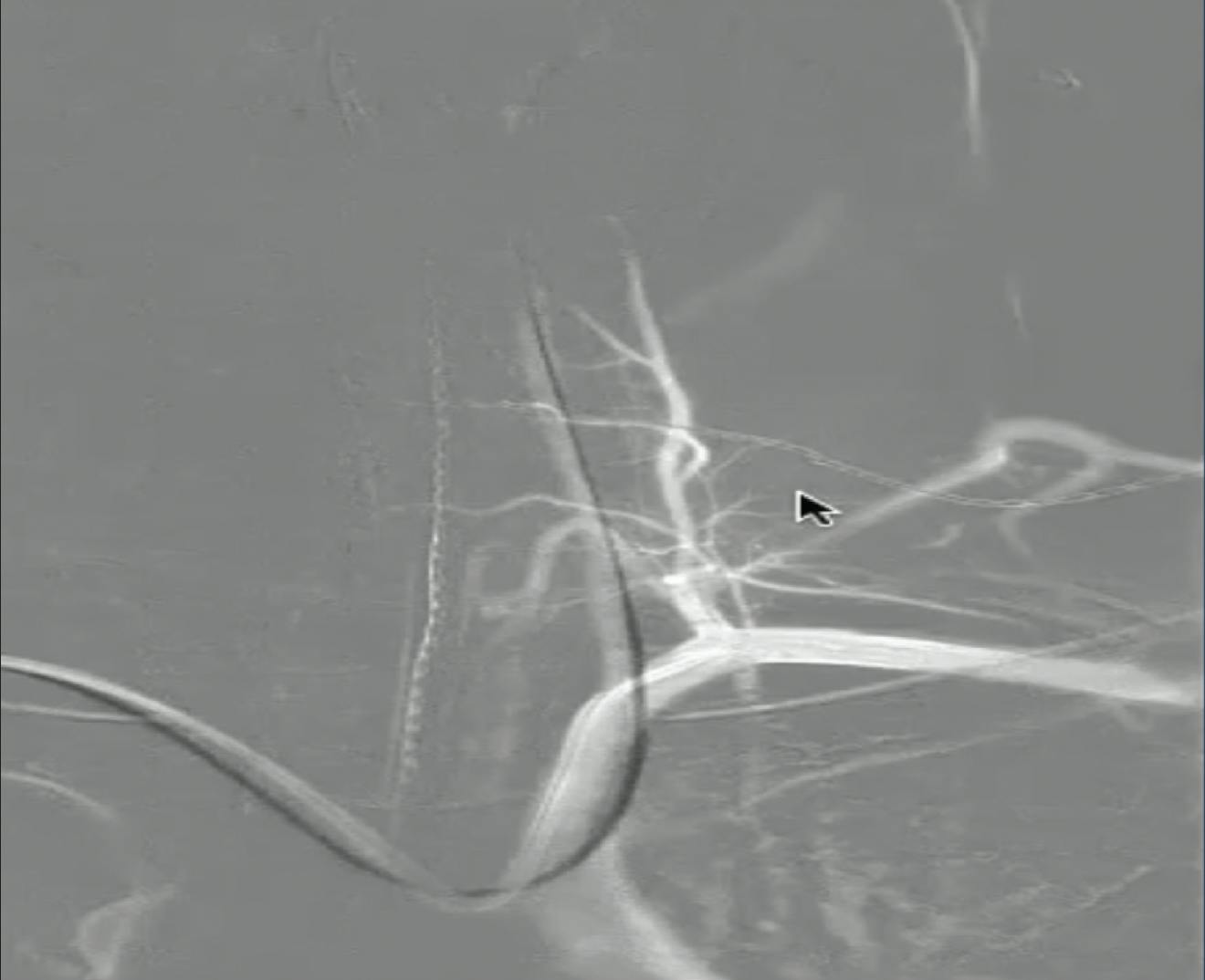
Figure 4. Catheterization of the left vertebral artery from the right radial approach.
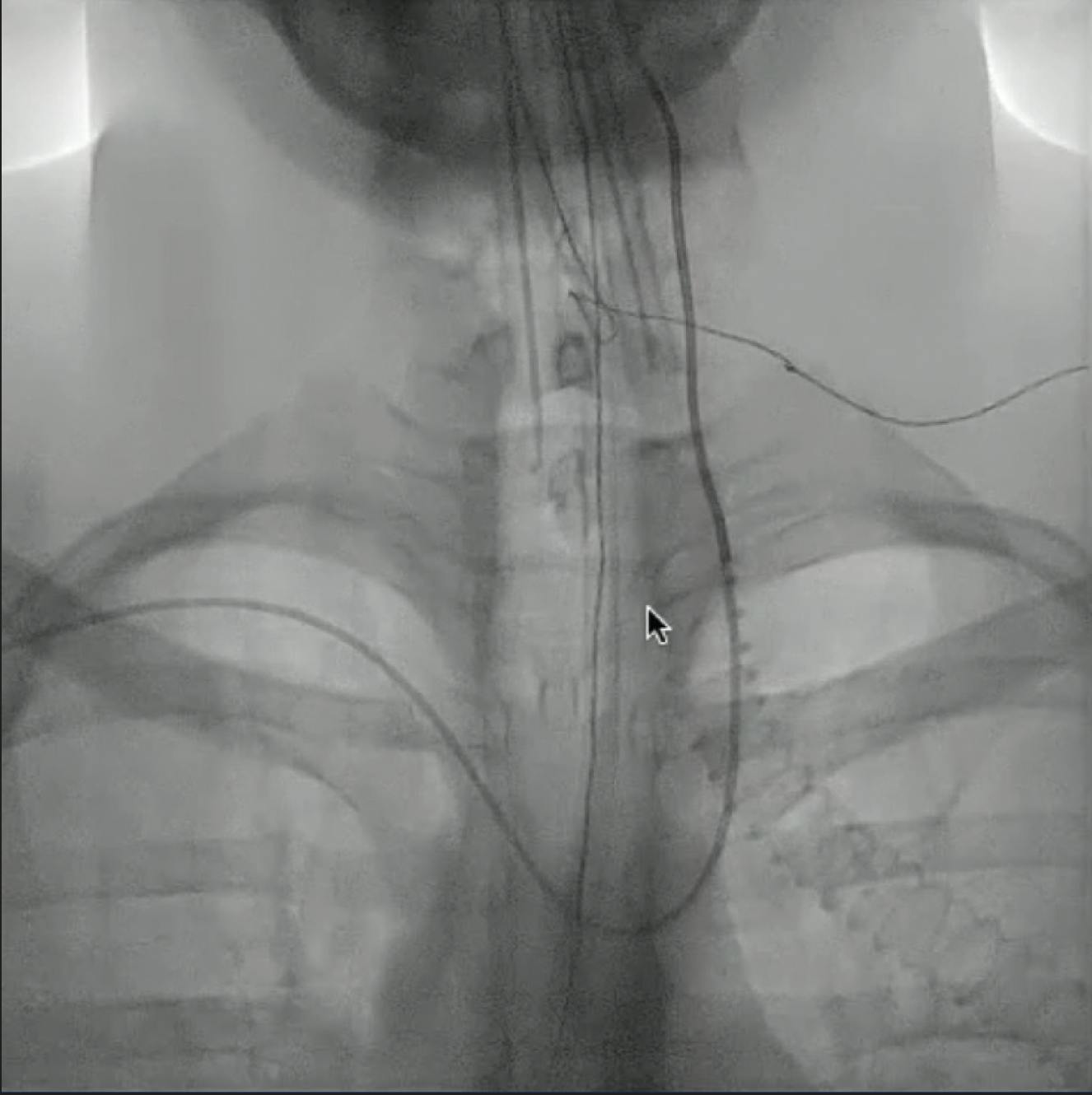
Figure 5. Catheterization of the left internal carotid artery from the right radial approach.
Radial Artery Occlusion
RAO is another significant complication, with incidence rates ranging from 0.8% to 33%.38,39 However, the majority of RAO cases are clinically silent due to collateral circulation via the palmar arch. A meta-analysis of 66 studies reported RAO rates of 11% with a 6-F sheath and just 2% with a 5-F sheath, thus emphasizing the importance of using the smallest-caliber sheath necessary for the procedure.40 Pancholy et al found that overall RAO rates at 30 days ranged from 1% to 3%.41 The main concern with RAO is the potential loss of the radial artery as an access route for future procedures. To minimize the risk of RAO, meticulous attention to detail is essential; this includes minimizing access attempts, using radial-specific sheaths and guides, administering systemic heparinization, and appropriately sizing devices.40,42 It is important in those cases to caution against using the ulnar route due to increased risk of hand ischemia. The PROPHET-II trial demonstrated that combining ulnar counter compression with patent radial hemostasis can further reduce RAO rates.41 If RAO is detected early (ie, before discharge for outpatient procedures), a 1-month course of oral anticoagulation has been shown to improve recanalization rates.13
Rare and Minor Complications
Although less common, radial artery pseudoaneurysm can also occur. It is managed conservatively if small or with prolonged radial compression, ultrasound-guided compression, thrombin injection, or surgical repair in more severe cases.13 Other minor complications include extended access site pain, hematoma, and bruising.43
Gaining Proficiency
The learning curve for radial access involves approximately 30 to 50 cerebral angiograms to gain proficiency, during which there is a reduction in crossover rates and fluoroscopy times and improved success in catheterizing all intended supra-aortic arteries.2,44 In a systematic review of 1,342 neurointerventional procedures performed via radial access, the crossover rate to transfemoral access was 4.77%, with 10.93% of crossovers due to failure to obtain radial artery access and 89.06% due to inability to catheterize the target vessel.45 Recently, these numbers have been decreasing significantly with the introduction of radial-specific catheters such as Armadillo (Q’Apel Medical) and Rist (Medtronic).
FUTURE HORIZONS
As the field of neurointervention continues to evolve, the role of radial access is becoming increasingly prominent, with ongoing publications highlighting the experiences and outcomes of “radialist” neurointerventionalists. The growing body of literature includes articles and book chapters ranging from basic techniques to advanced and procedure-specific protocols for radial access.13 This wealth of information is complemented by a variety of online and live training courses, initially developed for cardiology and other interventional procedures and now making its way into neurointerventional meetings.13 Additionally, industry has supported this educational effort by providing radial access simulators for centers that are committed to dedicated training in this approach.13 Many medical centers across the United States have introduced radial access training into their fellowship programs to ensure that the next generation of neurosurgeons is well-versed in both radial and femoral techniques. Also, more radial-specific sheaths are being developed to help navigate the difficult anatomy, especially for tortuous left carotid arteries.
CONCLUSION
With adequate training, the radial access approach can be effectively utilized across the entire spectrum of neurointerventional procedures. The advantages of radial access observed in cardiology and body interventional literature—such as reduced bleeding, vascular complications, mortality, lower costs, and improved patient satisfaction—are now being recognized in the neurovascular field. As these benefits become increasingly apparent, radial access is poised to become an essential approach in neurointerventional procedures, keeping in mind that it is always important to evaluate the vascular anatomy before the procedure to be able to choose the best approach for the best patient.
1. Matsumoto Y, Hokama M, Nagashima H, et al. Transradial approach for selective cerebral angiography: technical note. Neurol Res. 2000;22:605-608. doi: 10.1080/01616412.2000.11740727
2. Snelling BM, Sur S, Shah SS, et al. Transradial cerebral angiography: techniques and outcomes. J Neurointerv Surg. 2018;10:874-881. doi: 10.1136/neurintsurg-2017-013584
3. Jo KW, Park SM, Kim SD, et al. Is transradial cerebral angiography feasible and safe? A single center’s experience. J Korean Neurosurg Soc. 2010;47:332-337. doi: 10.3340/jkns.2010.47.5.332
4. Park JH, Kim DY, Kim JW, et al. Efficacy of transradial cerebral angiography in the elderly. J Korean Neurosurg Soc. 2013;53:213-217. doi: 10.3340/jkns.2013.53.4.213
5. Brunet MC, Chen SH, Sur S, et al. Distal transradial access in the anatomical snuffbox for diagnostic cerebral angiography. J Neurointerv Surg. 2019;11:710-713. doi: 10.1136/neurintsurg-2019-014718
6. Sur S, Snelling B, Khandelwal P, et al. Transradial approach for mechanical thrombectomy in anterior circulation large-vessel occlusion. Neurosurg Focus. 2017;42:E13. doi: 10.3171/2017.1.FOCUS16525
7. Schönholz C, Nanda A, Rodríguez J, et al. Transradial approach to coil embolization of an intracranial aneurysm. J Endovasc Ther. 2004;11:411-413. doi: 10.1583/03-1192.1
8. Ruzsa Z, Nemes B, Pintér L, et al. A randomised comparison of transradial and transfemoral approach for carotid artery stenting: RADCAR (radial access for carotid artery stenting) study. EuroIntervention. 2014;10:381-391. doi: 10.4244/EIJV10I3A64
9. Peitz GW, Kura B, Johnson JN, Grandhi R. Transradial approach for deployment of a flow diverter for an intracranial aneurysm in a patient with a type-3 aortic arch. J Vasc Interv Neurol. 2017;9:42-44.
10. Chen SH, Snelling BM, Shah SS, et al. Transradial approach for flow diversion treatment of cerebral aneurysms: a multicenter study. J Neurointerv Surg. 2019;11:796-800. doi: 10.1136/neurintsurg-2018-014620
11. Pinter L, Cagiannos C, Ruzsa Z, et al. Report on initial experience with transradial access for carotid artery stenting. J Vasc Surg. 2007;45:1136-1141. doi: 10.1016/j.jvs.2007.02.035
12. Daou B, Chalouhi N, Tjoumakaris S, et al. Alternative access for endovascular treatment of cerebrovascular diseases. Clin Neurol Neurosurg. 2016;145:89-95. doi: 10.1016/j.clineuro.2016.04.015
13. Satti SR, Vance AZ. Radial access for neurovascular procedures. Semin Interv Radiol. 2020;37:182-191. doi: 10.1055/s-0040-1709173
14. Levy EI, Boulos AS, Fessler RD, et al. Transradial cerebral angiography: an alternative route. Neurosurgery. 2002;51:335-340; discussion 340-342.
15. Bendok BR, Przybylo JH, Parkinson R, et al. Neuroendovascular interventions for intracranial posterior circulation disease via the transradial approach: technical case report. Neurosurgery. 2005;56:E626. doi: 10.1227/01.NEU.0000154820.28342.38
16. Haussen DC, Nogueira RG, DeSousa KG, et al. Transradial access in acute ischemic stroke intervention. J Neurointerv Surg. 2016;8:247-250. doi: 10.1136/neurintsurg-2014-011519
17. Lawson MF, Velat GJ, Fargen KM, et al. Direct radial artery access with the 070 neuron guide catheter for aneurysm coiling: a novel application of the neuron catheter for cerebral interventions. Neurosurgery. 2012;71(2 suppl):onsE329-334; discussion onsE334. doi: 10.1227/NEU.0b013e318265a454
18. Matsumoto Y, Hongo K, Toriyama T, et al. Transradial approach for diagnostic selective cerebral angiography: results of a consecutive series of 166 cases. AJNR Am J Neuroradiol. 2001;22:704-708.
19. Nohara AM, Kallmes DF. Transradial cerebral angiography: technique and outcomes. AJNR Am J Neuroradiol. 2003;24:1247-1250.
20. Satti SR, Vance AZ, Sivapatham T. Radial access for cerebrovascular procedures: case report and technical note. Interv Neuroradiol. 2016;22:227-235. doi: 10.1177/1591019915617314
21. Wu CJ, Hung WC, Chen SM, et al. Feasibility and safety of transradial artery approach for selective cerebral angiography. Catheter Cardiovasc Interv. 2005;66:21-26. doi: 10.1002/ccd.20396
22. Virani SS, Newby LK, Arnold SV, et al. 2023 AHA/ACC/ACCP/ASPC/NLA/PCNA guideline for the management of patients with chronic coronary disease: a report of the American Heart Association/American College of Cardiology joint committee on clinical practice guidelines. Circulation. 2023;148:e9-e119. doi: 10.1161/CIR.0000000000001168
23. Satti SR, Vance AZ, Golwala SN, Eden T. Patient preference for transradial access over transfemoral access for cerebrovascular procedures. J Vasc Interv Neurol. 2017;9:1-5.
24. Atallah E, El Naamani K, Momin AA, et al. Transradial versus transfemoral access routes for diagnostic cerebral angiography: a large single-center comparative cost-analysis study. J Neurosurg. 2024;140:1328-1334. doi: 10.3171/2023.9.JNS23941
25. Sweid A, Das S, Weinberg JH, et al. Transradial approach for diagnostic cerebral angiograms in the elderly: a comparative observational study. J Neurointerv Surg. 2020;12:1235-1241. doi: 10.1136/neurintsurg-2020-016140
26. Shah SS, Snelling BM, Brunet MC, et al. transradial mechanical thrombectomy for proximal middle cerebral artery occlusion in a first trimester pregnancy: case report and literature review. World Neurosurg. 2018;120:415-419. doi: 10.1016/j.wneu.2018.09.095
27. Barros G, Bass DI, Osbun JW, et al. Left transradial access for cerebral angiography. J Neurointerv Surg. 2020;12:427-430. doi: 10.1136/neurintsurg-2019-015386
28. Valsecchi O, Vassileva A, Cereda AF, et al. Early clinical experience with right and left distal transradial access in the anatomical snuffbox in 52 consecutive patients. J Invasive Cardiol. 2018;30:218-223.
29. Hong JM, Chung CS, Bang OY, et al. Vertebral artery dominance contributes to basilar artery curvature and peri-vertebrobasilar junctional infarcts. J Neurol Neurosurg Psychiatry. 2009;80:1087-1092. doi: 10.1136/jnnp.2008.169805
30. Norgaz T, Gorgulu S, Dagdelen S. A randomized study comparing the effectiveness of right and left radial approach for coronary angiography. Catheter Cardiovasc Interv. 2012;80:260-264. doi: 10.1002/ccd.23463
31. Shah RM, Patel D, Abbate A, et al. Comparison of transradial coronary procedures via right radial versus left radial artery approach: a meta-analysis. Catheter Cardiovasc Interv. 2016;88:1027-1033. doi: 10.1002/ccd.26519
32. Ziakas A, Koutouzis M, Didagelos M, et al. Right arm distal transradial (snuffbox) access for coronary catheterization: initial experience. Hellenic J Cardiol. 2020;61:106-109. doi: 10.1016/j.hjc.2018.10.008
33. Koutouzis M, Kontopodis E, Tassopoulos A, et al. Distal versus traditional radial approach for coronary angiography. Cardiovasc Revasc Med. 2019;20:678-680. doi: 10.1016/j.carrev.2018.09.018
34. McCarthy DJ, Chen SH, Brunet MC, et al. Distal radial artery access in the anatomical snuffbox for neurointerventions: case report. World Neurosurg. 2019;122:355-359. doi: 10.1016/j.wneu.2018.11.030
35. Koutouzis MJ, Maniotis CD, Avdikos G, et al. Ulnar artery transient compression facilitating radial artery patent hemostasis (ULTRA): a novel technique to reduce radial artery occlusion after transradial coronary catheterization. J Invasive Cardiol. 2016;28:451-454.
36. Caputo RP, Tremmel JA, Rao S, et al. Transradial arterial access for coronary and peripheral procedures: executive summary by the transradial committee of the SCAI. Catheter Cardiovasc Interv. 2011;78:823-839. doi: 10.1002/ccd.23052
37. Gergoudis M, Raizman N. Acute compartment syndrome as a complication of radial artery catheterization. J Hand Surg Glob Online. 2022;4:230-232. doi: 10.1016/j.jhsg.2022.03.002
38. Jolly SS, Yusuf S, Cairns J, et al. Radial versus femoral access for coronary angiography and intervention in patients with acute coronary syndromes (RIVAL): a randomised, parallel group, multicentre trial. Lancet. 2011;377:1409-1420. doi: 10.1016/S0140-6736(11)60404-2
39. Stella PR, Kiemeneij F, Laarman GJ, et al. Incidence and outcome of radial artery occlusion following transradial artery coronary angioplasty. Cathet Cardiovasc Diagn. 1997;40:156-158. doi: 10.1002/(sici)1097-0304(199702)40:2<156::aid-ccd7>3.0.co;2-a
40. Rashid M, Kwok CS, Pancholy S, et al. Radial artery occlusion after transradial interventions: a systematic review and meta-analysis. J Am Heart Assoc. 2016;5:e002686. doi: 10.1161/JAHA.115.002686
41. Pancholy SB, Bernat I, Bertrand OF, Patel TM. Prevention of radial artery occlusion after transradial catheterization: the PROPHET-II randomized trial. JACC Cardiovasc Interv. 2016;9:1992-1999. doi: 10.1016/j.jcin.2016.07.020
42. Spaulding C, Lefèvre T, Funck F, et al. Left radial approach for coronary angiography: results of a prospective study. Cathet Cardiovasc Diagn. 1996;39:365-370. doi: 10.1002/(SICI)1097-0304(199612)39:4<365::AID-CCD8>3.0.CO;2-B
43. Jaroenngarmsamer T, Bhatia KD, Kortman H, et al. Procedural success with radial access for carotid artery stenting: systematic review and meta-analysis. J Neurointerv Surg. 2020;12:87-93. doi: 10.1136/neurintsurg-2019-014994
44. Zussman BM, Tonetti DA, Stone J, et al. Maturing institutional experience with the transradial approach for diagnostic cerebral arteriography: overcoming the learning curve. J Neurointerv Surg. 2019;11:1235-1238. doi: 10.1136/neurintsurg-2019-014920
45. Joshi KC, Beer-Furlan A, Crowley RW, et al. Transradial approach for neurointerventions: a systematic review of the literature. J Neurointerv Surg. 2020;12:886-892. doi: 10.1136/neurintsurg-2019-015764
Advertisement
Advertisement