Advertisement
Advertisement
November 2024
Sponsored by Penumbra, Inc.
Shaping the Future of Thrombus Removal With Lightning Bolt™ 7 and Lightning Flash™ 2.0: The Next Generation of Computer Assisted Vacuum Thrombectomy (CAVT™)
Designed for SPEED, SAFETY, and SIMPLICITY
With Paul Moxey, FRCS, MD, Med; James Budge, MD; Andy Wigham, MD; and Giovanni Federico Torsello, MD
The Lightning Bolt 7 and Lightning Flash 2.0 (both Penumbra, Inc.) are the latest Computer Assisted Vacuum Thrombectomy (CAVT) systems currently available in Europe. Penumbra continues to build upon the next generation of CAVT, moving the field of peripheral thrombectomy and revolutionizing the management of arterial and venous thrombus removal.
Penumbra’s Lightning™ Intelligent Aspiration technology, with the latest dual clot detection algorithms and using both pressure- and flow-based processes to detect blood clot and blood flow, makes Lightning a versatile tool for addressing thrombus across multiple disease states. It is designed to help remove blood clots with speed, safety, and simplicity. Additionally, with streamlined audio-visual feedback, this new generation of systems enables physicians to have a better understanding of what is occurring at the tip of the catheter during a procedure.
LIGHTNING BOLT 7: DESIGNED FOR ACCELERATED THROMBUS REMOVAL
The Lightning Bolt 7 system is paired with a 7-F, stainless steel, hypotube catheter and introduced a new method for removing clots—modulated aspiration. When engaged with the thrombus, the system will modulate between nearly pure vacuum (provided by the Penumbra ENGINE™) and ambient air pressure. This rapid modulation works to break the friction between the clot being removed and the catheter tip designed to remove thrombus more efficiently. This modulation occurs up to 12 times per second to fatigue and rapidly remove large and more organized clots with potential reduction of blood loss.
LIGHTNING FLASH 2.0: A VERSATILE SOLUTION FOR ILIAC LIMB OCCLUSIONS
Lightning Flash 2.0 features advanced dual clot detection algorithms, designed for increased sensitivity to thrombus and blood flow and for maximizing case efficiency. When clot is detected, Flash Mode is activated, which is designed for efficient and expedited thrombus removal.
The Lightning Flash Catheter is 16-F sheath compatible. The Lightning Flash Catheter was engineered to optimize its lower-profile size to support trackability and an atraumatic design, but is also powerful, providing the capability to navigate through tortuous anatomy and remove heavy thrombus burden.
The combination of dual clot detection algorithms and MaxID technology enables Lightning Flash to be minimally invasive and maximally effective for arterial clot removal with potential reduction of blood loss.
As we continue to build evidence, it is crucial to understand how these tools have progressed over time and where the field of thrombectomy is going in the future.
CASE 1: Acute Limb Ischemia with Lightning Bolt 7


PATIENT PRESENTATION
A woman in her late 70s presented as an emergency with a 5-day history of acute left leg ischemia following a 2-month history of intermittent claudication previously diagnosed as sciatica at another institution. On examination, the patient was classified as Rutherford class 2b, presenting with sensory changes but preserved power.
A CTA showed a full-length occlusion of the superficial femoral artery (SFA), with distal reconstitution at the level of the distal popliteal artery, along with preserved three-vessel runoff.
INITIAL MANAGEMENT
The initial management approach was an open surgical embolectomy. A below-the-knee popliteal artery exposure was performed, followed by Fogarty catheter embolectomy and popliteal patch plasty.
However, 3 days later, the patient experienced worsening leg pain. A duplex ultrasound revealed a short occlusion in the distal SFA and proximal popliteal artery (Figure 1). After multidisciplinary discussion, endovascular treatment was recommended, utilizing the Lightning Bolt 7 system.
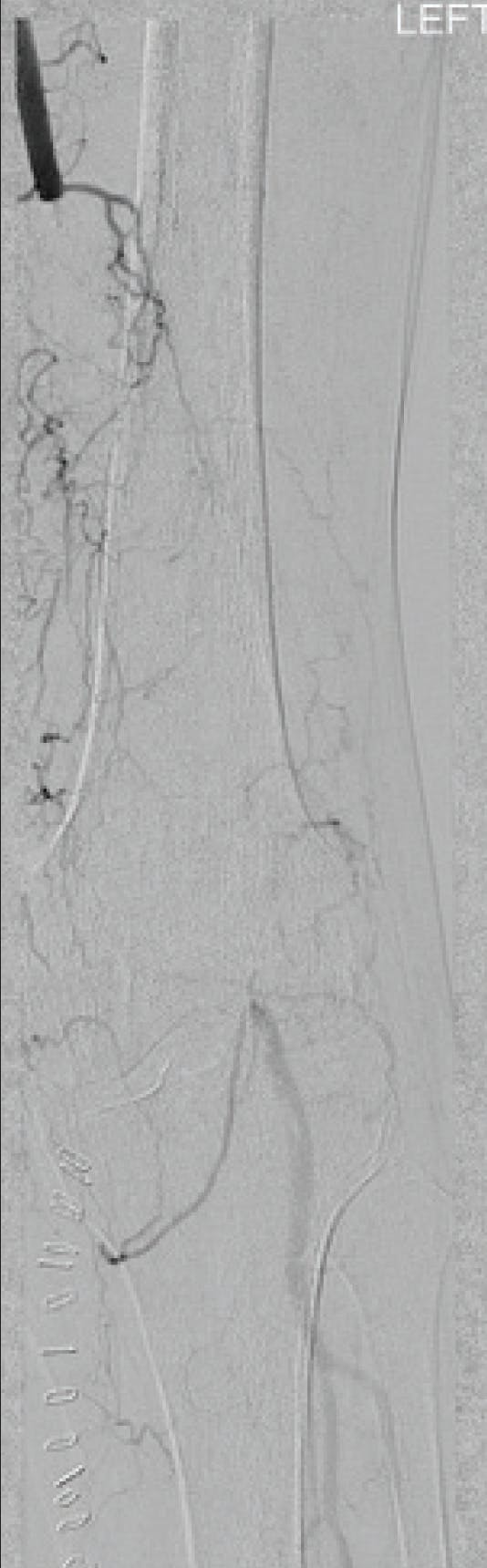
Figure 1. Baseline angiogram.
COURSE OF TREATMENT AND RESULTS
Ultrasound-guided antegrade access of the left common femoral artery (CFA) was achieved with a 6-F sheath, and angiography confirmed the duplex ultrasound findings of an occlusion extending from the distal SFA at the adductor hiatus to the distal P2 segment. The sheath was then upsized to 8 F, and the Lightning Bolt 7 catheter was advanced to the occlusion site. Three passes were made with the catheter, with subsequent angiography demonstrating successful recanalization and residual stenosis in areas previously treated with POBA (Figure 2).
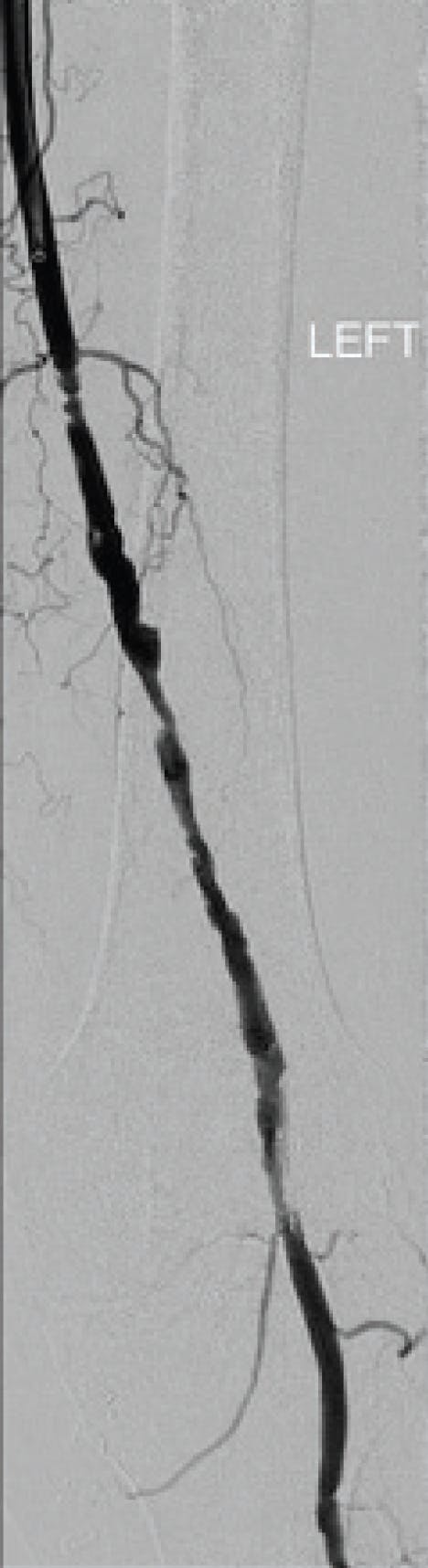
Figure 2. Angiogram post-CAVT.
To address the residual stenosis and thrombus, a decision was made to stent the affected areas. A distal Viabahn covered stent (Gore & Associates) was deployed, followed by a proximal Eluvia drug-eluting stent (Boston Scientific Corporation).
Completion angiography revealed a satisfactory result with preserved three-vessel runoff (Figure 3). Postoperatively, a duplex ultrasound confirmed that both stents remained patent, with no signs of restenosis. The patient was discharged 3 days after the second procedure.
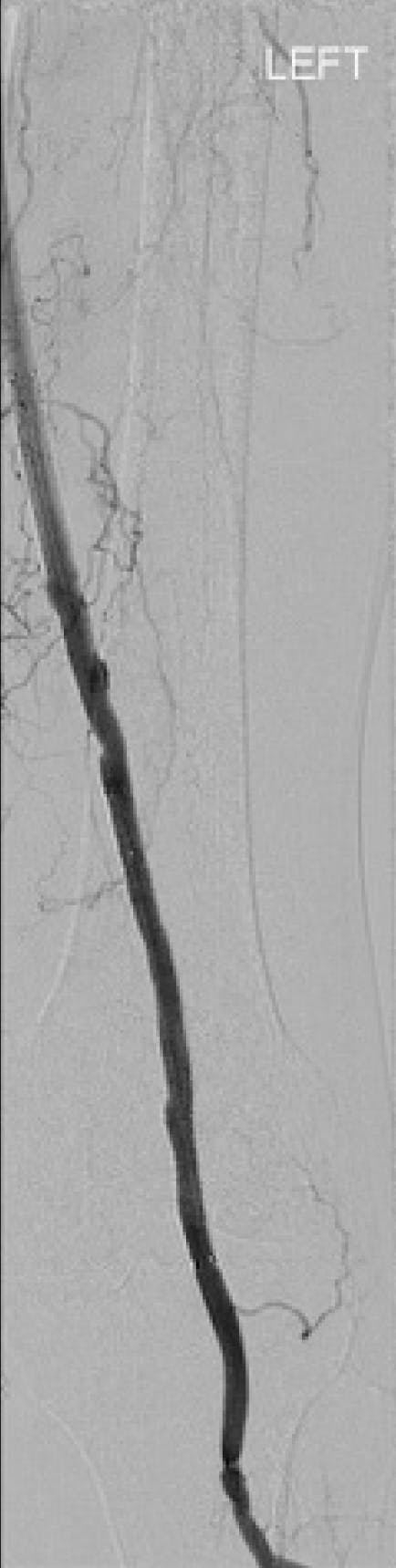
Figure 3. Angiogram poststenting.
DISCUSSION
The Lightning Bolt 7 system proved instrumental in this case. The catheter’s excellent trackability and high torque facilitated effective thrombus removal, allowing circumferential clearance. Notably, the new Bolt mode efficiently managed longer thrombus segments while minimizing blood loss, improving on our experience with previous iterations of the Indigo™ System (Penumbra, Inc.), all while not needing to remove the catheter to clear it.
Although the Lightning Bolt 7 catheter is 7 F, we generally utilize an 8-F sheath to allow angiograms to be performed without removing the catheter, thus reducing procedural time.
The use of CAVT allowed for the effective identification and treatment of this thrombosis in a single session, avoiding the risks of lytic therapy and minimizing the need for further interventions or increased procedural risks.
CASE 2: Post-EVAR iliac limb occlusion with Lightning Flash 2.0

PATIENT PRESENTATION
A man in his mid 70s who had undergone elective endovascular aneurysm repair (EVAR) 6 months ago presented with a 3-week history of left leg numbness, weakness, and pain, with difficulty mobilizing. On examination, his left foot was pale and cool, with reduced sensation in the lower leg. His past medical history included hypertension and chronic obstructive pulmonary disease. A CTA demonstrated occlusion of the left iliac limb, with thrombus extending into the external iliac artery (EIA; Figure 1). The internal iliac artery was occluded. The left CFA and profunda were patent, and the SFA was chronically occluded.
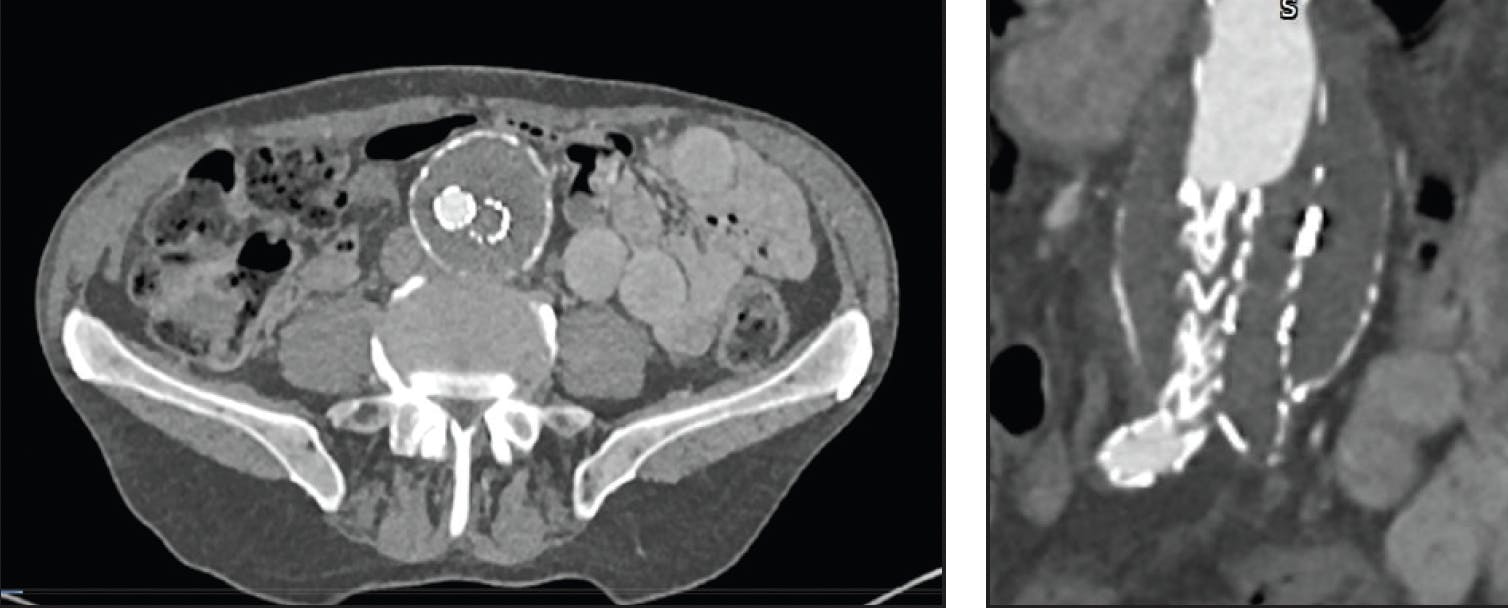
Figure 1. CTA demonstrating an occluded left EVAR limb.
TREATMENT OPTIONS
Conservative management with anticoagulation was not deemed a feasible option given the ongoing ischemic symptoms. Due to the duration of symptoms and likelihood of organized thrombus, it was thought lysis would be unsuccessful and would carry an embolic risk given the single-vessel profunda runoff. The surgical option would be a cross-over graft, but given the patient’s comorbidities and the procedural risks, an endovascular solution was preferred.
COURSE OF TREATMENT AND RESULTS
The left CFA was accessed, and two Prostyle devices (Abbott) were predeployed. An 18-F, 33-cm DrySeal sheath (Gore & Associates) was inserted. Angiography showed occlusion of the EIA and iliac limb with profunda runoff (Figure 2). The occlusion was crossed, and a stiff guidewire placed in the suprarenal aorta. Initial over-the-wire aspiration thrombectomy with the Flash XTORQ catheter (Penumbra, Inc.) resulted in rapid clearance of the acute thrombus (Figure 3 and Figure 4). There was large-volume residual organized thrombus, which was removed using a combination of standard aspiration and the XTRACT technique1; larger foci of organized clot were engaged by the catheter and removed through the sheath with aspiration remaining on and deflation of the sheath’s hemostatic valve (Figure 5).
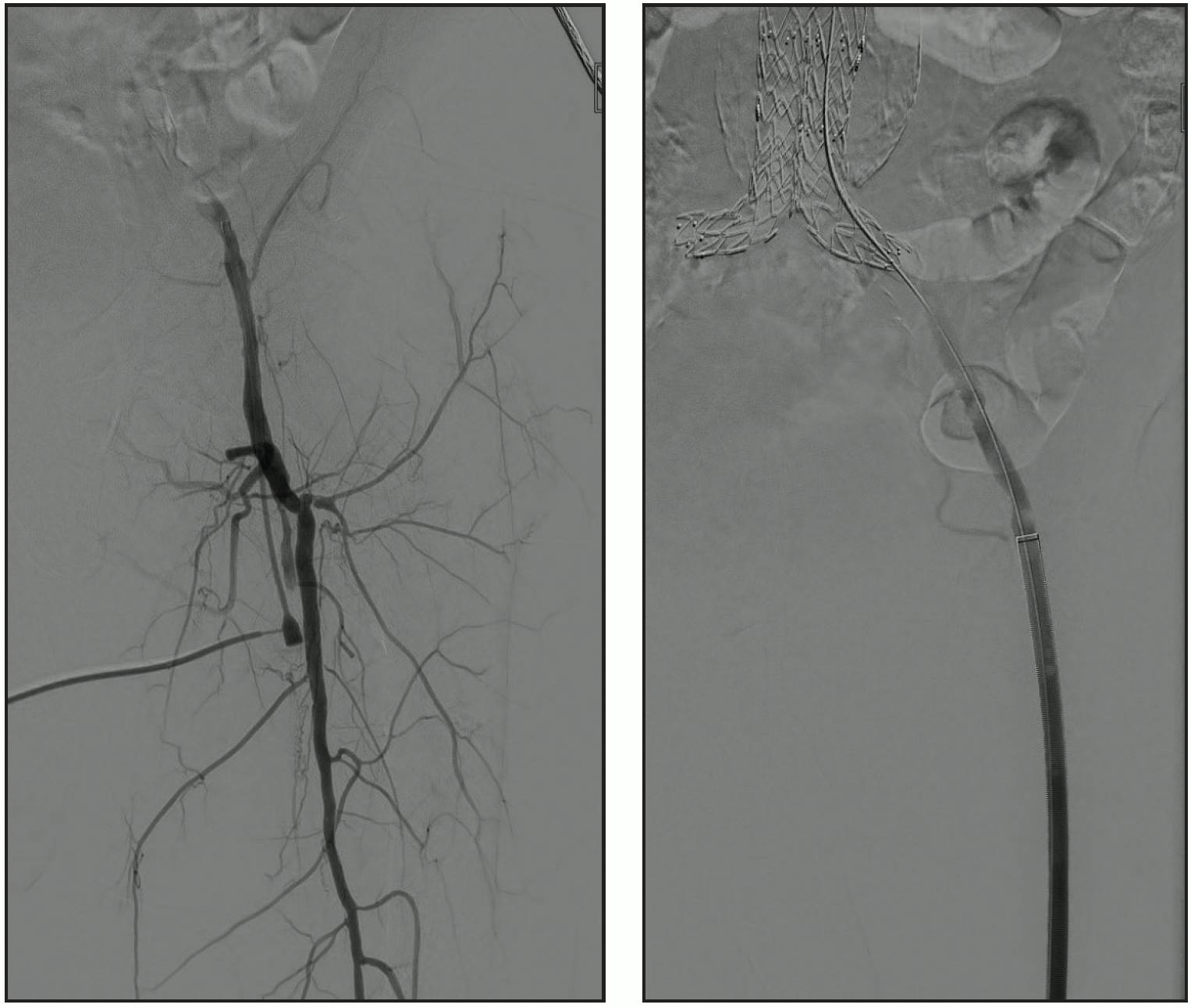
Figure 2. Initial angiogram showing the left CFA and profunda patent and the upper EIA and EVAR limb occluded.
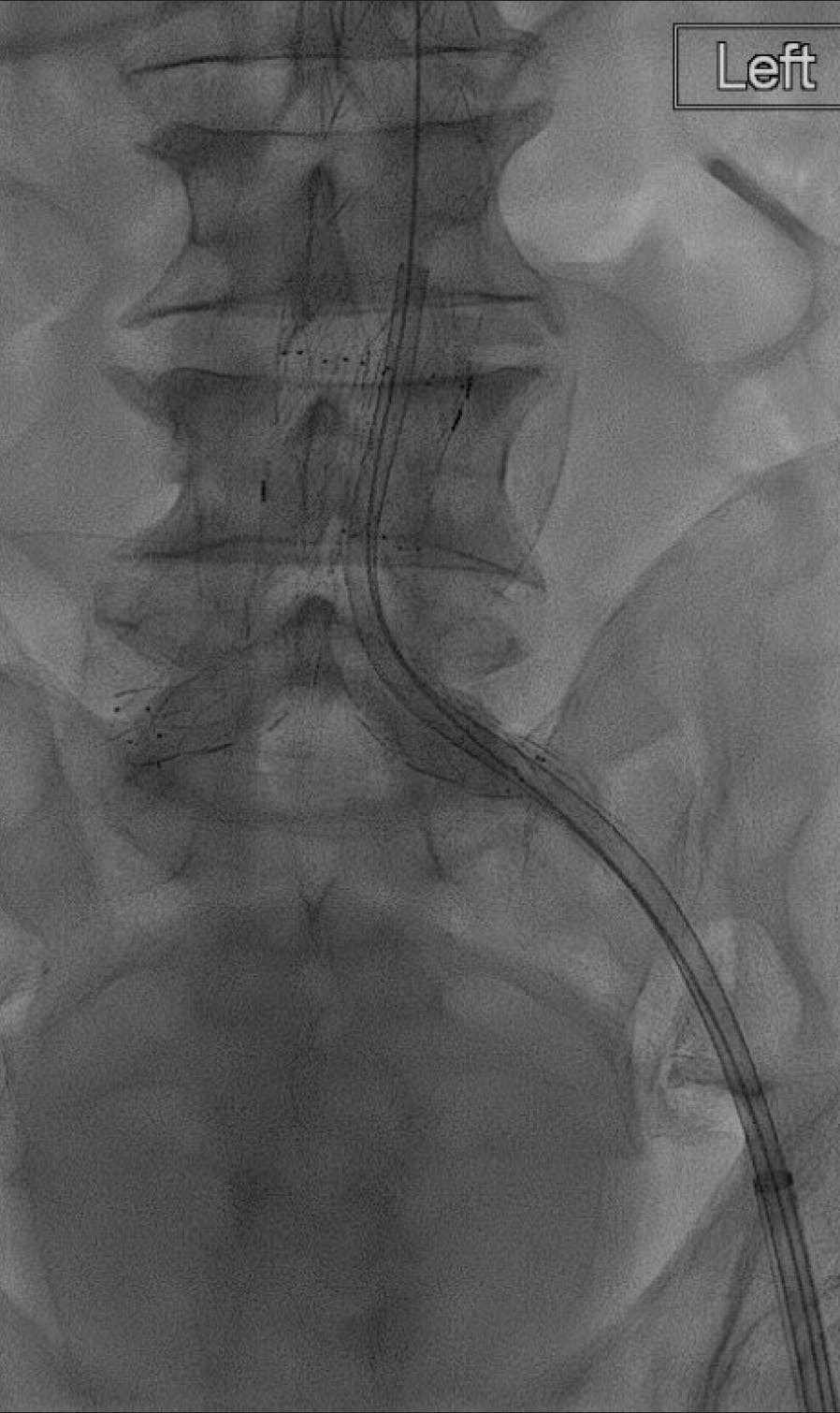
Figure 3. Flash catheter passed over the wire to the superior aspect of the EVAR limb.
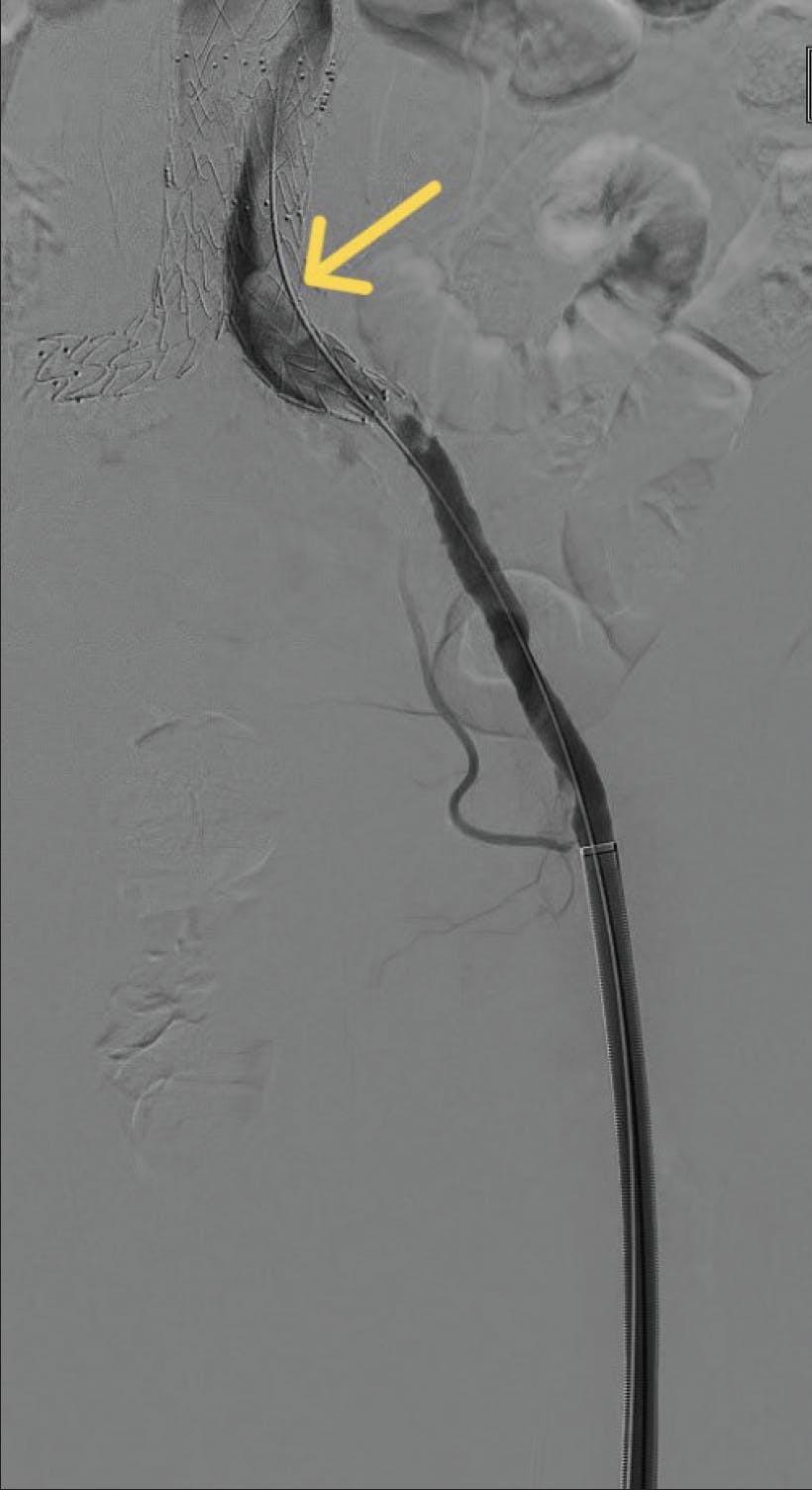
Figure 4. Angiogram after initial rapid clearance of acute thrombotic material with residual organized/chronic thrombus (arrow).
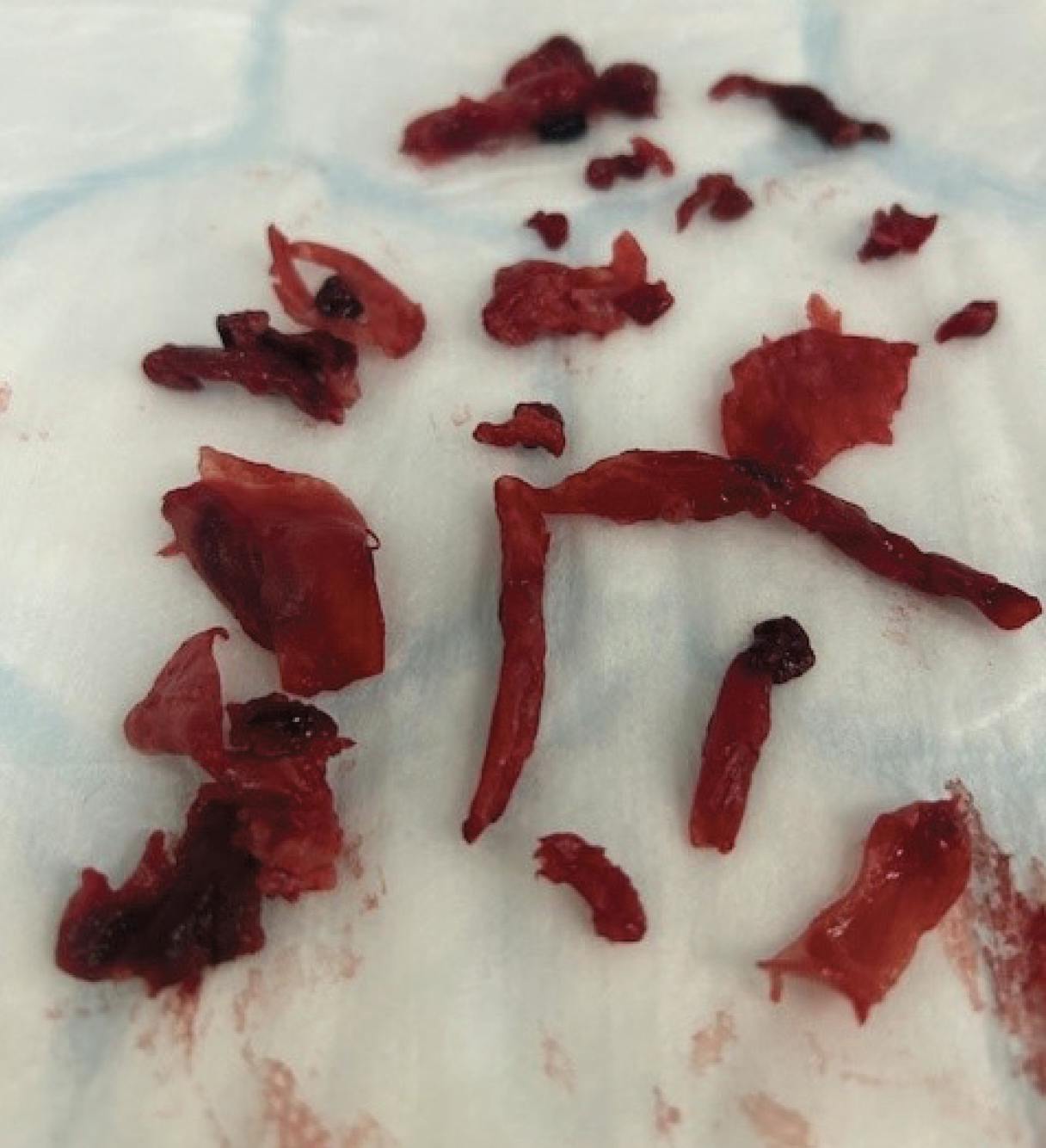
Figure 5. Extracted organized/chronic thrombus.
A residual stenosis at the lower end of the graft was stented with an 8- X 59-mm Viabahn VBX (Gore & Associates) and postdilated to 12 mm proximally and 9 mm distally. Further disease in the EIA was treated with a 10- X 100-mm Viabahn stent.
Completion angiography showed rapid flow and no distal embolization (Figure 6). Percutaneous closure was uneventful. The patient was placed on split-dose low-molecular-weight heparin postprocedure. Day 1 postprocedure, the patient’s symptoms had resolved, and he was discharged on day 2 postprocedure on therapeutic apixaban and 75 mg of clopidogrel daily.
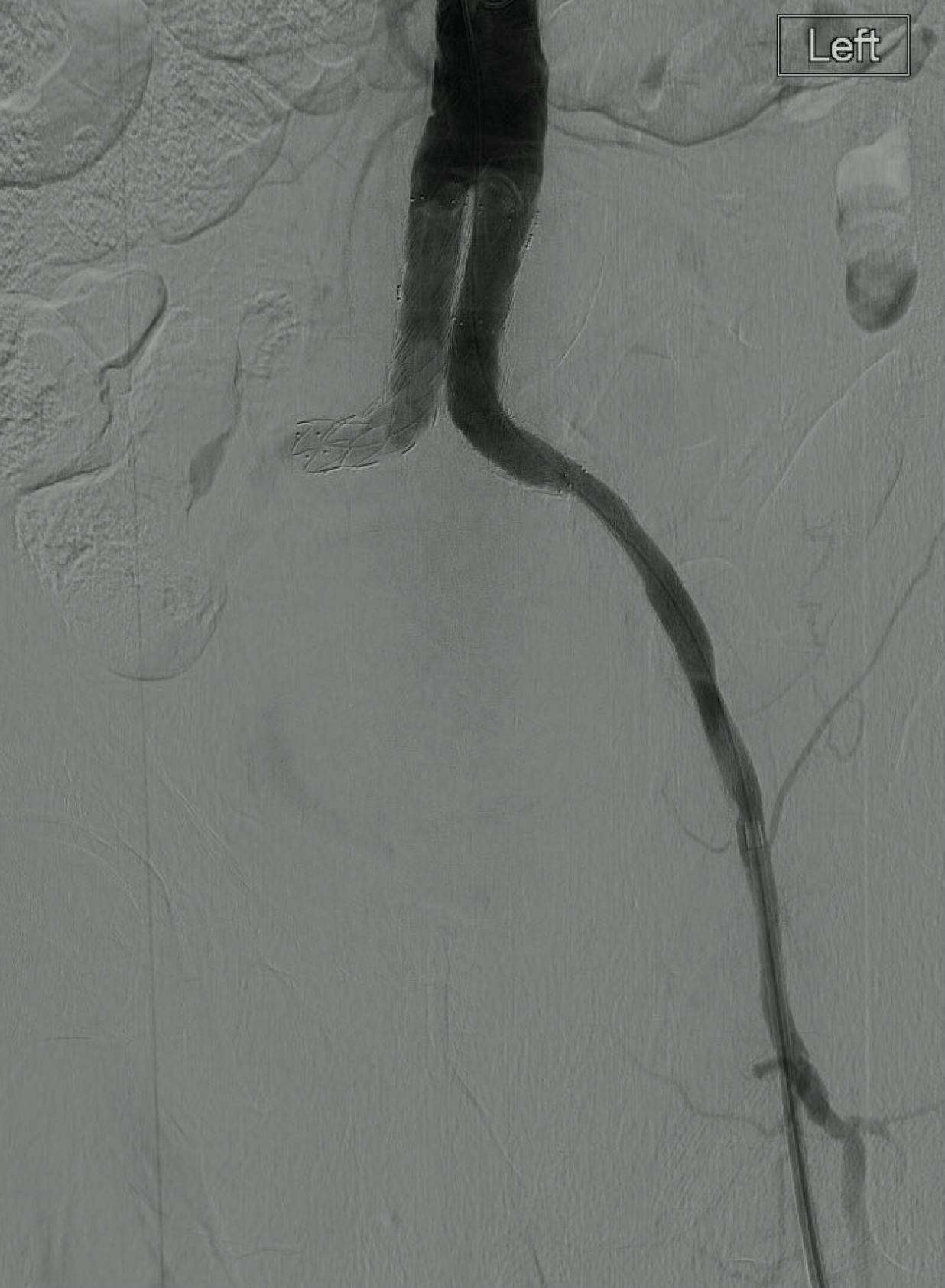
Figure 6. Completion angiogram with restoration of rapid inline flow.
DISCUSSION
We are moving increasingly towards CAVT as firstline approach in arterial thrombus management. Historically, treating acute aorto-occlusive disease was challenging due to the large volume of thrombus with continuous or manual aspiration alone. With Lightning Flash 2.0, the 16-F catheter lumen, tip design, and aspiration power enabled rapid clearance of wall-adherent organized material that would have been challenging without these dual clot detection algorithms. Importantly, when using aspiration thrombectomy with a 16-F catheter in the aorta, the Lightning Flash algorithm mitigated clinically relevant blood loss. The minimal physiologic insult of endovascular thrombectomy and successful revascularization enabled a rapid hospital discharge. The Lightning Flash system will prove to have utility in selected arterial cases, particularly those with extensive thrombus burden and organized clot material.
1. Saxon RR, Benenati JF, Teigen C, et al. Utility of a power aspiration-based extraction technique as an initial and secondary approach in the treatment of peripheral arterial thromboembolism: results of the multicenter PRISM trial. J Vasc Interv Radiol. 2018;29:92-100. doi: 10.1016/j.jvir.2017.08.019
CASE 3: VENOUS THROMBOEMBOLISM with Lightning Bolt 7

PATIENT PRESENTATION
A man in his mid 20s with a history of recurrent venous thromboembolism (VTE) was admitted to our institution with dyspnea and syncope. Blood pressure was 110/65 mm Hg and heart rate was 120 bpm. Troponin levels were slightly elevated. CT pulmonary angiography revealed a pulmonary embolism (PE). Transthoracic echocardiography demonstrated a right heart strain with a right ventricular/left ventricular ratio of 1.2. This occurred while the patient was already on apixaban therapy. During the workup and treatment of the PE, an extensive deep venous thrombosis (DVT) was detected, with thrombi extending from the femoral veins to the intrahepatic inferior vena cava (IVC). The patient declined treatment for the PE, but agreed to a venous thrombectomy.
COURSE OF TREATMENT
Because the clot age was uncertain, we opted to perform thrombectomy with the Lightning Bolt 7. In order to selectively aspirate thrombi and reduce radiation time, the aspiration was guided mainly by intravascular ultrasound (IVUS; Visions PV .018 RX, Philips). The procedure was performed with the patient in conscious sedation and in the prone position. After obtaining bilateral femoral access and placing 7-F sheaths bilaterally, both iliac axes were treated with the Lightning Bolt 7 catheter. Then, using IVUS guidance, the IVC thrombus was aspirated (Figure 1 and Figure 2).
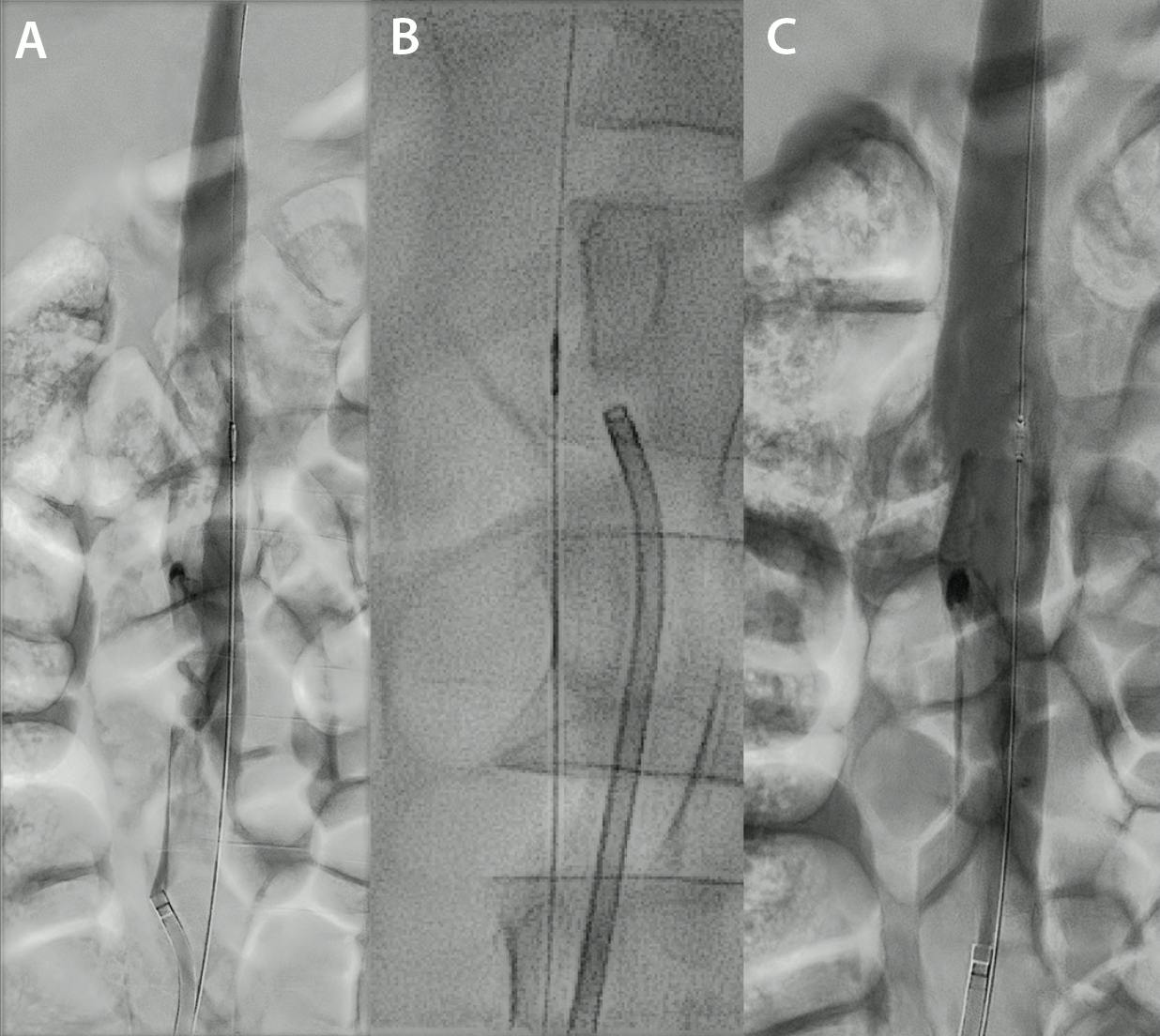
Figure 1. Venography before aspiration with IVUS catheter in place (A). Lightning Bolt catheter in situ with aspiration under IVUS guidance (B). Venography after aspiration (C).
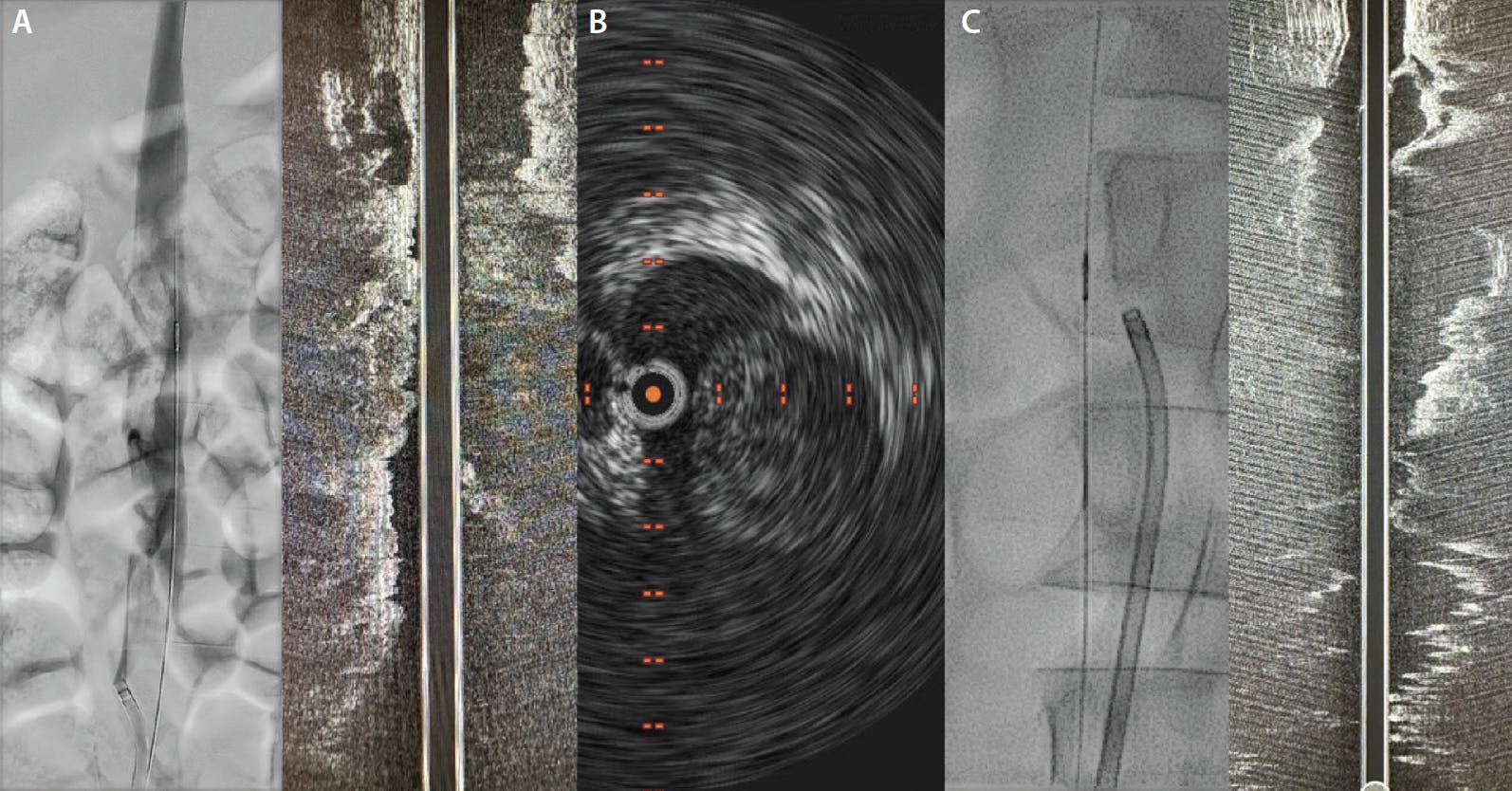
Figure 2. IVUS pullback with massive thrombus formation (A). IVUS cross-section of thrombus (B). IVUS pullback after aspiration (C).
RESULTS
After aspirating both iliac axes and the IVC, IVUS was performed to rule out any residual thrombi. Total blood loss amounted to 300 mL. The patient was then treated with Coumadin (Bristol Myers Squibb) after bridging with intravenous heparin. Both right heart strain and troponin levels resolved over the course of 1 week. MR venography prior to discharge ruled out any recurrent DVT (Figure 3). The patient reported complete remission of symptoms. After 6 months of Coumadin therapy, the anticoagulation therapy will be interrupted to perform further coagulation tests.
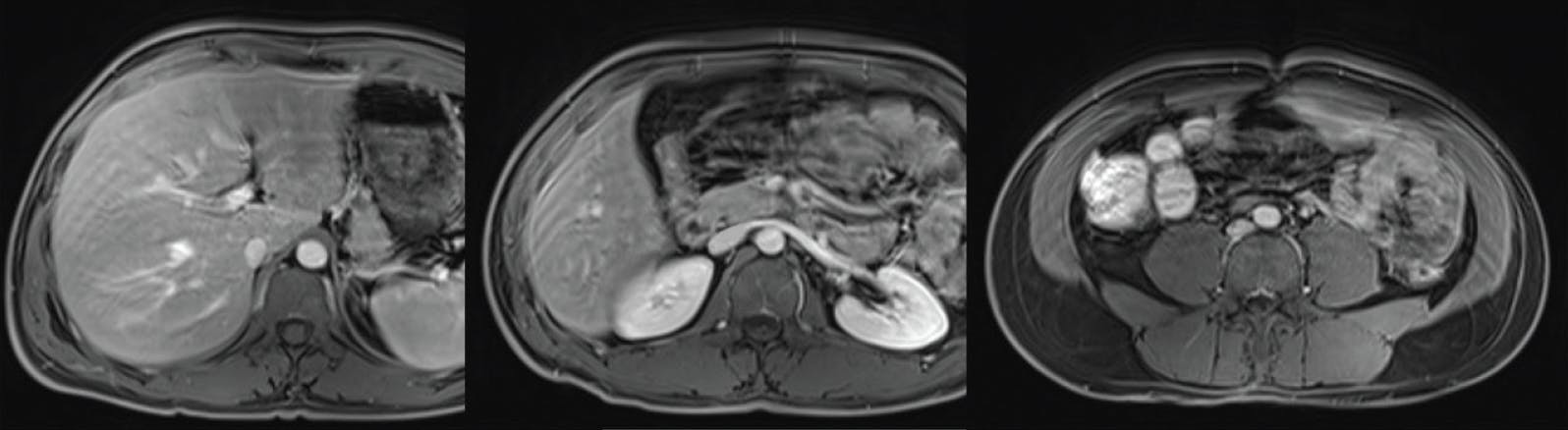
Figure 3. MR venography of the IVC at 5 days postprocedure confirming complete restoration of flow.
DISCUSSION
When treating VTE, clot age remains the limiting factor of success of both conservative and interventional treatment modalities. With increasing age, clot transforms into fibrinous, elastic material adhering to vessel walls and impeding pharmacologic dissolution and mechanical extraction. There is currently no diagnostic method to assess clot age when deciding which treatment to use. With the limited clinical data available, currently it appears that the Lightning Bolt 7 represents a revolutionary step in the management of VTE, as it enables interventionalists to aspirate old, organized clots while at the same time minimizing blood loss. The case presented was difficult, because of (1) uncertain clot age and (2) the patient was young but severely impaired. Using IVUS to guide Lightning Bolt, complete thrombus removal with little blood loss was achieved.
Drs. Moxey, Wigham, and Torsello were compensated in association with this article.
Disclaimer: The opinions and clinical experiences presented herein are for informational purposes only. The results may not be predictive of all patients. Individual results may vary depending on a variety of patient-specific attributes.
Advertisement
Advertisement