Advertisement
Advertisement
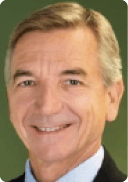
The management of peripheral artery disease (PAD) is maturing and the patient population in need is growing. What are the trends that are worthy of consideration by busy specialists and the broader field? What are the needs that we are likely to encounter going forward, and how might these challenges be addressed?
These are the questions that we had in mind when we put together the current issue of Endovascular Today. As PAD evolves, our approaches will also change to meet the needs. Let’s assess where we are and then look forward for some ideas. We have recruited numerous experts to enhance our understanding.
Herbert D. Aronow, MD; Heather L. Gornik, MD; Lee Kirksey, MD; and Saher Sabri, MD, kick off our issue with an exploration of the recent guideline updates for the management of PAD. The discourse touches on the significant changes, how to achieve consensus, existing obstacles, and ensuring compliance.
Moderator Ramon L. Varcoe, MBBS, leads panelists Marianne Brodmann, MD; Osamu Iida, MD; Sahil A. Parikh, MD; and myself in a global discussion about what’s next in drug delivery in above- and below-the-knee procedures, including unmet needs, device innovation, and more.
As each generation reaches new heights in longevity, health care needs evolve, often requiring unique solutions. Joshua Beckman, MD; Kevin Rogers, MD; and Sabine Steiner, MD, answer a series of key questions about how the PAD patient population has evolved, current trends in prevalence and outcomes, and what physicians need to know to help patients with the decision-making process for their care.
A conversation with Jun Li, MD; Lorenzo Patrone, MD; and Michael C. Siah, MD, examines what’s on the horizon for the next generation of PAD specialists, breaking down the Xs and Os of training needs, mentorship, and subspecialization.
Next, Leigh Ann O’Banion, MD, and Clara Gomez-Sanchez, MD, and their colleagues at the University of California San Francisco (UCSF), Maira Denalene Tiu, BS, and Guistinna Tun, BS, share exciting details about their CHAMPIONS program. This initiative, launched in the San Joaquin Valley of California, an area considered a vascular desert, helps underscore the need for specialized vascular care in regions with reduced access to those therapies.
Finally, in our latest featured interview, Flavia Gentile Johansson, MD, talks with us about her research and clinical priorities, including innovative needs in dialysis care, ways to introduce trainees to dialysis access and intervention skills, and more.
We should all be proud of the continued development and increasing sophistication of our management of PAD. As the field evolves, identifying current trends and anticipating future needs of our unique patient population is a compelling and worthwhile endeavor. We hope that the current issue of Endovascular Today sparks some questions and ideas about evolving PAD approaches.
Peter A. Schneider, MD
Guest Chief Medical Editor
Advertisement
Advertisement
