Advertisement
Advertisement
Access to better care, rapid intervention, and standardized procedures with predictable outcomes is critical for treating thrombus throughout the body. However, improving thrombectomy procedures alone isn’t enough to elevate long-term patient outcomes.
Imperative Care is pursuing an entirely different approach to addressing blood clot–related conditions—identifying the most impactful problems in patient care and working backwards to engineer patient-centric solutions. The company began with a mission to transform stroke thrombectomy by making clot removal faster, easier, and more effective. That same patient-first model now guides its expansion into venous thromboembolism (VTE) and peripheral artery disease.
Imperative Care’s physician-driven approach to innovation shapes every stage of product development, ensuring that the needs of clinicians and their patients are always at the center. This was first demonstrated with the company’s Zoom™ Stroke System (Imperative Care, Inc.), the first and only comprehensive system designed to streamline stroke treatment from access through clot capture.
Imperative Care has brought the same physician-driven approach to its Vascular portfolio. Designed to address the full spectrum of clinical needs in venous and arterial thrombectomy, the Symphony™ and Prodigy™ Thrombectomy Systems (Imperative Care, Inc.) combine physics-driven technologies with procedural algorithms to deliver efficient, predictable results across diverse presentations.
Imperative Care is also developing a robotic-assisted endovascular system that aims to dramatically expand access to care through integrated technologies designed to improve patient outcomes through procedural consistency, efficiency, and efficacy.
Addressing Clinical Variability in VTE with Precision Thrombectomy
VTE management involves a variety of clot morphologies, anatomic locations, and patient presentations. Due to this variability, treatment with legacy thrombectomy devices requires compromises. While mechanical scraping tools can remove organized clot, they are often cumbersome, time consuming, and risk vessel injury. Tubing-based aspiration systems can streamline the procedure but lack the power to remove stubborn clot and limit clinician control over blood loss and efficiency.
Symphony introduces a new frontline approach to VTE treatment with Precision Thrombectomy: precise large-bore power and on-demand deep vacuum control (Figure 1). Its physics-driven design places the vacuum closer to the tip of the catheter, reducing vacuum degradation and increasing thrombectomy power by 2.7 times compared to similar-sized, tubing-based aspiration systems.1 Symphony recharges in seconds and provides real-time feedback through sterile field clot capture.
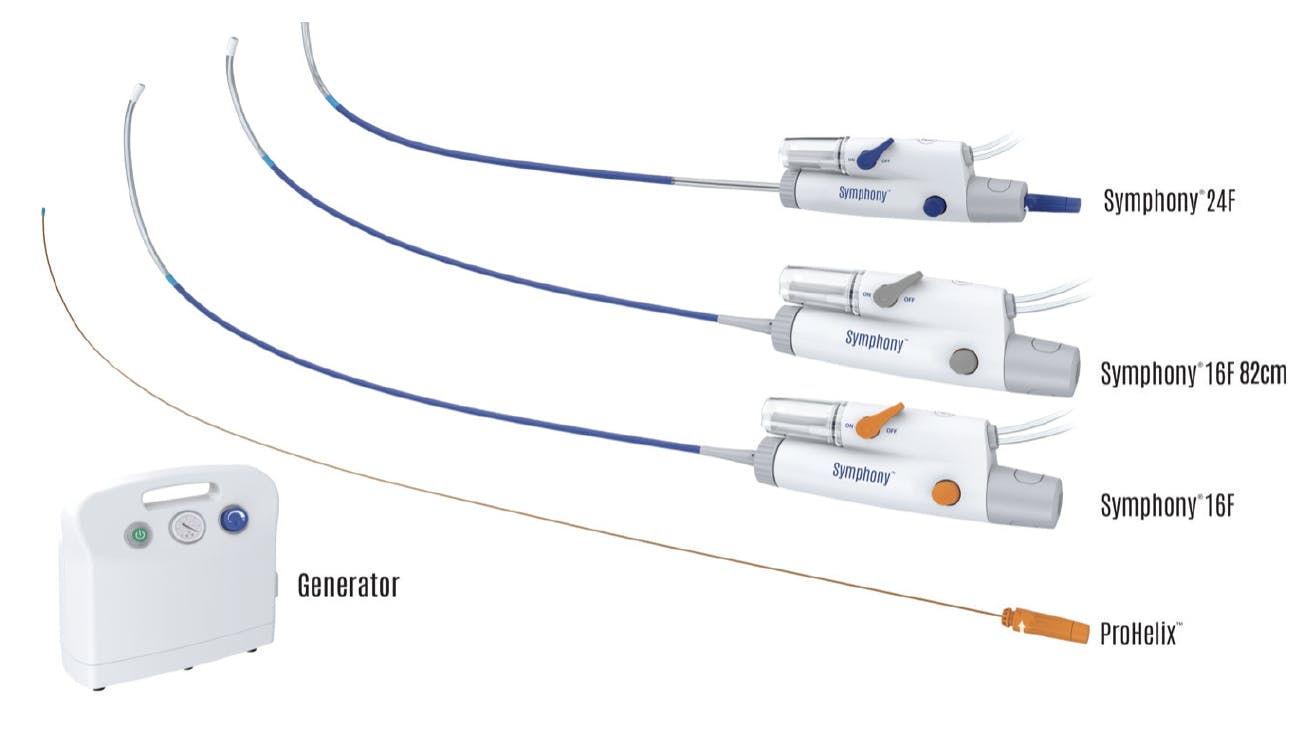
Figure 1. The Symphony Thrombectomy System portfolio includes 16 F 82 cm, 16 F 117 cm, and 24 F 85 cm catheters as well as ProHelix Mechanical Assist and the Imperative Care Generator.
Symphony is used with the Deep Pulse Algorithm, a clinician-refined procedural technique, to maximize clot extraction while minimizing blood loss per aspiration. The Deep Pulse Algorithm is a systematic toggling of aspiration combined with strategic catheter movements to properly extract all thrombus in the vessel. The result is full spectrum: aspiration of a wide range of clot chronicity, short procedure times, and predictable results (Figure 2). By improving upon the advantages of legacy technologies, Symphony quickly and safely removes clot from target anatomy while preserving vessel health and mitigating blood loss.
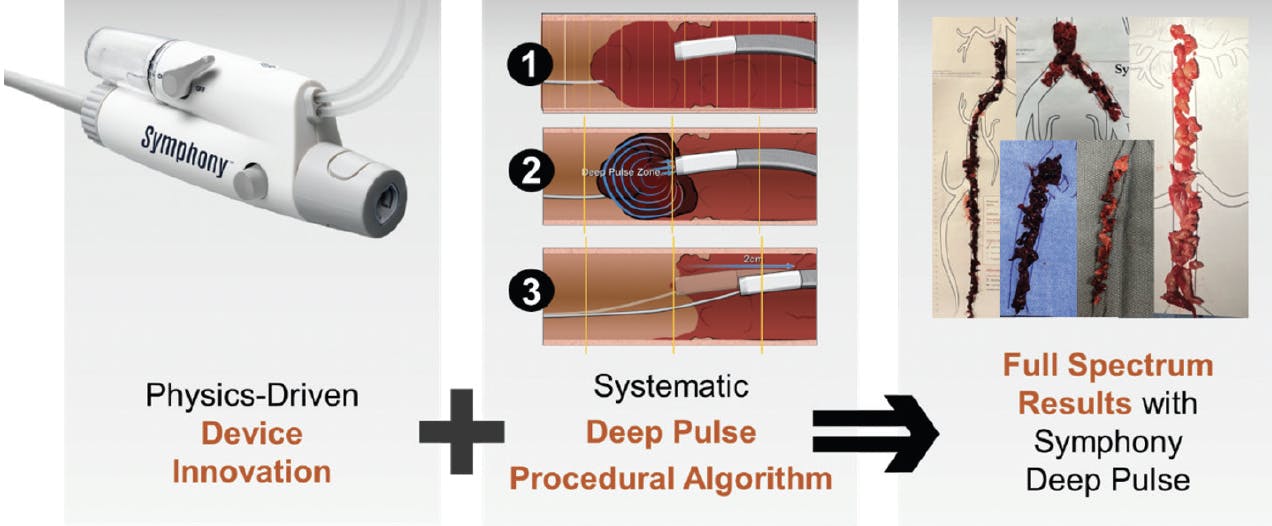
Figure 2. Combining Symphony’s physics-driven design with the Deep Pulse Algorithm delivers full-spectrum results.
IN MY PRACTICE
In my initial experience, utilizing Symphony with the Deep Pulse Algorithm has proven effective across a diverse set of VTE presentations. The system offers several key procedural advantages, including reduced device time, a high rate of thrombus removal, and minimal blood loss.
My first 11 cases demonstrated that the system can be quickly adopted due to its ease of use, predictable results, and procedural efficiency. I’ve consistently achieved 95% clot removal in an average of two passes, with estimated blood loss (EBL) averaging around 120 mL, and device times under 10 minutes.2
With its large-bore catheter and powerful deep vacuum, Symphony enables me to treat highly challenging clot morphologies in minutes while mitigating blood loss, ensuring the best possible outcomes for my patients. Symphony has expanded my VTE toolkit, providing an effective solution for addressing both acute and organized thrombus in my practice.
–Bennet George, MD
Symphony addresses the full spectrum of VTE clinical needs, offering 16 and 24 F catheters that can telescope to reach distal thrombus. Its large-bore design and variety of catheter lengths provide unmatched versatility across clot morphologies, access sites, and applications. Each flexible catheter features an integrated controller powered by a continuous vacuum generator that drives the Deep Pulse aspirations. The controller includes MultiPort for continuous pressure monitoring and contrast injections without procedural interruption. The system is equipped with ProHelix™ Mechanical Assist, which can further facilitate clot ingestion.
Real-World Versatility of the Symphony Thrombectomy System
With Bennet George, MD; Rahul S. Patel, MD; David Kim, MD; and David J. Dexter, II, MD, FACS
Symphony has demonstrated broad versatility in VTE treatment, delivering clinical success in both standard popliteal access cases and anatomies requiring complex treatment strategies. Its unique design and algorithmic approach make it a comprehensive solution for VTE intervention. The following cases illustrate its real-world impact.
Case Study: Standard Popliteal Access for Iliofemoral Venous Thrombus

PATIENT PRESENTATION
An otherwise healthy and active female in her mid-30s presented with left lower extremity swelling and discomfort. The lower extremity symptoms had been ongoing for 2 days and slowly progressing. The patient did not experience any dyspnea, chest discomfort, palpitations, or dizziness. The patient had no family history of VTE and had not been on any recent extended trips. She did have a history of an intrauterine contraceptive device, but otherwise had no additional pertinent medical history. Ultrasound duplex imaging confirmed the suspicion of venous thrombus and demonstrated occlusive venous thrombus in the left common femoral (CFV), femoral (FV), popliteal (PV), and posterior tibial veins (PTV).
Procedural Overview
Given her post-thrombotic symptoms, a decision was made to proceed with mechanical thrombectomy. The left PV was accessed and a 7 F sheath was placed. Peripheral venography was performed, confirming the presence of venous thrombus with notable collateralization of venous blood flow (Figure 1). The venotomy was preclosed with a Perclose ProGlide™ device (Abbott), and the 7 F sheath was exchanged for a 16 F Gore® DrySeal Flex Introducer Sheath (Gore & Associates). Next, the 16 F 82 cm Symphony catheter was introduced and used to perform a thrombectomy. The catheter tracked smoothly through the clot, and a series of Deep Pulses were performed while slowly pulling the catheter back. A total of two passes were made, resulting in complete resolution of thrombus (Figure 2B).
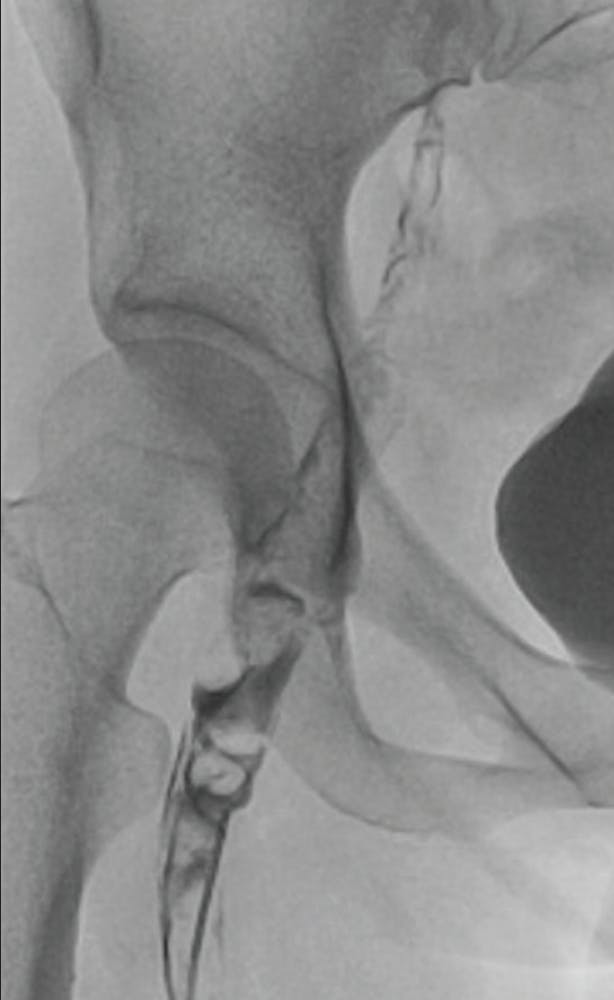
Figure 1. Initial venogram showing occlusive venous thrombus in the left CFV.
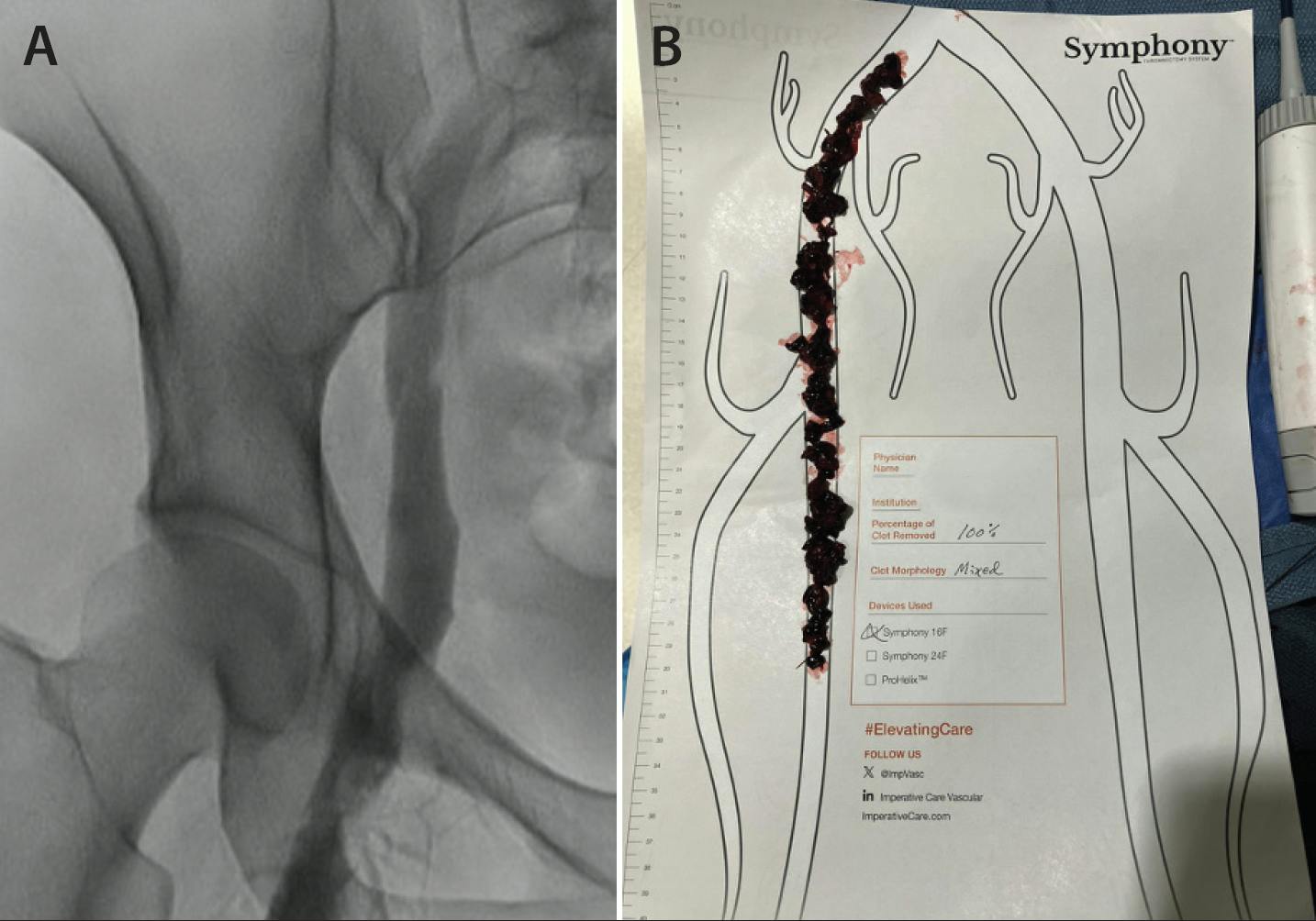
Figure 2. Final case images post-thrombectomy showing a venogram with complete thrombus resolution in the left CFV (A) and large thrombus volume removed (B).
PROCEDURAL RESULT
The device time was 5 minutes and EBL was 50 mL, with a total procedure time of 41 minutes. Post-thrombectomy intravascular imaging was performed with an OptiCross™ intravascular ultrasound (IVUS) catheter (Boston Scientific Corporation). There was no evidence of venous compression such as with May-Thurner syndrome. Final venography demonstrated an adequate result without any evidence of periprocedural complication (Figure 2A and 2B).
PATIENT OUTCOME
The patient tolerated the procedure well and was discharged on oral anticoagulation the following day. Post-procedure follow-up in the clinic demonstrated resolution of symptoms with minimal lower extremity swelling. This case highlights the ease of use and rapid extirpation of occlusive venous thrombus with the Symphony catheter.
Case Study: Internal Jugular Access for Superior Mesenteric and Splenic Vein Thrombectomy During TIPS Placement

Patient Presentation
A male patient in his early 60s with a history of liver cirrhosis complicated by chronic, partial, nonocclusive thrombosis of the superior mesenteric vein (SMV) and splenic vein confluence presented with acute-onset abdominal pain and increased ascites following cessation of anticoagulants. He had stopped his anticoagulation a few months prior for unclear reasons. A CT scan revealed acute thrombosis of the portal vein with clot extending into the splenic vein and proximal SMV.
Procedural Overview
A transjugular intrahepatic portosystemic shunt (TIPS) was created to reduce pressure in the liver and act as a conduit into the portomesenteric system via a right internal jugular (IJ) approach. Given the thrombus identified on the CT, mechanical thrombectomy was performed. Mechanical thrombectomy was favored over thrombolysis due to the TIPS creation and concern for bleeding. The IJ sheath was upsized to a 16 F Gore DrySeal Sheath, and the 16 F 82 cm Symphony catheter was advanced through the TIPS to the thrombus in the SMV (Figure 1A). Using the Symphony Deep Pulse Algorithm, the catheter was pulled back methodically through the SMV and the portal vein. A total of two passes were made, clearing 95% of the occlusion. The catheter was then directed into the splenic vein where contrast was injected through Symphony’s MultiPort, which revealed an occlusion with retrograde flow (Figure 1B). An additional Deep Pulse was performed in the proximal splenic vein. A mix of acute and organized clot was removed, and a final venogram was taken from the splenic vein confirming restoration of flow in the treated areas (Figure 2A and 2B).
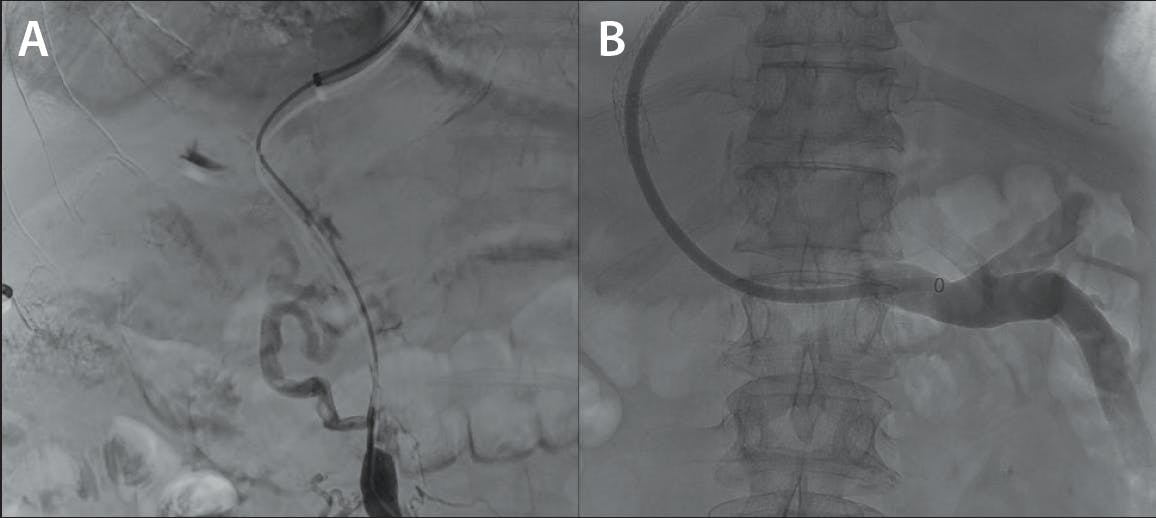
Figure 1. Initial venograms post-TIPS placement showing the occluded SMV with collateralized flow (A) and occluded splenic vein following clearance of SMV thrombus (B).
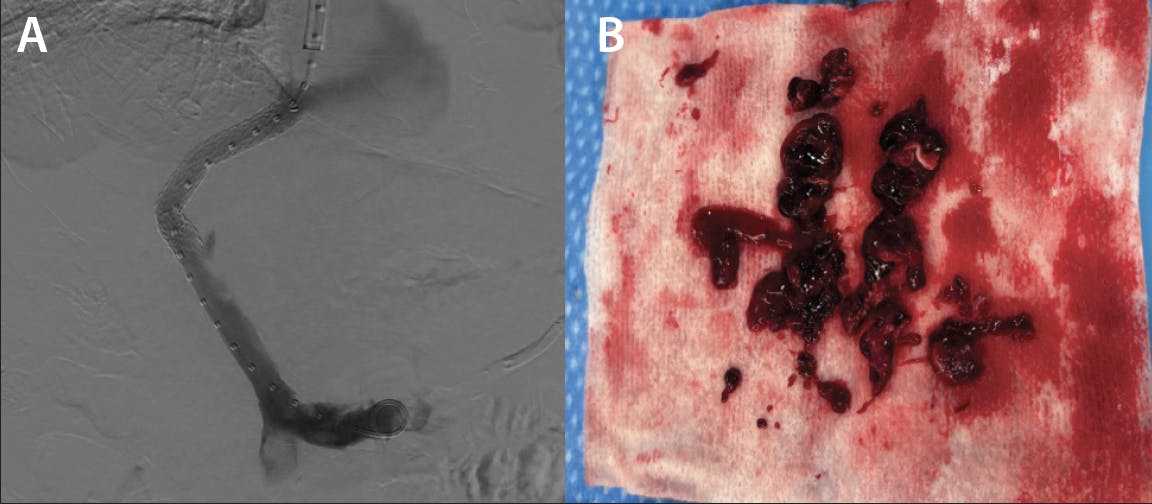
Figure 2. Final images post-thrombectomy showing flow through the TIPS, portal vein, SMV, and splenic vein (A) and thrombus removed from the SMV and portal vein (B).
PROCEDURAL RESULT AND PATIENT OUTCOME
The device time with Symphony was 15 minutes, and the total procedure time was 110 minutes, including the successful TIPS placement and thrombectomy. The EBL was 300 mL. Improved flow was seen in the newly placed TIPS, the SMV, and splenic vein. No residual stenosis was observed.
The patient was started on twice-daily, weight-based enoxaparin 4 hours post-procedure and converted to direct oral anticoagulation 72 hours post-procedure. All symptoms resolved, and the patient was discharged home. Follow-up CT 3 months later showed no residual clot and patent TIPS.
RATIONALE FOR TREATMENT APPROACH
I routinely use Symphony for cases involving TIPS-related thrombus due to the system’s versatility. The option of having both 82 and 117 cm working lengths allows me to reach target anatomy from an IJ access and treat a broader patient population. The catheters track nicely throughout this anatomy, and the rotational collar is useful to safely navigate around a newly placed stent. The system provided the power needed to remove the full spectrum of clot encountered in this case.
Case Study: Tibial Access for Thrombus Extending Below Popliteal Vein

Patient Presentation
A female patient in her mid-50s presented to an outside hospital with left lower extremity edema and pain. Venous duplex ultrasound imaging of the left lower extremity showed thrombus extending from the left CFV to the proximal PTV. The patient was initially started on a heparin intravenous infusion; however, the anticoagulation course was complicated by a large rectus sheath hematoma. The heparin drip was paused, and an inferior vena cava (IVC) filter was placed to minimize complications. Over the next several days, the patient’s pain and swelling in the left lower extremity worsened. The patient was transferred to our hospital for a possible thrombectomy. After assessing the patient’s clinical status, there was concern of thrombus extension into the pelvic veins and IVC. The decision was made to perform a thrombectomy.
Procedural Overview
Given the extent of the thrombus extending below the PV, the distal PTV near the tarsal tunnel was selected for access. Under ultrasound guidance, a PTV branch was accessed with a 0.021-inch micropuncture needle. A 0.018-inch Nitrex™ guidewire (Medtronic) was advanced into the left PTV. A transitional dilator was used to advance a Bentson™ wire (Cook Medical) into the PTV until the tip of the wire met resistance just distal to the confluence of the fibular and tibial veins. Over the Bentson™ wire, a 7 F sheath was placed in the PTV. A 4 F Kerns catheter was then introduced over the wire. A small amount of contrast was injected through the catheter to outline the extent of thrombus and assess the anatomy of the PTV, PV, and distal superficial femoral vein (SFV) (Figure 1A-C). A 0.035-inch stiff Glidewire® (Terumo Interventional Systems) was then used with the 4 F catheter to gain access through the thrombosed PV into the distal SFV. After traversing the thrombosed lower extremity and pelvic veins, venography was performed in the IVC just distal to the IVC filter (Figure 1D). After assessing the thrombus burden within and around the filter, access was gained into the patient’s right subclavian vein. A 0.035-inch, exchange-length Amplatz Super Stiff™ guidewire (Boston Scientific Corporation) was placed, terminating in the right subclavian vein.
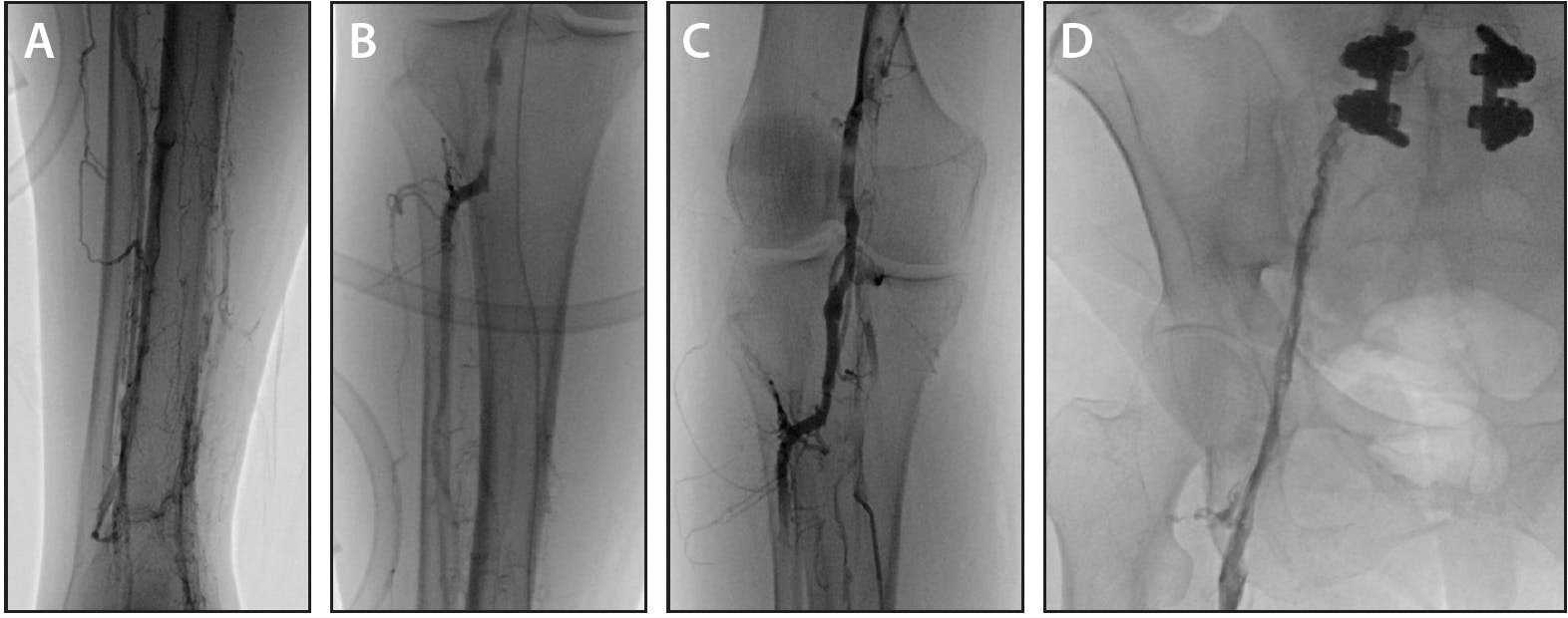
Figure 1. Initial venograms demonstrating occlusions in the distal PTV with robust collateral network of inflow veins and perforators into the superficial system (A), fibular vein and deep distal venous collaterals with wire established across PTV and PV (B), PV and distal SFV (C), and pelvis (D).
After establishing a working wire, a 7- X 200-mm Mustang™ balloon dilation catheter (Medtronic) was advanced through the 7 F sheath. The sheath was retracted closer to the venotomy site, and angioplasty was performed. The balloon and sheath were removed, and a 16 F Gore DrySeal Sheath was carefully advanced over the wire into the PTV under fluoroscopic guidance. Through the sheath, the 16 F 117 cm Symphony catheter was advanced up to the IVC (Figure 2A and 2B). The dilator was removed, and the Deep Pulse Algorithm was performed from a proximal to distal fashion in 2- to 4-cm intervals. Several rounds of aspiration and angioplasty were performed.
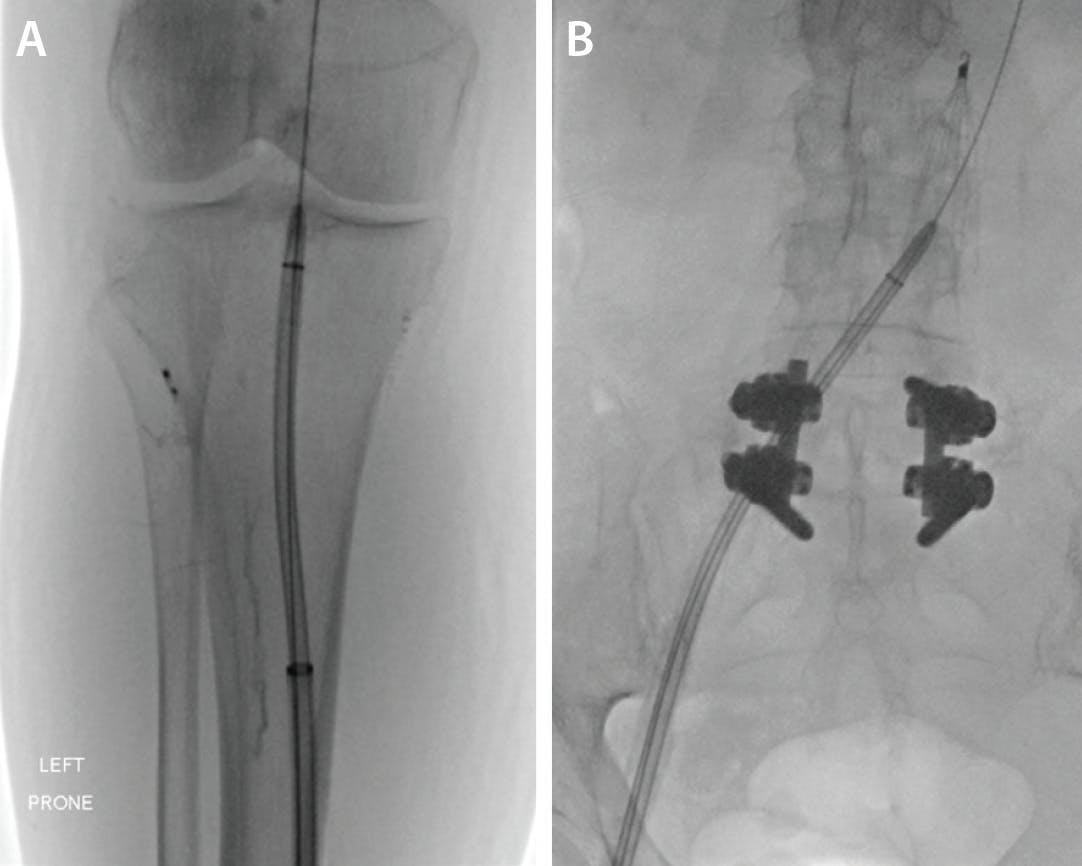
Figure 2. Periprocedural imaging of the Symphony catheter tracking through the sheath into the PTV (A) and into the IVC (B).
PROCEDURAL RESULT
The final venograms demonstrated near-complete resolution of thrombus burden in the IVC, pelvic veins, and left lower extremity veins and washout (Figure 3A and 3B). EBL was < 500 mL, device time was 10 minutes, and total procedure time was approximately 90 minutes.
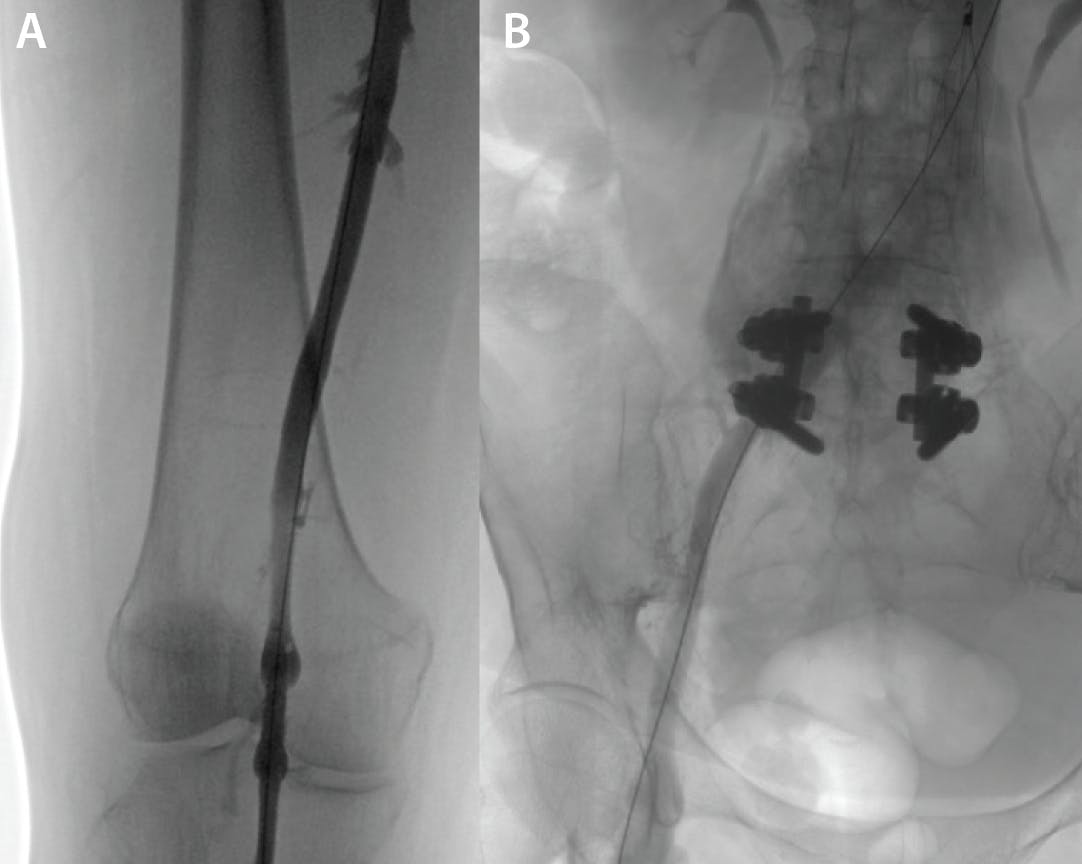
Figure 3. Final venograms demonstrating near-complete thrombus resolution in the PV and tibial vein (A) and washout in the FV through the IVC filter (B).
RATIONALE FOR TREATMENT APPROACH
Although tibial access involves additional vessel preparation, it offers a key clinical advantage: complete removal of popliteal thrombus, which can lead to improved patient outcomes by optimizing inflow. By gaining access distal to the thrombus rather than accessing a thrombosed PV, the procedure can be optimized for maximum clot removal and decrease the risk of rethrombosis due to poor inflow.
Symphony's 117 cm length was integral in the tibial access approach, as it allowed for the procedure to be performed from a single access site. The system also demonstrated notable aspiration power and ability to extract mixed-chronicity thrombus from the IVC, pelvic veins, and lower extremity veins.
Case Study: Internal Jugular Access for Occlusive IVC Thrombus

Patient Presentation
A female patient in her mid-30s and in the first trimester of pregnancy experienced lower leg extremity pain and swelling for 3 days with severe symptoms in the 24 hours prior to presenting to the hospital. Her symptoms were consistent with phlegmasia cerulea dolens of the left leg. The patient had no significant medical or surgical history, no prior deep vein thrombosis history, and no other identified hypercoagulable risks. She was placed on norepinephrine bitartrate for severe shock and underwent treatment for thrombus in the left iliac, femoral, popliteal, and tibial veins.
Following intervention, she suffered a fetal demise unrelated to previous treatment, causing extensive bleeding that required a dilation and curettage procedure. She was scheduled for an IVC filter placement to hold her anticoagulation during the perioperative period.
Procedural Overview
The patient was brought to the endovascular suite for placement of the IVC filter. The right IJ vein was selected for the access point. Contrast venography was performed to identify the IVC and renal vein anatomy (Figure 1). A suspicious contrast void was identified, which was suggestive of an IVC thrombus. IVUS was performed, confirming the IVC thrombus.
We first deployed the IVC filter into the IVC in the suprarenal position. We ensured that there was at least 5 cm from the filter tines to the cephalad extension of the thrombus. The jugular sheath was upsized for a 16 F Gore DrySeal Sheath, and we introduced the 16 F 82 cm Symphony catheter into the IVC (Figure 2). An IVC thrombectomy, guided by fluoroscopy and IVUS, utilizing the Symphony Deep Pulse Algorithm was performed. Complete thrombus extirpation was achieved in four passes (Figure 3). The sheath was removed, and manual pressure was used for hemostasis.
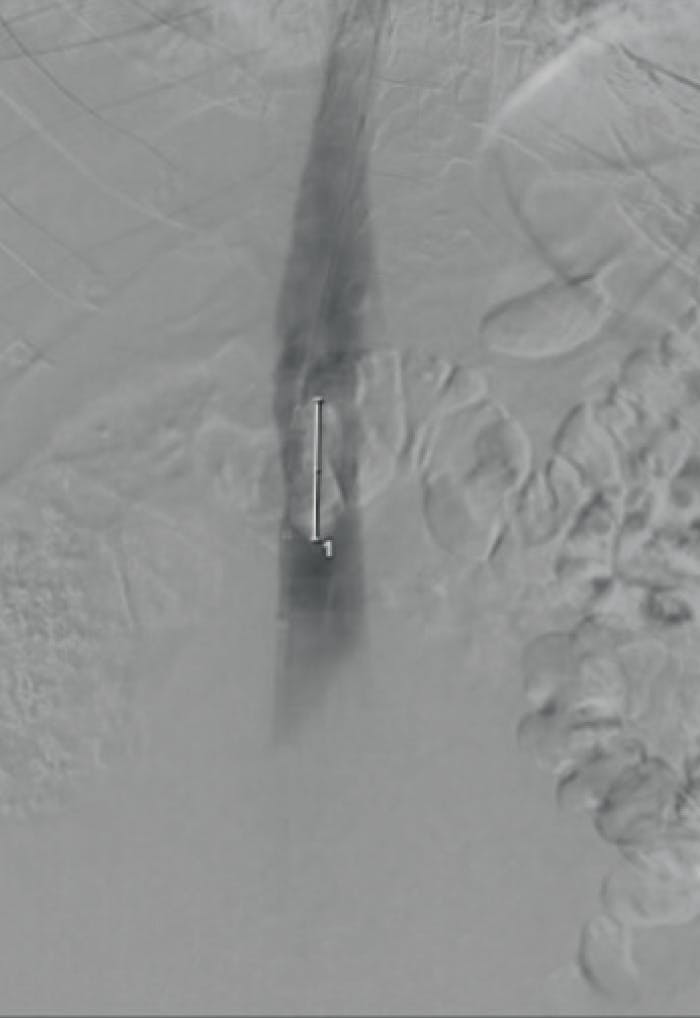
Figure 1. Initial venogram demonstrating large thrombus in the IVC.
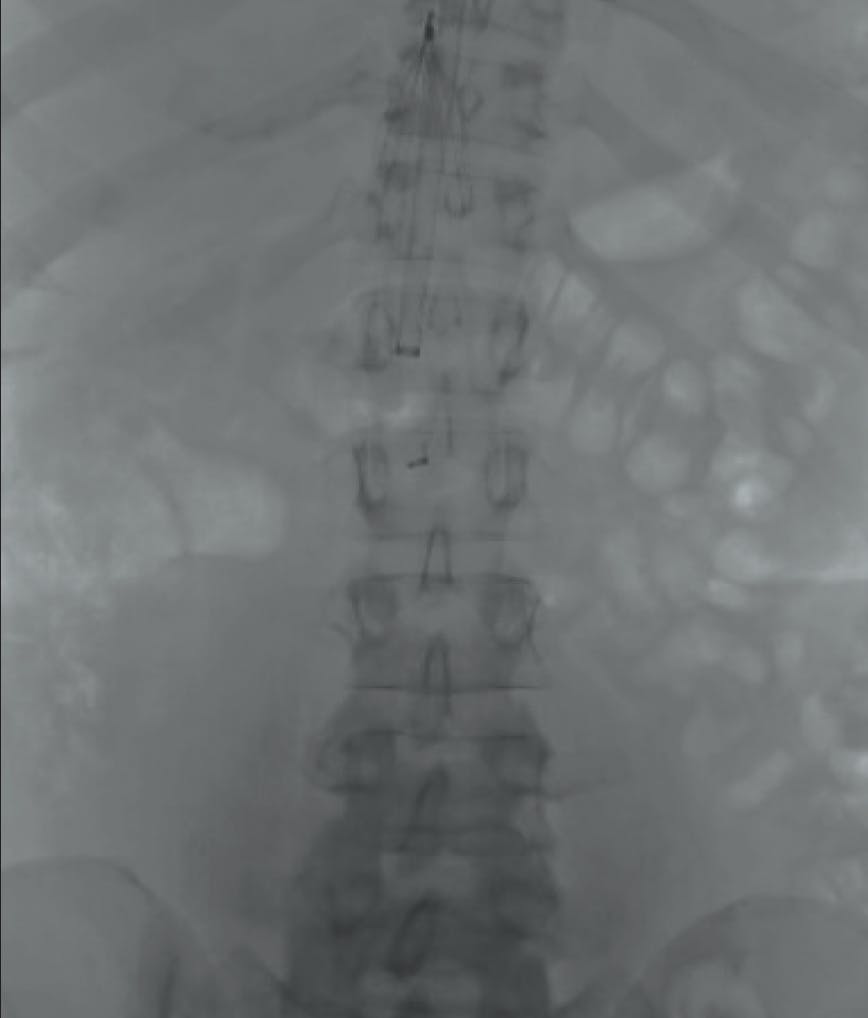
Figure 2. Periprocedural image of the Symphony catheter navigating through the acutely placed IVC filter.
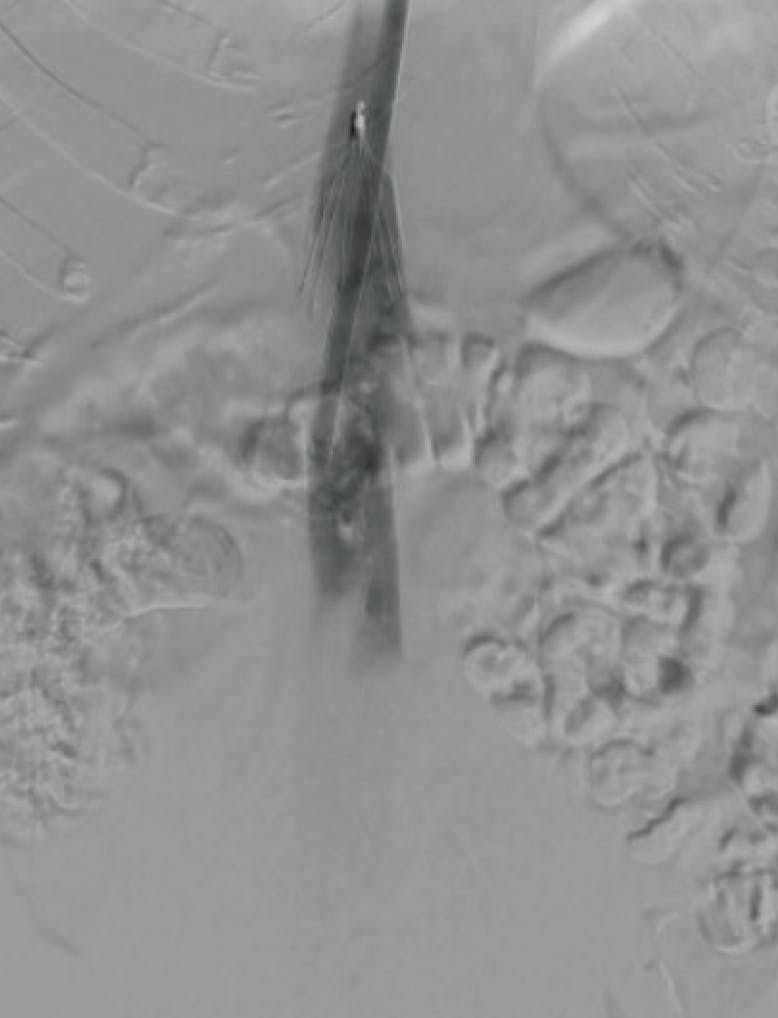
Figure 3. Final venogram showing clearance of IVC thrombus and placement of the IVC filter.
PROCEDURAL Result AND PATIENT OUTCOME
A successful mechanical thrombectomy with the Symphony device restored flow to the left iliac, femoral, popliteal, and tibial veins. The device time was 30 minutes, and EBL was 250 mL, with a total procedure time of 47 minutes. The total length of thrombus removed was 5 cm with a mix of density and color, consistent with acute and subacute thrombus.
After the thrombus removal and IVC filter placement, the patient went off anticoagulation. The following day, the patient underwent a dilation and curettage procedure by obstetrics. The patient recovered well and was restarted on anticoagulation. The IVC filter was removed 5 days later.
At the 3-month follow-up visit, she reported having returned to work. A follow-up duplex ultrasound showed no residual thrombus in the IVC or lower extremity veins.
RATIONALE FOR TREATMENT APPROACH
Symphony was selected for this case due to its versatility and efficacy, which is important when taking a IJ approach with an IVC filter. I also needed a device that offered a low profile with precise control to navigate through an acutely placed IVC filter while delivering powerful aspiration to remove a large volume of mixed-morphology IVC thrombus.
Important Safety Information
Rx only.
The Symphony Thrombectomy System™ and Symphony 16F 82cm Thrombectomy System™ are intended for:
The non-surgical removal of fresh, soft emboli and thrombi from blood vessels. Injection, infusion, and/or aspiration of contrast media and other fluids into or from a blood vessel. The Symphony Thrombectomy System and Symphony 16F 82cm Thrombectomy System are intended for use in the peripheral vasculature. It is not for use in the pulmonary vasculature.
Product images are not necessarily reflective of current branding.
Results may vary. Dr. George, Dr. Patel, Dr. Kim, and Dr. Dexter are paid consultants of Imperative Care.
“Imperative Care“ is a registered trademark and all other trademarks are those of their respective owners.
Phone: +1-408-502-7548
Fax: +1-650-618-2444
Email: customerservice@imperativecare.com
Web: www.imperativecare.com/vascular
M002971.A
1. Data on file, Imperative Care, Inc.
2. Data presented from a single consecutive user’s case experience treating varying clot morphologies.
To learn more about Symphony and schedule a demo, contact your local rep or visit: imperativecare.com/vascular/symphony
Advertisement
Advertisement