Advertisement
Advertisement
June 2025
Sponsored by Penumbra, Inc.
Science-Based Aspiration Thrombectomy (S-BAT) Principles Inform Effective Stroke Care
S-BAT encapsulates the fundamental scientific principles utilized in the development of safe and effective aspiration thrombectomy technology and procedural techniques.
With Ryan Hebert, MD; Jeff Beecher, DO; and Viktor Szeder, MD, PhD, MSc, FSVIN
PRINCIPLES OF S-BAT
Science-Based Aspiration Thrombectomy (S-BAT) is a framework built on four core principles that guide safe and effective aspiration: physics, vessel sizing, flow control, and time. Physics and vessel sizing help maximize pressure differentials, enhancing aspiration performance. Flow control and time address the risks of consequences of excessively restricting blood flow for prolonged periods during a thrombectomy. Recent research suggests that use of these principles together can help improve patient outcomes.1-3
CANADAPT TECHNIQUE
Significant evidence supports the use of ADAPT (A Direct Aspiration first Pass Technique) as a safe and effective frontline approach for thrombectomy. However, less research has investigated optimal ADAPT technique. The CANADAPT method was developed to standardize aspiration thrombectomy technique by dividing it into three maneuvers: A, B, and C (Figure 1).1
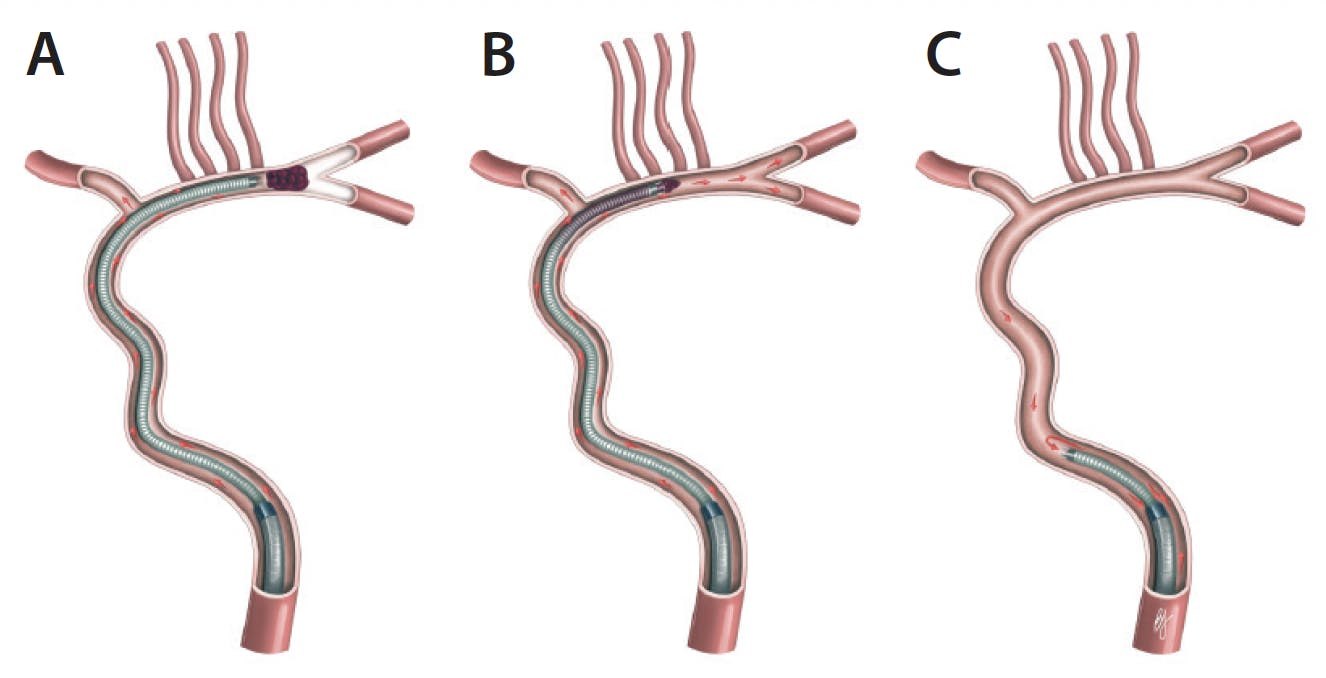
Figure 1. CANADAPT maneuvers A through C. Reprinted from Macdonald IR, Linehan V, Volders D. Standardized approach to direct first pass aspiration technique for endovascular thrombectomy: description and initial experience with CANADAPT. Interv Neurol. Published online February 8, 2024. doi: 10.1177/15910199241230360
In a case series of 22 patients, CANADAPT A—characteristic of traditional aspiration thrombectomy—resulted in first pass success (thrombolysis in cerebral infarction [TICI] ≥ 2b) in only 5% of cases. CANADAPT B, on the other hand, was effective 35% of the time. By pulling the catheter back into a known patent segment of vessel and pausing for 60 seconds, this maneuver creates the necessary conditions for the clot to ingest under maximum stress. CANADAPT C, which involves withdrawing the aspiration catheter into the guide, resulted in the highest success rate (55%). CANADAPT technique did not result in successful revascularization 5% of the time.1
What makes CANADAPT B and C so much more effective than CANADAPT A? The success of CANADAPT B and C maneuvers can be explained by drawing on two of the S-BAT principles: physics and vessel sizing. During aspiration thrombectomy, clot is not sucked into the catheter but instead is pushed into the catheter. Why? Because high pressure (arterial pressure) always flows toward low pressure. When the clot is not exposed to peak (systolic) arterial pressure, the force on the clot is diminished, limiting the potential for ingestion into the aspiration catheter.
Therefore, choosing the appropriately sized catheter for a given vessel is a key component of an effective thrombectomy procedure. The optimal ratio between catheter inner diameter (ID) and vessel ID for successful recanalization is 0.7 to 0.8.2 Using a proportionally larger catheter risks a reduction in pressure differential due to inhibition of systolic flow, while using a proportionally smaller catheter risks a reduction in ingestion rate. An appropriately sized catheter is one that will maximize the effect of systolic pressure while maintaining adequate surface area for efficient clot ingestion.
In the CANADAPT A position, systolic pressure is minimal because the ratio between the catheter outer diameter and vessel ID is close to 1. This leads to a reduction in the pressure differential between peak arterial (systolic) blood pressure and the aspiration source, which limits the force exerted on the clot. Pulling back into a vessel segment in which the ratio of catheter ID to vessel ID is 0.7 to 0.8 (CANADAPT B) maximizes the force exerted on the clot, leading to a greater rate of clot ingestion. If the clot is not ingested during maneuver B, withdrawing the aspiration catheter into the guide catheter in the CANADAPT C maneuver allows the additional force created by the large diameter of the guide catheter to aid in clot ingestion.
By selecting an appropriately sized aspiration catheter and utilizing CANADAPT technique, physicians can maximize the helpful “push” effect of systolic blood pressure during aspiration thrombectomy.
DWELL TIME
The first two S-BAT principles—physics and vessel sizing—highlight the fundamentals of achieving excellent revascularization, but revascularization is just one indication of a successful procedure. Most important is a patient’s functional outcome, usually characterized by the postprocedure modified Rankin Scale (mRS) score. Over the past 10 years, rates of successful revascularization have consistently climbed while mRS scores have plateaued. This prompts the question: Why don’t increases in successful revascularization necessarily correlate with better functional outcomes?
Evidence from the STAR registry suggests that delving into the consequences of flow control (S-BAT principle 3) may help explain this phenomenon. Flow control, or the practice of excessively limiting flow to the target vessel and surrounding collaterals, is theorized to impair the effectiveness of aspiration thrombectomy. The impact of flow control depends on two factors: (1) the size of the catheter relative to the size of the vessel, and (2) intracranial procedure time (icPT). Clinical data show that simply using a large-bore catheter (ID > 0.064 inches) carries a 20% higher chance of poor outcomes (mRS > 2), all else held equal. This finding holds true when adjusted for procedure time, suggesting that the catheter size itself may be responsible for the increased risk of a poor outcome. However, time remains an important independent predictor of functional outcomes. Every 10 minutes of icPT is associated with 13% decrease in the odds of a good outcome, and patients show no incremental benefit from a first pass success if completed in > 30 minutes.3 Taken together, these data suggest that use of large-bore catheters, particularly for extended periods, may contribute to decreased odds of a good functional outcome by reducing protective flow to collateral vessels, thereby inducing additional ischemia.
As these findings illustrate, S-BAT principles have highly practical implications for neurothrombectomy innovation and procedures. The S-BAT principles are at the heart of the product development process for Penumbra, resulting in aspiration catheters that are thoughtfully designed to maximize speed and efficacy in stroke management.
1. Macdonald IR, Linehan V, Volders D. Standardized approach to direct first pass aspiration technique for endovascular thrombectomy: description and initial experience with CANADAPT. Interv Neurol. Published online February 8, 2024. doi: 10.1177/15910199241230360
2. Charbonnier G, Primikiris P, Desmarets M, et al. Defining the optimal size of an aspiration catheter in relation to the arterial diameter during mechanical thrombectomy for stroke. J Neuroradiol. 2024;51:47-51. doi: 10.1016/j.neurad.2023.01.158
3. Alaweigh AM, Elawady SS, Zohdy YM, et al. Prolonged intracranial catheter dwell time exacerbates penumbral stress and worsens stroke thrombectomy outcomes. J NeuroInter Surg. Published online November 14, 2024. doi: 10.1136/jnis-2024-022271
CASE 1: LEFT M1 OCCLUSION ADDRESSED WITH RED® 72 REPERFUSION CATHETER WITH SENDit® TECHNOLOGY

CASE PRESENTATION
A woman in her early 70s presented with worsening aphasia. A CTA revealed a left M1 occlusion (Figure 2). After discussions with the patient's family and the vascular neurology service, the decision was made to address the occlusion using mechanical thrombectomy.
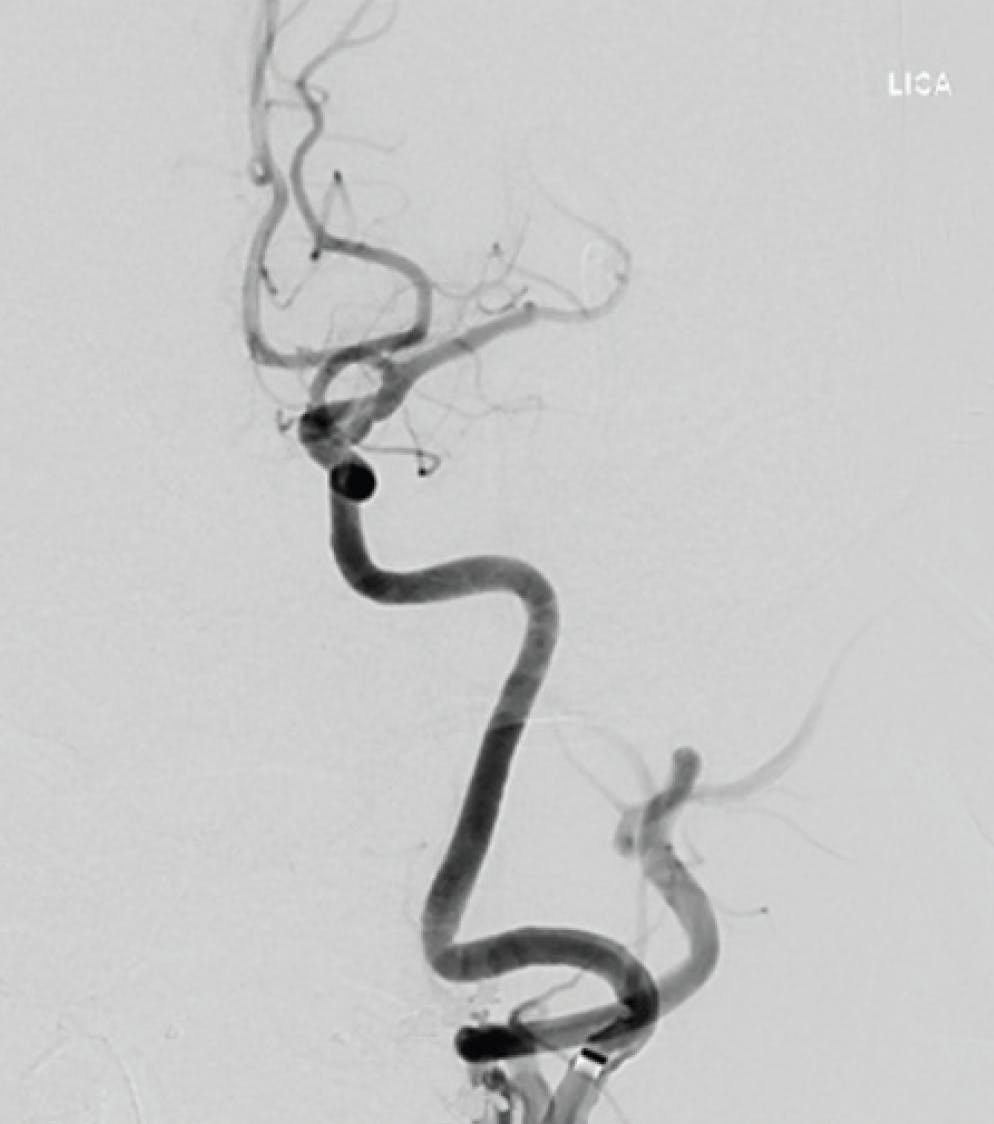
Figure 2. Preoperative angiogram showed left M1 occlusion.
INTERVENTION
Femoral access was obtained, and a Benchmark™ BMX®96 (Penumbra, Inc.) was introduced through an 8-F Prelude ACT sheath (Merit Medical Systems). A RED® 72 Reperfusion Catheter with SENDit® Technology (Penumbra, Inc.) was advanced over a Synchro2 guidewire (Stryker). The clot was removed in one pass, and the total time from puncture to recanalization was only 2 minutes. A postoperative angiogram showed complete perfusion (TICI 3; Figure 3).
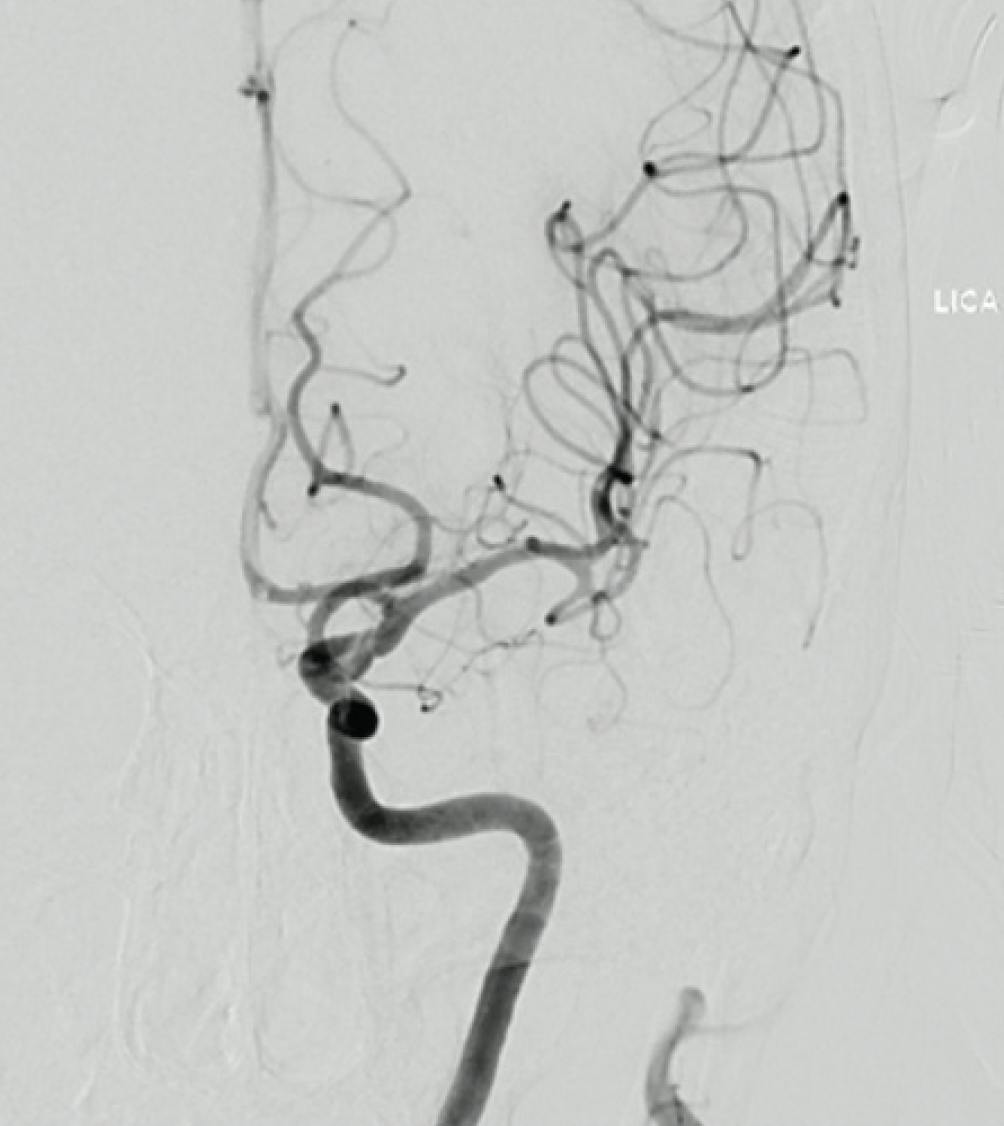
Figure 3. Postoperative angiogram showed a patent left M1.
CASE 2: LEFT M2 OCCLUSION ADDRESSED WITH RED® 43 REPERFUSION CATHETER

CASE PRESENTATION
A woman in her late 50s presented with significant aphasia, right-sided weakness, and facial droop. National Institutes of Health Stroke Scale (NIHSS) on arrival was 8. Imaging revealed a left middle cerebral artery (MCA) occlusion in a dominant M2 branch with no perfusion (TICI 0; Figure 4). The decision was made to use aspiration thrombectomy to address the occlusion.
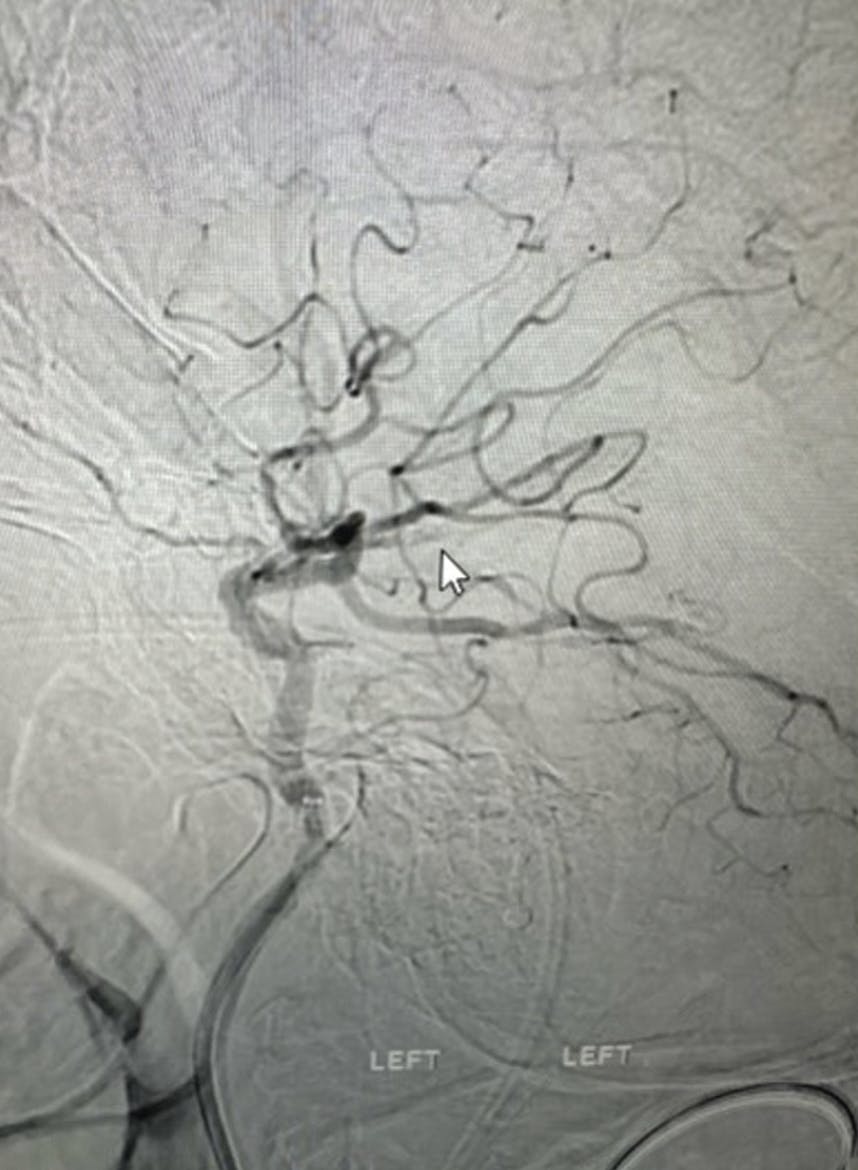
Figure 4. Preoperative angiogram showed a left MCA occlusion in a dominant M2 branch.
INTERVENTION
Prior to the procedure, the team measured the vessel and selected an aspiration catheter that would maximize aspiration force without occluding the vessel. Radial access was obtained using Benchmark BMX81 in the right radial artery. Left common carotid artery access proved challenging due to a type 3 arch, requiring use of SIM Select catheter in the ascending aorta for left common ostium selection. Once access was achieved, the RED® 43 Reperfusion Catheter was advanced over a Velocity® Delivery Microcatheter (Penumbra, Inc.) and Synchro Select guidewire (Stryker). The clot was removed in one pass, and a postoperative angiogram showed complete perfusion (TICI 3; Figure 5). The following morning, NIHSS had dropped from 8 to 2 and the patient was sitting up, eating breakfast with no weakness.
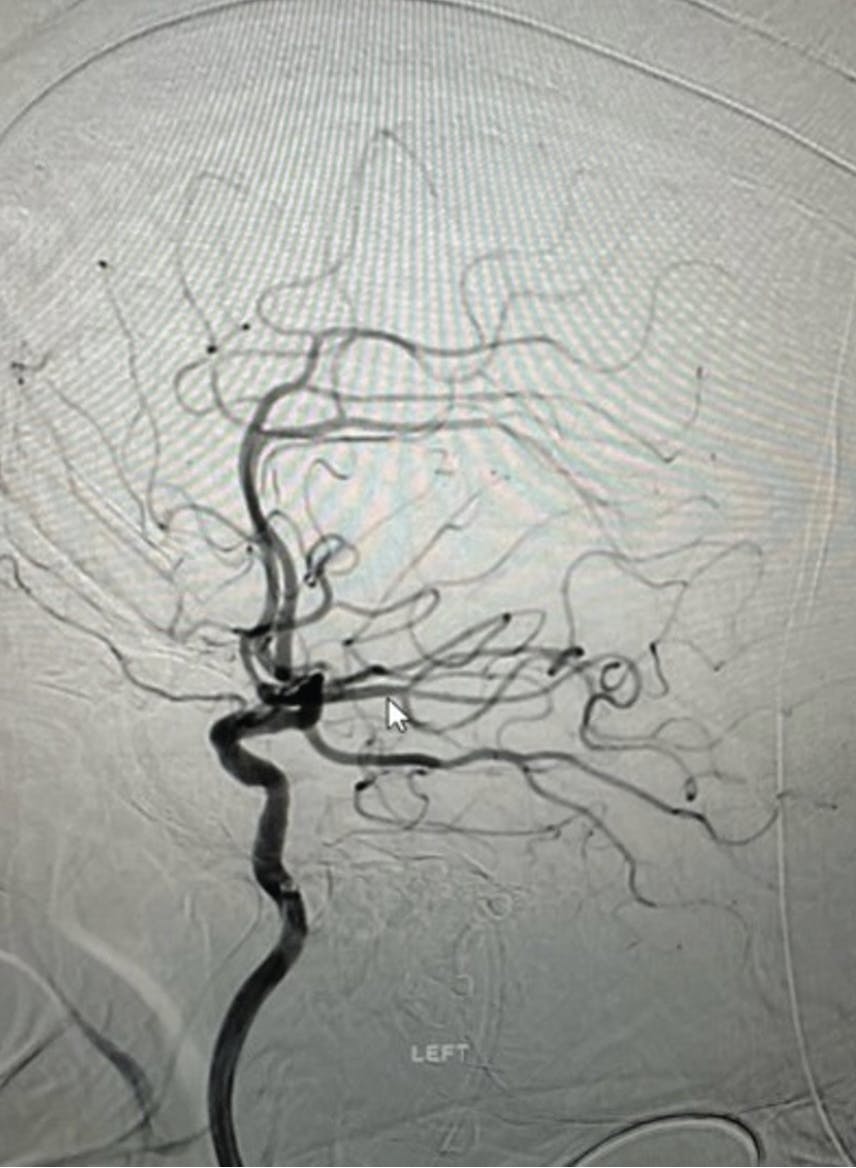
Figure 5. Postoperative angiogram showed a patent left M2.
CASE 3: LEFT DISTAL M1 OCCLUSION ADDRESSED WITH RED® 72 REPERFUSION CATHETER

CASE PRESENTATION
A male patient in his early 80s presented to the emergency department with acute aphasia and right-sided hemiparesis. His NIHSS score was 9. CTA revealed a distal M1 segment occlusion of the left MCA extending to the M1/M2 bifurcation (Figure 6). The patient was not eligible for intravenous thrombolysis due to an unknown symptom onset, last seen well the night before. CT perfusion showed a 30 mL mismatch volume, supporting mechanical thrombectomy.
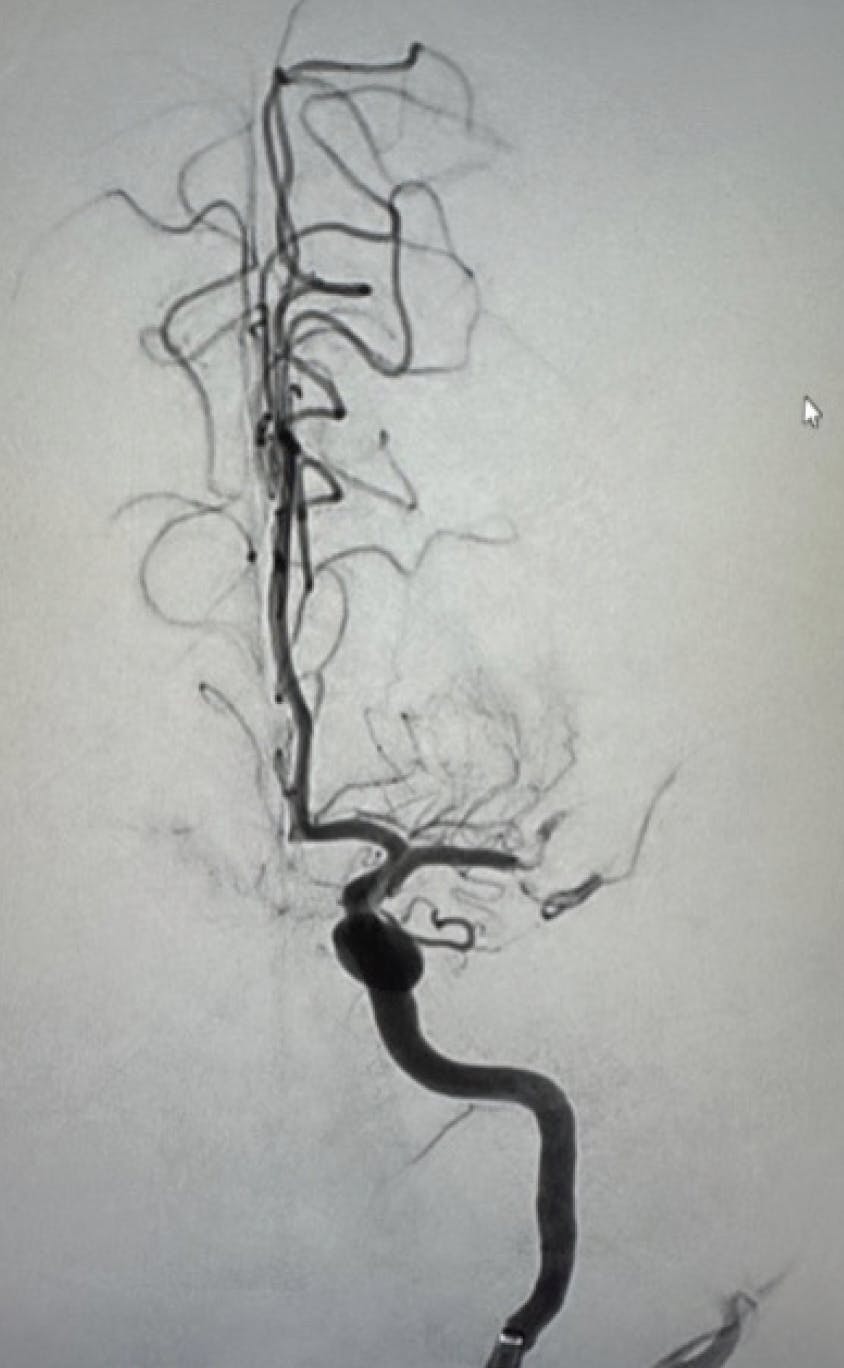
Figure 6. Preoperative angiogram of the left MCA distal M1 segment extending to the M1/M2 bifurcation.
INTERVENTION
Under general anesthesia, an 8-F femoral arterial access was obtained. Given the favorable vascular anatomy and thrombus location, ADAPT was planned. A BMX96 large-bore guide catheter was introduced over a 5-F VTK catheter and 0.038-inch Glidewire (Terumo Interventional Systems) into the left internal carotid artery. A RED 72 Reperfusion Catheter with SENDit Technology was then advanced over a 0.014-inch Synchro microwire to the thrombus (Figure 7). Aspiration with the Penumbra ENGINE® was applied for 90 seconds, after which the RED 72 Reperfusion Catheter was withdrawn under continuous suction. A 1-cm thrombus was retrieved, and final angiography confirmed TICI 3 reperfusion (Figure 8).
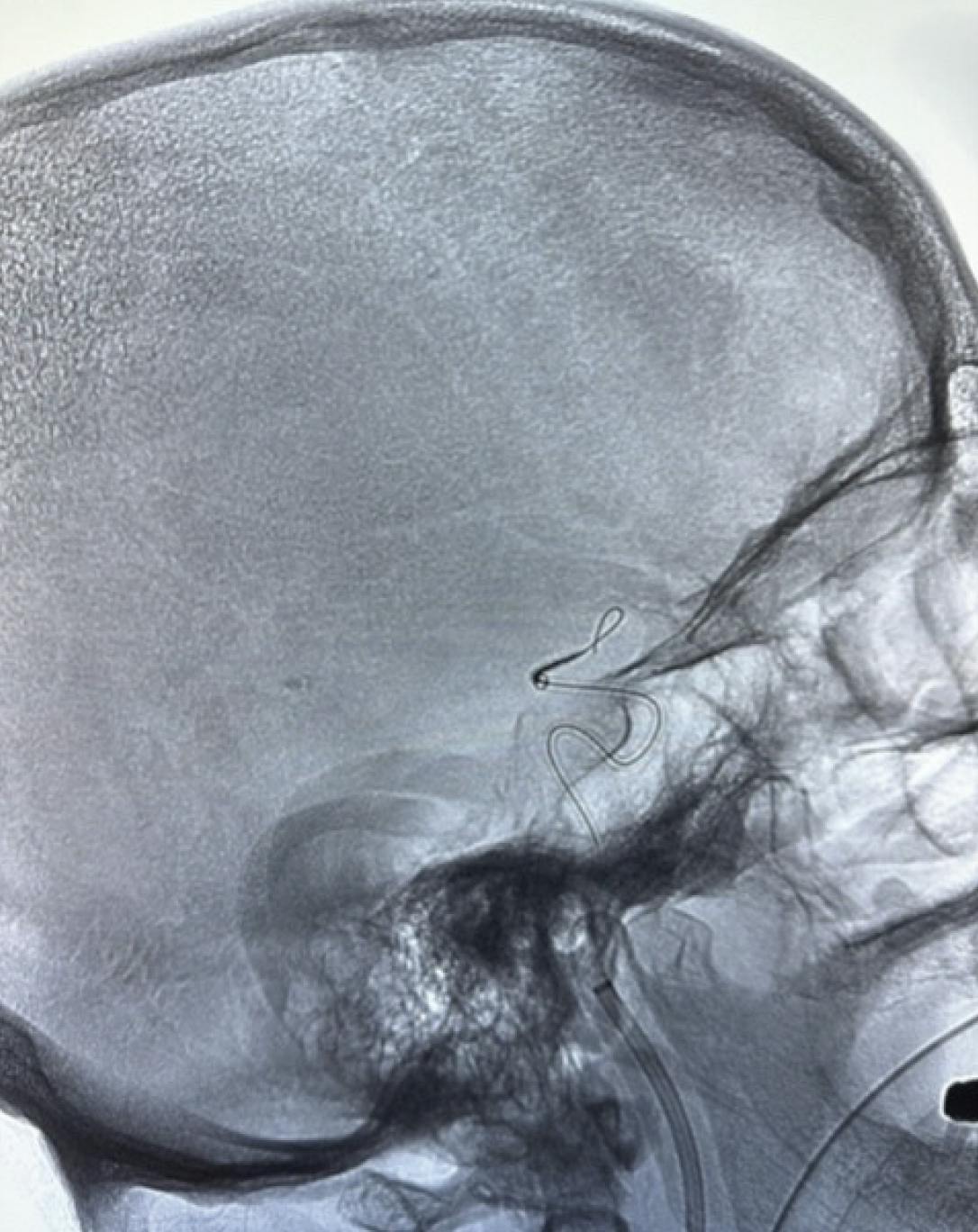
Figure 7. RED 72 with SENDit Technology tracking to the left M1 supported by BMX96.
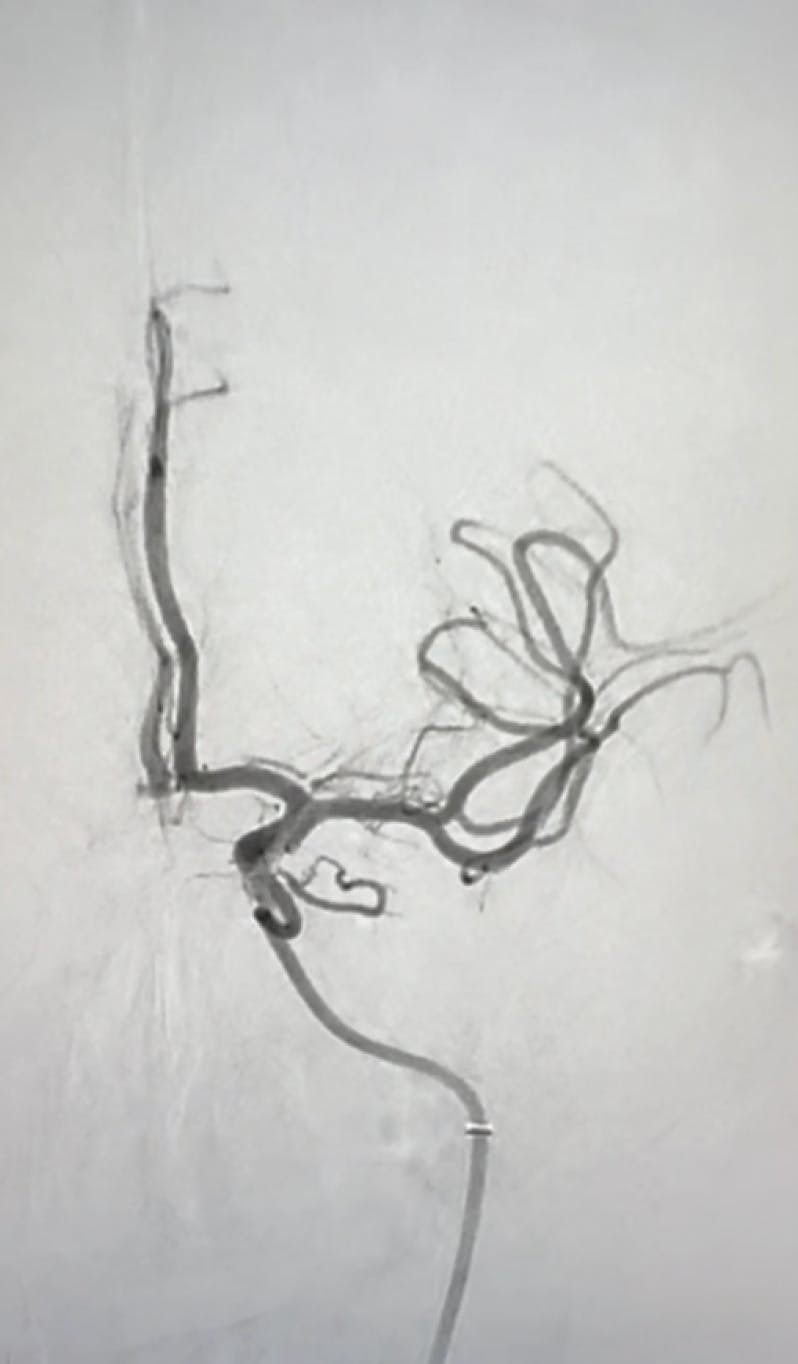
Figure 8. Postoperative angiogram of a patent left M1.
Postprocedure, the patient showed marked clinical improvement. At discharge, NIHSS was 1, with recovered speech and improved motor function. He was discharged home in stable condition.
This case demonstrates the effectiveness of large-bore aspiration using BMX96 and RED 72 with SENDit Technology in achieving rapid, first pass recanalization in acute ischemic stroke due to large vessel occlusion.
The opinions and clinical experiences presented herein are for informational purposes only. The results may not be predictive of all patients. Individual results may vary depending on a variety of patient-specific attributes.
Advertisement
Advertisement