Advertisement
Advertisement
March 2025
Sponsored by Bentley InnoMed GmbH
Early Insights on the Bentley BeFlared Bridging Covered Stent for FEVAR
Expert experience with the highly dedicated bridging stent graft, including a case example.
Fenestrated endovascular aneurysm repair (FEVAR) has emerged as the primary treatment for complex abdominal aortic and thoracoabdominal aneurysms. Key technologic advancements—including dedicated three-dimensional (3D) planning, intraoperative fusion imaging, sheath development, and dedicated balloon-expandable stents—have significantly improved procedural efficiency and outcomes.
Although balloon-expandable covered stents are commonly used for bridging fenestrations to target vessels, they have traditionally required additional procedural steps for optimal placement to secure fixation. A double-step percutaneous transluminal angioplasty (PTA) sequence using a slightly oversized PTA balloon to flare the aortic portion of the bridging stent is required, which necessitates a second balloon passage through the bridging stent and carries the risk of stent dislocation and unintentional deformation. In addition, reentry can sometimes be difficult, which adds extra time, radiation, and cost to the procedure.
There are many options for choosing FEVAR bridging stents. The BeGraft Stent Graft System (Bentley InnoMed GmbH), a cobalt-chromium, balloon-expandable covered stent, is widely used for FEVAR in Europe and has already demonstrated strong mid-term outcomes, with patency rates above 97% at 2 years and minimal reintervention rates.1-4 It is the first bridging stent to obtain the CE Mark as a FEVAR bridging stent and is also currently the bridging stent used in Cook Medical’s ongoing ZFEN+ United States trial to obtain FDA approval.
Building upon these successes, the dedicated BeFlared FEVAR Stent Graft System (Bentley InnoMed GmbH) introduces a crucial innovation: a dual-diameter design PTA balloon, enabling simultaneous deployment and flaring of the proximal end of the bridging stent. This dual-diameter balloon eliminates the need for additional balloon insertion and inflation, streamlining the procedure. An additional third fenestration marker enhances precision in deployment, minimizing errors in stent protrusion and ensuring a more standardized technique (Figure 1).5
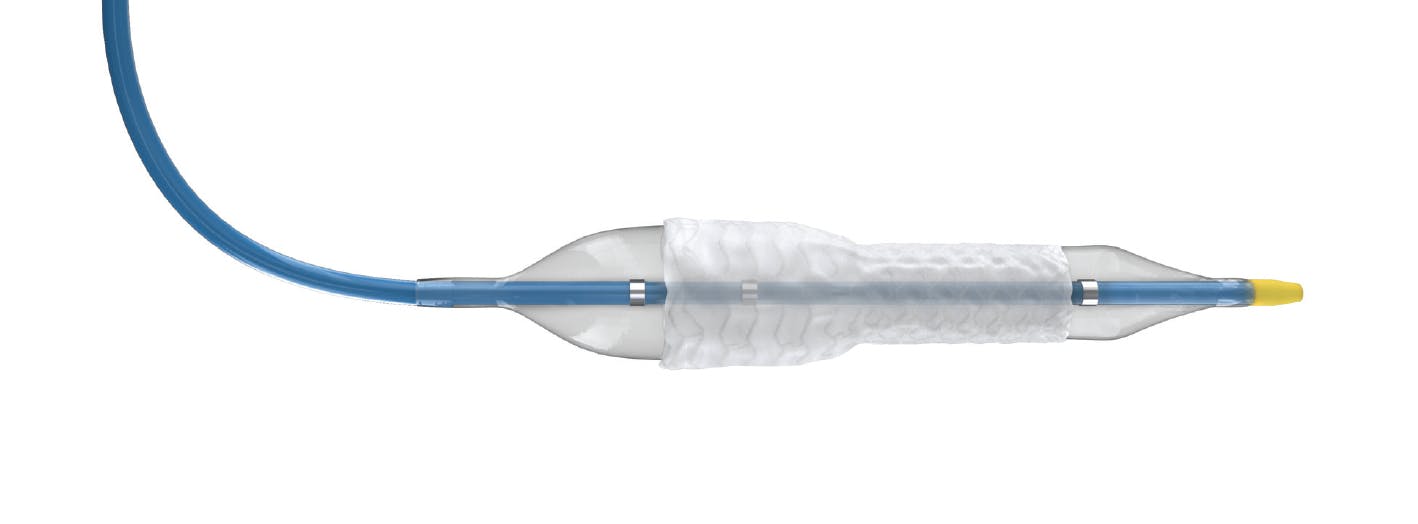
Figure 1. BeFlared FEVAR stent graft system.
A selected group of high-volume centers in Europe and New Zealand captured their initial experience (November-December 2024) of 97 BeFlared stents used in 28 patients.6 The promising results included 100% technical success, reduced procedural duration (by 2 to 3 minutes per vessel), and a decrease in fluoroscopy time. The device performed well across various sheath types, demonstrating excellent positioning, retention, and sealing—consistent with both preclinical and 3D-printed aneurysm model evaluations.
The BeFlared stent marks a potential paradigm shift in FEVAR, reducing complexity and increasing precision. Long-term performance will be assessed through dedicated registries, ensuring continued validation of its clinical benefits.
CASE STUDY
A patient in their mid 70s with a past medical history of hypertension and smoking presented with an asymptomatic, 64-mm juxtarenal abdominal aortic aneurysm (AAA) (Figure 2A and 2B). After discussion, it was decided to proceed with a fenestrated aortic repair using a four-vessel, custom-designed ZFEN™ stent graft (Cook Medical) (Figure 3).
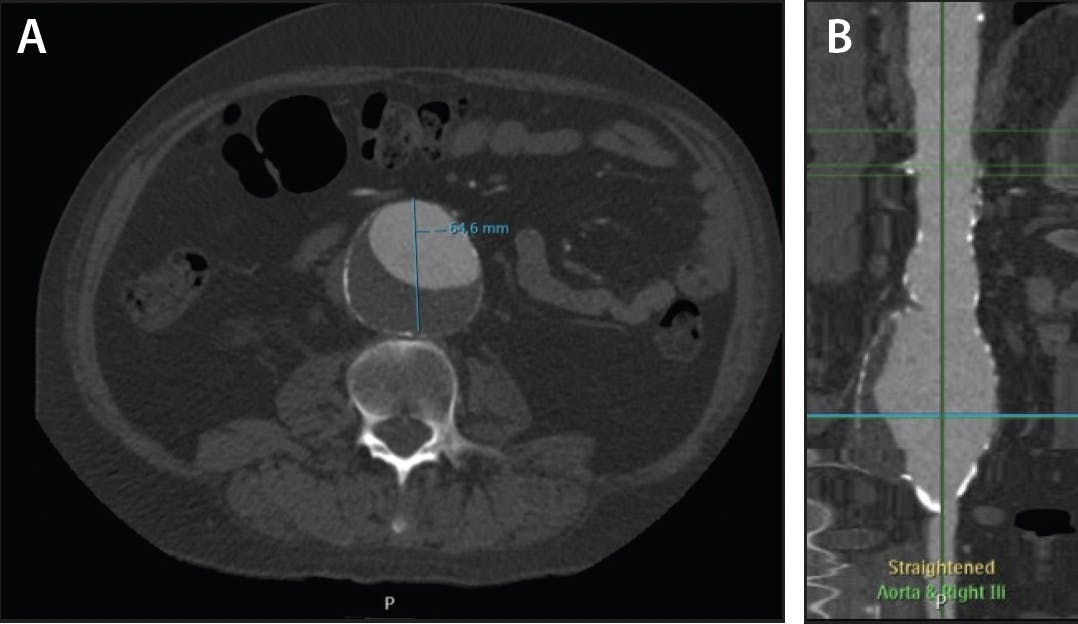
Figure 2. Image of the AAA measuring 64 mm in diameter (A). Centerline reconstruction showing an irregular sealing zone in the juxtarenal aorta (B).
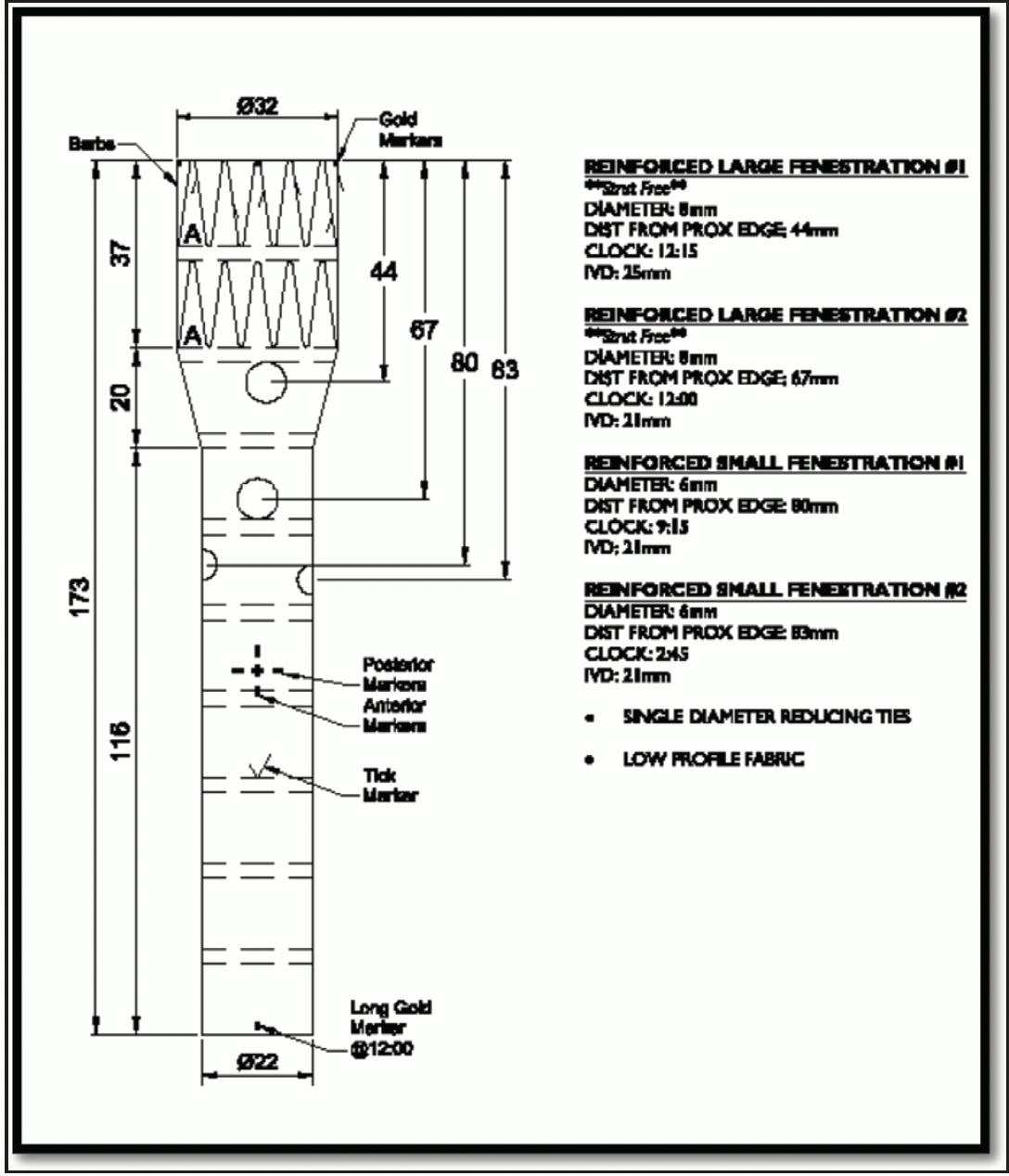
Figure 3. Graft plan of the four-vessel ZFEN device.
The procedure was performed in a dedicated hybrid Azurion operating room (Philips) using fusion image guidance and the LumiGuide™ system (Philips). Percutaneous access was achieved in the femoral arteries, and Prostyle™ closure devices (Abbott) were applied in a preclose technique. The fenestrated stent graft was introduced from the left groin, and the fusion overlay was adjusted using selective catheterization of the right renal artery.
After deployment of the FEVAR graft, a 16-F DrySeal™ sheath (Gore & Associates) was placed from the right and positioned in the FEVAR main body. Through this, a 7-F Aptus TourGuide™ sheath (Medtronic) was used to selectively catheterize the renal arteries, the superior mesenteric artery (SMA), and the celiac artery sequentially (Figure 4). All target vessels were secured with stiff guidewires (either a Rosen wire [Cook Medical] or StorQ™ wire [Cordis]). The celiac artery, catheterized last, was then cannulated with the Aptus sheath and a BeFlared 8/10 X 27-mm stent, positioned in the fenestration and deployed after complete deployment of the ZFEN component (Figure 5A and 5B). The remaining target vessels were then stented in a similar fashion (8/10 X 27 mm in the SMA, 7/10 X 22 mm in the right renal artery, and 7/10 X 22 mm in the left renal artery) (Figure 6). The repair was completed with bifurcated and iliac stent graft extensions. The final angiogram and cone-beam CT showed widely patent target vessels and no endoleaks (Figure 7). The patient was discharged on postoperative day 1 in excellent condition.
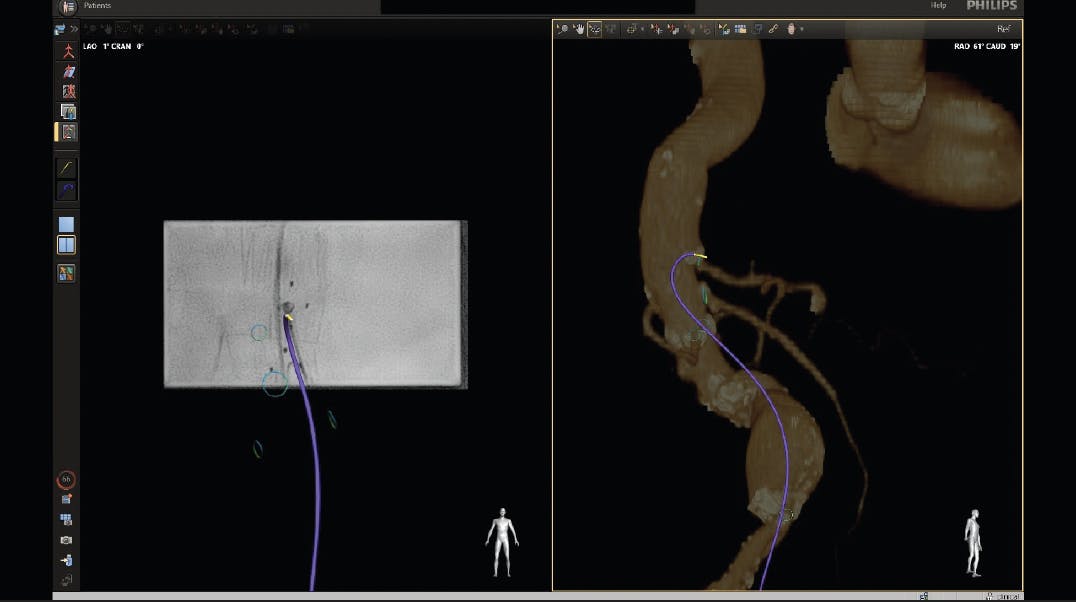
Figure 4. Catheterization of the celiac artery utilizing LumiGuide.
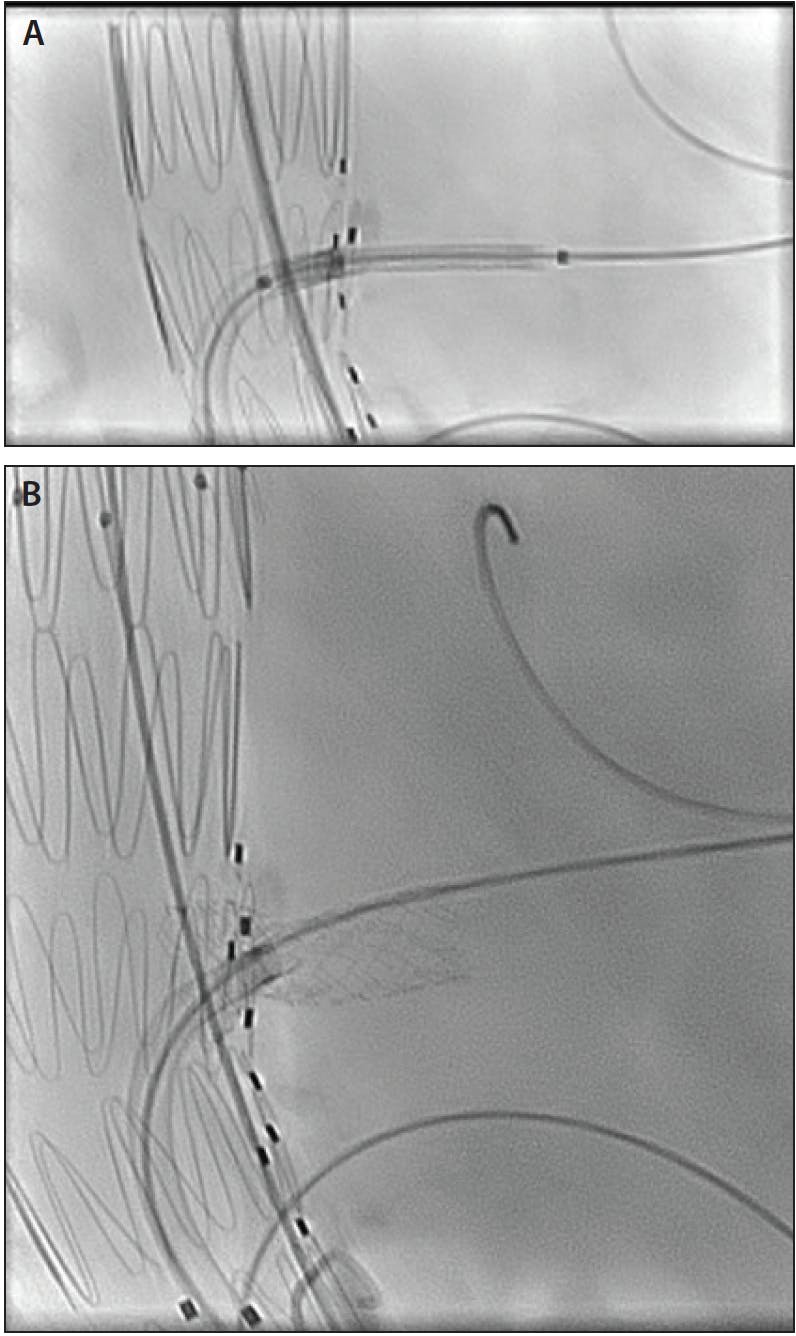
Figure 5. The BeFlared stent graft positioned in the celiac artery. Note three markers on stent: one proximal and distal and one marker, which is aligned with the fenestration markers on the FEVAR graft (A). The BeFlared stent graft after deployment in the celiac artery fenestration (B).
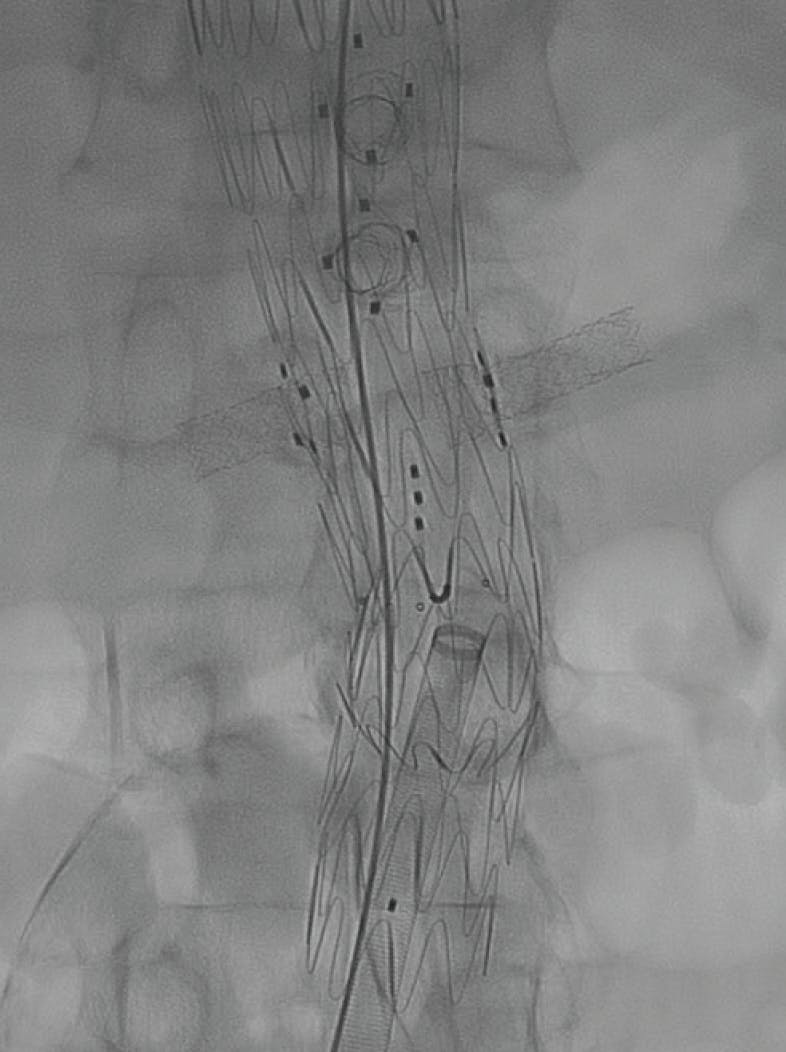
Figure 6. Radiograph showing BeFlared stents in all four target vessels. Note the homogeneous flare and aortic protrusion in the left and right renal fenestrations.
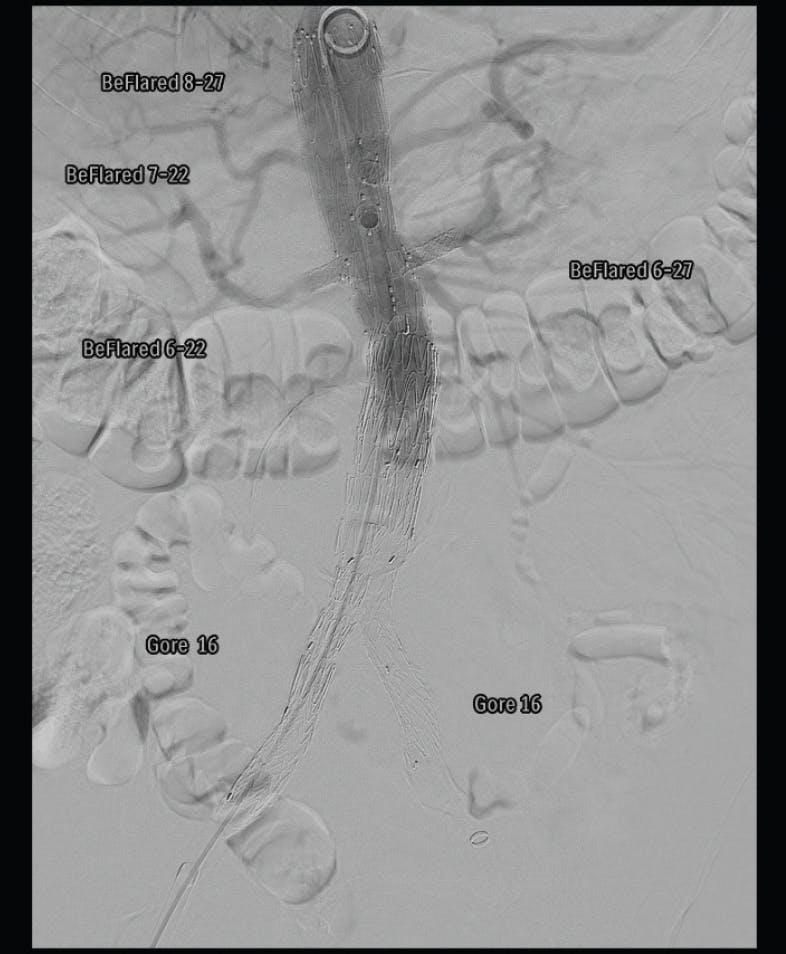
Figure 7. Final angiogram showing good flow in target vessels and no endoleaks.
SUMMARY
FEVAR has become the primary option for repair of AAA involving the visceral aorta. While the FEVAR stent graft platform has remained virtually unchanged over the last 25 years, other advances in technology have assisted in making procedures simpler and better. Advanced 3D planning, intraoperative imaging improvement, vastly improved sheath technology, initially dedicated standard sheaths, and later steerable sheath technology have moved this field forward.
With the introduction of the Bentley BeFlared, we now also have a highly dedicated bridging stent graft, which promises to save operation time and radiation exposure as well as improve the target vessel outcomes. The dedicated fenestration marker on the BeFlared delivery system makes exact positioning easy and adds comfort to even low-volume users. The impression is also that the trackability and stent retention have improved as well. Finally, with the dual-diameter balloon, the flared stent graft transition seems improved compared to conventional two-step flaring, allowing easier re-access to the stent if needed.
1. Katsargyris A, Hasemaki N, Abu Jiries M, et al. Midterm outcomes of the BeGraft and BeGraft plus bridging covered stents for fenestrated and branched endovascular aneurysm repair. Eur J Vasc Endovasc Surg. Published online November 6, 2024. doi: 10.1016/j.ejvs.2024.10.046
2. Becker D, Fernandez Prendes C, Stana J, et al. Outcome of the BeGraft bridging stent in fenestrated endovascular aortic repair in a high-volume single center and an overview of current evidence. J Endovasc Ther. Published online February 23, 2024. doi: 10.1177/15266028241231882
3. Clough RE, Spear R, Mougin J, et al. Midterm outcomes of BeGraft stent grafts used as bridging stents in fenestrated endovascular aortic aneurysm repair. J Endovasc Ther. 2023;30:592-599. doi: 10.1177/15266028221091894
4. D’Oria M, Mezzetto L, Silingardi R, et al. Two-year outcomes With Bentley BeGraft as bridging stent-grafts for reno-visceral target vessels during fenestrated endovascular aortic repair. J Endovasc Ther. Published online May 26, 2023. doi: 10.1177/15266028231175621
5. Oliny A, Fabre D, Fontaine V, et al. Pre-clinical evaluation of new generation bridging stent for fenestrated endovascular aneurysm repair using realistic 3D printed aneurysm models. Eur J Vasc Endovasc Surg. Published online January 27, 2025. doi: 10.1016/j.ejvs.2025.01.027
6. Katsargyris A, Haulon S, Verhoeven ELG; Early Launch Collaborators. Initial experience with the BeFlared bridging covered stent for fenestrated endovascular aneurysm repair. Eur J Vasc Endovasc Surg. Published online January 21, 2025. doi: 10.1016/j.ejvs.2025.01.029

Advertisement
Advertisement