Advertisement
Advertisement
March 2025
Sponsored by Philips
FORS-Powered LumiGuide Solution: 3D Device Guidance Without Radiation
Experts discuss their experience using Philips LumiGuide; the value of 3D, color visualization; the learning curve; and its benefits across a wide range of procedures.
With Darren B. Schneider, MD; Adam W. Beck, MD; Andrew W. Hoel, MD; and Carlos Timaran, MD




Advancing Endovascular Interventions with Fiber Optic RealShape Technology
By Darren B. Schneider, MD
Endovascular procedures have undergone remarkable advancements over the past 2 decades, improving patient safety and outcomes and enabling the treatment of increasingly complex vascular diseases. One of the most exciting innovations in this space is Fiber Optic RealShape (FORS) technology, powering the Philips LumiGuide solution, which offers real-time, three-dimensional (3D) visualization of endovascular devices without ionizing radiation. FORS achieves this by transmitting light through optical fibers embedded within guidewires, capturing their shape in real-time, and reconstructing a 3D image that allows operators to visualize devices within the vascular anatomy without fluoroscopy. The LumiGuide 3D Hub connector also enables visualization of commercially available catheters. This technology holds immense promise, particularly for complex endovascular procedures like fenestrated and branched endovascular aneurysm repair (FB-EVAR), which require intricate catheter navigation and are associated with longer fluoroscopy times.
Reducing Radiation Exposure
Radiation exposure is a significant concern in complex endovascular procedures, particularly FB-EVAR, where target vessel cannulation and bridging stent deployment contribute the most to radiation dose due to prolonged fluoroscopy and high lateral angulation.1 Studies show that these steps account for over 55% of the total radiation exposure.2 FORS technology significantly reduces the need for fluoroscopy by enabling real-time, 3D visualization of guidewires and compatible catheters without radiation. This is especially beneficial for target vessel cannulation, the most radiation-intensive phase, allowing for reduced exposure and minimized time in extreme angulations.2 Research has demonstrated up to a 56% reduction in radiation dose with FORS, with some cannulations performed entirely without live fluoroscopy.3
KEY FEATURES OF THE LUMIGUIDE SOLUTION
Radiation-free navigation. The LumiGuide solution, powered by FORS, allows users to navigate through the patient’s anatomy while visualizing the full 3D shape of the devices in real time without the need for fluoroscopy.
Virtual biplane viewing. LumiGuide makes it possible to display the full shape of devices in 3D and in distinctive colors, as opposed to the 2D, grayscale visualization produced by fluoroscopy. FORS images are generated in real time and can be rotated and tilted to allow viewing from any angle—even angles not able to be achieved by traditional fluoroscopy.
Use your preferred catheter. With the 3D Hub technology, you can continue to work with the catheters you’re already used to. The 3D Hub, in combination with FORS-enabled guidewires, allows your catheters to be visualized inside the body without the need for fluoroscopy.
Enhanced Visualization With Virtual Biplane Imaging
A significant advantage of FORS is its ability to provide a real-time, 3D reconstruction of wires and catheters with simultaneous visualization from multiple angles, unlike conventional fluoroscopy.4 This “virtual biplane” imaging reduces radiation by delivering lateral and angled views while keeping fluoroscopy imaging in the anteroposterior (AP) view (Figure 1). Additionally, it may improve speed and accuracy of vessel catheterization by providing multiple simultaneous views, allowing for better visualization of complex vascular anatomy.
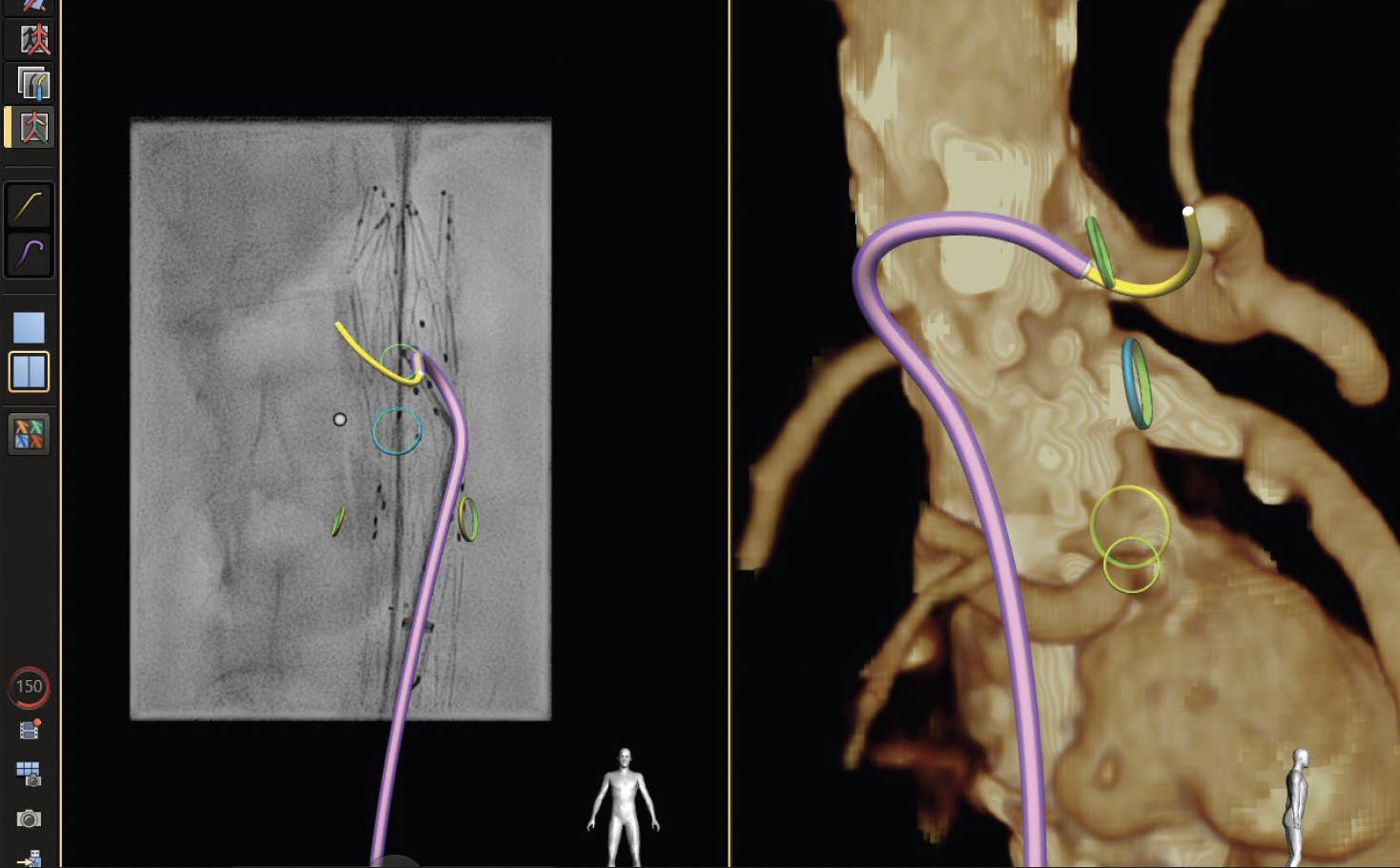
Figure 1. Selective catheterization of the celiac artery with FORS-enabled “virtual biplane” imaging. The C-arm is maintained in the AP projection (left panel) to minimize radiation dose, while a simultaneous lateral view (right panel) facilitates catheterization of the celiac artery.
Improving Workflow Efficiency
Incorporating LumiGuide into endovascular workflows can improve efficiency by reducing procedural time and minimizing the need for repeated fluoroscopic imaging. In a study comparing FORS-guided procedures with standard fluoroscopy, this enhanced efficiency was demonstrated by operators using FORS, achieving an overall procedure time reduction of 37%.3 This reduction in procedure time may improve patient outcomes by reducing limb ischemia from large access sheaths and the overall duration of anesthesia.
The Future of LumiGuide in Endovascular Surgery
Integrating LumiGuide into routine clinical practice represents a transformative shift in how endovascular interventions are performed. The current applications in FB-EVAR are just the beginning. Future advancements with different guidewire lengths, profiles, and properties may expand FORS technology to encompass a broader range of interventional procedures, including peripheral artery, cerebrovascular, and venous interventions.
Developing FORS-compatible devices such as balloon catheters, stent delivery systems, and steerable sheaths will further streamline workflows and enhance adoption. The potential for artificial intelligence–driven enhancements in vessel navigation using FORS might also pave the way for improved procedural planning and execution, and even robotic-assisted endovascular navigation.
Conclusion
LumiGuide, powered by FORS technology, is a game-changer in endovascular interventions, particularly complex procedures like FB-EVAR. By reducing radiation exposure, improving visualization, and enhancing procedural efficiency, LumiGuide represents a new frontier and is poised to redefine how we perform complex endovascular procedures in the future.
1. Kirkwood ML, Chamseddin K, Arbique GM, et al. Patient and operating room staff radiation dose during fenestrated/branched endovascular aneurysm repair using premanufactured devices. J Vasc Surg. 2018;68:1281-1286. doi: 10.1016/j.jvs.2018.02.031
2. Rockley M, Nana P, Rebet A, et al. A procedural step analysis of radiation exposure in fenestrated endovascular aortic repair. J Vasc Surg. 2024;79:1306-1314. doi: 10.1016/j.jvs.2024.02.006
3. Finnesgard EJ, Simons JP, Jones DW, et al. Initial single-center experience using Fiber Optic RealShape guidance in complex endovascular aortic repair. J Vasc Surg. 2023;77:975-981. doi: 10.1016/j.jvs.2022.11.041
4. Sanders AP, Swerdlow NJ, Jabbour G, et al. The effect of Fiber Optic RealShape technology on the reduction of radiation during complex endovascular surgery. J Vasc Surg. 2024;79:954-961. doi: 10.1016/j.jvs.2023.11.002
Dr. Schneider: What has been your experience using LumiGuide, powered by FORS technology?
Dr. Timaran: We were the first in the world to use the LumiGuide with the catheter-agnostic/3D Hub and the longer 160-cm wire. It coincided with the 1,000th case using FORS technology worldwide. Both accomplishments were of special significance for us, as we were early adopters of the technology and can attest to its extraordinary benefits for the treatment of our patients. With over 200 cases using FORS during complex EVAR, our experience has grown from the early steps in the learning curve to a high-level expertise with the technology. We have also seen notable improvement in the versatility and features of the wires and the imaging hardware and software. Importantly, adoption and learning of the system are simple and straightforward for both operators and technicians involved in setup of the system, which is intuitive and user-friendly. These steps that can be easily followed before each case also allow the operating staff to familiarize with the case and plan the procedure, which improve efficiency and safety. The multiplanar imaging allows visualization of the catheters and wires in any imaginable plane, even those that could never be obtained with standard biplane machine. One can project imaging from above or below or any sagittal or coronal imaging.
Dr. Beck: I have done over 120 fenestrated and branched aortic procedures with LumiGuide and have found that the system improves efficiency, reduces the procedure time, and reduces time on the fluoroscopy pedal during the navigational portions of the procedure to near zero. The navigational portions include cannulation of fenestration/branches and entry into the target branch vessels, as well as the cannulation of the docking limb of any bifurcated device components (Figure 2).
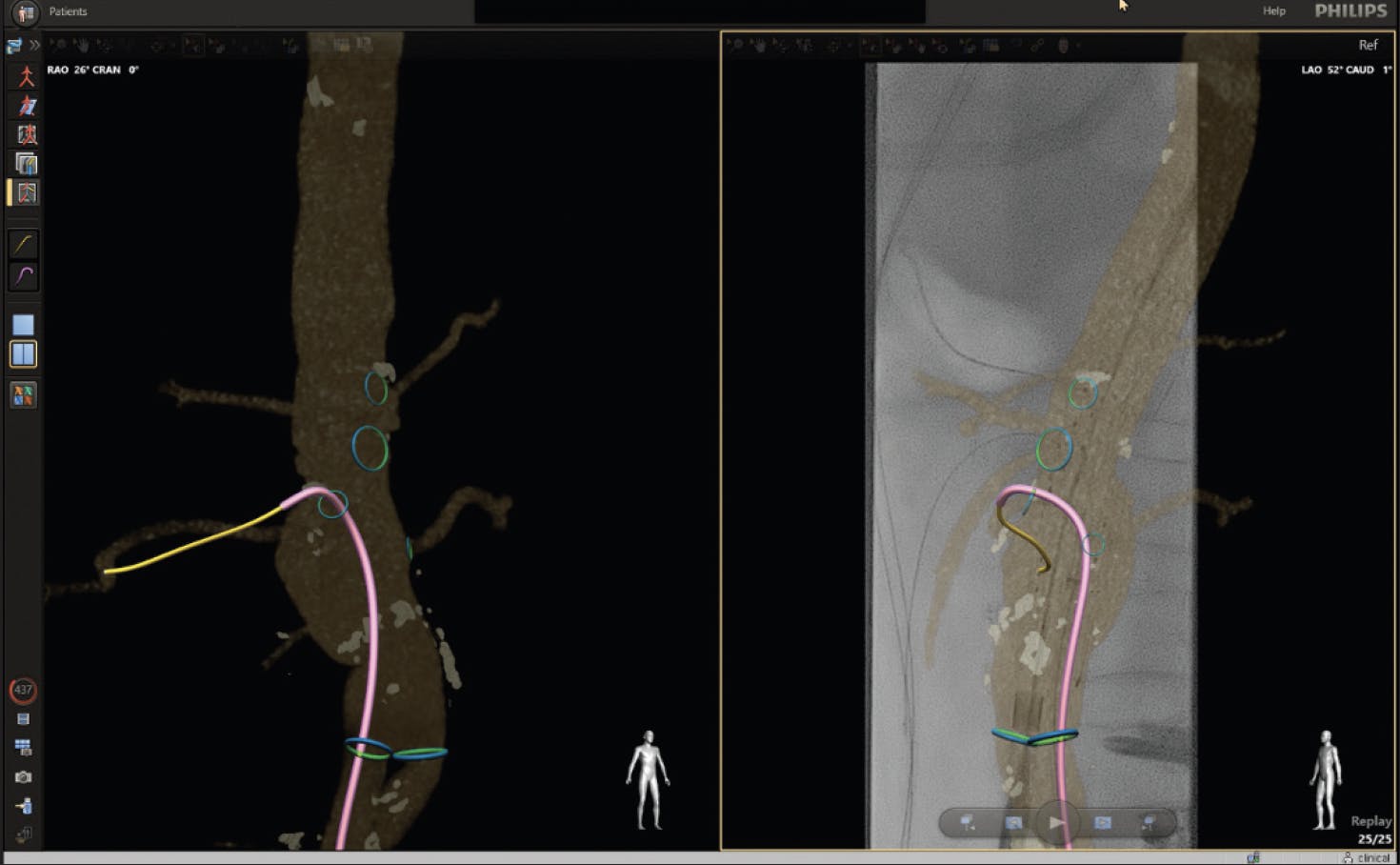
Figure 2. Image showing the virtual biplane.
In addition to decreasing the time on the fluoroscopy pedal, the amount of radiation is considerably reduced by eliminating much of the need for oblique/lateral imaging during the navigational portions of the procedure. These oblique images become necessary particularly when deploying branch stents into the target vessels.
Dr. Hoel: Our experience with LumiGuide has been extremely positive over the last 6 months, and we have made significant strides in realizing the potential of FORS. Our learning curve has followed a stepwise progression that has helped us understand the areas of greatest impact for the current iteration of this technology in our hands. With our current level of experience, LumiGuide has been useful in fenestrated repair of aortic aneurysms where the use of magnification and virtual biplane with minimal fluoroscopy provides some incremental gains in safety and efficiency of treatment. However, we have come to appreciate that the most impactful use of LumiGuide has been in procedures where we are working within a large aneurysm sac or in complex 3D vascular anatomy. For example, in patients with thoracoabdominal aortic aneurysm (TAAA) and large-diameter visceral segment aorta, navigation with LumiGuide has been very helpful and highly efficient for target vessel cannulation (Figure 3). The recent availability of a longer, 160-cm LumiGuide wire has further expanded the catheter and sheath options that can be used with the wire and 3D Hub, increasing the system’s versatility. LumiGuide has also been useful in navigating the complex 3D anatomy of the pelvic arteries, which often need steep imaging angles to sort out the anatomy using fluoroscopy. The virtual biplane helps facilitate this navigation more easily than using awkward angles that have relatively high radiation exposure. The current state of FORS is an important milestone in the progression toward widespread use of intravascular navigation with multiplanar visualization and without the use of fluoroscopy.
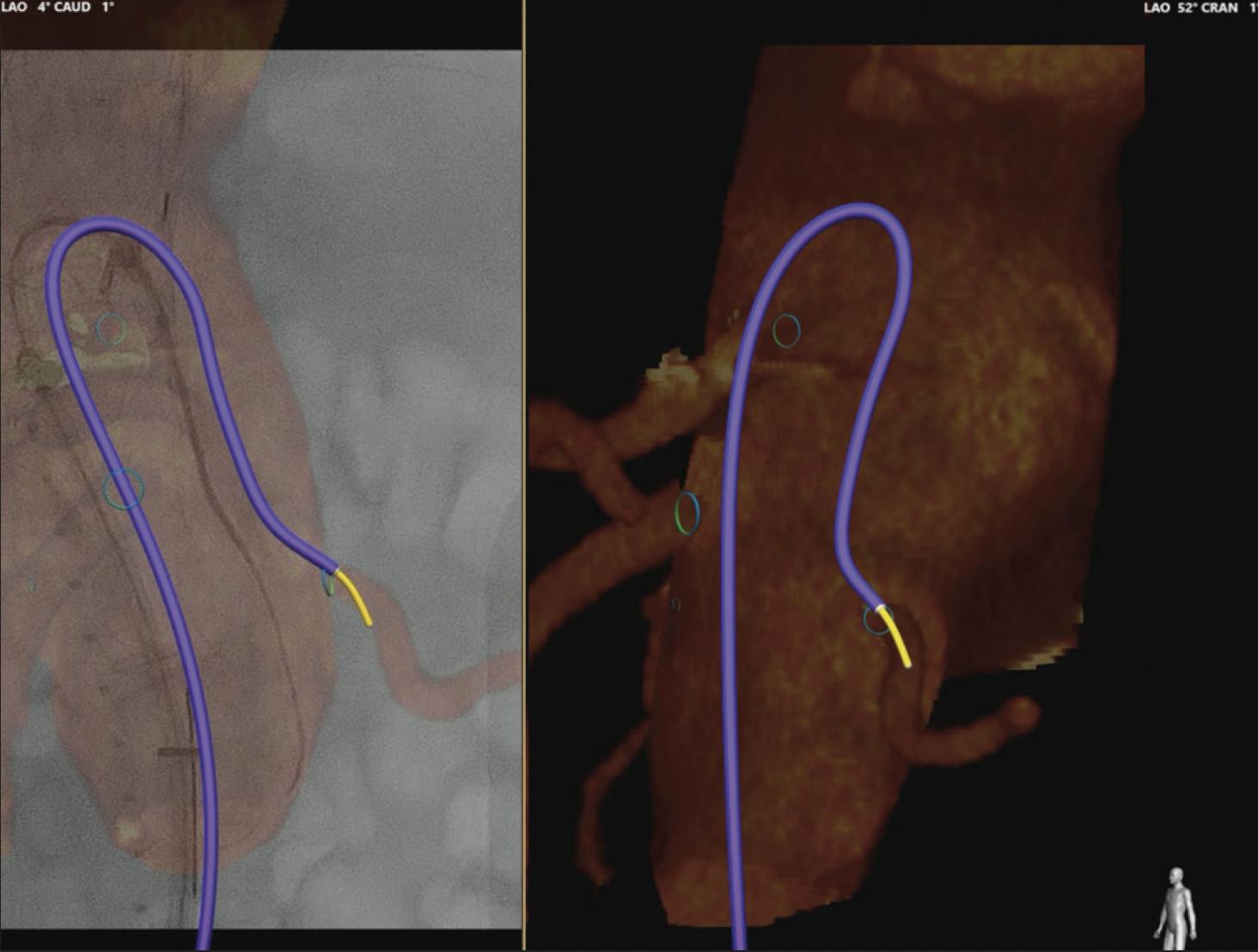
Figure 3. Transfemoral BEVAR. Virtual biplane facilitates cannulation of the left renal artery in a large aneurysm sac. Shown is the retroflexed 8.5-F steerable sheath; long, angled catheter with the LumiGuide 3D Hub; and LumiGuide 160-cm wire.
Dr. Schneider: What is the value of having full shape and length visualization of FORS-enabled guidewires and catheters?
Dr. Beck: Although a majority of graft fenestrations can be cannulated with the combination of a steerable sheath, Berenstein catheter, and the LumiGuide wire, when additional catheters such as a SoS Omni Selective (AngioDynamics, Inc.) become necessary, the catheter-agnostic nature of the system becomes extremely useful. Additionally, with directional aortic graft branches, I prefer to use a larger directional sheath and a right-angle Berenstein, which allows cannulation of nearly all target vessels through the directional graft branch in my experience (Figure 4). Given the length of these larger sheaths, the 160-cm length has been especially useful for vessels targeted through directional graft branches.
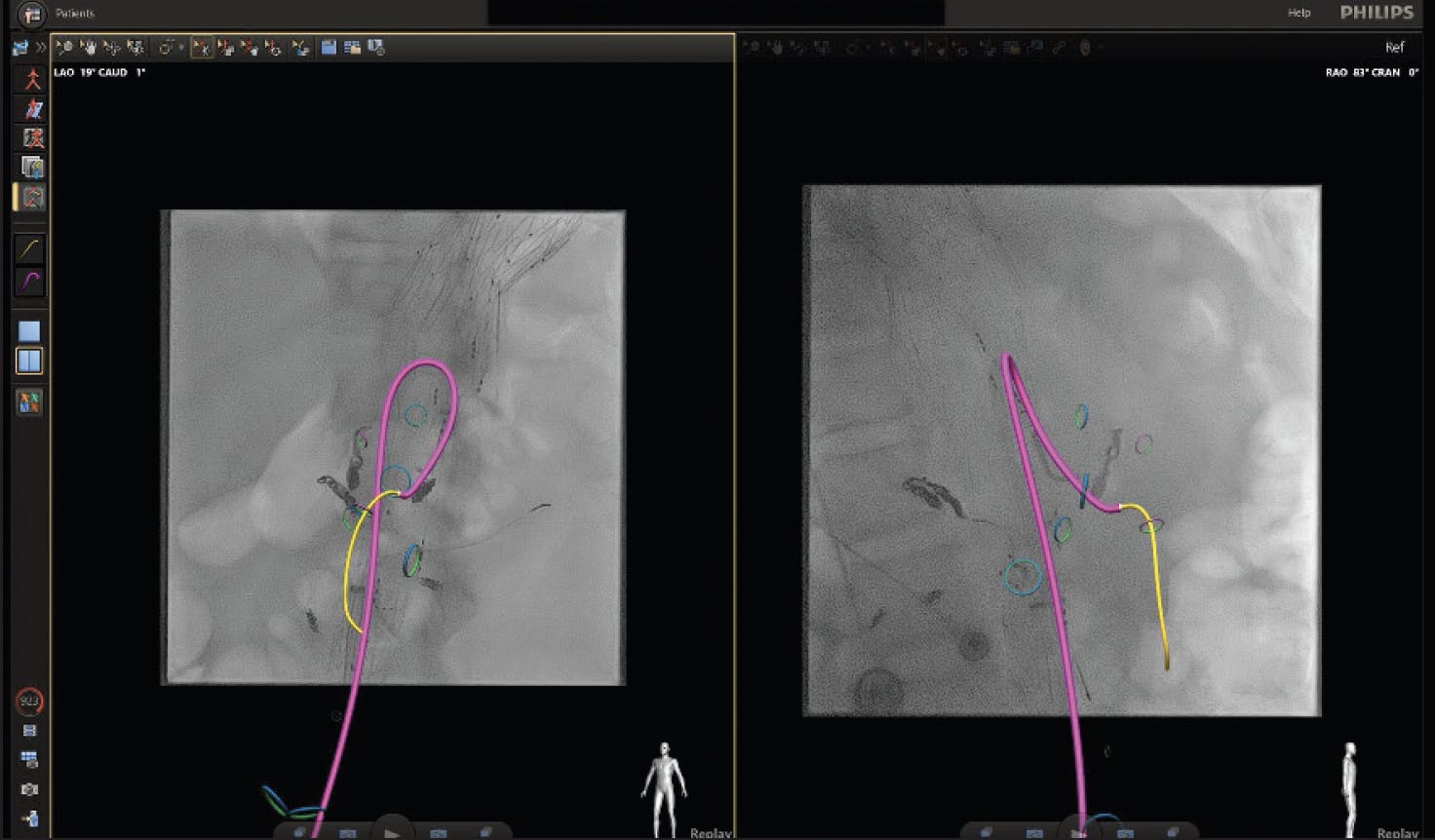
Figure 4. Branch vessel catheterization through a directional graft branch.
Dr. Timaran: Although the system was originally conceived as an imaging modality to use light instead of x-rays for interventions and thus reduce radiation exposure, one of the main advantages of the system is the multiplanar visualization of the operative field and the ability of using any imaging as the mask for the intervention. Although we use CTAs as the roadmap for FORS, any imaging modality, such as subtraction angiography or plain fluoroscopy image can be used. More importantly, the mask is very easily incorporated, and one does not need to inject contrast or set up any special mode for the imaging. Also, an important point not frequently discussed is the ability of using LumiGuide to teach and train future operators and staff on the execution of complex interventions. Not only is radiation spared during training, but the enhanced imaging allows better understanding and adoption of interventional techniques.
Dr. Schneider: What has been the learning curve for this breakthrough solution?
Dr. Hoel: Our learning curve has progressed in two overlapping phases. First, we found standardization of workflow and setup of the physical environment to be critically important to efficient use of LumiGuide. Because we have a stable and longstanding setup and workflow for our complex aortic procedures, our excellent operating room (OR) team was able to efficiently integrate LumiGuide into our procedures. This standardization took significant pressure off the entire team as we developed increasing comfort and proficiency with intraprocedural use of LumiGuide. We do most of our controls tableside using a sterile mouse, which we have found straightforward and minimally distracting.
Our second phase of learning was focused on intraprocedural use of the LumiGuide wire and 3D Hub. The wire behaves somewhat like a stiff, angled hydrophilic wire, but there is some difference in the visual cues on the screen as well as the tactile feedback compared to standard two-dimensional (2D) fluoroscopy and the wires with which we are accustomed. We approached this incrementally through careful patient selection as we gained familiarity with FORS technology. Prophylactic embolization procedures of inferior mesenteric, intercostal, or accessory renal arteries during elective EVAR have been satisfying procedures that allowed us to use many of the advantages of FORS (Figure 5). Cannulating a small artery in a large aneurysm sac allowed us to leverage the benefits of virtual biplane and reduced fluoroscopy time without significant worry of target vessel injury or dissection (which we did not experience) since the overall goal was target vessel occlusion. We similarly found target vessel cannulation during FEVAR to be a safe and straightforward next level in building our skill set. With good fenestration alignment to a nonstenotic target vessel, cannulation is straightforward and leverages the virtual biplane and intravascular navigation without fluoroscopy. We continue to advance in the complexity of procedures we are pursuing with LumiGuide and see great potential for broad use in our complex endovascular procedures.
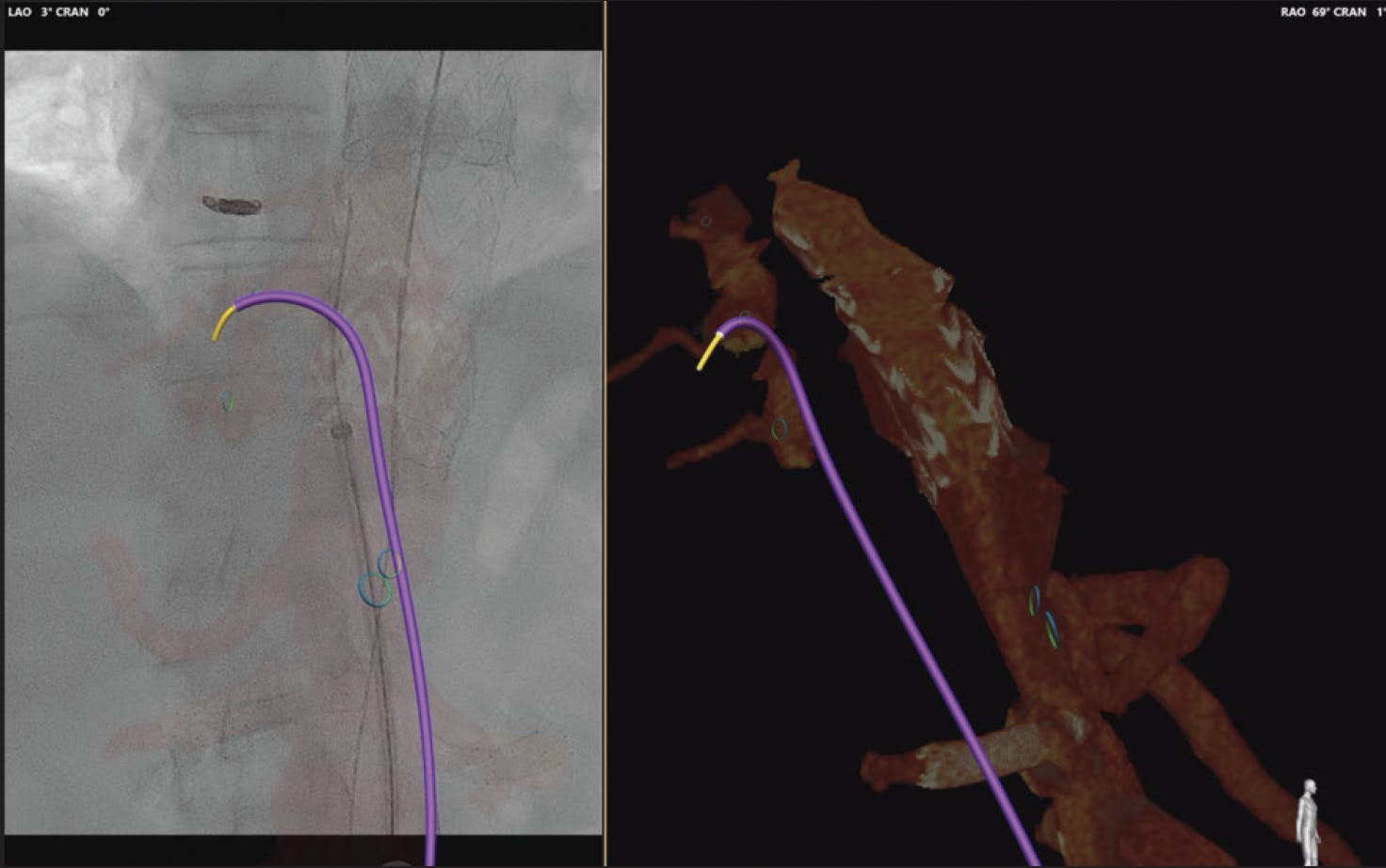
Figure 5. Preemptive embolization of intercostal artery in a large-volume false lumen of chronic dissection prior to BEVAR. Using virtual biplane, the right T10 intercostal artery was embolized and the right T11 intercostal artery was cannulated. Shown is the 7-F steerable sheath; 0.035-inch, 90-cm straight catheter with the LumiGuide 3D Hub; and LumiGuide 160-cm wire.
Dr. Beck: For the surgeons, I have found that the learning curve for use of the LumiGuide solution is not steep given that the device is very similar to using any catheter along with a Glidewire (Terumo Interventional Systems). In fact, in some ways, it’s easier to teach because the depiction of the wire on the screen is clearer than what you would see on low-dose fluoroscopy. The most difficult part of the learning curve is getting accustomed to using biplane imaging to cannulate a vessel (Figure 1, Figure 2, Figure 3, Figure 4, Figure 5 and Figure 6), as this falls outside of routine everyday vascular surgery practice.
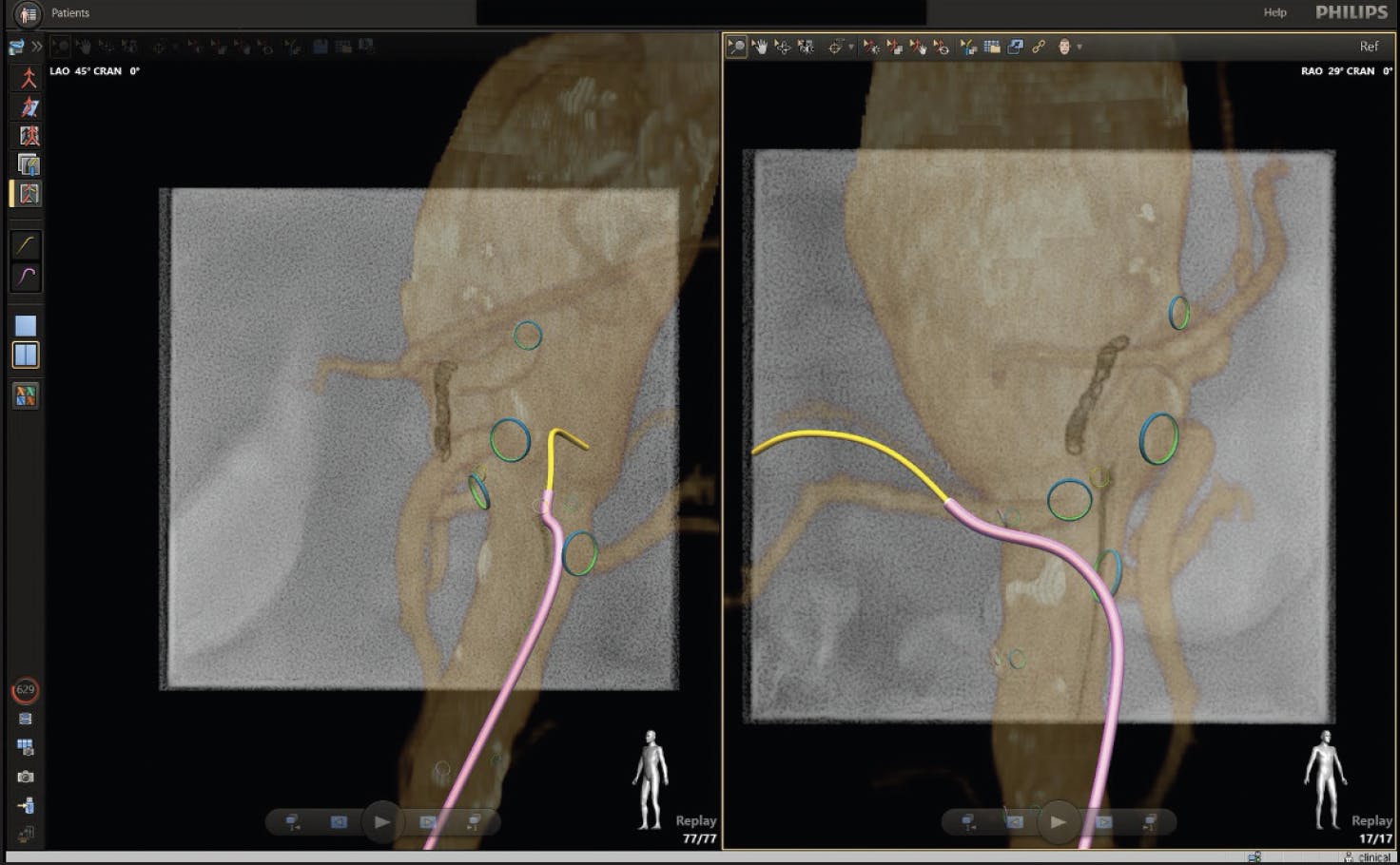
Figure 6. LumiGuide used during intercostal artery embolization.
For the OR team, the learning curve has also not been difficult given the simplicity of LumiGuide’s setup. All of my vascular residents/fellows are adept at setting up the 3D overlay imaging and LumiGuide at the outset of the procedure. If the OR team is accustomed to using Vessel Navigator, the incremental knowledge necessary to run the LumiGuide solution is not much (Figure 7).
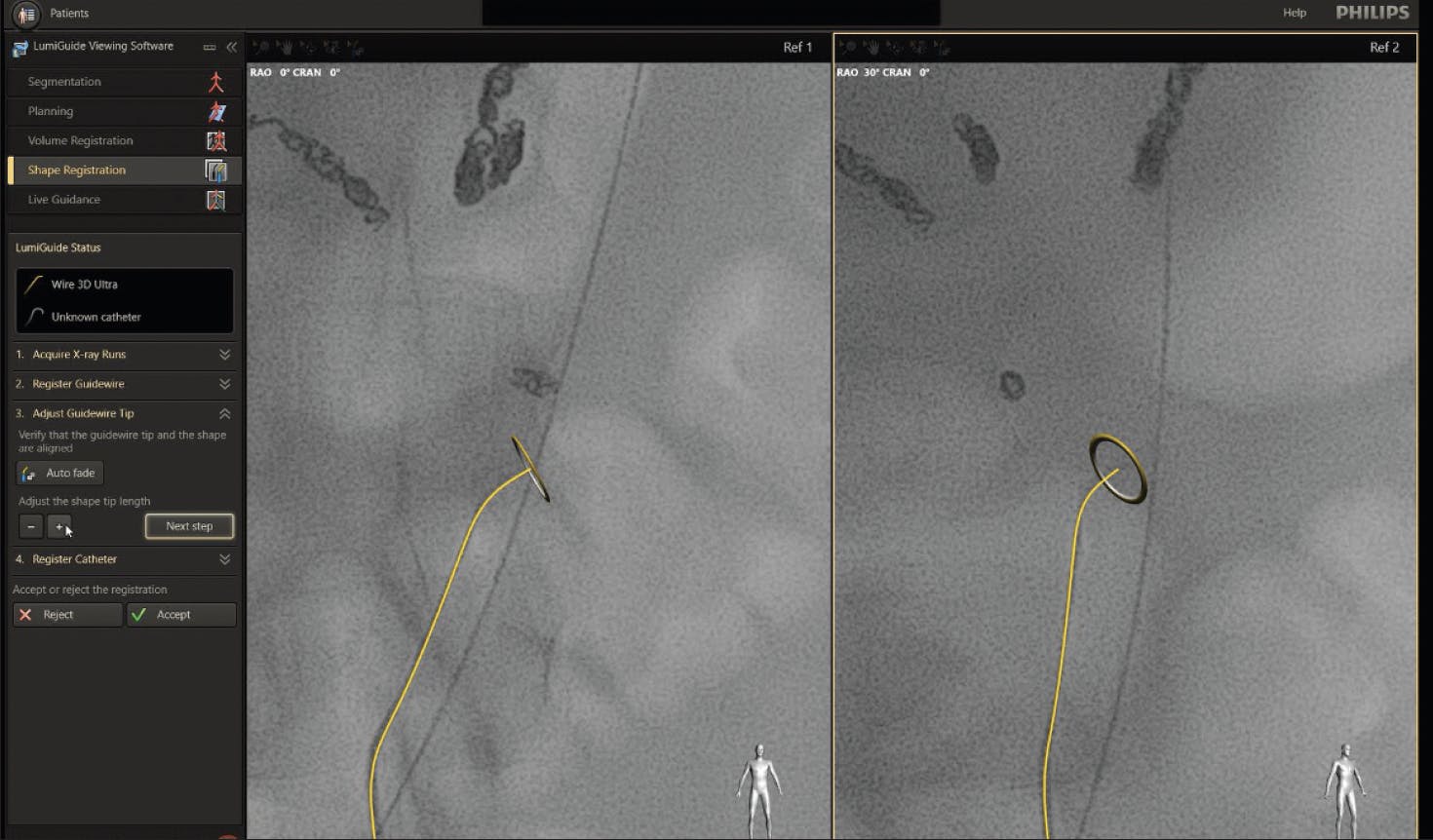
Figure 7. The Shape Registration work step illustrating the small difference from Vessel Navigator and how to get the correct tip length of the wire.
Dr. Schneider: To add to this question, our learning curve for LumiGuide was relatively short, taking approximately 10 cases to become comfortable registering the guidewire and 3D Hub-attached catheter and navigating the user interface. With experience, we have progressively improved at maximizing the advantages of multiple and biplane views to optimize procedural efficiency. We have observed reductions in fluoroscopy times, radiation doses, and total case times, demonstrating its potential to improve efficiency in complex endovascular procedures. Importantly, the adoption of FORS technology has enhanced my overall awareness and vigilance in applying best practices for minimizing radiation doses. Although some fluoroscopy remains necessary, LumiGuide has streamlined workflow, improved accuracy, and reinforced our team’s commitment to minimizing radiation exposure for patients and the OR team.
Outside of complex thoracoabdominal cases, what other cases have you found value for LumiGuide and FORS technology?
Dr. Beck: This solution is particularly useful for treatment of renal/mesenteric occlusive disease, complex embolization procedures (intercostal/inferior mesenteric artery embolization [Figure 6], pelvic and mesenteric branch vessel embolization), and iliac branch endoprosthesis procedures.
Dr. Timaran: LumiGuide and FORS technology could be used for any intervention. The more complex the case, the greater utility of the imaging technique. FORS technology could be used for transaortic valve replacement and other structural cardiac procedures in the future. Peripheral arterial and venous interventions are clearly procedures where LumiGuide can be beneficial, as the ability to use any image as the mask for the intervention would facilitate and enhance the safety and expeditiousness of the procedure.
Disclosures: Dr. Schneider: Consultant to Abbott, Boston Scientific, Cook Medical, W.L. Gore & Associates, Medtronic, Philips; grant support, Cook Medical, W.L. Gore & Associates, Philips. Dr. Beck: All proceeds to UAB: consultant to Artivion, Cook Medical, Medtronic, Philips, Terumo; research support from Cook Medical, Endospan, Medtronic, Philips, Terumo, W.L. Gore & Associates. Dr. Hoel: None. Dr. Timaran: Research support and consulting fees from Cook Medical, W.L. Gore & Associates, and Philips Healthcare, Inc.
The opinions and clinical expertise presented herein by are specific to the featured speakers and are for informational purposes only. The results from their experiences may not be predictive for all subjects, physicians, or patients. Individual results may vary depending on a variety of patient-specific attributes and related factors. Nothing in this article is intended to provide specific medical advice or to take the place of written law or regulations.
Advertisement
Advertisement