Advertisement
Advertisement
March 2025
Sponsored by Medtronic
Roundtable Discussion: The VenaSeal Spectrum Clinical Trial Outcomes and Latest Guidelines
Impact on superficial venous treatment strategies.
With Ramona Gupta, MD, FSIR; Manj Gohel, MD, FRCS, FEBVS; Kathleen Gibson, MD; and Kathleen Ozsvath, MD, FACS




Medtronic’s VenaSeal Spectrum postmarket clinical trial program is highlighting the need for further patient-centric endpoints when treating patients with CEAP (clinical, etiology, anatomy, pathophysiology) 2 to 6 superficial venous disease (SVD). The 6-month Spectrum outcomes,1 in addition to the 2022 to 2023 SVD guidelines,2-4 have prompted physicians to review their treatment strategies. In this roundtable discussion, leading physicians in SVD explore some of the impact on decision-making.
How have the latest Spectrum randomized controlled trial (RCT) data changed or reinforced your treatment algorithm for SVD?
Dr. Gibson: The latest Spectrum RCT data reinforce the fact that we have two excellent, safe, and effective endovascular modalities for treating varicose veins. Both endothermal ablation (ETA) and cyanoacrylate closure (CAC) are well tolerated by patients, who report high satisfaction with their treatments. I can confidently inform my patients that, after reviewing the advantages and disadvantages of both CAC and ETA, either option is likely to improve their symptoms. There really isn’t a “right” or “wrong” choice between the two. Additionally, the data highlight the superiority of CAC over surgical stripping (SS) from a patient perspective. However, as I have not performed SS in many years, this comparison hasn’t influenced my clinical practice.
Dr. Gohel: These reassuring findings (as stated by Dr. Gibson) have reinforced my personal decision algorithm for the treatment of superficial venous reflux. ETA is the most established and widely used endovenous modality, but nonthermal, nontumescent, catheter-based intervention using CAC has a clear role for the treatment of specific patient populations as part of a shared decision-making process. Specifically, the VenaSeal™ closure system (Medtronic) can be considered for interventions below the knee (BTK) in patients with multiple saphenous segments requiring treatment or where the patient is apprehensive about tumescent anesthesia (to avoid multiple needle injections).
Dr. Ozsvath: The Spectrum data have reinforced my current algorithm. Identifying a patient’s history of presentation, family disease, prior deep vein thrombosis/pulmonary embolism/superficial vein thrombosis, occupation, pregnancies, previous venous interventions, and whether they utilize(d) compression stockings allows for a patient-centric treatment paradigm.
How have the latest venous guidelines impacted your approach to SVD treatment?
Dr. Gupta: The latest United States guidelines further confirm that symptomatic axial reflux is appropriately treated with both thermal and nonthermal techniques with grade 1 evidence.3,4 This evens the playing field when discussing options with patients; I can confidently recommend both technologies while considering their individual circumstances. Figure 1 depicts my thought process for choosing a strategy to treat SVD with input from the patient.
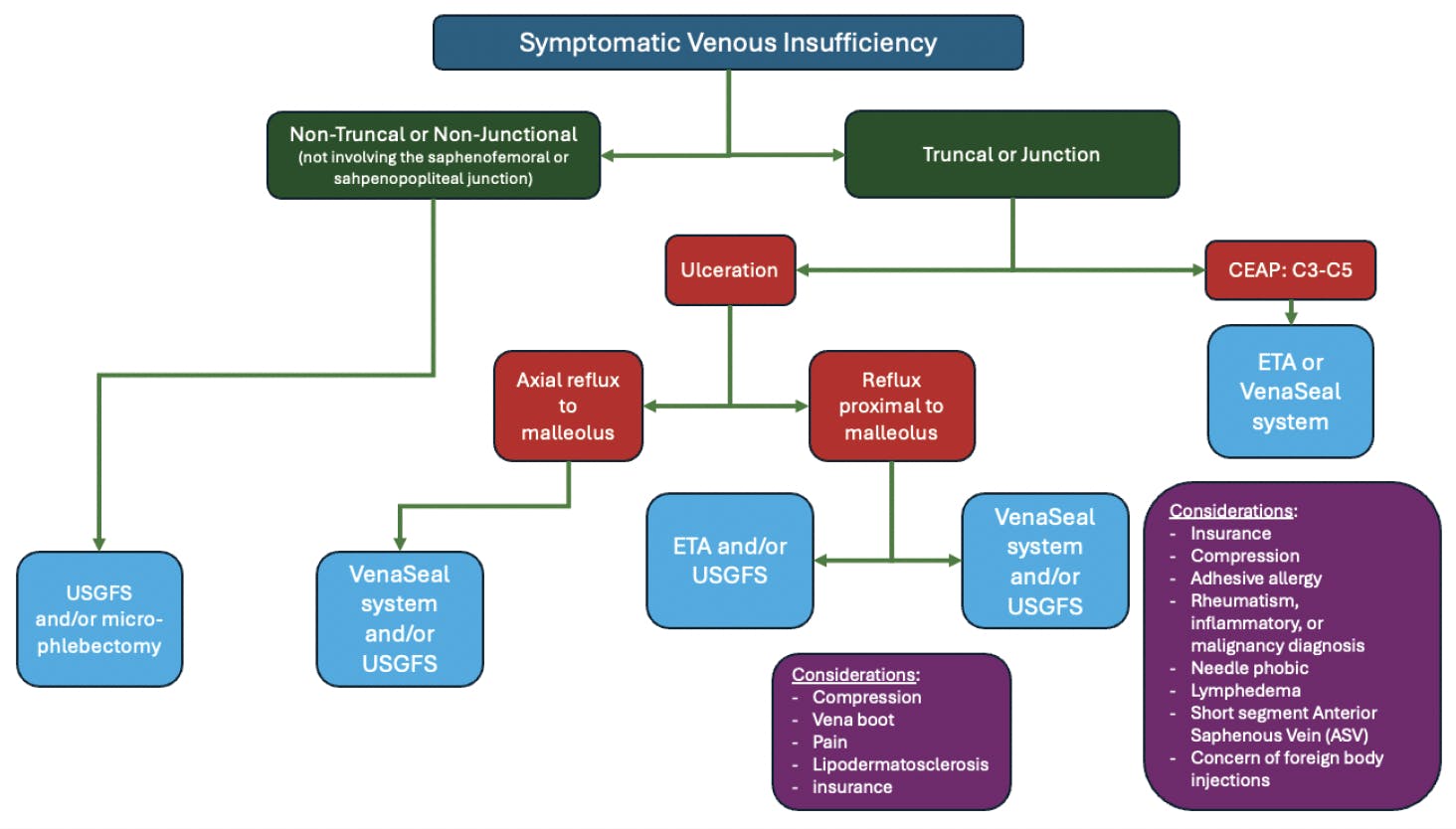
Figure 1. Dr. Gupta’s approach to treating SVD in consultation with the patient.
Dr. Gohel: Venous guidelines have an important role in guiding clinical practice and updating clinical teams with the latest evidence and trials. There are several international guidelines providing useful treatment algorithms for ablation of saphenous reflux. In general, ETA is considered the gold standard, which is appropriate given the volume of clinical evidence supporting the effectiveness of these interventions. In the latest European Society for Vascular Surgery chronic venous disease guidelines, CAC is given a level 2a recommendation, with enormous emphasis on shared decision-making with the patient.2 The value of involving the patient in the clinical decision will tailor the treatment strategy to their unique needs. This has also highlighted the importance of physicians having access to a range of different treatment modalities, including nonthermal options such as the VenaSeal system.
Dr. Gibson: The latest guidelines haven’t significantly changed my practice because they align closely with what I’ve been doing already in patient counseling. When we have treatment options with clinical equipoise, the patient’s voice becomes even more critical in the decision-making process. For example, a patient who wishes to avoid compression stocking use during recovery may favor CAC, while someone concerned about having a permanent implant may lean toward ETA. While serious complications are rare with both CAC and ETA, the type of complication differs, and patients may have specific concerns that shape their treatment choice.
Dr. Ozsvath: In our practice, we analyze our patients’ duplex ultrasounds of venous reflux to determine the optimal treatment paths and obtain venograms or intravascular ultrasounds if deep venous pathologies are suspected. With axial reflux, we recommend ETA or CAC with concomitant phlebectomy. For patients with CEAP scores between C4 and C6 with axial reflux, the above applies in addition to perforator treatment with auxiliary treatments to address potential deep system disease. Without axial reflux and symptomatic varicosities, we recommend phlebectomy and sclerotherapy, if necessary.
Venous specialists must be proficient and educated in venous ultrasound. I personally hold the probe myself during cases. I strongly recommend that providers become proficient at this. If the patient is not responding as expected (especially C6), restudy. Don’t be afraid to use CAC in patients with C6 disease. It allows for access to areas below that are not possible to inject tumescent. By compressing the vein, I think the glue extends into tributaries that may be feeding the subulcer plexus. With excellent sterile technique, patients can be safely treated. The catheter used for CAC is pliable and allows for navigation through areas that have postphlebitis changes. In my opinion, deep venous work must be done with intravascular ultrasound.
Are there any specific patient considerations that influence your treatment recommendations for SVD in favor of one modality over another?
Dr. Gupta: The most important factors for me are length and location of vein to be treated, presence or absence of ulceration, and the patient’s ability to wear and comply with postprocedural compression. Of course, with CAC, patients are further screened for suitability. In those patients who require treatment to the malleolus, are unable/unwilling to wear compression, or have trypanophobia, CAC is superior.
Dr. Gohel: For patients with significant saphenous venous reflux requiring intervention, segmental ETA is the first-line strategy after patient counseling. Specific patient considerations that would encourage me to recommend CAC rather than thermal ablation include:
- Significant BTK saphenous reflux: The risk of neuropraxia can be removed using a nonthermal modality.
- Need for multisegment saphenous ablation: Although thermal ablation can be used in the same sitting for the ablation of multiple saphenous veins, this involves many injections for tumescent anesthesia, which may not be well tolerated.
- Trypanophobia: For CAC, anesthetic injections are usually required for access site cannulation only, potentially being much more acceptable for patients.
- Patients on anticoagulation: Avoidance of tumescent anesthesia may reduce bruising.
- Mixed arteriovenous disease: Postintervention compression is not usually necessary after CAC.
Dr. Gibson: Yes, there are patient-specific and vein anatomy–specific factors that guide my choice of treatment. For instance, I avoid CAC in patients at higher risk for hypersensitivity reactions, such as those with adhesive allergies, a history of atopic dermatitis, or multiple medical allergies.5 Interestingly, we’ve observed that hypersensitivity reactions are more common in younger patients (aged < 40 years) and rare in the elderly. Although I don’t use strict age cutoffs for CAC, this is part of the informed consent discussion. I tend to favor CAC over ETA in cases of clinically significant BTK saphenous reflux, skin changes, obesity, and advanced age, or in patients on anticoagulation therapy.
What interventions for SVD do your patients prefer, and why?
Dr. Gupta: For symptomatic axial truncal reflux involving the saphenofemoral or saphenopopliteal junction, I think patients require a definitive treatment measure, either CAC or ETA. These technologies are safe, effective, well tolerated, and, most importantly, demonstrate higher long-term closure rates when compared to foam.
Dr. Gohel: Patient preference is difficult to establish, and most patients are happy to be guided by their treating physician. However, patients want a safe intervention that is effective at dealing with their perceived venous problem. They also prefer all the venous disease to be addressed in one session, if possible, with minimal pain and a rapid return to normal activities. Different factors will be more or less important, depending on a patient’s specific circumstances (work, hobbies, caring responsibilities). It is therefore imperative that the treating physician specifically asks the patient what is important for them and tailors the treatment strategy to best meet the individual goals of the patients.
Dr. Gibson: Some patients may prioritize avoiding tumescent anesthesia due to trypanophobia, making CAC an attractive option. Others, with concerns about implants or multiple allergies, often self-select ETA without me discouraging CAC outright. Ultimately, when we have two modalities that work effectively to ablate saphenous veins, patient preference is key and must be carefully considered in the decision-making process.
What treatment modality for SVD do you find requires the least (or most) repeat interventions in your practice?
Dr. Gupta: I find that CAC and endothermal closures require the fewest repeat interventions. These technologies close the treated vein(s), and it stays closed. Ultrasound-guided foam sclerotherapy (USGFS) is extremely useful in those cases that do not involve truncal and/or junctional reflux, but closure rates are far lower, and recurrences are far greater.6 This is an important conversation to have with patients to set expectations prior to treatment.
Dr. Gibson: Based on our experience, we’ve observed that patients treated with CAC may require fewer additional interventions, such as phlebectomy and sclerotherapy, when we treat the saphenous trunks first. One reason might be that with CAC, we confidently treat to the lowest point of reflux in BTK segments without worrying about nerve injury; this is unlike ETA, where we’re cautious about sural and saphenous nerves. Another factor could be that CAC adds a “bonus,” often sealing the first few centimeters of large branches more effectively than ETA. Of course, these observations need validation, and I look forward to the final Spectrum data to see if these trends hold true across multiple centers.
1. Gibson K, Gohel M, Kolluri R, Ozsvath K. Treating superficial venous disease: Let evidence, patient considerations, and technology guide you. Presented at: Vascular InterVentional Advances (VIVA); November 3-6, 2024; Las Vegas, Nevada.
2. De Maeseneer MG, Kakkos SK, Aherne T, et al. Editor’s choice - European Society for Vascular Surgery (ESVS) 2022 clinical practice guidelines on the management of chronic venous disease of the lower limbs. Eur J Vasc Endovasc Surg. 2022;63:184-267. Published correction appears in Eur J Vasc Endovasc Surg. 2022;64:284-285. doi: 10.1016/j.ejvs.2021.12.024
3. Gloviczki P, Lawrence PF, Wasan SM, et al. The 2022 Society for Vascular Surgery, American Venous Forum, and American Vein and Lymphatic Society clinical practice guidelines for the management of varicose veins of the lower extremities. Part I. Duplex scanning and treatment of superficial truncal reflux: endorsed by the Society for Vascular Medicine and the International Union of Phlebology. 2023;11:231-261.e6. Published correction appears in J Vasc Surg Venous Lymphat Disord. 2024;12:101719. doi: 10.1016/j.jvsv.2022.09.004
4. Gloviczki P, Lawrence PF, Wasan SM, et al. The 2023 Society for Vascular Surgery, American Venous Forum, and American Vein and Lymphatic Society clinical practice guidelines for the management of varicose veins of the lower extremities. Part II: Endorsed by the Society of Interventional Radiology and the Society for Vascular Medicine. 2024;12:101670. Published correction appears in J Vasc Surg Venous Lymphat Disord. 2024;12:101923. doi: 10.1016/j.jvsv.2023.08.011
5. Vasquez MA, Di Iorio M, Worthington-Kirsch RL, et al. Current practice of cyanoacrylate endovenous ablation: American Vein and Lymphatic Society position statement. Phlebology. 2024;39:245-250. doi: 10.1177/02683555231221862
6. Lawaetz M, Serup J, Lawaetz B, et al. Comparison of endovenous ablation techniques, foam sclerotherapy and surgical stripping for great saphenous varicose veins. Extended 5-year follow-up of a RCT. Int Angiol. 2017;36:281-288. doi: 10.23736/S0392-9590.17.03827-5
Disclosures
Dr. Gupta: Consultant to Medtronic.
Dr. Gohel: Consultant to BD, Boston Scientific, Cook Medical, Gore Medical, and Medtronic.
Dr. Gibson: Consultant to Boston Scientific, Gore Medical, Janssen, Medtronic, and Philips.
Dr. Ozsvath: Consultant to Boston Scientific and Medtronic; board member, IAC.
VenaSeal™ closure system
Brief Statement
Intended Use/Indications: The VenaSeal™ closure system (VenaSeal™ system) is indicated for use in the permanent closure of lower extremity superficial truncal veins, such as the great saphenous vein (GSV), through endovascular embolization with coaptation. The VenaSeal system is intended for use in adults with clinically symptomatic venous reflux as diagnosed by duplex ultrasound (DUS).
Contraindications: Separate use of the individual components of the VenaSeal closure system is contraindicated. These components must be used as a system. The use of the VenaSeal system is contraindicated when any of the following conditions exist: previous hypersensitivity reactions to the VenaSeal™ adhesive or cyanoacrylates, acute superficial thrombophlebitis, thrombophlebitis migrans, acute sepsis.
Potential Adverse Effects of the Device on Health: The potential adverse effects (e.g., complications) associated with the use of the VenaSeal system include, but are not limited to, adverse reactions to a foreign body (including, but not limited to, nonspecific mild inflammation of the cutaneous and subcutaneous tissue), arteriovenous fistula, bleeding from the access site, deep vein thrombosis (DVT), edema in the treated leg, embolization, including pulmonary embolism (PE), hematoma, hyperpigmentation, hypersensitivity or allergic reactions to cyanoacrylates, such as urticaria, shortness of breath, and anaphylactic shock, infection at the access site, pain, paresthesia, phlebitis, superficial thrombophlebitis, urticaria, erythema, or ulceration may occur at the injection site, vascular rupture and perforation, visible scarring.
Warnings, precautions, and instructions for use can be found in the product labeling at http://manuals.medtronic.com.
CAUTION: Federal (USA) law restricts this device to sale by or on the order of a physician.
VS-404 (IFU: M002482C001)
501670 ©2025 Medtronic. Medtronic, Medtronic logo are trademarks of Medtronic. All other brands are trademarks of Medtronic. For global distribution. 03/2025
Advertisement
Advertisement