Advertisement
Advertisement
October 2025
Microwave Ablation for Liver Tumors: A First-in-Country Experience in Uganda
A partnership between Mount Sinai and local Ugandan physicians to pioneer MWA at the Kyabirwa Surgical Center highlights the power of a sustainable model of teaching and collaboration for the expansion of global health care.
By Ryan Kim; Joseph Okello Damoi, MMED, FCS; Anna Turumanya Kalumuna, MPH; Edward Kim, MD; and Michael Marin, MD
According to the Barcelona Clinic Liver Cancer staging system, microwave ablation (MWA) is recommended with curative intent for patients with a single hepatocellular carcinoma (HCC) lesion ≤ 5 cm or up to three nodules each ≤ 3 cm in size, provided there is no portal vein invasion or extrahepatic spread. While lesions > 3 cm pose more challenges due to the need for wider ablation margins, the ability of MWA to generate higher intratumoral temperatures and larger treatment zones compared to radiofrequency ablation allows it to effectively treat tumors up to 5 cm in curative scenarios. For tumors beyond this size or with bilobar involvement, MWA can still offer meaningful palliative benefits by reducing tumor burden and delaying progression when other options are limited.1
A retrospective study evaluating 33 image-guided MWA procedures under a combination of moderate and deep sedation showed excellent technical success, zero major complications, and complete absence of intraprocedural pain.2 All patients were discharged within 30 minutes, supporting the feasibility of outpatient ablation workflows, which is especially relevant for resource-limited settings like Uganda.
THE BURDEN OF HCC IN SUB-SAHARAN AFRICA
An estimated 80% of global HCC cases occur in sub-Saharan Africa and Eastern Asia, and yet incidence data for sub-Saharan Africa are underestimated by up to 40%.3,4 A systematic review of 39 studies from 15 sub-Saharan African countries encompassing nearly 4,000 patients with HCC found that only 6% of patients received curative treatments such as liver resection, transplantation, or ablation. Although 84% of patients were managed with supportive care alone, they had poor 1-year survival rates.5 It is also important to note that the absence of sustainable blood banks in sub-Saharan African countries is a critical barrier to providing and expanding access to treatments like liver resections.6
COLLABORATION WITH KYABIRWA SURGICAL CENTER
Introducing the MWA Technology
In May 2025, the interventional oncology team led by Dr. Edward Kim traveled to Kyabirwa Surgical Center, an ambulatory surgical center located in rural, central Uganda, to help introduce MWA technology for liver tumors. The local surgical team consisted of Ugandan-trained general surgeons, anesthesiologists, nurses, and surgical technologists who had limited resources and no prior experience with ablations. However, they were eager and capable of learning in the constrained environment and had prior experience using ultrasound guidance.
The physicians were familiar with open surgeries for HCC. Nevertheless, we presented to these Ugandan physicians that this alternative, minimally invasive procedure offered quicker recovery, lower infection risk, and comparable outcomes for early stage tumors. This minimally invasive ablation was new not only to the physicians but also to all patients, who were grateful to learn that they could be discharged on the same day, unlike traditional open surgery, which often requires extended postprocedure recovery.
Performing the First MWA Procedures in Uganda
The procedures were performed at Kyabirwa Surgical Center, the first and only ambulatory surgical center in East Africa, located in a rural setting close to Jinja, Uganda (Figure 1, Figure 2, Figure 3, and Figure 4). Patients are evaluated and followed as outpatients, and procedures are performed with patient discharge typically the same day.
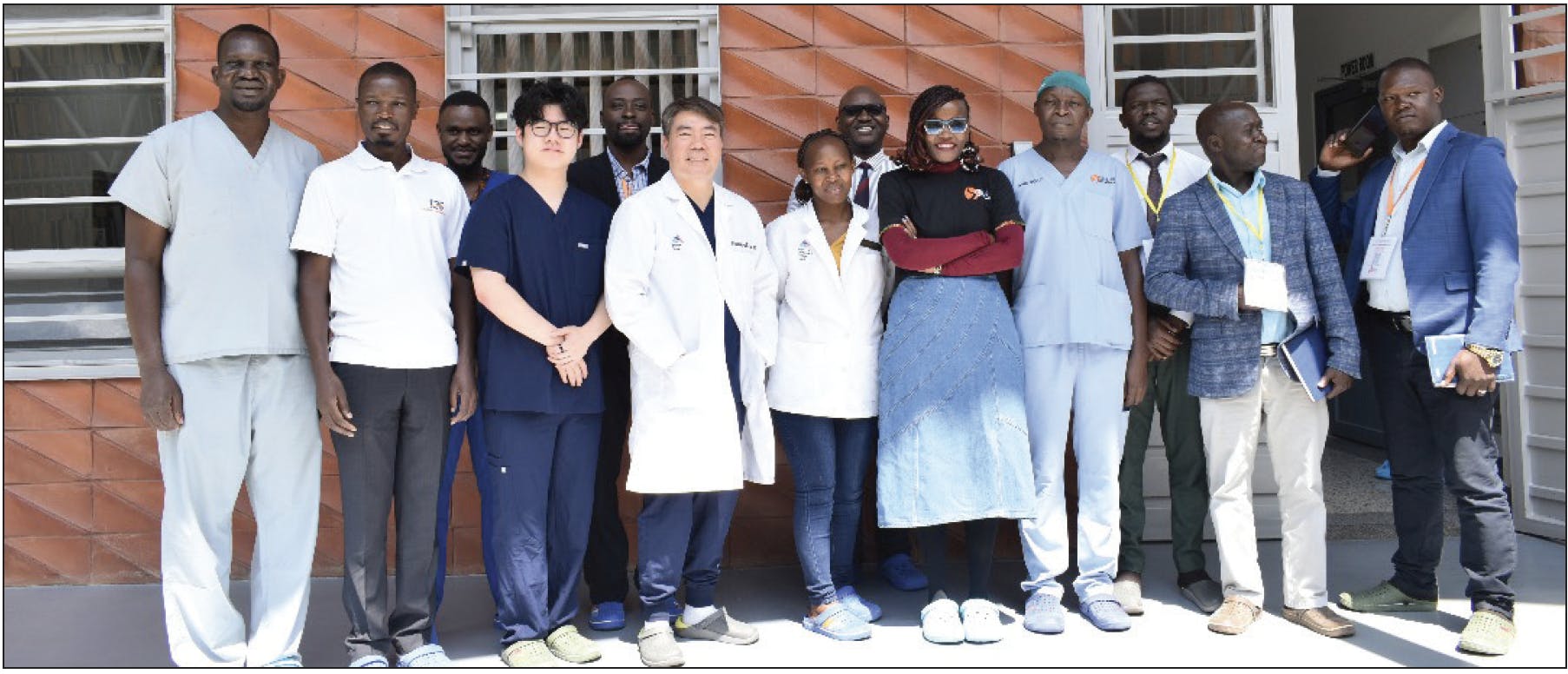
Figure 1. A multidisciplinary team of interventional radiology, hepatobiliary surgery, gastroenterology, and general surgery with nurses, technologists, and administration after a multidisciplinary liver conference.
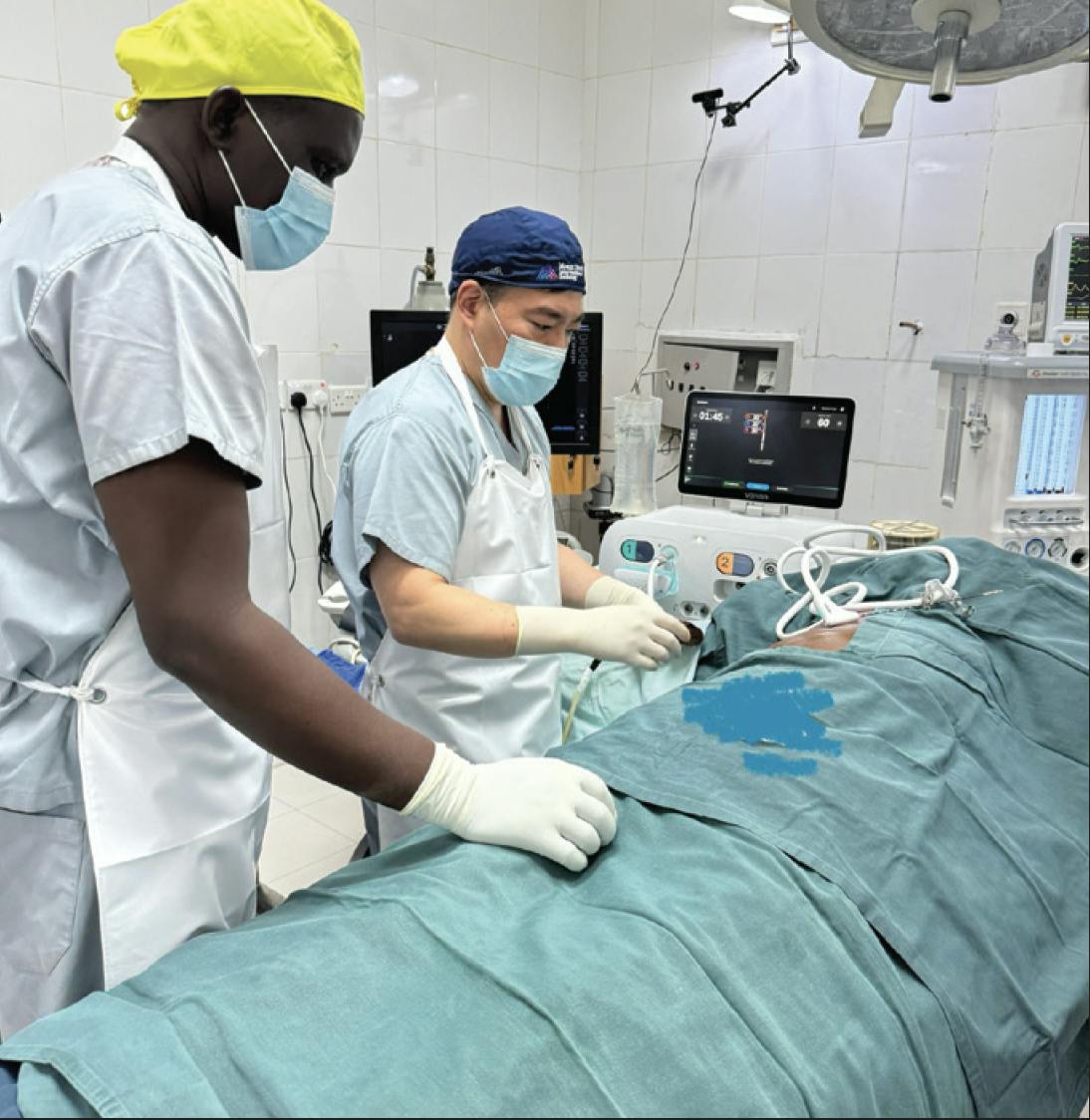
Figure 2. Drs. Damoi and Kim performing the first MWA for HCC in Uganda.
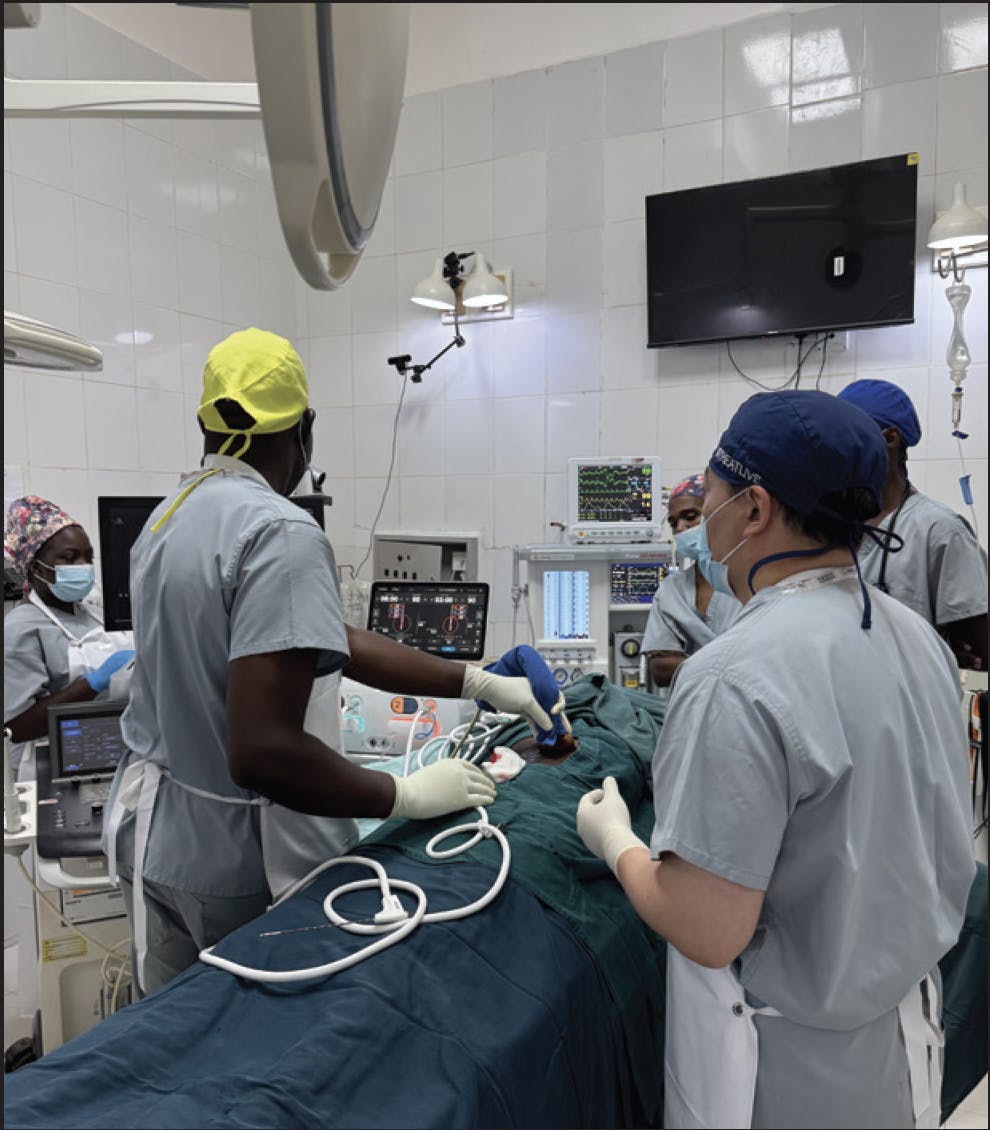
Figure 3. Dr. Damoi, the first Ugandan physician to perform a MWA for HCC in the country.
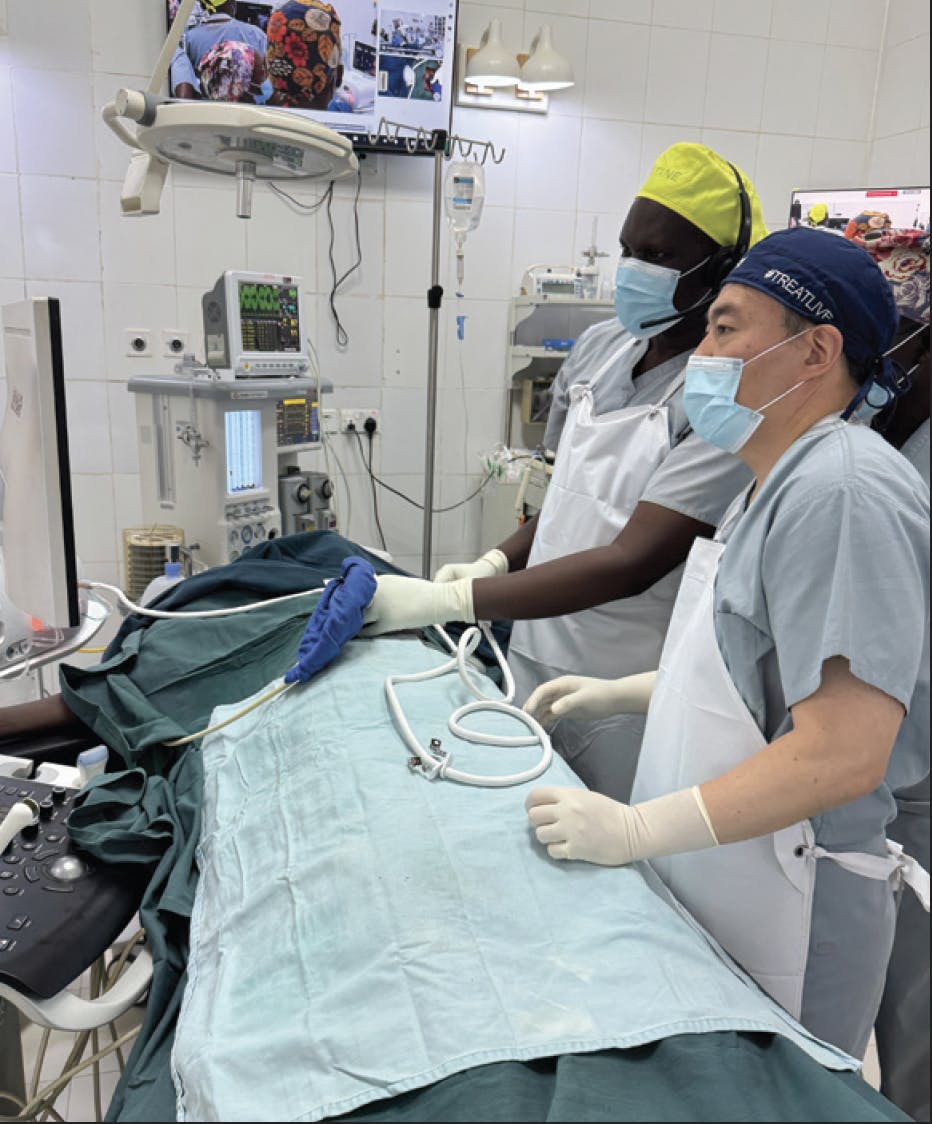
Figure 4. Drs. Damoi and Kim perform a MWA for HCC as a live case broadcast throughout sub-Saharan Africa.
The IntelliBlate MWA device (Varian Medical Systems, a Siemens Healthineers Company) is an FDA-cleared device for soft tissue ablation. This technology was cleared through the Uganda Ministry of Health through a collaborative effort with Siemens Healthineers and Kyabirwa Surgical Center to facilitate service and continued availability and use of disposable ablation probes. Weeks before the device was delivered to Kyabirwa, virtual meetings were held to discuss cases, the device, and its workflow, culminating in a continuing medical education (CME) lecture the week prior to the first case. Before the first procedure, the physicians practiced using the probes as well as the functions of the MWA device.
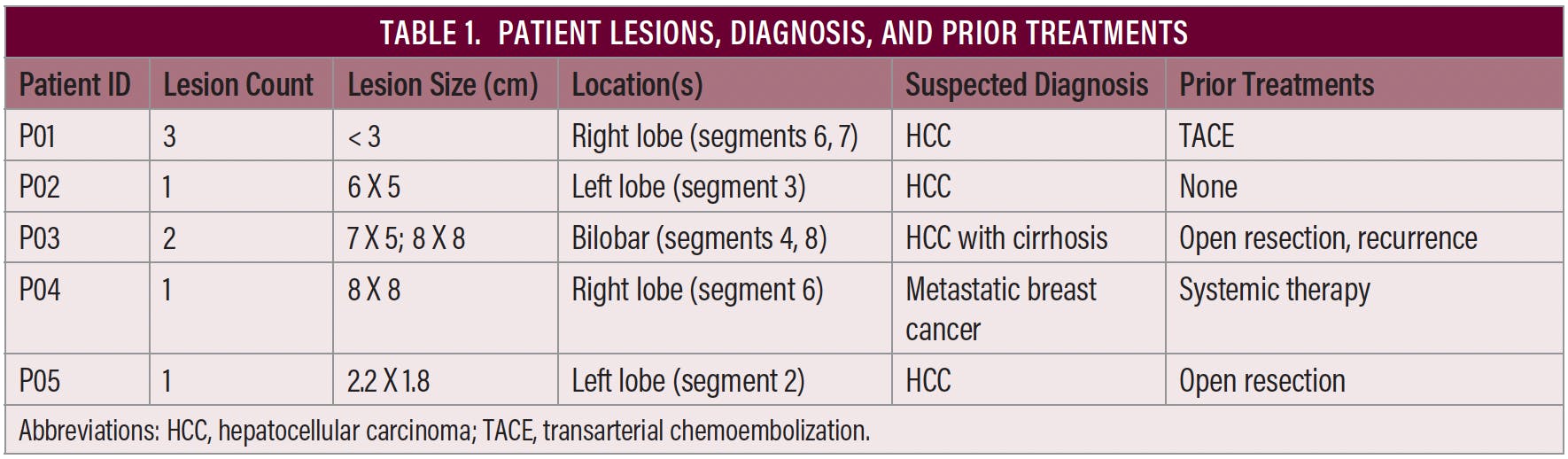
A total of five patients were treated with ablation: three with HCC recurrence postresection, one patient with de novo HCC measuring 8 cm, and one patient with metastatic breast cancer to the liver (Table 1). All patients had Eastern Cooperative Oncology Group 0 performance status and Child-Pugh A underlying liver function. All five patients were discharged within 24 hours without issue, with plans for 4-week follow-up via CT with contrast and a clinic visit. Of note, the final case (recurrent 2-cm HCC, postresection) was broadcast live for physicians throughout East Africa to observe.
On the last day, there was a CME event with a multidisciplinary format of didactic lectures and case observation for visiting physicians from across Uganda, including patient selection and access. The media was also present for interviews for coverage of this therapy that has been widely available globally for decades but was just introduced now in Uganda.
CONCLUSION
Our plan is to continue a sustainable model of teaching and collaboration through ongoing virtual discussions of patient selection, tumor board, and live case proctoring. This experience revealed that global health can expand through the collaboration of physicians from different countries, with a sustainable plan of introducing therapies and then continuing that partnership through the technologic advances in virtual platforms.
The goal has never been to bring experts to perform cases for a week and then leave but rather to foster a collaboration between colleagues thousands of miles apart through initial virtual didactic lectures and discussion, followed by in-person collaboration and sustained through ongoing virtual interactions. As proven by the physicians at Kyabirwa, MWA has the power to revolutionize health care in Uganda.
1. Liang P, Yu J, Lu MD, et al. Practice guidelines for ultrasound-guided percutaneous microwave ablation for hepatic malignancy. World J Gastroenterol. 2013;19:5430-5438. doi: 10.3748/wjg.v19.i33.5430
2. Drabkin MJ, Soomekh P, Fogel J. Outpatient percutaneous image-guided microwave ablation with monitored anesthesia care: an exploratory study. Clin Imaging. 2023;102:88-92. doi: 10.1016/j.clinimag.2023.08.003
3. El-Serag HB. Epidemiology of viral hepatitis and hepatocellular carcinoma. Gastroenterology. 2012;142:1264-1273.e1. doi: 10.1053/j.gastro.2011.12.061
4. Jonas E, Bernon M, Robertson B, et al; Gastroenterology and Hepatology Association of sub-Saharan Africa (GHASSA). Treatment of hepatocellular carcinoma in sub-Saharan Africa: challenges and solutions. Lancet Gastroenterol Hepatol. 2022;7:1049-1060. doi: 10.1016/S2468-1253(22)00042-5
5. Sobnach S, Kotze U, Spearman CW, et al. The management and outcomes of hepatocellular carcinoma in sub-Saharan Africa: a systematic review. HPB (Oxford). 2024;26:21-33. doi: 10.1016/j.hpb.2023.09.015
6. Zanin TZ, Hersey DP, Cone DC, Agrawal P. Tapping into a vital resource: Understanding the motivators and barriers to blood donation in Sub-Saharan Africa. Afr J Emerg Med. 2016;6:70-79. 10.1016/j.afjem.2016.02.003
Advertisement
Advertisement
